Labsure helped a Queensland HVAC and industrial cleaning contractor reverse engineer a market-proven evaporator coil and aluminium fin cleaner, reconstruct the surfactant, corrosion inhibitor and penetration agent system, optimise the formula for local raw material supply, produce validated test samples, map Australian compliance requirements and arrange contract manufacturing. The client avoided costly blind R&D, locked in lower ingredient costs, kept metal-safe performance, and moved to private label sales with minimal trial-and-error risk.
If you run an HVAC maintenance company, refrigeration service business, industrial cleaning contractor or trade supply operation anywhere in Australia, you already know the same quiet frustration. You have loyal technicians, recurring site contracts, solid customer relationships, and a clear understanding of what works on real Queensland, NSW or Victorian sites. But when your team finds a coil cleaner that genuinely performs — one that lifts grease and biofilm from tight aluminium fins without pitting, discolouring or corroding evaporator and condenser coils — you are stuck buying it from a supplier. You resell someone else’s brand, accept thin margins, and live with supply chain uncertainty, price rises and stock delays that you cannot control.
Many owners in this position ask the same question: why can’t I make this product myself, under my own label?
The obvious barrier is not sales. It is formulation chemistry. Developing a reliable HVAC fin cleaner from scratch is slow, expensive and risky. You need to balance wetting agents, foaming systems, penetrants, corrosion inhibitors, pH buffers, stabilisers and biodegradability. You must test on aluminium, copper and mixed metal heat exchangers, validate cleaning performance on dust, cooking grease, mould biofilm and construction residue, and align the finished product with AICIS, WHS, SDS and labelling rules for Australian commercial use. A failed formulation trial wastes raw material, technician time, customer trust and capital. That is why so many capable trade businesses stay locked into agency and distribution models, even when they know there is a better margin opportunity.
This case study is about a Queensland HVAC maintenance business that chose a different route. Instead of building a coil cleaner from a blank sheet, they used reverse engineering on a benchmark product their technicians already trusted. They partnered with Labsure to decode the existing formulation, then turned that analytical insight into an improved, locally manufacturable private label coil and fin cleaner. This is not a story about copying product blindly. It is about using proven market performance as a starting point, then engineering risk out of every step before production begins.
The Client’s Starting Point: Proven Field Performance, No Formula
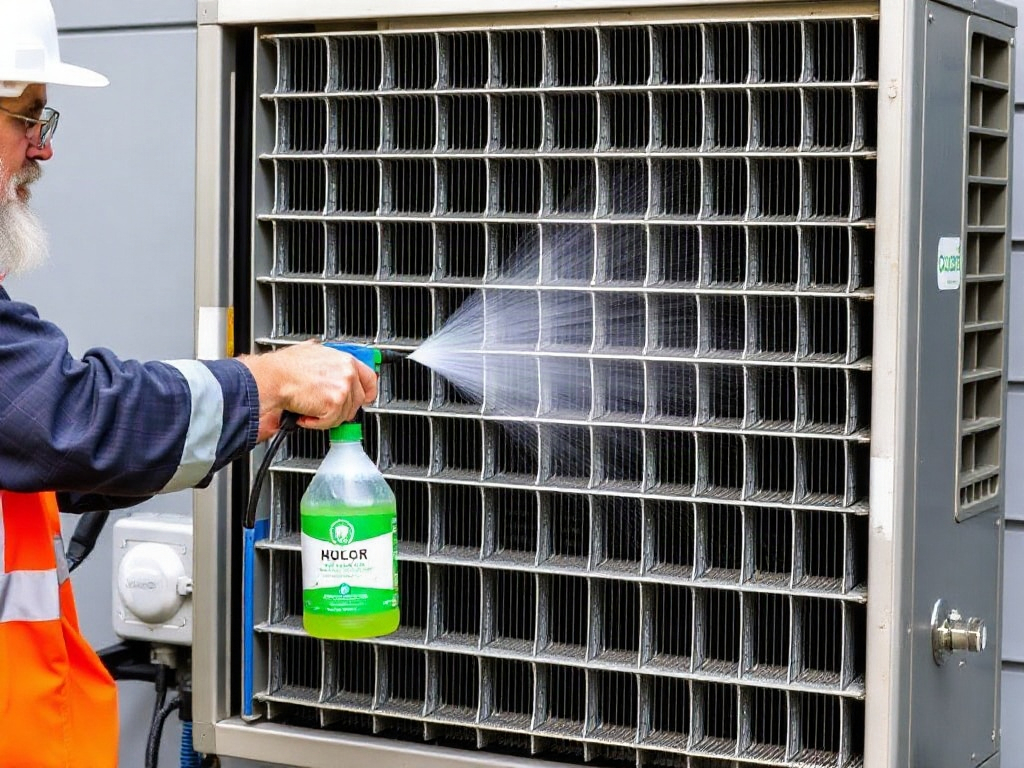
The client operates commercial HVAC servicing, refrigeration maintenance and industrial cleaning contracts across South East Queensland. Their technicians regularly clean evaporator coils, condenser coils, aluminium fin packs and air handling units in retail centres, schools, healthcare facilities, hospitality kitchens and multi-tenancy office buildings.
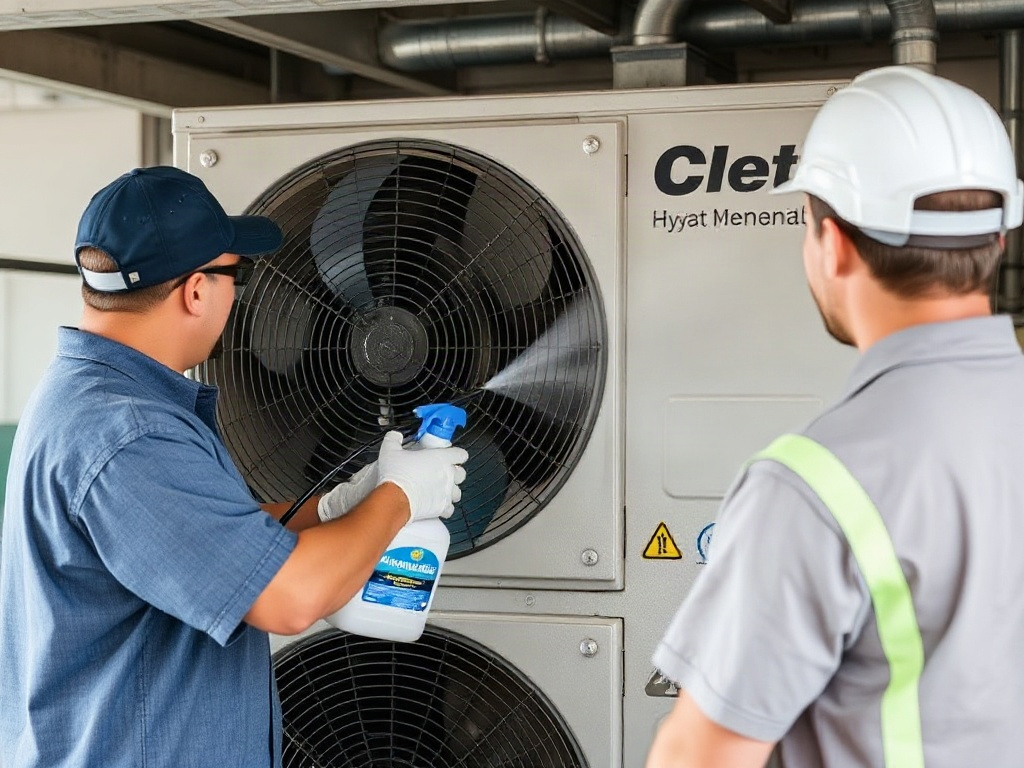
Over several years, they settled on one imported coil cleaner that consistently outperformed alternatives on their sites. It created stable foam that crawled deep between tightly spaced fins, broke down organic build-up without aggressive acid, protected aluminium surfaces, and produced reliable results that reduced repeat callouts. Their customers liked it, their technicians preferred it, and it became a core consumable for their maintenance packages.
But there were three hard commercial limits. First, supply was imported, with long lead times and currency exposure. Second, the supplier controlled pricing, minimum order quantities and branding. The client could not white-label it or adjust dilution ratios to match their own service workflow. Third, they had no visibility of what was actually in the product. They could not confidently assess local ingredient alternatives, forecast cost reductions, or defend the product’s metal-safety claims when facility managers asked technical questions.
The business owner’s goal was simple and specific:
- Match or exceed the benchmark cleaner’s cleaning power, penetration and foam behaviour on aluminium HVAC fins and evaporator coils.
- Maintain excellent corrosion inhibition so the product would not damage delicate heat exchange surfaces, even with repeated annual cleaning.
- Rebuild the formulation using locally available Australian raw materials wherever possible to cut supply risk and landed cost.
- Generate test batches they could run through side-by-side field trials with their own technicians.
- Reach a production-ready formula fast, with minimal failed trial runs, so they could launch their own branded coil cleaner into their existing customer base.
They did not want to spend six or twelve months testing random surfactant blends. They wanted to start from a product the market had already validated. That is exactly the use case our reverse engineering and formulation analysis service is designed for. You can read more about how we structure this pathway for chemical brands on our private label chemical development page.
The Labsure Reverse Engineering Workflow for HVAC Coil & Fin Cleaner
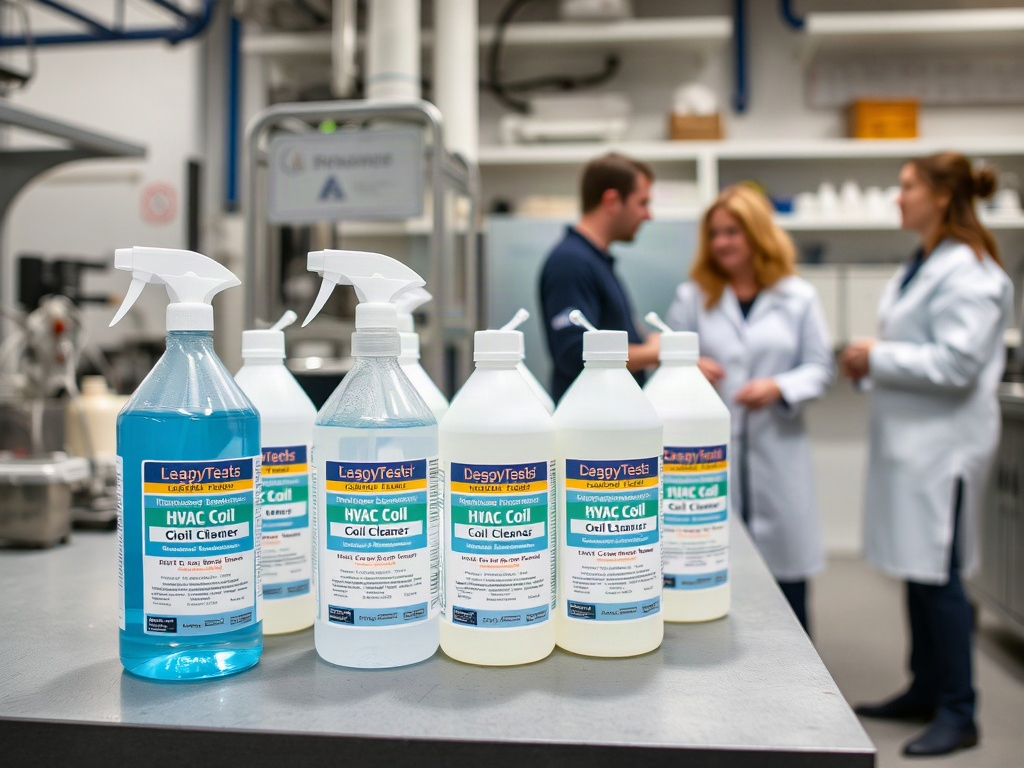
Reverse engineering for HVAC chemicals is not just “breaking down the bottle”. For coil cleaners, the critical performance systems are the surfactant blend, wetting and penetration agents, foam stabilisers, corrosion inhibitors, pH modifiers and any biostatic additives. Each component has a job. If the surfactant package is wrong, the product will bead on aluminium instead of spreading and lifting grime. If the corrosion inhibitor dosage is misaligned, you get bright, clean fins today and premature metal fatigue, discolouration and warranty disputes twelve months later. If the foam system collapses too quickly, the active ingredients do not have enough contact time in dense fin packs.
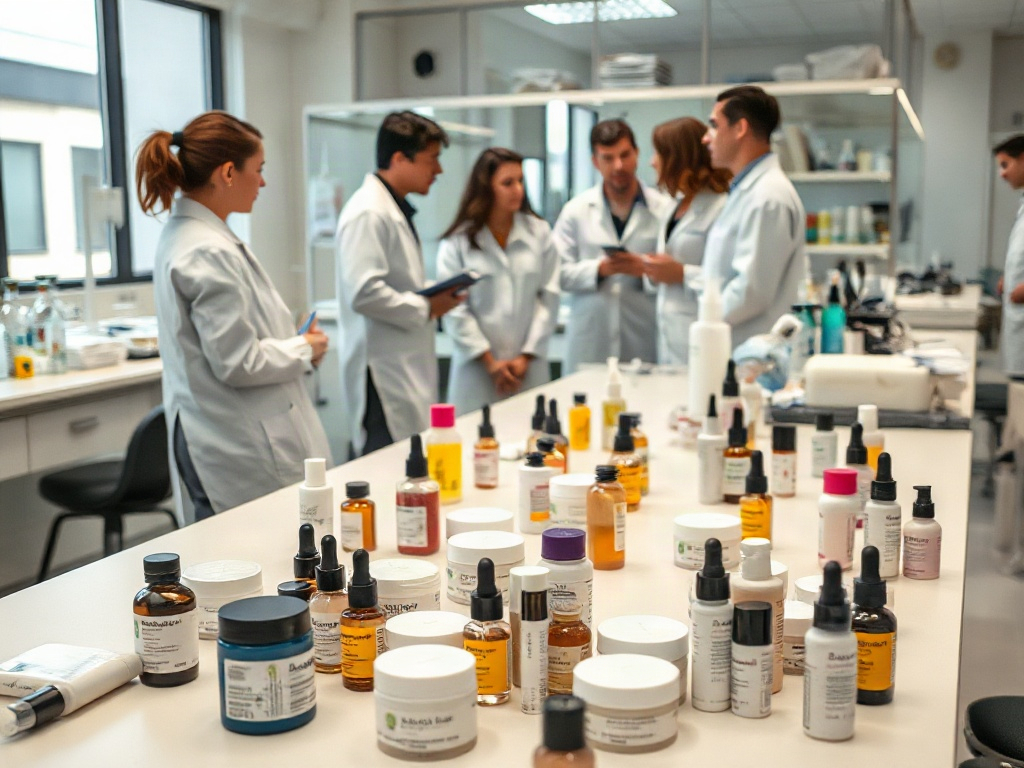
Our laboratory team ran a structured analytical sequence on the benchmark sample provided by the client. We profiled the full formulation matrix, separated functional groups, identified the primary surfactant families, mapped the inhibitor system, quantified pH, conductivity, viscosity, foam stability and dilution behaviour, and flagged components that would create compliance or sourcing challenges in Australia.
A key distinction we make for every client: reverse engineering delivers the blueprint, not a rigid copy. We identify what makes the reference product work, then build a reconstruction that preserves its core performance while opening room for improvement. For this Queensland HVAC client, the improvements were cost, local raw material availability, SDS clarity and safer waste discharge for commercial sites.
After the analytical phase, our formulation chemists reconstructed a candidate formula. We then moved into sample development. Our lab produced bench-scale pilot samples, adjusted ratios, and prepared labelled test batches for the client’s technical team. This is the low-risk testing stage. The client could compare our candidate side-by-side against their benchmark product on real coils, using the same spray equipment, dilution rates and application procedures their technicians use every day.
They tested on the toughest sites they handle: grease-coated kitchen evaporator coils, dust-laden condenser fins, mould-contaminated AHU coils and aged aluminium surfaces that were sensitive to aggressive cleaners. The evaluation criteria were practical and field-focused, not just lab numbers: foam cling time, penetration into fin gaps, ease of rinsing, surface brightness after cleaning, absence of staining or darkening, odour profile, and the speed of grime release.
When the client’s field team identified areas they wanted adjusted, we modified the formulation and supplied revised samples. This iterative sample loop is far cheaper than manufacturing full production batches. It keeps trial cost low, because failure is contained at the litre scale, not the pallet scale. You can learn more about our analytical approach for industrial cleaning chemicals from our Melbourne industrial degreaser case study.
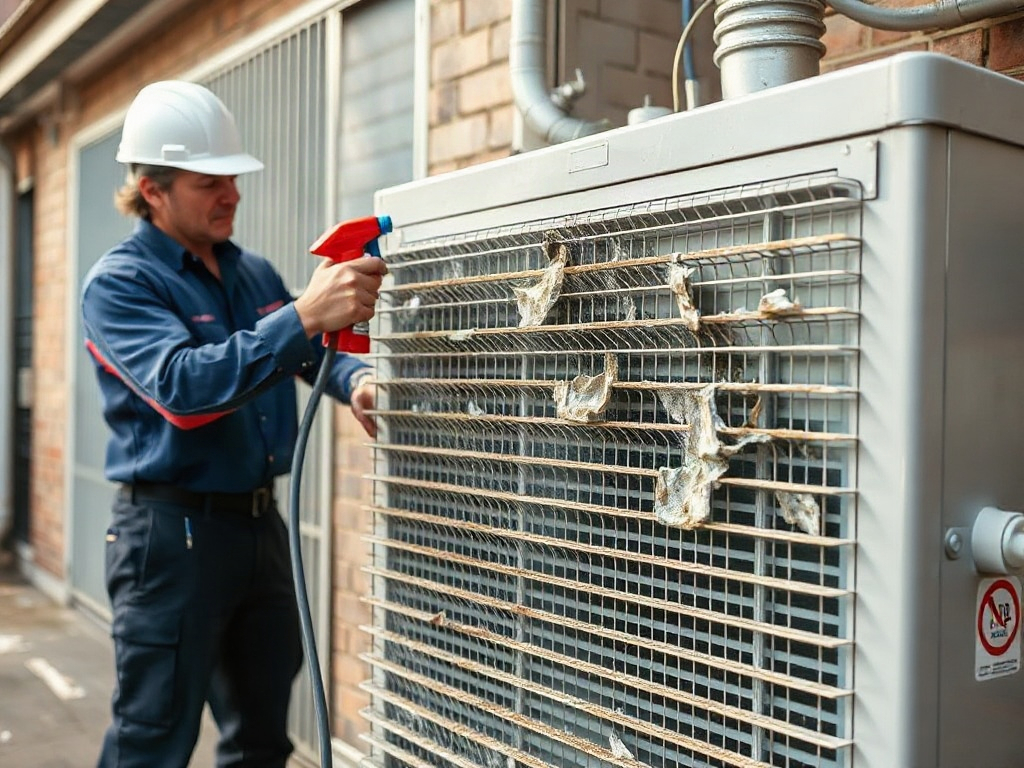
The Optimised Formulation: Balancing Cleaning Power, Metal Safety and Australian Compliance
The final agreed formulation retained the benchmark’s core performance characteristics but resolved several pain points from the imported reference product.
First, the surfactant blend was rebalanced to deliver equivalent soil suspension while using locally procurable raw materials. This reduced reliance on single overseas supply lines and gave the client more flexibility if one ingredient supplier changed pricing or lead times.
Second, the corrosion inhibitor system was calibrated specifically for aluminium fin stock and mixed copper-aluminium heat exchangers. Many budget coil cleaners clean well but carry hidden corrosion risk. That is a major liability for HVAC contractors, because coil damage leads to expensive component replacement and customer claims. In this project, metal safety was a non-negotiable KPI. We ran accelerated compatibility testing on aluminium coupons to confirm the formulation would not induce pitting or intergranular corrosion under normal and slightly extended dwell times.
Third, the penetration agent and foam system were tuned for Australian HVAC conditions. Many commercial coils in Queensland run in high-humidity, high-dust, coastal salt-spray environments. The foam needed to stay attached long enough to break down biofilm and embedded dust, but not create excessive residue that is hard to flush from condensate pans.
Fourth, we built the formulation with AICIS industrial chemical reporting and WHS SDS documentation in mind from day one. A custom coil cleaner is not market-ready just because it cleans well. It needs compliant classification, safe handling instructions, disposal guidance and label text suitable for commercial HVAC contractors, facility managers and site safety officers. We mapped the ingredient inventory so the client could complete the required Australian chemical notifications before manufacturing.
This is where many formulation projects stall. A chemist can make a product that works in a bucket, but if it cannot be documented, labelled and manufactured locally, it never becomes a saleable brand. Our scope includes that compliance bridge, not just the analytical report.
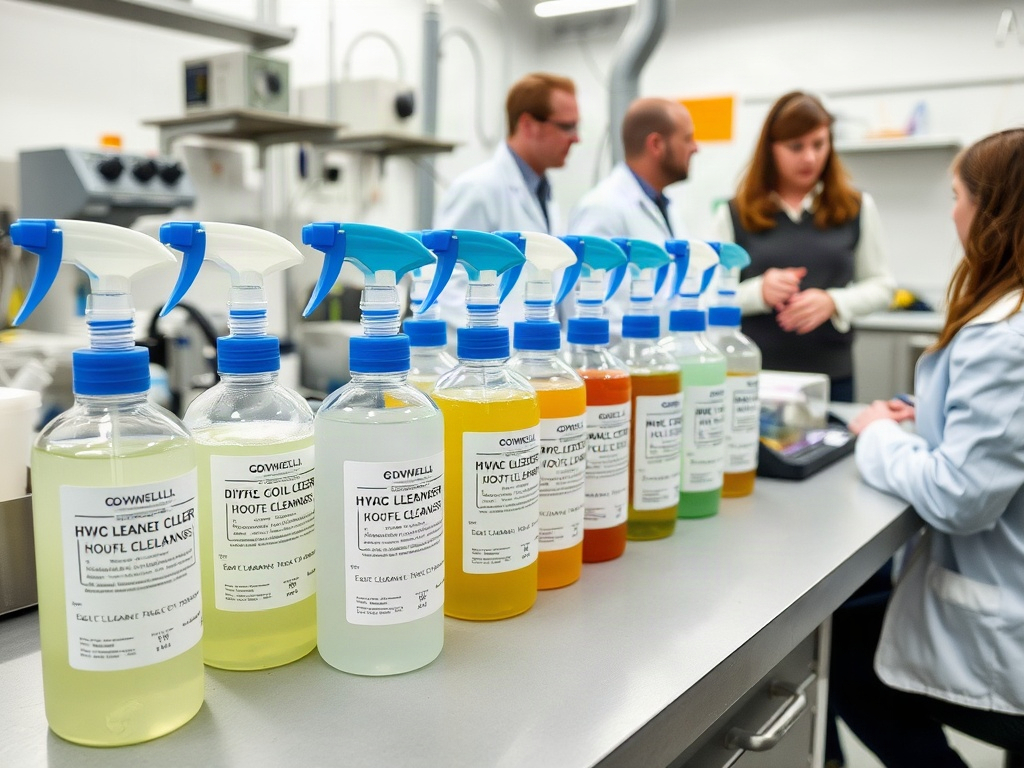
The Outcomes: What the Client Achieved With Reverse Engineering
The client’s primary objective was to get a saleable, own-brand coil cleaner to market quickly, without building everything from scratch. They hit that target, with measurable operational and commercial wins.
The first win was speed. Starting from a known benchmark cut the R&D timeline dramatically. Instead of iterating dozens of random surfactant combinations, the client started with a proven performance reference. The analytical report gave them a clear direction, and sample testing was targeted. The client moved from initial sample submission to a locked, production-ready formulation inside a fraction of the timeline required for a new-from-scratch cleaner.
The second win was controlled cost. By switching to locally available raw materials and optimising component loading, the landed cost per litre of finished concentrate was reduced compared to the imported benchmark product. That margin difference is transformative for a trade business. The client now sells a product they control, rather than only collecting a small markup on someone else’s import. They can adjust pricing, run seasonal promotions, bundle the coil cleaner with their maintenance packages, and offer volume pricing to facility management clients.
The third win was risk reduction. Every change was validated on small lab samples before scaling. There was no large, expensive production run that failed field testing. The client’s technicians were part of the approval process, so the final product fit their workflow, spray equipment and standard dilution rates. This also reduced the risk of field complaints, because the team already knew how it performed against the benchmark they trusted.
The fourth win was brand ownership. The cleaner is now their private label product. They can put their logo on packaging, build a product story around it, train their subcontractors on it, and use it as a differentiator against competing HVAC service companies that are still reselling generic imported chemicals. For a service business, proprietary consumables are a powerful loyalty lever. A facility manager who buys your branded coil cleaner is more likely to keep using your maintenance team.
The fifth win was technical transparency. The client now understands the formulation’s components, function and limits. When a customer asks about metal safety, biodegradability, rinsing requirements or coastal suitability, they have technical data and lab notes to support their answers. That builds credibility with engineering teams, schools and healthcare facility managers who demand documentation.
Once the formulation was approved, we supported the client through the next stage: contract manufacturing coordination. We provided the final bill of materials, manufacturing instructions, quality control checkpoints and sample specifications, so the selected manufacturer could produce consistent batches. We also assisted with raw material sourcing guidance where the client needed help finding reliable Australian suppliers for specific surfactants and inhibitors. This end-to-end support is central to our contract manufacturing service for chemical brands. You can see how we apply this same low-risk launch model for other trade chemical categories in our automotive detailing chemical case study here.
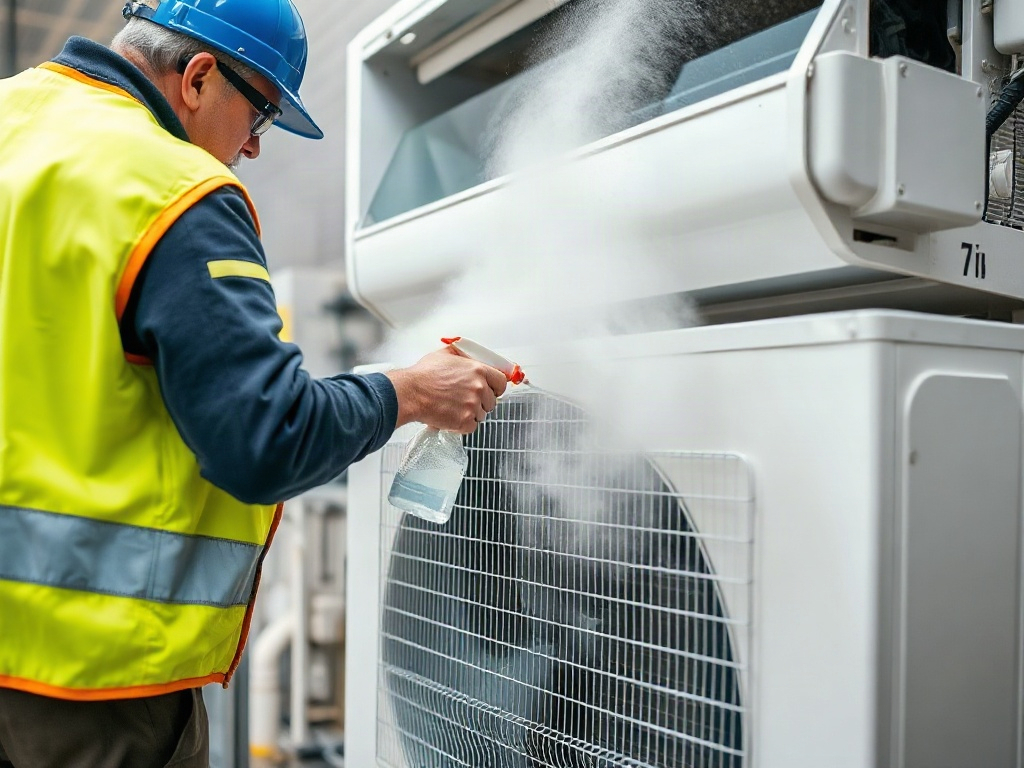
Who This Reverse Engineering Path Is For — and Who It Is Not
This pathway is not for every business. It is a deliberate strategic choice, and it fits a specific profile.
It is ideal for Australian HVAC contractors, refrigeration service companies, industrial cleaning businesses, trade supply distributors and facility maintenance groups that already have an active customer base and a trusted benchmark product. If you have technicians in the field, recurring site contracts, and you know exactly which cleaner performs best on your jobs, reverse engineering is the fastest, lowest-risk route to private label. You bring the market knowledge and field validation; we bring the analytical chemistry, formulation reconstruction, sample development, raw material mapping and manufacturing handover.
It is also a strong fit for businesses that are tired of supply volatility. Imported coil cleaners are exposed to freight delays, currency swings, port congestion and supplier MOQ changes. A locally manufactured own-brand formula gives you more control over supply continuity.
It is not the best starting point if you do not have a benchmark product you trust. If you are only guessing what performance you want, starting from a concept formulation is better. Reverse engineering works best when you already have a gold standard you want to match and improve. It is also not a shortcut to bypass regulatory obligations. Every formulation we develop is built to fit Australian requirements, but compliance work remains part of the commercialisation process. We do not cut corners on AICIS, SDS, WHS and labelling obligations.
Common Concerns We Hear From HVAC Business Owners
We speak with dozens of trade business owners every year who are curious about private label coil cleaners, but they hold back over predictable worries.
The first concern is “reverse engineering is just copying, and that is risky”. Our approach is not copy-and-paste. We identify the functional chemistry, then rebuild the formulation with sourcing, cost, stability and local compliance as design constraints. Often the final product is better suited to Australian operating conditions than the imported benchmark. The goal is functional equivalence plus practical improvement, not a chemical clone.
The second concern is “I do not have chemistry staff, so I cannot manage this”. You do not need an in-house chemist. Our service model is built for operators, not lab teams. We translate analytical results into practical instructions, supply test samples, explain performance trade-offs, and hand over manufacturing documentation your production partner can follow. Your job is to lead field testing and commercial decisions; our job is the chemistry and technical pathway.
The third concern is “this will be too expensive for a small batch”. This is why we separate bench samples, pilot batches and full production. The expensive part is scaling. The formulation and sample validation phase lets you confirm market fit before committing to larger runs. For many HVAC contractors, the first commercial batch is sized to supply their existing contract customers, rather than flooding retail shelves. That keeps the commercial launch low-volume and low-risk.
The fourth concern is “what if my favourite cleaner is not suitable for local manufacture?”. This is exactly what the analytical phase reveals. Some imported formulations use ingredients that are hard to source locally, high-cost, or problematic under Australian chemical rules. We identify those bottlenecks early and design alternatives that preserve the performance profile. Sometimes the benchmark product is a great performer, but a poor candidate for local supply. We tell you that upfront, before you spend money on manufacturing.
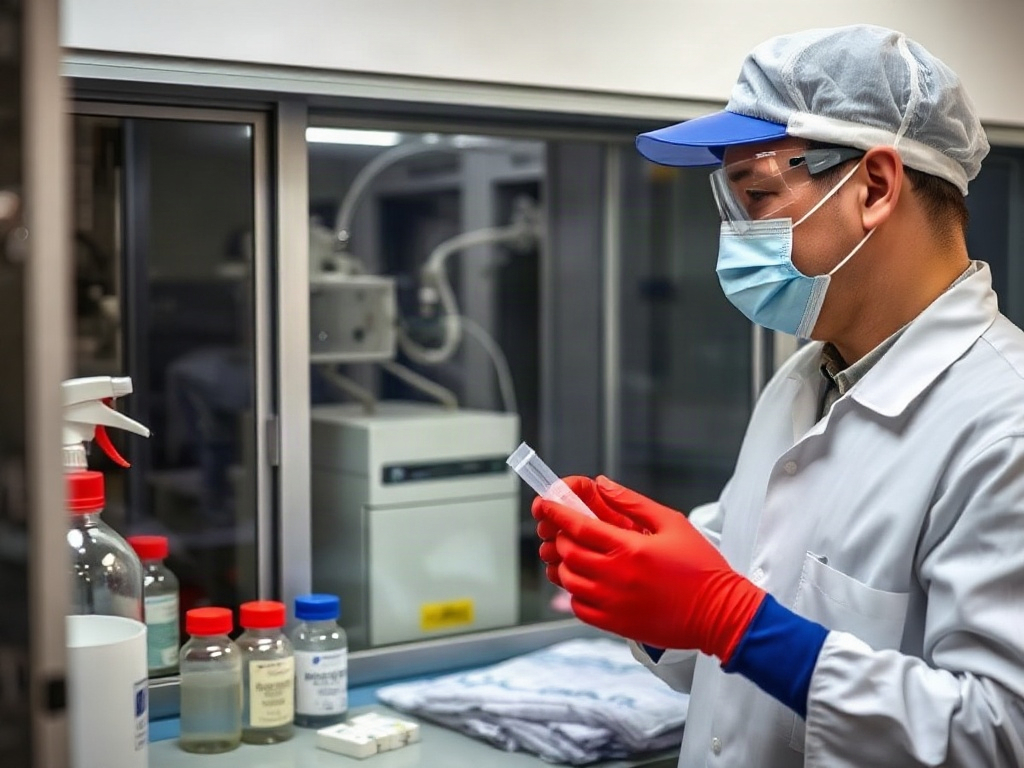
How the Labsure Process Works for Your HVAC Coil Cleaner Project
If you are sitting in the same position as this Queensland client, the process follows five clear steps.
First, you send us a sample of the benchmark coil or fin cleaner that your technicians already trust, along with notes on what you like about it and what frustrates you. Tell us your target dilution, application method, coil types you clean, coastal or inland operating environment, and your cost target.
Second, our laboratory runs formulation analysis and reverse engineering. We identify the surfactant system, penetration agents, corrosion inhibitors, pH modifiers and other functional components. We produce a clear technical report that explains what each component does, not just a list of chemicals.
Third, our formulation team reconstructs and optimises the formula. We select alternative ingredients where needed for local sourcing, compliance or cost, and build bench samples for your evaluation.
Fourth, you run field trials with your own technicians. You test our samples side-by-side against the benchmark, under your normal site conditions. We adjust the formulation and supply revised samples until you are satisfied with cleaning performance, foam behaviour, metal safety and ease of use.
Fifth, once the formulation is locked, we hand over the full production package: bill of materials, manufacturing procedure, QC test specifications, SDS support documentation and raw material sourcing guidance. We can connect you with contract manufacturing partners suited to your batch size, and support you through the first production run.
That sequence is designed to put the technical risk at the front end, in small, testable batches, before you commit capital to production. This is the core value of reverse engineering as a product development strategy for trade chemical brands.
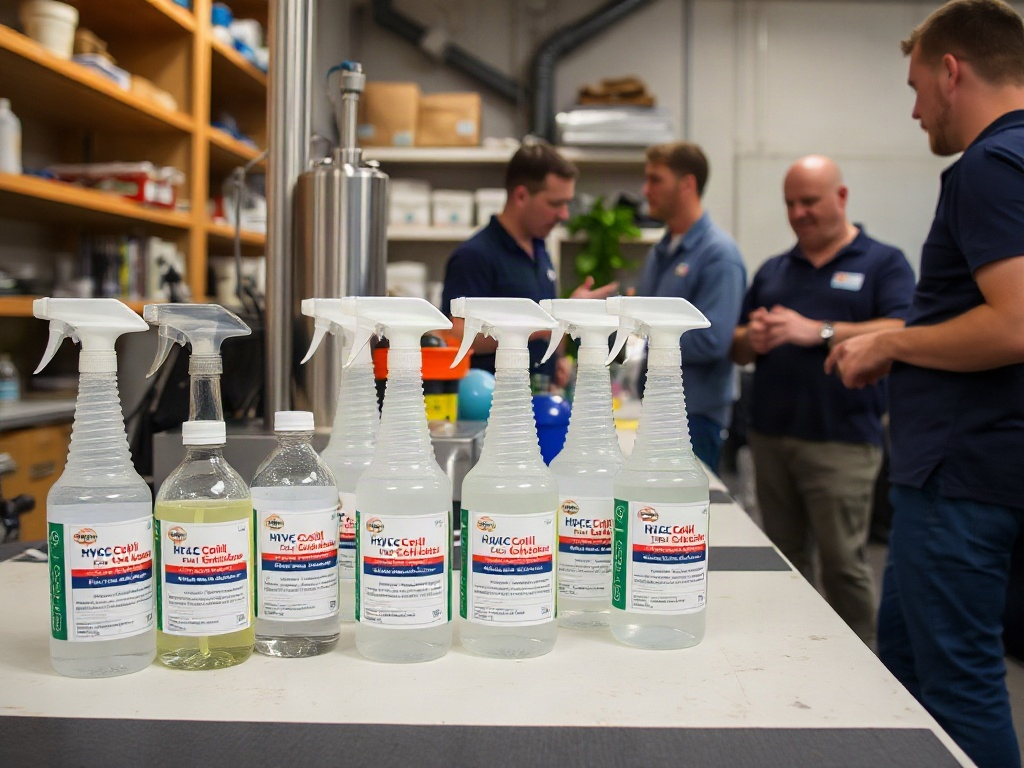
When Reverse Engineering Beats Starting From Scratch
For many HVAC and industrial cleaning businesses, the choice is not “should I make a product?” but “what is the lowest-risk way to make a product my customers already accept?”.
Starting from scratch means guessing the surfactant ratio, guessing inhibitor loading, guessing foam stabiliser levels, guessing pH, and guessing how the blend will behave on real aluminium fins. Each guess costs time and sample material. Many failed trials later, you may still end up with a product that does not match the cleaner your technicians preferred.
Reverse engineering flips that logic. You start with a product that has already passed real-world field validation. You know its cleaning behaviour, its dwell performance, and its acceptance by your technicians. The analytical work reveals the design principles behind that performance, and then you optimise the package for your own commercial reality: local supply, cost targets, compliance, packaging and brand.
This is why it is such a strong fit for service businesses. Your competitive advantage is not being a chemical manufacturer. Your advantage is knowing the sites, the equipment, the technicians, the facility managers and the failure modes of HVAC systems in your region. Reverse engineering lets you bring that field intelligence into product development, without requiring you to become a specialist formulator.
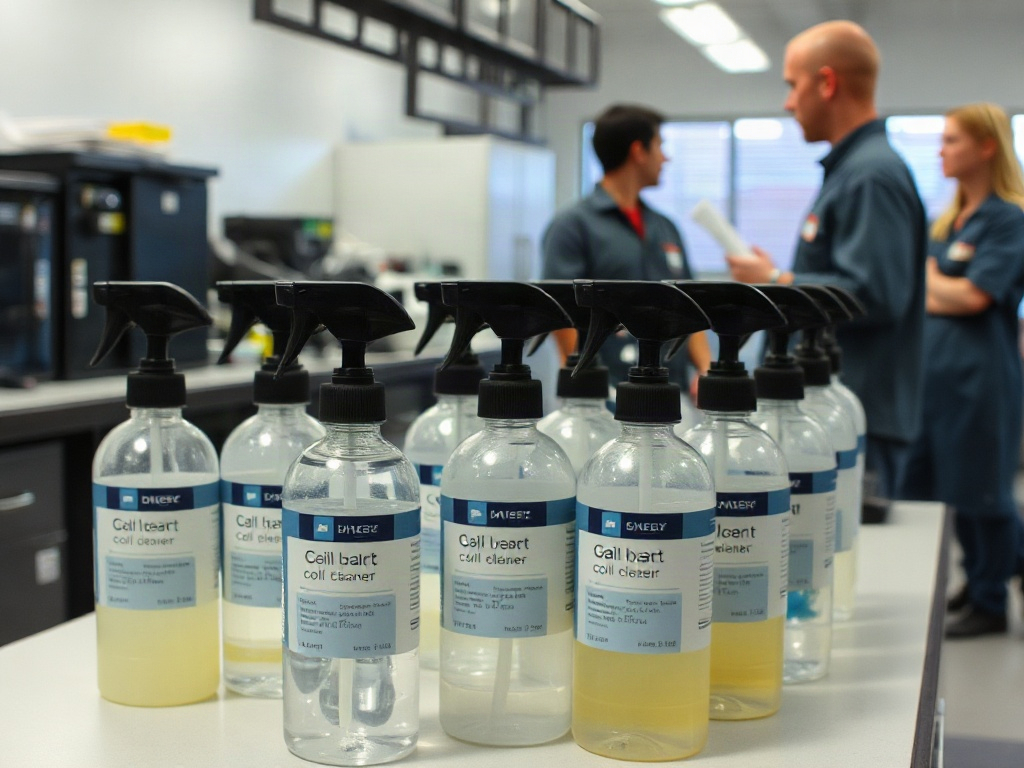
Next Steps If You Want Your Own Branded Coil & Fin Cleaner
If you are an Australian HVAC maintenance contractor, refrigeration service business, industrial cleaning operator or trade supply company and you already have a coil cleaner, evaporator cleaner or aluminium fin cleaner that your team loves, this pathway is available for you.
You do not need a fully developed product concept. You only need a benchmark sample, a clear sense of what performance you want to preserve, and an appetite to own your own branded consumable range.
We work with clients across Queensland, New South Wales, Victoria, South Australia and Western Australia, supporting reverse engineering, formulation optimisation, custom sample development, raw material sourcing guidance and contract manufacturing coordination for cleaning chemicals, HVAC maintenance products and industrial formulations.
If you would like to discuss your benchmark coil cleaner and understand what reverse engineering would look like for your business, reach out via our contact page. Our team will walk you through the sample submission process, outline the scope, timeline and investment, and explain what deliverables you receive at each stage. Contact Labsure here to start the conversation.
Closing takeaways
Reverse engineering is not about copying products blindly. It is about using proven field performance as a low-risk starting point for your own private label HVAC chemical range. For this Queensland HVAC client, the outcome was a metal-safe, high-performance coil and fin cleaner, built from a benchmark they trusted, optimised for local supply, validated by their technicians, and ready for contract manufacturing. The client gained ownership of their product, improved margins, supply resilience, and a branded consumable that reinforces their maintenance contracts. If you have a winning cleaner in your van but no formula, this may be the fastest way to turn it into your brand.
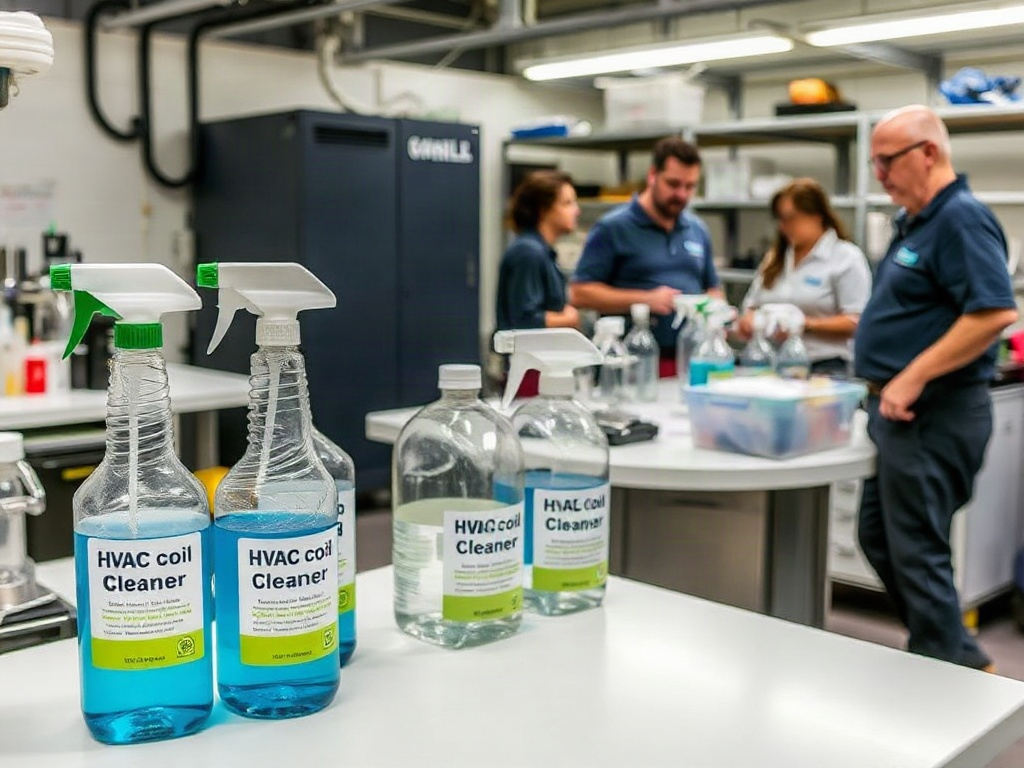
Internal link summary (already embedded inline, as requested):
- Private label: https://labsure.com.au/private-label/
- Clean agent case study: https://labsure.com.au/clean-agent-case-1/
- Automotive detailing chemical case study: https://labsure.com.au/automotive-detailing-chemicals-contract-manufacturing-in-australia-from-concept-to-market-ready-brand-with-low-risk-fast-turnaround/
- Contact page: https://labsure.com.au/contact/