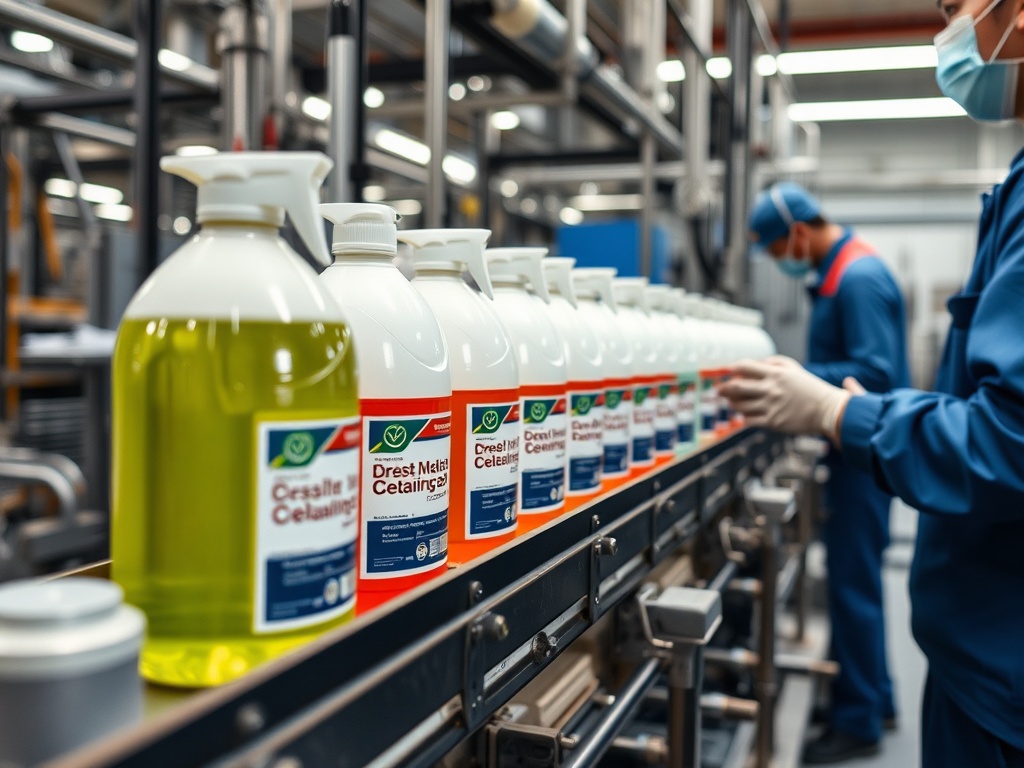
The Australian automotive detailing and car care market is expanding rapidly, driven by professional detailing studios, mobile wash operators, dealership reconditioning services, and e-commerce car care brands. However, most new entrants face the same barrier: developing a high-performance chemical range from scratch is expensive, slow, and technically risky.
This is where contract manufacturing for automotive detailing chemicals in Australia becomes a strategic advantage.
At Labsure, we support businesses to launch or scale car care brands using two proven pathways:
- Using your existing formulation and scaling it into production
- Or reverse engineering a market-proven product and optimising it into a private-label-ready solution
This approach allows you to enter the market faster, reduce R&D costs, and significantly lower product performance risk.
Why Automotive Detailing Products Are Ideal for Contract Manufacturing
Automotive detailing chemicals are inherently performance-driven products. Customers are not buying “chemistry” — they are buying outcomes:
- High-gloss finish
- Hydrophobic protection
- Fast cleaning performance
- Streak-free glass
- Long-lasting polymer or ceramic protection
Because of this, most successful brands do not invent entirely new chemistry. Instead, they:
- Benchmark existing high-selling products
- Replicate performance profiles
- Adjust fragrance, viscosity, dilution ratios, and packaging
- Build branding and distribution strength
This is exactly what contract manufacturing + reverse engineering + private label development enables.
Labsure’s focus is helping Australian businesses turn proven market products into their own scalable brand — without needing a full in-house laboratory team.
You can explore more about our capabilities here:
/automotive-detailing-private-label
/reverse-engineering-formulation-analysis
/contract-manufacturing-australia
Two Paths to Launch Your Automotive Detailing Brand
1. If You Already Have a Formula
Many detailing businesses, distributors, or workshop owners already have:
- A working bulk formulation
- An imported product they want to localise
- Or a supplier sample they want manufactured locally
In this case, the process is straightforward:
Step 1: Technical review of formulation
We evaluate stability, compatibility, and regulatory considerations in Australia.
Step 2: Discuss MOQ (Minimum Order Quantity) and scale-up
We align production size based on:
- Startup brand requirements
- Storage capacity
- Cash flow constraints
- Packaging selection
Step 3: Packaging and branding integration
We assist with:
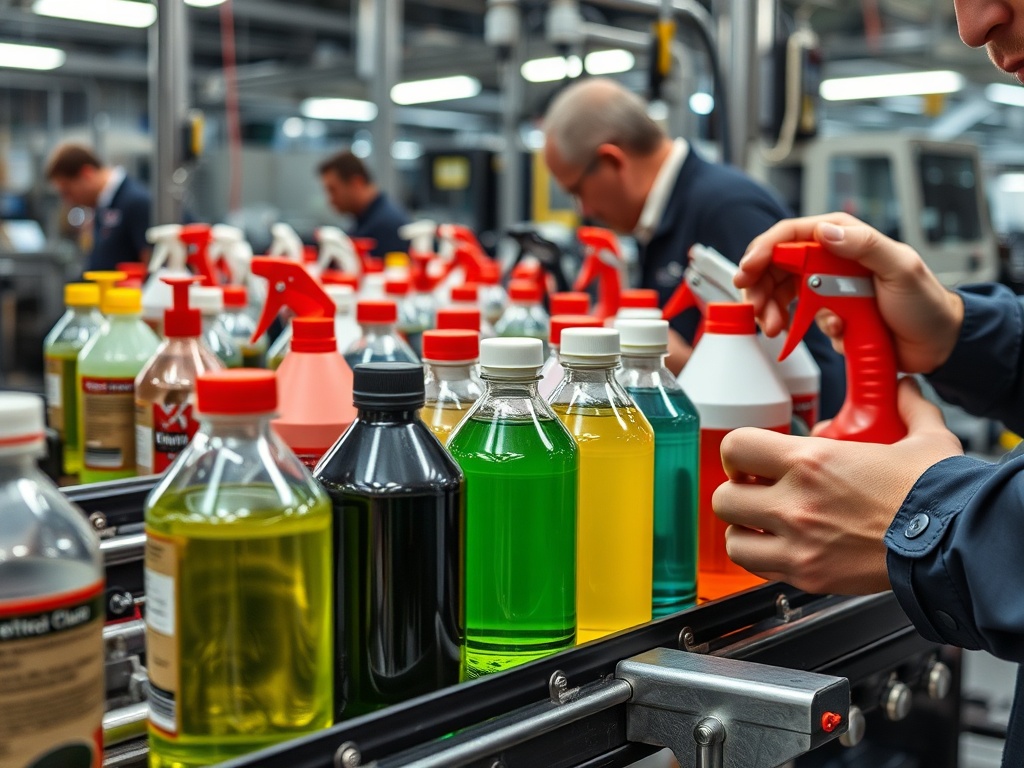
- Bottle selection (500ml, 1L, 5L, bulk drums)
- Label compatibility with chemical resistance
- Spray triggers, foaming heads, caps
Step 4: Pilot batch production
Small batch manufacturing ensures:
- Consistency validation
- Application testing
- Feedback from your target users (detailers, workshops, retailers)
Step 5: Full-scale contract manufacturing
Once validated, we move into stable production with local supply continuity in Australia.
This model is ideal for businesses that already understand their market but want a reliable Australian manufacturing base.
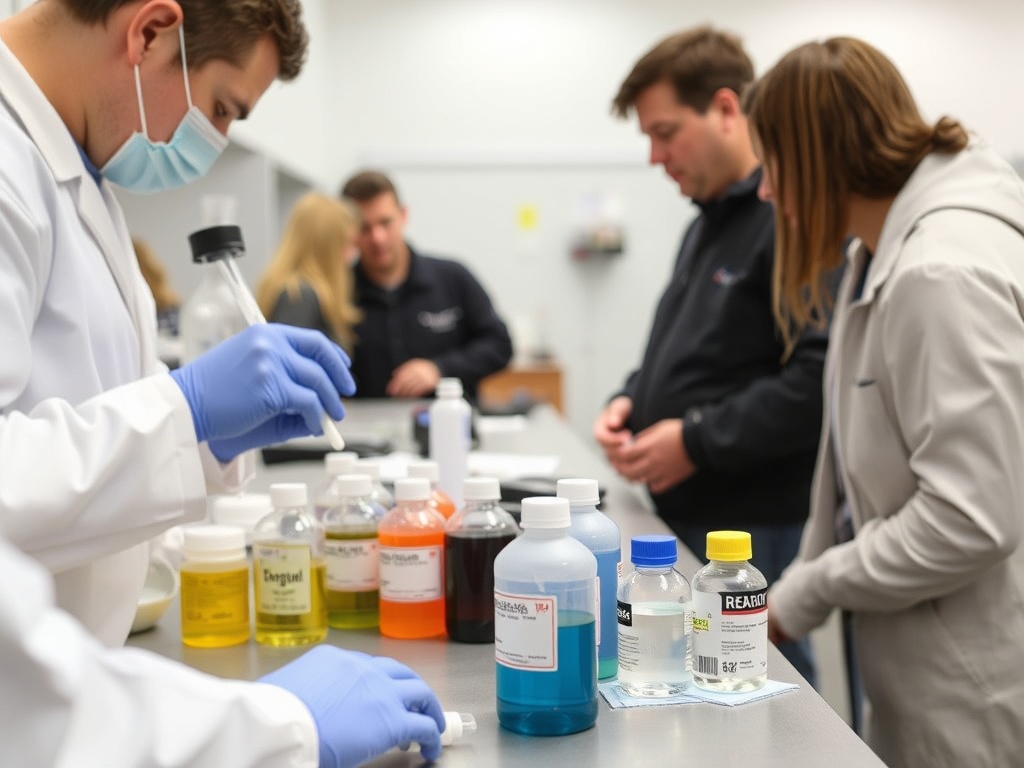
2. If You Do NOT Have a Formula (Most Common Scenario)
This is where most new automotive brands begin.
Instead of starting with chemistry, we start with market reality.
Step 1: Product Selection & Benchmarking
You select a product that is already selling well in the market, for example:
- High-gloss spray detailer
- Ceramic spray coating
- Wheel cleaner gel
- Interior plastic restorer
- Snow foam shampoo
We then analyse:
- Performance expectations
- Application behaviour
- Dilution and cost structure
- Packaging trends
- Competitive pricing in Australia
This ensures your product is not theoretical — it is already validated by the market.
Step 2: Reverse Engineering Analysis
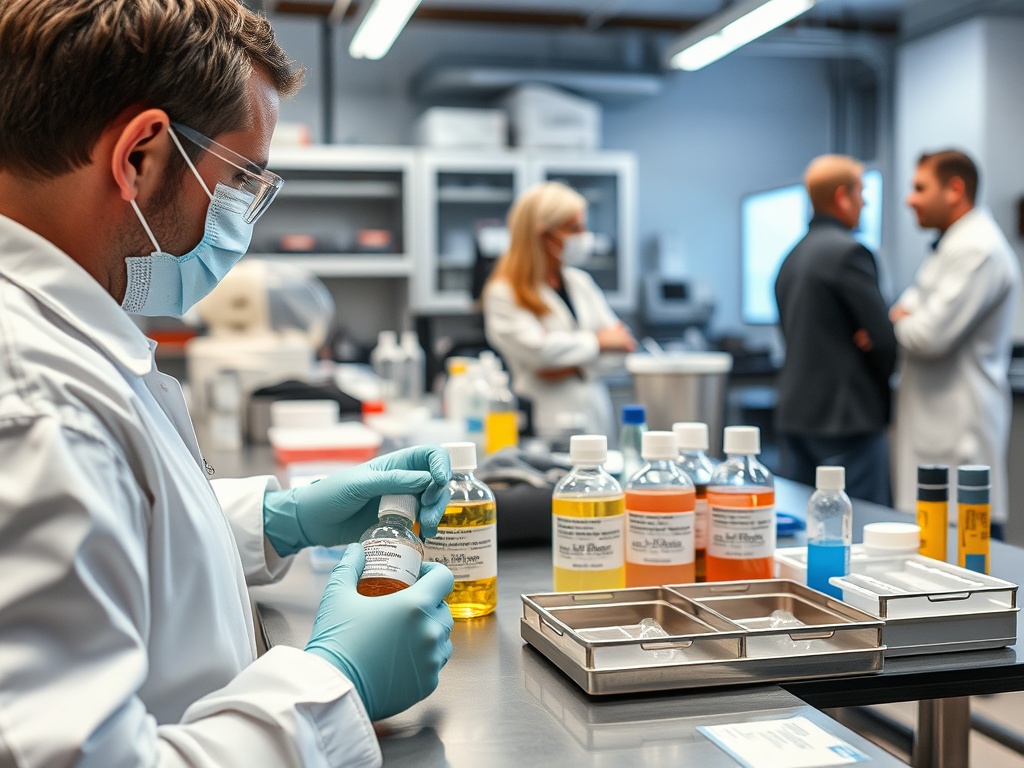
Our laboratory performs a structured reverse engineering formulation analysis, which may include:
- Active ingredient identification
- Surfactant system profiling
- pH and stability analysis
- Solvent system breakdown
- Viscosity and rheology evaluation
- Functional additive detection (e.g., gloss enhancers, hydrophobic polymers)
The goal is not to “copy” blindly, but to understand why the product performs well.
You can explore more about this process here:
/reverse-engineering-formulation-analysis
Step 3: Formulation Reconstruction & Optimisation
Once we understand the system, we rebuild a functionally equivalent or improved formulation.
Typical improvements include:
- Better stability in Australian climate conditions
- Lower raw material cost structure
- Improved dilution efficiency (important for bulk users)
- Reduced streaking or residue
- Improved foam or spray performance
This is where many clients actually gain an advantage over the original product.
Step 4: Small Batch Sampling & Validation
We produce pilot samples for real-world testing:
- Car wash application tests
- Spray behaviour and coverage
- Drying time performance
- Surface finish feedback (gloss, slickness, hydrophobic effect)
At this stage, many clients involve:
- Detailers
- Workshop technicians
- Fleet maintenance operators
Feedback is used to fine-tune performance before scaling.
Step 5: Packaging Finalisation & Brand Preparation
Once formulation is approved, we move into:
- Label compliance (Australian chemical labeling requirements)
- Packaging durability testing
- Logistics and carton configuration
- SKU planning (retail vs bulk vs professional use)
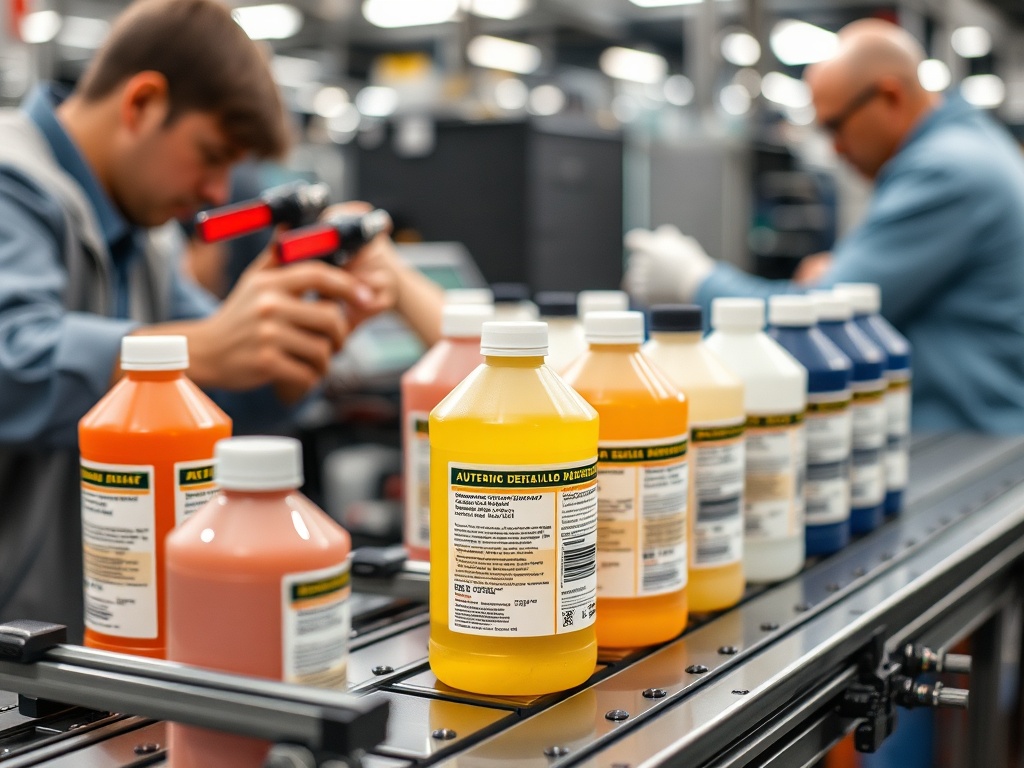
Step 6: Full Contract Manufacturing Launch
Finally, we scale into production under a contract manufacturing agreement, ensuring:
- Consistent batch quality
- Local Australian supply chain stability
- Predictable lead times
- Controlled cost per litre/unit
At this point, your product is fully market-ready and can be distributed through:
- Automotive retail chains
- E-commerce platforms
- Detailing workshops
- Wholesale distributors
Real-World Example: NSW Automotive Detailing Startup
A recent client in New South Wales approached Labsure with a simple goal:
They wanted to launch a professional detailing chemical range targeting mobile detailers and small workshops, but had:
- No internal chemistry capability
- No manufacturing infrastructure
- Limited startup budget
- Strong industry knowledge but no product line
What they did have:
They identified three competitor products they believed were strong performers:
- A ceramic spray coating
- A high-foam shampoo
- A wheel cleaner gel
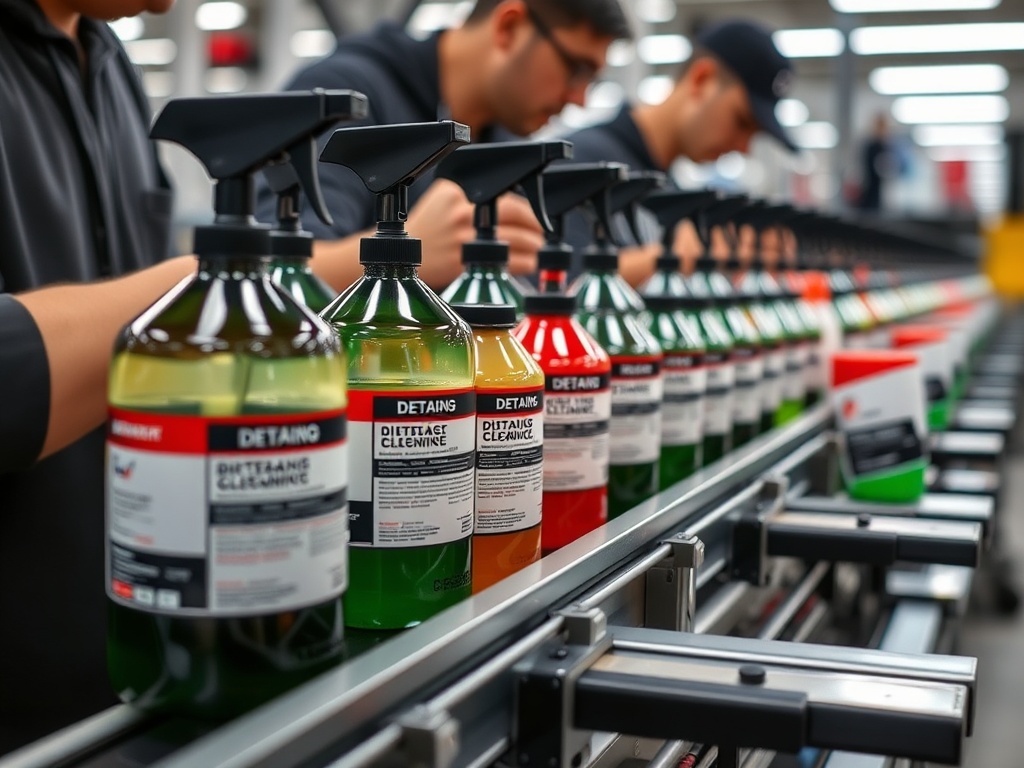
Our approach:
- We reverse engineered all three benchmark products
- Identified key surfactant systems and polymer structures
- Rebuilt formulations using locally available raw materials
- Adjusted performance for Australian water hardness conditions
- Produced pilot batches for field testing
Outcome:
Within a relatively short development cycle:
- A full 3-SKU product range was created
- Performance matched or exceeded benchmark products
- Local manufacturing eliminated import delays
- The client launched directly into regional NSW detailing networks
Instead of spending months or years developing chemistry from scratch, they focused on:
- Branding
- Dealer relationships
- Subscription supply contracts
- Mobile detailing expansion
This is the core advantage of contract manufacturing:
you shift effort from R&D risk to market execution.
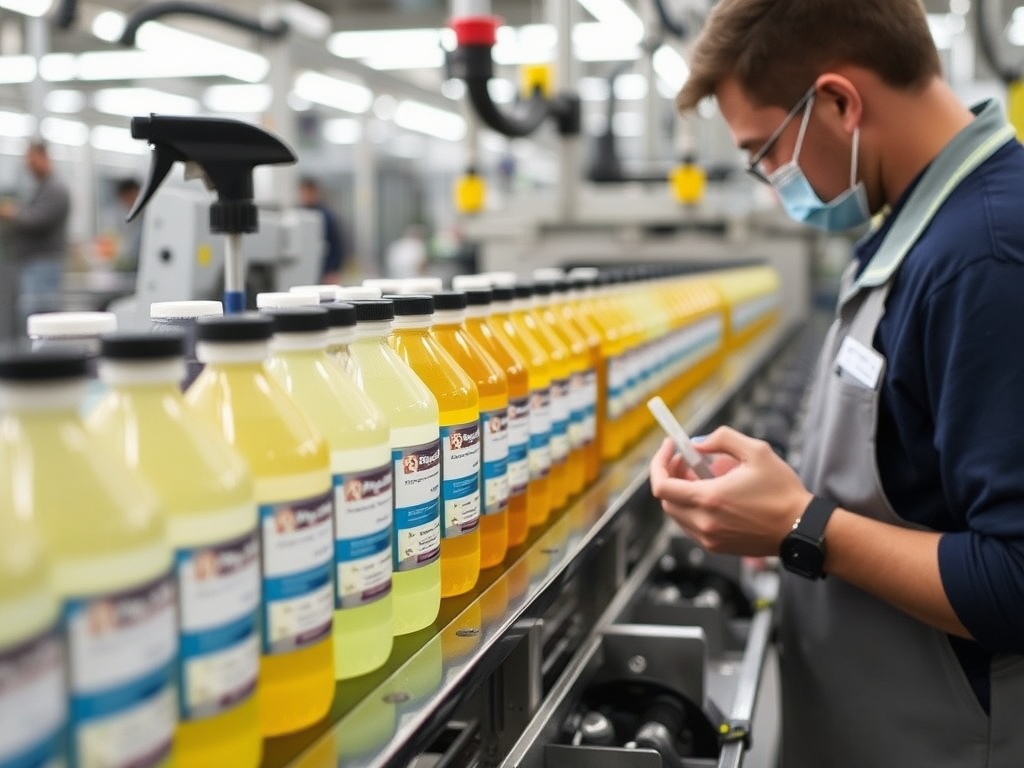
Why Reverse Engineering-Based Manufacturing Reduces Business Risk
Launching a new chemical brand without market validation often leads to:
- Over-engineered formulas that are too expensive
- Underperforming products that fail in real use
- Inventory waste due to poor adoption
- Slow iteration cycles
By contrast, reverse engineering ensures:
- Product is already market-proven
- Performance expectations are known
- Customer demand already exists
- Competitive positioning is clearer
In short:
You are not guessing what might work — you are refining what already works.
Ideal Clients for Automotive Detailing Contract Manufacturing
This model is especially effective for:
- Automotive detailing workshops expanding into product sales
- Car wash operators building retail chemical lines
- E-commerce car care brands (Shopify, Amazon, eBay sellers)
- Automotive distributors seeking private label ranges
- Fleet maintenance service providers
If your goal is to build a scalable product business rather than just a service business, this approach provides a direct path.
Speed, Cost, and Market Advantage
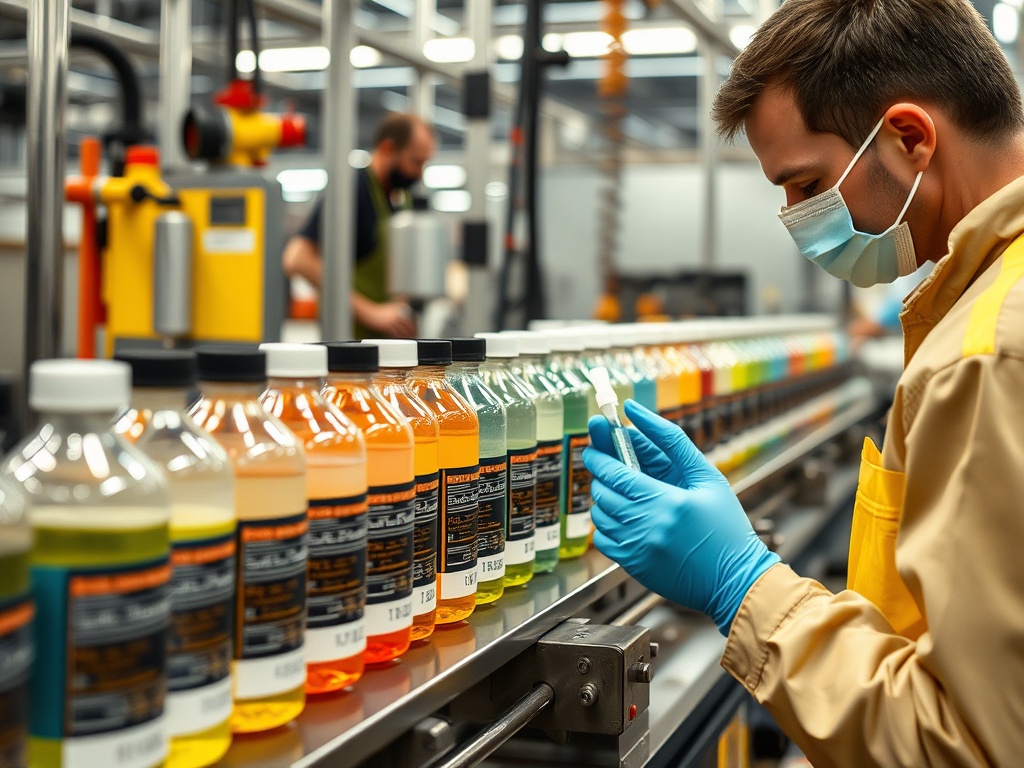
Compared to traditional R&D manufacturing, this model offers:
- Faster time to market (weeks instead of months/years)
- Lower upfront R&D investment
- Reduced formulation failure risk
- Flexible MOQ suitable for startups
- Ability to iterate based on real market feedback
Most importantly, it allows you to enter the market with confidence that:
Your product already resembles something customers are actively buying.
Start Your Automotive Detailing Brand with Labsure
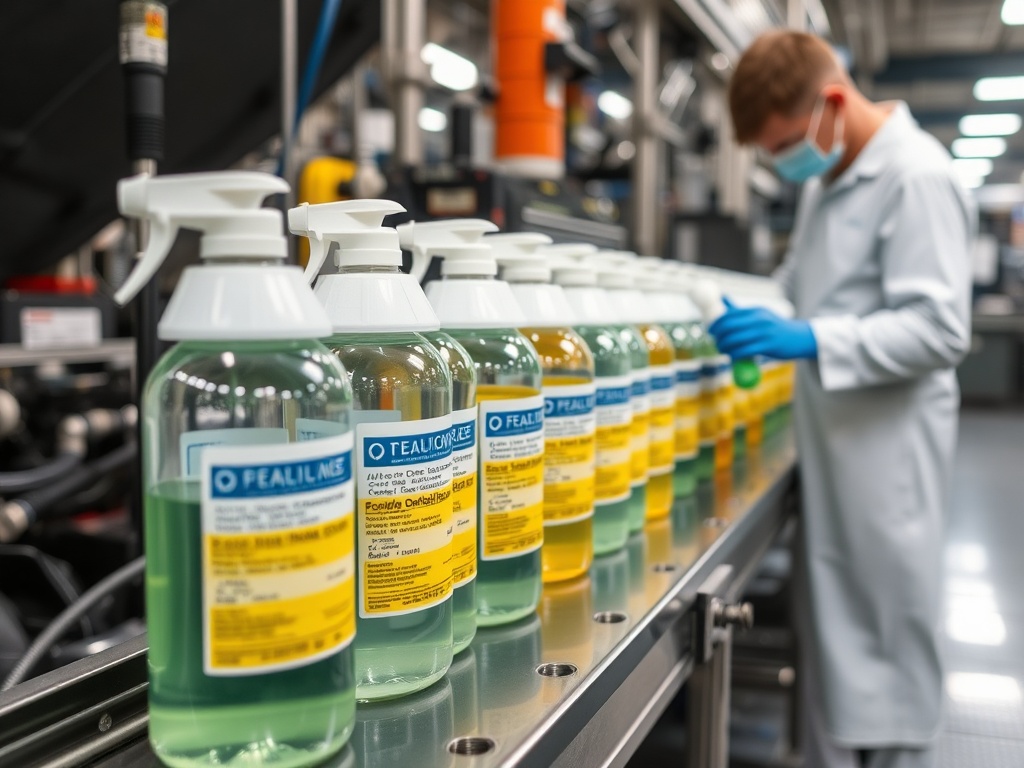
If you are planning to launch or expand an automotive detailing chemical range in Australia, Labsure provides full support across:
- Contract manufacturing
- Private label development
- Reverse engineering analysis
- Pilot batch production
- Scale-up manufacturing
Whether you already have a formula or need to develop one from a market benchmark, we can support the full process from concept to production.
Explore more services here:
- /automotive-detailing-private-label
- /contract-manufacturing-australia
- /reverse-engineering-formulation-analysis
- /case-studies
Contact Us
To discuss your automotive detailing product project, MOQ requirements, or reverse engineering feasibility:
Labsure Australia
Website: https://www.labsure.com.au
Email: info@labsure.com.au
Location: Brisbane, Australia
We typically respond within 1–2 business days and can quickly assess whether your product idea is suitable for rapid contract manufacturing or reverse engineering development.