
Recycling & Recycled Materials Testing in Australia
Identify, Characterise and Assess Recovered Materials
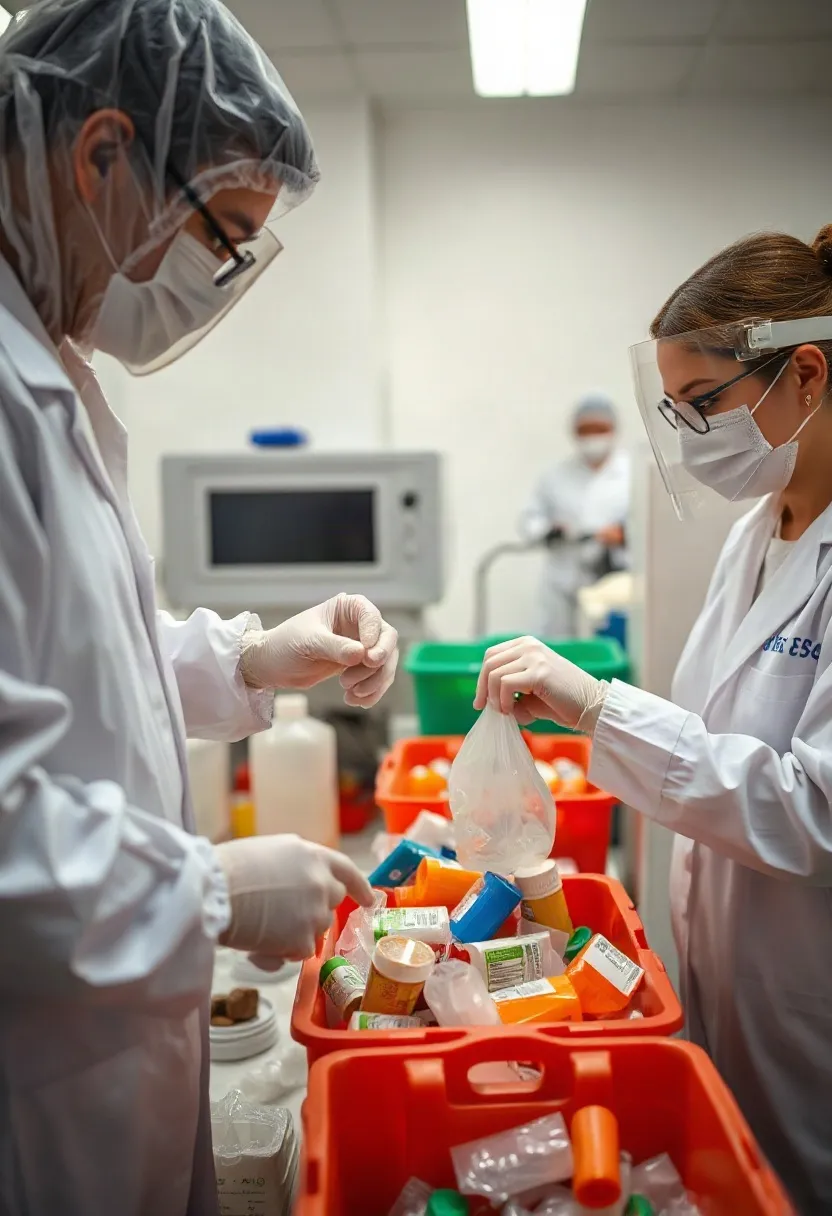
Recycled materials can vary significantly from one batch to another. Unknown composition, contamination, particle size, moisture, additives and processing differences can all affect whether a recovered material is suitable for reuse, resale or further processing.
Labsure provides independent laboratory analysis and material characterisation for Australian recycling, resource recovery and waste-processing businesses.
We help you understand what is actually in a recovered material, how its composition varies between batches, and which properties may affect its intended application.
From recovered glass and plastics to scrap materials, mineral-rich waste streams and used oils, we can develop a practical testing program around your specific material and business objective.
Industries We Support
We provide targeted testing for Australian recycling and resource recovery businesses, helping identify material composition, contamination and key physical properties for quality control, processing and reuse.
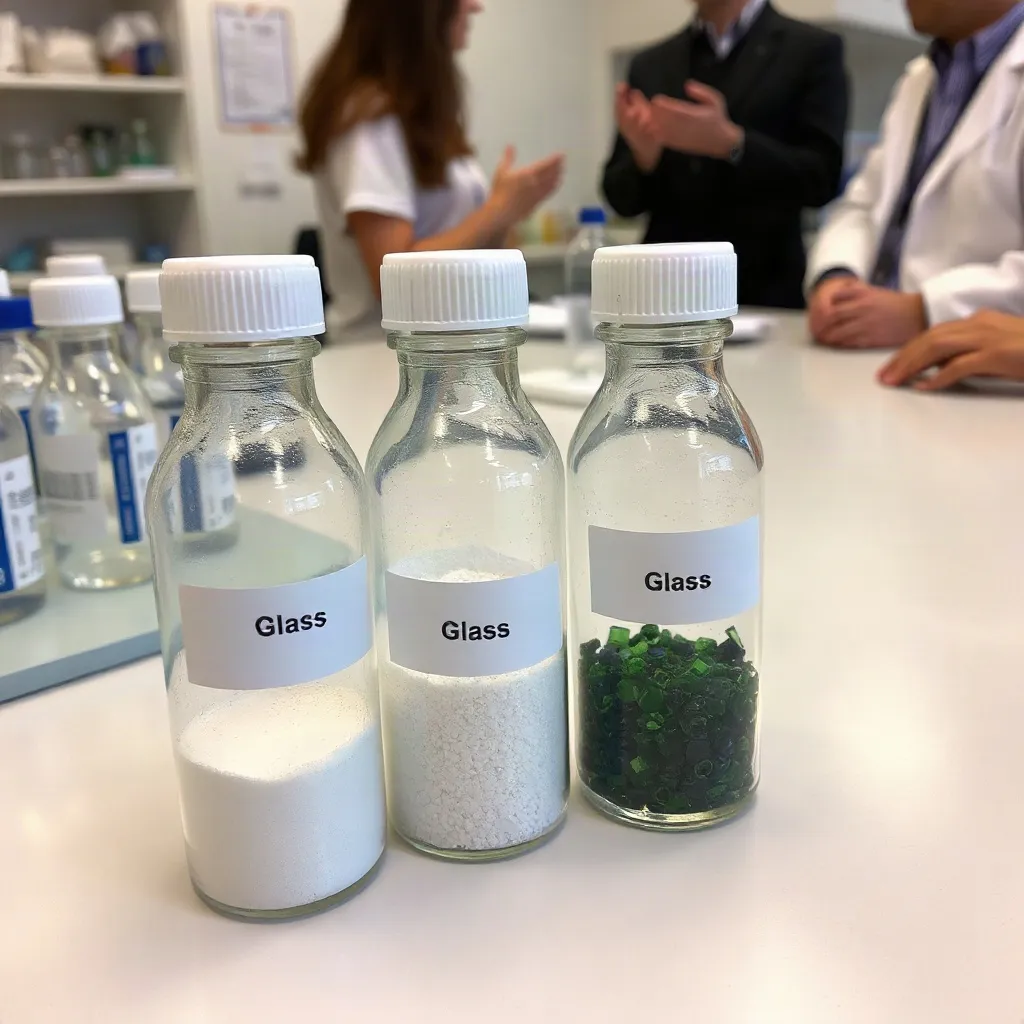
- Recovered Glass: Test glass composition, contamination, particle size and morphology to support recovery and quality control.
- Recycled Plastics: Identify polymer types, fillers, additives and contamination in recycled plastic materials.
- Scrap & Recovered: Metals Analyse elemental composition, alloy identity and contamination in recovered metals.
- Waste & Used Oils : Assess oil composition and contamination for recycling, recovery and further processing.
- Construction & Demolition Waste: Characterise recycled aggregates, concrete, bricks, ceramics and other recovered construction materials.
- Battery Materials: Analyse recovered battery materials for elemental composition and key inorganic components.
- E-Waste: Identify metals, plastics and inorganic materials recovered from electrical and electronic waste.
- Tyre & Rubber Recycling: Characterise recycled rubber for particle size, fillers, inorganic content and material composition.
- Solar Panel Recycling: Analyse recovered glass, metals, polymers and other materials from end-of-life solar panels.
- Industrial Waste Recovery: Investigate complex industrial waste streams to identify composition, contaminants and recoverable materials.
Problems We Help Solve
Recovered materials can vary in composition, contamination and physical properties from one load or batch to another. Our targeted laboratory testing helps Australian recycling and resource recovery businesses identify quality issues, investigate process problems, verify material composition and generate reliable data for customers and suppliers.
- What is this recovered material actually made of?
- Is the material consistent between different batches?
- Why has the quality changed after processing?
- What contaminants are present?
- Is there unwanted glass, metal, mineral or other foreign material?
- What type of plastic or polymer is present?
- What minerals or elements are present?
- Does the particle size distribution meet our processing requirements?
- Can two recovered materials be compared objectively?
- Why is a recycled feedstock behaving differently during processing?
- Can laboratory data help us identify a higher-value end use?
- What information should we provide to a potential buyer?
Testing Methods
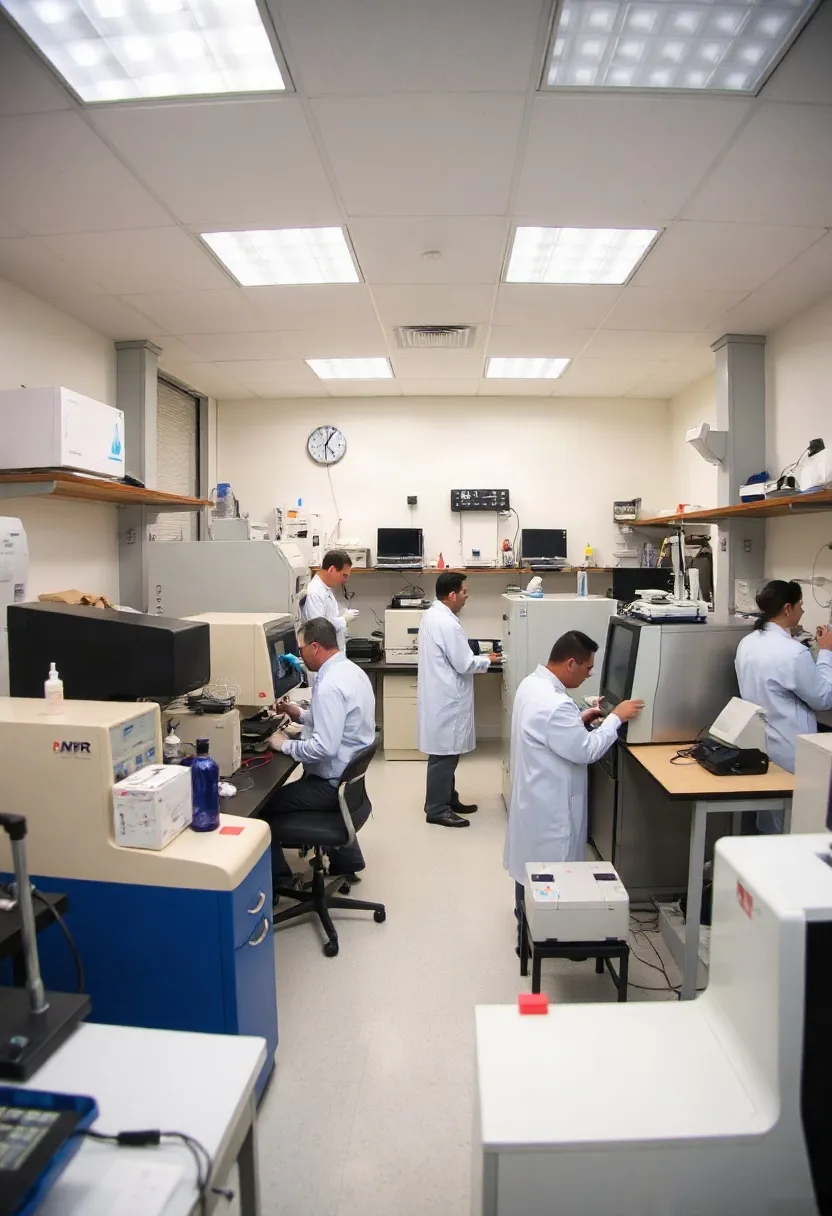
We use a range of analytical techniques to characterise recycled materials, recovered materials, waste streams and contaminants. The appropriate methods are selected according to your material, processing stage and the information you need. Not every material requires every technique — our approach is to use the minimum practical testing needed to answer your question and avoid unnecessary analytical costs.
- XRF: Elemental composition and inorganic materials, ideal for metals, glass, minerals and contaminated materials.
- XRD: Identification of crystalline minerals and inorganic phases in recovered and mineral-rich materials.
- FTIR / ATR-FTIR: Identification of polymers, organic materials and functional groups in recycled and recovered materials.
- SEM/EDS: Detailed particle morphology and elemental characterisation of individual particles and contaminants.
- Particle Size: Distribution (PSD) Measures particle size and distribution for crushed, processed and recovered materials.
- ICP-OES: Quantitative elemental analysis for selected metals and inorganic elements at relevant concentration levels.
- IC: Analysis of selected ions, anions and cations in aqueous and water-soluble materials.
- GC-MS: Identification of organic compounds, hydrocarbons, solvents and other volatile or semi-volatile components.
- HPLC / LC-MS: Analysis of selected organic compounds, additives and non-volatile chemical components.
- NMR: Structural and compositional information for selected organic compounds, oils and chemical materials.
- FID: Sensitive detection and quantification of hydrocarbons and other compounds in suitable GC applications.
- PGC: Characterisation and comparison of complex hydrocarbon mixtures, particularly in oils and petroleum-related materials.
- MS: Mass spectrometry for identifying and characterising molecular components in complex materials.
- GPC / SEC: Determination of polymer molecular weight distribution and related characteristics in suitable polymer and plastic materials.
- TGA / DSC: Thermal behaviour, volatile content, decomposition and thermal transitions of recycled and recovered materials.
- Optical Microscopy: Visual examination of larger particles, fibres, glass fragments and other physical contaminants.
Why Test Recovered Materials?
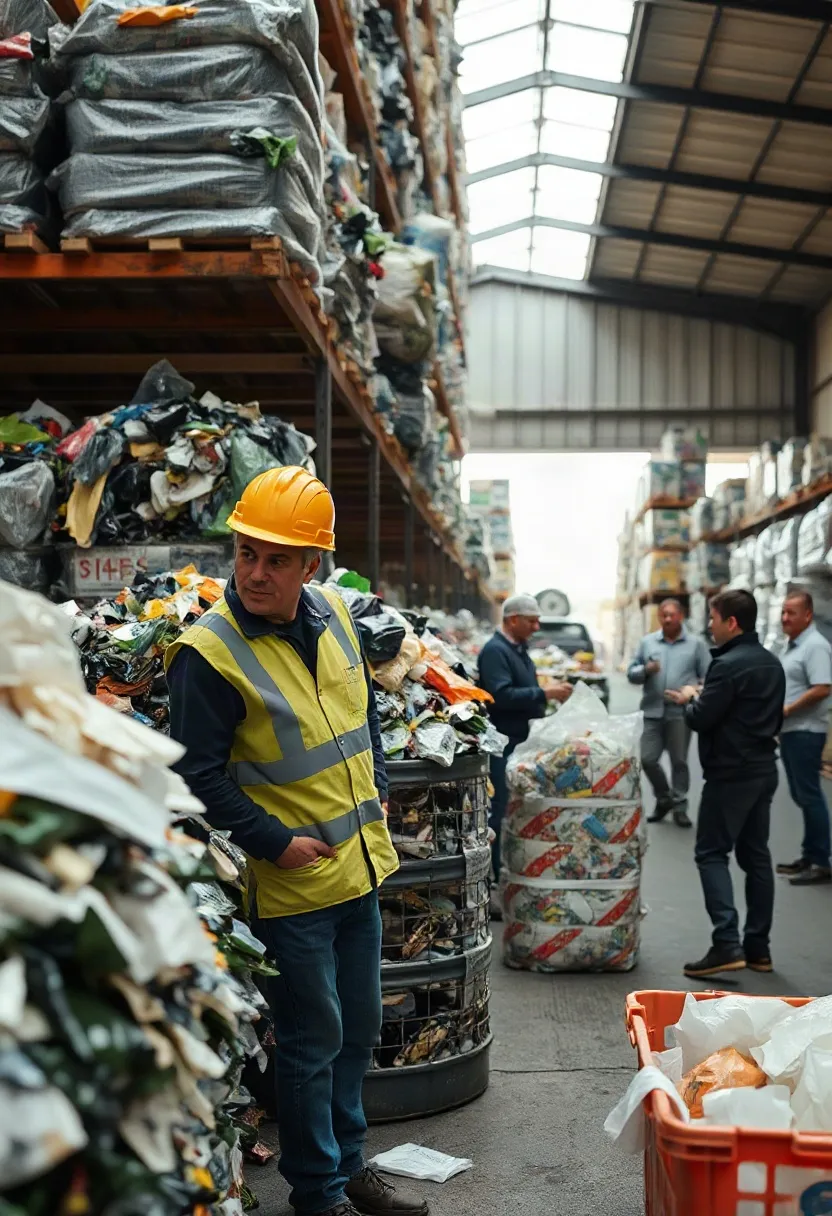
For Australian recycling and resource recovery businesses, laboratory testing provides objective data that visual inspection alone cannot provide. Reliable material analysis can help you control quality, investigate contamination, improve processing, support customer requirements and better understand the value and potential end use of recovered materials.
- Quality Control: Compare incoming or processed materials between batches and monitor material consistency.
- Contamination Investigation: Identify unwanted inorganic, organic or foreign components affecting recovered material quality.
- Supplier & Feedstock Assessment: Compare materials from different suppliers, sources or incoming loads.
- Process Troubleshooting: Investigate changes in material quality after sorting, washing, crushing, separation or other processing.
- Product Development : Understand recovered materials before developing new applications or recycled products.
- Customer Requirements: Provide analytical data to customers who require evidence of material composition, quality or consistency.
- Material Valuation & Classification: Generate technical information to support discussions about material quality, specifications, potential end uses and commercial value.
Recycling Testing FAQs
Practical Answers for Australian Recycling & Resource Recovery Businesses
Every recovered material is different, and choosing the wrong testing program can add unnecessary cost without answering the real question. Below are answers to common questions from Australian recycling and resource recovery businesses about material analysis, contamination testing and recycled material characterisation.
We can test a wide range of recovered materials, including glass, plastics, metals, waste oils, construction materials, minerals, rubber, e-waste and mixed or unknown waste streams. Testing is selected according to the material and your specific objective.
Yes. We can develop a targeted analytical program to investigate the chemical composition, elemental content, mineral phases, polymer type and physical characteristics of an unknown recovered material.
The appropriate testing depends on the material and suspected contaminants. Techniques such as XRF, XRD, FTIR, SEM/EDS, ICP-OES, GC-MS and other analytical methods can be used to investigate inorganic, organic and foreign materials.
Batch variation can result from differences in feedstock, suppliers, contamination or processing conditions. Laboratory testing can compare samples from different batches and help identify changes in composition, contamination or physical characteristics.
Yes. By comparing before-and-after processing samples, we can investigate changes in composition, particle characteristics and contamination to help you understand the effectiveness of sorting, washing, crushing or separation processes.
Yes. We can generate analytical data on composition, contamination and relevant material characteristics that can help you assess whether a recovered material meets your customer’s technical requirements.
Yes. Comparative analysis can help identify differences between suppliers, feedstocks, incoming loads or processing methods, giving you objective data for quality control and supplier assessment.
No. You usually do not need every available analytical technique. We select the most appropriate testing based on what you need to know, helping reduce unnecessary testing and laboratory costs.
The cost depends on the material, number of samples and analytical requirements. Some targeted tests can be relatively straightforward, while complex unknown or contaminated materials may require multiple techniques. Contact us with your material details and we can recommend a practical testing approach and provide a quotation.
That’s not a problem. Tell us what material you are processing, where it comes from, what problem you are experiencing and what you need to find out. We can help identify suitable analytical methods rather than asking you to choose the tests yourself.
Need to Understand Your Recovered Material?
Tell Us About Your Material
Not sure what testing you need? Tell us what material you are recovering, the problem you are experiencing, and what you need to find out. Our team can review your requirements and recommend a practical testing approach based on your material and objectives.
You can include information about the material source, processing method, suspected contamination, customer requirements or any existing test results. The more information you provide, the more accurately we can recommend the appropriate analysis and prepare a quotation.