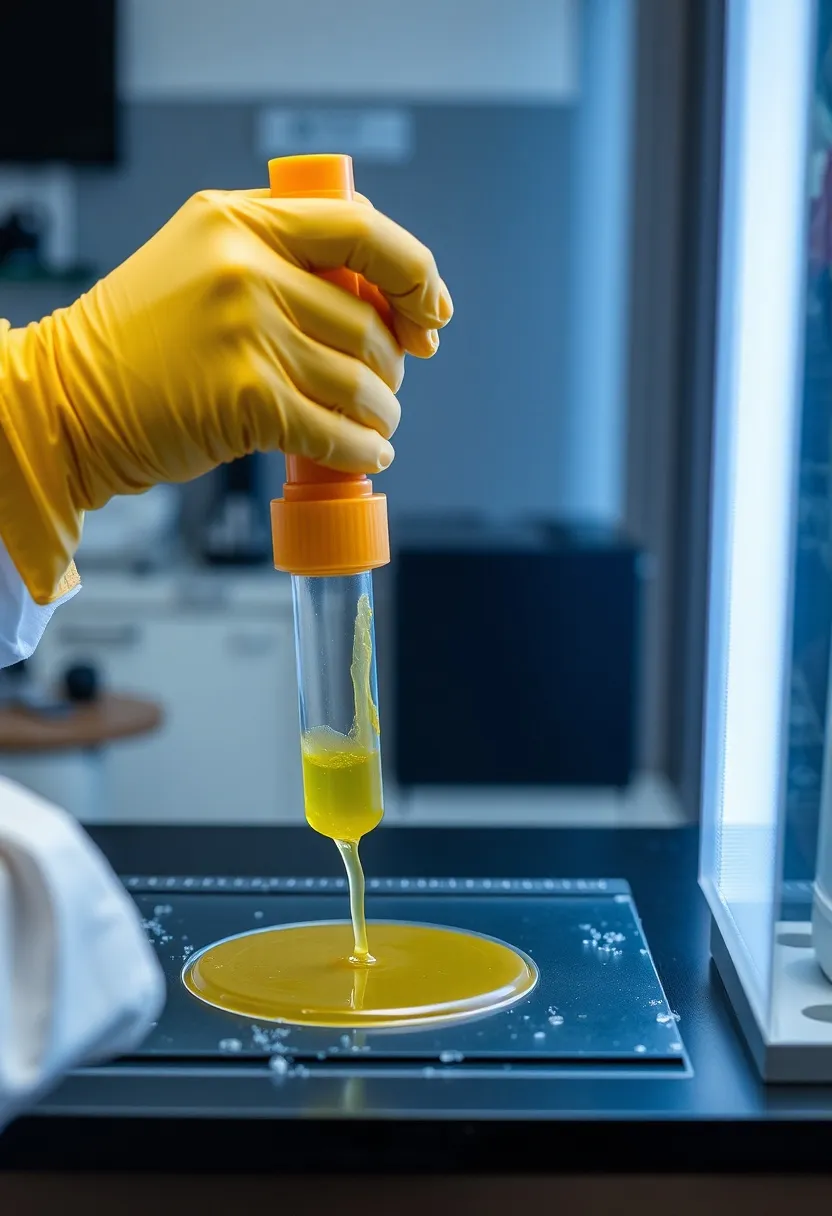
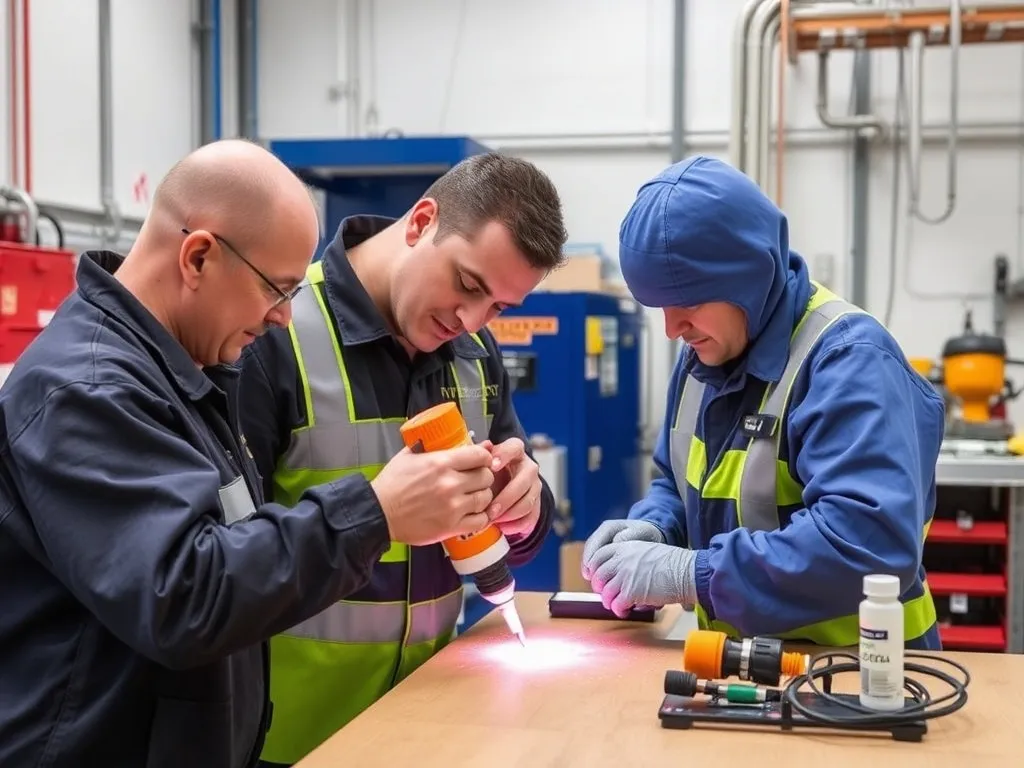
When Your Glue Hardens in the Tube: Advanced Chemical Analysis Uncovered Epoxy Curing Failures
Problem: Premature Curing Causes Major Loss
A Brisbane-based epoxy adhesive manufacturer experienced rising customer complaints due to premature curing of fast-cure epoxy glue inside sealed packaging. This crisis led to returns, damaged the brand’s reputation, and cost over $30,000 per quarter in wasted product.
Challenge: Identifying Invisible Contaminants
The company initially suspected a formulation imbalance or improper storage, but internal testing yielded inconclusive results. Their R&D team lacked access to high-resolution analytical tools, and they contacted us for a full Advanced Analytical Diagnostics .
Our Solution: High-Resolution Compositional Analysis
Using a combination of LC-MS (Liquid Chromatography–Mass Spectrometry) and accelerated aging simulations, our team identified trace amounts of reactive amine contaminants in the hardener. This contaminant, which was below the detection limits of the client’s standard QA tools, triggered micro-curing under ambient conditions. Further compositional mapping revealed that the problem stemmed from a recent supplier change—a bulk storage tank had introduced residuals during transfers.
Technical Fix & Outcome
We successfully reworked the formula by introducing a delayed-action inhibitor package that prevented premature reaction without affecting final cure strength. After implementing the fix, returns dropped by over 60% within three months, and the shelf life of the product was extended significantly, saving the client tens of thousands of dollars annually.
Advanced Formula Diagnostics & Inhibitor Design to Rescue a Fast-Cure Formula
By leveraging analytical chemistry and advanced formulation knowledge, we developed a customized stabilizer system to solve the issue from its core—while turning a product liability into a robust, reliable performer.