
Mining Quality Control & Material Analysis Services in Australia
Independent chemical and material analysis for mineral suppliers, mining companies, mineral processors and mining chemical suppliers. Verify raw materials, compare supplier batches and investigate quality variations with practical analytical testing.
Mineral & Ore Analysis
XRF, XRD, PSD and SEM/EDS
Mining Chemical QC
FTIR, GC-MS, HPLC, ICP-OES and IC
Supplier & Batch Verification
Compare current and reference samples
Practical Technical Reports
Clear results for purchasing, QC and troubleshooting
Mining Quality Control Problems We Help Solve
Quality variations in mining materials and processing chemicals can affect recovery, process stability, production costs and supplier performance. When a material behaves differently from an approved reference or previous batch, chemical and material analysis can help identify what has changed.
Labsure provides practical mining quality control, mineral analysis and mining material testing services in Australia for mining companies, mineral processors, raw material suppliers and mining chemical suppliers.
We can compare current and reference samples, investigate unexpected material changes, and identify differences in chemical composition, mineral phases, particle size, morphology or chemical characteristics.
- Supplier Batch Changed Your new batch performs differently from previous material.
- Raw Material Quality Variation Mineral composition, particle size or impurities vary between deliveries.
- Flotation Performance Changes Changes in collectors, frothers or other reagents may affect processing performance.
- Unknown Mineral Material You need to understand the composition or mineral phases of an unfamiliar material.
- Supplier Disputes You need independent analytical evidence to compare two materials.
- Process Troubleshooting A change in feedstock, reagent or material properties may be contributing to an unexpected process result.
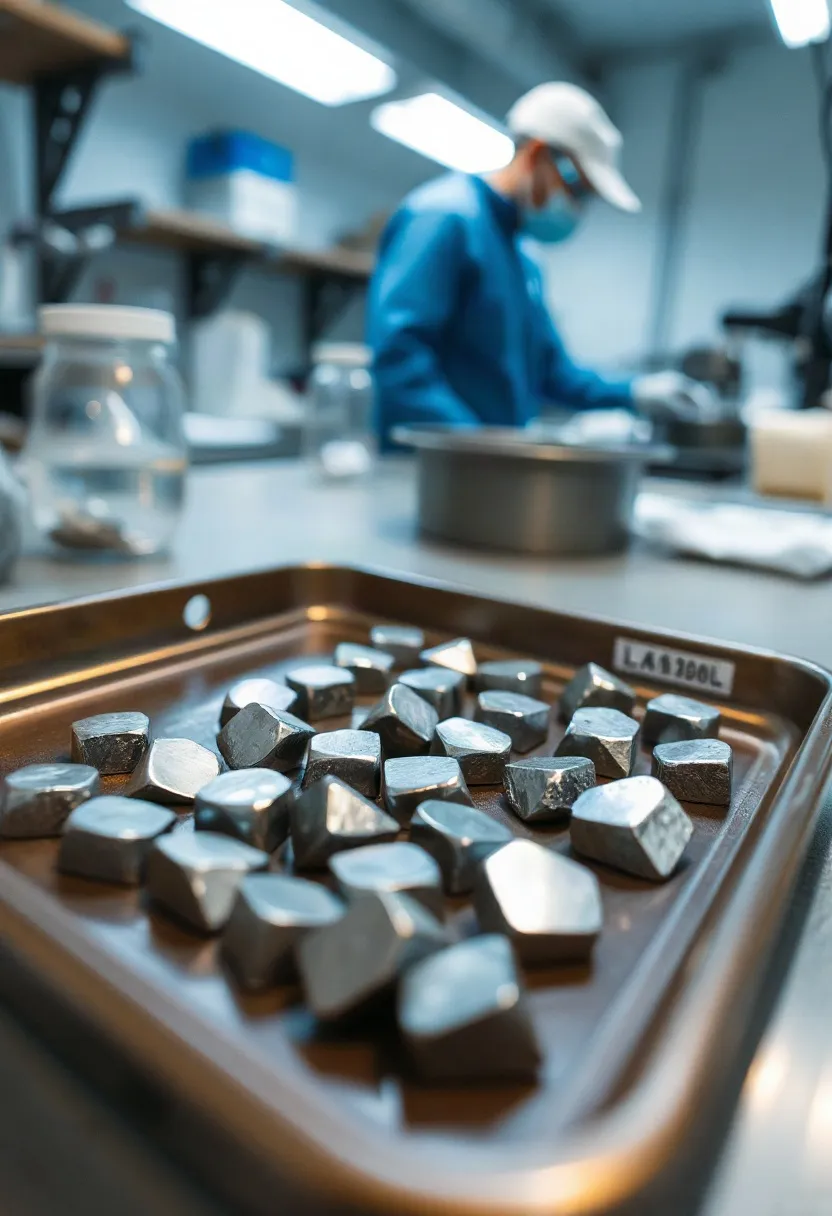
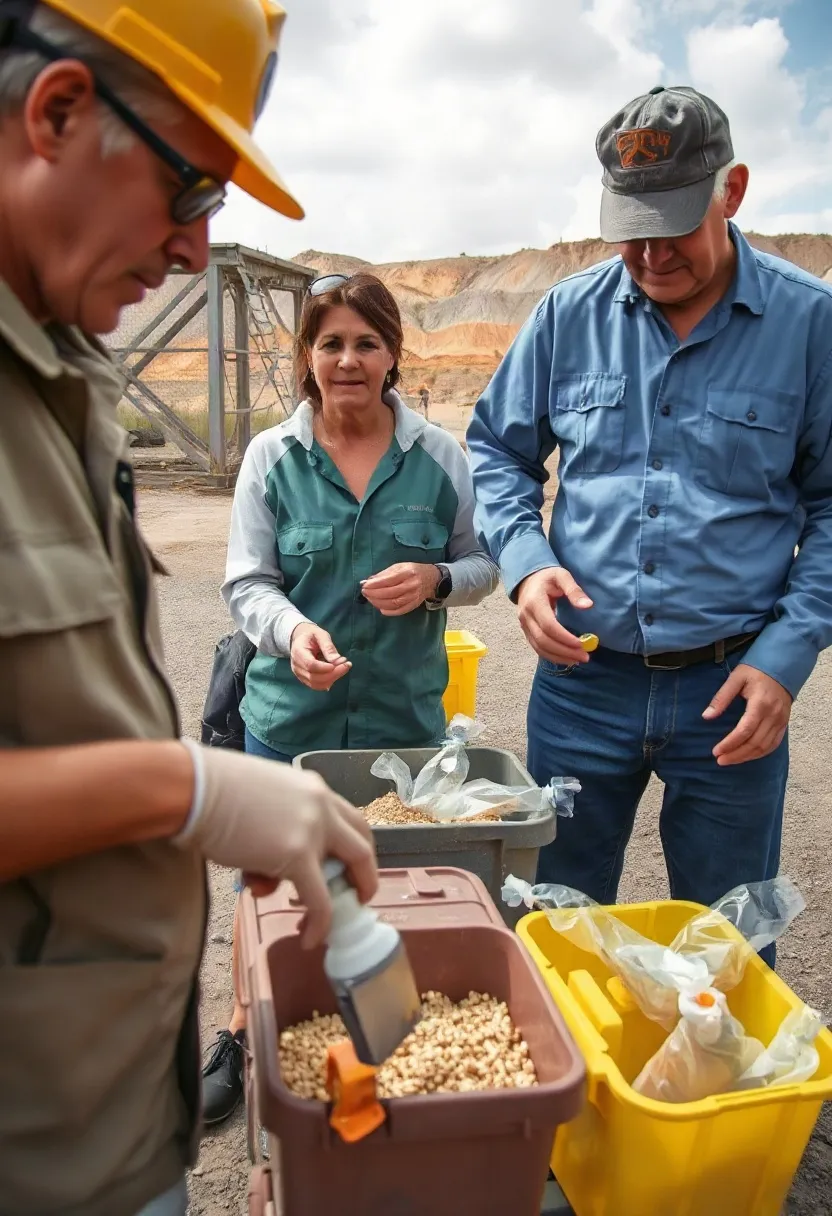
Mining Quality Control & Analytical Services
Practical mineral analysis, mining material testing and mining chemical quality control for Australian mining companies, mineral processors and suppliers. We help you verify raw materials, compare supplier batches, investigate quality variations and understand material changes that may affect processing performance.
- Ore & Mineral Analysis XRF, XRD, PSD and SEM/EDS analysis to assess mineral composition, elemental characteristics, particle size and morphology.
- Mineral Raw Material QC Verify the composition and consistency of silica sand, quartz, limestone, kaolin, bentonite, gypsum and other mineral raw materials.
- Mining Chemical QC Analyse flotation collectors, frothers, flocculants and other mining chemicals to investigate composition and batch-to-batch variation.
- Supplier Batch Comparison Compare current and approved reference samples to identify measurable differences in composition, mineral phases or physical characteristics.
- Unknown Material Identification Investigate unknown minerals, powders, concentrates and process materials to understand their composition and key material characteristics.
- Process Troubleshooting Compare normal and problem samples to investigate changes in feedstock, mineralogy, particle size or processing chemicals.
Analytical Techniques for Mining Materials
We use a combination of chemical, mineralogical, physical and instrumental analysis techniques to characterise mining materials, mineral raw materials and processing chemicals. Testing can be selected and combined according to the material, quality control objective and specific technical question.
- XRF Elemental composition, major elements and inorganic impurities
- XRD Mineral phase identification and crystalline material characterisation
- PSD Particle size distribution and material consistency
- SEM / EDS Particle morphology, surface characteristics and elemental distribution
- Optical Microscopy Particle morphology, mineral appearance and larger particle examination
- FTIR / ATR-FTIR Chemical functional groups, organic materials and material identification
- GC-MS Identification and characterisation of volatile and semi-volatile organic compounds
- GC-FID Quantitative analysis of suitable organic compounds and chemical mixtures
- P-GC / Pyrolysis-GC Characterisation of complex organic, polymeric and thermally decomposable materials
- HPLC Separation and quantitative analysis of non-volatile and thermally sensitive compounds
- LC-MS / LC-MS/MS Identification and analysis of complex organic compounds at low concentrations
- NMR Molecular structure and chemical composition of suitable organic compounds
- GPC / SEC Molecular weight distribution and polymer characterisation
- ICP-OES Multi-element analysis and trace elemental characterisation
- Ion Chromatography (IC) Inorganic and organic ion analysis, including anions and cations
- TGA Thermal stability, moisture, volatile content and decomposition behaviour
- DSC Melting, crystallisation, glass transition and other thermal properties
- UV-Vis Quantitative analysis of suitable compounds and colour-related chemical measurements
- Karl Fischer Moisture and water content determination
- TOC Total organic carbon measurement in suitable aqueous samples
- Raman Spectroscopy Molecular and mineral identification through vibrational spectroscopy
- Elemental Analysis (CHNS/O) Carbon, hydrogen, nitrogen, sulphur and oxygen composition where applicable
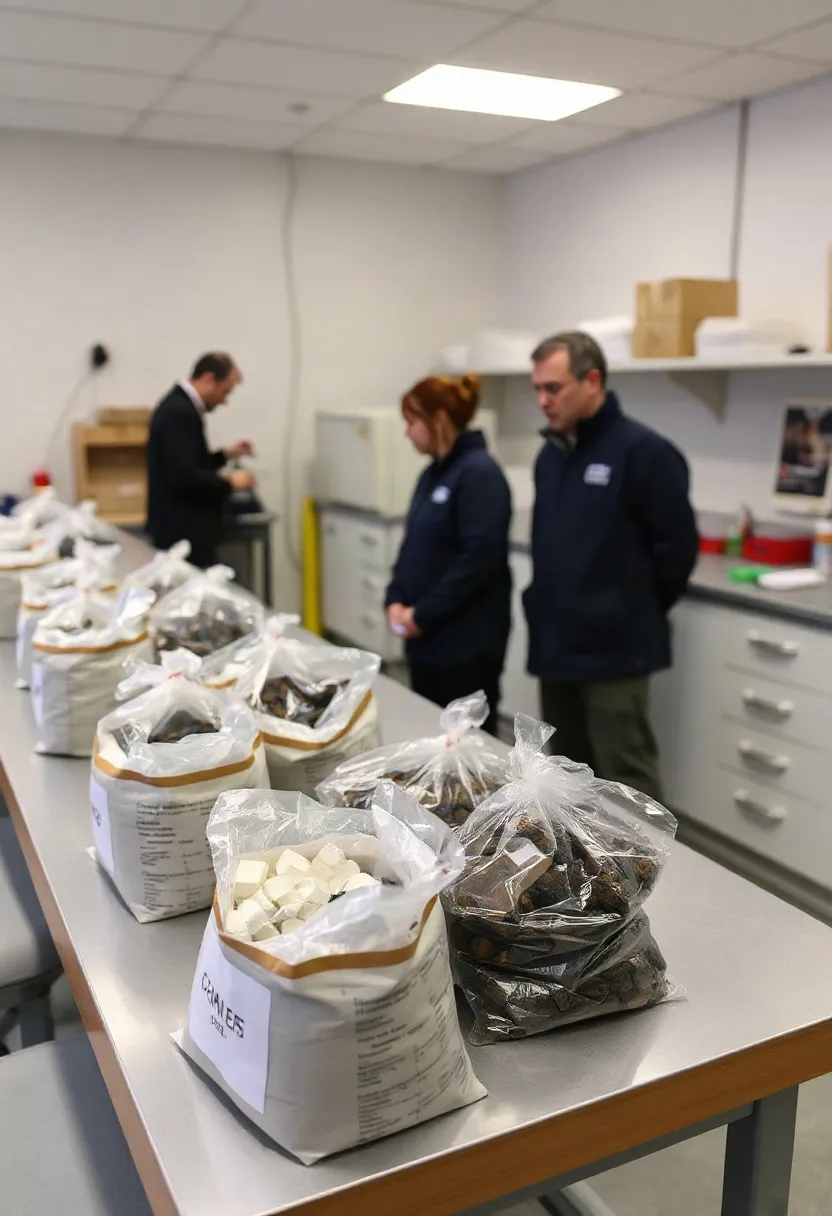
Practical Answers for Australian Mining Companies & Suppliers
Have questions about mineral analysis, mining material testing or mining chemical quality control? Our FAQ addresses common challenges faced by Australian mining companies, mineral processors and suppliers — including raw material variation, supplier batch changes, unknown materials, reagent quality and unexpected process performance.
Labsure provides practical analytical testing to help businesses verify materials, compare supplier batches, investigate quality changes and make better technical decisions. If you are unsure which analytical technique you need, simply tell us what material you have and what has changed — we can recommend an appropriate testing approach.
Yes. Labsure provides mineral analysis and mining material testing for Australian mining companies, mineral processors, mineral suppliers and industrial mineral users.
Yes. We can compare a current batch with an approved reference sample using appropriate chemical, mineralogical and physical analysis to identify measurable differences.
Yes. We can analyse suitable flotation collectors, frothers, flocculants and other mining chemicals using techniques such as FTIR, GC-MS, HPLC/LC-MS, ICP-OES and IC, depending on the chemical.
We can compare normal and problem samples to investigate measurable changes in mineral composition, particle size, morphology, contaminants or processing chemical characteristics.
Yes. A combination of XRF, XRD, SEM/EDS, PSD and other techniques can be used to investigate elemental composition, mineral phases, particle characteristics and other measurable properties.
Yes. We can develop practical testing programs for incoming mineral raw materials, supplier verification, batch-to-batch monitoring and reference sample comparison.
Yes. We can independently compare supplier samples, current batches and reference materials and provide a technical report documenting the analytical differences identified.
No. Tell us what material you have, what has changed and what you need to find out. We can recommend a practical combination of analytical techniques based on your quality control objective.
Need to Investigate a Mining Material or Supplier Batch?
Have a Mining Material or Quality Problem to Investigate?
Tell us what material you are dealing with, what has changed and what you need to find out. Whether you need mineral analysis, raw material testing, supplier batch comparison, mining chemical analysis or process troubleshooting, our team can recommend a practical analytical approach based on your specific requirement.
You do not need to know which analytical technique you need. Send us your material details, current quality issue or supplier concern, and we will help you determine the most appropriate testing options.