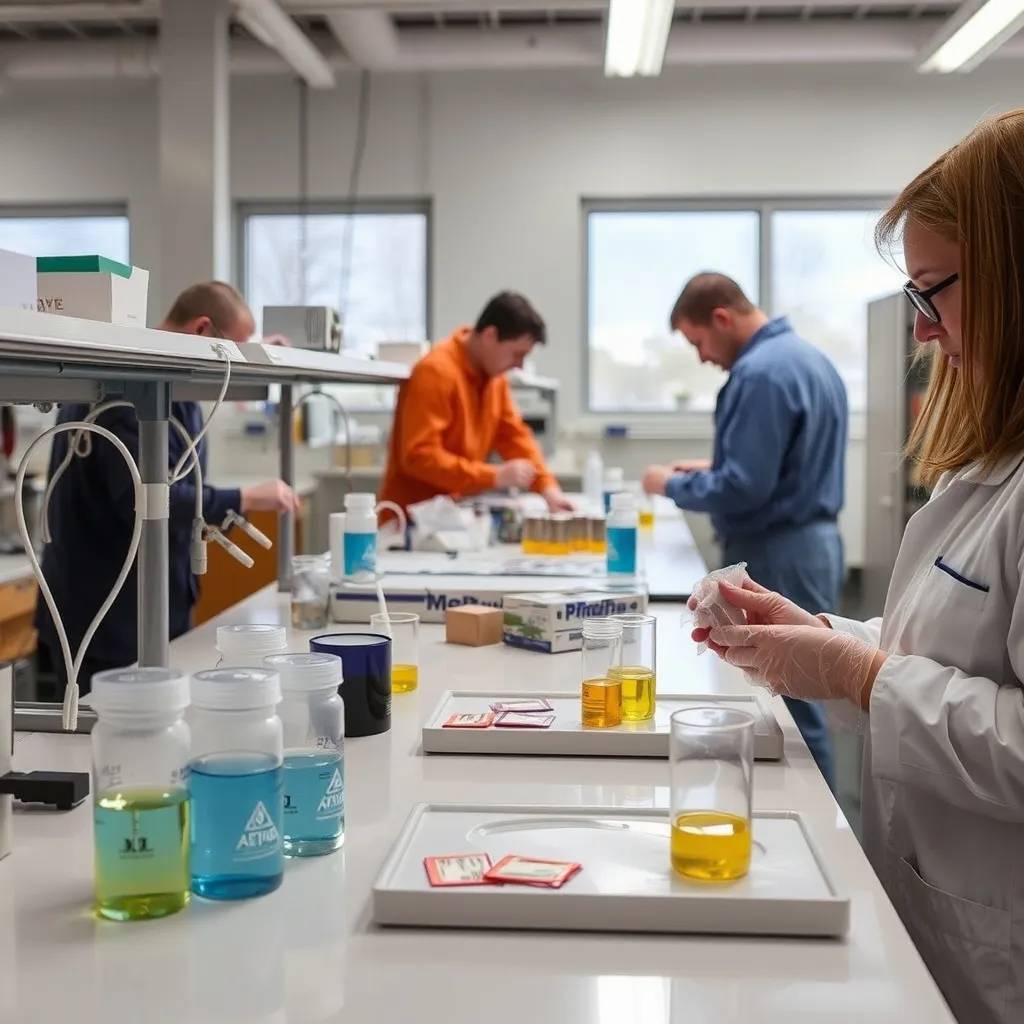
How a Australian Supplier Reverse Engineered a Commercial Adhesive
A australian manufacturer approached Labsure to identify the composition of a successful commercial adhesive product. Using advanced analytical techniques, our team determined the key polymers, tackifiers, fillers and additives present in the formulation and provided estimated composition ranges. The information helped the client better understand competitor technology, evaluate alternative raw materials and accelerate product development while reducing R&D risk and costs.
Our Expertise
Adhesive Formula Reverse Engineering
Struggling to benchmark or improve adhesive performance?
Labsure uses adhesive formulation analysis and reverse engineering to identify key components, optimise curing, and solve delamination or VOC issues — giving Australian SMEs clear, actionable insights to stay competitive.
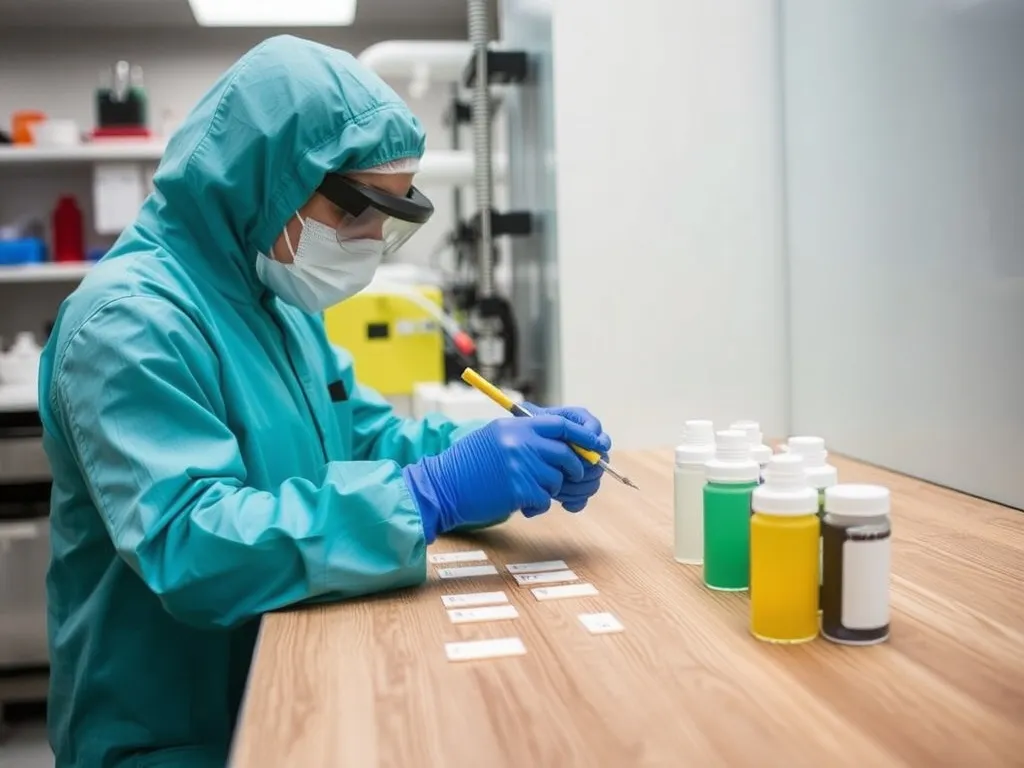
Heat-Resistant Flooring Adhesive Reformulation (WA)
A Perth-based adhesive company producing flooring glue for commercial buildings received repeated complaints of adhesive softening and joint failure in high-temperature summer months. The original supplier of their base resin had changed formulation without notice.
- Formulation analysis: Identified missing high-Tg resin component and elevated plasticizer levels.
- Reformulated Base: Replaced incompatible polymer with an alternative resin (Tg > 90°C).
- Thermal & Shear Testing: Validated improved heat stability and peel strength.
- Failure Rate Reduction: Product complaints dropped by >75% within 3 months.
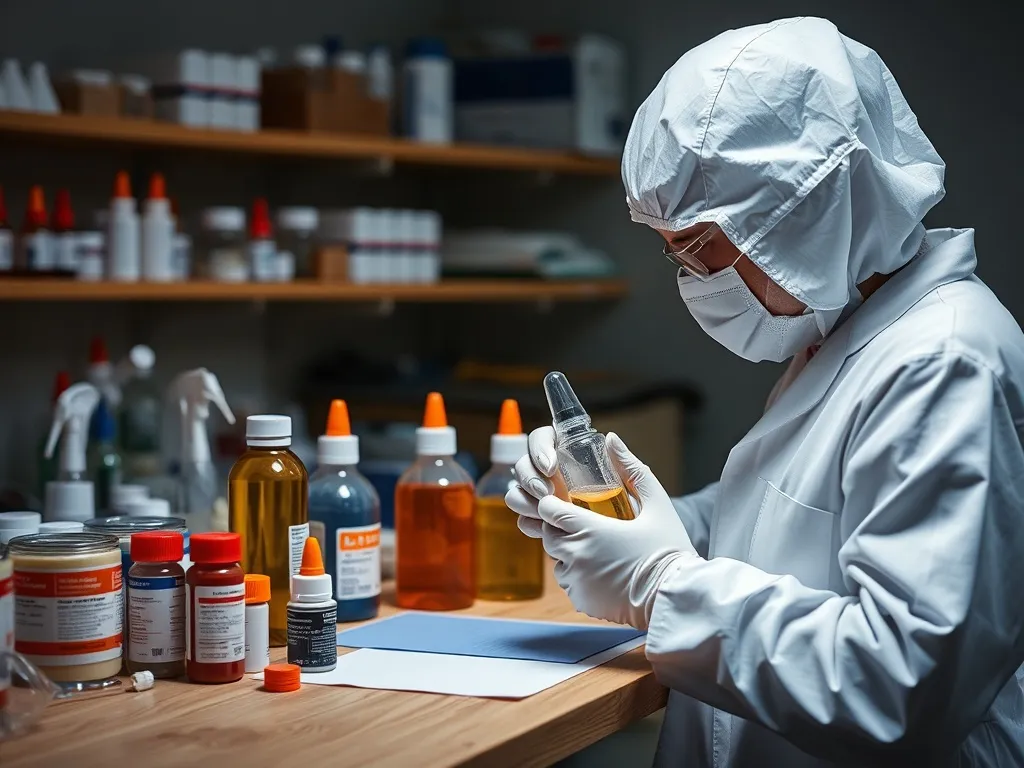
VOC-Compliant Wood Glue for Export (VIC)
A Melbourne-based workshop adhesive supplier failed VOC compliance for a new wood glue line destined for the EU. Their in-house R&D team lacked the tools to quantify volatile solvents accurately or suggest safer substitutes.
- VOC Profile Analysis: Used GC-MS to map all volatile components.
- Green Solvent Substitution: Proposed acetone-free alternatives with similar flash points.
- Viscosity Stabilization: characterise with rheology modifiers to match original handling.
- Export Approval: Product passed EU emission tests and resumed exports, saving $160K/year in lost sales.
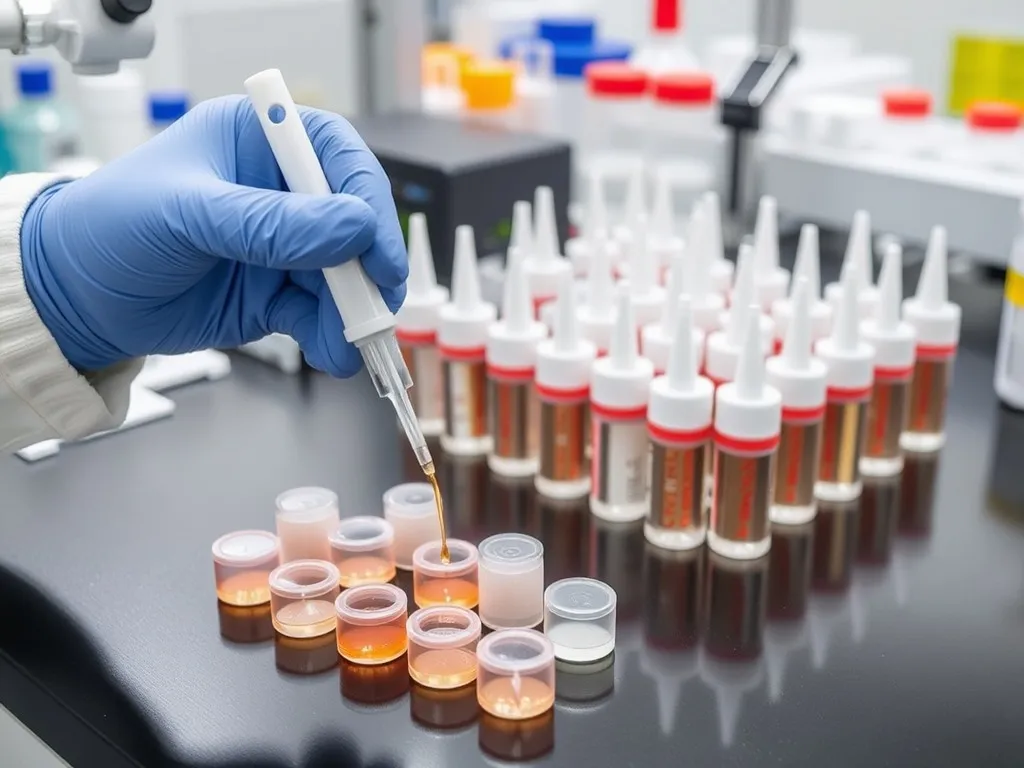
Fast-Cure Epoxy Packaging Failure (QLD)
A Brisbane-based epoxy glue manufacturer had packaging failures due to unexpected curing inside tubes, resulting in customer loss and wasted product. They suspected a raw material problem but lacked means to verify.
- Root Cause Analysis: Detected trace amine contaminant in hardener via LC-MS.
- Supplier Audit: Identified contamination source from bulk storage tank.
- Stabilizer Additive System: Introduced delayed-activation inhibitor to extend shelf life.
- Waste Reduction: Reduced returned product>60%, saving ~$30K quarterly.