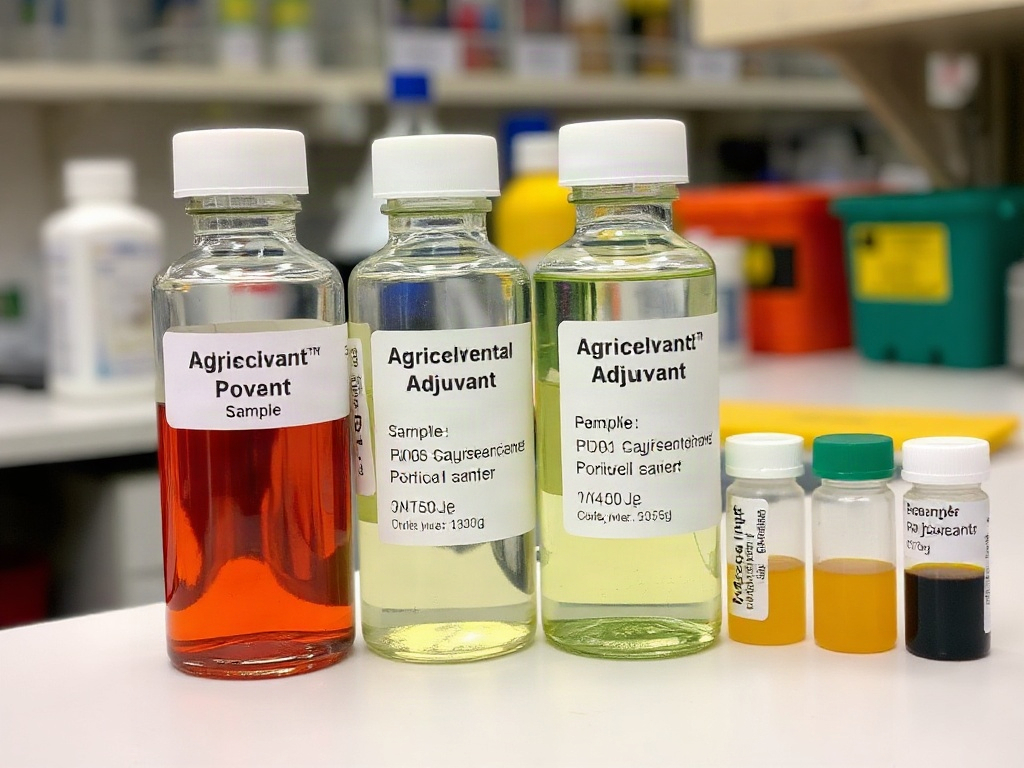
Description
Verify What Your Chemical Material Really Is
Have you received a chemical raw material, reference standard, white powder, crystal or other single-component material from a supplier and need to confirm what it actually is?
Our Chemical Identity & Purity Analysis service helps Australian businesses investigate the identity, composition and approximate purity of chemical materials.
We can help answer practical questions such as:
- Is this actually the chemical compound specified by the supplier?
- Is the material consistent with the expected chemical identity?
- Is the sample relatively pure, or does it contain significant impurities?
- Are there unexpected organic or inorganic components?
- Is this material suitable for further research, formulation or manufacturing?
- Is a new batch consistent with the previous material or reference sample?
Tell us what your supplier claims the material is and what you need to verify using the form above. We will review your requirements and recommend the most appropriate analytical testing.
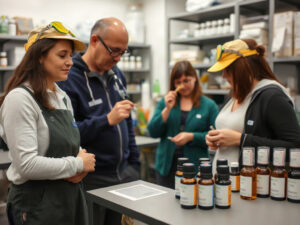
What Can We Help Determine?
Chemical identity and purity are often two different analytical questions.
A material may have the correct main chemical identity but still contain impurities, residual solvents, moisture, inorganic elements or other components.
Depending on the material and your objectives, our analysis may investigate:
Chemical Identity
We can investigate whether the sample is consistent with the expected chemical structure or material identity.
This may include:
- Functional groups
- Molecular structure
- Characteristic chemical signatures
- Organic composition
- Inorganic elements
- Comparison with a reference material or supplier specification
Purity & Composition
Where the material and analytical method are suitable, we can investigate the approximate purity and identify or quantify relevant components.
Potential findings may include:
- Main chemical component
- Major impurities
- Minor components
- Residual solvents
- Inorganic elements
- Degradation products
- Unexpected materials
The exact level of purity determination depends on the chemical, available reference standards, analytical method and sample characteristics.
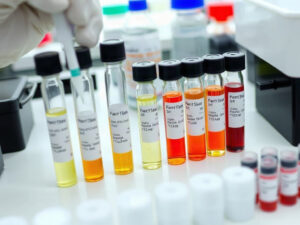
Analytical Techniques
We select analytical techniques based on the chemical and the question you need answered.
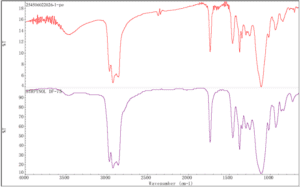
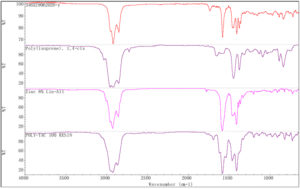
FTIR – Chemical Identification
FTIR can provide a rapid chemical fingerprint and is useful for identifying characteristic functional groups and comparing the sample against a known reference material.
It is particularly useful for:
- Organic chemicals
- Polymers and resins
- Solids and powders
- Raw materials
- Reference materials
NMR – Molecular Structure
NMR can provide detailed information about the molecular structure and chemical environment of the sample.
Depending on the material, NMR may help investigate:
- Molecular structure
- Chemical environment
- Structural consistency
- Presence of additional organic components
- Comparison with a reference material


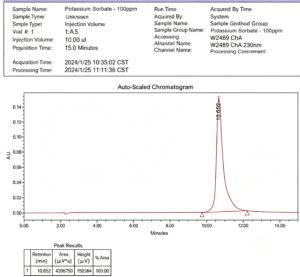
HPLC – Purity & Organic Components
HPLC can be used for suitable non-volatile or thermally sensitive compounds.
It may help determine:
- Main component concentration
- Related substances
- Organic impurities
- Multiple components in a sample
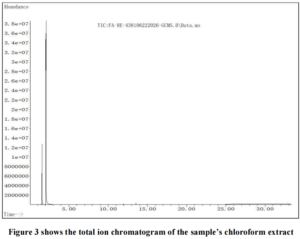
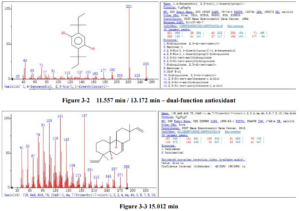
GC-MS – Volatile & Semi-Volatile Components
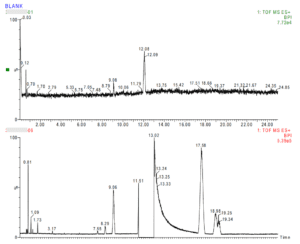
GC-MS is suitable for many volatile and semi-volatile organic compounds.
It can help investigate:
- Organic composition
- Volatile impurities
- Residual solvents
- Unknown organic components
LC-MS – Molecular Mass & Organic Components
LC-MS can be used for suitable compounds that are not appropriate for GC-MS.
It may help investigate:
- Molecular mass
- Organic components
- Related compounds
- Unknown components
- Degradation products
ICP-OES – Inorganic Elements
ICP-OES can investigate elemental composition, particularly where inorganic elements or trace/major metallic components are relevant.
It may help identify or measure elements such as:
- Sodium
- Potassium
- Calcium
- Magnesium
- Iron
- Copper
- Zinc
- Aluminium
- Other relevant elements
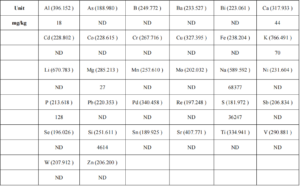
The appropriate elemental testing depends on the material and the purpose of the analysis.
Identity Analysis vs Purity Analysis
A chemical can be correctly identified without being completely pure.
For example, a supplier may provide a white crystalline powder claimed to be a particular chemical. FTIR or NMR may indicate that the material is consistent with the claimed compound, while HPLC, GC-MS or other appropriate techniques may reveal additional components.
This is why chemical identity and purity should often be considered separately.
Our testing strategy can combine different analytical techniques where necessary to provide a more useful understanding of the material.
Typical Materials We Analyse
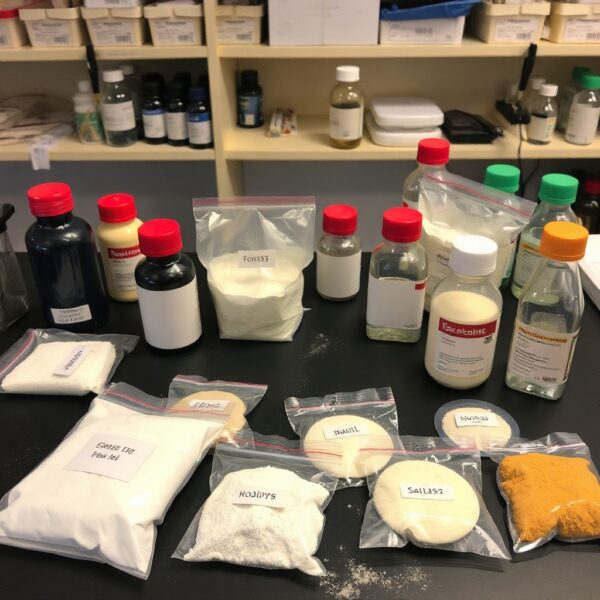
This service is suitable for a range of chemical materials, including:
- Single chemical compounds
- Chemical raw materials
- Research chemicals
- Reference materials
- White powders
- Crystalline materials
- Organic chemicals
- Specialty chemicals
- Chemical intermediates
- Industrial raw materials
- Imported chemical materials
- Materials supplied with a Certificate of Analysis (CoA) or specification
If you are unsure which analytical method is appropriate, simply tell us what the supplier claims the material is and what you need to verify.
Typical Applications
Chemical Trading & Importing
Verify whether an imported chemical material is consistent with the supplier’s description or specification before using it in production or reselling it.
R&D and Product Development
Confirm the identity and composition of research materials before using them in formulation or experimental work.
Raw Material Procurement
Compare materials from different suppliers or investigate whether a newly supplied batch is consistent with an existing material.
Supplier Verification
Investigate unexpected differences between the supplied material and the supplier’s stated specification or Certificate of Analysis.
Problem Investigation
When a chemical material behaves differently from expected, analytical testing can help determine whether the material identity or composition may be contributing to the problem.

Example: Verifying an Imported Chemical
An Australian chemical distributor receives a white crystalline powder from an overseas supplier.
The supplier claims that the material is a specific chemical with a high purity specification.
However, the customer wants to independently verify the material before introducing it into their supply chain.
A suitable analytical program may include:
FTIR + NMR
to investigate the chemical identity and molecular structure,
combined with an appropriate HPLC, GC-MS or LC-MS method
to investigate the main organic component and potential impurities.
Where inorganic contamination is relevant, ICP-OES may also be considered.
The final testing program would depend on the specific chemical and the customer’s objectives.
Your Sample Does Not Always Need Every Test
Not every chemical requires FTIR, NMR, HPLC, GC-MS, LC-MS and ICP-OES.
The appropriate testing depends on:
- What the material is claimed to be
- Physical form
- Expected chemical structure
- Expected purity
- Potential impurities
- Whether a reference standard is available
- What you need to find out
For example, a simple chemical identification question may require a different analytical program from a detailed purity investigation.
Tell us what the material is, what your supplier claims it is, and what you need to know. We will recommend the most appropriate testing rather than automatically applying every available technique.
What You Receive
Depending on the selected analytical program, the final report may include:
- Sample identification
- Analytical methods used
- FTIR results and interpretation
- NMR results and interpretation
- HPLC results where applicable
- GC-MS results where applicable
- LC-MS results where applicable
- ICP-OES elemental results where applicable
- Identification of significant detected components
- Purity or composition assessment where the method supports it
- Comparison against the expected material or reference sample
- Technical observations and interpretation
The report is designed to help you understand what the material appears to contain and whether the analytical results are consistent with the supplier’s description.
Price & Turnaround
From $695 AUD + GST
Typical project range:
$695–$1,495 AUD + GST
Typical turnaround:
15–30 business days
The final price depends on:
- Chemical type
- Number of samples
- Required analytical techniques
- Purity determination requirements
- Availability of reference standards
- Whether additional testing is required
We will confirm the recommended analytical program and final quotation before testing begins.
Our Process
1. Tell Us About Your Material
Provide information about:
- What the material is claimed to be
- Supplier information, if available
- Physical form
- Sample quantity
- What you need to verify
2. We Review Your Requirements
Our team reviews the material and determines which analytical techniques are most appropriate.
3. Receive a Testing Recommendation
We recommend a practical testing program based on your objectives.
4. Send Your Sample
Once the testing program is confirmed, you can send the required sample to us.
5. Laboratory Analysis
The selected analytical techniques are performed to investigate the chemical identity, composition and/or purity of the material.
6. Receive Your Report
You receive an analytical report with the results and technical interpretation.
Who Is This Service For?
This service is particularly useful for:
- Chemical traders
- Chemical importers
- Raw material purchasers
- R&D companies
- Product developers
- Chemical manufacturers
- Australian SMEs
- Businesses investigating supplier materials
Why Choose Labsure?
Problem-Focused Testing
We start with the question you need answered rather than simply recommending a standard list of tests.
Multiple Analytical Techniques
We can combine spectroscopic, chromatographic and elemental analysis techniques where appropriate.
Practical Interpretation
Our objective is not only to provide analytical data, but to help you understand what the results mean for your material and application.
Suitable for Australian Businesses
We provide a practical analytical service for Australian businesses that need independent chemical information without establishing their own analytical laboratory.
Important Information
Chemical identity and purity determination are method-dependent.
The ability to determine an exact purity percentage depends on the chemical, analytical method, reference standard availability, sample matrix and the components present.
Where an absolute quantitative purity result cannot be reliably established, the report may instead provide an analytical assessment of composition, detected components and relative or estimated purity, where scientifically appropriate.
The recommended analytical program will be confirmed based on the specific material and your testing objectives.