For years, a Western Australian industrial lubricant supplier relied heavily on distributing a well-known overseas lubricant brand to mining contractors, transport operators, and heavy equipment maintenance companies across WA.
At first, the arrangement worked well.
The imported engine oils and gear oils had strong market recognition, proven field performance, and existing OEM approvals. Large industrial customers trusted the brand, and the distributor built a solid business around supplying it into mining, transport, agriculture, and industrial maintenance sectors.
But over time, a major commercial problem emerged.
Many of their largest customers started requesting customised lubricant performance characteristics that the overseas supplier simply could not accommodate.
Some mining operators wanted improved thermal stability for high ambient temperatures in remote WA operations. Others requested modified viscosity behaviour for heavy-duty off-road fleets operating under extreme load conditions. Several transport clients wanted lower equipment downtime and longer drain intervals tailored to local operating environments rather than generic international specifications.
The overseas manufacturer offered very limited flexibility.
Minimum order quantities were high, formulation modifications were slow, and lead times became increasingly difficult after global supply chain disruptions.
Eventually, the WA distributor realised they had reached a strategic turning point:
If they wanted to retain key industrial clients and grow margins, they needed to develop their own lubricant product line locally.
The challenge was that they did not have an internal lubricant chemistry team, nor the years of formulation R&D typically required to build high-performance oils from scratch.
That is when they approached Labsure for a full lubricant reverse engineering and formulation analysis project.
The outcome ultimately allowed them to launch their own locally branded industrial lubricant products with lower development risk, faster production timelines, and significantly better control over customer-specific performance requirements.
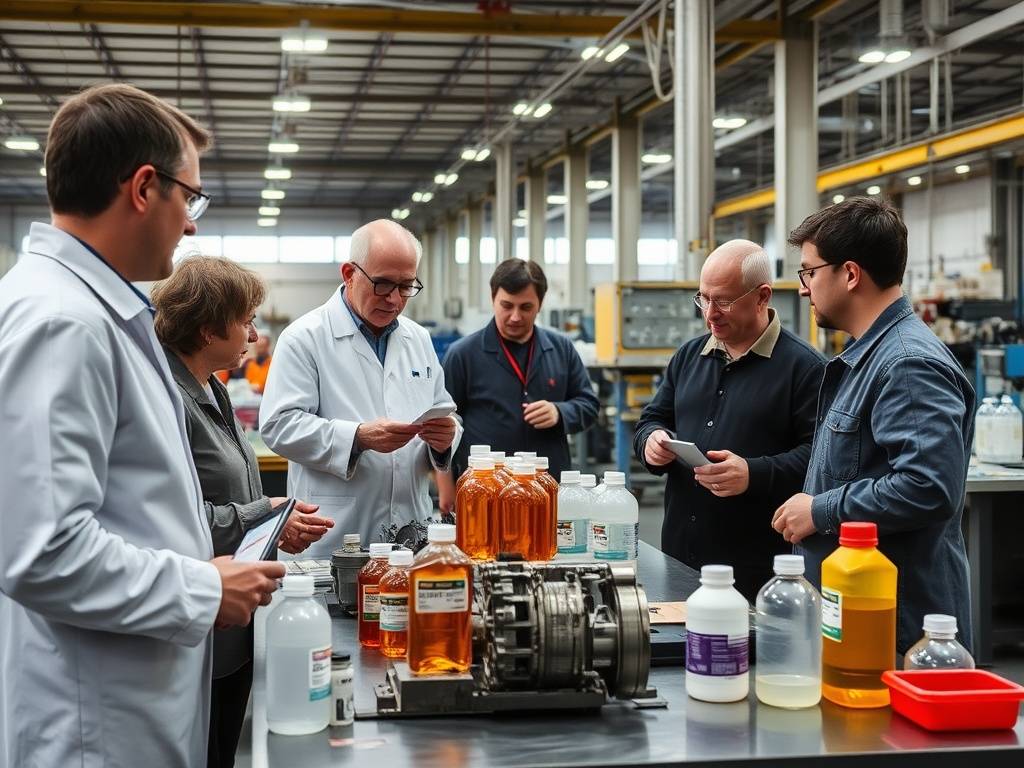
The Real Business Problem Was Lack of Formulation Control
When the company first contacted Labsure, they were not simply trying to “copy” a lubricant.
Their actual objective was much more commercial and strategic.
They wanted to:
- Understand the chemistry behind a successful imported lubricant
- Identify the additive systems responsible for field performance
- Localise manufacturing within Australia
- Modify formulations for Australian operating conditions
- Improve supply chain stability
- Increase margins through private-label production
- Respond faster to industrial customer requirements
The company explained that many of their mining and transport customers operated under conditions very different from Europe or North America:
- High ambient temperatures
- Heavy dust contamination
- Long operating hours
- Remote maintenance schedules
- Severe load conditions
- Extended idle periods
- Variable fuel quality
Generic imported lubricants were often designed for broader international markets, not specifically for harsh Australian industrial environments.
As a result, customers increasingly requested tailored lubricant performance.
The distributor realised they could no longer rely entirely on overseas suppliers if they wanted long-term growth.
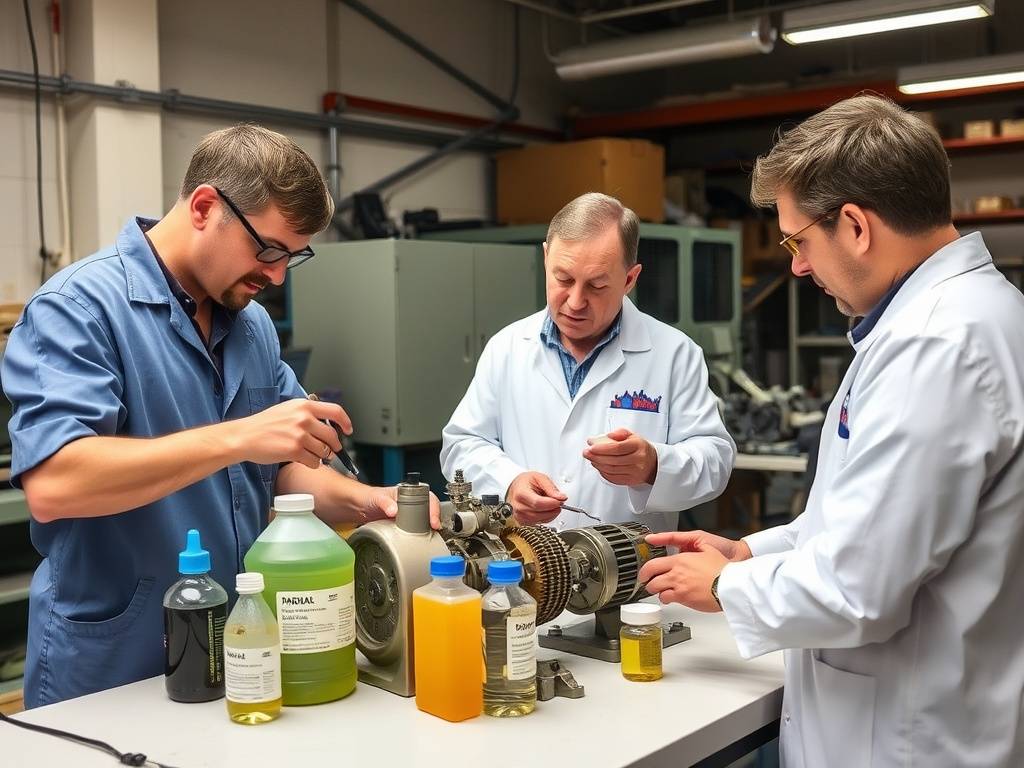
Why Reverse Engineering Made More Commercial Sense Than Starting From Zero
Developing a lubricant formulation from scratch is expensive and time-consuming.
Without analytical insight, companies often spend years testing:
- Base oil combinations
- Viscosity modifier systems
- Detergent packages
- Anti-wear chemistries
- Friction modifiers
- Corrosion inhibitors
- Dispersants
- Oxidation stabilisers
Every formulation iteration requires:
- Pilot blending
- Laboratory testing
- Stability evaluation
- Field trials
- OEM compatibility review
- Manufacturing adjustments
The WA client wanted a faster and lower-risk pathway.
Instead of building formulations blindly, they chose to begin with Chemical Reverse Engineering Services.
Their strategy was straightforward:
First understand why the imported lubricant performed well. Then optimise and localise the chemistry for Australian customers.
This approach dramatically reduced technical uncertainty before production scaling began.
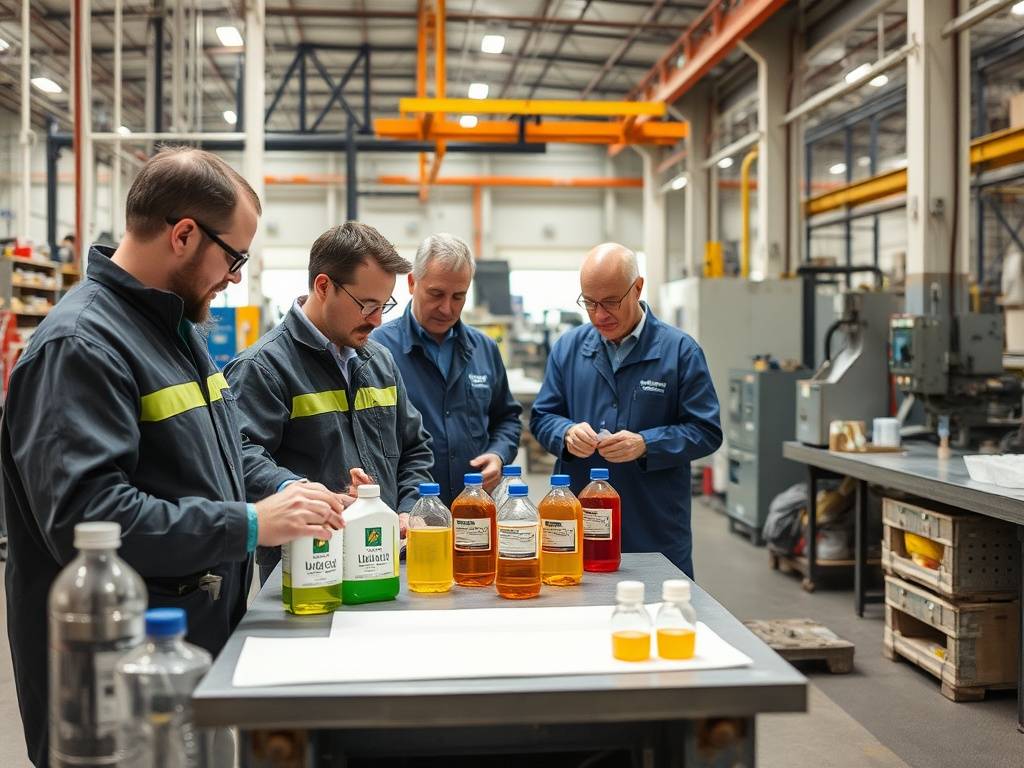
What Labsure Analysed
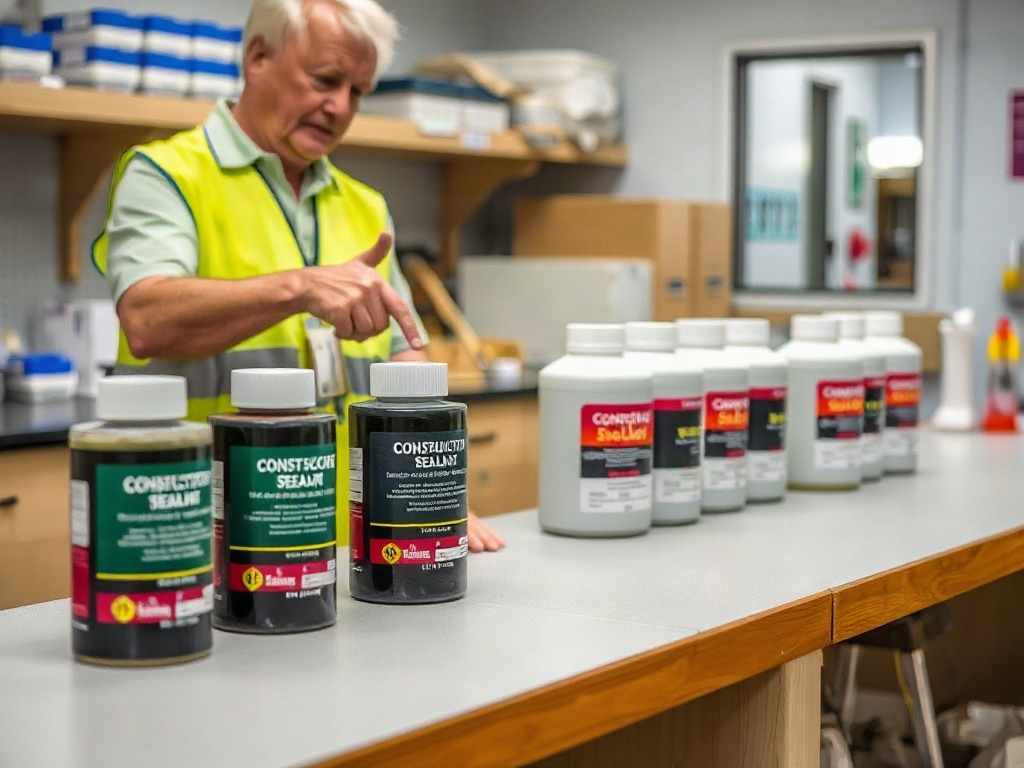
The client submitted multiple lubricant samples, including:
- Heavy-duty diesel engine oils
- Industrial gear oils
- Hydraulic lubricant variants
- High-load equipment lubricants
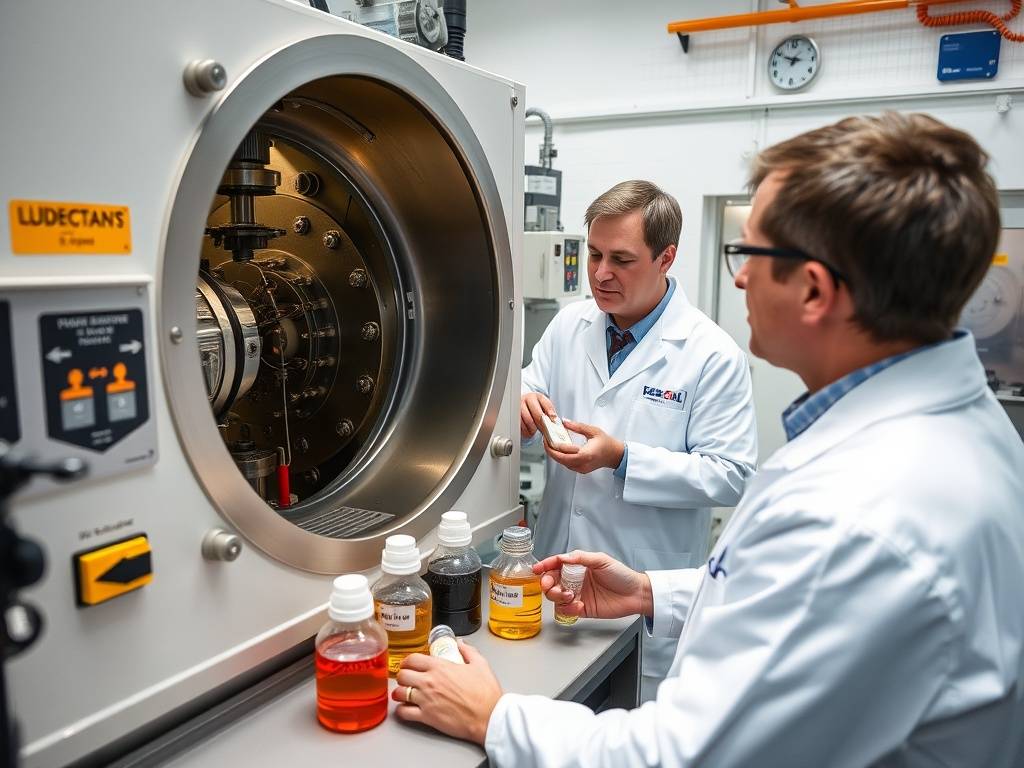
Our Analytical Testing Laboratory conducted a detailed compositional investigation covering both base oil chemistry and additive systems.
Base Oil Group Identification
One of the first objectives was determining the base oil structure.
The client needed to understand whether the imported lubricants used:
- Group I base oils
- Group II hydroprocessed oils
- Group III synthetic base stocks
- PAO synthetic systems
- Blended formulations
This mattered commercially because base oil selection directly affects:
- Thermal stability
- Oxidation resistance
- Viscosity retention
- Cold-start performance
- Drain intervals
- Production cost
Through compositional analysis, Labsure identified the likely base oil architecture and estimated relative blending characteristics.
This gave the client a realistic framework for sourcing equivalent Australian or regional raw materials.
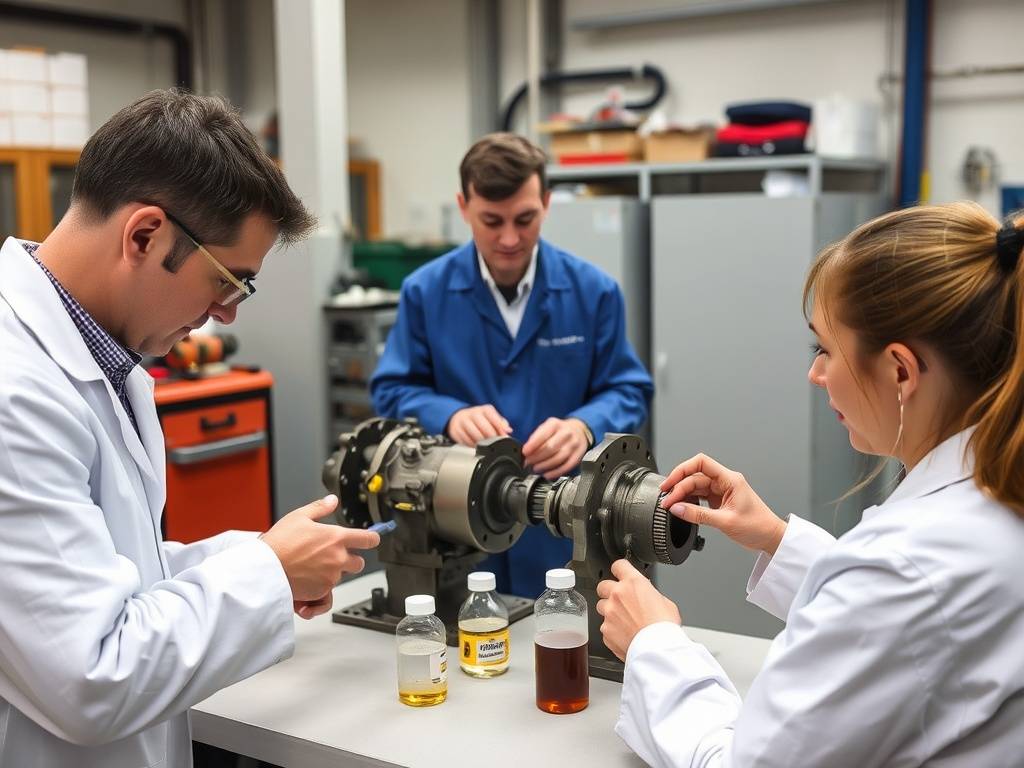
Additive Package Investigation
The additive system proved even more important than the base oil itself.
Our analysis examined:
- ZDDP anti-wear systems
- Detergent chemistries
- Dispersants
- Friction modifiers
- Anti-oxidants
- Corrosion inhibitors
- Foam suppressants
- Viscosity index improvers
The client was particularly interested in understanding which additives contributed most heavily to:
- Wear protection
- High-temperature stability
- Load tolerance
- Gear protection
- Equipment cleanliness
- Oil longevity
Using advanced Chemical Composition Analysis, we mapped estimated additive relationships and concentration profiles.
This significantly reduced formulation guesswork during redevelopment.
The Most Important Discovery: Australian Conditions Required Different Optimisation
Interestingly, the imported products were not poorly formulated.
In fact, they were technically strong products.
However, the analysis revealed several opportunities to optimise performance specifically for Australian industrial conditions.
For example:
- Certain viscosity behaviour could be adjusted for high ambient WA temperatures
- Additive balancing could improve heavy-load protection
- Detergency performance could be modified for local contamination profiles
- Oxidation resistance could be improved for extended operating cycles
The client realised they did not need to reinvent lubricant chemistry from zero.
Instead, they needed to intelligently adapt a proven platform for local industrial realities.
That insight alone likely saved enormous development time.
Faster OEM and Manufacturing Discussions
Before engaging Labsure, conversations with toll blenders and additive suppliers had been difficult.
The distributor lacked technical visibility into what they were actually trying to achieve.
After receiving the analytical report, discussions changed completely.
They now had:
- Base oil direction
- Additive system guidance
- Performance chemistry insights
- Estimated composition ranges
- Technical benchmarking data
- Product positioning clarity
As a result, local manufacturing negotiations became much more efficient.
Instead of vague requests for “something similar,” they could discuss concrete formulation targets with suppliers and blenders.
This accelerated pilot production significantly.
Achieving Local Production With Lower Risk
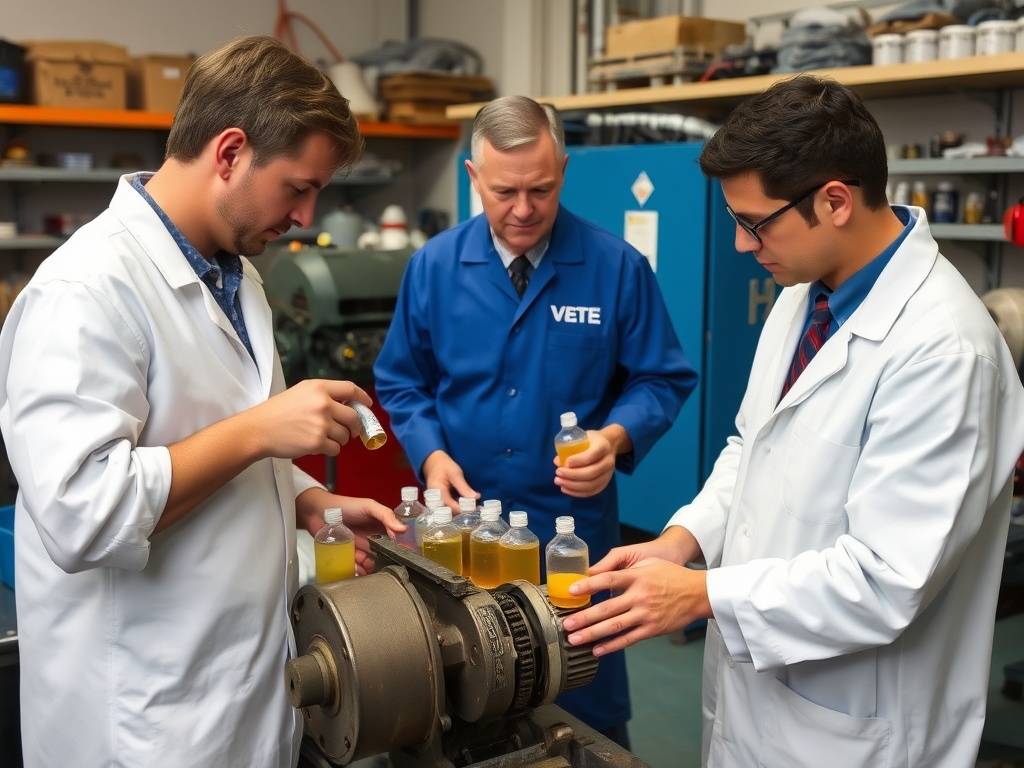
Once pilot batches began, the company focused on tailoring formulations for their own industrial clients.
Several modifications were introduced to improve:
- Thermal durability
- Equipment wear resistance
- Viscosity stability
- High-load protection
- Operational lifespan
- Customer-specific performance requirements
The ability to customise products became a major competitive advantage.
Unlike the overseas supplier, the company could now respond much faster to industrial customer feedback and application-specific operating conditions.
According to the client, this flexibility helped strengthen relationships with several large industrial accounts.
Commercial Results Achieved
Within months, the company successfully launched its own lubricant product line for industrial and heavy-equipment customers in Western Australia.
The project delivered several major commercial outcomes:
- Faster product development timeline
- Lower formulation development costs
- Reduced dependence on overseas suppliers
- Improved supply chain control
- Better customer-specific customisation
- Stronger profit margins
- Local manufacturing capability
- Faster response to industrial client requests
Most importantly, the company retained key accounts that were considering alternative suppliers due to the limitations of the imported product line.
The client later explained that reverse engineering dramatically reduced the risk normally associated with lubricant product development.
Why More Australian Lubricant Companies Are Using Reverse Engineering
Industrial lubricant markets are becoming increasingly competitive.
Mining, transport, agriculture, and industrial customers now expect:
- Longer drain intervals
- Better wear protection
- Reduced downtime
- Improved thermal stability
- Application-specific performance
At the same time, global supply chain instability has exposed the risks of relying entirely on imported formulations.
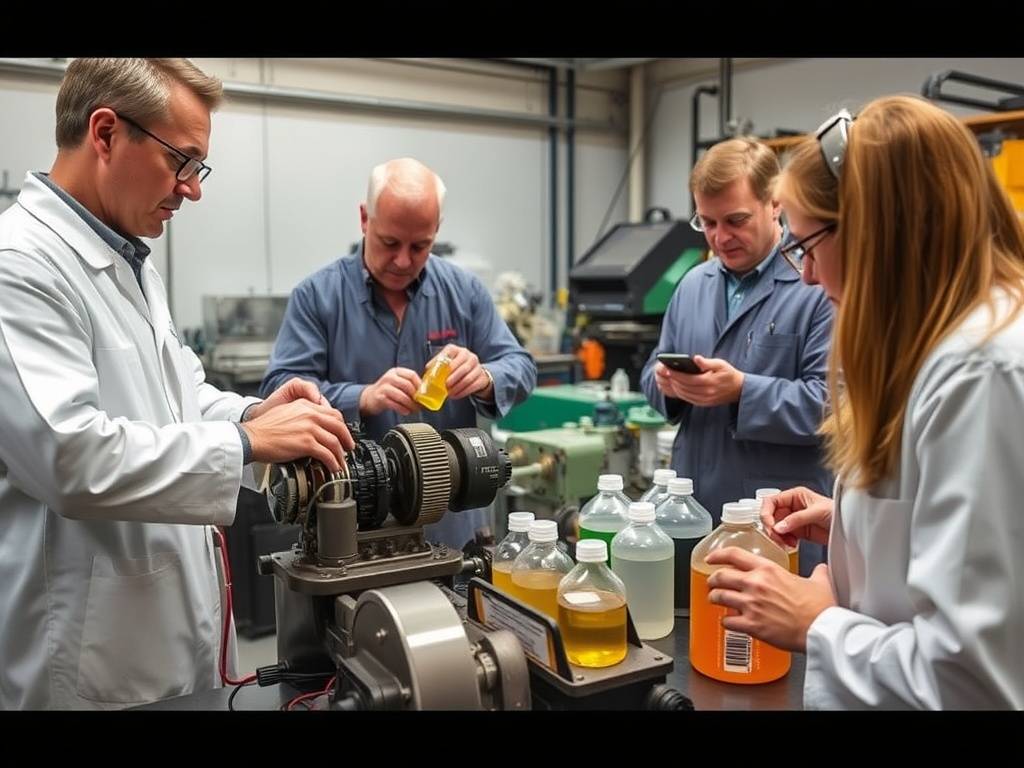
As a result, more Australian lubricant businesses are now investing in:
- Reverse Engineering Services
- Industrial Chemical Analysis
- Lubricant Composition Testing
- Competitor Product Benchmarking
to accelerate local product development while minimising technical risk.
Instead of spending years developing products blindly, companies can analyse proven commercial formulations first and build from real analytical data.
For industrial manufacturers, that can dramatically reduce both development cost and time-to-market.
Final Thoughts
Developing industrial lubricants from scratch is expensive, technically challenging, and commercially risky.
But reverse engineering changes the process completely.
By understanding the chemistry behind successful lubricant products first, companies can make smarter decisions about:
- Base oil selection
- Additive optimisation
- Manufacturing strategy
- Product positioning
- Local performance requirements
This Western Australian distributor succeeded because they approached lubricant development strategically rather than experimentally.
Instead of relying entirely on imported brands, they built technical understanding, adapted formulations for Australian conditions, and launched a local product line with far lower development risk.
Today, they operate with significantly more control over their products, customers, and supply chain than they had previously as a distributor alone.
Need Help Developing or Benchmarking a Lubricant Formula?
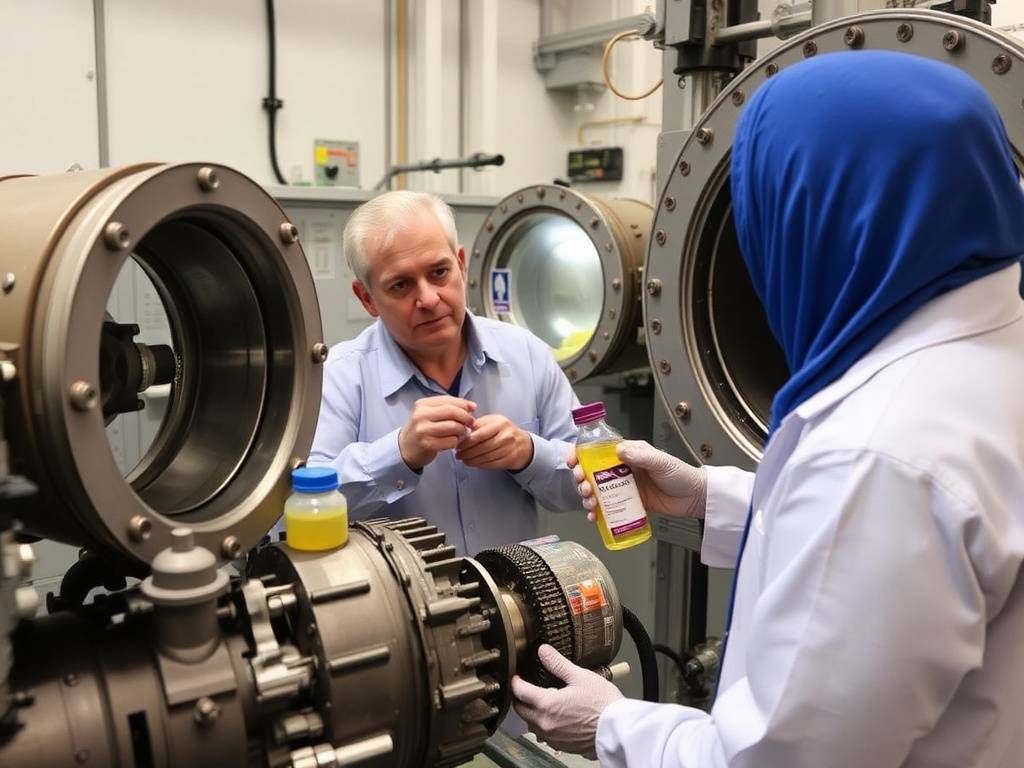
Labsure supports Australian businesses with confidential:
- Engine oil analysis
- Gear oil reverse engineering
- Additive package identification
- Lubricant benchmarking
- Industrial fluid analysis
- Composition testing
- Product optimisation
- Local manufacturing support
Contact Labsure to discuss your lubricant formulation or reverse engineering project.
Email: info@labsure.com.au
Website: https://labsure.com.au
Location: Sydney, Australia