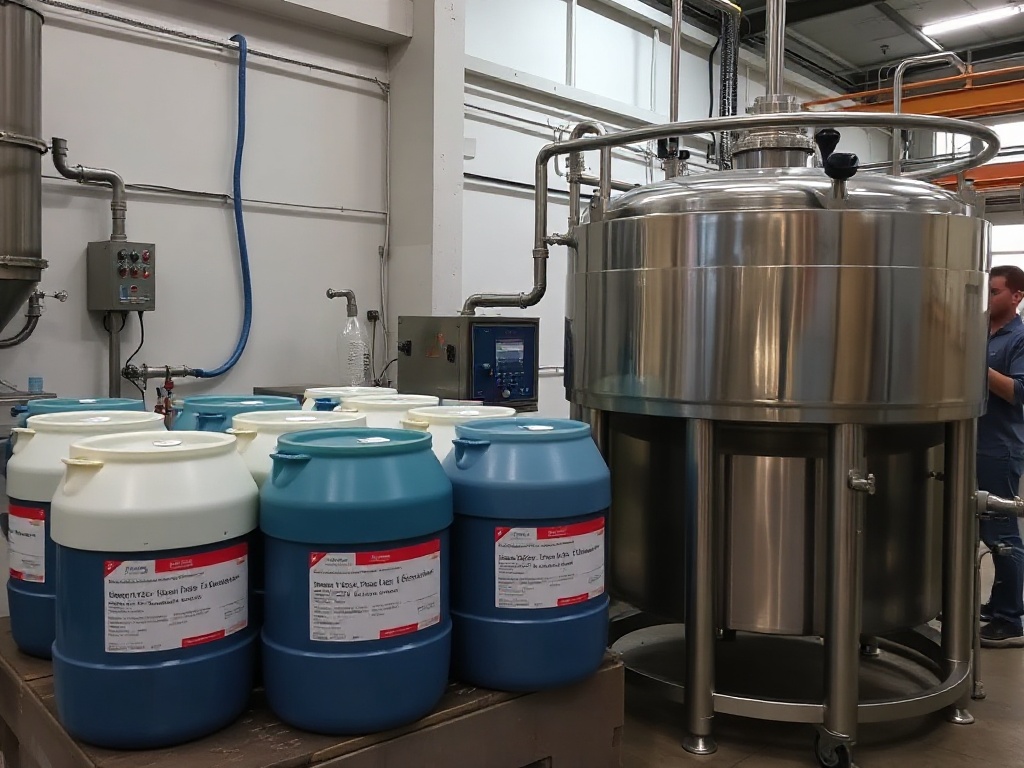
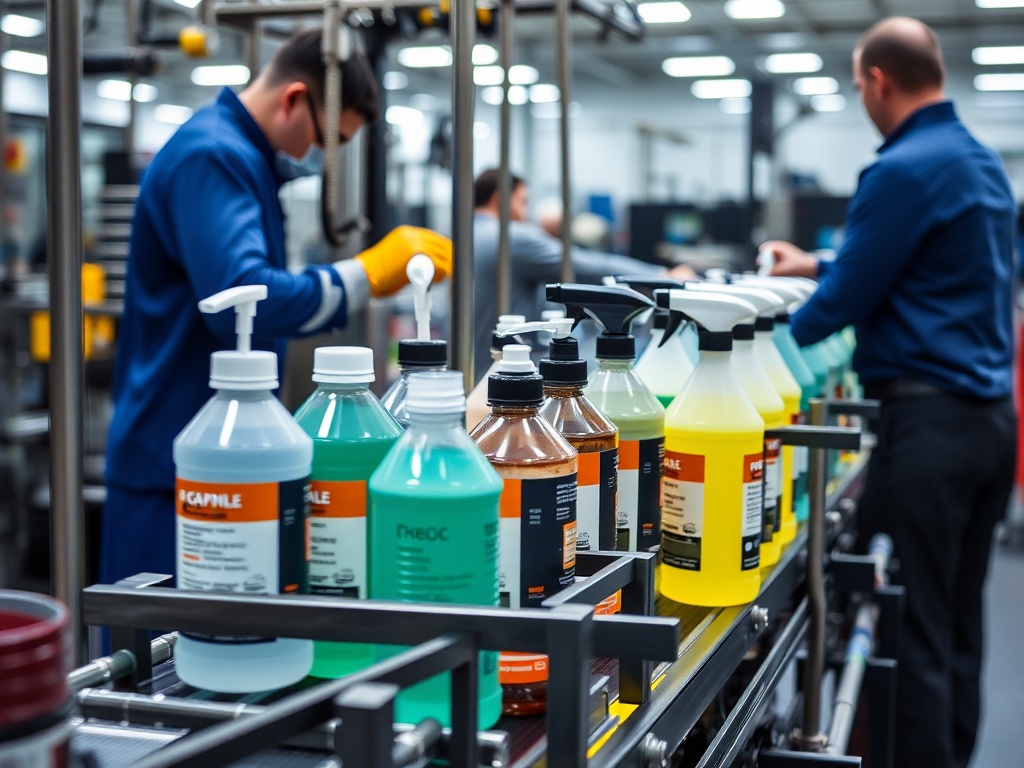
If you run an agricultural consumables chain, supply farm maintenance products, or operate in ag e-commerce across Australia, you already know the pain. Imported adjuvants and spray enhancers work well enough, but supply chain disruptions, fluctuating currency, long lead times, and thinning margins make it hard to scale profitably. Many businesses dream of launching their own branded range tailored to Aussie conditions—hard water, variable soils, extreme temperatures—but the perceived risks of formulation, regulatory hurdles, and production scale-up hold them back.
That’s where contract manufacturing changes the game. At Labsure, we specialise in helping Australian agribusinesses develop and produce custom agricultural spray adjuvants and performance enhancers with low-MOQ pilot production. Whether you have a formula ready or need to benchmark a market leader, we guide the entire process from analysis to full-scale local supply. This approach minimises time, investment, and risk while letting you focus on what you do best: market operations, distribution, and customer relationships.
In this in-depth guide, we’ll walk through the contract manufacturing process for ag adjuvants, share realistic case studies drawn from our work with similar businesses, and explain why reverse engineering a proven product is often the smartest, fastest route to success in Australia’s competitive rural supply sector.
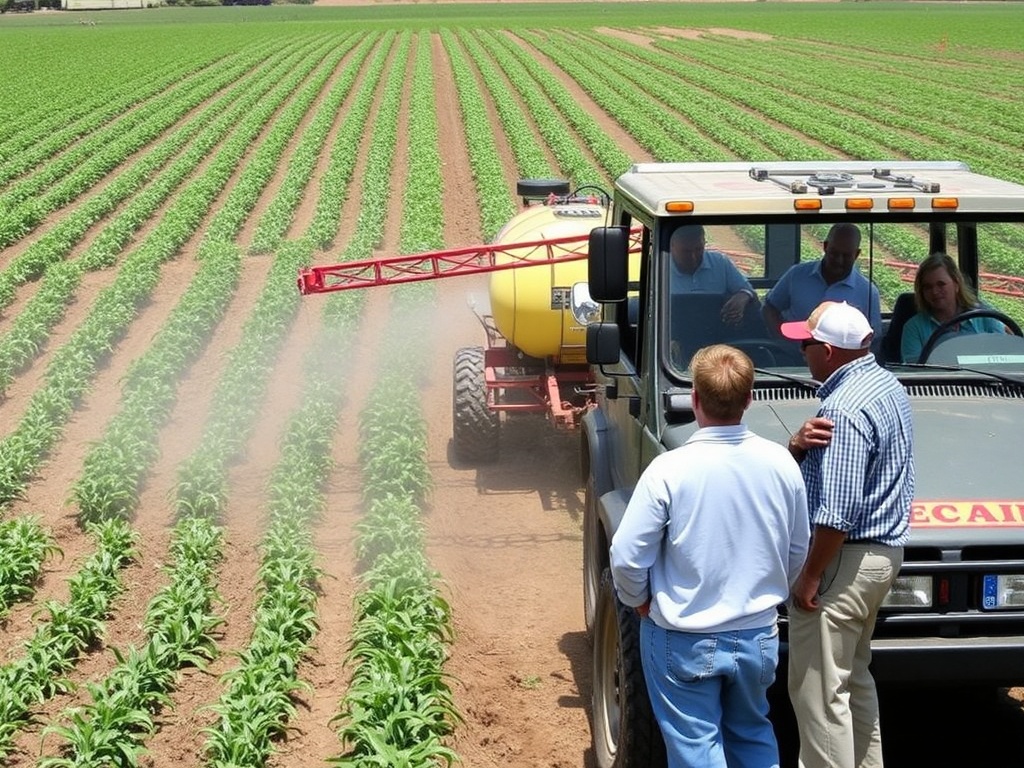
Why Australian Ag Businesses Are Turning to Local Contract Manufacturing for Adjuvants
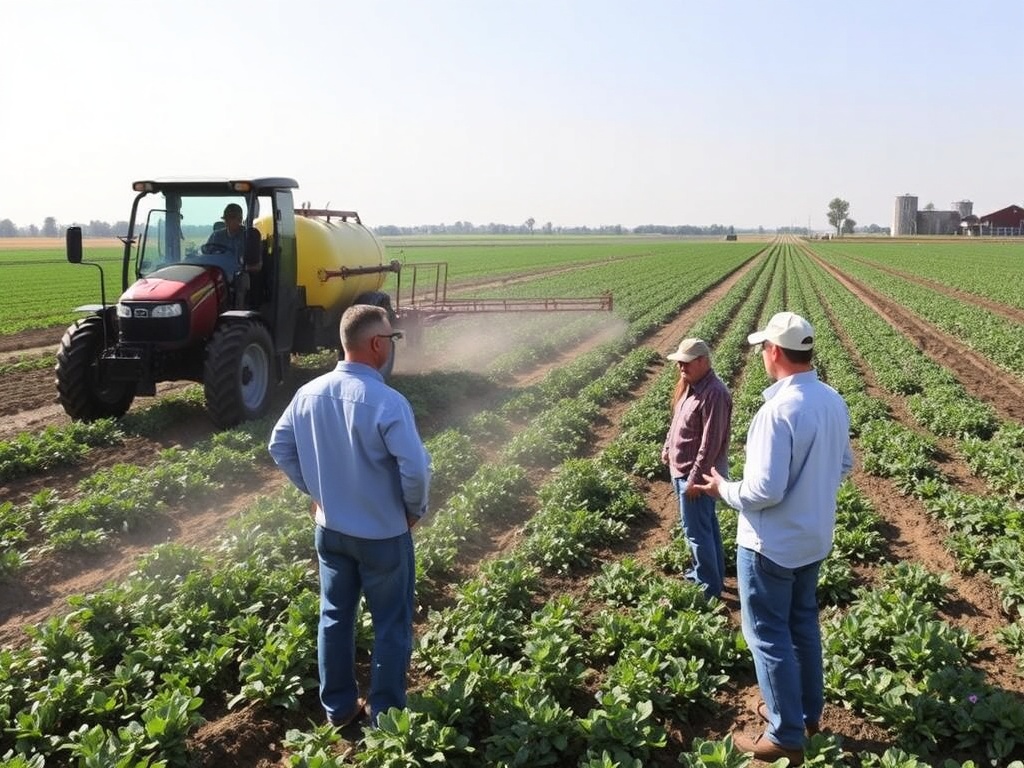
Australian farming is tough on spray products. Broadacre cropping in the wheatbelt, horticulture in the Riverina or Sunraysia, viticulture in the Barossa or Margaret River, and pasture management in dairy and beef regions all demand adjuvants that perform under local conditions: alkaline or saline water, high UV, dust, temperature swings, and specific tank-mix compatibilities.
Relying solely on imports exposes you to:
- Supply volatility: Delays from overseas manufacturers.
- Cost pressures: Rising freight and currency swings eating margins.
- Limited customisation: Products not optimised for Australian water quality or crop systems.
- Brand control issues: No ownership of the formula means you’re always at the mercy of suppliers.
Contract manufacturing with Labsure flips this. We support low minimum order quantities (MOQ) for pilot runs, making it feasible for chains, distributors, and online ag retailers to test new products without massive upfront commitments. Many clients start with pilot batches of a few hundred litres or kilograms, validate in the field, then scale confidently.
Explore our agricultural adjuvants services: Agricultural Adjuvants Development or dive deeper into formulation analysis.
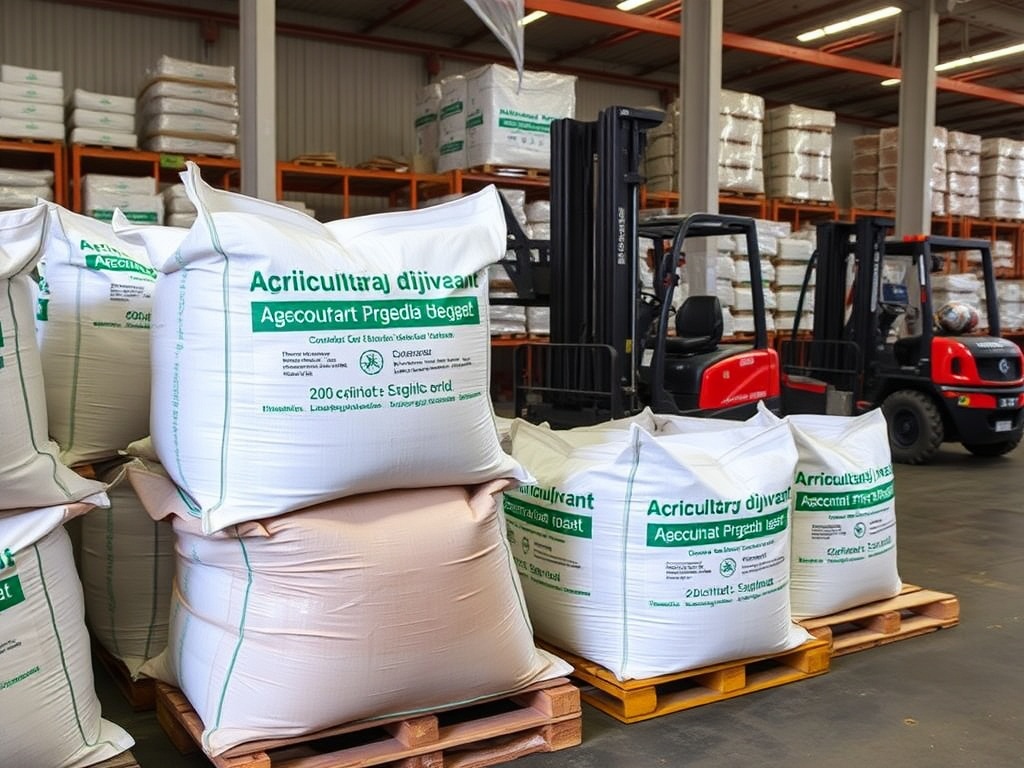
Two Main Entry Points: With or Without Your Own Formula
Scenario 1: You Already Have a Formula If your team or a previous supplier has provided a recipe, we can jump straight into production discussions. We’ll review the formulation for scalability, stability under Australian conditions, raw material availability, and compliance. Then we negotiate MOQ, packaging options (from IBCs and drums to consumer-ready bottles or sachets), labelling, and delivery schedules.
This path suits established maintenance companies or chains looking to private-label an existing successful product with tweaks for better local performance.
Scenario 2: No Formula? Benchmark a Market Winner This is the route most of our ag clients take—and for good reason. Instead of starting from scratch with uncertain R&D costs and timelines, we reverse engineer a popular, market-validated adjuvant. You pick the target (e.g., a leading non-ionic wetter/spreader, organosilicone super-spreader, crop oil concentrate, methylated seed oil, or soil penetrant), and we handle the rest.
Why this minimises risk: You’re building on a product already proven in the market. Farmers and agronomists are buying it, so performance data exists. Our job is to dissect it scientifically, then modify for your needs—better cost structure, enhanced stability, improved compatibility with local herbicides/fertilisers, or tailored for specific regions.
Learn more about our core capability: Chemical Reverse Engineering & Formulation Analysis.
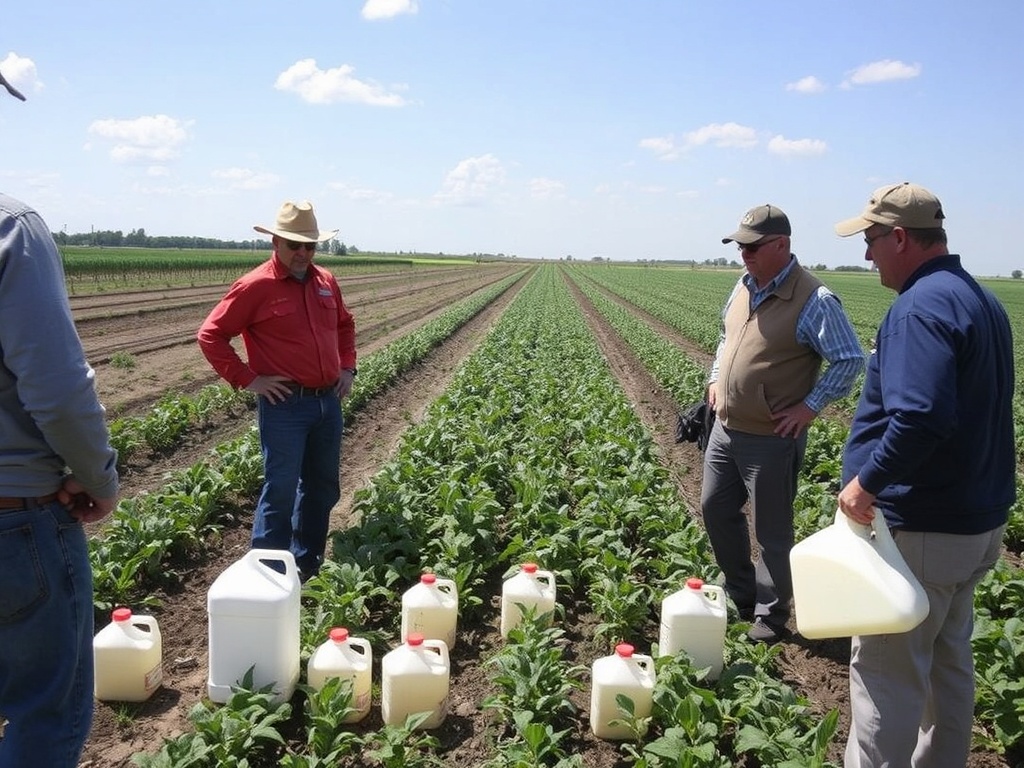
The Detailed Contract Manufacturing Process: From Idea to Localised Supply
Here’s how we typically work with agribusiness owners. The process is structured, transparent, and designed for speed.
Step 1: Initial Consultation & Goal Setting
We start with a conversation. Tell us about your target product, performance goals (e.g., superior drift reduction in windy conditions, better penetration in waxy canola leaves, improved nutrient uptake in deficient soils), target crops, price point, or the competitor product you admire. No chemistry degree required.
We’ll discuss Australian regulatory considerations (APVMA where relevant), packaging preferences, and your volume expectations. For many chain operators or e-commerce businesses, we also cover branding strategy and how private labelling can strengthen customer loyalty.
Related reading: Private Label Chemical Manufacturing in Australia.
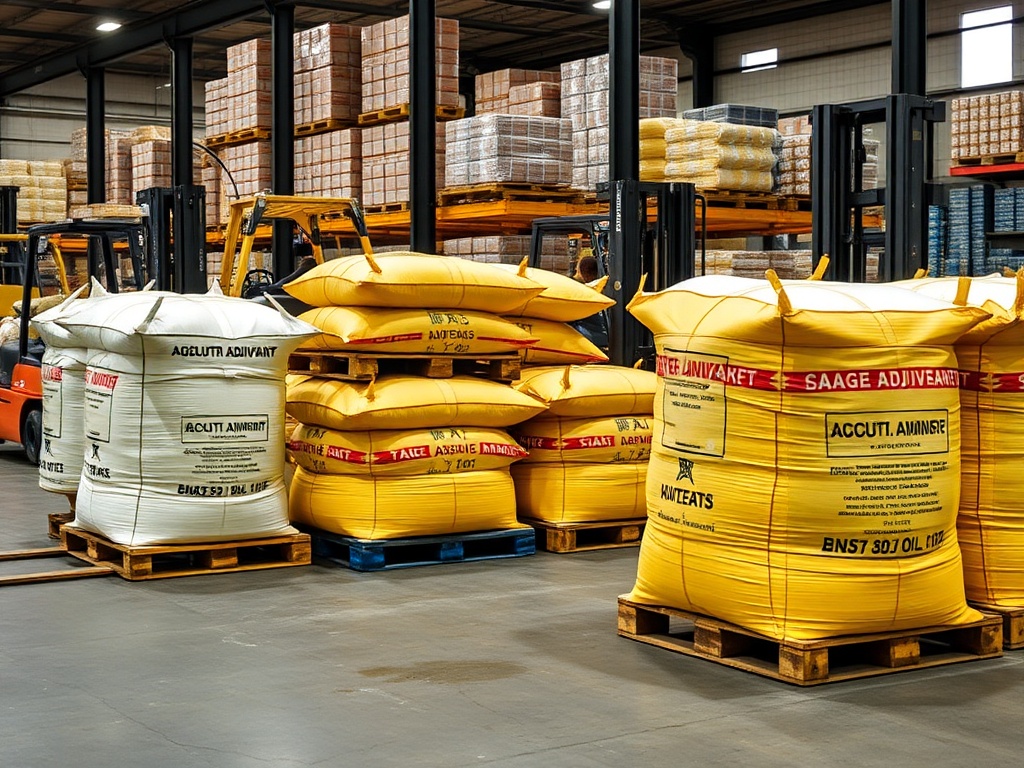
Step 2: Reverse Engineering (If Needed)
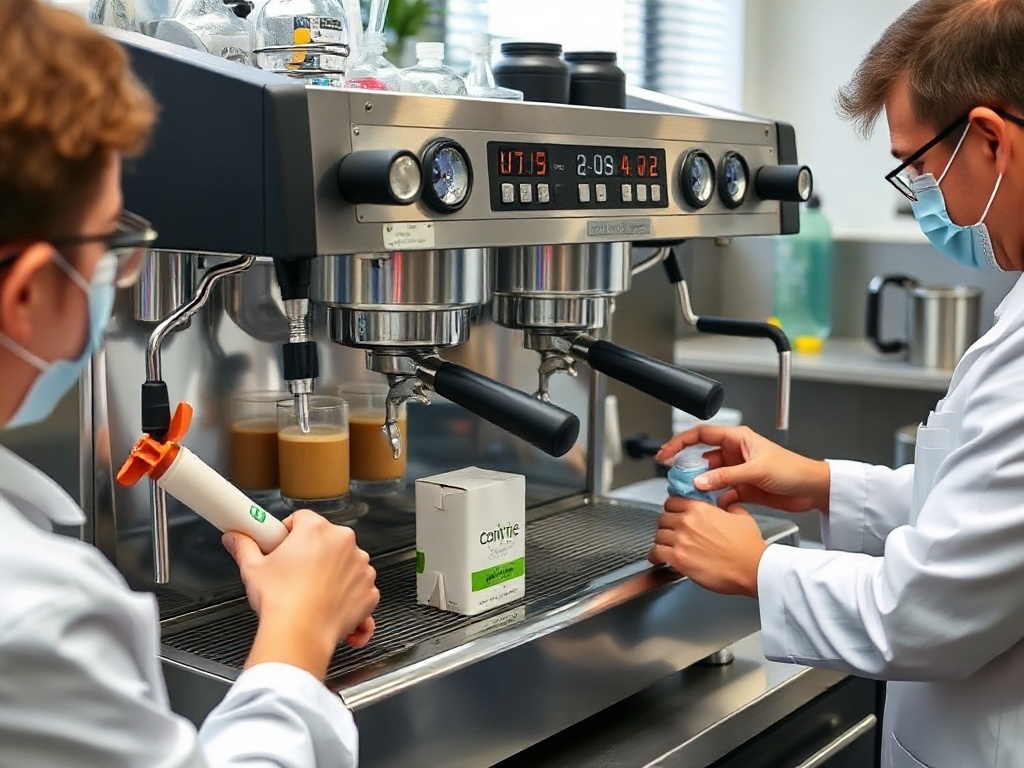
You send us a sample of the benchmark product. Our lab uses advanced techniques (GC-MS, HPLC, etc.) to map:
- Surfactant systems (non-ionic, anionic, cationic, organosilicone).
- Polymers for drift control or rainfastness.
- Emulsifiers, solvents, buffers, and stabilisers.
- Exact ratios and functional contributions.
You receive a clear report with ingredient breakdown, estimated percentages, performance insights, and initial optimisation recommendations. This isn’t just data—it’s actionable intelligence for manufacturing.
See examples in our ag-focused work: Agricultural Adjuvant Deformulation.
Step 3: Formulation Modification & Optimisation
Using the reverse-engineered baseline, we adjust for your goals:
- Cost reduction through smarter raw material choices available locally.
- Performance tweaks for Australian conditions (e.g., hard water tolerance, heat stability).
- Enhanced compatibility with common tank mixes.
- Improved shelf life and storage characteristics for rural depots.
This iterative stage might involve 1-3 rounds of lab samples. We focus on scalability from the start so the formula works in pilot and full production.
Step 4: Small-Scale Sample Production & Validation
We produce pilot samples (often low MOQ) for you to test. This could include:
- Lab stability tests.
- Field trials (you handle or we coordinate with trusted partners).
- Tank-mix compatibility checks.
- User feedback from your key customers or agronomists.
This validation step is crucial. Many clients use it to gather real on-farm data before committing to larger runs—dramatically de-risking the launch.
Step 5: Pilot Batch & Scale-Up to Production
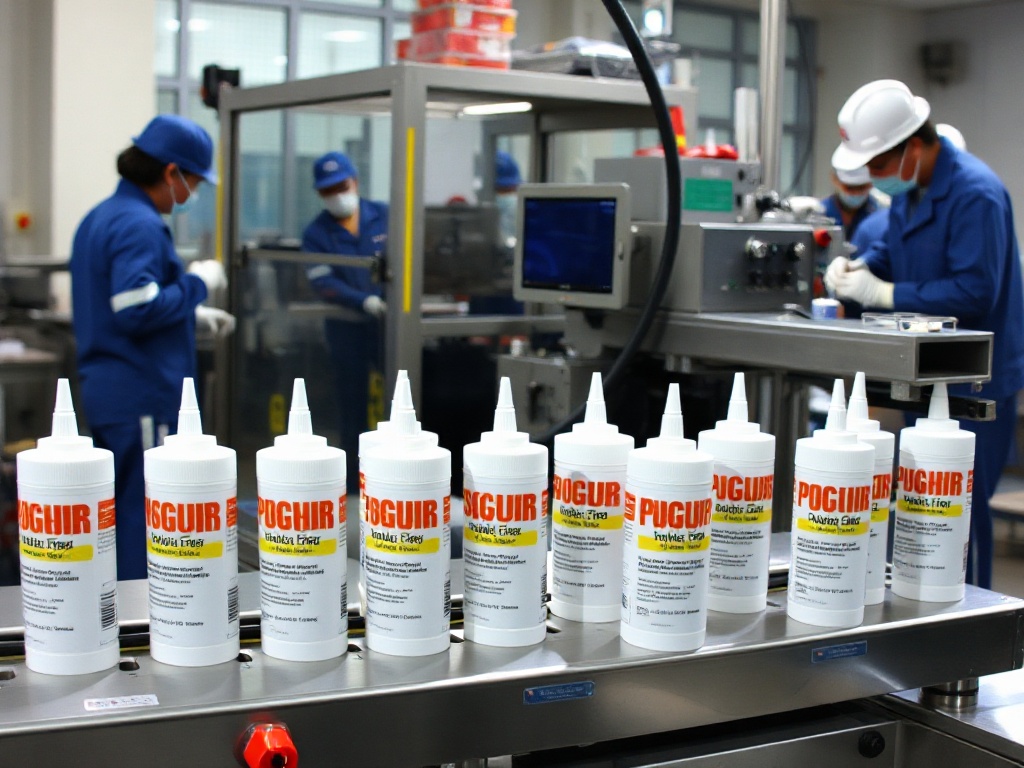
Once validated, we finalise specifications, packaging (e.g., 5L, 20L, 1000L IBCs), labelling, and SOPs. Pilot batches confirm consistency at larger scale. Then we move to commercial production with flexible volumes suited to growing businesses.
Step 6: Localised Supply & Ongoing Partnership
The end goal is reliable Australian-made supply under your brand. This means shorter lead times, better control over quality, and the ability to iterate quickly based on farmer feedback. We provide ongoing support for repeat orders, minor tweaks, or new product extensions.
Full process details: Contract Manufacturing Process Explained.
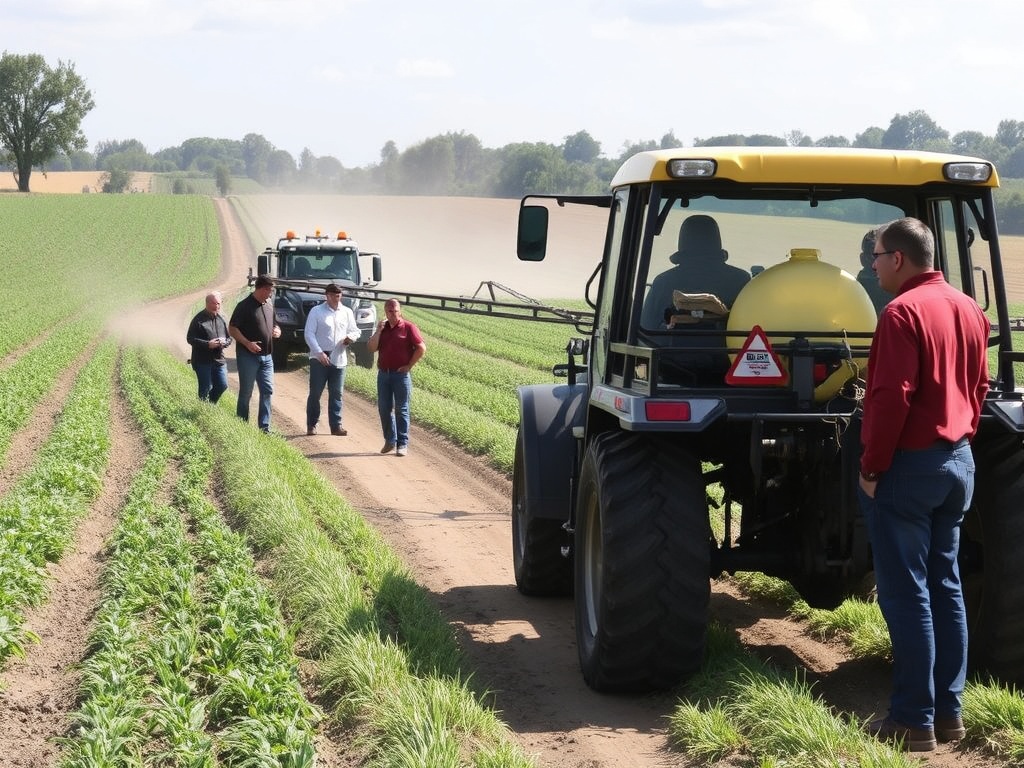
Real-World Case Studies: How Australian Ag Businesses Succeeded
Case Study 1: Victorian Agricultural Supplier Launches Own Non-Ionic Wetter/Spreader A regional distributor was heavily reliant on an imported premium wetter. Margins were squeezed, and stockouts frustrated their farm customers during peak spraying seasons. They identified a top-selling competitor product and approached us.
We reverse engineered it, identified opportunities to improve hard-water performance and reduce foaming. After pilot samples and on-farm validation in wheat and barley crops, they launched their private label version. Result: ~20-25% better margins, full supply chain control, and stronger relationships with growers who preferred the local brand. They now supply their own chain outlets and other retailers.
Case Study 2: NSW Ag E-commerce Platform Expands into Branded Adjuvants An online ag retailer wanted to add high-margin spray enhancers to their catalogue without developing everything in-house. They benchmarked a popular organosilicone super-spreader used in horticulture and viticulture.
Our team delivered a modified formula optimised for Australian spray drones and high-speed boom sprayers. Low-MOQ pilots allowed them to test market response with minimal risk. Within months, they scaled production and integrated the product line seamlessly. Sales grew rapidly because they could bundle it with their existing pesticide and fertiliser offerings, boosting average order value.
Case Study 3: Queensland Chain Optimises Crop Oil Concentrate for Local Conditions A multi-store rural supplies business struggled with inconsistent performance of imported COCs in their tropical and subtropical zones. Reverse engineering a market leader revealed emulsifier weaknesses under high humidity. We reformulated for better stability, produced samples, validated, and helped them launch. The product now outperforms the original in local trials, driving repeat business and private label loyalty.
These aren’t hypothetical—they reflect patterns we’ve seen across agribusinesses moving from importers/distributors to confident local manufacturers.
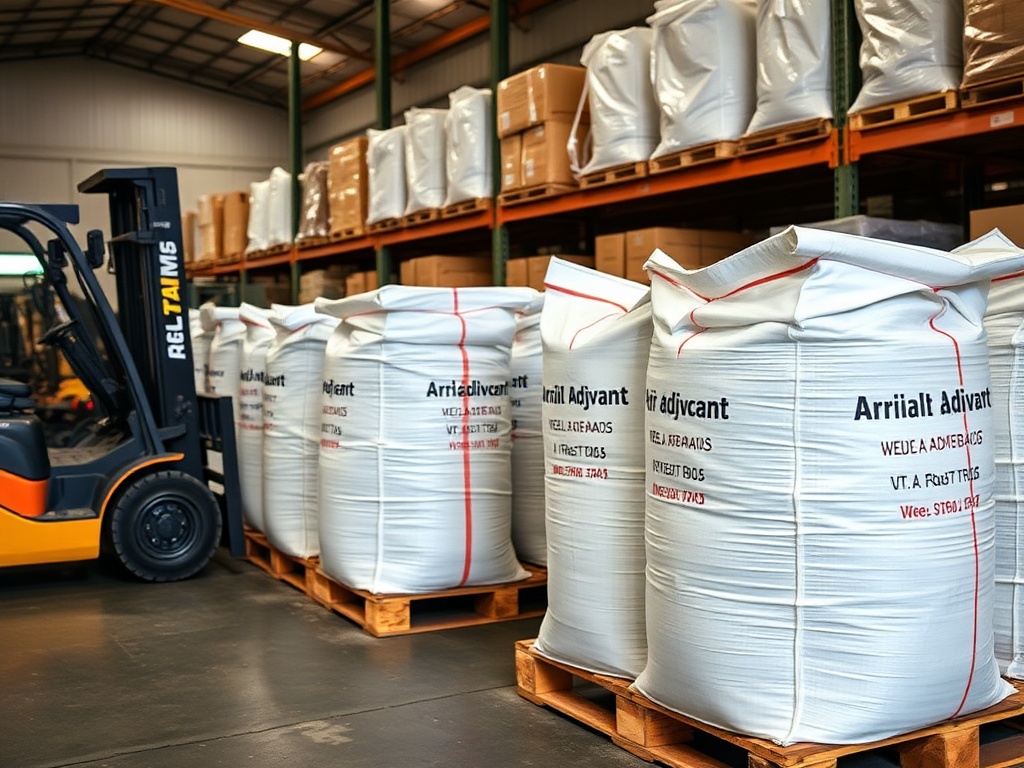
Benefits for Ag Consumables Chains, Maintenance Companies & E-commerce Operators
- Faster Time-to-Market: Months instead of years.
- Lower Capital Risk: No need for your own factory or large R&D team.
- Cost Savings: Local production + optimised formulas often yield 15-30% better margins.
- Brand Differentiation: Offer products tailored to Aussie farms, backed by your expertise.
- Supply Security: Control your inventory and respond quickly to demand spikes.
- Scalability: Start small, grow with confidence.
For maintenance-focused companies, this opens doors to bundled offerings (adjuvants + equipment + advice). E-commerce players gain exclusive lines that improve SEO, customer retention, and profitability.
Supporting resources:
- Why Agrochemical Brands Fail to Scale Adjuvants (and How Reverse Engineering Fixes It)
- Reducing R&D Costs for SMEs
- From Lab to Market for Australian Chemical SMEs
Addressing Common Concerns
Regulatory Compliance? We guide within Australian standards; you handle final APVMA notifications where required. We recommend legal/IP consultation.
IP Protection? NDAs are standard. We focus on analysis and manufacturing support.
Quality Consistency? Our process emphasises scalable, stable formulations with batch testing.
Minimum Volumes? Flexible low-MOQ pilots make entry accessible.
The Strategic Edge: Own Your Formulations, Own Your Future
In a market where farmers demand reliability and value, owning your adjuvant range positions you as more than a supplier—you become a solutions partner. Contract manufacturing via reverse engineering and optimisation lets you achieve this with the shortest timeline, minimal upfront investment, and lowest risk. You’re not gambling on unproven chemistry; you’re refining what’s already working in the paddocks.
Your team can pour energy into marketing, farmer education, digital sales channels, and expanding your network—while we handle the technical and production side.
Ready to explore what’s possible for your business? Whether you’re a chain operator in WA, a maintenance specialist in SA, or an e-commerce leader serving the east coast, we can tailor a plan.
Contact Labsure today:
Visit https://labsure.com.au/contact-us/
Email: info@labsure.com.au
Phone: Check the contact page for current details.
Share your target product, a performance goal, or a sample reference, and our team will provide an initial assessment quickly. Let’s build Australian-made adjuvants that strengthen your brand and support local farming communities.
This article is for informational purposes. Always consult qualified professionals for regulatory, legal, and IP advice.