The Costly Trap: Selling What You Don’t Control
Across Australia and the broader APAC market, many agrochemical brands and distributors are stuck in the same position:
- You’re selling high-performing agricultural adjuvants
- Your customers rely on your product
- But your margins are shrinking
Why?
Because you don’t own the formulation.
You’re importing from established suppliers, or white-labeling products you don’t fully understand. When costs rise—or supply chains shift—you have no leverage.
And when you try to develop your own version?
It fails.
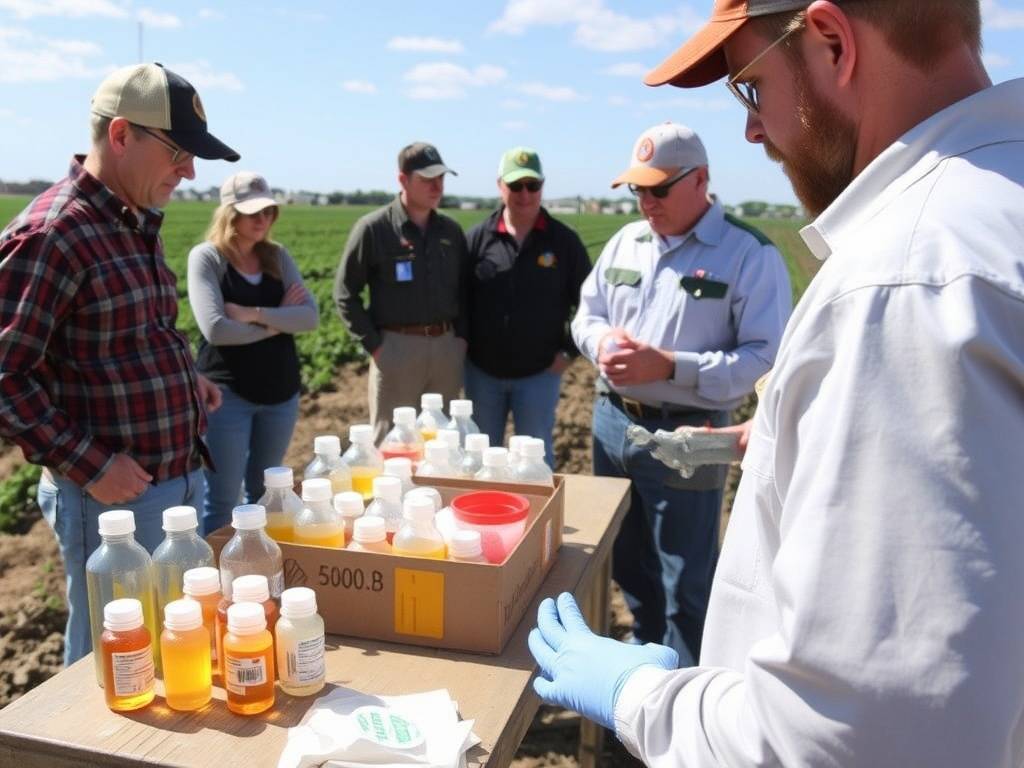
Real Scenario: A Distributor Trying to Launch a Private Label Adjuvant
An Australia-based agricultural distributor approached us with a clear goal:
“We want to launch our own branded spray adjuvant to replace an imported product we’re currently selling.”
On paper, this seems straightforward.
In reality, this is where most companies fail.
What Went Wrong
They attempted to recreate the product internally:
- Purchased similar surfactants
- Followed general formulation guidelines
- Ran small-scale tests
Initial Results:
- Acceptable performance in lab tests
- Similar appearance and viscosity
But after scale-up:
- Emulsion instability → phase separation within weeks
- Poor tank-mix compatibility → issues when mixed with herbicides
- Inconsistent spray performance → reduced wetting and spreading
- pH drift → loss of stability over time
After three failed iterations, the project stalled.
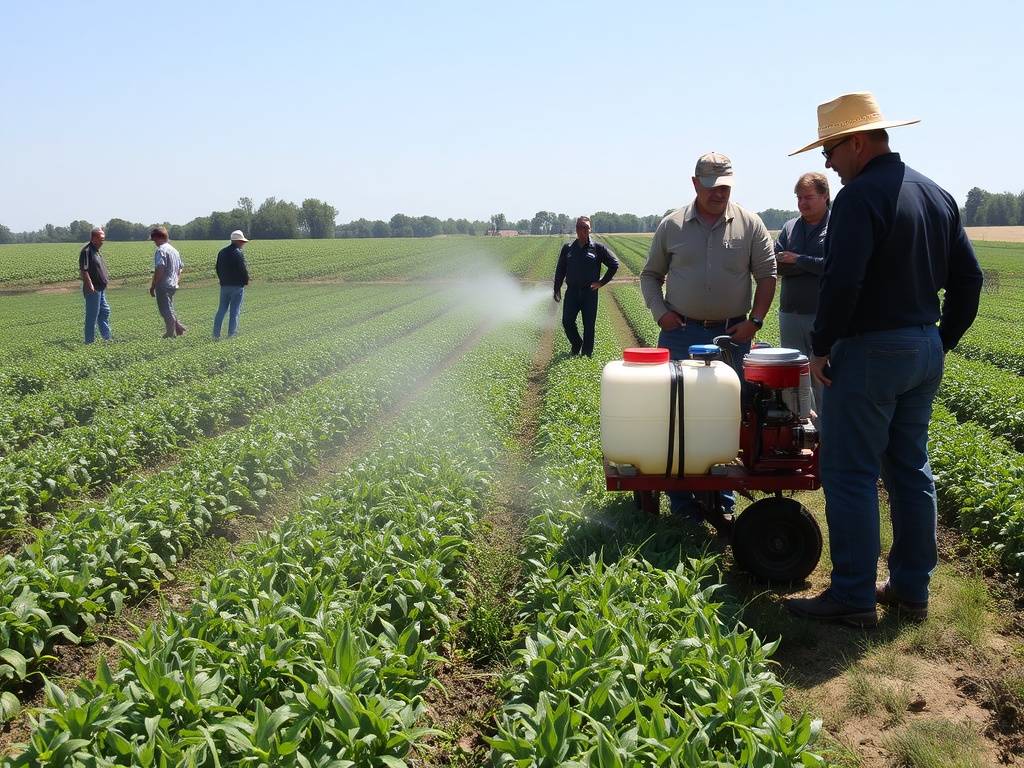
The Core Problem: Guessing Without a Blueprint
Agricultural adjuvants are not simple mixtures.
A high-performance formulation depends on:
- Precise surfactant ratios (nonionic, organosilicone, etc.)
- Solvent polarity balance
- Compatibility with a wide range of agrochemicals
- Stability under varying water hardness and temperature
Without knowing:
- Exact components
- Exact percentages
- Functional roles
You are not developing—you are guessing.
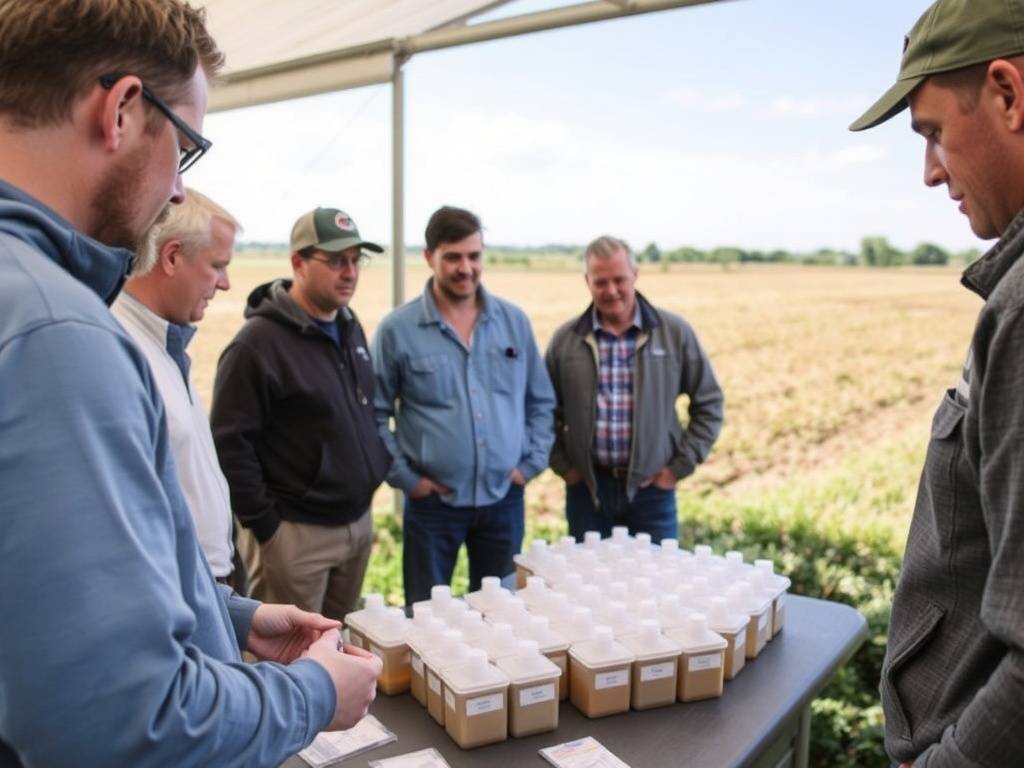
The Solution: Reverse Engineering the Target Product
Instead of continuing trial-and-error, the client sent us the benchmark product.
At www.labsure.com.au, we applied a structured reverse engineering process.
Step 1: Full Composition Breakdown
We identified:
- Surfactant system (types and ratios)
- Solvents and carriers
- Stabilizers and co-formulants
- Trace additives influencing performance
Each component was quantified—typically to ±0.1% accuracy.
👉 Learn more:
https://www.labsure.com.au/formulation-analysis
Step 2: Functional Mapping
We don’t just list ingredients—we explain why they exist.
For example:
- One surfactant drives spreading efficiency
- Another stabilizes emulsification
- A solvent enhances penetration
- Buffer systems control pH stability
This transforms a formulation into a functional system, not just a recipe.
Step 3: Performance Benchmarking
We evaluated and compared:
- Wetting and spreading performance
- Emulsion stability
- Tank-mix compatibility
- Shelf-life stability
Against the original imported product.
Step 4: Scale-Up Optimization
This is where most failures occur—and where reverse engineering creates the most value.
We optimized:
- Surfactant ratios for industrial-scale mixing
- Emulsifier systems to prevent phase separation
- Buffer systems to eliminate pH drift
- Raw materials aligned with Australian supply chains
👉 See how we optimize formulations:
https://www.labsure.com.au/reverse-engineering
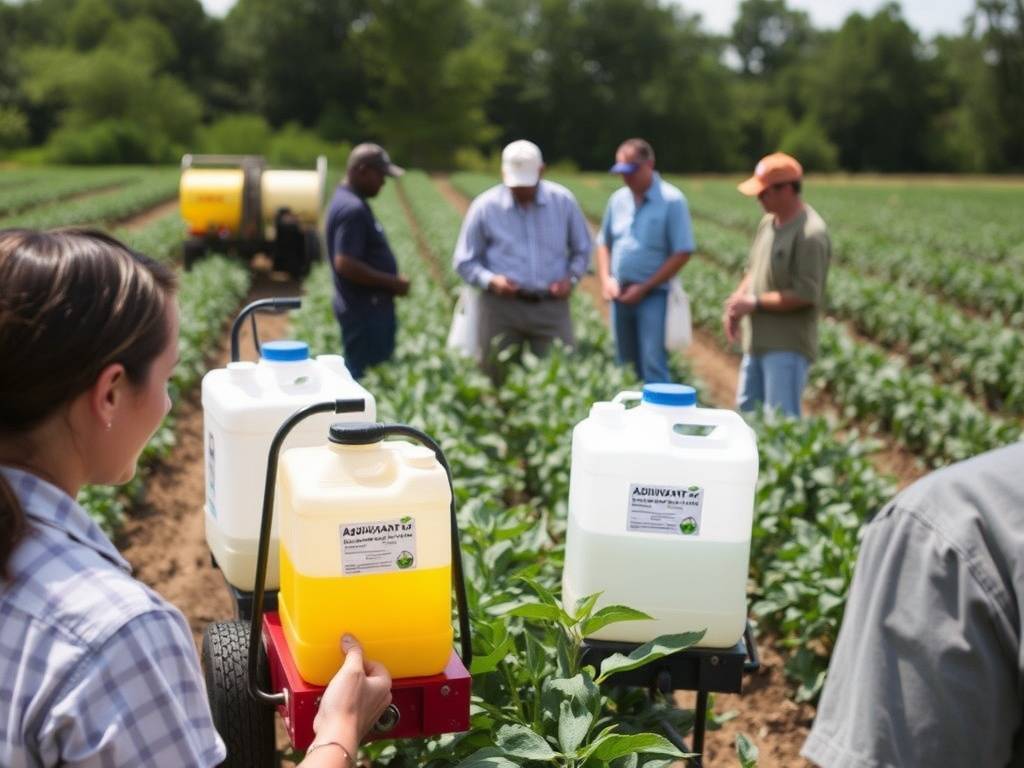
The Result: From Dependency to Control
Before:
- Fully dependent on imported product
- No formulation visibility
- Multiple failed development attempts
- Delayed private label launch
After:
- Full formulation transparency
- Stable, scalable product
- Matching (and slightly exceeding) performance
- ~20% cost reduction
- Successful private label launch
Why Adjuvant Formulations Fail in Scale-Up
This case reflects a broader industry pattern.
1. Emulsification Breaks at Scale
Lab-scale emulsions don’t translate directly to industrial production.
Result:
- Droplet size increases
- Phase separation
- Reduced effectiveness
2. Raw Material Substitution Backfires
Replacing ingredients without understanding the system can:
- Disrupt surfactant balance
- Reduce pesticide compatibility
- Cause instability
3. pH Drift Reduces Stability
Without proper buffering:
- pH shifts during storage
- Surfactants lose activity
- Product performance declines
4. Tank-Mix Compatibility Is Critical
Adjuvants must work across:
- Herbicides
- Insecticides
- Fungicides
Poor formulation leads to:
- Clumping
- Reduced efficacy
- Application issues
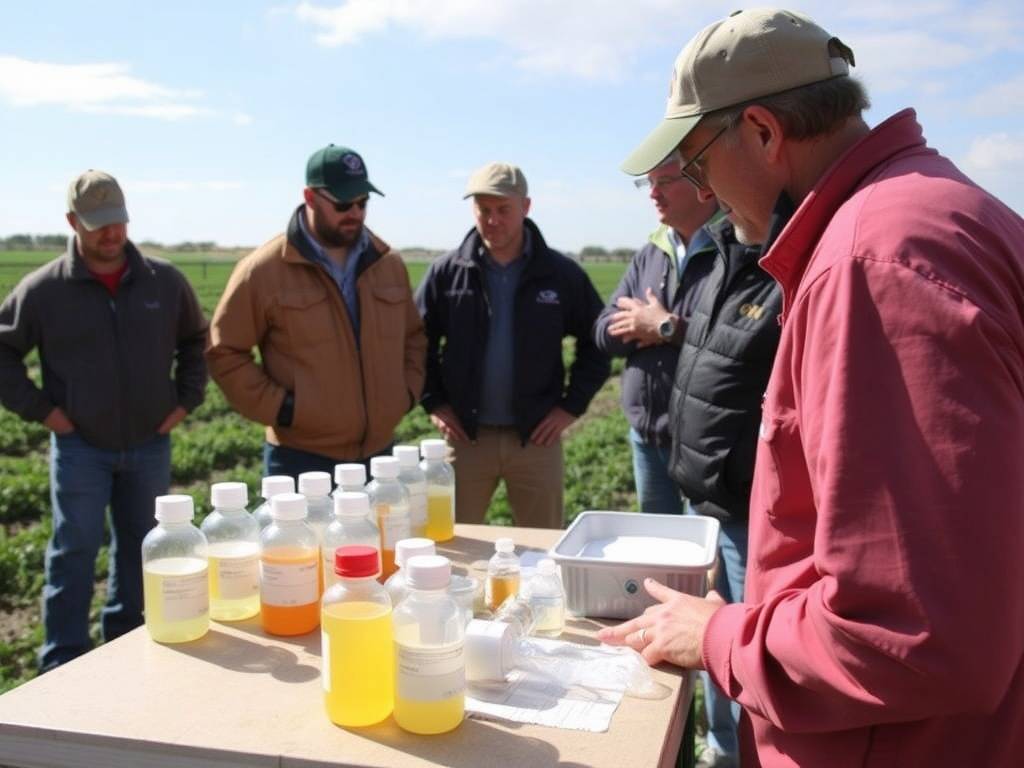
Why Reverse Engineering Works
Reverse engineering removes uncertainty.
Instead of trial-and-error, you get:
Precision
Clear identification of all components and their roles
Speed
Skip months of failed development
Cost Efficiency
Optimize based on actual formulation data
Who This Is For
This approach is ideal for:
- Agrochemical brands launching private label products
- Distributors reducing reliance on imports
- Companies entering the agricultural chemical market
- Businesses optimizing existing formulations
The Business Impact
Increase Margins
Reduce dependency on expensive imports
Strengthen Supply Chain
Enable local manufacturing or flexible sourcing
Accelerate Time-to-Market
Launch faster with confidence
Gain Competitive Advantage
Match or outperform established brands
Why Choose Labsure
At www.labsure.com.au, we specialize in:
- Agricultural adjuvant reverse engineering
- Surfactant-based formulation systems
- Industrial and specialty chemical analysis
We don’t provide generic lab reports.
We deliver actionable formulations you can manufacture and scale.
👉 Explore our services:
https://www.labsure.com.au/services
Call to Action: Stop Selling Blind—Start Owning Your Formulation
If you are:
- Selling imported adjuvants with shrinking margins
- Struggling to develop your own product
- Lacking formulation transparency
- Losing time and money in repeated trials
It’s time to change your approach.
Contact Labsure
🌐 https://www.labsure.com.au
📧 info@labsure.com.au
Send us your benchmark product.
We’ll show you:
- What’s inside
- How it works
- How to replicate—and improve—it
Final Thought
In the agrochemical industry, the winners are not just distributors.
They are companies that control their formulations.
Reverse engineering is how you get there.