The Australian swimming pool industry is more competitive than ever. Whether you operate an independent pool shop, supply maintenance contractors, sell through e-commerce, or distribute chemicals to retailers across Australia, one challenge remains the same: margins are getting smaller while customers expect more value.
Many businesses eventually reach the same conclusion.
“Instead of selling someone else’s products, why don’t we build our own brand?”
It sounds simple.
In reality, developing a new swimming pool chemical from scratch is one of the most expensive and time-consuming projects a business can undertake.
Creating a stable chlorine product, an effective algaecide, a reliable clarifier or a balanced pH adjuster involves formulation chemistry, raw material sourcing, stability testing, production trials, packaging compatibility, regulatory considerations and manufacturing validation. Even after investing months—or sometimes years—there is still no guarantee that the product will perform as expected or gain acceptance in the market.
For many Australian businesses, there is a much faster and lower-risk alternative.
Instead of reinventing the wheel, successful companies begin by benchmarking a proven product that customers already trust.
This is where Labsure’s formulation analysis, reverse engineering and contract manufacturing services provide a practical pathway from concept to commercial production.
A Queensland Pool Retailer Faced a Common Business Problem
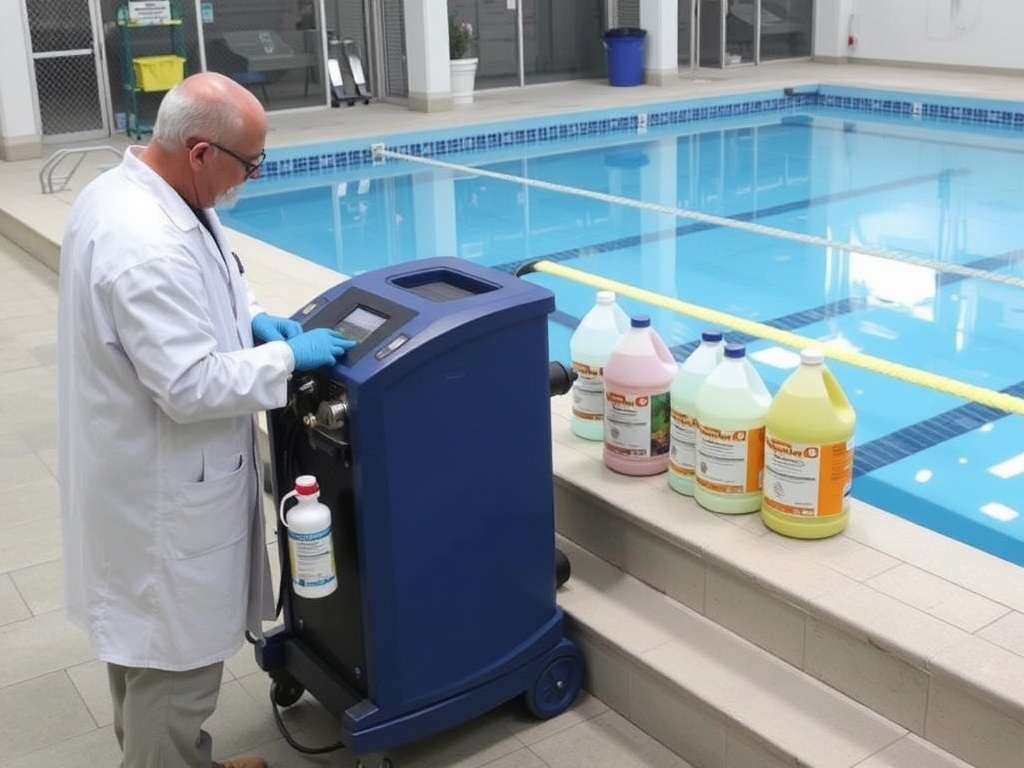
Recently, we spoke with a Queensland-based pool supply business.
Like many independent retailers, their shelves were filled with products manufactured by large international brands.
Customers recognised the brands.
The products worked well.
Sales were consistent.
But profits continued to shrink every year.
Increasing supplier prices, freight costs and fierce online competition meant the retailer had little control over its business. Every promotion reduced margins further, while competitors simply matched prices.
The owner asked a simple question:
“If I already know which products my customers love, why can’t I build my own version under my own brand?”
It was exactly the right question.
What they didn’t want was years of laboratory research.
They didn’t want to employ formulation chemists.
They didn’t want to invest hundreds of thousands of dollars developing an entirely new chemistry that the market might reject.
They wanted to launch a product range that customers would immediately recognise in terms of performance while creating a stronger, more profitable business for themselves.
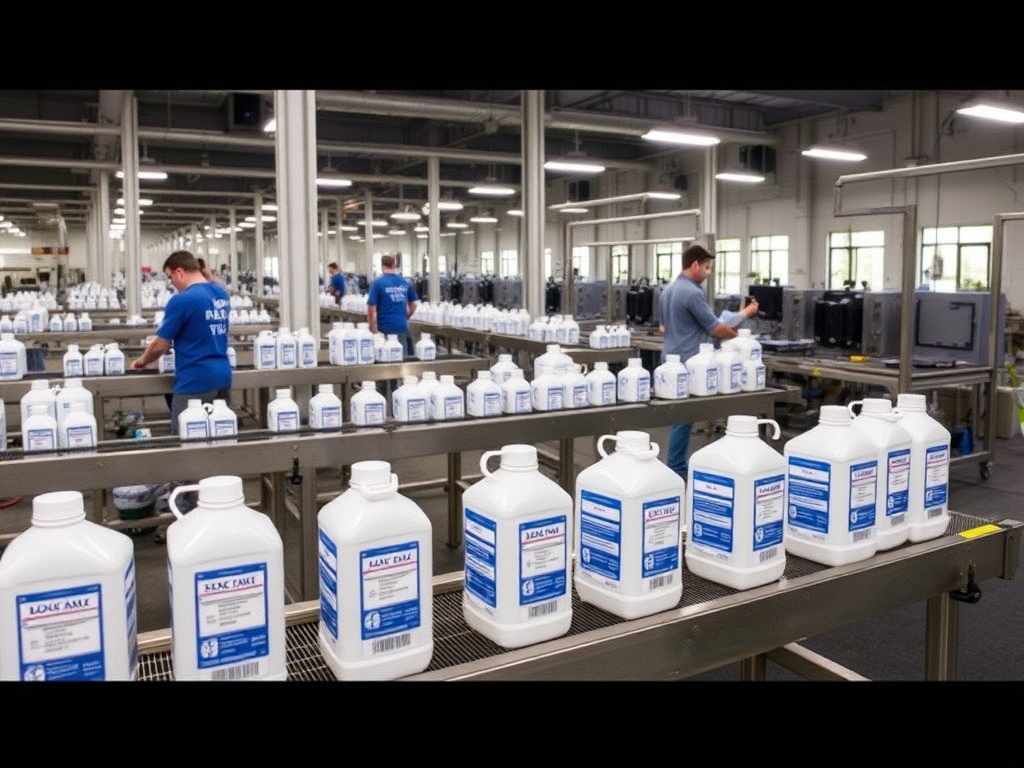
Why Starting From Scratch Is Often the Most Expensive Option
Many first-time private label brands believe they need to invent something completely new.
While innovation certainly has its place, most commercial chemical products are purchased because they solve a problem consistently—not because they introduce revolutionary chemistry.
Pool owners expect products that are:
- Easy to use
- Reliable every time
- Stable during storage
- Compatible with existing pool systems
- Competitively priced
- Readily available
Developing an entirely new formulation means answering countless technical questions before the first sale is ever made.
For example:
- Which active ingredients should be selected?
- What concentration delivers the best balance between performance and cost?
- Which stabilisers are required?
- How will the formulation behave during Australia’s hot summer months?
- Will different raw material suppliers affect performance?
- Is the packaging chemically compatible over long-term storage?
- Can the product be manufactured consistently at commercial scale?
Every unanswered question increases development costs and delays market entry.
In many cases, businesses spend twelve months developing a product only to discover customers still prefer the established market leader.
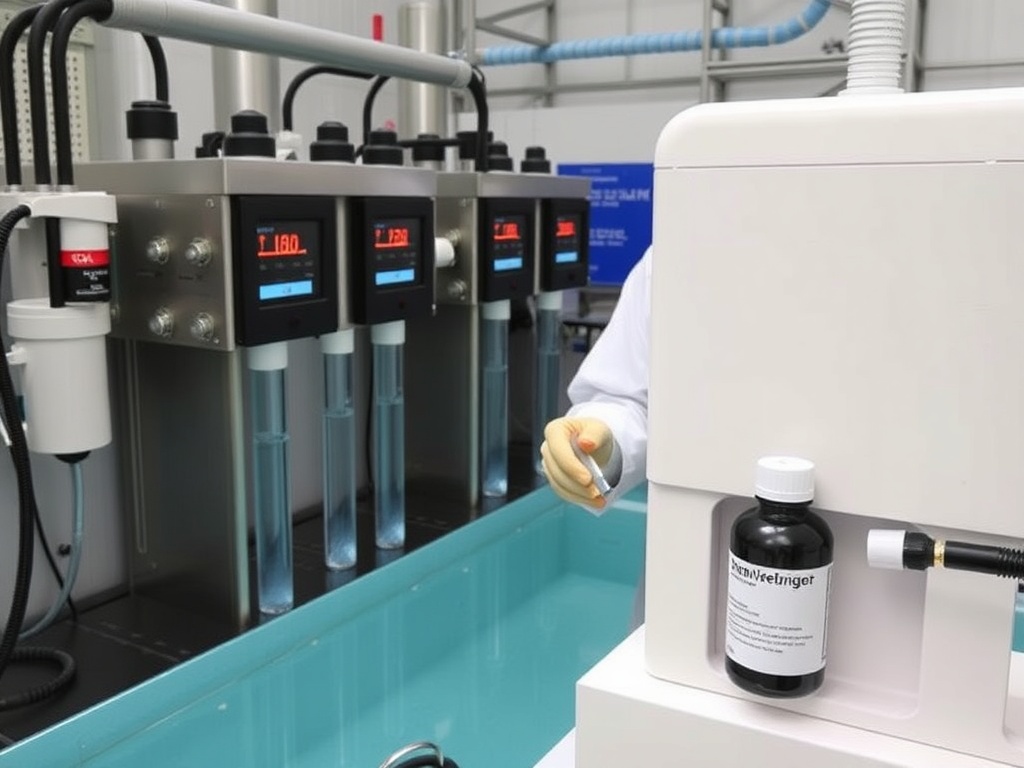
A Smarter Strategy: Benchmark a Proven Product
Instead of starting with an empty laboratory notebook, many successful manufacturers begin with a product that has already proven itself in the marketplace.
This does not mean illegally copying another company’s intellectual property.
It means understanding the chemistry behind a successful product, identifying its functional ingredients, evaluating its formulation strategy and then developing an improved commercial formulation suitable for your own manufacturing process and supply chain.
This approach dramatically reduces technical uncertainty because the benchmark product has already been validated by thousands of customers.
Its performance has already been tested in real swimming pools.
Its market acceptance has already been proven.
Instead of guessing what customers might like, you begin with something customers already trust.
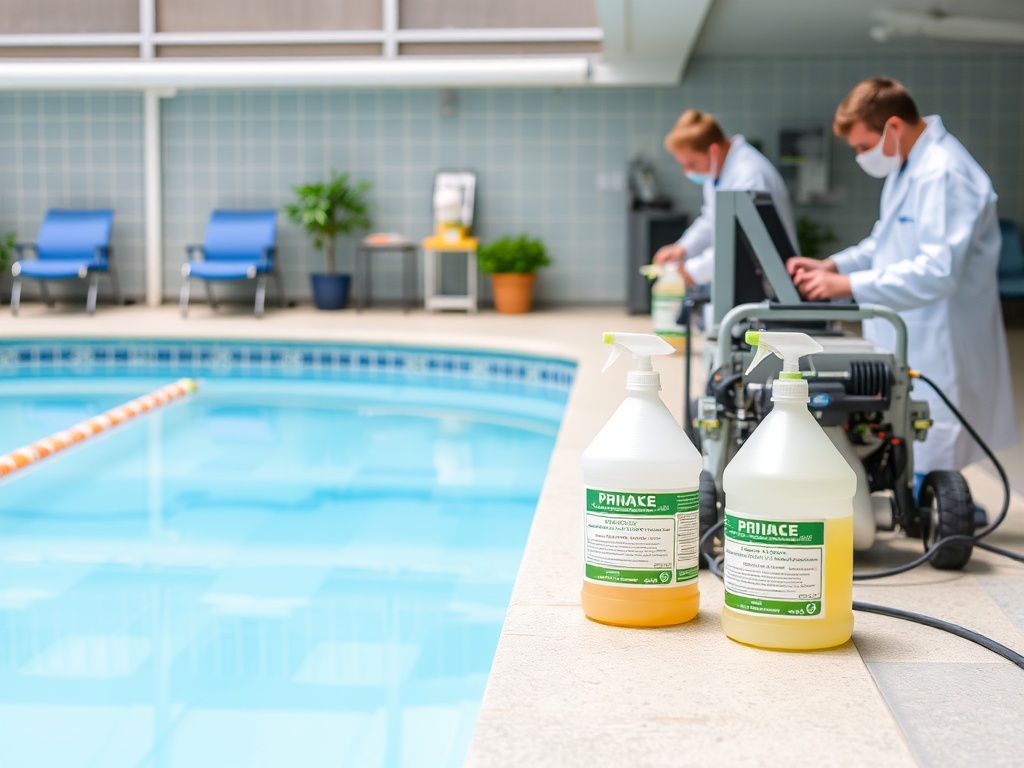
Step One – Understanding What Makes the Product Work
Everything begins with the benchmark sample.
Rather than asking customers to describe the formulation they want, we simply ask:
“Which product do you believe performs well?”
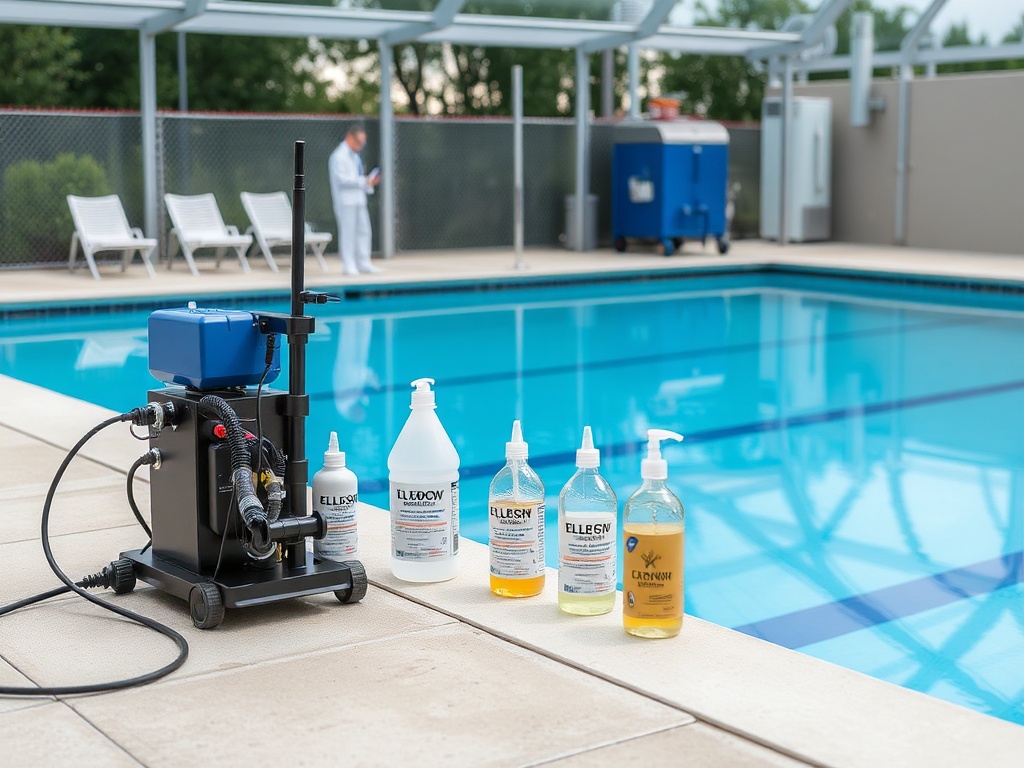
This could be a chlorine treatment, an algaecide, a clarifier, a calcium remover, a phosphate remover, a pH adjuster or another pool maintenance chemical already available in the Australian market.
Our technical team then begins a detailed formulation investigation.
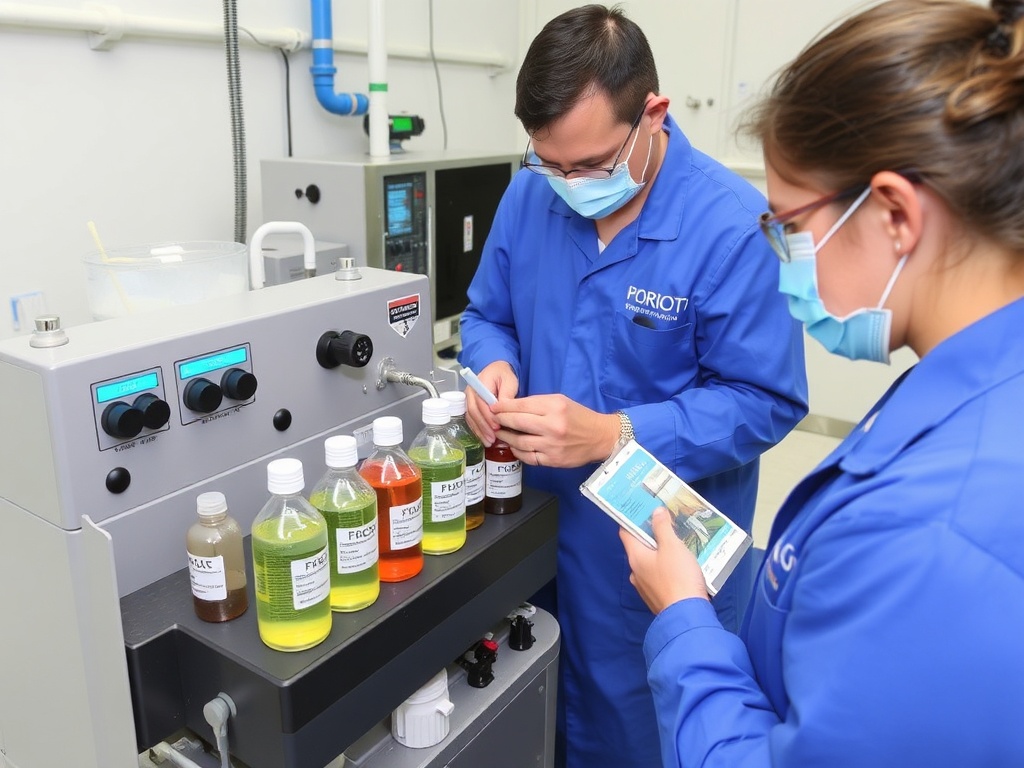
Using advanced analytical techniques, we identify the product’s chemical composition, determine the functional ingredients wherever possible, estimate concentration ranges and evaluate how different components contribute to the overall performance.
This stage provides valuable technical knowledge that would otherwise take months—or even years—to develop through trial-and-error experimentation.
Rather than relying on assumptions, decisions are based on analytical evidence.
This is one of the reasons why reverse engineering has become a standard product development tool across many chemical industries.
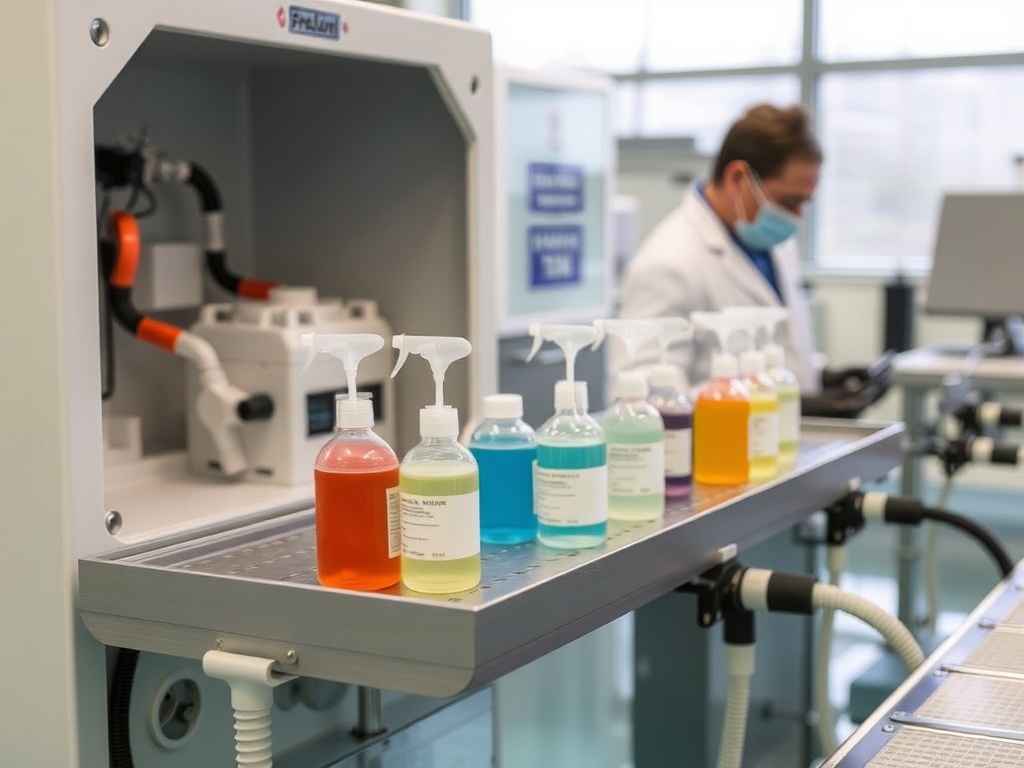
Reverse Engineering Is About Knowledge—Not Copying
One misconception surrounding reverse engineering is that it simply involves duplicating another product.
Professional formulation analysis goes much further.
A successful investigation helps answer important commercial questions such as:
- Which ingredients contribute most to cleaning performance?
- Which additives improve long-term storage stability?
- Are expensive specialty ingredients actually necessary?
- Could locally available Australian raw materials achieve similar performance?
- Can production costs be reduced without compromising quality?
- Is there an opportunity to improve environmental performance?
- Can packaging size or concentration be adjusted for a different market segment?
The objective is to understand the formulation strategy behind a successful product and then use that knowledge to develop a commercially practical solution for your own business.
In many cases, the final formulation is intentionally modified to suit different production equipment, local raw material availability, manufacturing costs or customer requirements.
Step Two – Optimising the Formula for Australian Manufacturing
Once the benchmark product has been analysed, the next stage is where genuine product development begins.
Rather than reproducing the formulation ingredient for ingredient, our technical team evaluates how the chemistry can be adapted for efficient manufacturing and long-term commercial success.
For example, Australian businesses often request modifications such as:
- Higher concentration to reduce freight costs
- Improved stability under Australian climate conditions
- Alternative preservatives
- Easier-to-source raw materials
- Reduced manufacturing costs
- Improved appearance
- Better compatibility with existing packaging
- Larger commercial pack sizes for pool service companies
- Smaller retail bottles for online sales
Every adjustment is made with commercial practicality in mind.
The objective is not simply to manufacture a chemical.
The objective is to create a product that can become a sustainable business.
Step Three – Validate the Formula with a Pilot Batch Before Full-Scale Production
One of the biggest mistakes new brands make is committing to large production volumes before they know whether the product performs as expected in real-world conditions.
At Labsure, we encourage clients to take a much more practical approach.
Once the formulation has been optimised, we recommend producing a small pilot batch for evaluation before moving to commercial manufacturing.
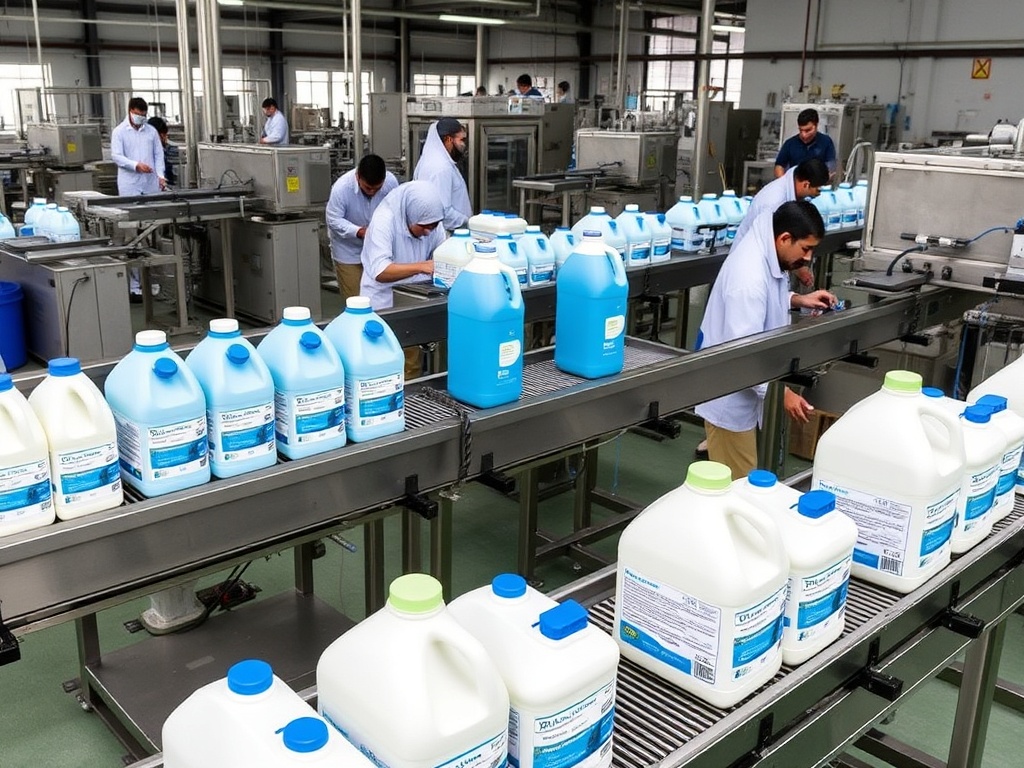
Depending on the product, this may be 20 litres, 100 litres or several hundred litres—just enough to validate the formulation under actual operating conditions.
This stage allows businesses to answer important commercial questions before investing heavily in inventory.
For example:
- Does the product perform consistently across different pool types?
- Is the dosage suitable for residential and commercial pools?
- Does the packaging work well in transport and storage?
- Are customers satisfied with the appearance, colour and ease of use?
- Is the product competitive against the benchmark product in real maintenance situations?
Many of our clients provide pilot samples to their existing customers, local pool technicians or maintenance contractors.
The feedback obtained during this stage is often more valuable than months of internal laboratory testing because it comes directly from the people who will eventually purchase the product.
Minor adjustments can then be made before commercial production begins.
This significantly reduces the likelihood of costly product recalls, customer complaints or excess
inventory.
Step Four – Scale into Commercial Manufacturing
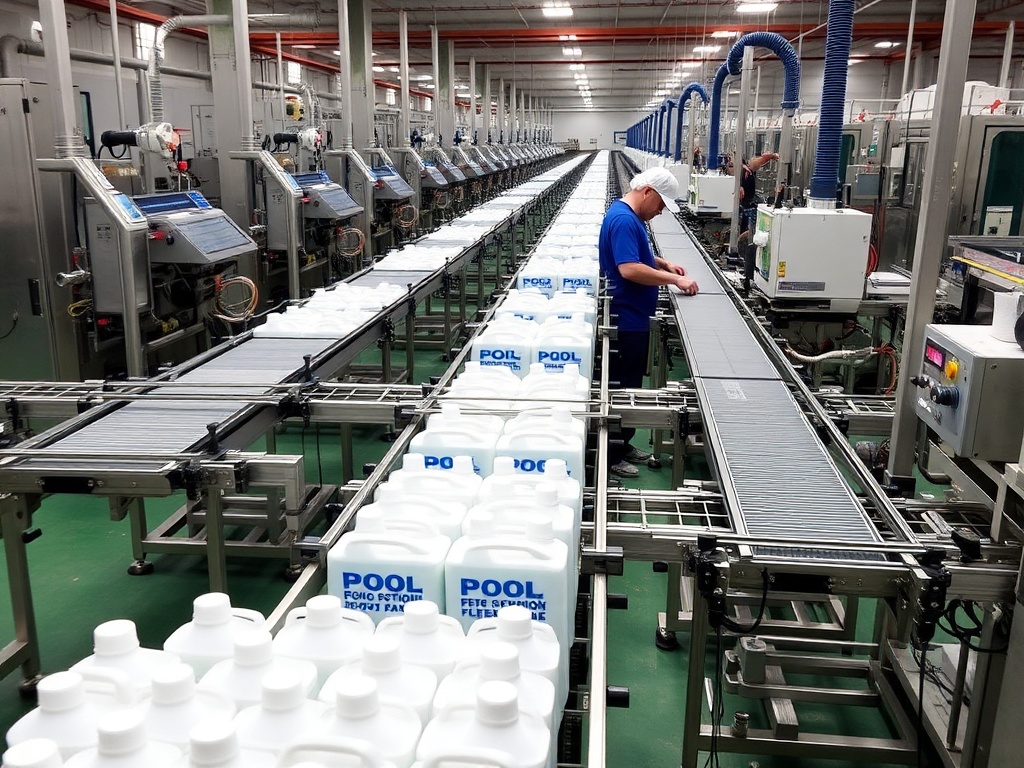
Once the pilot batch has been successfully validated, production can be scaled confidently.
Depending on your business model, manufacturing may include:
- Retail bottles for pool shops
- Professional-size containers for maintenance companies
- 5L and 20L commercial packs
- Drums and IBC containers for distributors
- Bulk production for national wholesalers
At this stage, discussions typically focus on commercial rather than technical details, including:
- Minimum order quantities (MOQ)
- Packaging options
- Bottle and container selection
- Label design
- Carton configuration
- Pallet quantities
- Freight logistics
- Ongoing production scheduling
Because the formulation has already been validated, businesses can move into commercial production much faster than if they had started with a completely new product concept.
Instead of spending a year trying to develop chemistry, they can focus on building a profitable brand.
Why This Business Model Carries Significantly Less Risk
Launching a completely new chemical product is always accompanied by uncertainty.
Will customers like it?
Will it perform consistently?
Will it compete with existing brands?
Will the market accept the price?
These questions become much easier to answer when the development process begins with a product that has already demonstrated commercial success.
A benchmark product has already been tested by thousands of customers.
It has already proven that it solves a genuine problem.
It has already established market demand.
Rather than gambling on an untested concept, your business is building upon performance that the market has already validated.
This does not eliminate the need for proper formulation development, but it dramatically reduces technical uncertainty.
The result is a faster path to market with lower development costs and significantly lower commercial risk.
Focus Your Energy Where It Creates the Greatest Value
Many business owners believe product development is the most important part of building a successful chemical brand.
In reality, chemistry is only one piece of the business.
Your long-term success depends far more on your ability to:
- Build customer relationships
- Develop a trusted brand
- Improve customer service
- Expand your distribution network
- Invest in digital marketing
- Strengthen your online presence
- Increase repeat purchases
- Support pool technicians and retailers
If the product already performs to market expectations, your competitive advantage comes from how you present, support and grow the brand.
Instead of investing years reinventing an existing product, you can invest your time where it generates measurable business growth.
A Practical Example
Imagine an independent pool retailer operating in South East Queensland.
The business has been selling imported pool chemicals for years.
Although sales remain stable, profit margins continue to decline due to supplier price increases and intense competition from larger retail chains.
Rather than competing solely on price, the owner decides to launch a private label product range.
Instead of attempting to invent an entirely new formulation, the business selects several well-established products already trusted by its customers as performance benchmarks.
Labsure assists with formulation analysis, reverse engineering and formula optimisation before arranging pilot production.
Small batches are tested by several long-term maintenance contractors over a number of weeks.
Feedback is overwhelmingly positive.
Only minor formulation adjustments are required before commercial production begins.
Within months, the retailer is offering its own branded range alongside existing products.
As customer confidence grows, more sales gradually shift towards the higher-margin private label products.
The business is no longer completely dependent on a single supplier.
It has created an asset that belongs entirely to the company—its own brand.
While every project is different, this type of development pathway demonstrates how businesses can reduce technical risk while accelerating market entry.
Why Australian Businesses Choose Local Technical Support
Although many products are manufactured globally, Australian businesses often prefer working with a local technical partner throughout the development process.
Having technical support in Australia provides several practical advantages.
Communication is simpler.
Project management is more efficient.
Samples can be reviewed locally before production decisions are made.
Regulatory requirements can be discussed earlier in the project.
Businesses also gain confidence knowing they have an Australian point of contact throughout formulation development, pilot production and commercial manufacturing.
Rather than managing multiple overseas suppliers independently, the entire project can be coordinated through a single technical team.
Is This Approach Suitable Only for Pool Chemicals?
Not at all.
The same development strategy is widely used across many chemical industries, including:
- Cleaning and sanitation chemicals
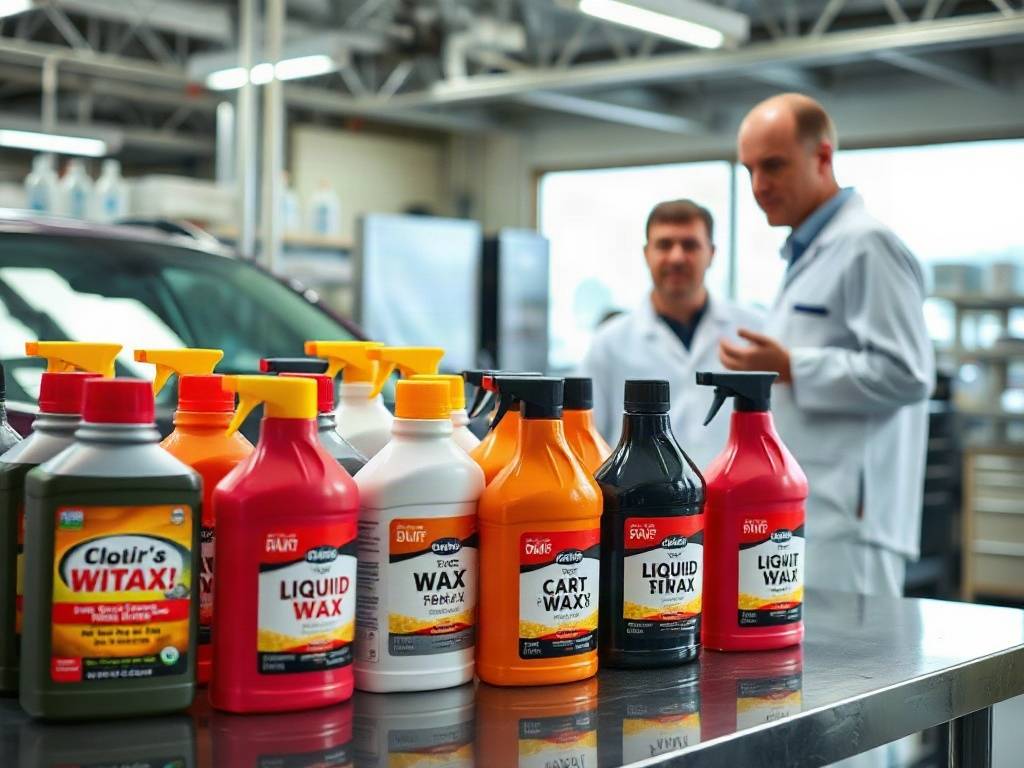
- Automotive detailing products
- Industrial maintenance chemicals
- Agricultural formulations
- Water treatment products
- Adhesives and sealants
- Surface coatings
- Personal care products
- Pet care products
Whenever a successful commercial product already exists in the marketplace, benchmarking that product often provides the fastest and lowest-risk route to developing a competitive private label alternative.
Frequently Asked Questions
Can you manufacture my existing formulation?
Absolutely.
If you already have a proven formulation, we can discuss manufacturing feasibility, production scale, packaging options, minimum order quantities and commercial supply arrangements.
What if I don’t have a formula?
This is one of the most common situations we encounter.
Many clients simply provide a sample of a product they admire in the marketplace.
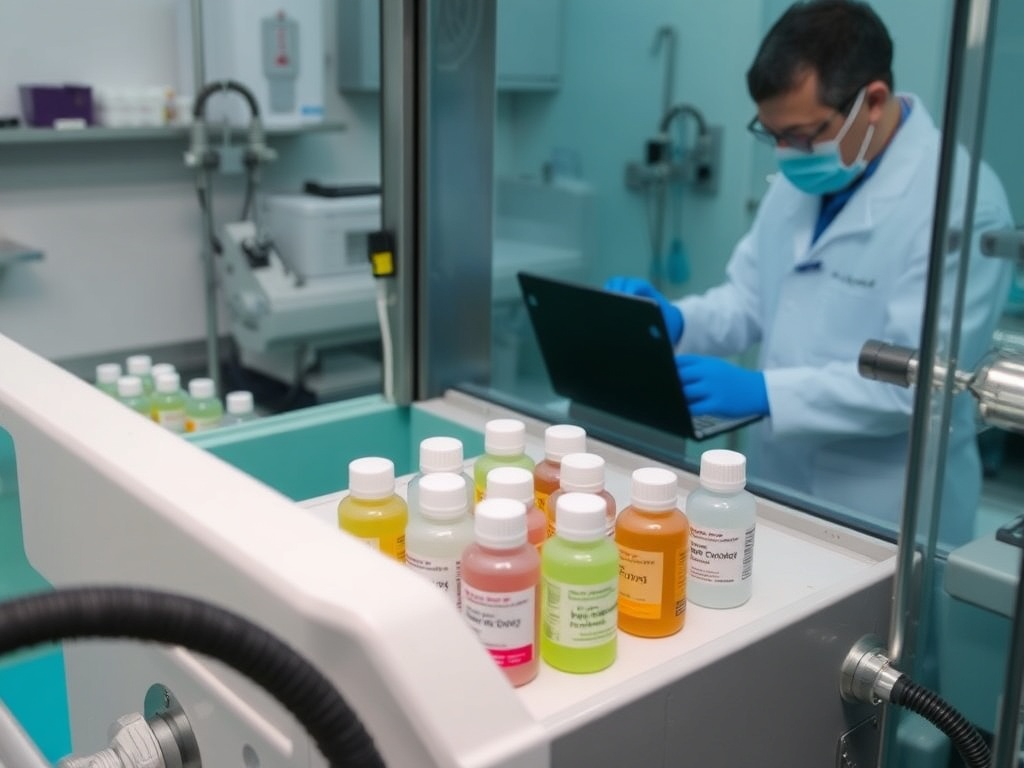
We can assist with formulation analysis, reverse engineering, optimisation and pilot production before commercial manufacturing begins.
Will my formulation be exactly the same as the benchmark product?
Not necessarily.
Our objective is to understand the product’s formulation strategy and then develop a commercially practical formulation suitable for your manufacturing process, available raw materials and business objectives.
In many cases, modifications are intentionally made to improve cost efficiency, stability or production consistency.
Can small businesses use this service?
Yes.
Private label manufacturing is no longer limited to multinational companies.
Many independent retailers, maintenance businesses and distributors begin with relatively small production volumes before expanding as demand grows.
How long does the process usually take?
Project timelines vary depending on product complexity.
However, beginning with a benchmark product generally shortens development considerably compared with developing a completely new formulation from the ground up.
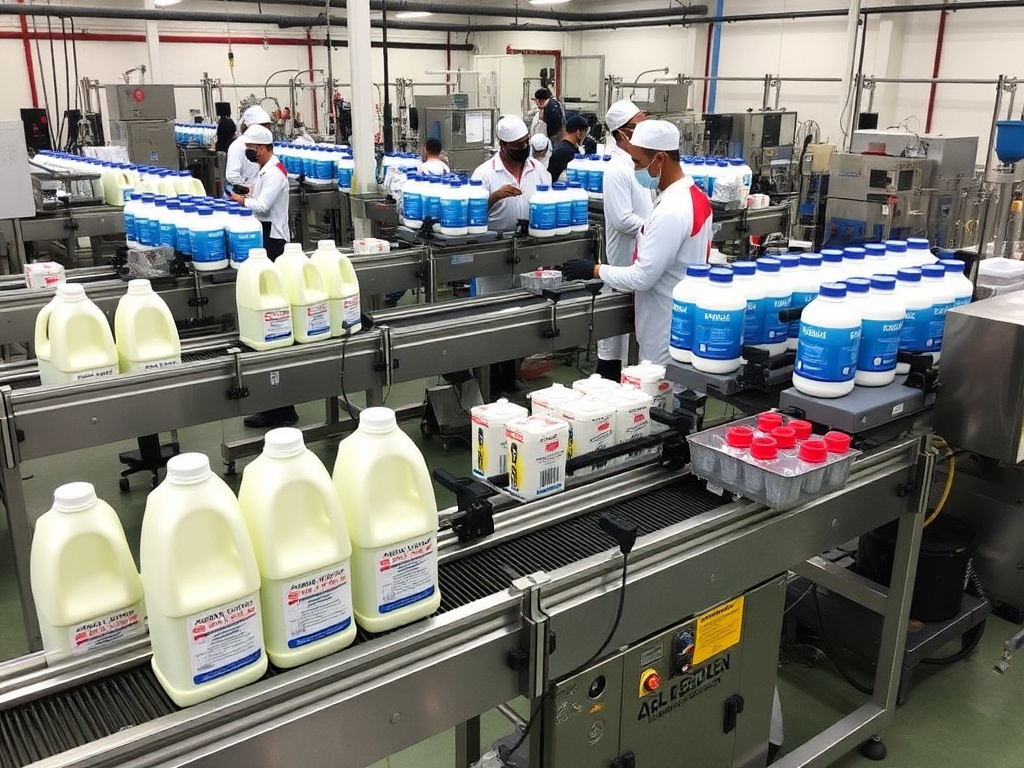
Build Your Own Pool Chemical Brand with Confidence
Developing a successful private label pool chemical range does not need to involve years of research, expensive laboratory development or unnecessary technical risk.
Whether you already have a proven formulation ready for manufacturing or simply want to benchmark a successful product already on the market, Labsure can help guide you through every stage of the process.
From formulation analysis and reverse engineering to formula optimisation, pilot production and commercial manufacturing, our goal is to simplify product development and help Australian businesses launch competitive chemical products with greater confidence.
By starting with products that the market has already validated, you can minimise development risk, reduce time to market and focus on what matters most—building your brand, growing your customer base and creating a sustainable, profitable business.
If you’re ready to discuss your next pool chemical project, we’d be pleased to explore the most practical manufacturing pathway for your business.