From reselling a proven agricultural adjuvant to developing a proprietary product — without starting R&D from zero
For many Australian agricultural suppliers, the hardest part of launching a new chemical product is not finding customers.
They already have them.
They know which products farmers trust. They know which wetting agents perform well in sandy soils. They know which products receive fewer complaints, which ones deliver reliable re-wetting after dry periods, and which products their distributors are willing to stock.
The problem is simple:
They do not own the formulation.
This creates a difficult position.
A company may have spent years building a strong agricultural distribution network, only to remain dependent on another manufacturer for the product itself. When raw material costs increase, supply becomes unreliable, or the original manufacturer changes its formulation, the distributor has very little control.
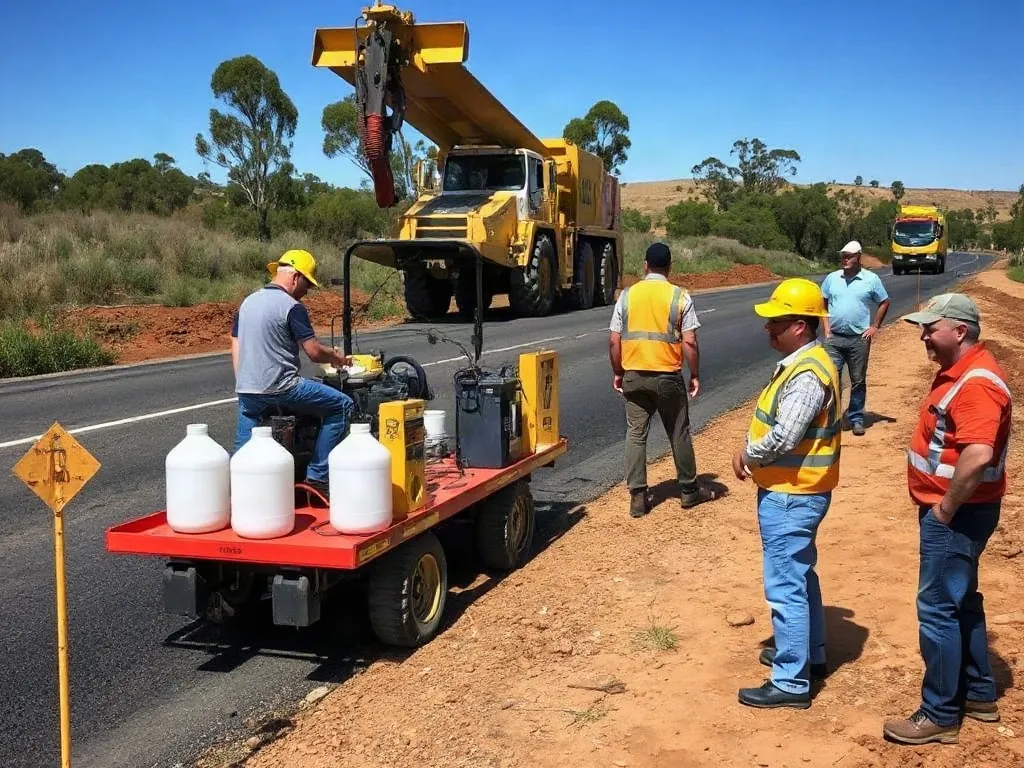
One New South Wales agricultural supplier faced exactly this situation.
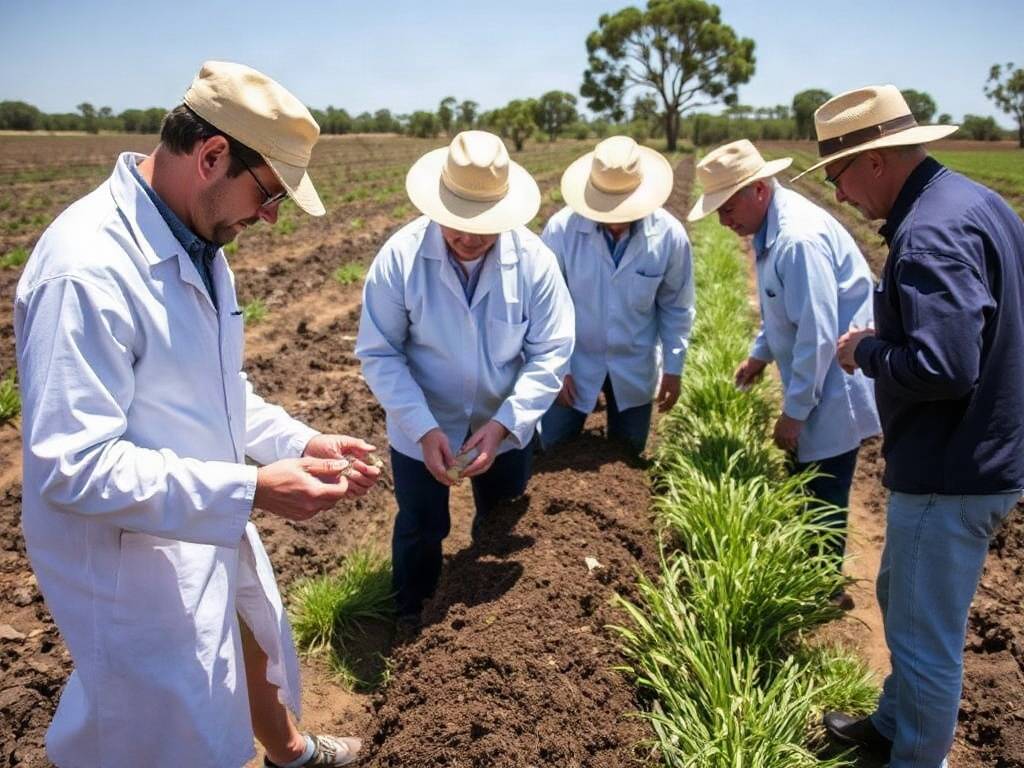
The company had identified a commercially successful soil wetting agent that performed reliably in water-repellent and sandy soils. Its customers were familiar with the product and trusted its performance.
The company wanted to launch its own branded alternative.
But there was no internal formulation chemist, no dedicated analytical laboratory and no established formulation development team.
Rather than spending months or years developing a soil wetting agent entirely from scratch, the company chose a different approach:
Start with a proven market benchmark, understand its formulation architecture, identify the performance-critical components, and then develop an independently optimised formulation around the required performance and manufacturing targets.
That is where chemical reverse engineering becomes commercially valuable.
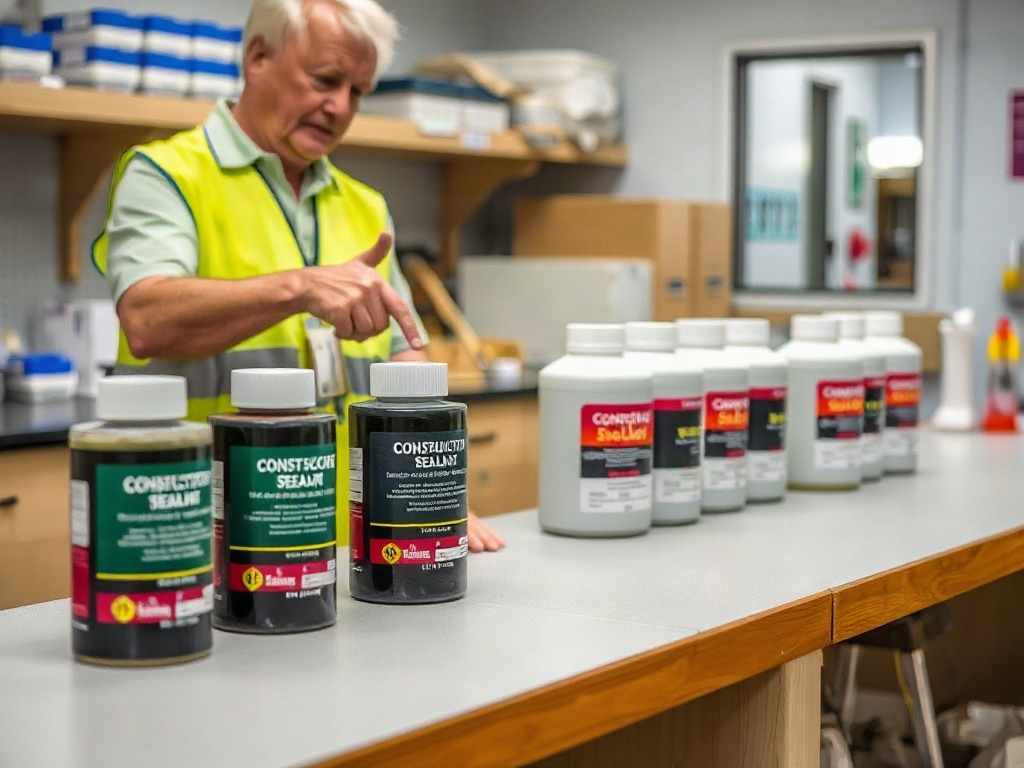
At Labsure, we support Australian businesses with formulation analysis, reverse engineering, formulation optimisation and production guidance. Our agricultural adjuvant work covers surfactants, organosilicones, polymers, oil-based systems, soil wetters, fertiliser additives and other specialty agricultural formulations.
The Business Problem: “We Know the Product Works — But We Don’t Know How to Make It”
The NSW client was not trying to invent a completely new agricultural technology.
They had already solved the most important commercial question:
There was demand for the product.
Their customers already understood the application and were already buying similar products.
The opportunity was to move from being primarily a distributor or reseller to becoming a product owner.
However, there was a significant technical barrier.
A soil wetting agent can look deceptively simple.
A typical product may appear to be little more than a liquid containing surfactants and water. In reality, performance can depend on the balance between multiple components, including:
- Non-ionic surfactants
- Penetrants and wetting agents
- Hydrophilic and hydrophobic surfactant components
- Polymer or persistence modifiers
- Solvents or carrier systems
- Hydrotropes
- Stabilising agents
- Defoamers
- pH-control components
- Preservatives where required
- Water quality and mineral compatibility
Changing one component can affect several others.
Increasing surfactant concentration does not automatically produce better soil wetting.
A stronger penetrant may improve initial water movement but negatively affect formulation stability or application economics.
A polymer may increase persistence but also change viscosity, spray behaviour or compatibility.
And a formulation that performs well in a laboratory bottle may behave differently after several months of storage in Australian summer conditions.
This is why simply purchasing a few similar raw materials and trying to “copy” the product can become an expensive trial-and-error exercise.
The client needed something more practical:
A technical roadmap from an existing benchmark product to their own commercially viable formulation.
Why Reverse Engineering Was the Faster Starting Point
Traditional formulation development normally begins with a blank page.
The chemist needs to determine:
What ingredients should be used?
At what concentrations?
In what order should they be blended?
How should the formulation be stabilised?
What performance targets should be established?
Which raw materials should be sourced?
How will the product behave during storage?
What happens when production is scaled from 1–5 litres to hundreds or thousands of litres?
For a small or mid-sized Australian agricultural supplier, this can become a significant investment.
Reverse engineering changes the starting point.
Instead of asking:
“What formulation should we invent?”
the development process begins with:
“What is already working, what makes it work, and what can be improved?”
This does not mean simply copying a competitor’s commercial product.
The analytical process provides formulation intelligence for benchmarking, R&D and independent formulation development. Any commercial product development must also consider intellectual property, trade secrets, regulatory requirements and the client’s legal rights to analyse the submitted material. Labsure’s terms specifically state that analytical results are not authorisation to reproduce or commercialise third-party products.
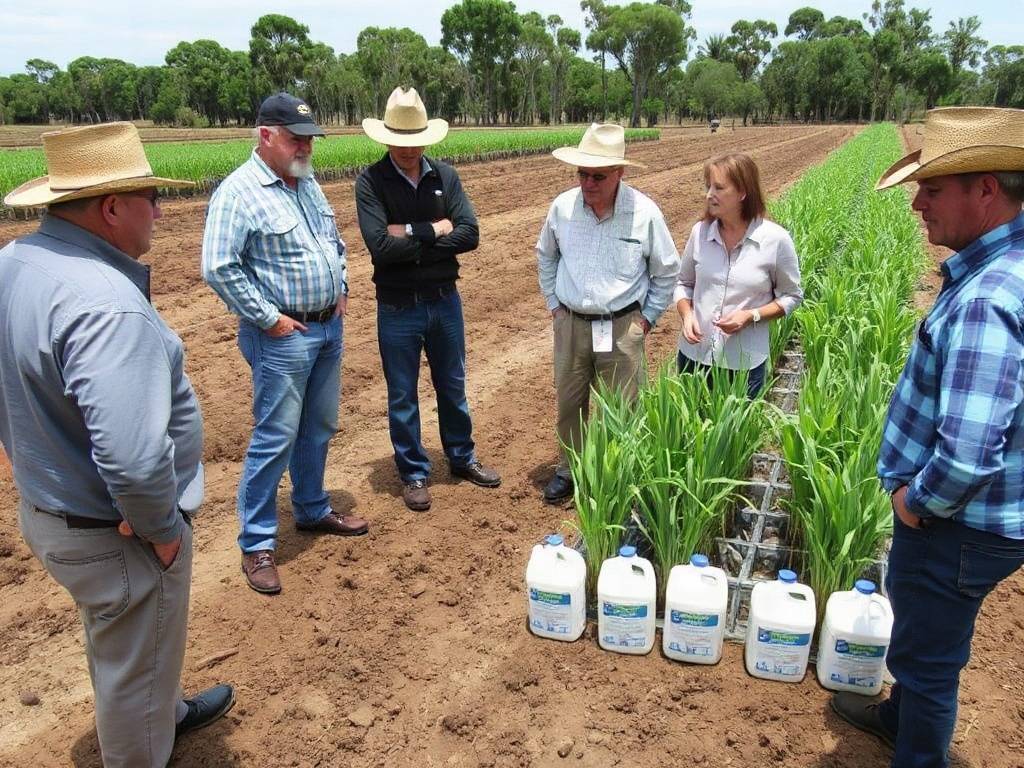
For this NSW project, the benchmark sample became the technical starting point.
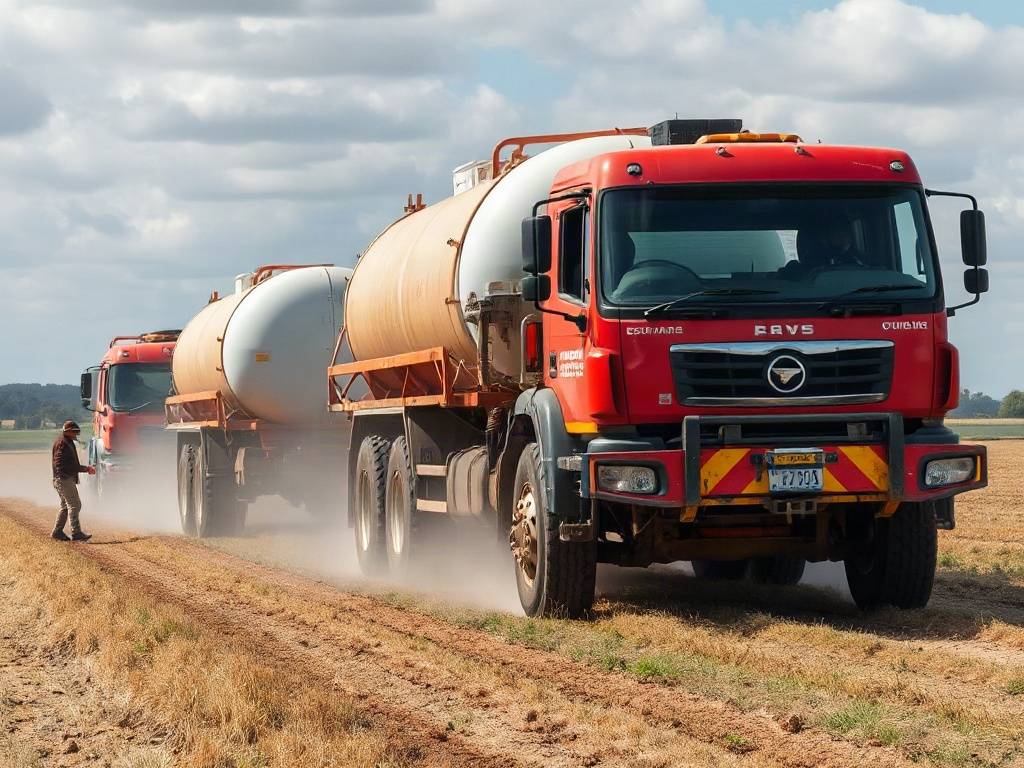
Step 1: Mapping the Soil Wetting Agent
The first objective was to understand the formulation architecture.
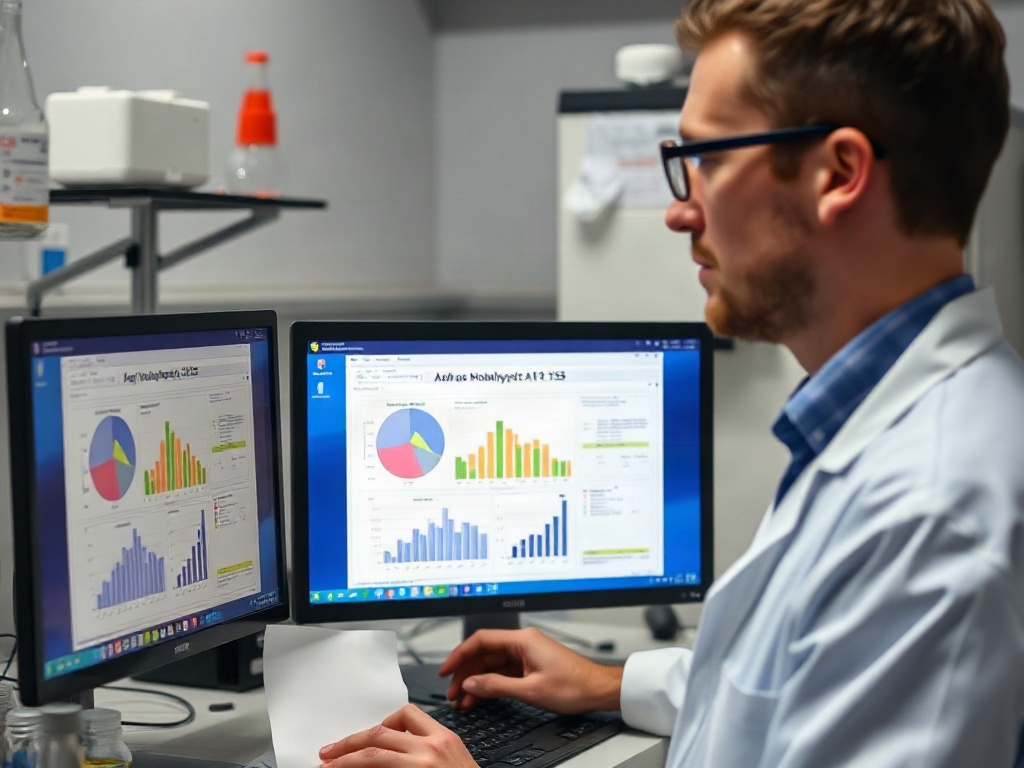
Rather than relying solely on the product label, Labsure assessed the sample using an analytical program selected around the client’s development objectives.
The investigation focused on questions such as:
- What surfactant families are present?
- Is the product based primarily on non-ionic chemistry?
- Are there multiple surfactant systems working together?
- Is there evidence of a polymeric or persistence component?
- What carrier or solvent system is being used?
- Which components are likely to control wetting and penetration?
- Which components are primarily supporting stability?
- What characteristics should be reproduced in the new formulation?
- Where are there opportunities for cost reduction or performance improvement?
This distinction is important.
Reverse engineering is not simply an ingredient list.
The real value comes from understanding the functional architecture of the formulation.
A formulation may contain several surfactants, but each may have a different purpose.
One may provide rapid wetting.
Another may improve penetration.
Another may improve compatibility.
Another may help maintain performance over time.
The formulation therefore needs to be understood as a system rather than a collection of individual chemicals.
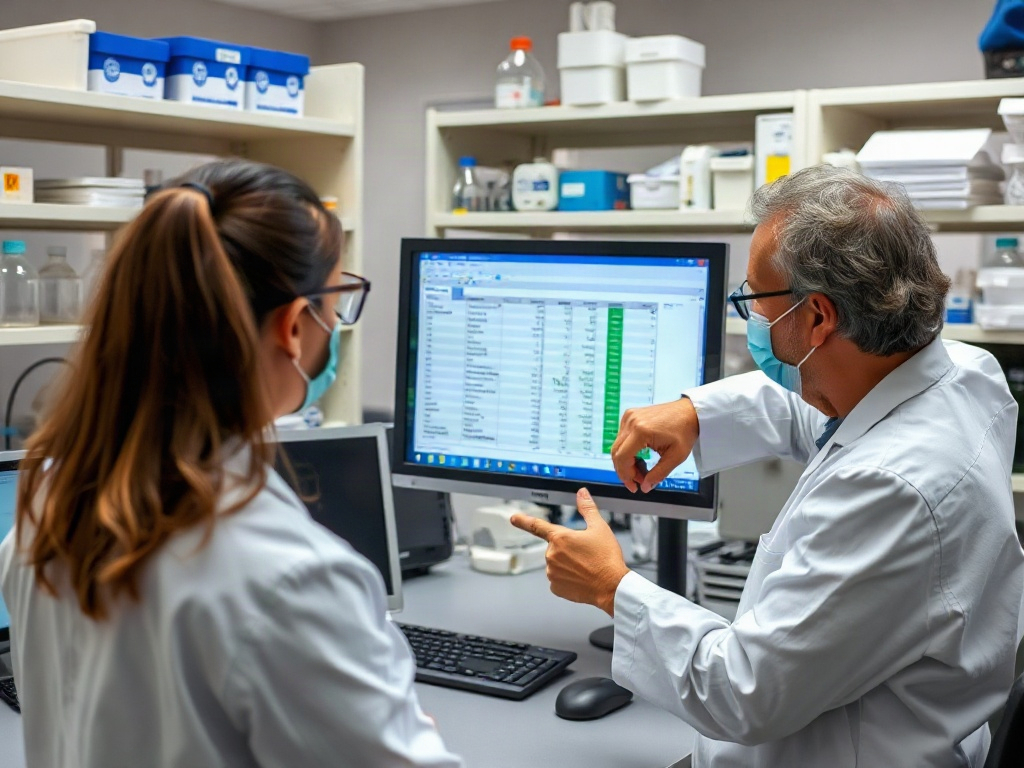
Labsure’s broader chemical ingredient identification service is designed around this principle: identifying composition and translating analytical results into practical formulation decisions rather than simply generating laboratory data.
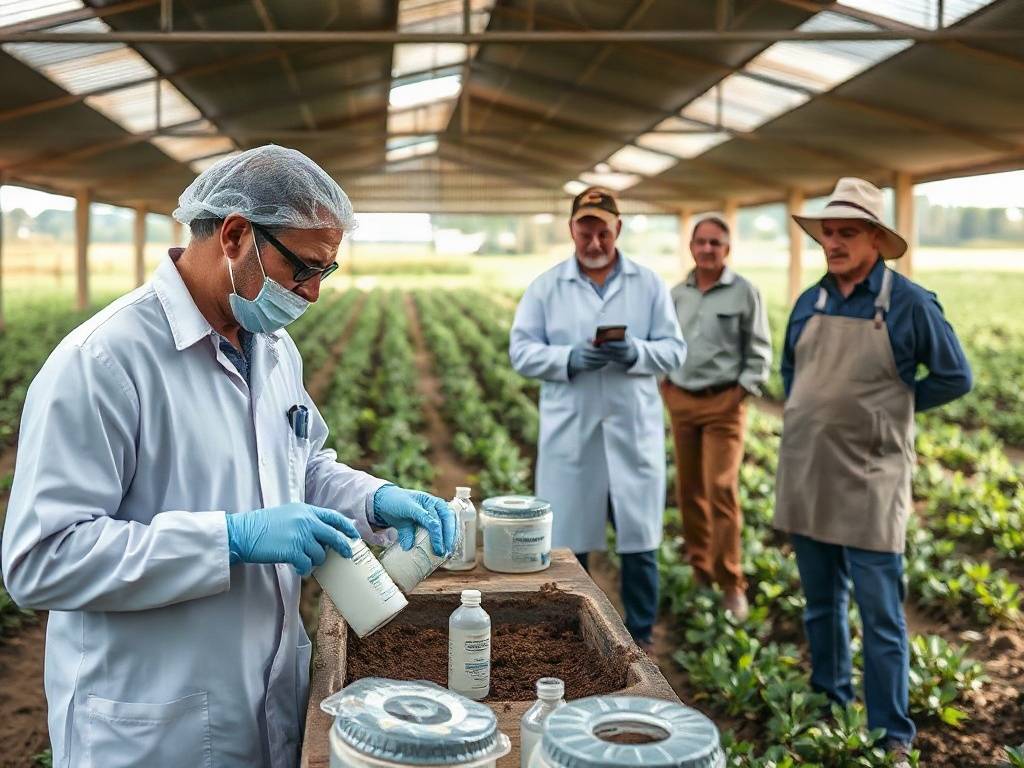
Step 2: Connecting Chemistry to Soil-Wetting Performance
The client’s commercial objective was not simply to produce a liquid with a similar appearance.
The new product needed to perform against measurable technical requirements.
For a soil wetting agent, important performance characteristics can include:
Water penetration
The product needs to help irrigation or rainfall move into soil rather than remaining concentrated near the surface.
Re-wetting efficiency
After soil has dried and become water-repellent, the treated soil should regain its ability to accept water more uniformly.
Surface wetting
The formulation needs to reduce the resistance between water and hydrophobic soil surfaces.
Persistence
The customer does not want a product that appears effective immediately but loses useful performance very quickly.
Formulation stability
The product must remain homogeneous and usable during storage.
Application consistency
The formulation should be practical to dose, dilute and apply through normal agricultural equipment.
These requirements can sometimes compete with each other.
For example, a formulation designed for extremely rapid wetting may not automatically provide the desired persistence.
Likewise, adding more surfactant is not necessarily the most economical way to increase performance.
This is why the project moved from composition analysis into formulation optimisation.
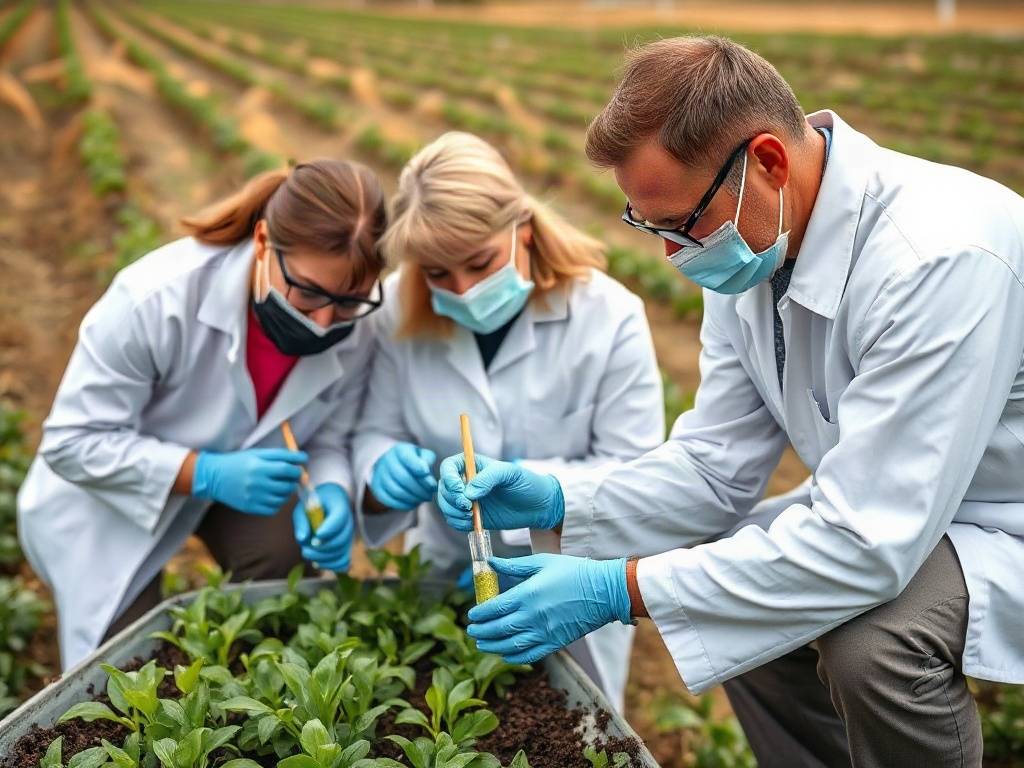
Step 3: Developing an Independent Optimised Formulation
Once the major formulation components and functional structure were understood, Labsure’s formulation work focused on developing an optimised version rather than simply attempting to reproduce the benchmark.
The client had several commercial requirements:
1. Comparable field performance
The new formulation needed to deliver reliable soil wetting and re-wetting performance.
2. Competitive production cost
The product had to provide a commercially attractive cost per litre.
3. Australian raw material availability
The client wanted to reduce unnecessary dependence on difficult-to-source imported materials.
4. Storage stability
The formulation needed to remain stable during Australian transport and warehouse storage.
5. Practical manufacturing
The final formulation needed to be realistic for commercial blending rather than only working at laboratory scale.
This is where reverse engineering can produce a significant commercial advantage.
Instead of spending months testing completely unrelated formulation concepts, the development team can focus its resources on the chemical systems already demonstrated to work.
The benchmark becomes a development map.
The Result: From Product Reseller to Product Owner
After optimisation and development work, the client had something it did not have at the beginning of the project:
A defined formulation development pathway for its own branded soil wetting agent.
The project allowed the company to move beyond simply asking a supplier:
“Can you manufacture this for us?”
Instead, it could ask much more commercially useful questions:
- What is our target formulation?
- Which raw materials are critical?
- Which materials can be substituted?
- What is our target manufacturing cost?
- What are the critical quality parameters?
- How should the formulation be blended?
- What should be monitored during production?
- What stability testing is required?
- How can the formulation be modified for different markets?
That change in knowledge is often more valuable than the initial laboratory report.
The company was no longer completely dependent on a black-box product.
It had a technical foundation from which to build its own product range.
Why This Approach Can Reduce R&D Risk
For agricultural suppliers considering their own product range, the biggest benefit of reverse engineering is not necessarily speed alone.
It is risk reduction.
Developing a formulation from zero creates many unknowns.
You may spend money on:
- unsuitable raw materials;
- failed laboratory batches;
- incorrect surfactant systems;
- poor storage stability;
- incompatible polymers;
- excessive foaming;
- poor tank-mix behaviour;
- expensive imported ingredients;
- production-scale failures;
- repeated reformulation.
Every failed batch adds time and cost.
By starting with a successful benchmark, many of these unknowns can be investigated earlier.
This does not eliminate R&D.
It makes R&D more targeted.
Instead of spending money trying to discover what chemistry might work, the development process can concentrate on:
understanding → benchmarking → modifying → validating → scaling.
That is often a much more practical development strategy for Australian SMEs.
From Formula to Production: The Part Many R&D Projects Miss
A laboratory formulation is not automatically a commercial formulation.
This is one of the most important lessons from the project.
A formulation may perform perfectly at 500 mL scale and then create problems when production increases to 500 L or 5,000 L.
Mixing energy changes.
Addition times change.
Temperature control changes.
Raw material batches vary.
Water quality changes.
The order of addition becomes more important.
Foaming can become a major production issue.
For this reason, Labsure’s role can extend beyond formulation analysis into production and scale-up guidance.
The objective is to help the formulation move from:
Benchmark Sample → Laboratory Formula → Optimised Formula → Pilot Batch → Production
rather than stopping at the laboratory bench.
Labsure’s laboratory services are specifically structured to support the progression from formulation analysis into reconstruction, optimisation and scale-up planning.
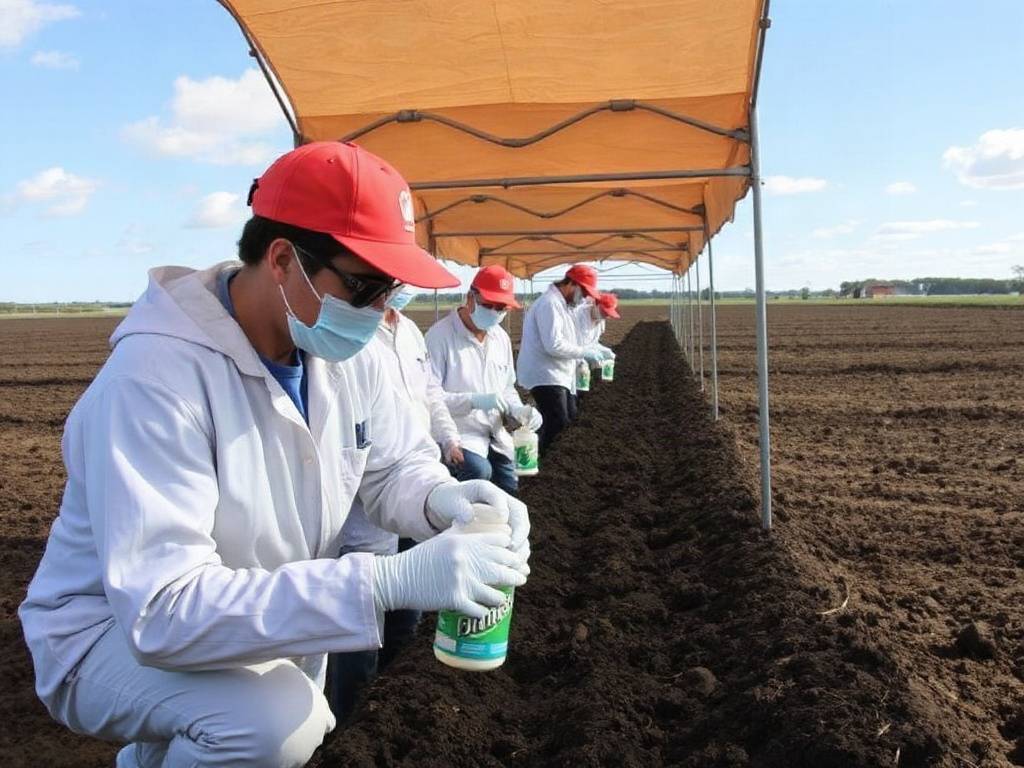
Raw Material Sourcing Is Part of Product Development
There is another issue that agricultural distributors often underestimate.
Finding a chemical with the correct technical name is not necessarily enough.
Two materials with similar descriptions can behave differently because of:
- active content;
- molecular weight distribution;
- purity;
- solvent content;
- manufacturing route;
- physical form;
- supplier specification;
- batch variation.
A formulation that depends heavily on one specific imported material may also become commercially vulnerable.
For the NSW project, raw material selection was therefore considered alongside formulation development.
The goal was not simply:
“Find the cheapest ingredient.”
The goal was:
“Find a technically suitable, commercially available and consistently supplyable raw material.”
This creates a more robust product.
For Australian agricultural suppliers, that can be particularly important when developing a product intended for long-term sale rather than a one-off private-label batch.
Australian Conditions Matter
A formulation developed for another market is not automatically optimised for Australia.
Australian agricultural products can experience significant temperature fluctuations during:
- transport;
- warehouse storage;
- farm storage;
- summer field operations.
Soil types and water quality also vary significantly across Australian agricultural regions.
A product that performs well under controlled overseas conditions may need modification for Australian use.
This is particularly relevant for soil wetting agents.
The formulation needs to be considered in relation to the actual application environment, including soil hydrophobicity, irrigation conditions, water quality, dilution, application rate and storage conditions.
Labsure’s agricultural adjuvant formulation service specifically considers formulation performance under Australian conditions, including temperature, water quality and agricultural application requirements.
The Bigger Opportunity: Build a Product Range, Not Just One Product
The most interesting part of this type of project is what happens after the first product.
Once a company has developed its own formulation capability, the opportunity is no longer limited to one soil wetting agent.
The same development model can be applied to other agricultural products.
For example:
Non-Ionic Wetters & Spreaders
Develop formulations designed to improve spray coverage and wetting.
Organosilicone Super Spreaders
Optimise spreading and penetration while managing formulation stability and application risks.
Crop Oil Concentrates
Investigate oil, emulsifier and surfactant systems to develop competitive crop oil formulations.
Methylated Seed Oils
Develop MSO-based adjuvants around performance, compatibility and cost targets.
Drift-Reduction Products
Investigate polymer systems used to modify droplet behaviour.
Fertiliser Additives
Develop products designed to improve nutrient handling, compatibility or application efficiency.
Soil Conditioners and Wetting Agents
Develop formulations for hydrophobic soils, water management and re-wetting applications.
Labsure already supports these agricultural formulation categories as part of its agricultural adjuvant reverse engineering and optimisation services.
The result can be the beginning of an entirely new private-label agricultural product range.
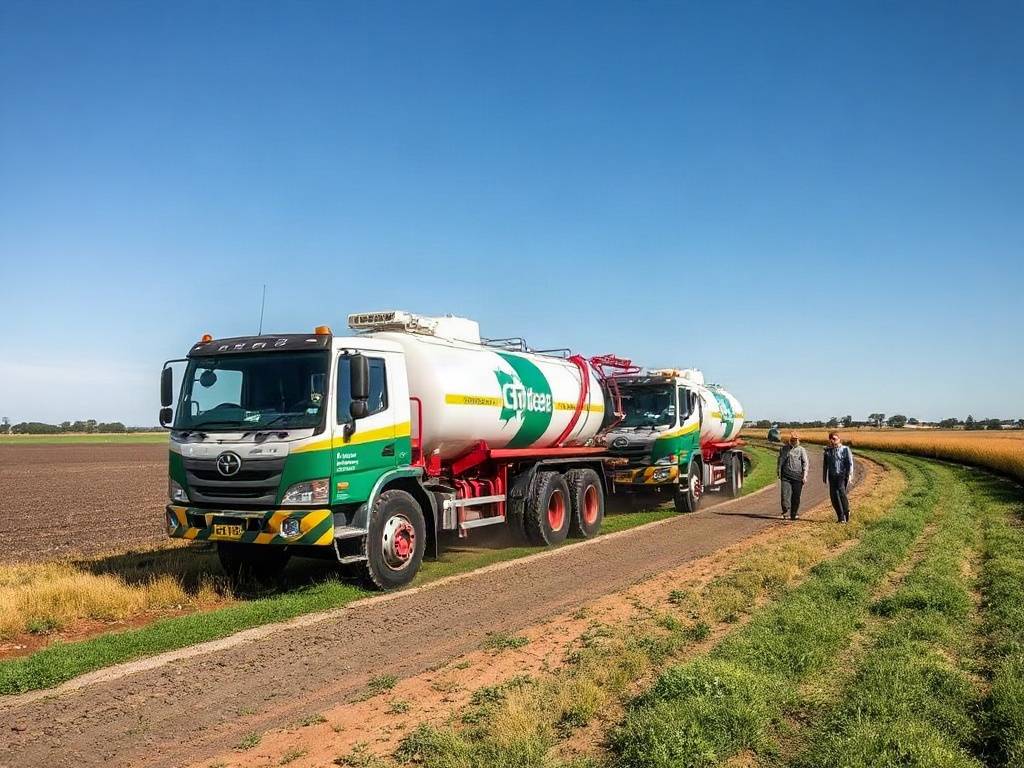
Why Australian Agricultural Suppliers Are Looking at This Model
For many distributors, the commercial equation is changing.
Being a distributor provides access to the market.
But owning the product can provide something different:
control.
Control over:
- formulation;
- raw material sourcing;
- product specifications;
- packaging;
- manufacturing;
- pricing;
- margins;
- product positioning;
- future product development.
A supplier that sells someone else’s product can be replaced.
A company with its own formulation and brand has a much stronger commercial asset.
This is particularly relevant for agricultural businesses that already have established relationships with farmers, agronomists, turf managers, horticultural operators, irrigation companies or rural retailers.
They already possess the hardest part of launching a chemical product:
a customer base.
The missing piece is often the formulation.
Reverse engineering can help bridge that gap.
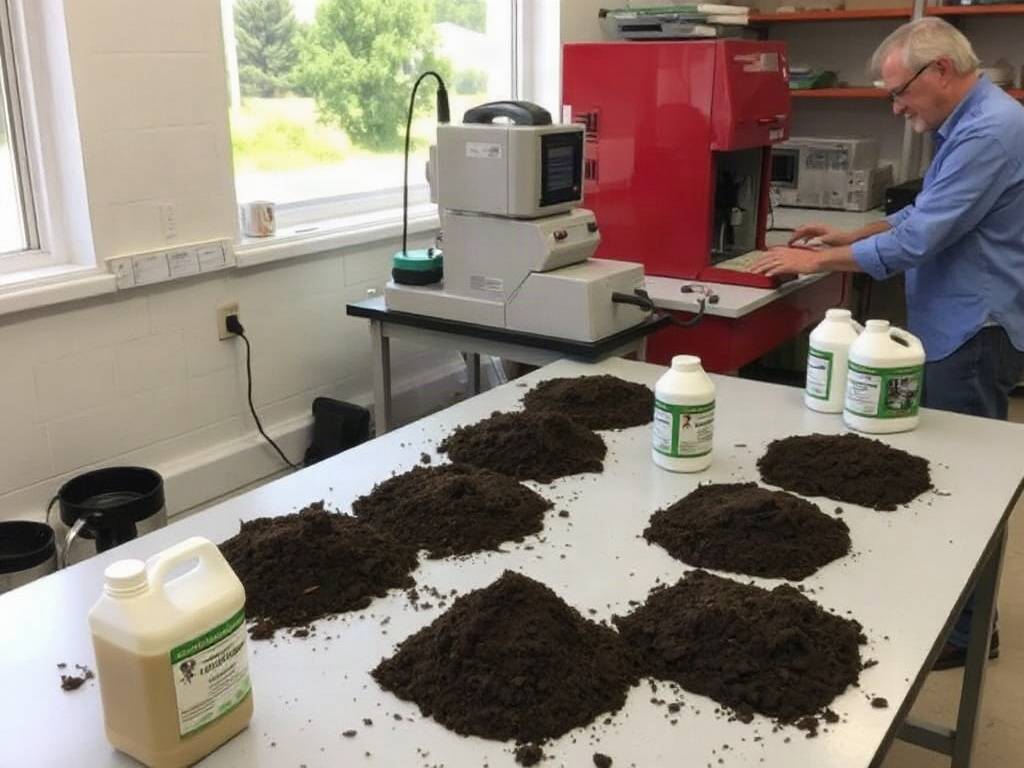
The Labsure Development Pathway
For Australian businesses considering their own agricultural product, the process can be structured into five stages.
1. Benchmark
Start with a product that is already performing well in the market.
The benchmark may be a commercial soil wetting agent, crop oil, wetter-spreader, drift-control product or other agricultural additive.
2. Analyse
Use targeted analytical techniques to understand the major chemical components and formulation architecture.
The objective is to determine what drives the product’s performance and where the major formulation variables are.
3. Optimise
Develop an independently optimised formulation around the client’s commercial requirements.
This may include:
- performance improvement;
- cost reduction;
- raw material substitution;
- improved stability;
- Australian supply considerations;
- formulation simplification.
4. Validate
Compare the new formulation against the benchmark using appropriate laboratory and performance testing.
The exact testing program depends on the product and the client’s performance objectives.
5. Manufacture
Once the formulation is technically suitable, production guidance, pilot blending and contract manufacturing can be considered.
This creates a practical pathway from an existing market product to a new Australian-branded product.
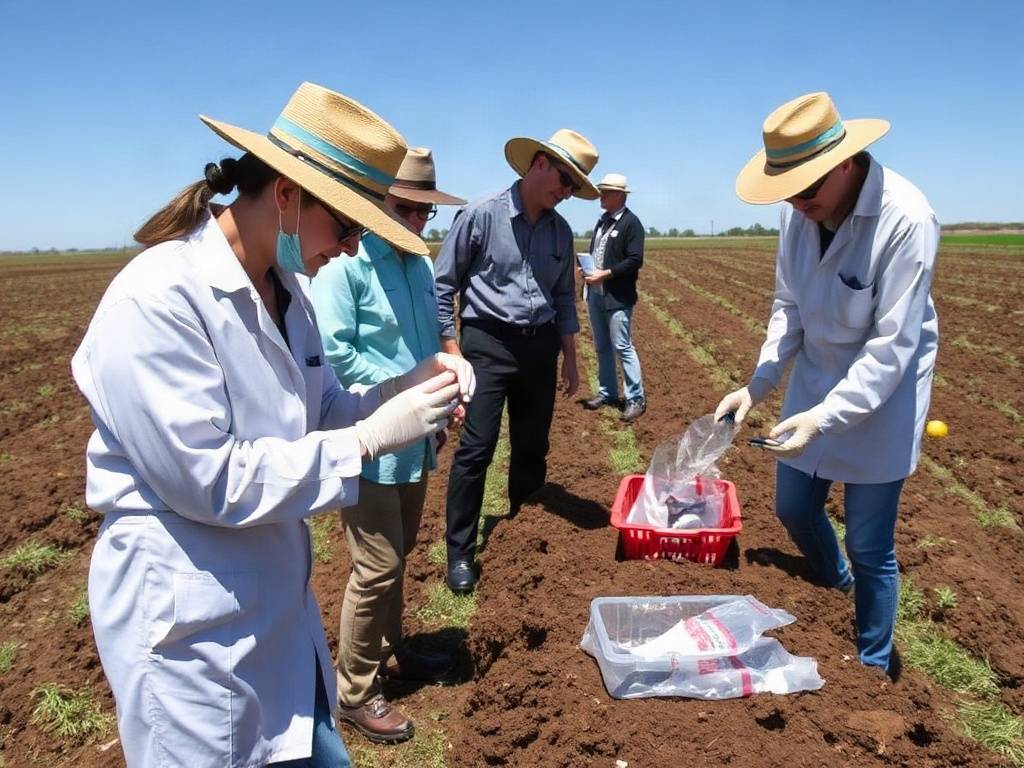
The Commercial Lesson
The NSW agricultural supplier did not need to build a chemical laboratory.
It did not need to hire a large formulation department.
And it did not need to spend years experimenting with hundreds of possible formulations.
It started with something it already understood:
a product that customers wanted.
The reverse engineering process then provided the technical information required to investigate how that product worked.
Formulation optimisation converted that information into a development strategy.
Raw material sourcing helped make the formulation commercially practical.
Production guidance helped bridge the gap between laboratory development and manufacturing.
And the final objective was not simply to create another copy on the market.
It was to give the company a foundation for developing its own agricultural product brand.
That is the real value of formulation intelligence.
Want to Turn a Successful Agricultural Product Into Your Own Brand?
If you are an Australian agricultural distributor, chemical supplier or ag-input business and there is a product in your market that you know customers already trust, you may not need to start your R&D journey from a blank page.
You may already have the most valuable information:
the market has proven that the product works.
The next question is whether you can develop your own technically competitive formulation around the performance characteristics that matter to your customers.
Labsure can support Australian businesses across the development pathway, including:
- Agricultural chemical reverse engineering
- Soil wetting agent formulation analysis
- Agricultural adjuvant deformulation
- Surfactant and polymer system analysis
- Formulation modification and optimisation
- Raw material selection and sourcing guidance
- Laboratory formulation development
- Stability and performance benchmarking
- Pilot-scale development
- Production and blending guidance
- Contract manufacturing support
You can learn more about Labsure’s Agricultural Adjuvant Formulation Analysis & Reverse Engineering services and our broader Chemical Reverse Engineering & Formulation Analysis services.
If you have an existing soil wetting agent, agricultural adjuvant or other chemical product that you want to benchmark, optimise or develop into your own Australian product, start with the sample and the commercial objective.
We can assess the formulation, recommend an appropriate analytical pathway and determine what information is required before you commit to full product development.
The fastest way to develop a new product is not always to start from zero.
Sometimes the smarter starting point is to understand what is already working — and then engineer your own solution around it.
Talk to Labsure
For confidential enquiries about agricultural formulation development, reverse engineering or product manufacturing, contact Labsure.
Labsure Pty Ltd
Brisbane, Queensland, Australia
Phone: 1300 508 536
Email: info@labsure.com.au
Important Note
Labsure provides analytical, formulation and technical development services for research, benchmarking and product development purposes. Analysis of a third-party product does not provide permission to reproduce, manufacture or commercialise that product. Clients are responsible for obtaining appropriate rights and ensuring compliance with applicable intellectual property, safety, chemical registration and regulatory requirements before commercialisation. Labsure does not provide legal or IP advice.