In the Australian industrial landscape of 2026, dust suppression has evolved far beyond simple water spraying. With Safe Work Australia implementing stricter benchmarks for respirable dust—particularly crystalline silica—the demand for high-performance chemical suppressants in mining, construction, and infrastructure is surging.
For many Australian SMEs, the primary barrier to entering this lucrative market is the perceived need for massive R&D budgets and internal laboratories. However, industry leaders are increasingly adopting a more efficient, cost-effective, and low-risk strategy: Formulation Deconstruction and Performance Benchmarking.
1. Decoding the “Industry Standards” in Dust Control
The competitive edge of top-tier dust suppressants lies in their Wetting Kinetics, Binding Matrix, and Environmental Longevity. Leading international brands spend years perfecting these chemical profiles to withstand Australia’s harsh UV levels and hyper-arid conditions.
Why Start from Zero?
Instead of attempting to reinvent established chemical logic, savvy manufacturers utilize Analytical Benchmarking. By deconstructing a “Gold Standard” product that has already proven its efficacy on Australian mine sites, you gain immediate insight into the successful “technical blueprint” of the industry.
- Polymer Identification: Is the binder a lignosulfonate, a modified bitumen emulsion, or a cross-linking acrylic polymer?
- Surfactant Profiling: Pinpointing the exact wetting agents that allow water to penetrate hydrophobic ores.
2. Manufacturing Without a Lab: The “Asset-Light” Revolution
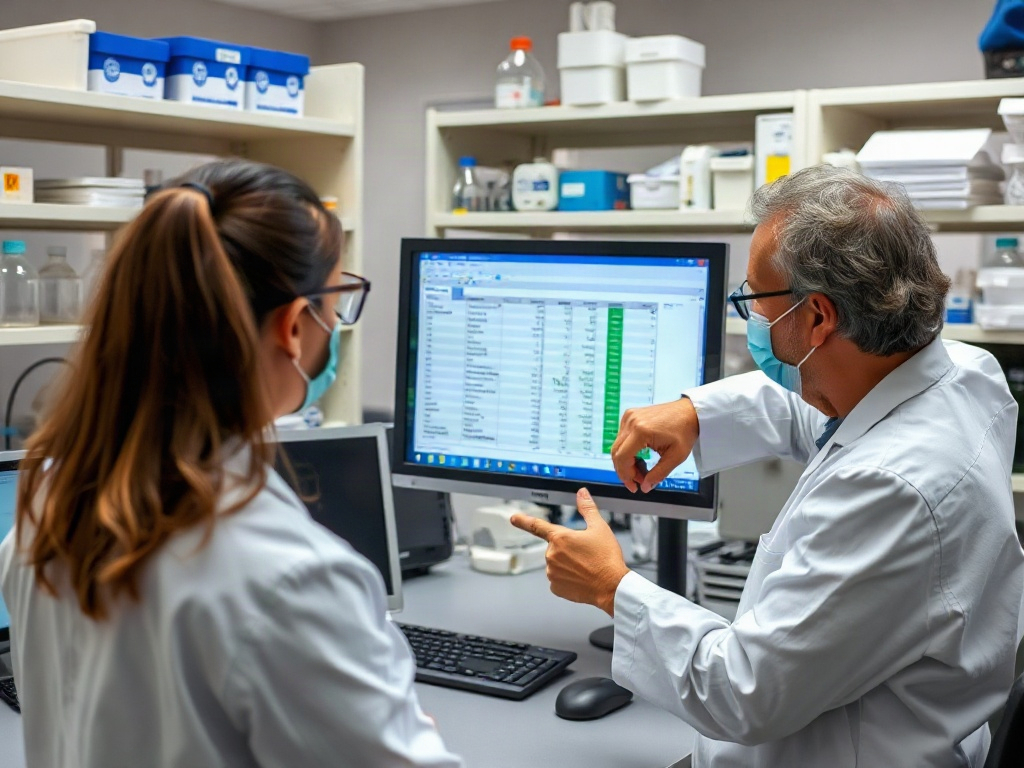
It is a common misconception that high-quality chemical manufacturing requires an in-house R&D facility. By leveraging LabSure’s analytical services, you effectively outsource your laboratory requirements, allowing you to focus on production and market expansion.
The “Reference Model” Approach
By selecting a high-performing, market-proven product as a reference, you can utilize laboratory data to bypass the “trial and error” phase.
- Chemical Fingerprinting: Advanced instrumentation (such as GC-MS and HPLC) identifies the core components that drive performance.
- Concentration Precision: Knowing the exact percentage of each constituent allows for precise cost-modeling and prevents the over-purchasing of expensive raw materials.
This approach places the SME on equal footing with multinational corporations, providing a verified baseline to ensure your first batch is market-ready.
3. Optimization: Engineering a Superior Alternative
The most successful brands don’t just “match” the benchmark—they outperform it. Once the fundamental composition of a leading product is understood, you are in a unique position to differentiate and innovate.
Tailoring for the Australian Environment
Global formulas are often “one-size-fits-all.” As a local manufacturer, you can optimize your formulation for specific Australian challenges:
- Enhanced Durability: Increase the concentration of UV stabilizers to prevent the polymer crust from cracking under the Pilbara sun.
- ESG & Eco-Compliance: Swap traditional chlorides for biodegradable, plant-based binders to appeal to mining companies focused on Environmental, Social, and Governance (ESG) targets.
- Logistical Efficiency: Adjust the surfactant system to allow for a higher dilution ratio (e.g., 1:100 vs 1:50), significantly reducing shipping costs for remote clients.
4. Minimizing Risk and Maximizing Profit Margins
In chemical R&D, failure is the greatest expense. The “Benchmark-to-Optimize” pathway is arguably the most financially sound route for any business.
- Reduced Financial Risk: By utilizing a chemical architecture already accepted by industry and regulators, you eliminate the risk of product failure in the field.
- Capital Efficiency: Professional analysis costs a fraction of an annual chemist’s salary or lab overhead. This allows you to redirect capital toward high-quality raw materials and equipment.
- Legal Safety: We focus on Performance Benchmarking. By adding proprietary enhancements to a deconstructed framework, you are developing independent Intellectual Property (IP) that belongs solely to your brand.
5. Navigating AICIS and GHS Compliance
In Australia, regulatory compliance is non-negotiable. Launching a product without knowing its exact chemical makeup is a significant liability.
LabSure provides the technical data required for:
- AICIS Categorization: Ensuring every ingredient is on the AIIC (Australian Inventory of Industrial Chemicals).
- SDS Accuracy: Providing the specific chemical concentrations needed to generate GHS-compliant Safety Data Sheets.
- Workplace Safety: Helping your clients meet their WHS obligations by providing fully transparent technical documentation.
Conclusion: Data-Driven Market Entry
The dust suppression market in 2026 favors the agile and the informed. You no longer need a sprawling R&D facility to compete with global giants; you need precise chemical data.
By leveraging Formulation Intelligence, you can transform from a market observer to a market leader in record time. Use the science of today to build the industrial solutions of tomorrow.
Don’t leave your formula to guesswork. Contact LabSure today for a confidential analysis of your industry benchmarks.