Eco-Efficient Cleaning without Compromise
We replaced outdated alkaline-heavy chemistry with a balanced biodegradable system, combining safer surfactants, low-odor solvency agents, and optimized pH for industrial degreasing without the harsh effects. This not only met environmental compliance but delivered a more operator-friendly and effective product.
- Full Ingredient Profiling — GC-MS, FTIR, and titration methods used to decode unknown actives and trace contaminants.
- Problem-Oriented Reconstruction — Focused on degreasing power, foam control, and rinse-off performance.
- Compliance-Driven Design — Ensured the new formula met AS/NZS environmental and transport safety standards.
+35% Cleaning Efficiency
Improved oil and carbon removal with fewer repeat washes.
+60% Surface Compatibility
Reduced corrosion and streaking on aluminum and painted parts.
−70% Odor & VOC Reduction
Switched to low-VOC ingredients, improving indoor air quality.
+40% Operator Satisfaction
Easier to use, no skin complaints, and better field acceptance.
From Rust to Radiance — Reviving a Degreaser for Mining Vehicles
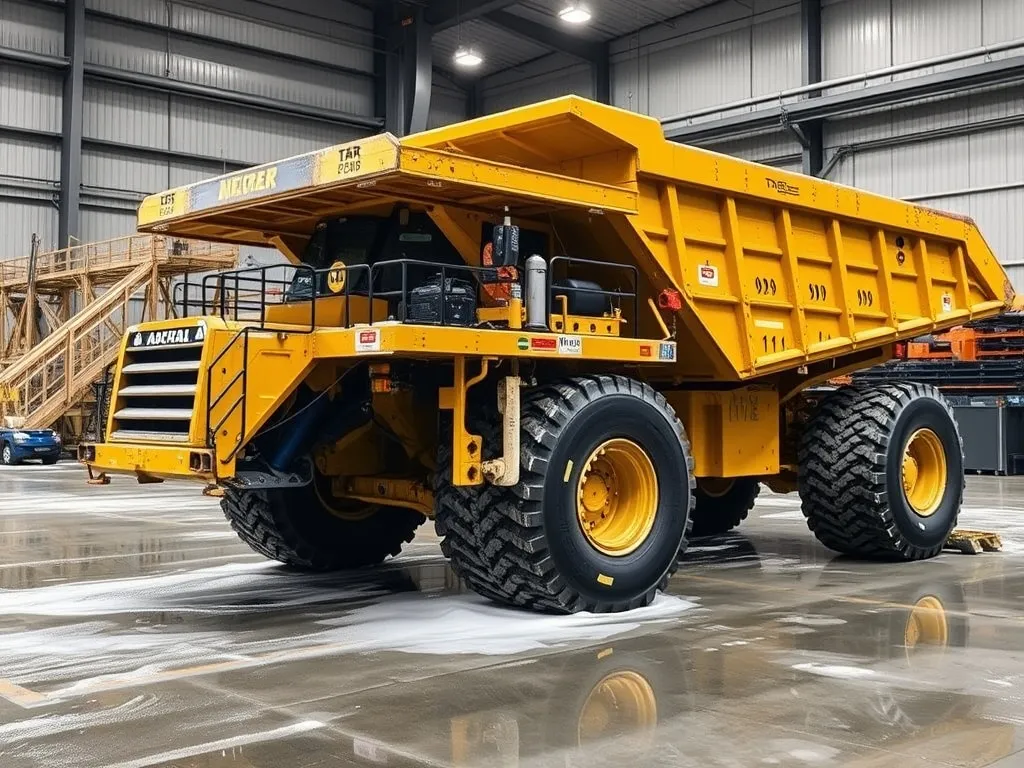
A mining equipment maintenance contractor in Kalgoorlie, Western Australia, approached us regarding a heavy-duty degreaser used to clean trucks and loaders. Over time, the product’s performance declined significantly, causing inefficient cleaning, surface staining, and frequent re-wash cycles. Operators also reported concerns about skin irritation and the strong chemical odor in enclosed service bays.
The original formula contained high levels of sodium hydroxide and D-limonene, which caused:
Corrosion on aluminum parts
Inconsistent degreasing on oil-contaminated surfaces
Poor rinsability, leading to white streaks after drying
VOC compliance issues and strong odor complaints
Frequent PPE requirement, limiting on-site application flexibility
Our Solution:
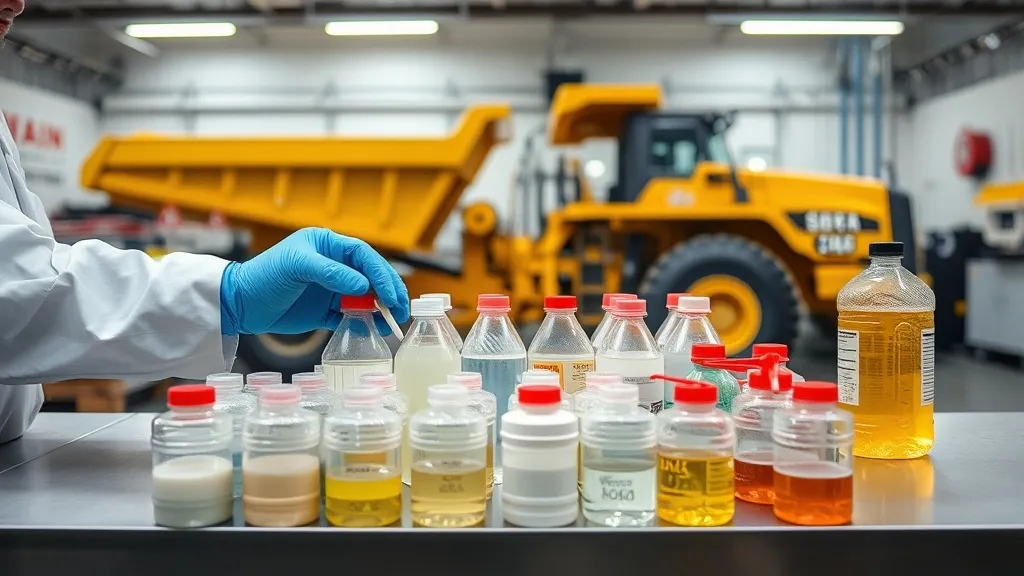
We conducted a comprehensive compositional analysis to evaluate the surfactant and solvent balance, identifying opportunities to improve safety, cleaning efficiency, and material compatibility. Through a structured four-stage R&D process, we achieved:
Detailed characterisation of active agents, solvent ratios, and pH profile.
Reformulation with amphoteric and nonionic surfactants supported by eco-friendly solvency boosters.
Improved rinsability and foam control, reducing post-wash streaking.
Validated performance through corrosion and aluminium compatibility testing for worry-free use.