Australia’s premium car detailing market has changed dramatically over the last few years.
Consumers are no longer looking for basic “wash soap.” They want:
- Thick, stable snow foam
- High lubricity washing performance
- Gloss enhancement
- Ceramic coating compatibility
- pH-balanced formulations
- Eco-friendly surfactant systems
- Professional-level detailing performance
At the same time, more Australian car care brands are trying to move away from simply reselling imported products.
Instead, they want to build their own branded formulations with better margins, stronger customer loyalty, and long-term control over manufacturing.
That was exactly the situation faced by a Gold Coast-based automotive detailing brand.
The company had built a loyal customer base selling imported car shampoos and snow foam products to:
- 4WD enthusiasts
- Off-road vehicle owners
- Detailing workshops
- Ceramic coating installers
- Automotive retailers
- Weekend detailing hobbyists
The imported products performed well, especially for heavily soiled off-road vehicles exposed to mud, salt, sand, and red dirt conditions common across Queensland and Northern NSW.
But the company faced a growing problem.
They did not control the formula, manufacturing, pricing, or supply chain.
That was when they approached Labsure Australia to reverse engineer and optimise a premium eco-friendly car shampoo and snow foam formulation for Australian production.
The Business Problem: “We Wanted Our Own Brand — But We Couldn’t Match the Performance”
The Gold Coast company initially tried developing a local formula using standard surfactants sourced from Australian suppliers.
On paper, the formulation looked acceptable.
However, once they began comparing it against premium imported detailing products, several weaknesses became obvious.
The Foam Looked Good — But Collapsed Too Quickly
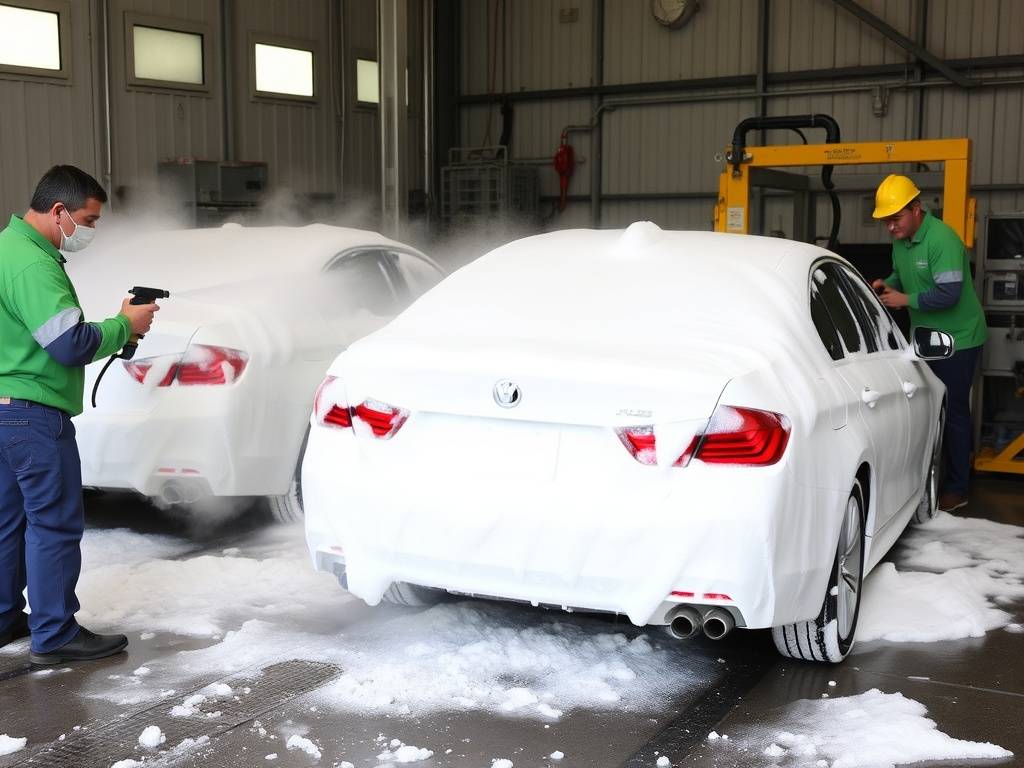
The snow foam generated visually thick foam initially, but the foam structure broke down rapidly on vehicle panels.
This reduced dwell time and cleaning performance.
Cleaning Power Was Inconsistent
The formula struggled to remove heavy road grime and off-road contamination without increasing surfactant harshness.
Poor Lubricity During Hand Washing
Customers reported reduced slickness during contact washing, increasing the perceived risk of swirl marks.
Viscosity Instability
Some production batches became too thin during warmer Queensland temperatures.
Gloss & Finish Were Inferior
Compared with premium imported products, the finish lacked gloss enhancement and surface feel.
Eco-Friendly Claims Were Difficult to Support
The company wanted a more biodegradable, pH-balanced system suitable for environmentally conscious detailing customers.
Most importantly:
Customers immediately noticed the difference between the local prototype and the premium imported benchmark product.
The company realised they did not simply need “a car shampoo.”
They needed a professionally engineered surfactant system optimised for modern automotive detailing performance.
That was when they engaged Labsure Car Care & Cleaning Product Analysis Services.
Why Premium Snow Foam Formulations Are More Complex Than Most Brands Expect
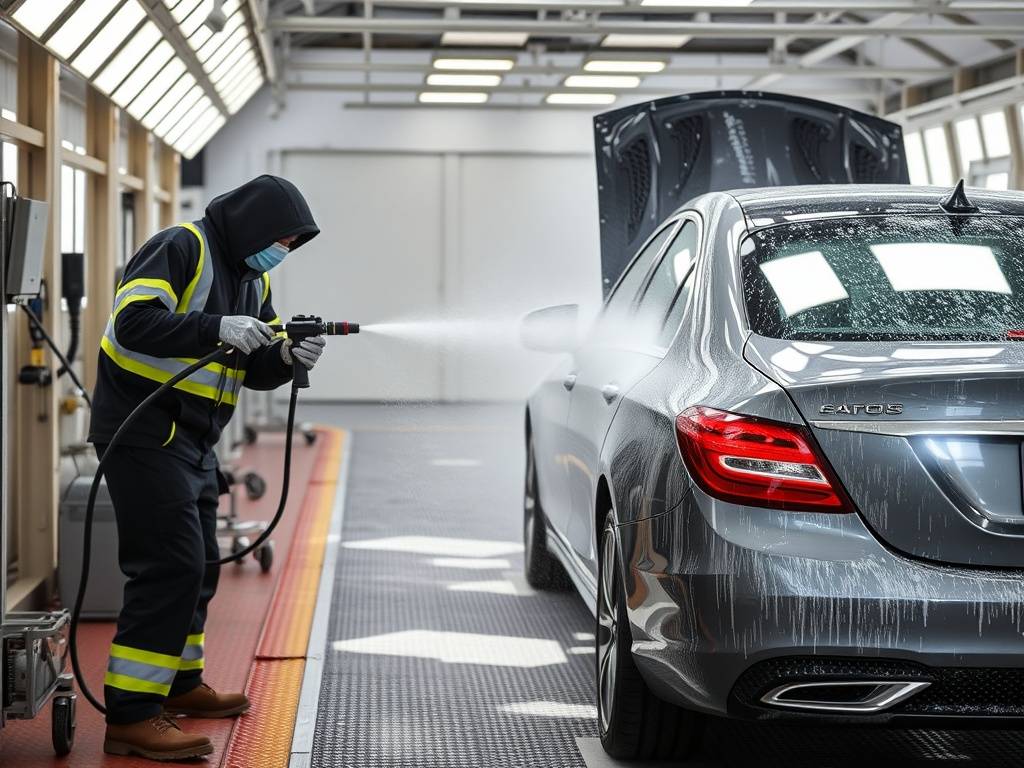
Many smaller car care brands assume snow foam products are relatively simple blends of surfactants, fragrance, dye, and thickener.
In reality, high-performance automotive shampoos and snow foams often involve carefully balanced systems including:
- Primary surfactants
- Secondary surfactants
- Foam boosters
- Hydrotropes
- Viscosity modifiers
- Chelating agents
- pH regulators
- Gloss enhancers
- Lubricity additives
- Preservatives
- Fragrance stabilisers
Small formulation changes can dramatically affect:
- Foam stability
- Cleaning performance
- Ceramic coating compatibility
- Drying behaviour
- Surface gloss
- Consumer perception
- Shelf stability
This is especially important in Australia, where products must tolerate:
- High warehouse temperatures
- UV exposure
- Long shipping distances
- Hard water conditions
- Variable foam cannon equipment
The Gold Coast brand needed to understand not only what ingredients were inside the benchmark product — but why the product performed so well.
Reverse Engineering the Imported Benchmark Product
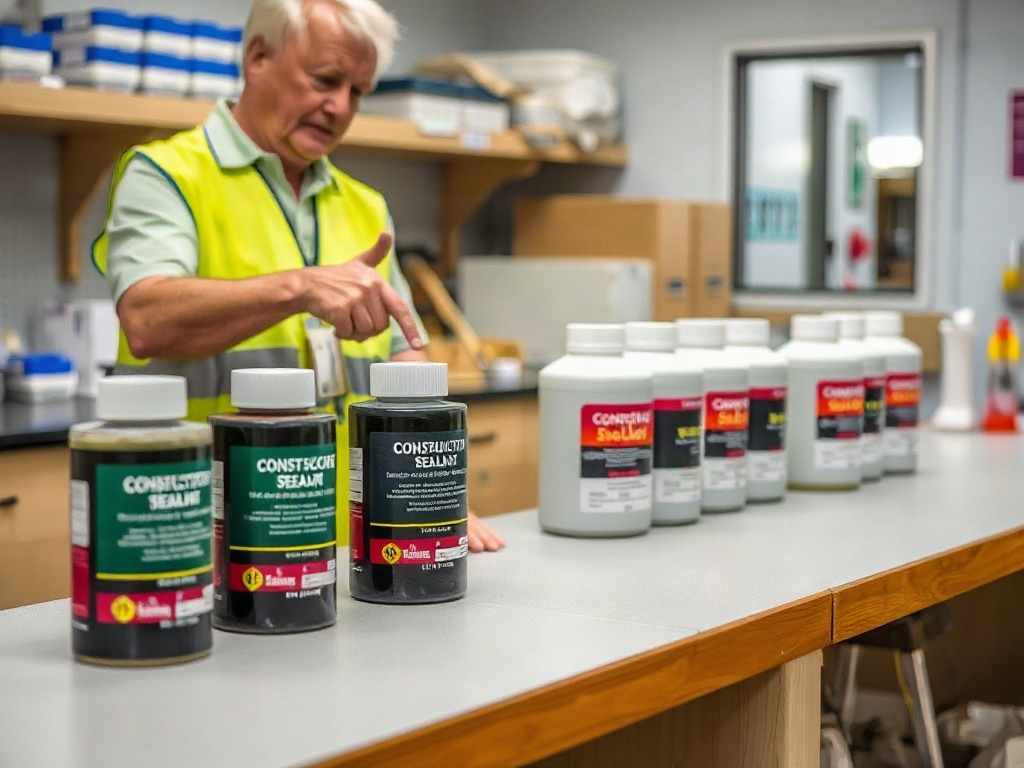
The company submitted several imported snow foam and car shampoo products to Labsure Reverse Engineering Services for detailed formulation analysis.
The goal was not simply to create a copy.
Instead, the company wanted to:
- Benchmark premium detailing chemistry
- Understand the surfactant system
- Identify gloss-enhancing additives
- Improve foam dwell time
- Maintain pH-balanced performance
- Optimise Australian manufacturing scalability
- Develop a commercially viable private-label product
This dramatically reduced trial-and-error formulation work.
The Analytical Process
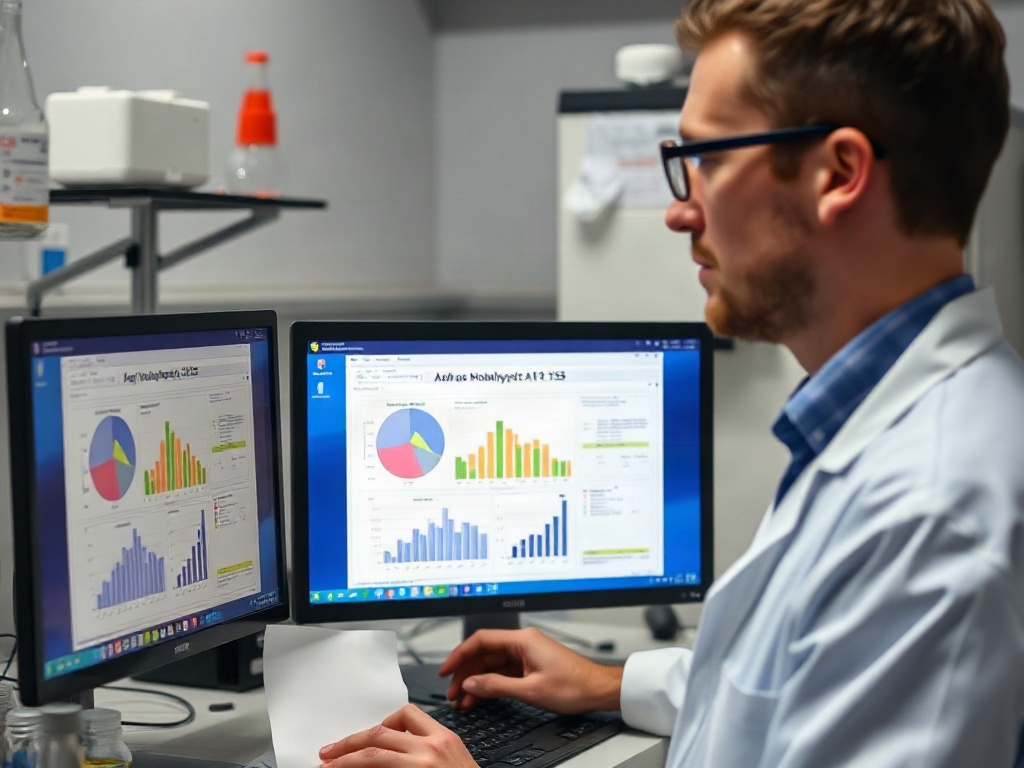
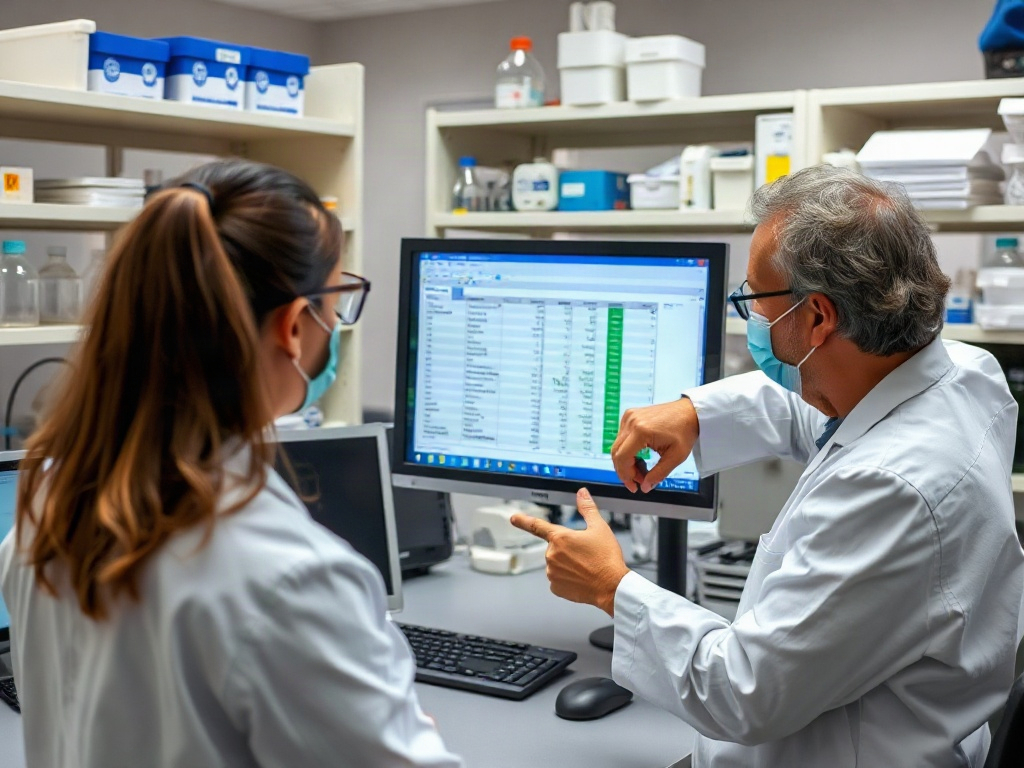
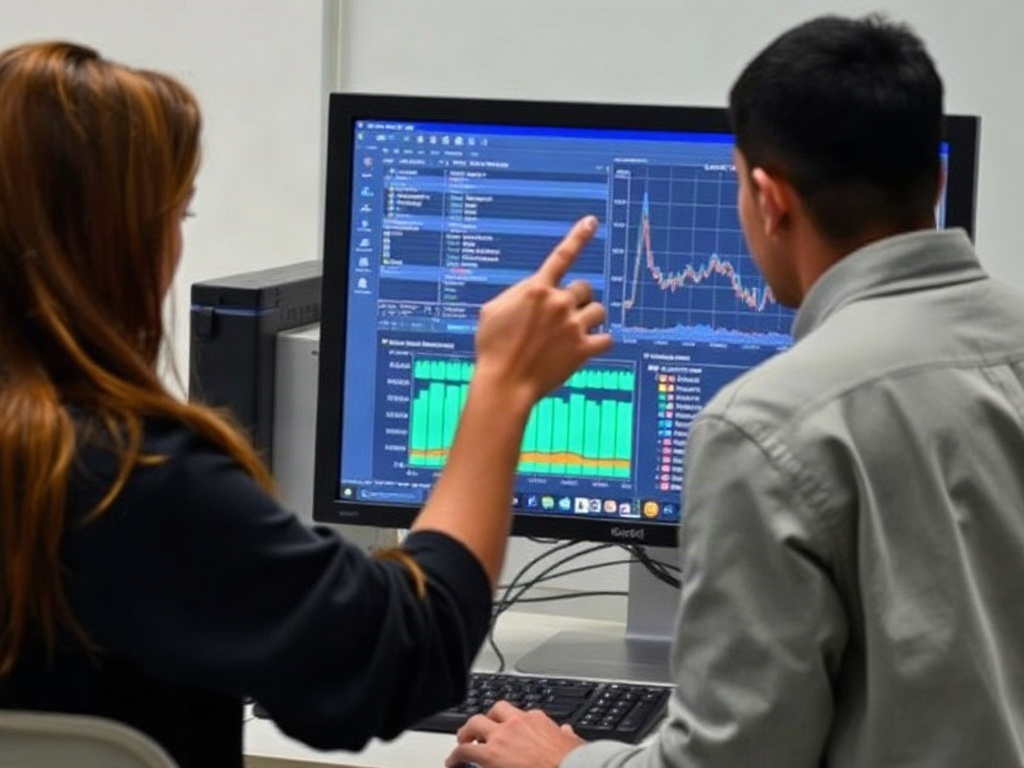
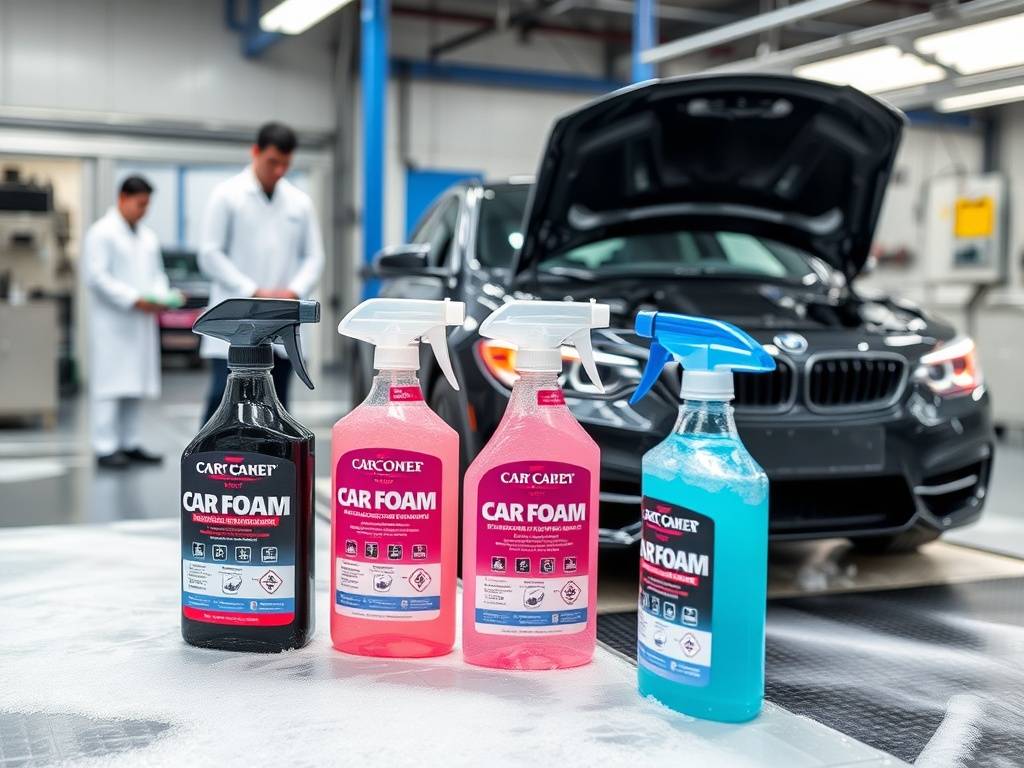
The benchmark products underwent multiple layers of analytical chemistry and physical performance testing.
FTIR Analysis
FTIR screening identified major surfactant chemistry families and functional additives within the formula.
This helped classify the primary detergent system.
GC-MS Analysis
GC-MS testing identified volatile and semi-volatile ingredients including fragrance stabilisers, solvents, and performance-enhancing co-formulants.
Quantitative Ingredient Assessment
Further analysis estimated concentration ranges of major formulation components.
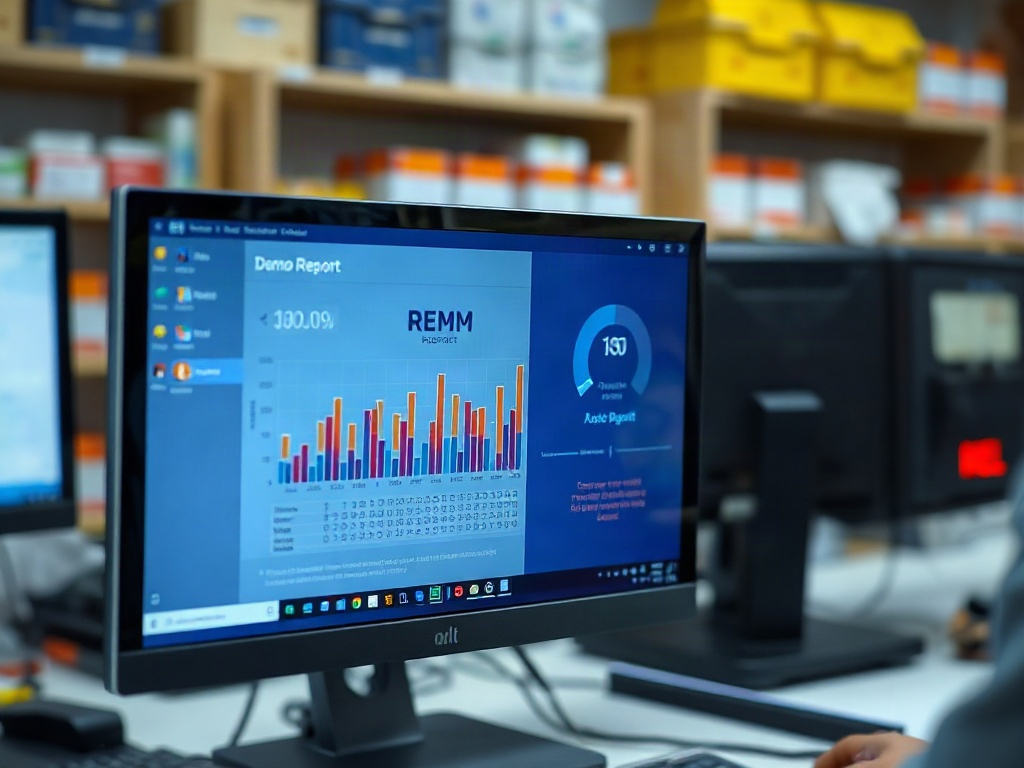
Performance Benchmarking
The products were also tested for:
- Foam density
- Foam stability
- Cleaning performance
- Lubricity
- pH balance
- Viscosity stability
- Gloss enhancement
- Hard water tolerance
This stage was critical because successful detailing products are driven by user experience as much as chemistry.
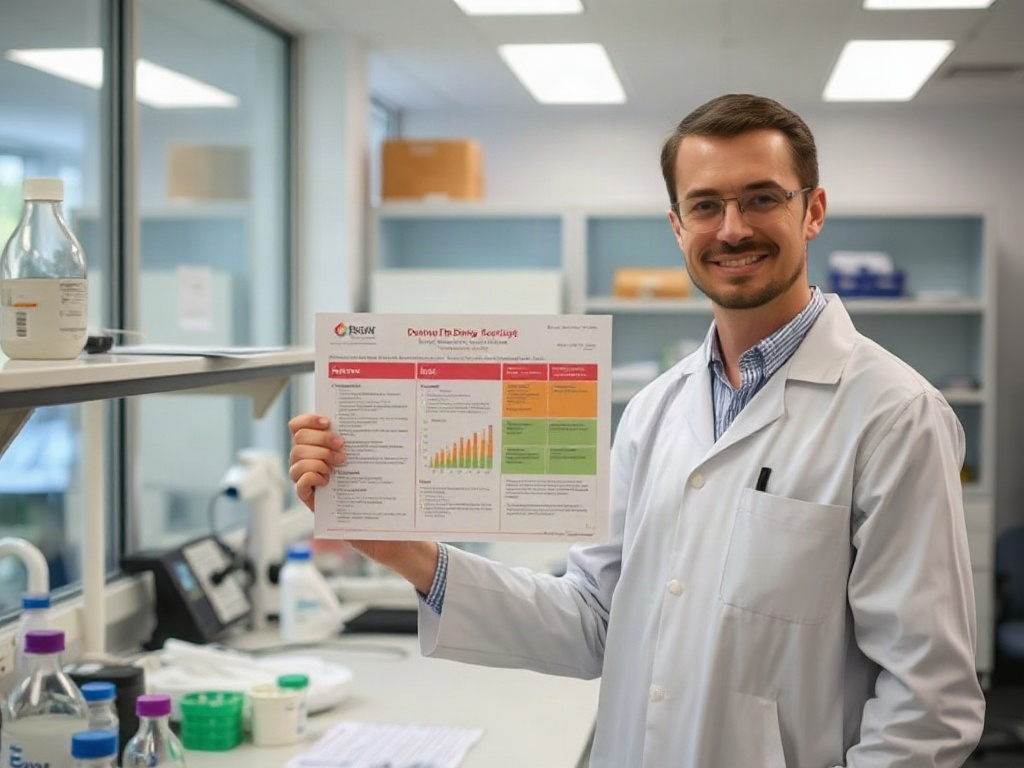
More information about this process is available through Labsure Formulation Analysis Services.
What the Gold Coast Brand Discovered
The reverse engineering results revealed that the imported product was significantly more sophisticated than expected.
The formulation used:
- Multiple surfactants working synergistically
- Foam stabilisation systems
- Gloss-enhancing polymers
- Carefully balanced viscosity modifiers
- pH-control systems
- Lubricity-enhancing additives
- Water-conditioning components
The company’s original prototype lacked many of these balancing mechanisms.
That explained why the local formulation looked acceptable initially but failed to deliver premium detailing performance.
The imported benchmark product had clearly been engineered for both cleaning performance and customer sensory experience.
Optimising the Formula for Australian Production
Once the formulation breakdown was completed, the next stage focused on optimisation.
This was where the Gold Coast brand achieved the biggest commercial advantage.
Instead of simply replicating the imported product, the formulation was adjusted to better suit:
- Australian raw material availability
- Local manufacturing scalability
- Eco-friendly positioning
- Queensland climate conditions
- Lower-cost production efficiency
- Long-term batch consistency
Working with Labsure Product Optimisation Services, several key improvements were made.
Improved Foam Stability
The revised formulation achieved thicker and longer-lasting foam coverage during foam cannon application.
Better Cleaning Performance
The surfactant system was optimised for improved dirt lifting without excessive harshness.
Enhanced Lubricity
The product delivered a noticeably slicker wash feel, improving detailing user experience.
Stable Viscosity Under Heat
The formula maintained stable viscosity under elevated Australian storage temperatures.
Eco-Friendly Positioning
The system was adjusted toward a more biodegradable and pH-balanced profile suitable for environmentally conscious consumers.
The Commercial Results
Within months, the Gold Coast company successfully launched its own branded eco-friendly snow foam and car shampoo range.
The company was now able to:
- Improve profit margins
- Reduce dependence on imported products
- Control branding and manufacturing
- Expand into private-label production
- Build stronger long-term customer loyalty
- Scale production locally
Most importantly, customers accepted the new product because performance remained highly competitive with premium imported brands.
The company successfully transitioned from being primarily a reseller into owning a scalable Australian car care brand.
Why More Australian Car Care Brands Are Using Reverse Engineering
Across Australia, more detailing brands and automotive chemical suppliers are now using reverse engineering to:
- Benchmark premium imported products
- Build private-label formulations
- Improve product performance
- Accelerate product development
- Reduce formulation guesswork
- Improve manufacturing scalability
- Create Australian-made alternatives
This is particularly common among brands selling:
- Snow foam
- Car shampoo
- Ceramic-safe wash products
- Wheel cleaners
- APC cleaners
- Interior detailing products
- Degreasers
- Waterless wash systems
Most brands already understand their customers and market positioning extremely well.
What they often lack is deep formulation chemistry capability.
That is where advanced analytical services from Labsure Australia can significantly reduce technical risk and accelerate product commercialisation.
Reverse Engineering Is About Building Better Products — Not Just Copying Them
The most successful automotive detailing brands do not use reverse engineering simply to duplicate products.
They use it to:
- Understand why premium products perform better
- Improve local formulations
- Accelerate R&D
- Reduce expensive trial-and-error testing
- Benchmark against global brands
- Build proprietary improved formulas
- Scale production more efficiently
For smaller Australian detailing brands, this creates a realistic pathway toward building higher-margin products without requiring a large internal chemistry team.
Looking to Develop Your Own Car Shampoo or Snow Foam Brand?
If your company wants to:
- Launch a private-label car care product
- Reverse engineer a premium detailing formula
- Improve foam performance
- Optimise surfactant systems
- Benchmark imported products
- Improve manufacturing consistency
- Develop eco-friendly formulations
- Scale production locally
Labsure Australia can help.
We work with Australian automotive chemical brands, detailing suppliers, and manufacturers to analyse and optimise formulations using advanced techniques including FTIR, GC-MS, HPLC, and performance benchmarking.
Learn more here:
- Industrial & Household Cleaning Product Analysis
- Reverse Engineering Services
- Formulation Analysis Solutions
- Chemical Product Development Services
Contact Labsure
Website:
www.labsure.com.au
Email:
info@labsure.com.au
Services Include:
Car Shampoo Reverse Engineering, Snow Foam Formula Analysis, Surfactant System Benchmarking, Quantitative Ingredient Analysis, Formula Optimisation, Manufacturing Guidance, and Private-Label Product Development for Australian automotive chemical brands and manufacturers.