Developing a new adhesive from scratch can take a lot of time, money and trial and error.
For many Australian manufacturers, importers and product developers, there may be a more practical starting point: analyse an existing adhesive that already performs well.
This is where adhesive deformulation and reverse engineering can be useful.
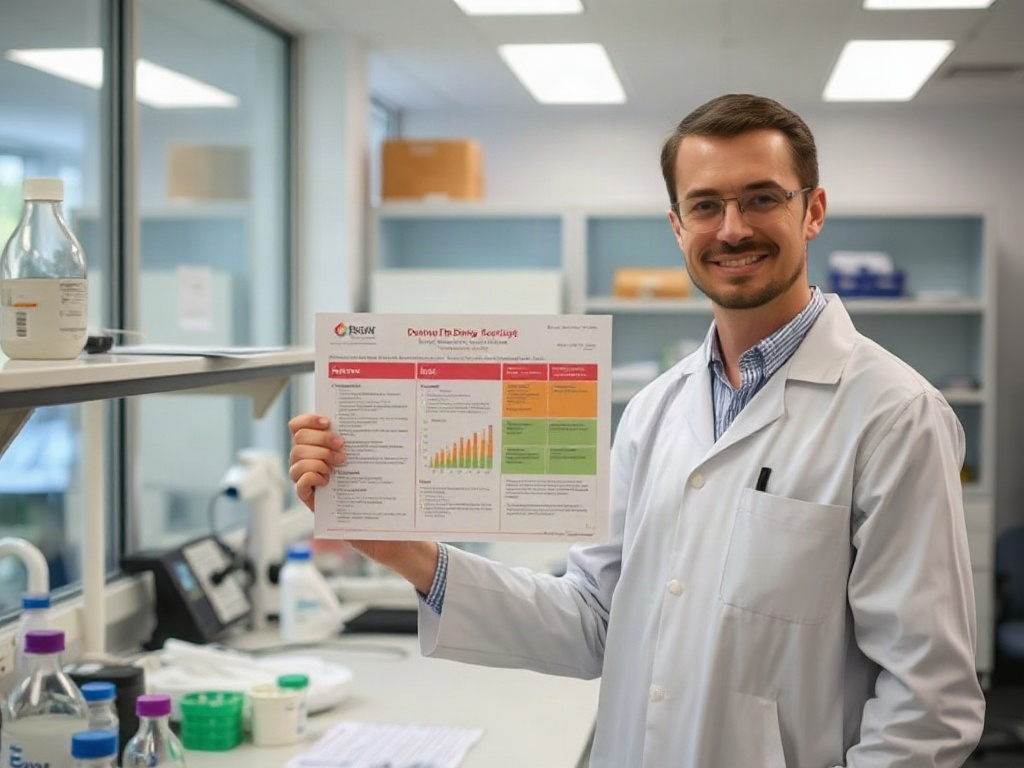
If you have a competitor’s adhesive, an imported product, an older formulation, or an adhesive that you know performs well but no longer have the original formulation for, laboratory analysis can help reveal what is inside the product and provide a technical starting point for further formulation development.
At Labsure, we work with Australian businesses that need more than a laboratory test result. The objective is usually to answer a practical question:
“How can we understand this product, make something similar, improve it, or develop our own version?”
Our work can include adhesive deformulation, chemical analysis, formulation optimisation, sample preparation, prototype development and, where appropriate, contract manufacturing support.
What Is Adhesive Deformulation?
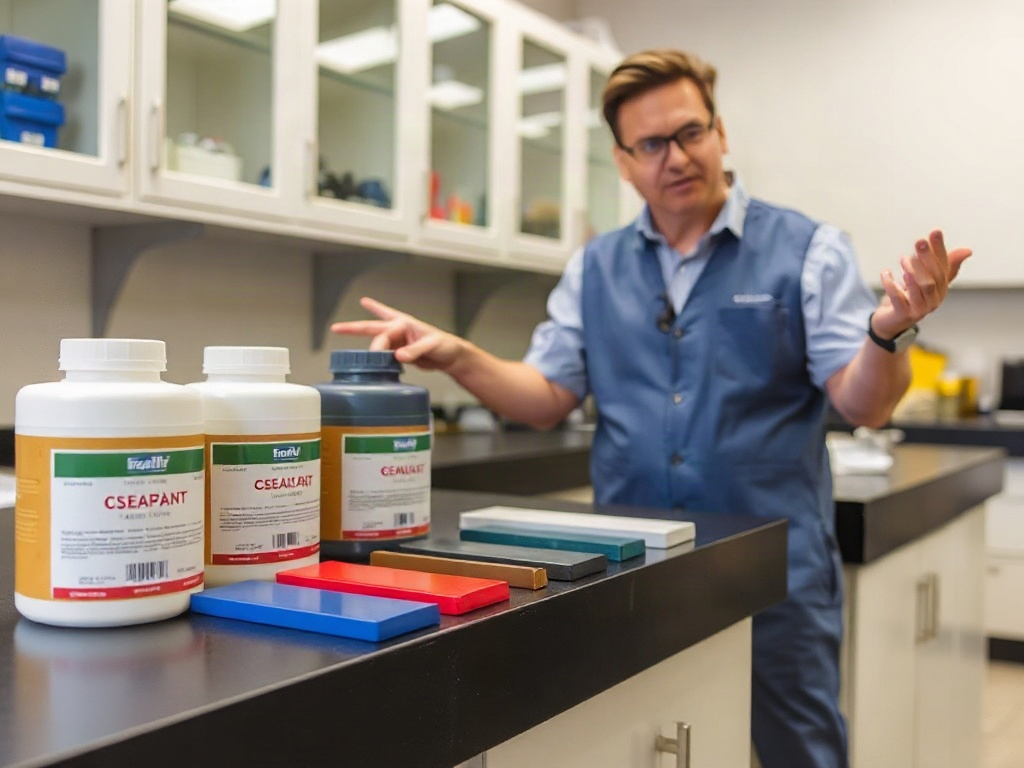
Adhesive deformulation is the analytical process of investigating an existing adhesive to understand its composition and formulation structure.
It is sometimes called:
- adhesive reverse engineering
- adhesive formulation analysis
- adhesive composition analysis
- adhesive chemical analysis
- competitor adhesive analysis
- adhesive product development analysis
The exact analytical approach depends on the type of adhesive and the information you need.
An adhesive may contain a combination of polymers or resins, solvents or water, plasticisers, tackifiers, fillers, catalysts, curing agents, stabilisers and other additives.
For example, an adhesive may be based on:
- polyurethane (PU)
- epoxy
- acrylic
- silicone
- VAE or EVA
- cyanoacrylate
- rubber
- hybrid polymer systems
Australian adhesive applications are particularly broad, covering construction, packaging, automotive, aerospace, woodworking and joinery, footwear and other industrial applications.
This means the most useful analysis is rarely just one instrument.
The objective is to select the right combination of analytical techniques to answer the specific formulation question.
Why Start With an Existing Adhesive Instead of Starting From Zero?
This is often the biggest commercial advantage of reverse engineering.
Imagine that you want to develop a construction adhesive.
The traditional approach might be:
Idea → raw material research → formulation trials → testing → reformulation → more testing → production trial
There can be dozens or even hundreds of possible combinations of raw materials.
You may eventually develop a good product, but you may also spend months testing formulations that never reach the required performance.
With deformulation, the starting point is different:
Existing product → laboratory analysis → formulation hypothesis → prototype → performance testing → optimisation
You are not starting with a completely blank page.
You are starting with a product that has already demonstrated some level of performance.
That can significantly reduce unnecessary experimentation.
This can save three things:
Time
You can focus development work on a narrower range of possible formulation structures.
Development cost
Instead of purchasing large numbers of raw materials and conducting extensive trial-and-error work, analytical testing can help identify the major formulation components before formulation trials begin.
Development risk
You have a reference product against which the new formulation can be compared.
This does not guarantee an identical result, and laboratory analysis cannot always determine every formulation detail. However, it can provide a much stronger technical starting point than developing completely from scratch.
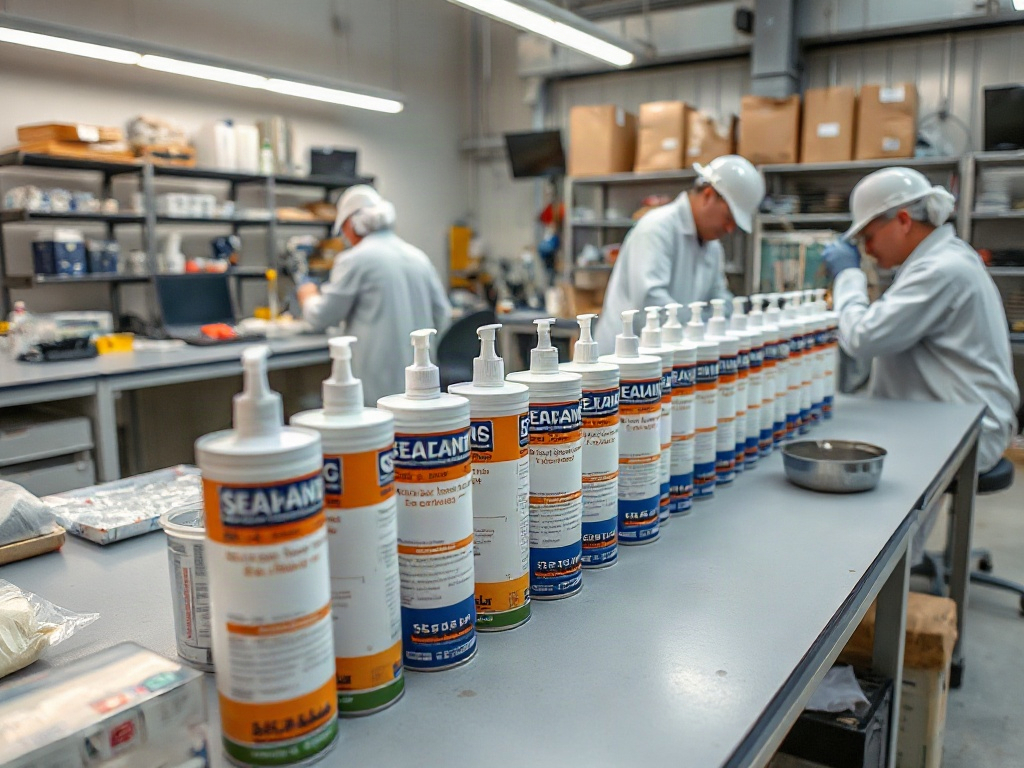
How Adhesive Deformulation Works
There is no single test called an “adhesive deformulation test”.
A good deformulation project normally starts with the question:
What do you actually need to know?
For example:
We have a competitor’s adhesive and want to develop a similar product.
Or:
Our adhesive has become too expensive and we want to investigate whether the formulation can be optimised.
Or:
Our previous supplier has changed the product and the performance is no longer the same.
Or:
We have an adhesive that works well, but the original manufacturer is no longer supplying it.
The analytical program can then be designed around the specific problem.
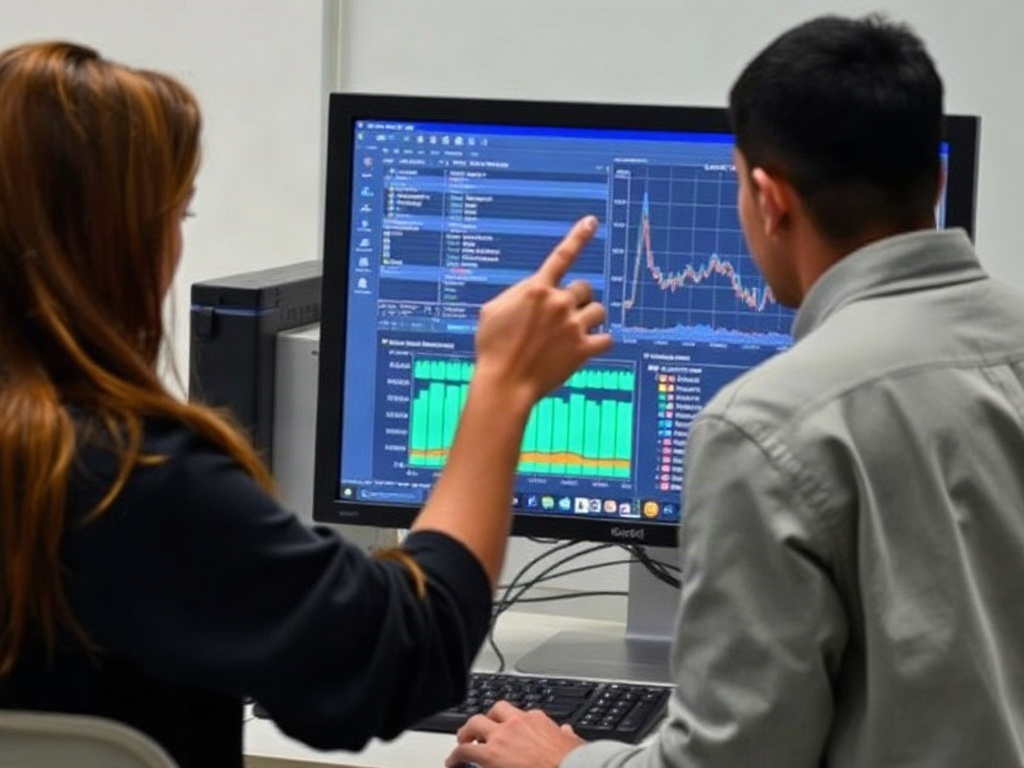
Depending on the adhesive, testing may include techniques such as FTIR, GC-MS, LC-MS, DSC, TGA, microscopy and other chemical or physical analysis.
For example, FTIR can provide information about chemical functional groups and polymer types, while GC-MS may be useful for investigating volatile or semi-volatile organic components. Thermal techniques such as DSC and TGA can provide information about curing behaviour, thermal transitions, decomposition and formulation characteristics.
Specialist adhesive testing laboratories also use combinations of spectroscopy, chromatography, microscopy and physical performance testing because complex adhesive formulations cannot normally be understood from a single analytical result.
The important point is that the testing should be driven by the formulation question, not by a list of instruments.
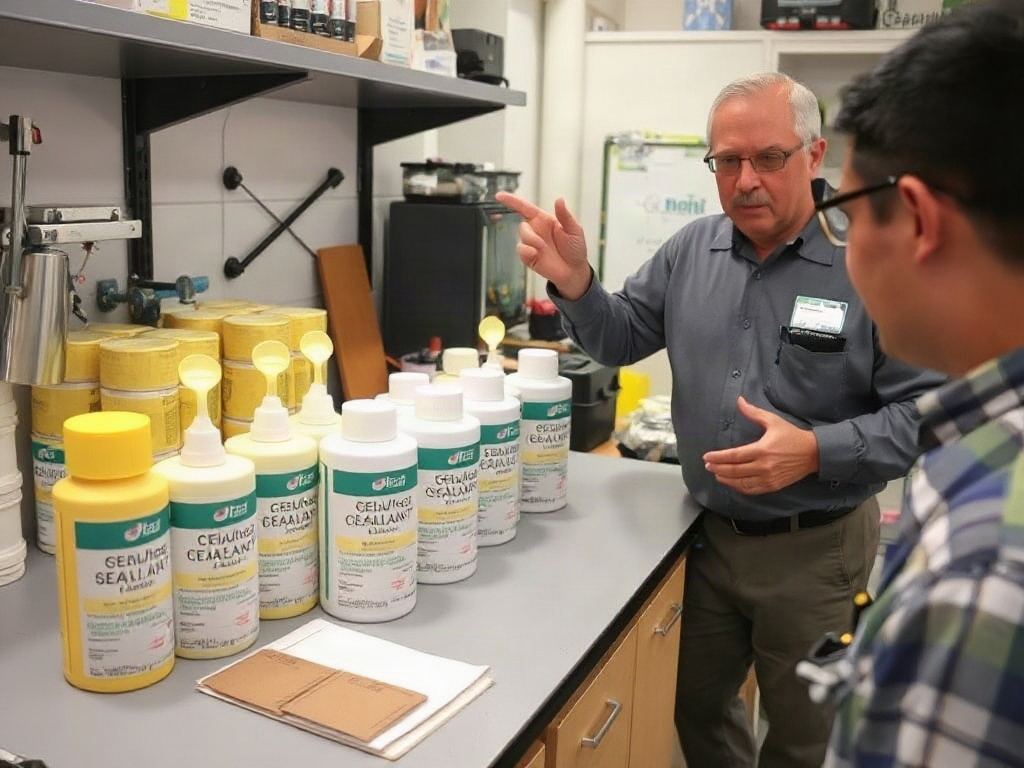
What Can We Learn From an Adhesive Sample?
The answer depends heavily on the adhesive chemistry.
A laboratory investigation may help identify or estimate information such as:
Polymer or resin system
For example:
- polyurethane
- epoxy
- acrylic
- silicone
- EVA/VAE
- synthetic rubber
- other polymer systems
Solvents and volatile components
For solvent-based adhesives, identifying the solvent system can be important because solvent selection affects viscosity, drying behaviour, open time, application and final performance.
Fillers and inorganic materials
Some adhesives contain significant amounts of mineral fillers.
These can influence:
- viscosity
- density
- cost
- mechanical properties
- thermal behaviour
- shrinkage
- application characteristics
Additives and modifiers
Depending on the product, analysis may provide information about plasticisers, tackifiers, stabilisers and other formulation components.
Curing characteristics
For reactive adhesives, understanding how the material cures can be particularly important.
For example, a two-part epoxy adhesive is not simply “an epoxy”.
The resin and hardener system, filler package, additives and ratio between components can all influence the final performance.
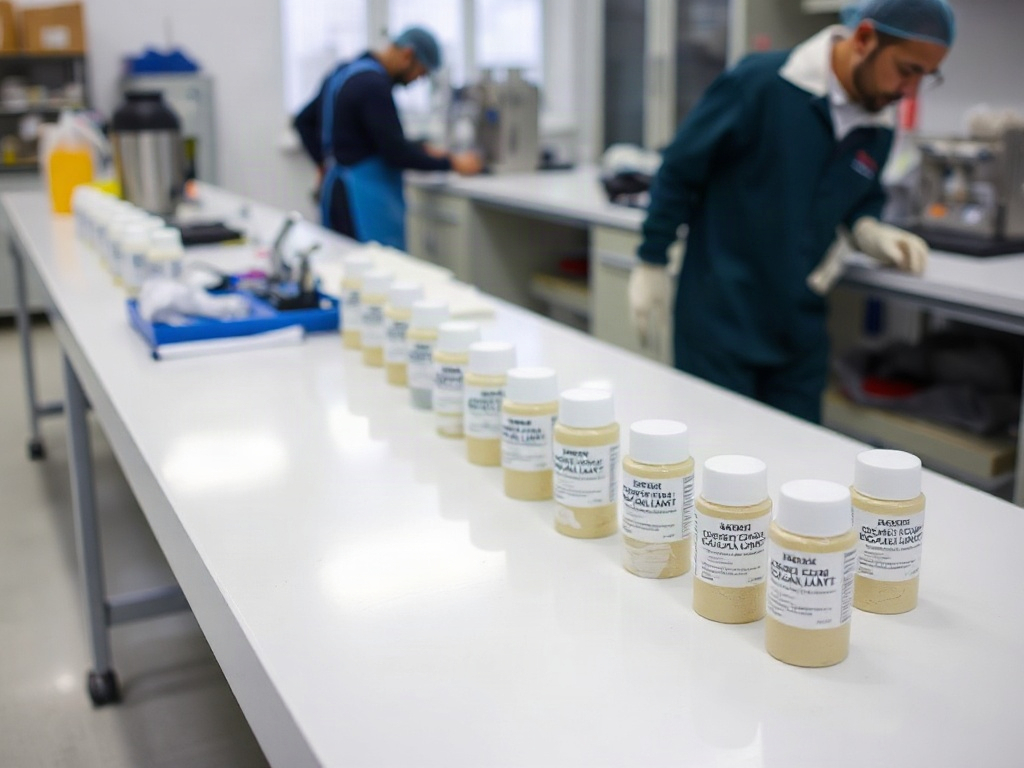
Adhesive Deformulation Is Not Just About Copying a Formula
This is an important distinction.
A customer may initially approach us saying:
“I want to know the exact formula.”
In reality, the more useful question is often:
“What information do we need to develop a product that achieves the performance we want?”
Analytical chemistry has limitations.
For a complex commercial adhesive, it may not be possible to determine every ingredient and its exact concentration from one or two laboratory tests.
Some components may overlap analytically. Some additives may be present at very low concentrations. Some commercial raw materials may themselves be complex mixtures.
Therefore, a professional deformulation project should normally produce a technical formulation picture, rather than promise that a laboratory can magically print the manufacturer’s original recipe.
That distinction is important when planning product development.
The goal is not necessarily to reproduce every molecule.
The goal is to understand enough about the formulation to make a technically informed development decision.
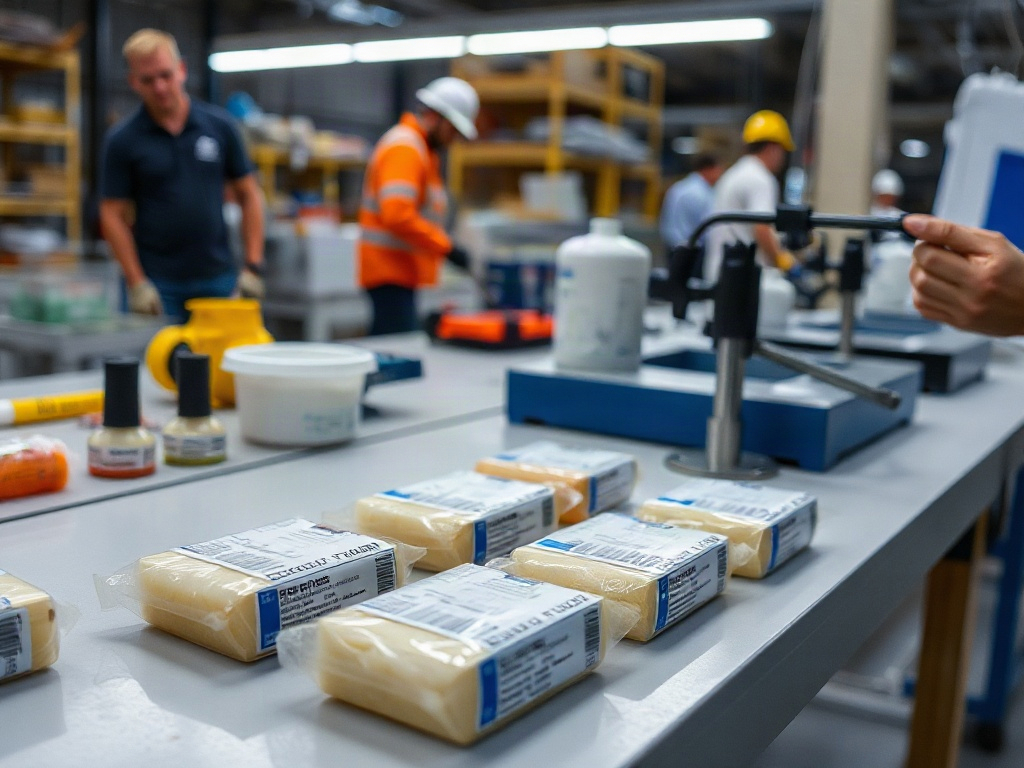
From Deformulation to Formulation Development
This is where the process becomes much more valuable for a manufacturer.
Suppose you provide us with an adhesive that performs very well.
The analysis may indicate the broad formulation structure.
But perhaps you have different requirements.
You might want:
- stronger bonding
- faster setting
- longer open time
- better water resistance
- better heat resistance
- lower viscosity
- higher viscosity
- lower VOC
- less odour
- better flexibility
- improved substrate compatibility
- lower raw material cost
- easier manufacturing
- better shelf stability
This is no longer simply a deformulation project.
It becomes formulation optimisation.
The existing product becomes a technical reference point.
From there, formulation development can focus on the changes that matter to your business.
For example:
Reference adhesive
→ analyse composition
→ identify key formulation structure
→ reproduce a prototype
→ modify resin/additives/fillers/solvent system
→ prepare samples
→ compare performance
→ optimise
This approach can be much more efficient than repeatedly developing completely unrelated formulations.

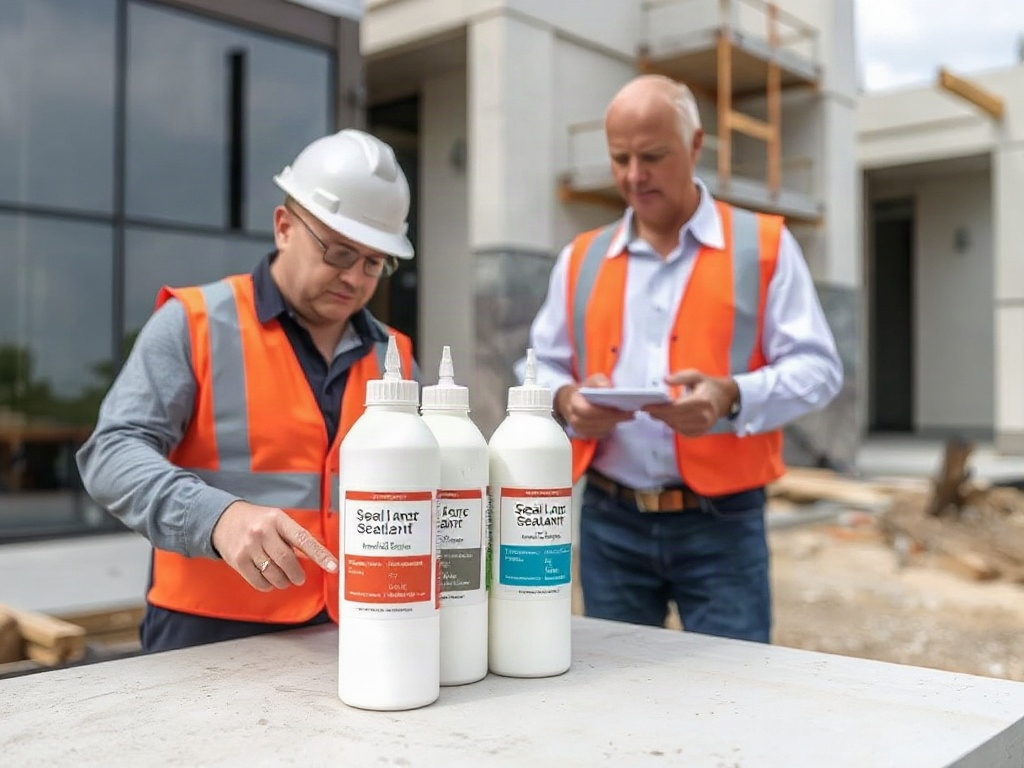
We Can Also Prepare Formulation Samples
Laboratory analysis is only useful if it eventually helps you make a better product.
For suitable projects, we can assist with formulation development and sample preparation after the analytical stage.
This may involve preparing small prototype batches for evaluation.
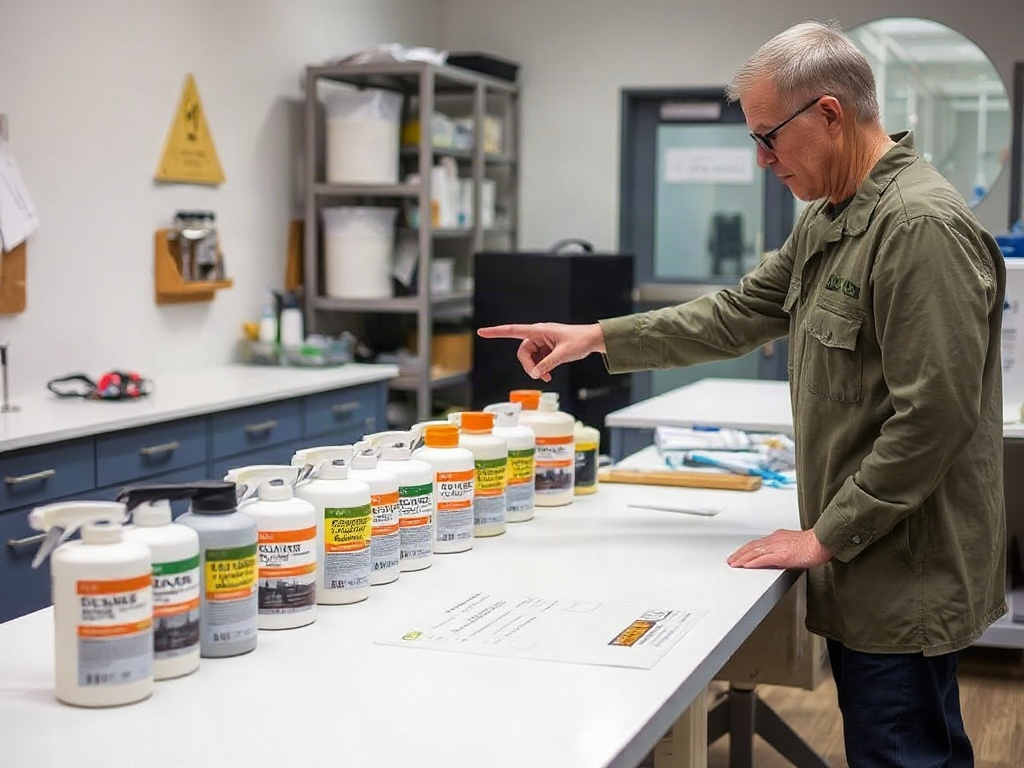
For example, you may want to compare:
Sample A: reference-style formulation
Sample B: higher bond strength
Sample C: faster drying
Sample D: lower-cost formulation
Sample E: improved water resistance
This allows formulation decisions to be based on actual samples rather than theoretical discussions alone.
For product developers, this can make the development process much easier.
You can physically test the samples on your actual substrate and application before committing to a large production run.
From Product Development to Contract Manufacturing
For businesses that do not have their own chemical manufacturing facility, formulation development is often only the first step.
Once a suitable formulation has been developed and validated, the next question is:
“Who is going to manufacture it?”
Depending on the product and production requirements, we can also assist with contract manufacturing arrangements.
This can potentially allow a project to move through a more complete development pathway:
Existing product
↓
Adhesive deformulation
↓
Formulation development
↓
Prototype samples
↓
Performance evaluation
↓
Formulation optimisation
↓
Production preparation
↓
Contract manufacturing
This is particularly useful for Australian SMEs that want to develop their own adhesive product but do not want to build a chemical manufacturing facility themselves.

Which Adhesives Can Be Investigated?
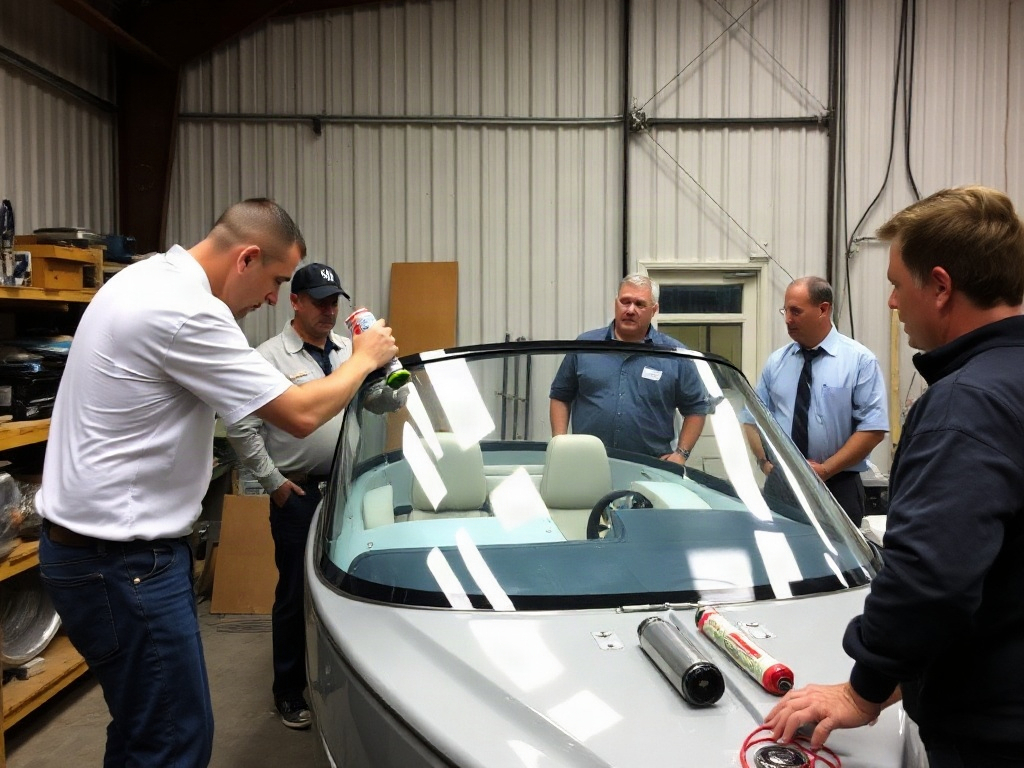
We can investigate a wide range of adhesive products, depending on the formulation and the development objective.
Examples include:
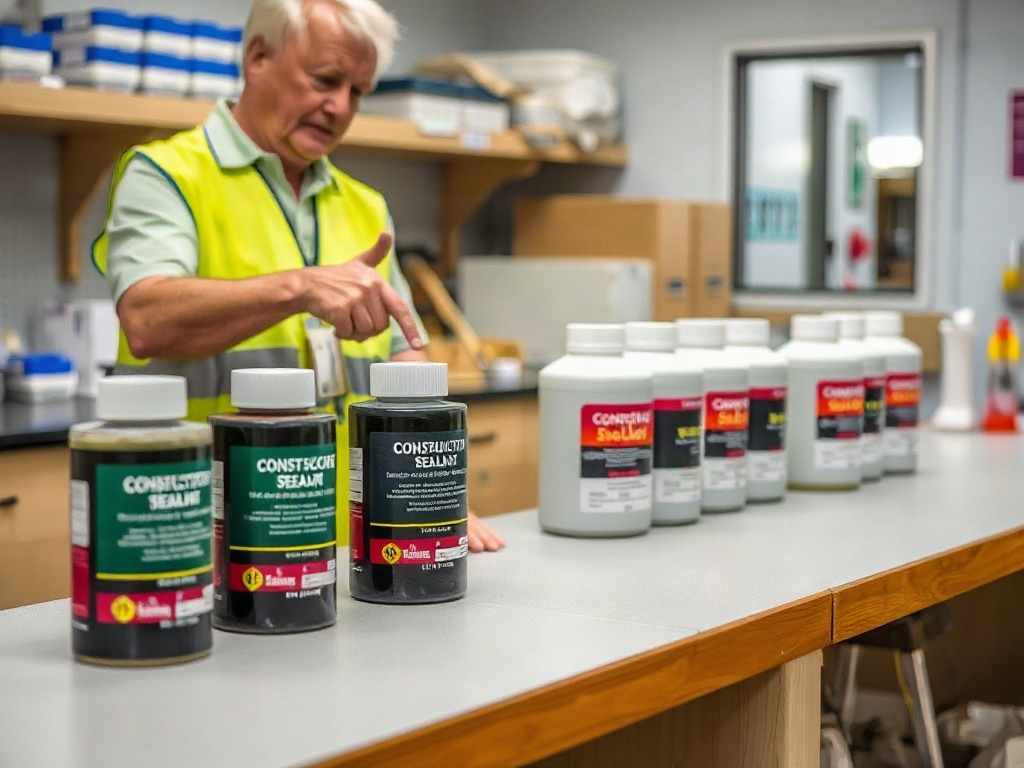
Construction Adhesives
Including products used for building, installation, panel bonding and general construction applications.
Polyurethane Adhesives
Including PU-based industrial and construction adhesives.
Epoxy Adhesives
Including two-component epoxy systems and structural adhesive products.
Acrylic Adhesives
Including water-based, solvent-based and other acrylic adhesive systems.
Silicone Adhesives and Sealants
Including products used for construction, industrial and specialised applications.
Pressure Sensitive Adhesives
Including adhesive tapes, labels, films and mounting products.
Contact Adhesives
Including solvent-based and rubber-based contact adhesive systems.
Hot Melt Adhesives
Including EVA-based and other hot-melt systems used in packaging, assembly and manufacturing.
Industrial Adhesives
For machinery, manufacturing, assembly, maintenance and other industrial applications.
The most appropriate analytical approach will depend on the specific product.
How Much Can Adhesive Deformulation Save?
There is no universal percentage because every development project is different.
However, the financial logic is straightforward.
Suppose a company wants to develop an adhesive and has 20 possible formulation directions.
Without sufficient information, the development team may need to purchase raw materials and test many different combinations.
If analytical work can eliminate a large proportion of unsuitable formulation options at the beginning, the development team can spend its time on a much smaller number of technically relevant formulations.
The laboratory cost therefore should not be viewed simply as:
“How much does the analysis cost?”
A better question is:
“How much unnecessary R&D can the analysis prevent?”
For an Australian SME, avoiding months of formulation trial-and-error can be significantly more valuable than saving a few hundred dollars on laboratory testing.
When Does Adhesive Deformulation Make Sense?
Deformulation is particularly useful when you have an existing product that you want to learn from.
For example:
You have a competitor’s product
You want to understand its formulation structure and develop your own product.
Your supplier has discontinued a product
You need to find a replacement formulation.
Your imported adhesive is becoming too expensive
You want to investigate a local or alternative formulation.
Your product does not perform as well as expected
You want to compare it with a higher-performing reference product.
You want to improve an existing formulation
You want stronger bonding, faster drying, better water resistance or lower cost.
You want to launch your own adhesive brand
You have a reference product and want to develop a commercially suitable formulation.
In these situations, reverse engineering can provide a practical starting point for development.
Why Work With an Australian-Based Development Partner?
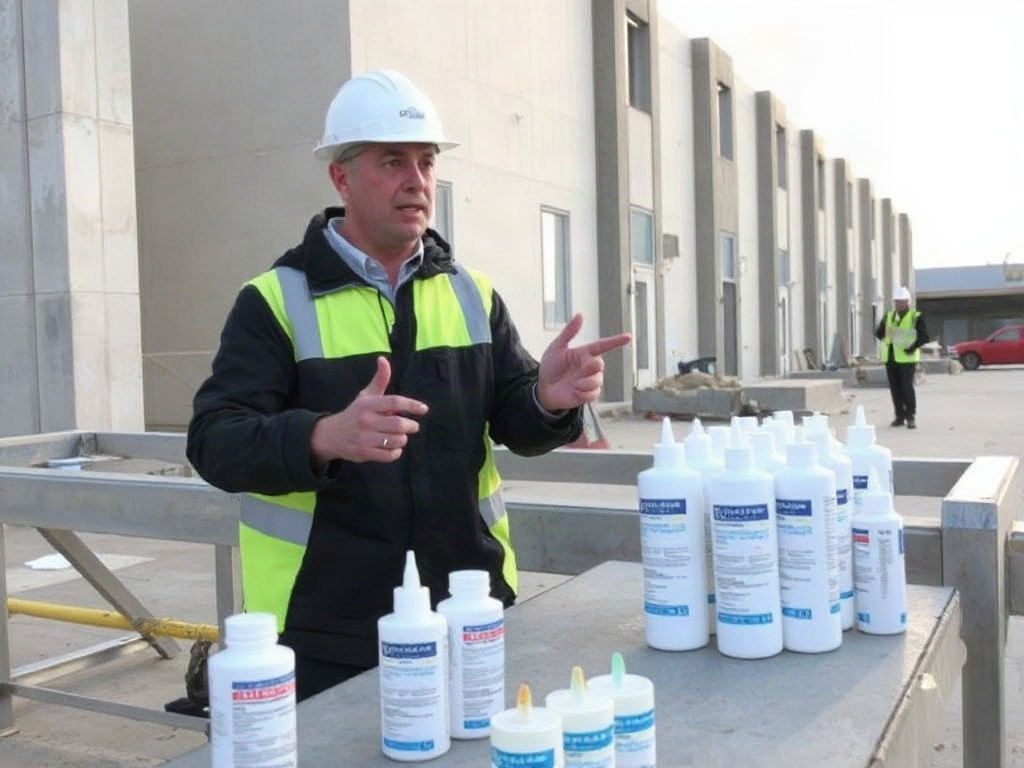
For Australian businesses, sending samples overseas and trying to manage the entire development process remotely can sometimes create additional communication and logistics issues.
Working with an Australian-based technical partner can make it easier to discuss:
- what the product is
- what problem you are trying to solve
- what performance you need
- how much sample is available
- what information you already have
- what your target cost is
- what your intended production volume is
It also means the analytical work can be planned around the commercial objective from the beginning.
At Labsure, we work with Australian businesses on chemical analysis and product development projects, including adhesive and polymer-related products.
You Don’t Always Need a Full Deformulation
This is another important point.
Not every customer needs the most comprehensive analytical package.
Sometimes the first question can be answered with a relatively focused analysis.
For example, you may simply need to know:
What type of polymer is this?
Or:
Is this adhesive solvent-based or water-based?
Or:
What is the approximate inorganic filler content?
Or:
Why are these two adhesive samples behaving differently?
Starting with the right question can prevent unnecessary testing.
We can discuss the product and development objective first, then determine what level of analysis is actually justified.
This can help keep the project focused on both cost and useful information.

Adhesive Deformulation vs Starting From Scratch
The choice depends on what you already have.
If you have no reference product and are trying to create a completely new technology, conventional formulation R&D may be necessary.
But if you already have a product that demonstrates the performance you want, reverse engineering can provide a much more practical starting point.
Instead of asking:
“What adhesive should we invent?”
you can ask:
“What is making this adhesive work, and how can we develop our own version around our requirements?”
That is a very different R&D problem.
And often, it is a much more manageable one.
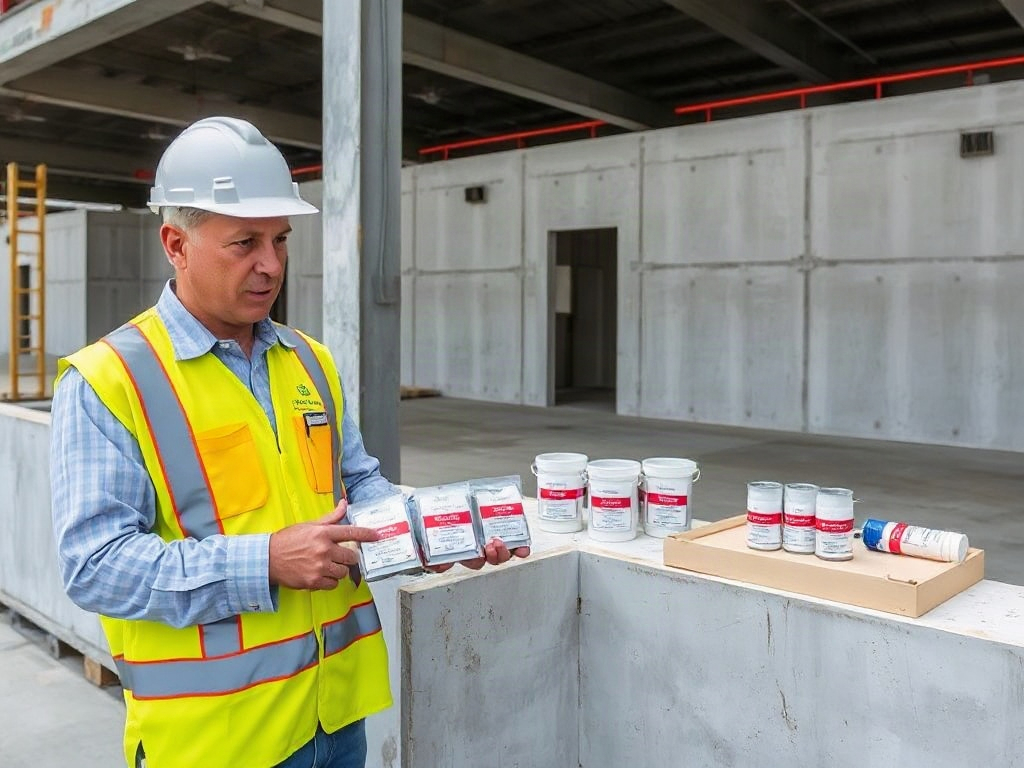
Need to Reverse Engineer an Adhesive in Australia?
If you have an adhesive sample that you want to understand, improve or develop into your own product, Labsure can help you assess the next step.
We can assist with:
- Adhesive deformulation
- Adhesive chemical analysis
- Adhesive reverse engineering
- Competitor product analysis
- Formulation development
- Formulation optimisation
- Prototype sample preparation
- Product comparison
- Troubleshooting and failure investigation
- Production and contract manufacturing support
You do not necessarily need to know the chemistry before contacting us.
Send us the product information, SDS if available, the sample type and what you are trying to achieve.
We can then discuss what information is likely to be useful and whether a full deformulation, targeted analysis or formulation development project makes sense.
Have an adhesive you want to analyse or develop?
Tell us what you have, what you want to achieve, and what you are currently struggling with.
[Contact Labsure to discuss your adhesive project →]
A short description of the product and your development goal is enough to start the conversation.