For many small and medium-sized construction businesses in Australia, competing against imported construction chemicals is becoming increasingly difficult. Large overseas brands dominate the market with advanced admixture technologies, strong distributor networks, and highly consistent performance.
A Melbourne-based bricklaying and masonry contractor recently faced exactly this challenge.
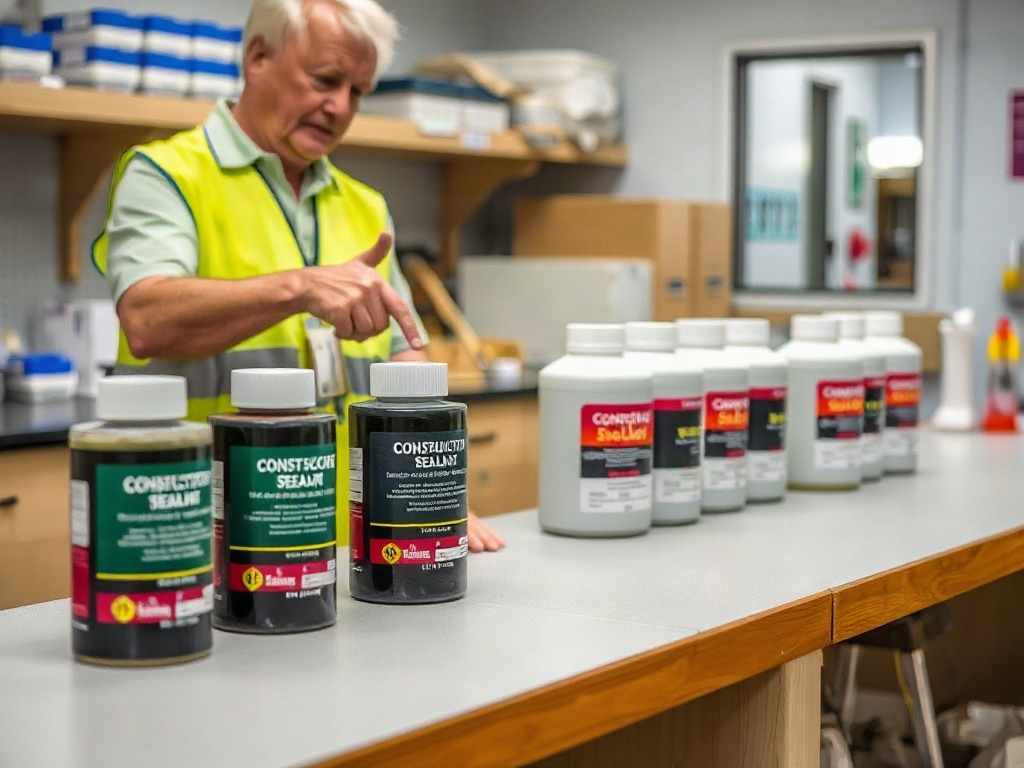
The company had been using a premium imported air-entraining and durability enhancer designed for masonry mortar and concrete applications. The product delivered excellent freeze-thaw resistance, improved workability, and better long-term durability — especially important for projects exposed to varying Australian weather conditions.
However, several major problems started affecting the business:
- Import lead times became unreliable
- Product pricing increased significantly
- Supply interruptions delayed projects
- No control over formulation or local manufacturing
- Difficulty scaling under private-label branding
The client approached Labsure Australia looking for a practical solution.
Their goal was not simply laboratory testing.
They wanted to develop their own Australian-branded alternative that could compete with the imported product while maintaining consistent field performance.
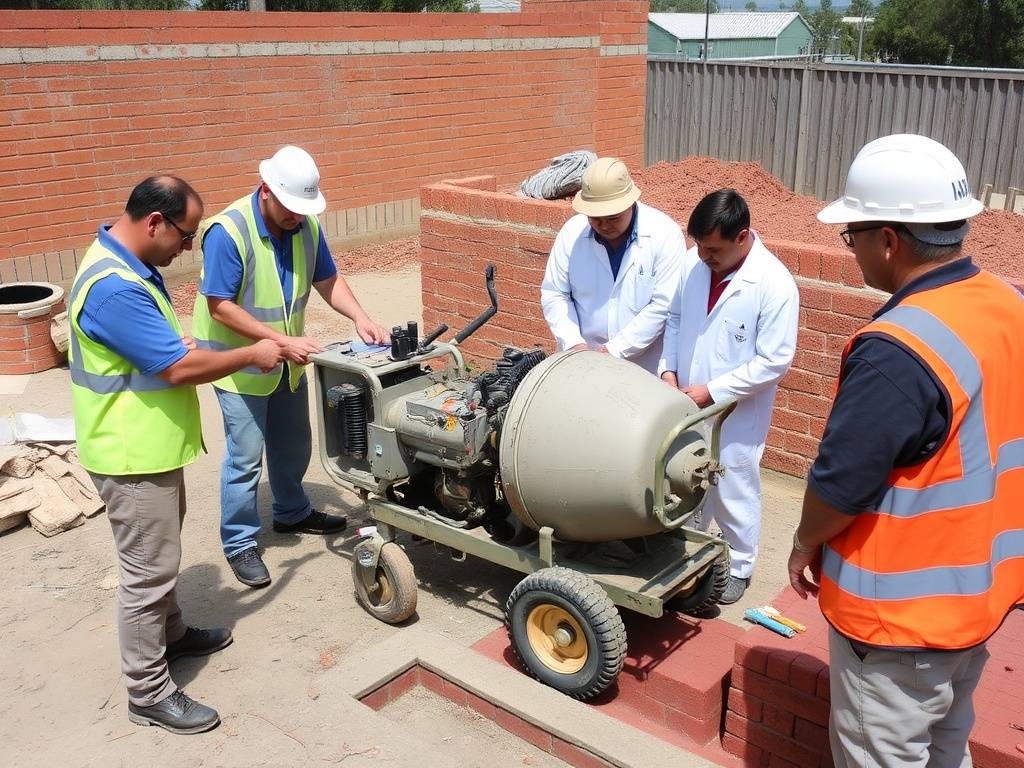
The Client’s Original Challenge
The imported admixture performed well because it created a stable microscopic air void system within the mortar and concrete matrix. This improved:
- Freeze-thaw durability
- Water resistance
- Workability
- Pumpability
- Crack resistance
- Long-term structural stability
But the client had no visibility into:
- The surfactant system
- Air-entraining chemistry
- Stabilisation mechanism
- Dosage optimisation
- Compatibility with Australian cement systems
The supplier provided only a basic SDS and technical datasheet.
Like many imported construction chemical products, the actual formulation composition remained proprietary.
The Melbourne company initially tried several cheaper alternatives sourced locally, but encountered repeated problems:
- Excessive air variability
- Reduced compressive strength
- Poor batch consistency
- Rapid foam collapse
- Inconsistent setting times
- Surface defects during curing
This is a common issue in the Australian construction chemical market.
Many admixtures may appear similar on paper, but minor formulation differences can dramatically affect real-world performance.
That is why the client decided to pursue a full reverse engineering and formulation benchmarking project with Labsure’s Construction Chemicals Analysis Services.
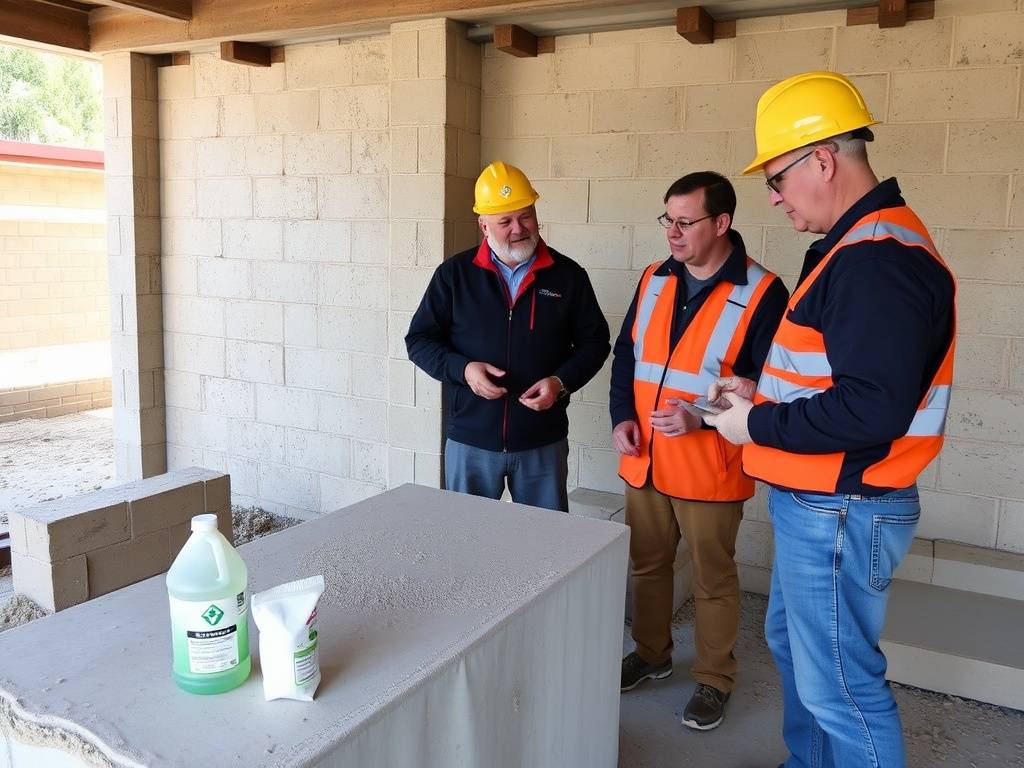
Our Reverse Engineering Process
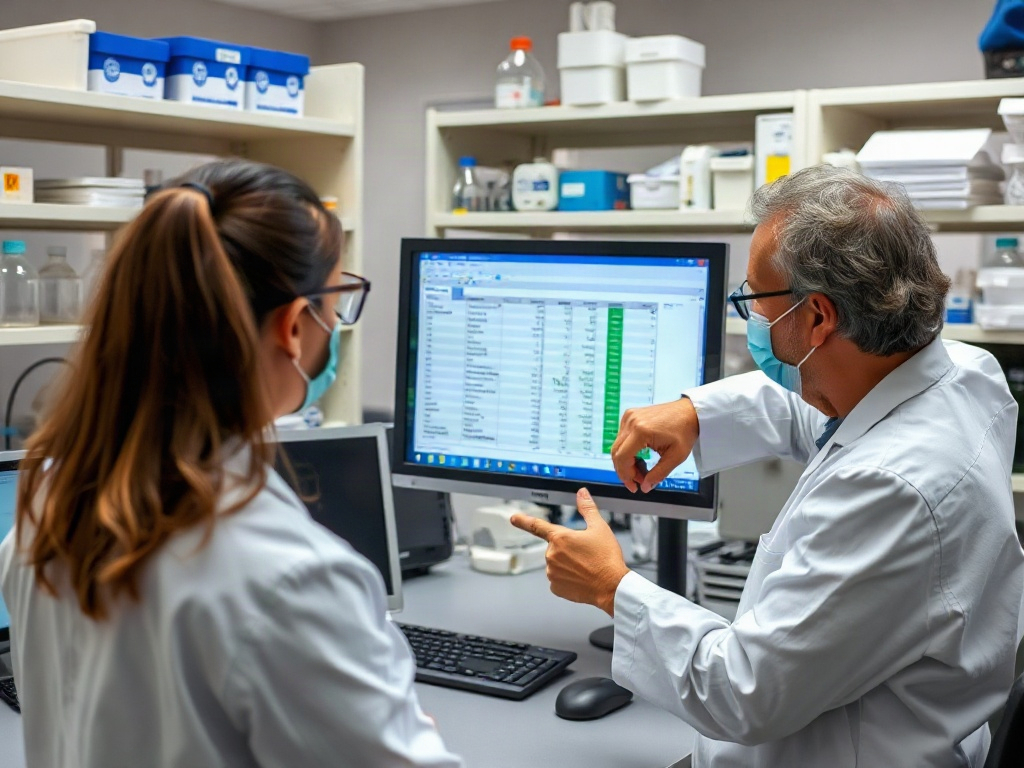
After receiving the imported benchmark product, our analytical team began a multi-stage investigation combining advanced instrumentation with practical formulation evaluation.
The objective was not merely ingredient identification.
The goal was to understand why the product performed consistently under real construction conditions.
The analysis process included:
Ingredient Identification
Using advanced analytical platforms including:
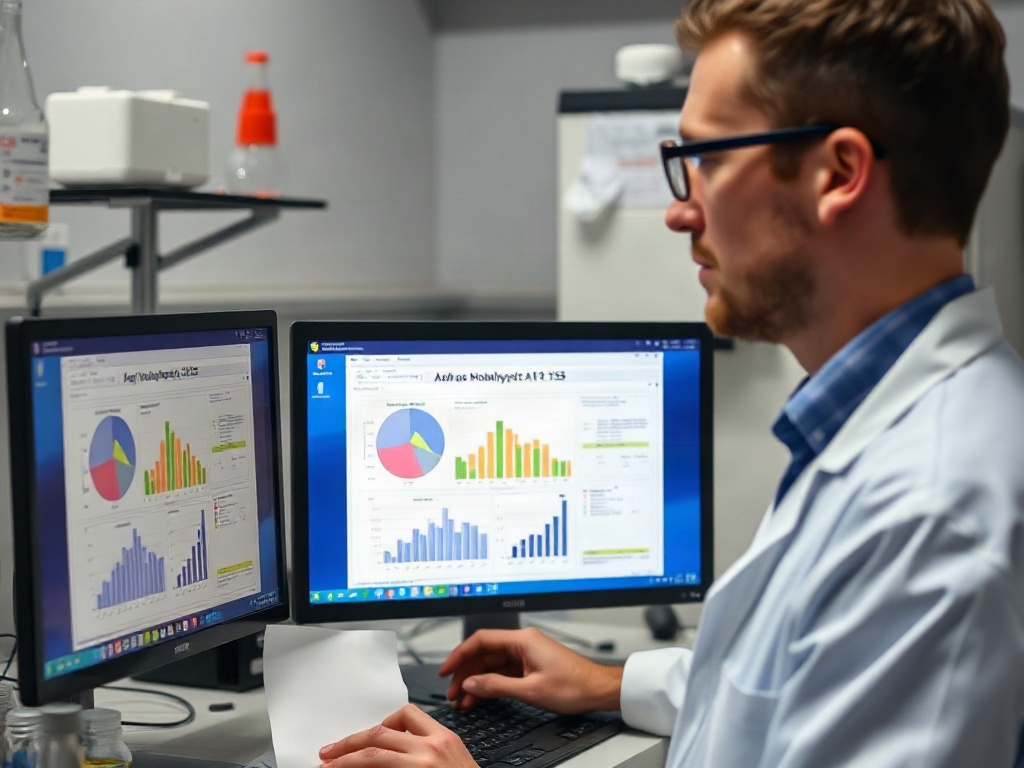
- FTIR spectroscopy
- GC-MS analysis
- HPLC testing
- Surfactant characterisation
- Thermal stability analysis
- Foam stability testing
our team identified the core functional chemistry used within the admixture system.
This revealed:
- Primary air-entraining surfactants
- Foam stabilisers
- Durability modifiers
- Wetting agents
- Performance synergists
- Anti-separation components
The project was handled through Labsure’s Reverse Engineering Services, which specialises in quantitative formulation analysis for Australian manufacturers and distributors.
Understanding the Real Performance Problem
One of the most important findings was that the imported product did not rely solely on a single air-entraining agent.
Instead, it used a carefully balanced surfactant package that maintained air stability across varying:
- Cement ratios
- Water quality
- Mixing conditions
- Temperature environments
- Sand moisture levels
This explained why cheaper competing products failed in field applications.
Many low-cost formulations can initially generate air content, but the microscopic bubble structure collapses during pumping, transport, or curing.
The imported benchmark product maintained stable micro-air distribution even under variable site conditions.
This insight became critical during formulation optimisation.
Developing an Australian-Manufactured Alternative
Once the chemistry profile was understood, our R&D team began developing a locally manufacturable version optimised for Australian raw materials and construction environments.
The client specifically requested:
- Improved supply chain reliability
- Local manufacturing capability
- Reduced landed costs
- Better consistency
- Ability to sell under their own brand
Through iterative formulation refinement, Labsure produced several pilot formulations for evaluation.
The optimisation work focused heavily on:
- Air stability
- Freeze-thaw resistance
- Mortar workability
- Compressive strength retention
- Storage stability
- Compatibility with Australian cement suppliers
The client also requested improved performance under colder Victorian winter conditions, particularly for outdoor masonry work.
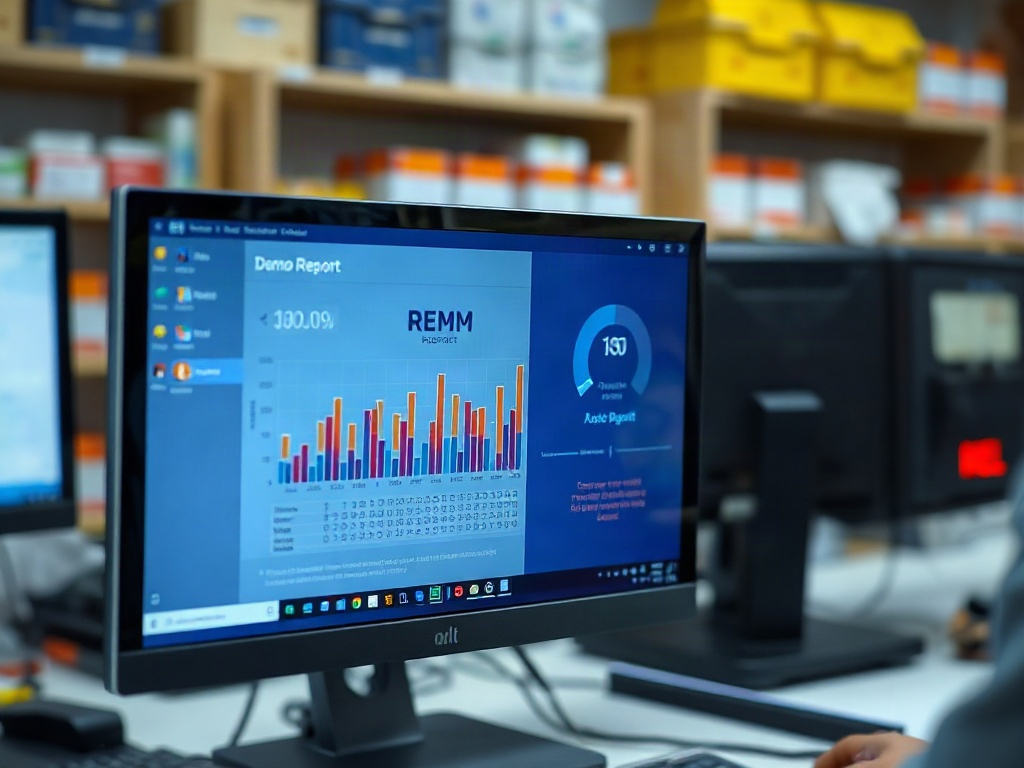
Our team conducted comparative benchmarking against the imported reference product using laboratory simulations and practical field testing.
This stage was supported through Labsure’s Product Formulation Optimisation Services.
The Final Results Achieved
After several optimisation cycles, the client achieved a commercially viable Australian-made formulation that delivered highly comparable field performance to the imported benchmark product.
Key outcomes included:
Performance Improvements
- Stable entrained air content
- Improved mortar consistency
- Better freeze-thaw durability
- Reduced cracking during curing
- More predictable workability across batches
Commercial Benefits
- Lower manufacturing cost per litre
- Elimination of overseas supply delays
- Ability to establish private-label branding
- Improved margin control
- Scalable Australian manufacturing pathway
Technical Outcomes
- Improved storage stability
- Reduced batch variability
- Better compatibility with local cement systems
- Consistent air void structure during testing
The client later expanded the product line into additional masonry and concrete additive categories.
From Reverse Engineering to Commercial Manufacturing
One major advantage for the client was that Labsure did not stop at analytical reporting.
After the formulation development phase, we also assisted with:
- Manufacturing guidance
- Raw material sourcing support
- QC parameter establishment
- Batch consistency procedures
- Product specification development
The client ultimately partnered with an Australian contract manufacturer to begin commercial production under its own branding.
This allowed the business to move from simply purchasing imported products to controlling its own product line and market positioning.
Today, the company supplies its proprietary durability enhancer system to local contractors and masonry suppliers across Victoria.
Why More Australian Construction Companies Are Using Reverse Engineering
Across Australia, many small and medium-sized construction businesses face similar pressures:
- Imported product dependency
- Rising freight costs
- Supply chain instability
- Limited technical transparency
- High distributor pricing
Reverse engineering allows companies to:
- Benchmark premium imported products
- Develop private-label alternatives
- Improve existing formulations
- Understand ingredient functionality
- Create local manufacturing opportunities
At Labsure Australia, we work with companies across:
- Construction chemicals
- Concrete admixtures
- Industrial coatings
- Cleaning chemicals
- Agricultural adjuvants
- Adhesives and sealants
- Personal care products
You can also explore:
- Concrete & Construction Material Analysis
- Chemical Product Reverse Engineering
- Custom Formulation Development
- Industrial Chemical Testing Services
- Contract R&D Support Services
Looking to Develop Your Own Construction Chemical Products?
Whether you are benchmarking an imported admixture, improving an unstable formulation, or launching your own branded construction chemical range, Labsure can help you move from product uncertainty to commercial manufacturing.
Our services combine:
- Advanced analytical chemistry
- Reverse engineering expertise
- Practical formulation optimisation
- Manufacturing-oriented development
- Australian market understanding
Contact Labsure Australia to discuss your project confidentially.
Email: info@labsure.com.au
Website: www.labsure.com.au
Services: Reverse Engineering, Formulation Analysis, Product Optimisation & Contract Manufacturing Support