For many Australian water treatment suppliers, the business model has looked the same for years:
Import a proven overseas chemical, distribute it locally, and rely on the foreign manufacturer for technical support, formulation knowledge and product consistency.
It works — until it doesn’t.
A Queensland-based water treatment chemical supplier recently discovered how risky that dependency could become.
The company had been distributing a well-known American scale and corrosion inhibitor used in cooling towers, industrial process water systems and boiler applications across Queensland.
Their customers liked the product because it performed reliably in difficult operating conditions, particularly in hard-water regions where calcium scaling and corrosion problems were common.
But over time, several commercial issues started creating pressure:
- Rising import costs
- Unstable shipping schedules
- Increasing competition from lower-cost suppliers
- No control over formulation or raw material sourcing
- Limited flexibility for customer-specific modifications
- Poor margins due to distributor dependency
Most importantly, the company realised something critical:
They had customers and market knowledge — but no actual ownership of the product technology.
If the overseas supplier changed pricing, appointed another distributor, or reduced support, the business could lose a major part of its market position almost overnight.
So they decided to do something many Australian chemical suppliers are now considering:
Develop their own water treatment formulation under their own brand.
The challenge was obvious.
They understood customer problems extremely well, but they did not have the internal chemistry expertise to formulate a high-performance scale inhibitor from scratch.
That’s when they contacted Labsure.
The Real Difficulty in Water Treatment Chemistry Isn’t Selling It — It’s Understanding Why It Works
Many industrial water treatment products look deceptively simple from the outside.
But effective scale and corrosion inhibitors are highly engineered chemical systems.
Performance depends on a delicate balance between:
- Phosphonate chemistry
- Polymer dispersants
- Corrosion inhibitors
- Chelating agents
- pH stabilisation systems
- Threshold inhibition mechanisms
- Metal passivation additives
- Water hardness compatibility
- Temperature stability
A formulation that works well in one cooling tower system may perform poorly in another.
Australian industrial water systems are particularly challenging because water quality varies dramatically between regions.
Queensland operators often deal with:
- High mineral content
- Elevated hardness
- Warm operating conditions
- Biofouling pressure
- Variable pH conditions
- High evaporation rates
The Queensland supplier knew their customers wanted better local support and pricing flexibility.
But they also knew one failed formulation could destroy customer trust very quickly.
That’s why they chose a lower-risk commercial strategy:
chemical reverse engineering and formulation analysis.
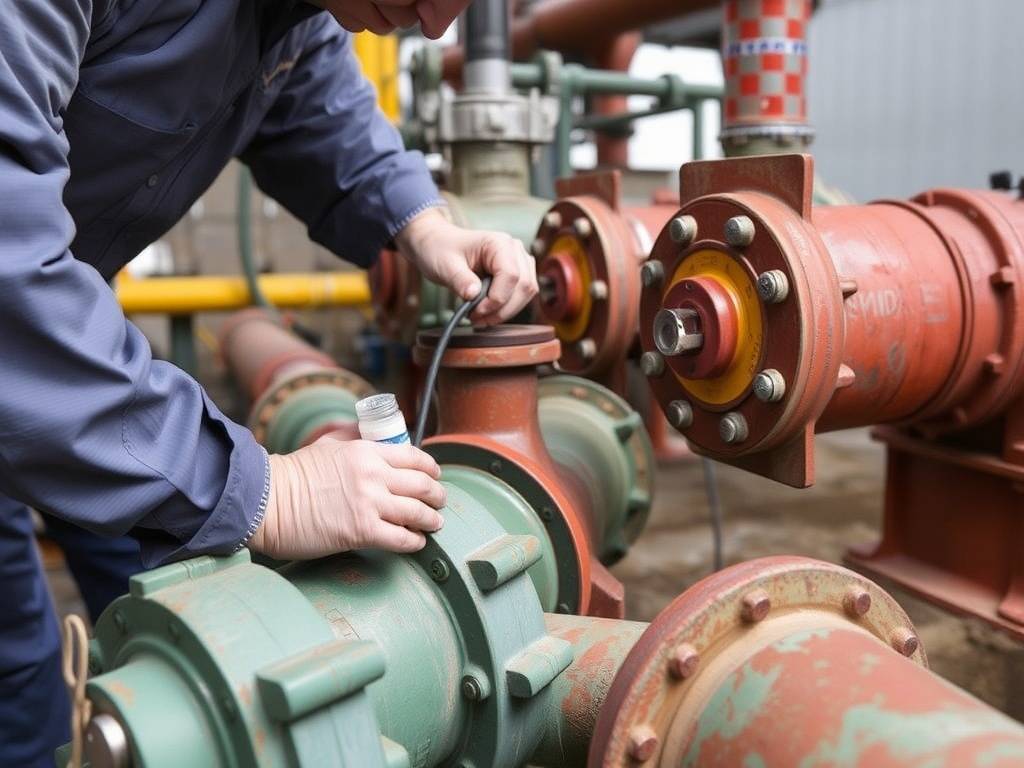
Starting with a Proven Product Reduced Years of Technical Uncertainty
The client already had something incredibly valuable:
A benchmark product that customers trusted.
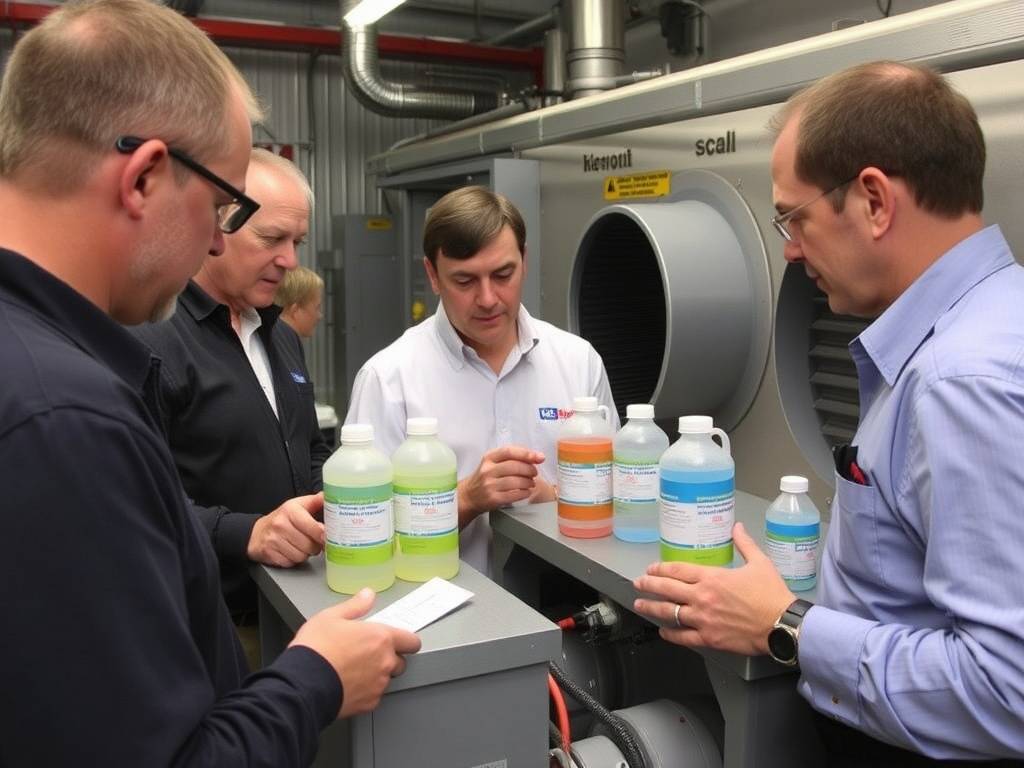
Instead of attempting random laboratory development, they supplied the imported American inhibitor to Labsure for detailed formulation analysis.
The project focused on understanding:
- Active inhibitor chemistry
- Polymer composition
- Scale-control mechanism
- Corrosion protection additives
- Stabiliser systems
- Performance-enhancing components
- Ingredient ratios
- Thermal and storage stability behaviour
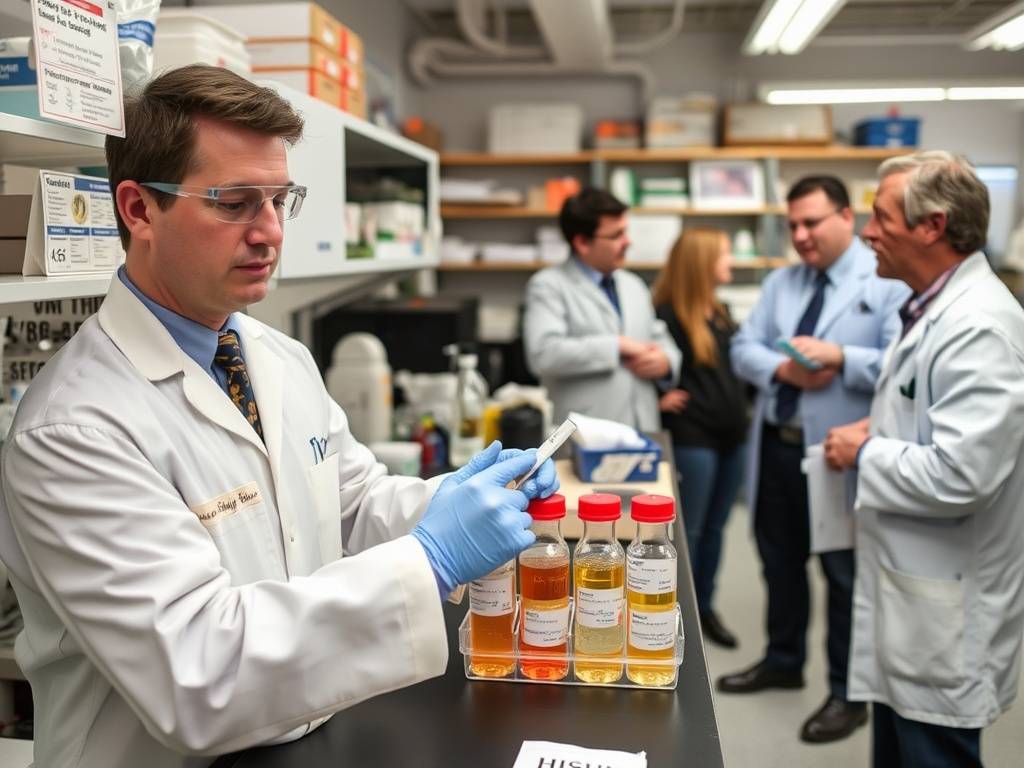
Using advanced analytical techniques including compositional profiling and chemical identification methods, Labsure mapped the functional structure of the formulation.
This is very different from basic laboratory testing.
The purpose was not simply identifying chemicals.
The objective was understanding how the product achieved its field performance in real industrial water systems.
That is the core value of Labsure’s reverse engineering services.
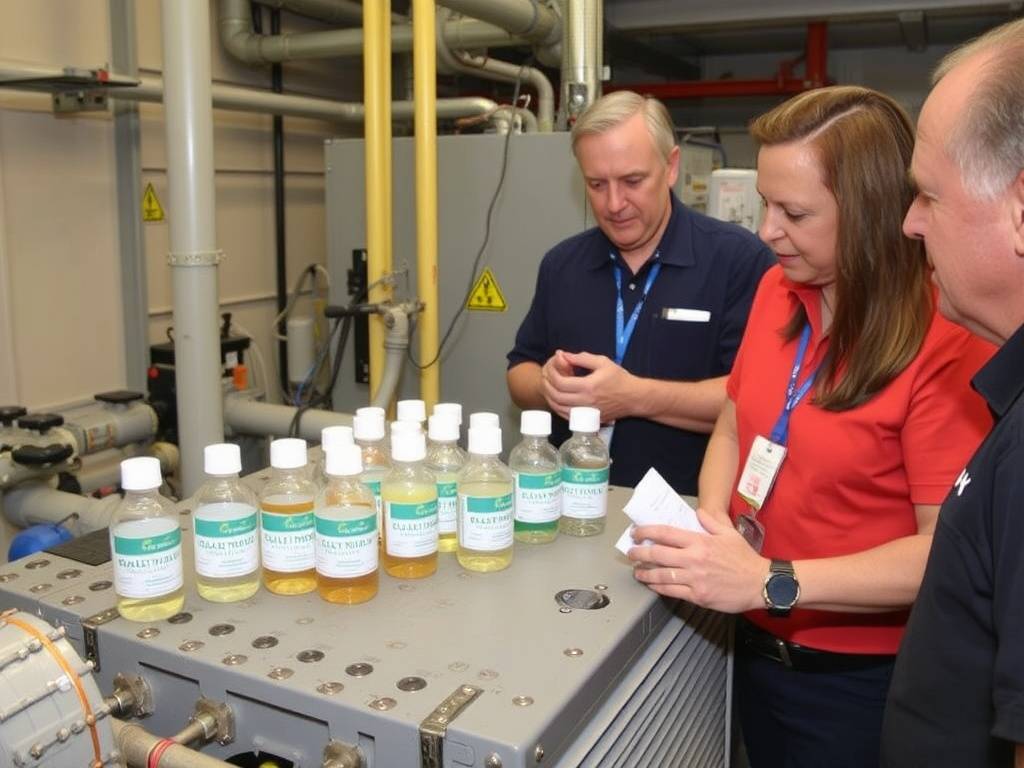
The Goal Wasn’t to Copy the Product — It Was to Build a Better Australian Version
One of the biggest misconceptions about reverse engineering is that customers only want exact replicas.
In reality, most Australian chemical suppliers want something far more commercially useful:
A mature technical foundation they can improve and commercialise quickly.
That was exactly the strategy here.
The imported American inhibitor worked well, but the Queensland supplier believed several improvements were possible for Australian operating conditions.
After analysing the benchmark product, Labsure helped identify opportunities for optimisation.
Improved Cost-Performance Balance
The imported formulation contained several high-cost components that significantly increased product pricing.
Labsure assisted the client in exploring more commercially efficient formulation options while maintaining core performance characteristics.
This allowed the supplier to improve competitiveness without sacrificing effectiveness.
Better Performance Under Local Water Conditions
Queensland water systems can behave very differently from North American systems.
The reformulation work focused on improving compatibility with local hardness profiles and operating environments.
This became particularly important for cooling tower applications operating under high evaporation conditions.
Reduced Overdosing Risk
One of the client’s customers complained that the imported product required relatively aggressive dosing to maintain stable protection levels.
Labsure helped optimise the formulation structure to improve treatment efficiency and reduce chemical consumption rates.
This created a strong commercial advantage during customer trials.
Improved Supply Chain Control
Instead of relying entirely on imported finished products, the client wanted local manufacturing flexibility.
That meant the formulation needed to be commercially practical for Australian production conditions and local raw material sourcing.
This type of practical commercial optimisation is a key part of Labsure’s formulation analysis and product development services.
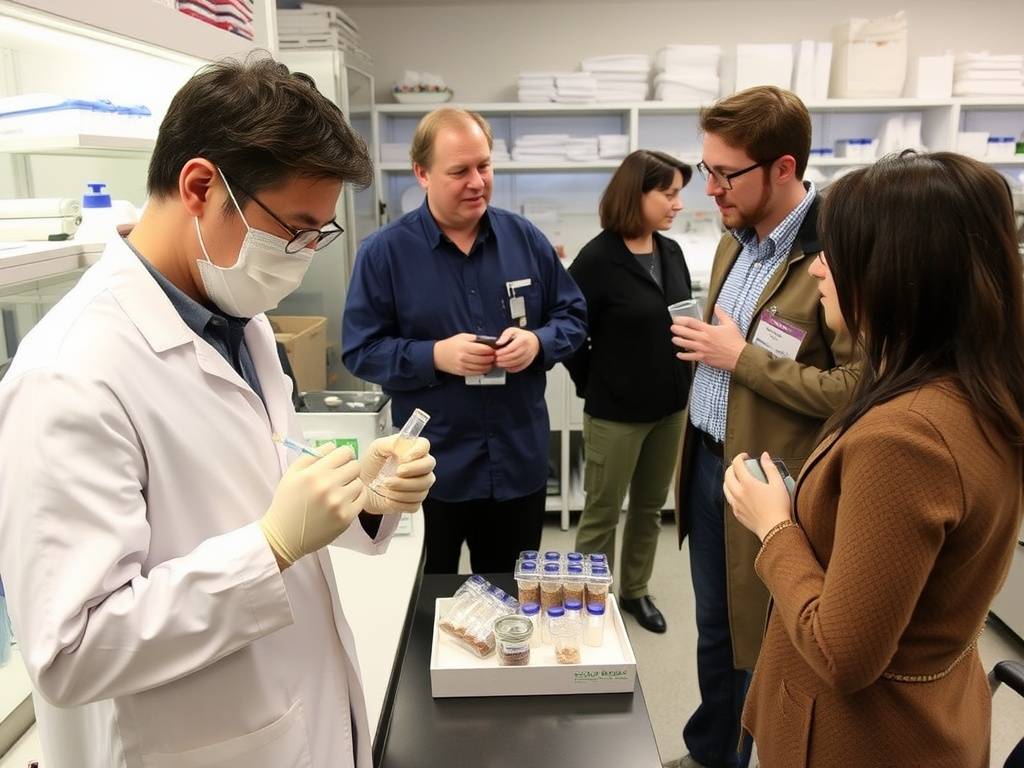
Why Reverse Engineering Was Faster Than Building an Internal Water Treatment R&D Team
The Queensland supplier initially considered hiring an internal formulation chemist.
But after reviewing the likely costs and technical complexity, they realised several problems:
- Long development timelines
- High experimentation costs
- Difficulty benchmarking performance
- Uncertain formulation pathways
- Risk of failed field trials
- Potential customer dissatisfaction during testing
- Delayed commercial launch
Traditional water treatment chemical development can easily take years.
Reverse engineering significantly shortened the process.
Instead of beginning with uncertain chemistry, the client started with a proven commercial system already validated by the market.
That changed everything.
Rather than spending years exploring possibilities, the company focused on:
- Understanding existing performance chemistry
- Improving specific weaknesses
- Adapting the formulation for Australian conditions
- Preparing for scalable manufacturing
This dramatically reduced both technical and commercial risk.
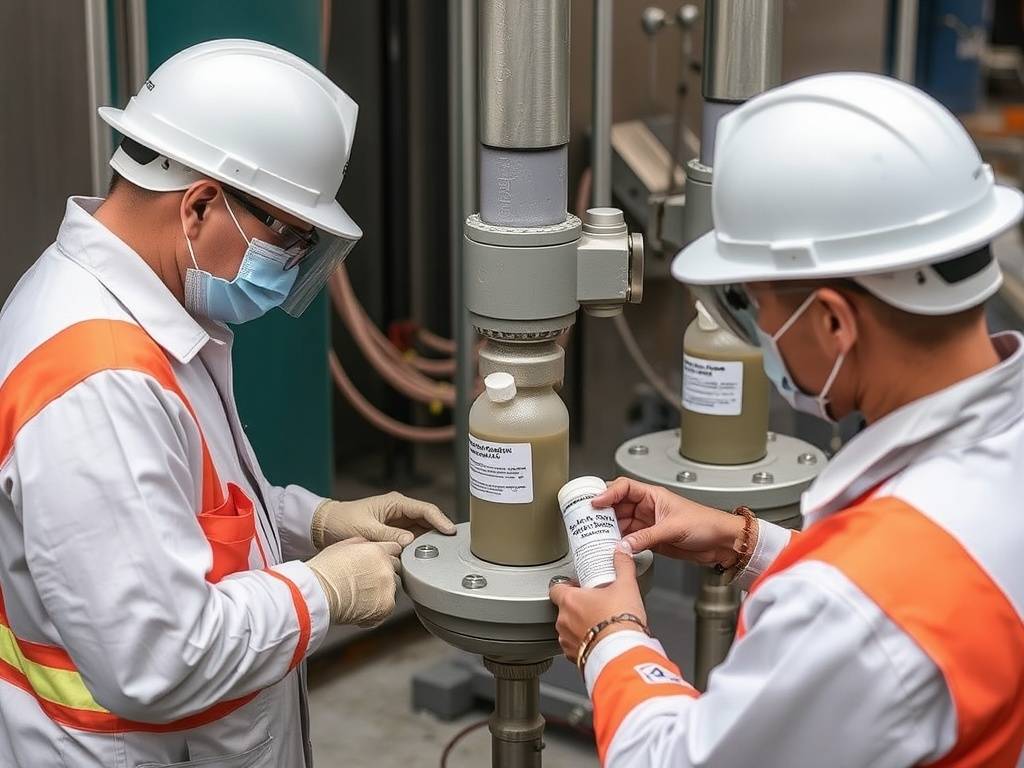
Local Manufacturing Allowed Faster Market Control
Once the reformulated inhibitor system was finalised, the Queensland supplier moved into local production.
Importantly, they did not immediately invest in large-scale manufacturing infrastructure.
Instead, they partnered with an Australian contract manufacturer to produce the formulation under their own private label.
This approach allowed them to:
- Launch faster
- Avoid large capital investment
- Reduce manufacturing risk
- Maintain formulation flexibility
- Scale production gradually
- Focus on market growth and customer relationships
For many Australian SMEs, combining reverse engineering with contract manufacturing is the fastest path to launching a competitive specialty chemical product.
Existing Customers Transitioned Smoothly Because the Benchmark Was Familiar
One of the key reasons the rollout succeeded was customer familiarity.
The end users already trusted the performance profile of the original imported product.
The new locally branded inhibitor was introduced gradually through:
- Comparative field trials
- Controlled dosage testing
- Existing maintenance programs
- Side-by-side performance evaluations
Because the product was benchmarked against a familiar chemistry platform, adoption resistance was relatively low.
The Queensland supplier successfully launched its own water treatment chemical line while maintaining existing customer relationships.
That would have been significantly more difficult using an entirely experimental formulation developed from scratch.
More Australian Chemical Suppliers Are Moving Toward Product Ownership
Across Australia, many industrial chemical distributors are realising the risks of relying completely on imported specialty chemicals.
If overseas manufacturers change distribution models, increase prices, or experience supply disruptions, local businesses lose control.
That’s why more Australian companies are now investing in:
- Scale inhibitor reverse engineering
- Corrosion inhibitor formulation analysis
- Water treatment chemical optimisation
- Private-label chemical manufacturing
- Product benchmarking
- Local manufacturing partnerships
The goal is not simply imitation.
The goal is accelerating commercial product development with lower cost, lower risk, and greater market control.
That is exactly where Labsure’s reverse engineering and formulation analysis services provide major value.
Need Help Developing Your Own Water Treatment Chemical Product?
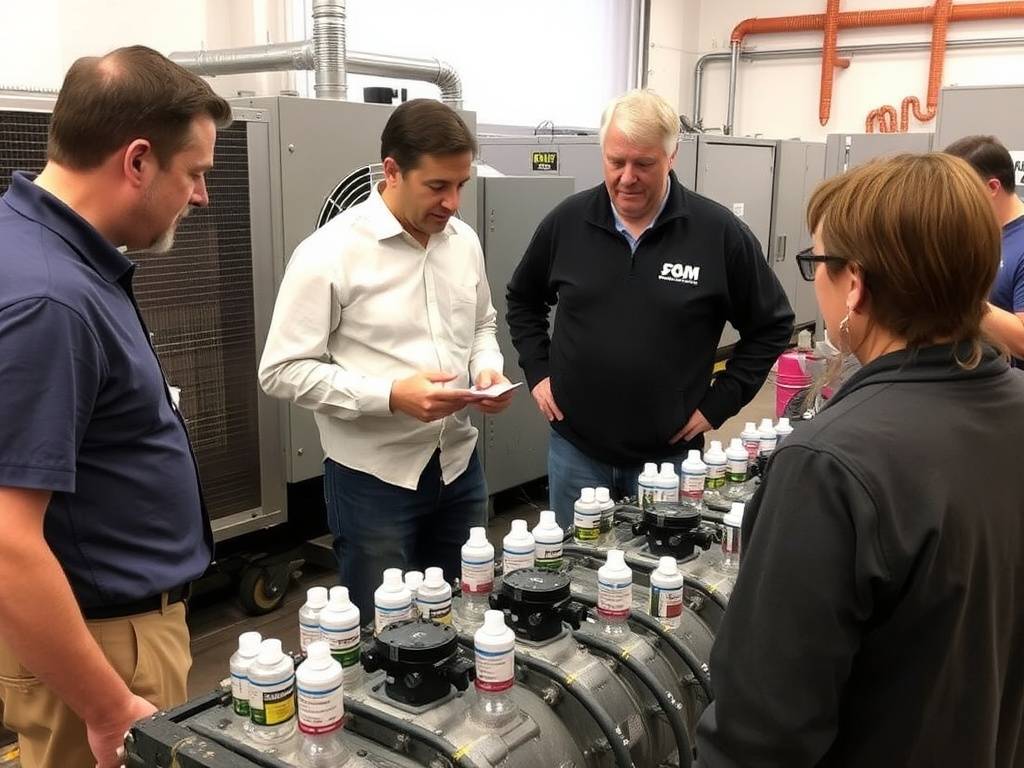
If you are currently importing or distributing water treatment chemicals but want to develop your own branded products, Labsure can help.
We provide:
- Scale inhibitor formulation analysis
- Corrosion inhibitor reverse engineering
- Ingredient identification and compositional profiling
- Performance benchmarking
- Cost-down optimisation
- Product reformulation support
- Local manufacturing guidance
- Commercial formulation development
Explore our services:
- Chemical Reverse Engineering Services
- Reverse Engineering & Formula Reconstruction
- Labsure Technical Capabilities
Contact Labsure
🌐 www.labsure.com.au
📧 info@labsure.com.au
Whether you want to benchmark a water treatment formulation, optimise scale-control performance, or launch your own private-label inhibitor product, Labsure helps Australian suppliers move from dependency to ownership — faster, safer, and with significantly lower development risk.