In the demanding environment of Australian workshops, factories, and heavy equipment yards, floor cleaners and industrial degreasers are essential tools. Oil, grease, hydraulic fluid, and metal shavings build up fast, creating safety hazards and maintenance headaches. For many industrial cleaning companies, relying on imported premium brands was once the easiest route. But when customer expectations shift and foreign suppliers won’t adapt, that dependency becomes a major limitation.
This case explores how one Queensland-based industrial cleaning products distributor successfully transitioned from selling an established imported workshop floor cleaner to launching their own optimised, locally produced alternative. Facing repeated feedback from mechanics, fleet operators, and manufacturing clients, they turned to reverse engineering and formulation analysis with Labsure to decode the product, refine it for real Australian conditions, and bring it to market under their own brand.
The result? Faster development, lower costs, better performance, and full control over their product line.
If you supply cleaning chemicals to workshops, mining operations, transport depots, or manufacturing facilities across Brisbane, the Gold Coast, or regional Queensland, this story offers a practical roadmap for taking back control of your formulations.
The Growing Frustrations with Imported Floor Cleaners in Queensland Industry
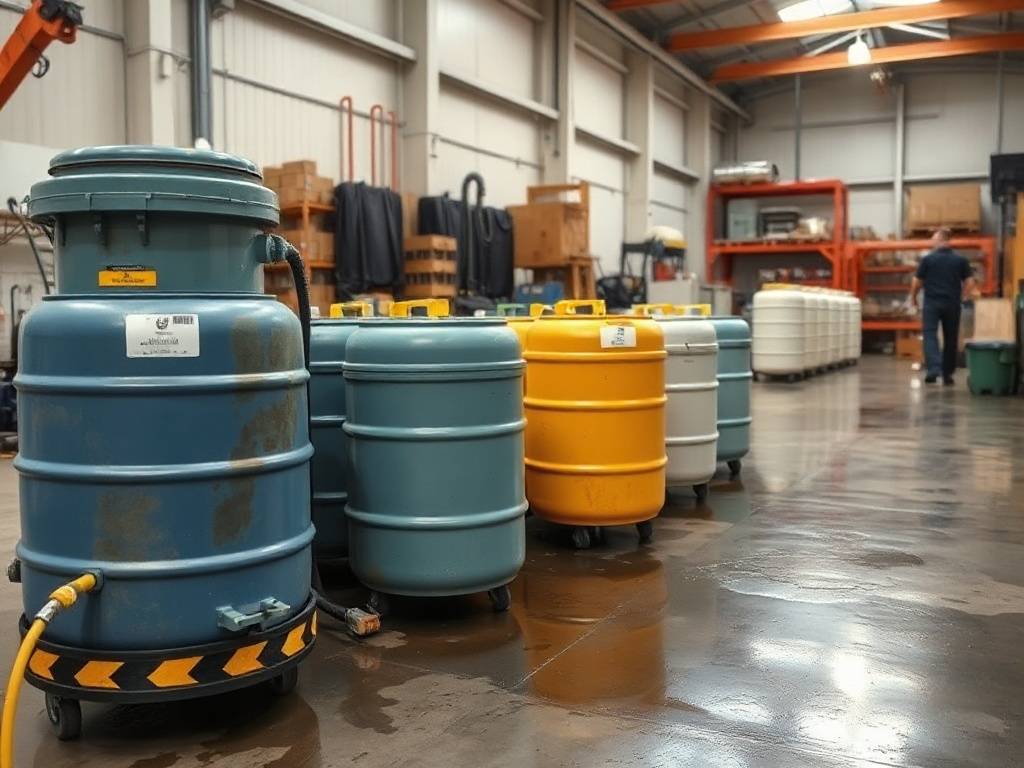
Queensland’s industrial sector is tough on cleaning products. High humidity in coastal areas, red dust in the west, and constant heavy machinery use mean floors get contaminated quickly. Mechanics and plant managers need degreasers that cut through thick oily soils fast, rinse cleanly without leaving slippery residues, and don’t fill workshops with overpowering solvent odours.
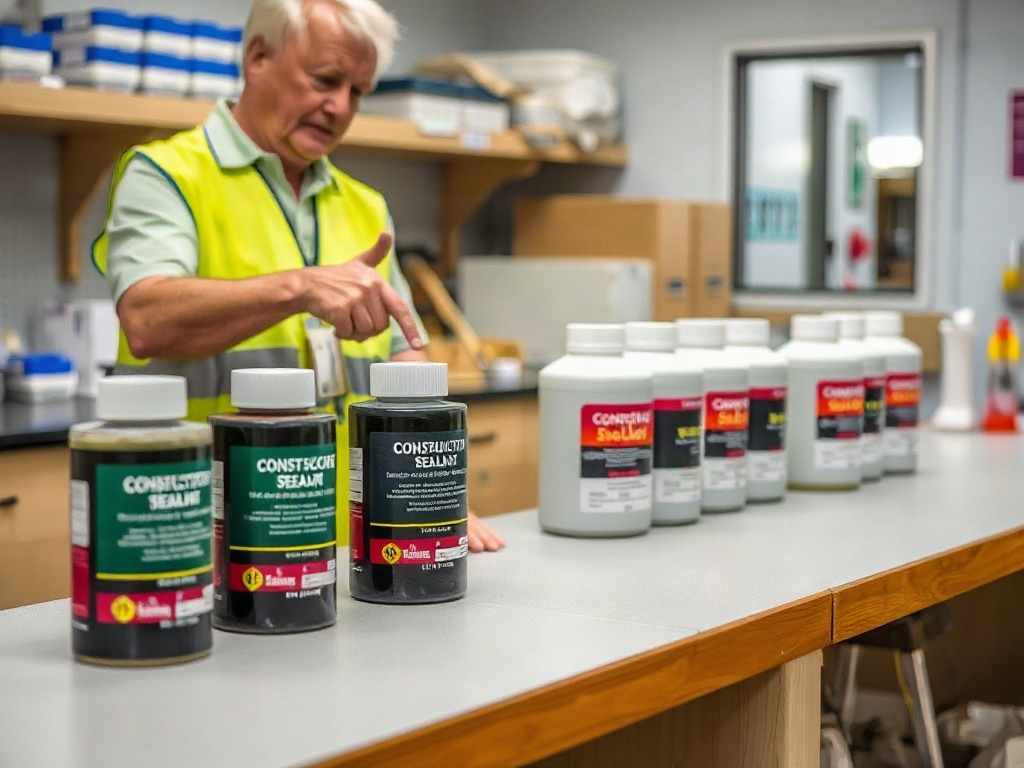
For several years, the Queensland company had built a solid business distributing a well-known imported alkaline floor degreaser. It performed reasonably well and carried brand recognition that helped sales. But over time, consistent customer feedback revealed emerging pain points that the overseas manufacturer simply wasn’t interested in addressing:
- Residue issues on polished concrete and epoxy-coated floors common in modern Queensland workshops.
- Strong solvent odours that lingered in poorly ventilated areas, raising worker comfort and health concerns.
- Inconsistent performance in hard water conditions prevalent in parts of SEQ and regional centres.
- Desire for better biodegradability and lower environmental impact to meet increasingly strict workplace and council requirements.
- Need for improved cling and dwell time on vertical surfaces like machinery bases and pit walls.
When the distributor raised these issues with the foreign supplier, the response was limited. “Take it or leave it” was the underlying message. Price increases and longer shipping times from overseas compounded the problem. Supply chain disruptions in 2023–2024 made stock unreliable, affecting their ability to service regular clients in mining, transport, and automotive repair sectors.
The decision was made: it was time to develop their own formulation. But starting from scratch carried high risks — months of trial and error, wasted batches, potential performance failures on real job sites, and significant upfront costs. That’s when they contacted Labsure for a smarter approach.
Why Reverse Engineering Made Sense for Industrial Floor Degreasers
Workshop floor cleaners and heavy-duty degreasers are sophisticated chemical systems. A typical effective formula balances several key components:
- Alkaline builders (such as sodium hydroxide, potassium hydroxide, or silicates) for saponification of grease.
- Surfactants (anionic, non-ionic, and amphoteric blends) for emulsification and soil lifting.
- Solvents (glycol ethers, terpenes, or hydrocarbon types) for dissolving oily residues.
- Anti-redeposition agents and chelators to prevent soils from settling back onto surfaces.
- Corrosion inhibitors to protect metal floors, equipment, and drains.
- Fragrance masking agents and pH buffers for user acceptance and stability.
Misjudging any of these interactions can lead to poor cleaning power, excessive foaming in scrubber machines, slippery residues, or rapid phase separation in concentrate form. In Queensland’s variable climate, thermal stability and hard water tolerance become even more critical.
Labsure’s expertise in industrial cleaning reverse engineering provided the technical foundation needed to decode a proven product and improve upon it without reinventing the chemistry from zero.
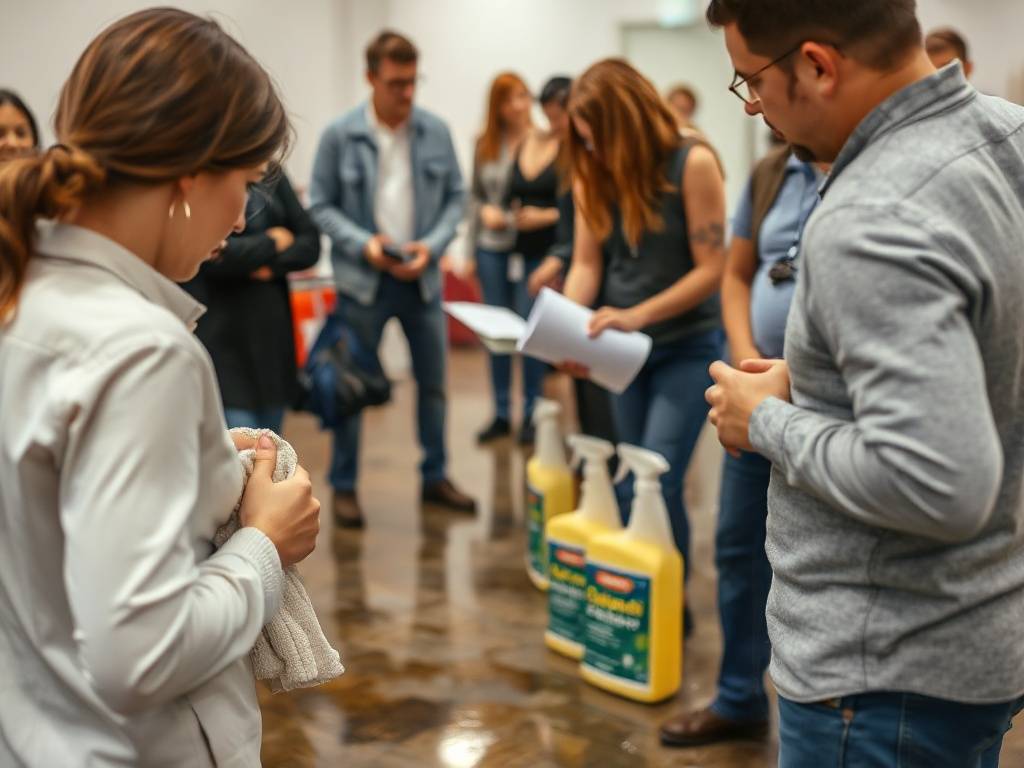
The Reverse Engineering Process: From Imported Sample to Detailed Formulation Blueprint
The company supplied blind samples of their current imported floor degreaser, along with two popular competitor products used by workshops around Brisbane and the Sunshine Coast. Labsure’s laboratory team in Queensland handled the analysis with full confidentiality.
The process delivered clear, actionable insights:
- Precise identification of the surfactant package and how different types contributed to grease cutting versus rinsing.
- Breakdown of the alkaline builder system and its strength versus surface compatibility.
- Solvent composition analysis, including ratios that affected odour and flash point.
- Functional mapping of anti-redeposit polymers and chelating agents.
- Stability and performance factors relevant to Australian hard water and temperature swings.
The comprehensive report went beyond a simple ingredient list. It explained the why behind the formulation choices — for example, how specific surfactant ratios achieved excellent oil emulsification while minimising residue on sealed concrete. It also highlighted areas where the original product was over-specified, driving up costs unnecessarily.
This intelligence arrived in a matter of weeks, giving the distributor a proven starting point rather than months of speculative lab work.
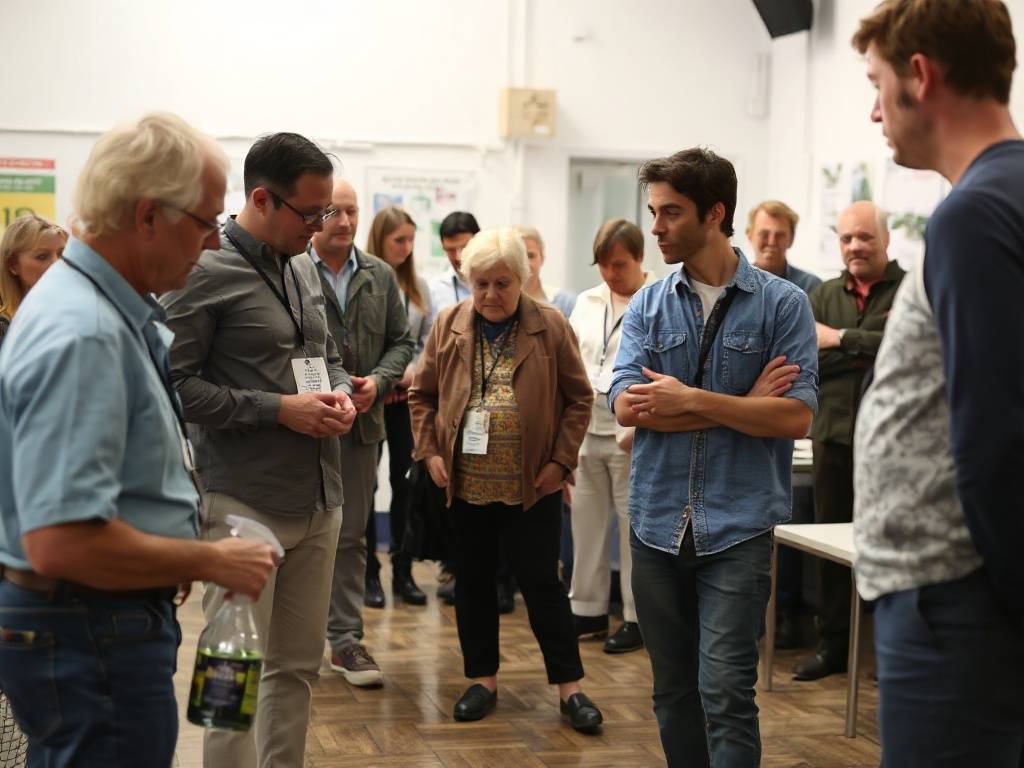
Customising the Formula for Queensland Workshop Realities
Armed with the reverse-engineered data, the team collaborated closely with Labsure on targeted modifications that directly addressed customer feedback:
- Reduced Odour Profile: Swapped certain high-volatility solvents for lower-odour alternatives while maintaining degreasing power — a big win for enclosed workshops and wash bays.
- Improved Residue-Free Rinsing: Enhanced the anti-redeposition system and adjusted pH buffering to leave floors non-slippery, even on smooth epoxy coatings popular in new Queensland facilities.
- Hard Water Tolerance: Strengthened chelating agents to perform consistently with Brisbane and regional water supplies that can vary in mineral content.
- Better Cling and Dwell: Added rheology modifiers for vertical surface application without increasing overall viscosity too much for automatic scrubbers.
- Eco and Safety Enhancements: Incorporated more biodegradable surfactants and reduced reliance on harsher alkalis where possible, helping clients meet environmental and WHS expectations.
- Cost Optimisation: Identified local Australian raw material equivalents that lowered production costs by an estimated 22-28% at scale without compromising core performance.
Labsure provided practical guidance on batch production parameters, quality control testing (including soil removal efficiency, rinseability, and stability), and scale-up considerations suitable for toll manufacturers in South East Queensland.
Because they started from a market-validated base formula, the refinement phase progressed efficiently and with minimal trial-and-error waste.
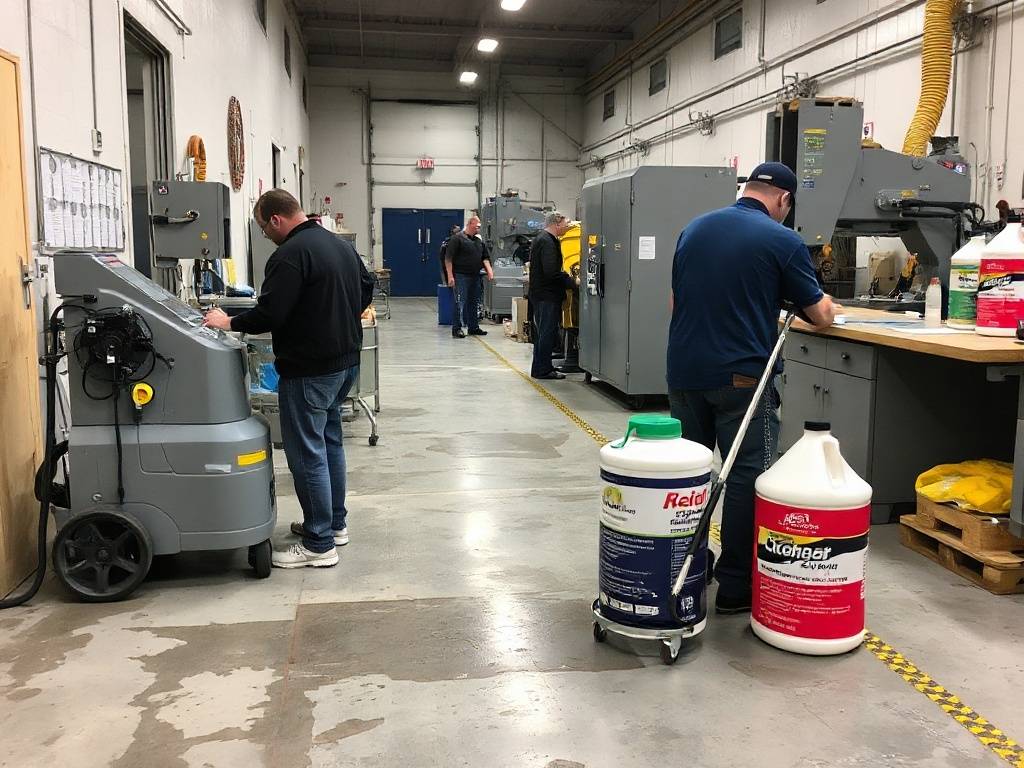
From Analysis to Branded Product Launch
Within five months of the initial sample submission, the company successfully produced and launched their own workshop floor cleaner under a new private brand. Marketed as a heavy-duty industrial degreaser concentrate, it was positioned as “Queensland-formulated for Australian workshops” — emphasising local performance, better value, and responsiveness to real user needs.
Tangible Outcomes:
- Dramatically shorter timeline: Traditional full custom development might have taken 12–18 months with higher uncertainty. The reverse engineering route delivered a market-ready product in under half a year.
- Significant cost savings: Lower raw material expenses plus reduced R&D spend meant better margins while offering competitive pricing to customers.
- Strong customer adoption: Early users in mechanics workshops, truck fleets, and manufacturing plants reported faster cleaning times, less residue, and noticeably milder odours. Repeat orders came quickly.
- Supply chain independence: No more vulnerability to import delays or overseas price hikes. They could adjust the formula promptly when new feedback arrived or regulations changed.
- Brand differentiation: The product became a flagship item, strengthening relationships with existing clients and helping win new accounts who preferred dealing with a local, adaptable supplier.
- Lower commercial risk: Performance was predictable from day one because the core architecture was already proven in similar applications.
The distributor has since expanded the range with complementary products like citrus-based maintenance cleaners and concentrated truck wash formulations, all built on the same foundation of detailed formulation knowledge.
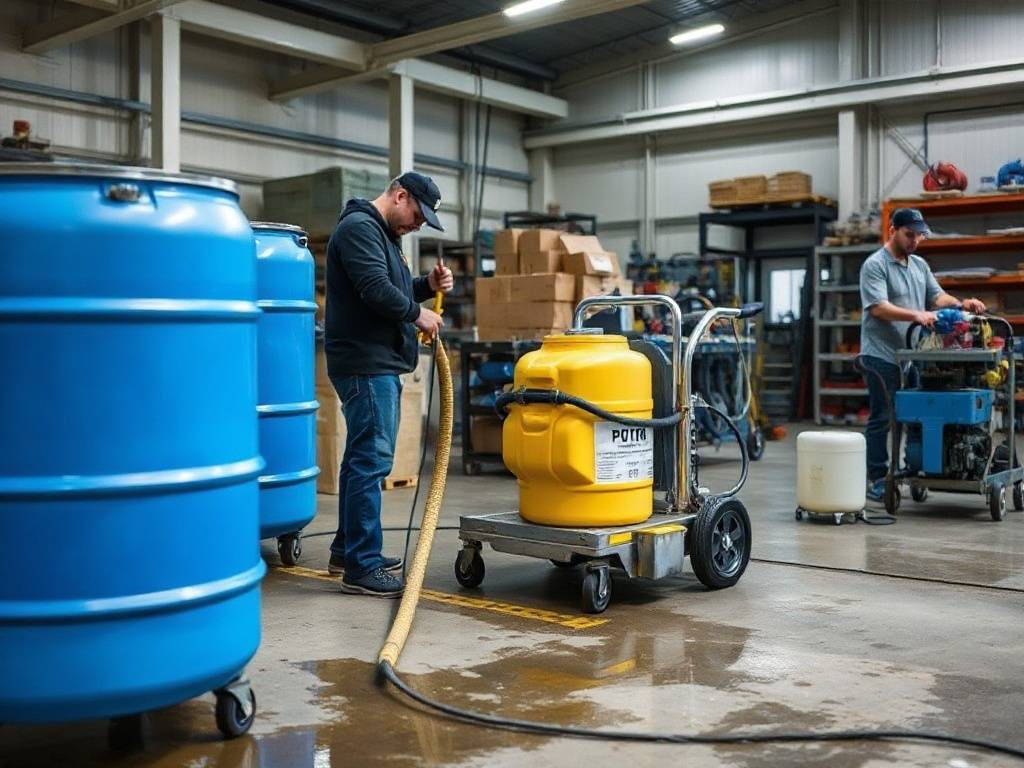
The Technical Reality of Effective Industrial Degreasers
For those managing workshop cleanliness, understanding what separates average degreasers from truly effective ones is important. Alkaline degreasers work primarily through saponification — turning fats and oils into soaps that rinse away. However, modern lubricants and synthetic hydraulic fluids require strong surfactant support and appropriate solvents to break them down properly.
Common formulation pitfalls include:
- Overly aggressive alkalis that damage concrete or leave white residues.
- Poor surfactant balance causing excessive foam in floor scrubbers.
- Solvent choices that create strong VOC emissions or flammability concerns.
- Inadequate anti-redeposition agents leading to redeposited grime that attracts more dirt.
Labsure’s industrial cleaning formulation analysis helped the Queensland company avoid these issues by providing deep visibility into functional interactions.
This level of insight is particularly valuable in Queensland, where dust, humidity, and diverse industrial operations create unique cleaning challenges.
Strategic Benefits of Reverse Engineering for Australian Cleaning Chemical Suppliers
This Queensland case highlights why many industrial suppliers are moving toward localised production through smart analysis:
- Shortest path to market: Start with proven chemistry and iterate rather than guess.
- Lowest development costs: Cut down on wasted raw materials and repeated testing cycles.
- Minimum risk: Enter the market with confidence backed by data, not hope.
- True local optimisation: Adapt formulas for Australian water quality, climate, substrates, and regulations.
- Ongoing flexibility: Easily refine the product as customer needs or raw material availability changes.
In an industry where margins can be tight and client expectations high, this approach delivers real competitive advantage.
Lessons Learned for Industrial Cleaning Businesses Across Australia
Even without naming the specific company, several clear takeaways emerge for similar operations:
- Listen closely to your customers — Recurring complaints signal opportunities for differentiation that overseas suppliers often ignore.
- Imported brands have limits — When they won’t adapt, it’s time to take control.
- Data beats guesswork — Reverse engineering removes the black box and accelerates informed decisions.
- Local production wins loyalty — Clients prefer suppliers who understand their exact conditions and can respond quickly.
- Scalability matters — Focus on formulations that work in both concentrate and ready-to-use forms for different workshop sizes.
Many businesses in mining support, transport, and general manufacturing are now exploring similar strategies to build more resilient product lines.
How Labsure Supports Industrial Cleaning Innovation in Australia
Labsure has helped numerous Australian companies in the cleaning sector move from dependency to independence. Their services are particularly strong in areas like heavy-duty degreasers, workshop cleaners, and specialised industrial detergents.
Whether you need full deformulation, targeted optimisation, or guidance on scaling production, their independent lab approach focuses on practical, commercially relevant outcomes.
Ready to Take Control of Your Workshop Floor Cleaner and Degreaser Range?
If you’re an industrial cleaning supplier, workshop equipment distributor, or facilities maintenance provider in Queensland — or anywhere across Australia — and you’re tired of inflexible imported products, Labsure offers a low-risk way forward.
Explore their most relevant services for your sector:
- Industrial Cleaning Reverse Engineering & Formulation Analysis
- Chemical Reverse Engineering Services Australia
- Heavy Duty Degreaser & Workshop Cleaner Formulation Insights
- Detergent & Cleaner Reverse Engineering Case Studies
- Reducing R&D Costs Without Sacrificing Quality – Practical Guide for SMEs
- Formulation Analysis for Manufacturers
- How Australian Companies Develop Local Industrial Cleaning Products
Contact Labsure today for a confidential discussion about your floor cleaner or degreaser project. Their team will help you understand exactly what’s possible with your current products or new ideas.
- Phone: 1300 508 536
- Email: info@labsure.com.au
- Website: labsure.com.au/contact-us/