Australia’s mining industry is under increasing pressure to improve recovery rates, reduce operational costs, and secure more reliable local chemical supply chains. In Western Australia especially, flotation reagent suppliers face a difficult challenge: mining clients demand site-specific flotation performance, but imported frothers often fail to adapt well across different ore bodies and process conditions.
For one Western Australian mining chemical supplier, this problem became a major commercial opportunity.
Instead of continuing to distribute generic imported flotation frothers that only partially satisfied client requirements, the company decided to develop its own locally manufactured frother system — tailored specifically for Australian mineral processing conditions.
The challenge?
They had no in-house formulation laboratory, no flotation chemistry R&D department, and no practical way to spend years developing a reagent from scratch.
This is where Labsure became involved.
Through targeted flotation reagent reverse engineering, formulation analysis, and optimisation support, the company was able to:
- Identify the active chemistry behind a high-performing imported frother
- Understand why the product worked well in some ore systems but poorly in others
- Modify the formulation architecture for local mine conditions
- Reduce dependence on overseas suppliers
- Launch a locally manufactured flotation frother product under its own brand
Most importantly, they achieved commercial-scale production with substantially lower development cost, lower technical risk, and significantly faster time-to-market compared with conventional reagent R&D pathways.
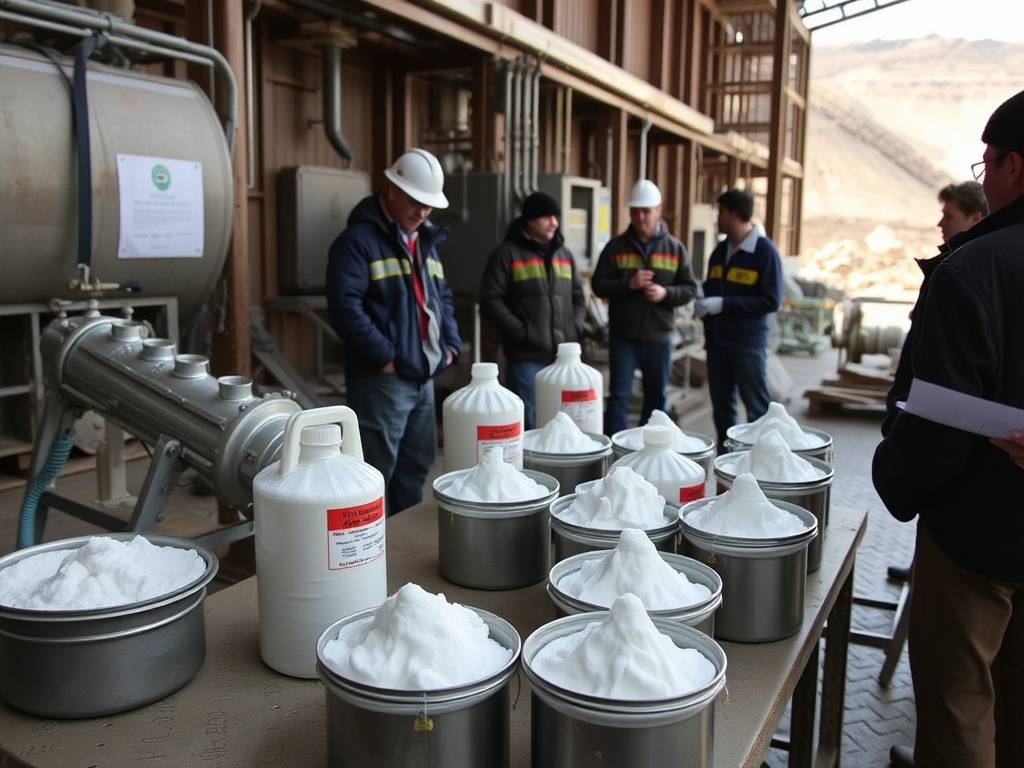
The Real Problem Facing Mining Chemical Suppliers in Australia
Many mining chemical distributors in Australia operate under a difficult business model.
They import flotation reagents from overseas manufacturers, sell them into mines, and compete largely on price. But once a mining client begins experiencing unstable recovery, excessive froth persistence, entrainment problems, or inconsistent bubble behaviour, suppliers often have limited ability to modify the chemistry itself.
The Western Australian company featured in this case faced exactly this issue.
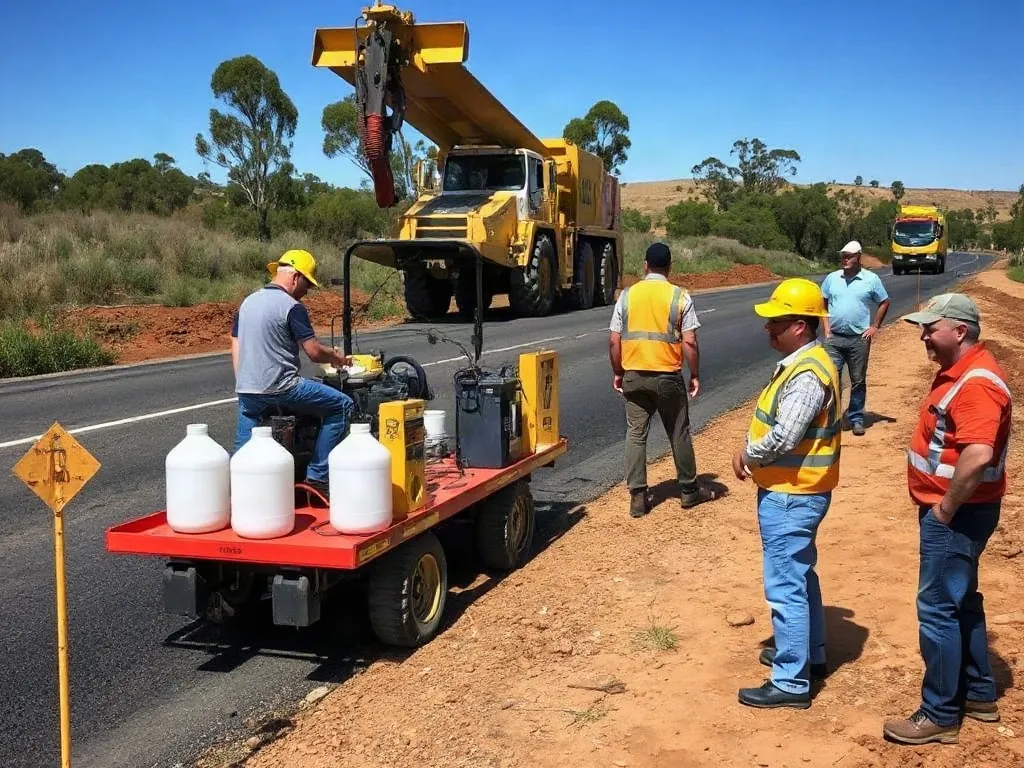
Their customers included:
- Copper flotation operations
- Gold processing plants
- Sulphide ore concentrators
- Mixed ore systems with changing mineralogy
- Operations dealing with variable water chemistry and seasonal process instability
The imported frother they distributed performed reasonably well in some plants. However, in other operations, clients reported:
- Froth becoming excessively persistent
- Poor selectivity under high slurry variability
- Bubble instability at certain dosages
- Reduced flotation efficiency in fine particle systems
- Inconsistent metallurgical recovery between ore batches
These issues are extremely common in flotation operations because frother chemistry directly affects:
- Bubble size distribution
- Froth stability
- Air dispersion
- Particle attachment
- Recovery kinetics
- Water recovery behaviour
Research consistently shows that frother chemistry and concentration strongly influence flotation cell performance and metallurgical outcomes.
The supplier realised that merely reselling imported chemistry would never give them long-term competitive advantage.
They needed their own flotation reagent technology.
Why Developing a Flotation Frother from Scratch Is Difficult
Many mining suppliers underestimate how difficult flotation reagent development actually is.
Commercial frothers are rarely simple single-component chemicals. Most industrial flotation frothers contain carefully balanced combinations of:
- Alcohol-based frothers
- Glycol ethers
- Polypropylene glycol derivatives
- Co-frothing agents
- Solubility modifiers
- Stabilisation systems
- Performance-adjustment additives
Even small formulation changes can dramatically alter flotation behaviour.
A frother that works well in copper flotation may perform poorly in gold systems. A reagent optimised for high recovery may create unacceptable entrainment. Another may create overly persistent froth that reduces downstream efficiency.
The WA supplier initially considered building an internal formulation team, but quickly encountered several problems:
1. Long Development Timelines
Traditional flotation reagent development can require years of iterative testing.
2. High Technical Risk
Without understanding the chemistry behind existing successful products, formulation attempts become largely trial-and-error.
3. Expensive Pilot Testing
Repeated flotation trials consume large amounts of ore samples, plant time, chemicals, and technical labour.
4. Raw Material Selection Challenges
Many frother systems use specialised intermediates or proprietary blends that are difficult to identify without advanced analytical capability.
5. Uncertain Commercial Outcomes
Even technically functional products may fail economically if raw material costs or production complexity become excessive.
The supplier needed a faster and more commercially realistic pathway.
Using Reverse Engineering to Accelerate Flotation Reagent Development
Instead of beginning with theoretical formulation design, the company decided to reverse engineer a commercially successful frother already accepted by the market.
This strategy is becoming increasingly common across the Australian mining chemical sector because it dramatically reduces development uncertainty.
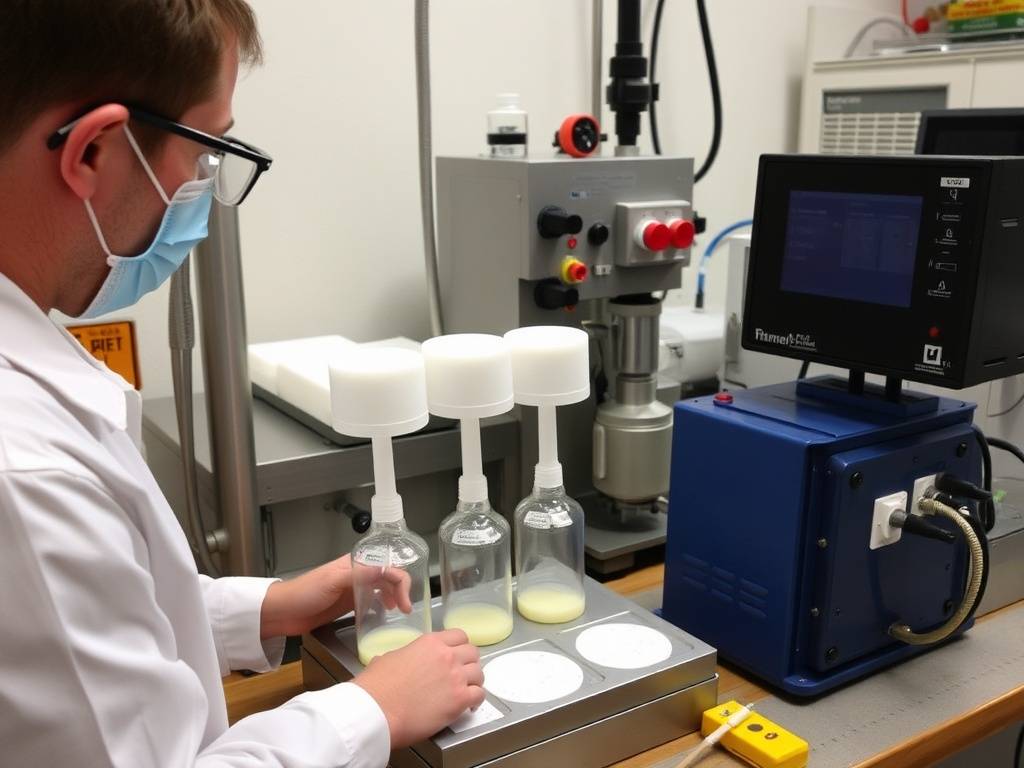
Through Flotation Reagent Reverse Engineering Services, Labsure conducted a detailed formulation investigation into the benchmark frother.
The project included:
- Qualitative composition analysis
- Active component identification
- Frother system mapping
- Solvent and glycol profiling
- Functional additive investigation
- Relative compositional estimation
- Performance-oriented formulation interpretation
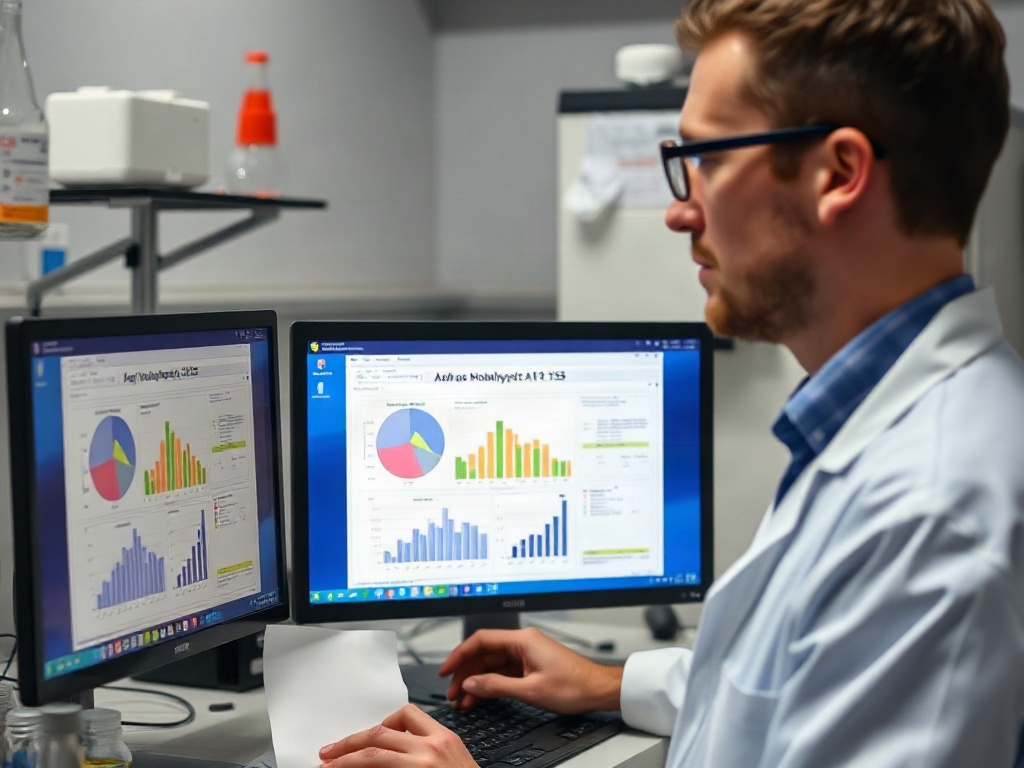
Using advanced analytical techniques including GC-MS, FTIR, and targeted compositional profiling, Labsure identified the likely functional architecture behind the imported reagent.
Importantly, the objective was not simply to “copy” a competitor product.
The real goal was to understand:
- Why the reagent performed well
- Which components controlled froth stability
- Which ingredients influenced selectivity
- Which parts of the formulation created operational limitations
- Which variables could be modified for Australian mine conditions
This distinction is critical.
Successful mining chemical development is rarely about direct duplication. It is about using formulation intelligence to accelerate innovation.
Identifying Why the Existing Frother Failed in Some Ore Systems
One of the most valuable outcomes of the reverse engineering project was understanding why the imported frother produced inconsistent results across different mining clients.
Labsure’s analysis revealed that the benchmark product had been optimised primarily for stable sulphide flotation systems with relatively controlled water chemistry.
However, several Australian mining operations using the reagent experienced:
- High clay content
- Variable mineral liberation
- Changing water salinity
- Fine particle recovery challenges
- Seasonal process fluctuations
The original frother chemistry generated excessive froth persistence under some of these conditions.
This created operational problems such as:
- Difficult froth management
- Increased gangue entrainment
- Reduced concentrate grade
- Slower downstream processing
By understanding the formulation structure, the supplier was finally able to see why plant performance varied so dramatically between customers.
This transformed the discussion from “the product sometimes works” into a technically informed optimisation strategy.
Reformulating the Frother for Australian Mining Conditions
Once the functional chemistry was understood, the next step was formulation optimisation.
Through Chemical Reverse Engineering & Formulation Support, the supplier worked on modifying the reagent system for better adaptability across multiple flotation environments.
The optimisation strategy focused on:
Improving Bubble Stability Control
The original frother created overly persistent froth under certain process conditions. The revised formulation adjusted froth persistence while maintaining recovery efficiency.
Improving Dosage Flexibility
Mining operations rarely maintain perfectly stable process conditions. The new system aimed to perform consistently across wider dosage ranges.
Reducing Sensitivity to Water Chemistry
Australian mines often experience changing water quality conditions, particularly in remote regions. Reformulation improved robustness under variable ionic environments.
Improving Local Raw Material Availability
Several imported formulation components were replaced with more commercially accessible alternatives suitable for Australian supply chains.
Reducing Production Cost
The new formulation architecture improved manufacturing economics without sacrificing flotation performance.
This is where reverse engineering provides enormous commercial value.
Without understanding the original chemistry, optimisation becomes blind experimentation. With formulation intelligence, development becomes targeted engineering.
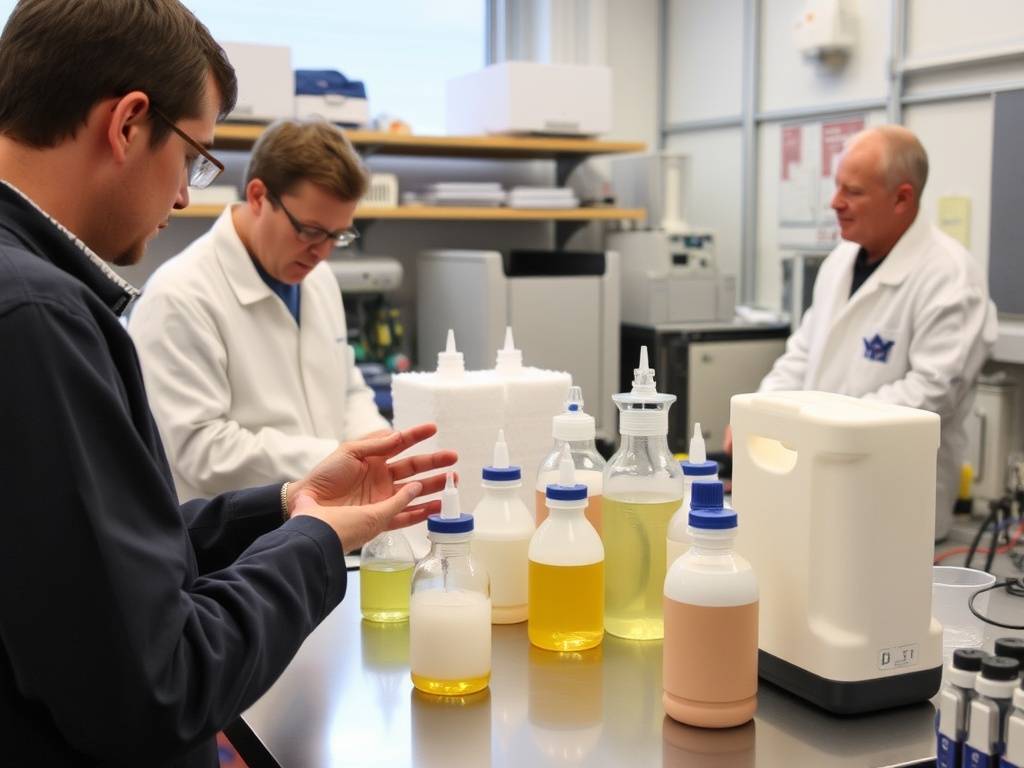
Why Local Manufacturing Became a Major Competitive Advantage
As global supply chains became increasingly unstable, the supplier recognised another opportunity:
Australian mines increasingly prefer reliable local supply over uncertain international shipping timelines.
By developing a locally manufacturable frother, the company gained several strategic advantages:
- Faster supply turnaround
- Greater inventory control
- Reduced import dependency
- Improved customer confidence
- Better responsiveness to mine-specific requirements
- Stronger technical positioning against pure distributors
For mining operations, reagent reliability is critical.
Even short-term supply interruptions can impact flotation recovery and plant profitability.
The supplier’s ability to offer locally controlled production became a major selling point — particularly for regional WA mining operations.
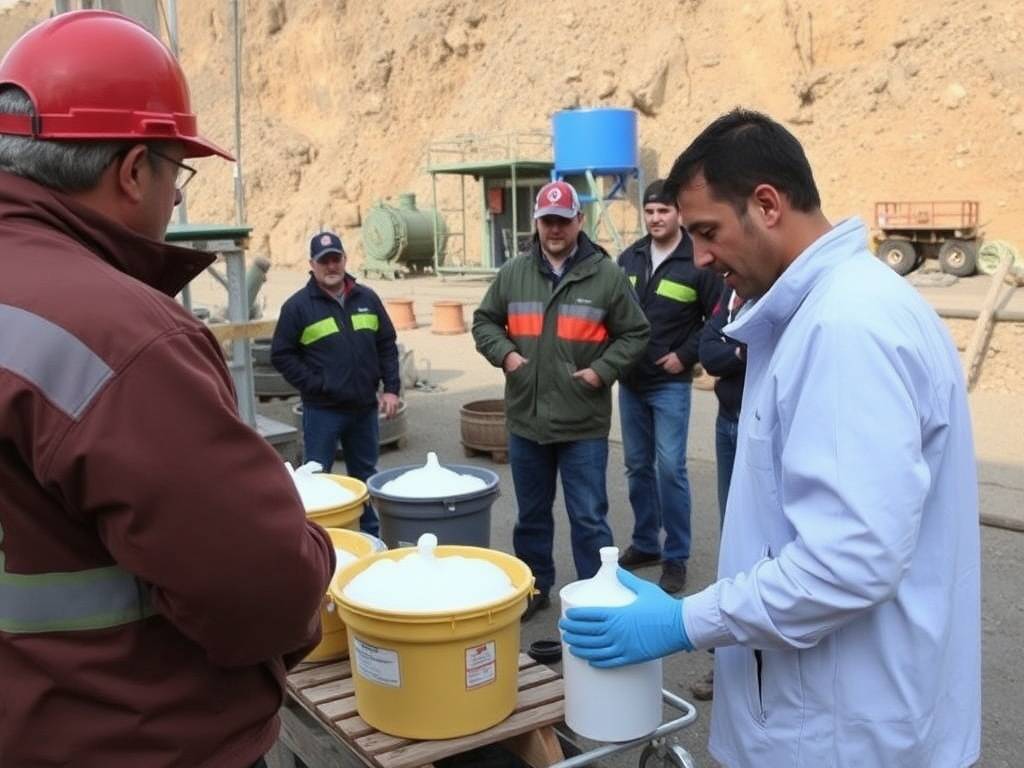
The Commercial Outcome
Within months, the supplier moved from being a basic reagent reseller to operating as a technically differentiated flotation chemical brand.
The final outcome included:
- A proprietary flotation frother system
- Local manufacturing capability
- Improved technical credibility with mining clients
- Faster product adaptation capability
- Better margins compared with imported distribution
- Reduced dependence on overseas suppliers
Most importantly, the company avoided the enormous time and cost burden associated with conventional reagent R&D.
Instead of years of uncertain development, they leveraged reverse engineering and targeted formulation optimisation to accelerate commercialisation.
This development pathway dramatically reduced:
- Technical uncertainty
- Raw material experimentation
- Pilot testing failures
- Development cost
- Time-to-market risk
For many Australian mining chemical suppliers, this approach represents a far more commercially practical strategy than building large internal research teams from scratch.
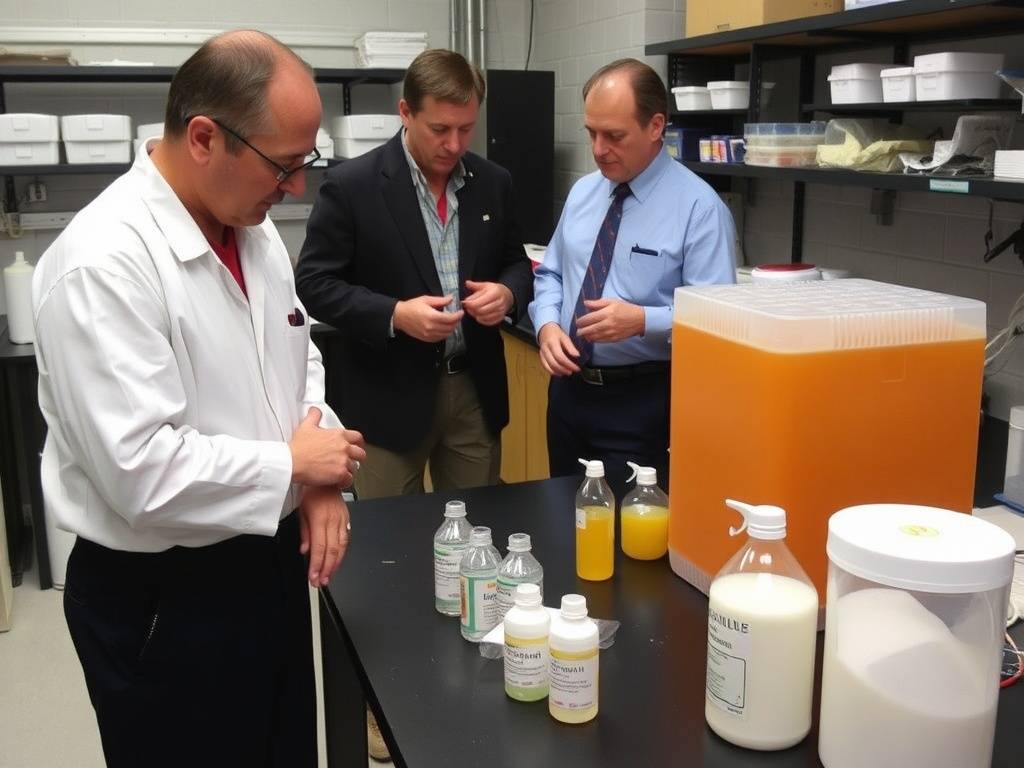
Why More Australian Mining Suppliers Are Using Formulation Intelligence
The mining chemical sector is changing rapidly.
Increasingly, Australian suppliers are recognising that formulation intelligence can provide faster commercial advantage than traditional R&D models alone.
At Labsure’s About Page, the company explains its role as a formulation intelligence partner for businesses that need technical capability without building full internal laboratories.
This model is especially attractive for SMEs because it allows companies to:
- Benchmark imported reagents
- Understand competitor chemistry
- Optimise formulations for local conditions
- Improve manufacturing economics
- Reduce development risk
- Accelerate product launch timelines
For mining suppliers competing against larger multinational chemical companies, speed and flexibility often matter more than massive internal infrastructure.
Flotation Reagent Development Is No Longer Limited to Large Corporations
Historically, advanced flotation reagent development was dominated by multinational chemical manufacturers with large research budgets.
That is changing.
With modern analytical chemistry and formulation reverse engineering, smaller Australian mining suppliers can now:
- Decode high-performing reagent systems
- Understand functional ingredient interactions
- Adapt chemistry for local ore conditions
- Build proprietary products faster
- Manufacture locally
- Create technically differentiated offerings
For many mining suppliers, this represents one of the fastest pathways to improving both profitability and market positioning.
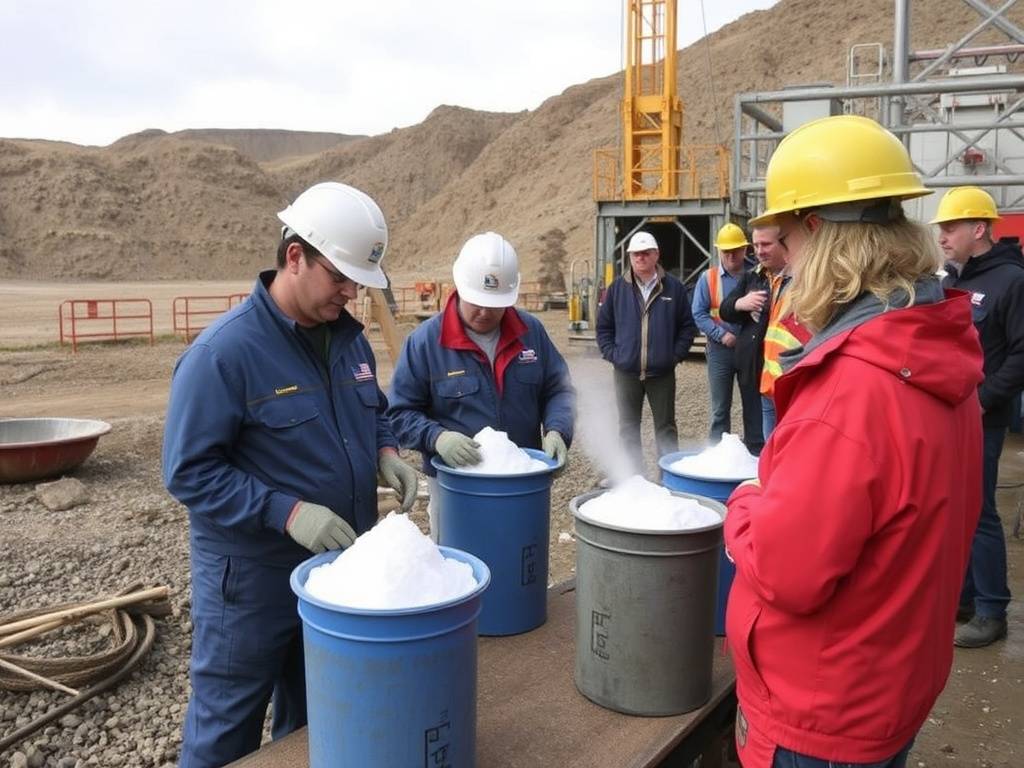
Looking to Develop or Optimise a Mining Flotation Reagent?
If you are supplying flotation chemicals into Australian mining operations and facing challenges such as:
- Imported reagent limitations
- Inconsistent flotation performance
- Mine-specific adaptation requirements
- High reagent costs
- Long overseas lead times
- Lack of internal formulation capability
- Competitor benchmarking
- Frother or collector optimisation
Labsure provides advanced flotation reagent reverse engineering and formulation analysis support for Australian mining suppliers.
Services include:
- Frother formulation analysis
- Collector reverse engineering
- Component identification
- Competitor benchmarking
- Raw material profiling
- Formulation optimisation
- Local manufacturing guidance
- Production-oriented formulation support
Explore:
- Flotation Reagent Analysis Services
- Chemical Reverse Engineering Services Australia
- Unknown Substance Analysis & Ingredient Identification
- About Labsure
Contact Labsure
Website: www.labsure.com.au
Email: Contact Labsure
Whether you want to reverse engineer an existing flotation frother, optimise reagent performance for specific ore conditions, or establish your own local mining chemical product line, Labsure can help accelerate development with lower cost, lower risk, and commercially actionable formulation insight.