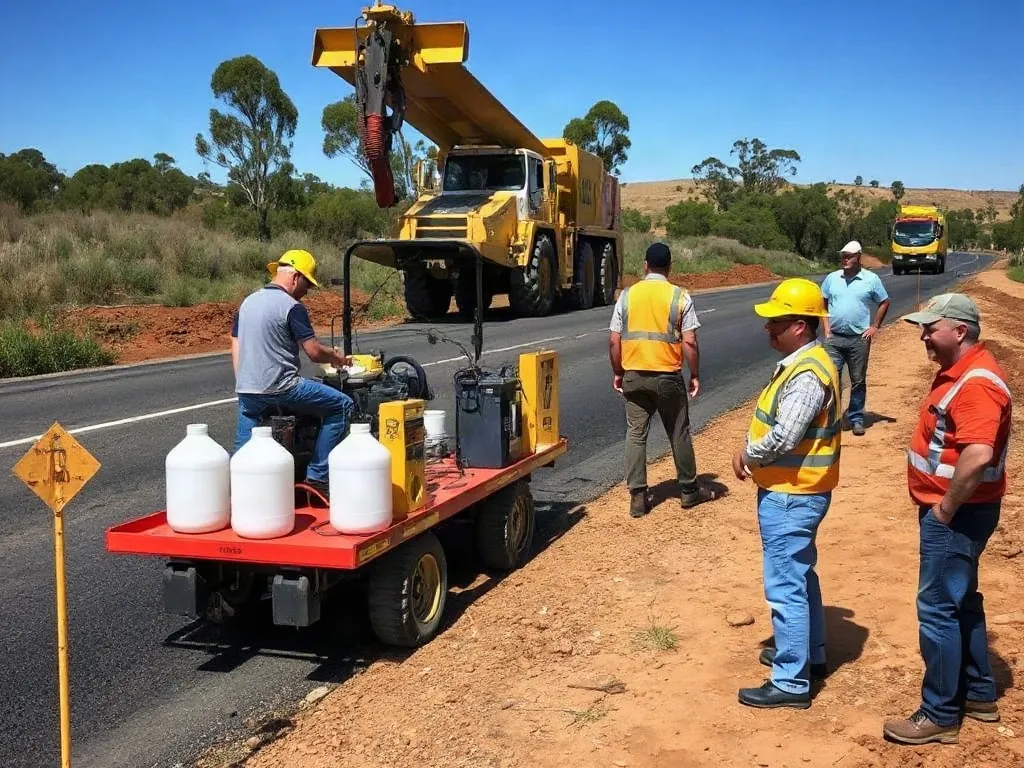
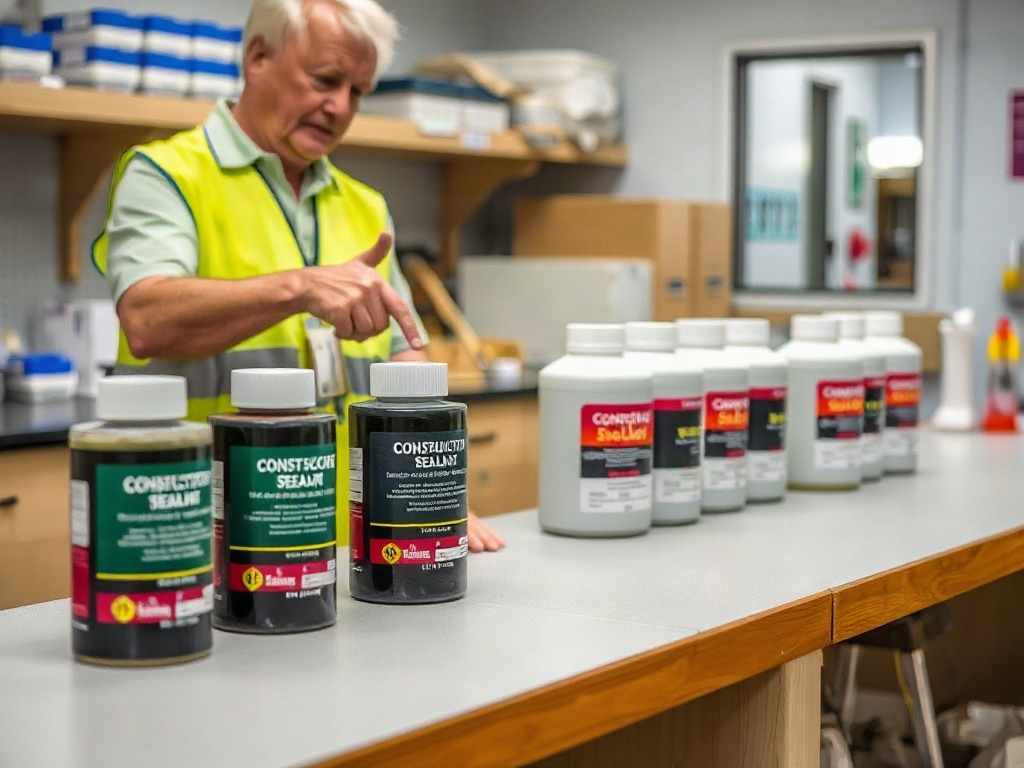
In the variable climate of southern Australia, getting the most out of every herbicide and pesticide spray pass is critical for profitability. Victorian growers face unpredictable weather, resistant weeds, and the constant pressure to reduce input costs while maintaining or improving crop yields. Crop Oil Concentrates (COCs) and Methylated Seed Oils (MSOs) have become essential adjuvants that enhance spray coverage, leaf penetration, and overall herbicide efficacy. Yet many local suppliers remain dependent on imported or proprietary imported blends that don’t always perform optimally under local conditions.
This is the story of how one established agricultural input supplier in regional Victoria moved from reselling a popular overseas emulsified adjuvant to developing, manufacturing, and successfully launching their own branded COC/MSO product. Facing consistent feedback from farmers about suboptimal herbicide performance, they used targeted reverse engineering and formulation optimisation with Labsure to decode a market-leading product, adapt it for Victorian farming realities, and bring a more effective, cost-competitive alternative to market.
The approach delivered results faster, cheaper, and with far less risk than traditional product development — a path that more Australian agribusinesses are now exploring.
If you supply adjuvants, herbicides, or spray additives to broadacre, horticultural, or mixed farming operations across the Wimmera, Gippsland, or the Goulburn Valley, this case offers practical insights into gaining control over your adjuvant range.
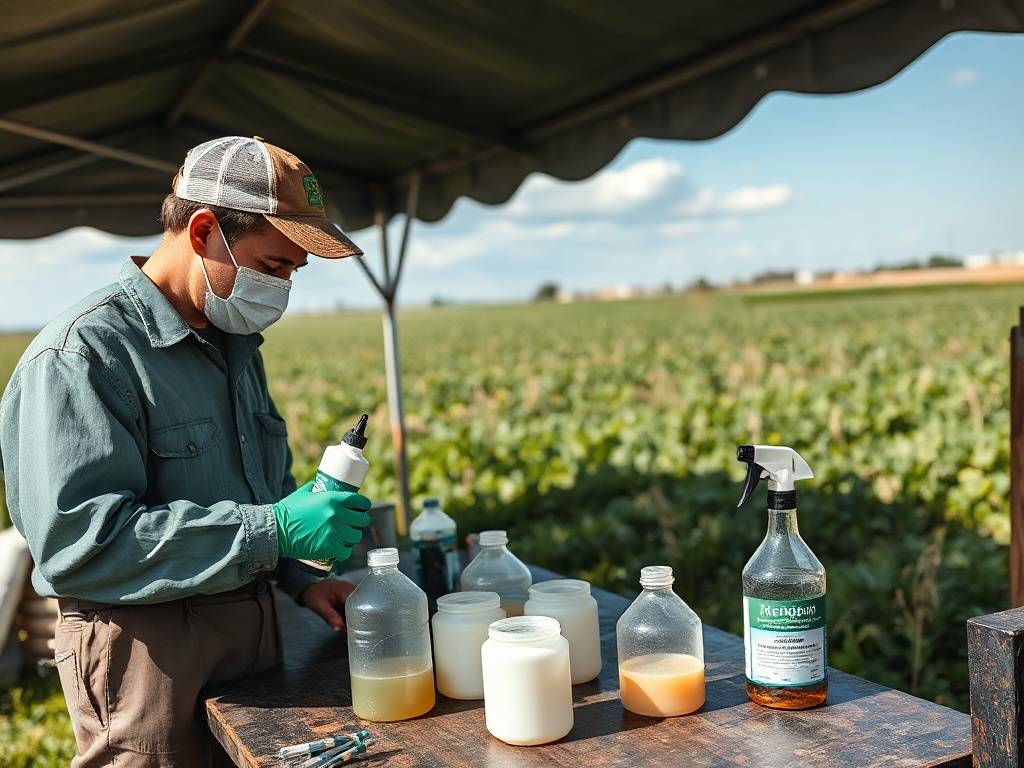
The Challenge: Suboptimal Spray Efficacy and Dependency on Imported Adjuvants
For years, the Victorian company had built a strong business distributing a range of herbicides, insecticides, and fungicides to grain growers, dairy farmers, and vegetable producers. Sales were solid, but recurring feedback from clients highlighted a common frustration: even with careful application, many post-emergent herbicides weren’t delivering the consistent weed control farmers expected.
Issues included:
- Poor adhesion and wash-off during light rain or dew common in Victorian springs.
- Limited penetration through waxy leaf surfaces on difficult weeds like ryegrass or fleabane.
- Inconsistent performance across varying water qualities and temperatures experienced across the state.
- Higher-than-desired application rates to achieve acceptable control, driving up costs for growers already squeezed by input prices.
During on-farm visits and field days, agronomists and growers frequently mentioned a particular imported Crop Oil Concentrate / Methylated Seed Oil adjuvant that seemed to improve results noticeably when tank-mixed. The product helped herbicides spread better, stick longer, and penetrate more effectively — often allowing reduced rates while maintaining efficacy. It was a game-changer for many, but it came with the usual drawbacks of imported products: premium pricing, occasional supply delays, and no flexibility to tweak the formulation for local needs.
The supplier’s team recognised the opportunity. By offering their own optimised version, they could provide better value to customers, strengthen relationships, and create a new high-margin product line. However, formulating a stable oil-based emulsion adjuvant is technically demanding. It requires precise balancing of base oils, methylated esters, surfactant packages, and emulsifiers to achieve long-term stability, cold and heat tolerance, and consistent performance in spray tanks.
Starting from scratch risked months of expensive trials, compatibility problems with different herbicides, and potential field failures that could damage their reputation. Instead, they chose the smarter route: reverse engineering the leading imported product through Labsure’s specialist agricultural adjuvant services.

Why Reverse Engineering COC and MSO Adjuvants Delivers Real Advantages in Australian Agriculture
Crop Oil Concentrates and Methylated Seed Oils work by reducing surface tension, improving droplet spreading, and facilitating cuticular penetration of active ingredients. A typical high-performing formulation includes:
- Refined vegetable or mineral oils as the carrier.
- Methylated fatty acids (in MSOs) for enhanced penetration.
- Non-ionic or anionic surfactants and emulsifiers to create a stable oil-in-water emulsion when mixed with water and pesticides.
- Stabilisers and anti-foaming agents for consistent tank-mix behaviour.
- Antioxidants to maintain product integrity during storage.
In Victoria’s conditions — with its cool, wet winters and hot, dry summers — emulsion stability across a wide temperature range is particularly important. Poorly formulated adjuvants can separate in the drum, cause nozzle blockages, or fail to activate the herbicide effectively.
Labsure’s Agricultural Adjuvants Formulation Analysis & Reverse Engineering service provided the detailed compositional intelligence needed to replicate and improve upon the benchmark product without the usual guesswork.
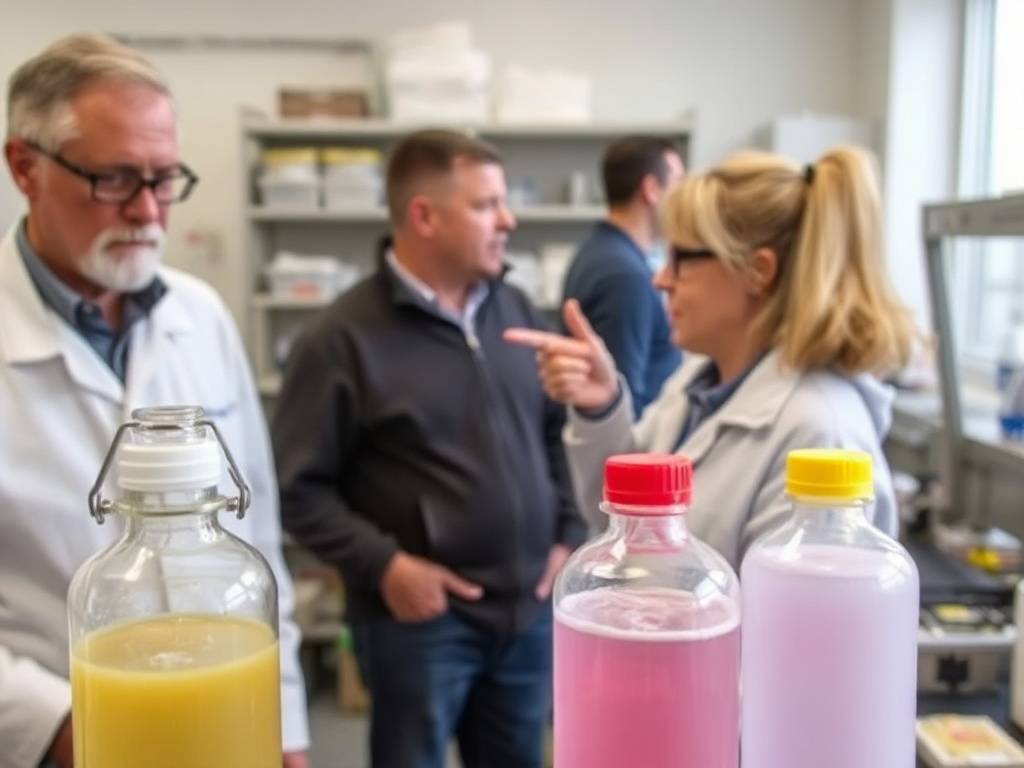
The Reverse Engineering Process: From Sample to Actionable Formulation Insights
The supplier submitted blind samples of the leading imported COC/MSO adjuvant, along with a couple of competitor products used in Victorian trials. Labsure’s laboratory team conducted a thorough analysis focused on the emulsion system that makes these products effective.
The resulting report delivered far more than a basic ingredient list. It included:
- Identification of the primary oil base and methylated ester components, with approximate ratios.
- Detailed breakdown of the surfactant and emulsifier package responsible for stability and wetting properties.
- Insights into how the formulation achieved temperature resistance and compatibility with common Victorian herbicides (such as glyphosate, clethodim, and Group 1 & 2 chemistry).
- Performance mapping explaining the contribution of each component to leaf adhesion, penetration, and rainfastness.
- Recommendations for local raw material substitutions that could reduce costs while maintaining or enhancing field performance.
This data arrived within a few weeks, giving the company a proven foundation rather than months of trial formulations. The practical nature of the report stood out — it translated lab findings into clear guidance for local production and field use.
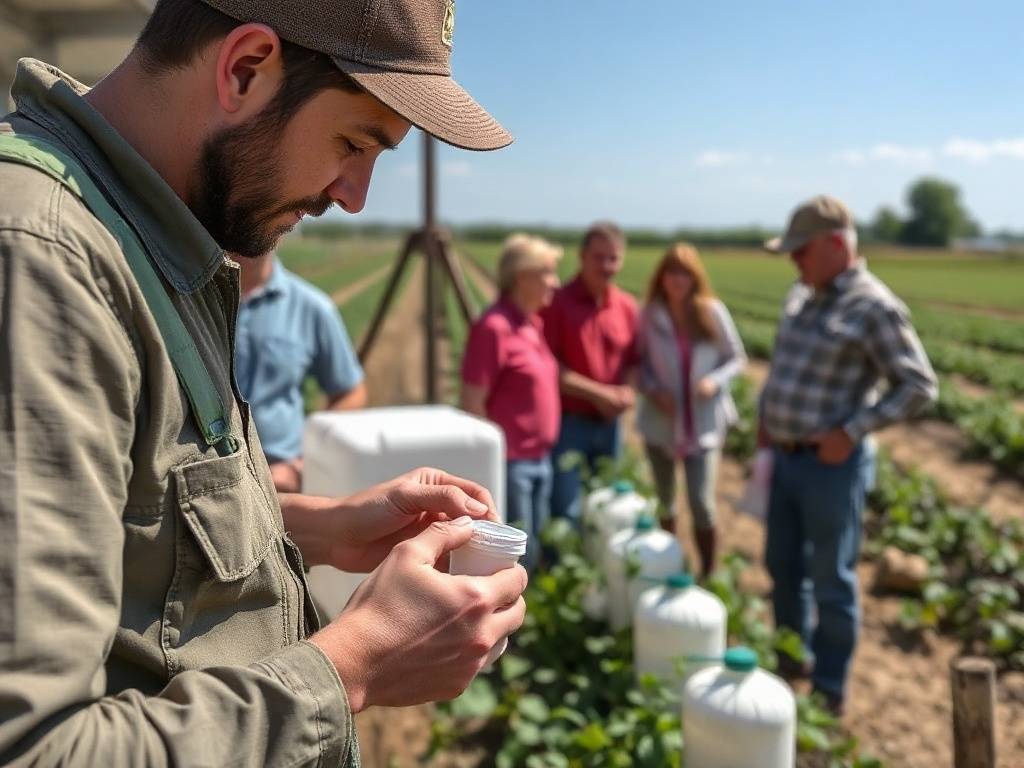
Adapting the Formula for Victorian Farming Conditions and Local Supply Chains
Using the reverse-engineered baseline, the supplier worked closely with Labsure to refine the product for Australian realities:
- Enhanced Emulsion Stability: Adjustments to the emulsifier system for better performance with variable water hardness common in regional Victoria and improved resistance to temperature fluctuations during on-farm storage.
- Optimised Penetration and Activation: Fine-tuning of methylated seed oil components and surfactants for better efficacy on waxy weed species prevalent in the state’s cropping systems.
- Cost-Effective Local Sourcing: Identification of suitable Australian or regionally available oils and surfactants that lowered raw material costs by an estimated 20-30% without sacrificing performance.
- Improved Compatibility: Modifications to reduce potential antagonism with specific herbicide formulations widely used by Victorian growers.
- User-Friendly Enhancements: Better pourability, reduced foaming in spray tanks, and clearer labelling tailored to Australian application practices.
Labsure also supported stability testing, compatibility trials with popular tank-mix partners, and guidance on scalable batch production suitable for toll manufacturers in Victoria or nearby states. Because the core emulsion architecture was already market-proven, these refinements progressed efficiently with minimal wasted batches.
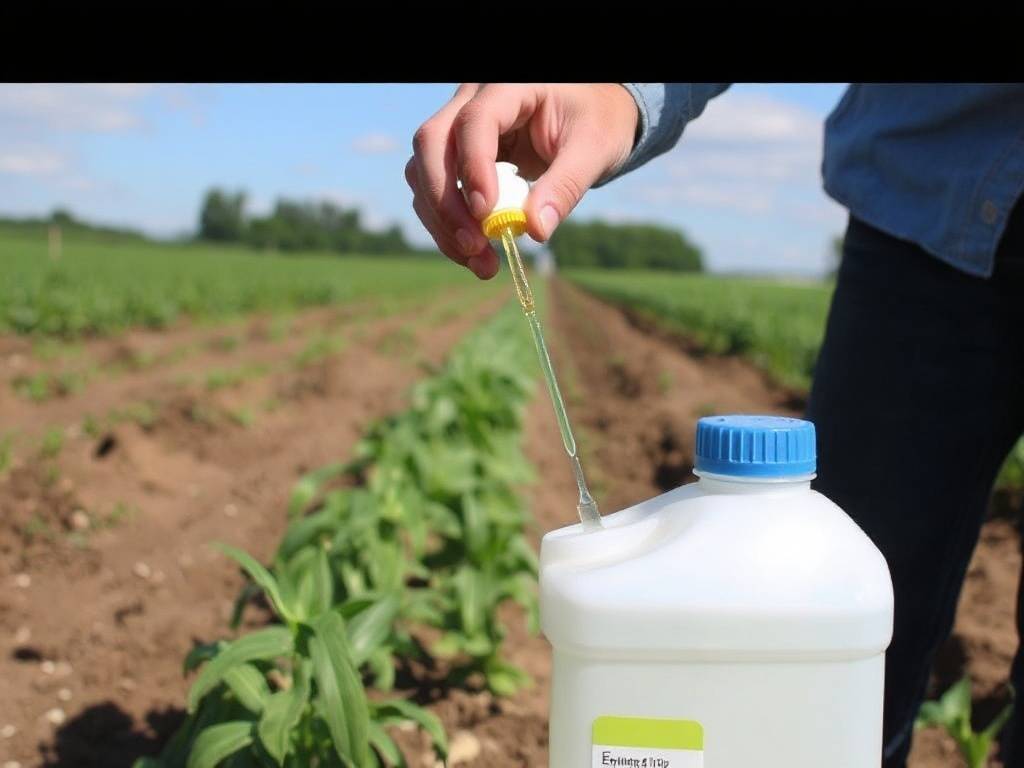
From Lab Insights to Branded Product Launch and Market Success
Within roughly five months of the initial engagement, the company successfully launched their own branded adjuvant under a new private label. Positioned as a high-performance Crop Oil Concentrate and Methylated Seed Oil blend, it was marketed specifically for Australian broadacre and horticultural conditions — emphasising improved spray efficiency, potential rate reductions, and better value for money.
Key Results:
- Accelerated Time to Market: Traditional full development of a stable oil emulsion adjuvant can easily take 12–18 months or more. The reverse engineering approach cut this dramatically, allowing commercial availability in under half a year.
- Lower Development and Production Costs: Significant savings on R&D through reduced trial-and-error, plus ongoing raw material efficiencies that improved margins.
- Strong Field Performance: Early adopter farmers and agronomists reported noticeable improvements in weed control and spray coverage, particularly in challenging conditions. Many noted the ability to maintain efficacy at slightly lower herbicide rates.
- Supply Chain Independence: Full control over production and inventory, eliminating delays and price volatility associated with imports.
- Business Growth: The new adjuvant strengthened existing herbicide sales and attracted new customers looking for locally optimised, responsive suppliers. It quickly became a reliable revenue stream.
- Risk Mitigation: Predictable performance from day one, backed by data-driven formulation, reduced the chance of costly field failures or customer dissatisfaction.
The product has since been well received at field days and through dealer networks across Victoria, with growing interest from neighbouring states.
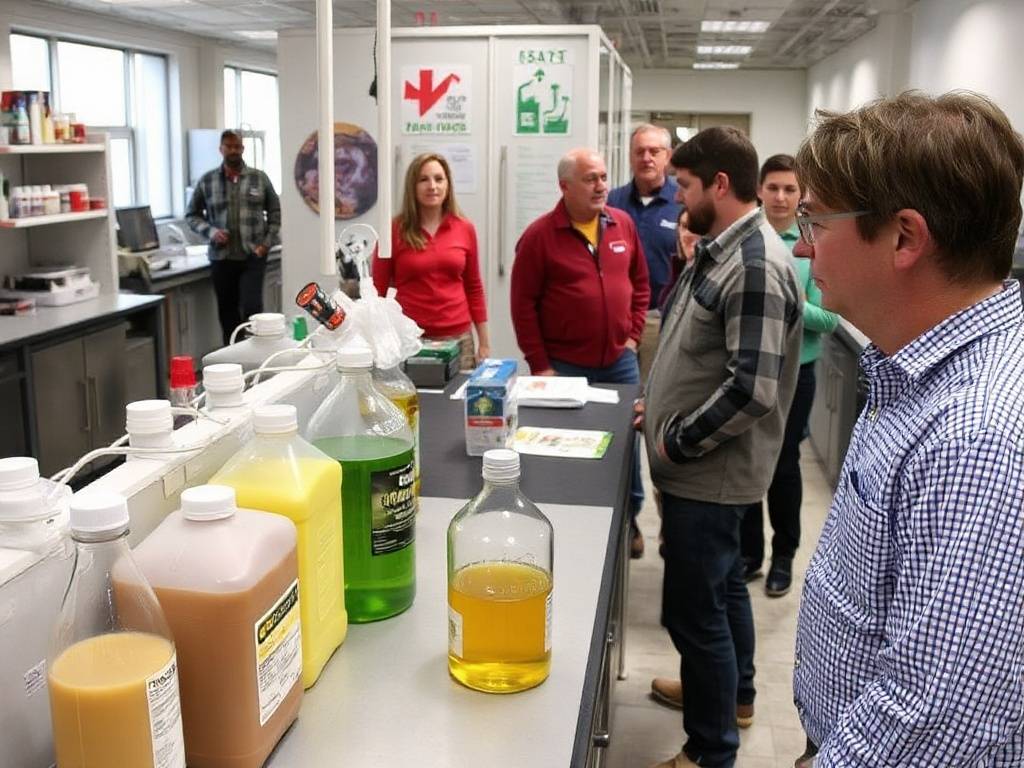
Technical Depth: Understanding What Makes Effective COC and MSO Adjuvants Work
For agronomists and spray contractors, the difference between an average adjuvant and a high-performing one often comes down to the emulsion system. When added to the spray tank, the product must form a stable emulsion that carries the herbicide effectively to the target.
Critical factors include:
- Surfactant ratios that provide both immediate wetting and longer-term penetration.
- Oil composition that balances volatility and cuticular solvency.
- Resistance to hard water ions and pH variations.
- Prevention of phase separation during storage or in the tank.
Labsure’s analysis helped decode exactly how the benchmark product achieved this balance and where opportunities existed for local optimisation. This level of insight is invaluable in Australia’s diverse cropping regions, where one formulation rarely fits all conditions perfectly.
Strategic Benefits of This Approach for Australian Ag Suppliers
This Victorian experience illustrates the growing appeal of formulation reverse engineering in the agricultural sector:
- Shortest development timeline: Build on proven chemistry rather than starting blind.
- Lowest overall cost: Dramatically reduced experimental waste and faster path to profitable production.
- Minimum commercial risk: Enter the market with confidence in real-world performance.
- Genuine local adaptation: Tailor for Australian crops, weeds, water quality, and climate.
- Ongoing flexibility: Easily iterate based on new feedback or changing regulations.
In an era of supply chain volatility and increasing focus on sovereign capability in agriculture, this strategy helps businesses move from importers to innovators.
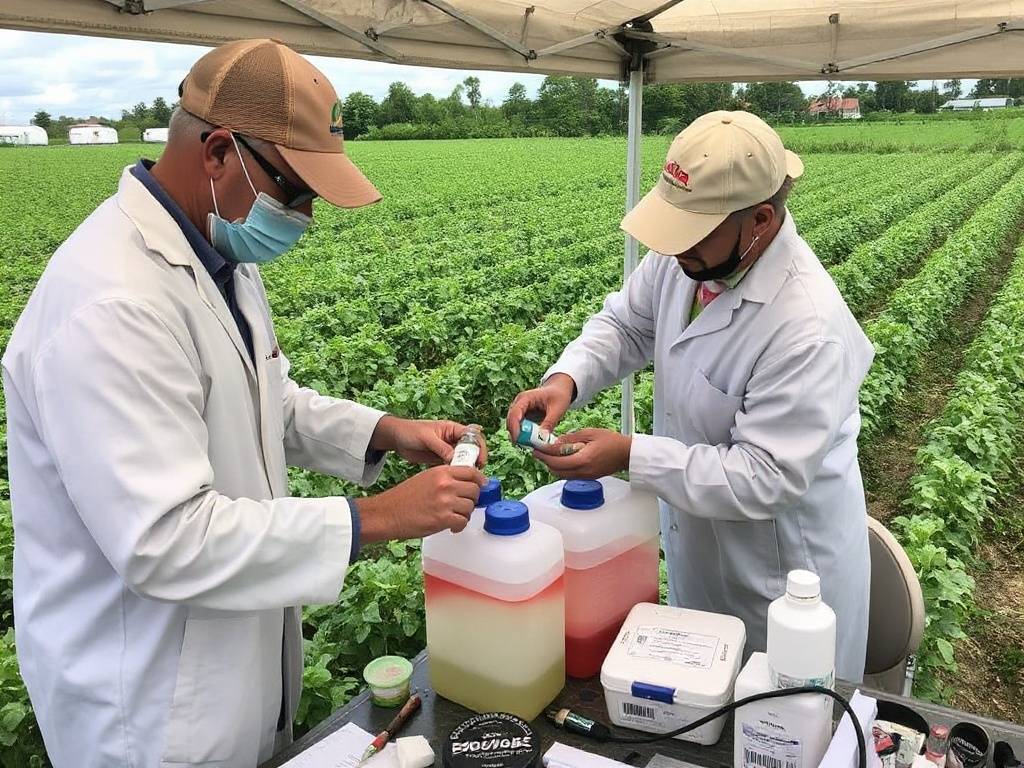
Lessons for Other Agricultural Input Businesses in Australia
Several practical takeaways stand out for similar companies:
- Customer feedback is gold — Recurring complaints about spray efficacy point directly to adjuvant opportunities.
- Imported products have limits — When overseas suppliers won’t customise, local control becomes a competitive edge.
- Data-driven development wins — Reverse engineering removes much of the uncertainty in complex emulsion systems.
- Local knowledge matters — Formulations optimised for Victorian (or other regional) conditions outperform generic imports.
- Scalability from day one — Focus on production-friendly designs that work for both small and large operations.
Many suppliers are now using similar methods to develop not just oil-based adjuvants but also non-ionic surfactants, organosilicone wetters, and other spray modifiers.
How Labsure Supports Agricultural Adjuvant Development Across Australia
Labsure has established a strong track record helping Australian agribusinesses localise critical input chemistry. Their services in agricultural adjuvants cover everything from full deformulation to targeted performance optimisation and production support.
Ready to Optimise Your Own Crop Oil or Adjuvant Range?
If you’re an agricultural supplier, co-op, or manufacturer in Victoria or anywhere across Australia looking to reduce reliance on imported adjuvants, improve spray efficacy for your customers, and build a stronger product portfolio, Labsure provides a practical, low-risk pathway.
Explore their most relevant services:
- Agricultural Adjuvants Formulation Analysis & Reverse Engineering
- Chemical Reverse Engineering Services Australia
- Why Agrochemical Brands & Distributors Fail to Scale Adjuvant Formulations (And How Reverse Engineering Fixes It)
- From Imported Dependency to Local Innovation: The Blueprint for Success in Agricultural Adjuvant Manufacturing
- Formulation Analysis for Manufacturers
- Reducing R&D Costs Without Sacrificing Quality – A Practical Guide for SMEs
- Agricultural Chemicals & Fertilisers Insights
Contact Labsure today for a confidential discussion about your adjuvant or crop protection project:
- Phone: 1300 508 536
- Email: info@labsure.com.au
- Sample Submission: Labsure Pty Ltd, PO Box 1128, Oxley QLD 4075
- Website: labsure.com.au/contact-us/