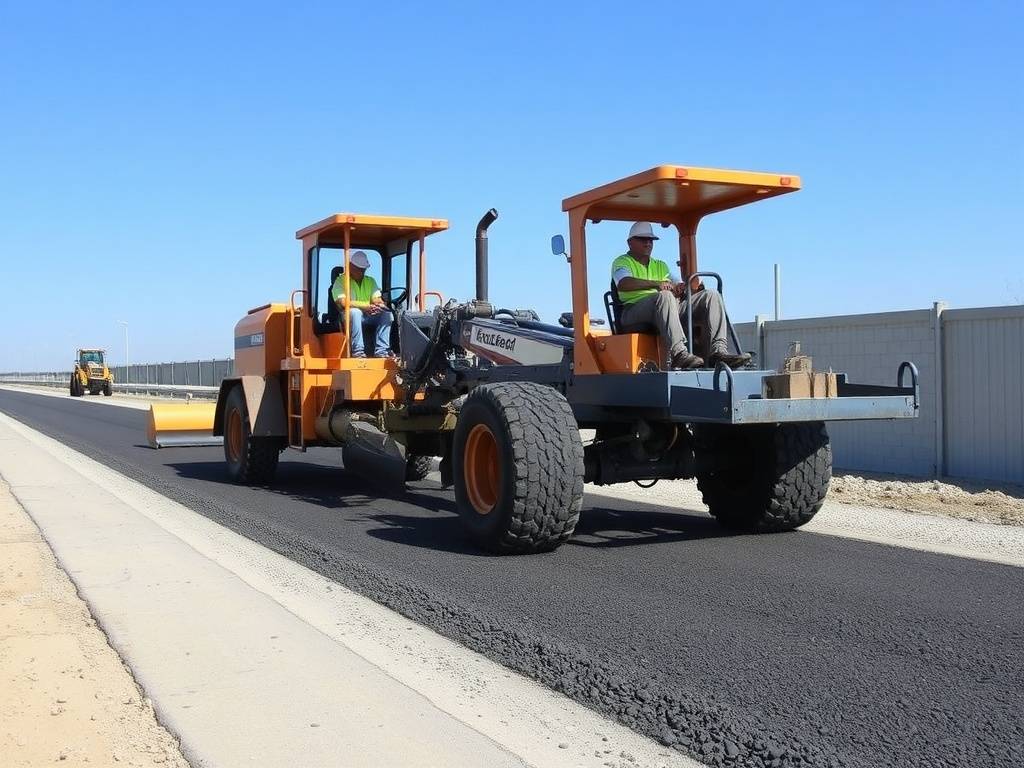
In Australia’s demanding road environment, standard bitumen simply doesn’t cut it anymore on busy highways, freight routes, and urban arterials. Extreme temperature swings, heavy truck loads, and increasing traffic volumes cause rutting, cracking, and premature failure. That’s where elastomeric asphalt modifiers — particularly those based on SBS (styrene-butadiene-styrene) and EVA (ethylene-vinyl acetate) polymers — make a massive difference. They turn ordinary asphalt into a flexible, fatigue-resistant, longer-lasting pavement material.
This is the story of Pacific Road Materials, a mid-sized asphalt and road maintenance supplier based in Newcastle, New South Wales. They went from reselling and applying imported polymer-modified binders to developing and manufacturing their own optimised elastomeric asphalt modifier. By using smart reverse engineering through Labsure, they brought a superior, locally tailored product to market in record time.
If you run a road construction company, council maintenance team, or asphalt supply business in NSW, Victoria, or Queensland and are frustrated with inconsistent modifier performance or rising imported costs, this case shows a practical, lower-risk path to taking control.
The Situation: Why Pacific Road Materials Decided to Develop Their Own Elastomeric Modifier
Pacific Road Materials started in the early 2010s supplying spray seals, asphalt mixes, and maintenance solutions to local councils, RMS (now Transport for NSW), and private contractors across the Hunter Region and beyond. They offered conventional bitumen products that performed adequately on lighter roads. But as more projects specified polymer-modified bitumen (PMB) for high-stress areas, they noticed clear advantages.
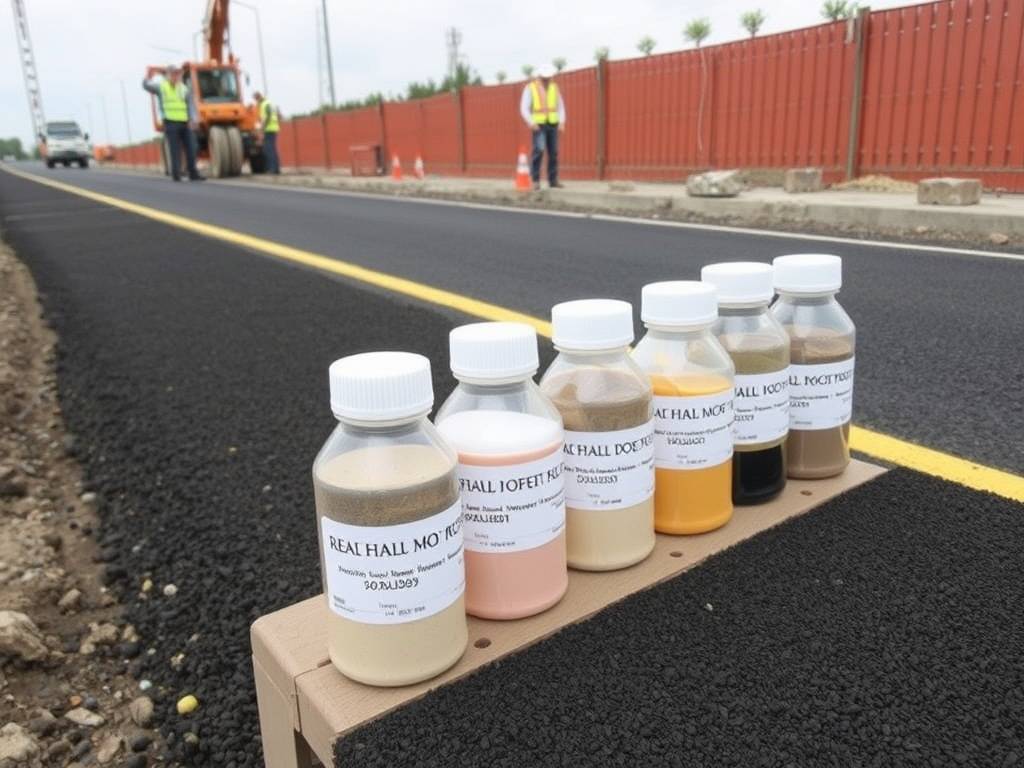
Clients reported:
- Better flexibility in cold winter nights, reducing transverse cracking.
- Superior rut resistance during hot summers on heavy haul routes.
- Extended pavement life, sometimes by 40-60%, which lowered whole-of-life costs for asset managers.
The problem? They were fully dependent on a couple of major imported and licensed SBS/EVA modifiers. Price volatility, occasional batch inconsistencies, and long lead times created headaches. During the 2023-2024 supply disruptions, delays hurt project timelines and margins.
Managing Director Sarah Mitchell explained: “We saw the performance benefits of elastomeric modification firsthand on resurfacing jobs. Councils loved the longer intervals between maintenance. But we were paying premium prices for a black-box product. We wanted our own formulation we could control, optimise for Australian conditions, and offer at a more competitive price while maintaining or improving performance.”
Developing a polymer-modified asphalt additive from scratch is complex and expensive. It requires deep knowledge of polymer-rubber compatibility, high-shear mixing, storage stability, and compatibility with various bitumen sources (Australian crude blends vary significantly). Traditional R&D could easily take 18-24 months and involve costly trial sections on actual roads.
That’s why they chose the reverse engineering route with Labsure.
Understanding Elastomeric Asphalt Modifiers: The Technical Foundation
Elastomeric modifiers like SBS and EVA transform bitumen into a visco-elastic material. SBS provides excellent elastic recovery and fatigue resistance through its block copolymer structure — polystyrene end-blocks and polybutadiene mid-blocks. EVA offers good flexibility and workability, especially in certain temperature ranges.
Key performance goals for these modifiers include:
- High elasticity to handle repeated loading without permanent deformation.
- Improved adhesion to aggregates.
- Resistance to oxidative aging.
- Storage stability (preventing polymer separation in holding tanks).
- Compatibility with local Australian bitumen, which often has unique wax content and temperature susceptibility.
Getting the polymer concentration, molecular weight, grafting, and stabiliser package wrong leads to phase separation, poor field performance, or manufacturing issues. Labsure’s Bitumen & Asphalt Additives Reverse Engineering service was the ideal fit.
The Reverse Engineering Process: Turning Competitor Products into Actionable Intelligence
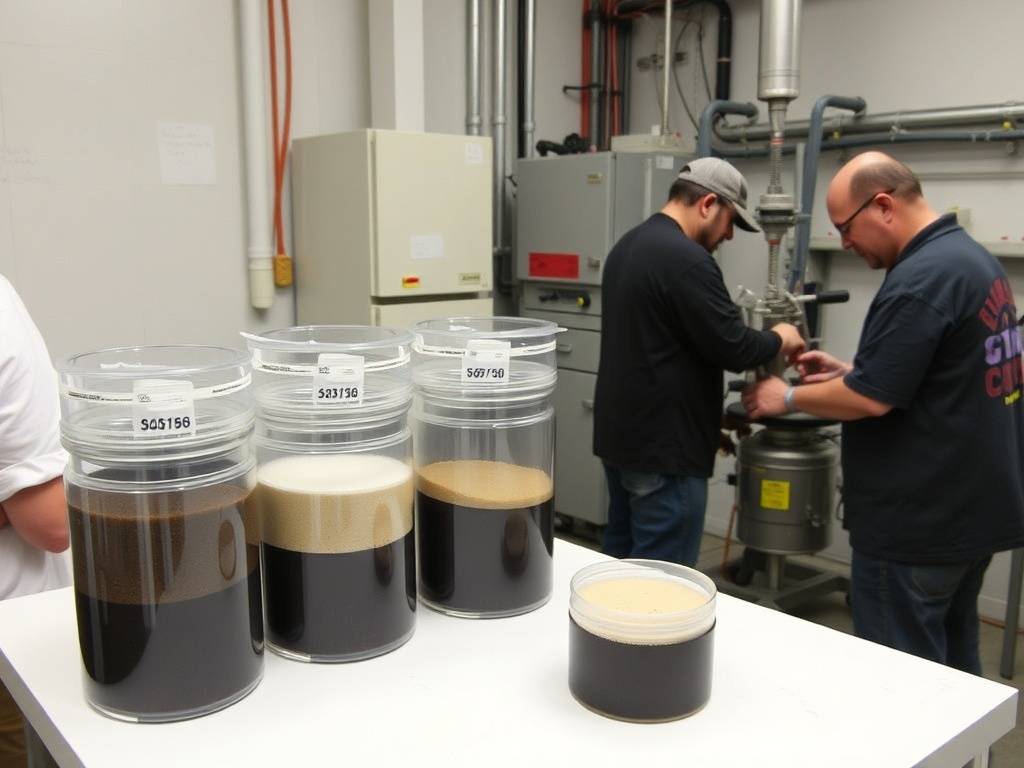
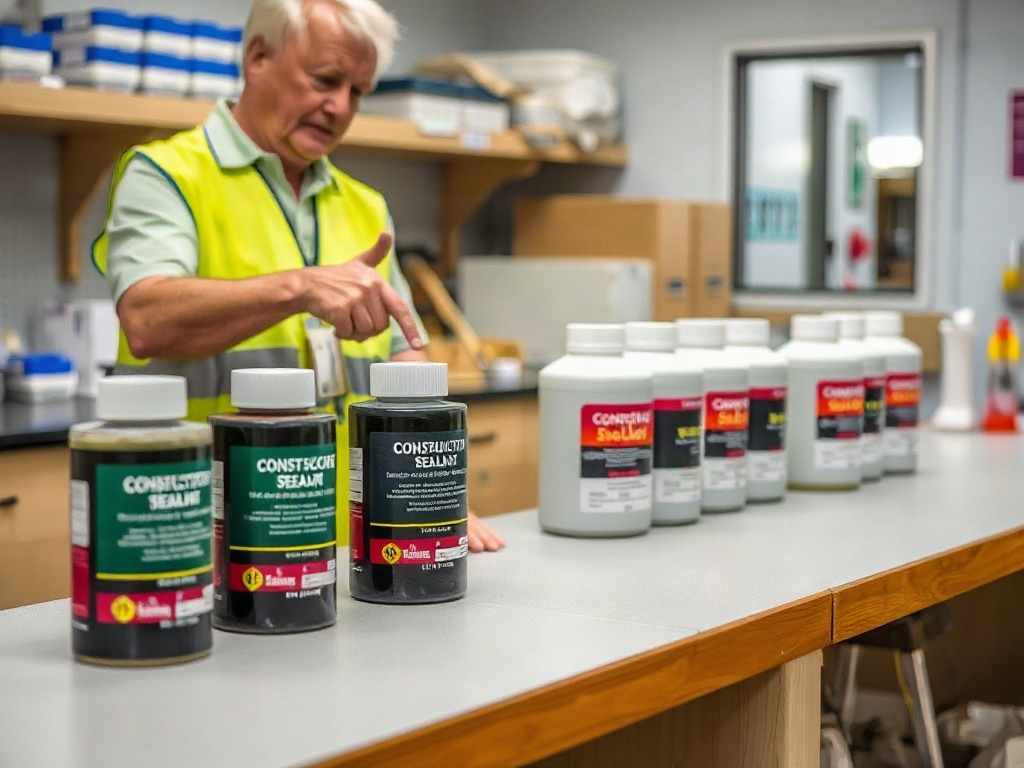
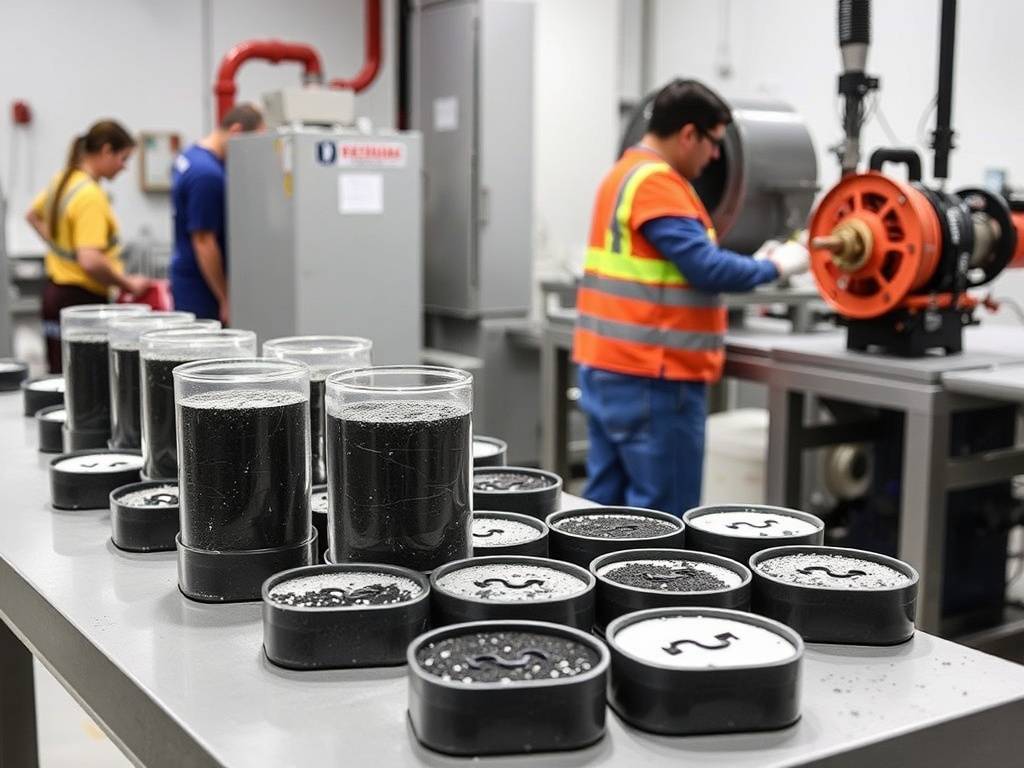
Pacific Road Materials collected samples of three leading commercial elastomeric modifiers used in NSW projects — including their main imported supplier — and sent them to Labsure’s Queensland laboratory under blind conditions.
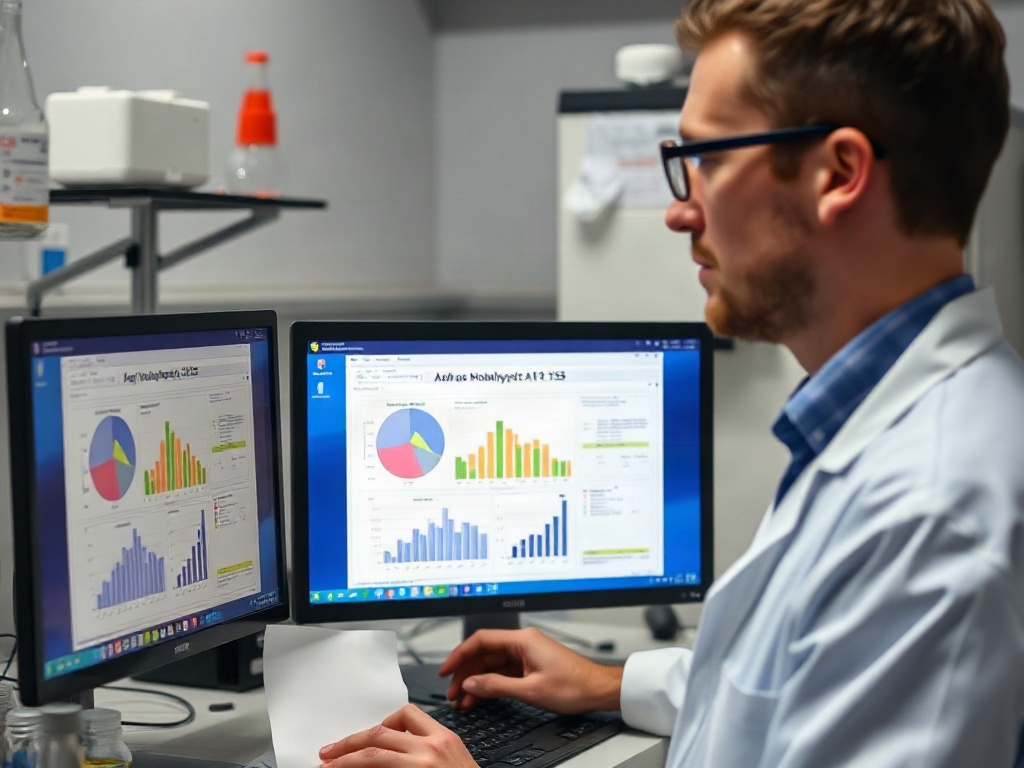
The analysis delivered far more than a simple ingredient list. It provided:
- Identification of primary polymers (SBS linear vs. radial, EVA grades) and their approximate percentages.
- Insights into compatibilisers, antioxidants, and processing aids.
- Rheological property correlations — how the formulation achieved specific softening point and elastic recovery values.
- Stability mechanisms preventing separation at high storage temperatures.
The report arrived within weeks and included clear recommendations for local adaptation. Sarah described it as “a roadmap rather than just lab data.” It explained why certain polymer ratios delivered better fatigue life in heavy traffic and how to adjust for Hunter Valley’s temperature extremes and common aggregate types.
This intelligence shortcut bypassed months of blind polymer blending trials.
Adapting the Formula for Australian Roads and Local Production
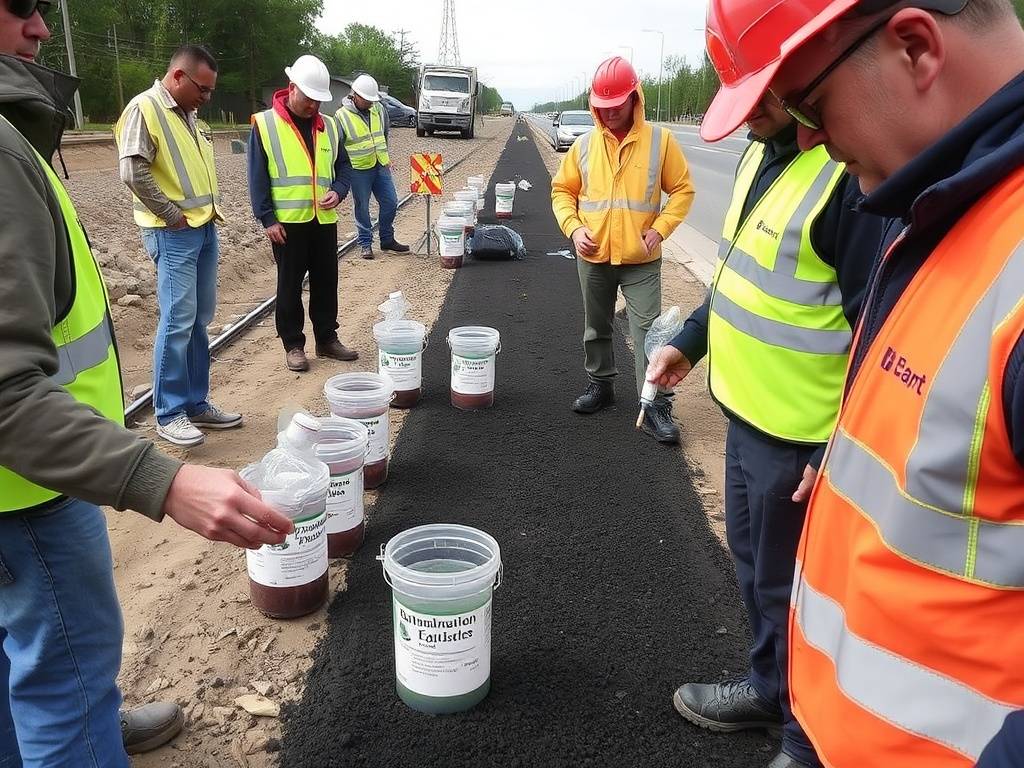
Using the reverse-engineered baseline, Pacific Road Materials collaborated with Labsure on targeted enhancements:
- Local Bitumen Compatibility: Australian bitumens (often from specific refineries) differ from European sources. They adjusted polymer loading and added compatibilisers for better swelling and stability with domestic feedstocks.
- Climate Optimisation: Increased elastic recovery for NSW coastal humidity and inland heat. Fine-tuned the formulation to maintain flexibility down to lower temperatures while resisting softening above 60°C.
- Cost Efficiency: Identified opportunities to use more accessible Australian or APAC-sourced polymers and additives, targeting 18-25% raw material cost reduction at scale.
- Production Practicality: Recommendations for high-shear mixing parameters suitable for their existing plant equipment in Newcastle.
- Performance Boosts: Minor additions for improved adhesion promoters and anti-oxidants to extend service life on high-traffic routes like the Pacific Highway.
Labsure supported them with ongoing testing — penetration, softening point, elastic recovery, and viscosity measurements — plus guidance on scale-up and quality control protocols to meet Australian standards (AS 2341 series and Austroads guidelines).
The entire refinement phase moved quickly because they started from a market-proven chemistry foundation rather than zero.
Results: A Successful Local Product Launch and Business Transformation
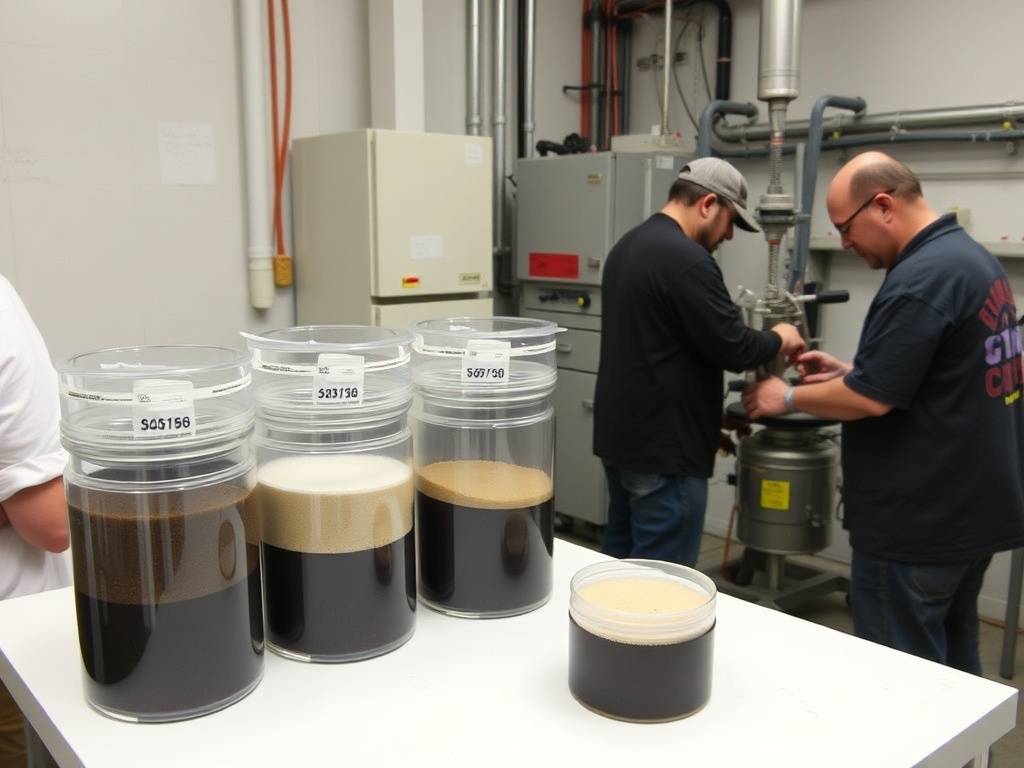
By mid-2025, Pacific Road Materials launched FlexiBind Elastomeric PMB Modifier. It quickly gained traction on both new construction and resurfacing projects.
Key Achievements:
- Speed to Market: From initial sample submission to commercial production — under six months. Traditional development for polymer asphalt modifiers often exceeds 18 months.
- Cost Advantages: Lower production costs allowed competitive pricing while protecting healthy margins. Clients benefited from better value without compromising performance.
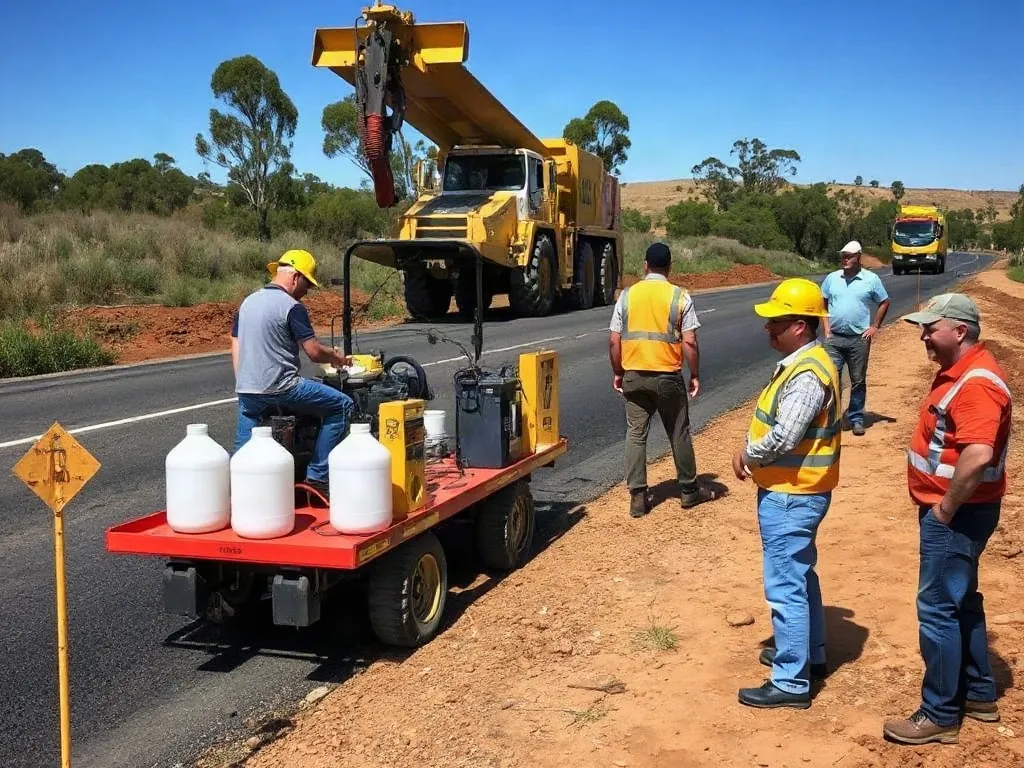
- Performance in the Field: Early trial sections on regional roads showed excellent rut resistance and crack mitigation. Contractors reported easier workability during laying.
- Supply Chain Control: No more waiting on imports. They could adjust batches based on specific project requirements or bitumen variations.
- New Revenue Streams: Other smaller suppliers and councils began purchasing the modifier, turning a cost centre into a profit centre.
- Risk Reduction: Performance predictability meant fewer site issues and stronger relationships with asset owners focused on whole-of-life costing.
Sarah reflected: “Reverse engineering let us enter the market with a product that wasn’t just ‘as good as’ the imports — in many ways it was better suited to our local conditions. We reduced dependency and created real differentiation.”
The product is now specified on several Hunter and Central Coast projects, with interest growing from other states.
Deeper Dive: Why SBS/EVA Modification Matters for Australian Infrastructure
Australia’s road network faces unique challenges. Temperatures can swing from below 0°C to over 40°C on pavements. Heavy mining and freight traffic accelerates fatigue. Standard bitumen often fails these demands, leading to expensive repairs.
Polymer modification, especially elastomeric types, addresses this by:
- Increasing the softening point for rut resistance.
- Improving low-temperature flexibility to prevent cracking.
- Enhancing fatigue life under repeated axle loads.
- Providing better waterproofing and aging resistance.
Labsure’s expertise in Road Additives – Reverse Engineering & Formulation Analysis helped Pacific decode exactly how top performers achieved these properties and how to replicate and refine them locally.
Many road maintenance businesses are now exploring similar moves toward sovereign capability in construction chemicals.
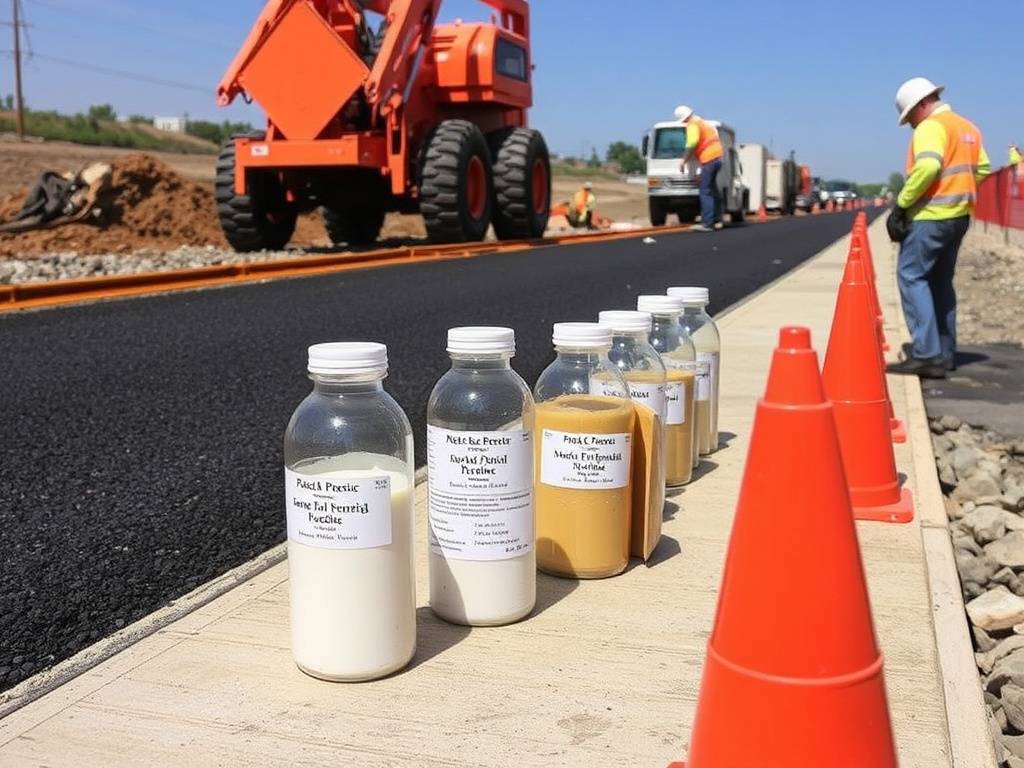
The Strategic Advantages of Reverse Engineering for Road Materials Companies
Pacific Road Materials’ experience demonstrates clear benefits for asphalt suppliers and contractors:
- Shortest Development Time: Build on proven formulations instead of years of experimentation.
- Lowest Cost Path: Minimise wasted materials and trial failures.
- Reduced Commercial Risk: Enter the market with confidence in performance.
- Local Optimisation: Tailor for Australian bitumen, aggregates, climate, and standards.
- Business Resilience: Greater control amid global supply volatility.
This approach aligns perfectly with Australia’s push for domestic manufacturing strength in critical infrastructure materials.
Practical Lessons for Other NSW and Australian Road Businesses
- Benchmark Before You Build — Understand exactly what’s working in the market.
- Local Conditions Win — Overseas formulas need adaptation for our unique environment.
- Focus on Whole-of-Life Value — Longer-lasting roads justify slightly higher initial material specs.
- Partner with Independent Experts — Labsure provided unbiased, actionable insights.
- Think Beyond One Product — This opened doors to related modifiers and emulsions.
Pacific has since expanded into other polymer-enhanced maintenance products using the same foundation.
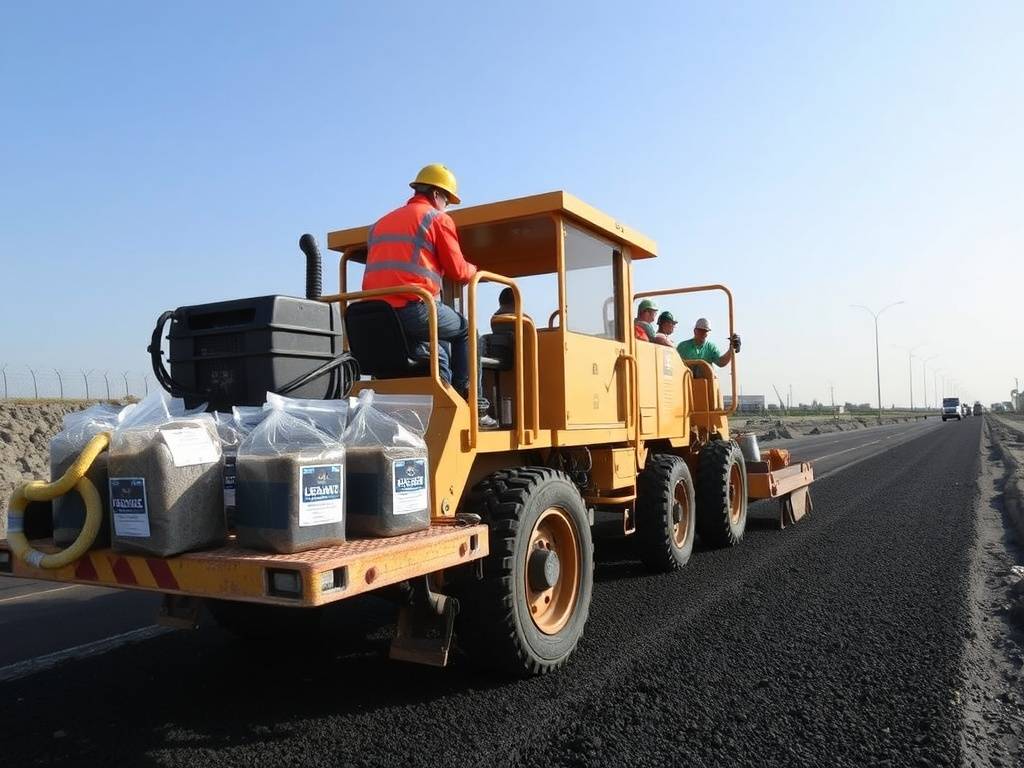
How This Fits Into Broader Construction Chemical Trends
Whether it’s concrete admixtures, coatings, or road additives, Australian businesses are increasingly using formulation analysis to localise production. Labsure supports this across sectors with services like Chemical Reverse Engineering Services Australia and targeted industry solutions.
For road professionals, their Bitumen & Asphalt Additives Reverse Engineering offering stands out as particularly relevant.
Ready to Develop Your Own High-Performance Asphalt Modifier?
If you’re a road maintenance supplier, asphalt producer, or civil contractor in New South Wales or across Australia looking to reduce reliance on imported modifiers, improve product performance, and capture more value, Labsure can provide the technical clarity you need.
Explore their relevant services:
- Bitumen & Asphalt Additives Reverse Engineering
- Road Additives – Reverse Engineering & Formulation Analysis
- Chemical Reverse Engineering Services Australia
- How a NSW Road Materials Supplier Launched Its Own Polymer-Modified Asphalt
- Formulation Analysis for Manufacturers
- Reducing R&D Costs Without Sacrificing Quality
- Construction Chemicals Insights
Contact Labsure today for a confidential discussion about your asphalt or road materials project:
- Phone: 1300 508 536
- Email: info@labsure.com.au
- Sample Submission Address: Labsure Pty Ltd, PO Box 1128, Oxley QLD 4075
- Website: labsure.com.au/contact-us/