In Western Australia’s mining sector, flotation reagent supply chains are becoming increasingly competitive. Import delays, rising costs, inconsistent quality, and limited formulation transparency are putting pressure on local distributors and mining chemical suppliers.
One Perth-based mining supply company recently faced exactly this problem.
For years, the business had been distributing an overseas xanthate collector brand to several mid-sized gold and copper operations across WA. The imported product performed well, but the supplier relationship became increasingly difficult:
- Long lead times from overseas manufacturers
- Unstable pricing due to freight and exchange rates
- No visibility into the formulation or stabiliser system
- Risk of losing key mine contracts if supply was interrupted
- Very limited control over branding and margins
The company realised something important:
If they wanted long-term control of their mining chemical business, they needed their own flotation collector product line.
But developing a xanthate collector from scratch presented major technical and commercial risks.
That’s where Labsure came in.
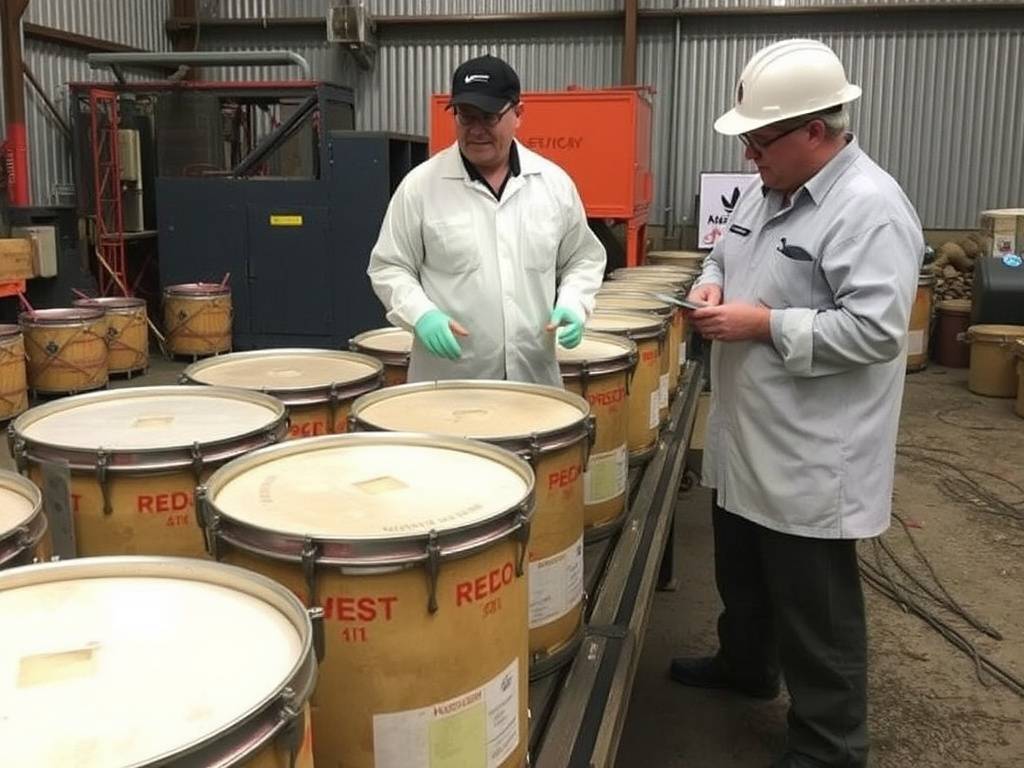
The Real Problem Wasn’t “Making a Xanthate” — It Was Making One That Mines Would Accept
Many people outside the mining industry assume flotation collectors are simple commodity chemicals.
In reality, flotation performance can vary dramatically depending on:
- Xanthate purity profile
- Alcohol source chemistry
- Residual sulfur compounds
- Stabiliser package
- Moisture sensitivity
- Decomposition behaviour during storage
- Foaming interaction with frothers
- Ore-specific selectivity
A collector that works well in a Perth laboratory may fail completely in a Pilbara or Kalgoorlie flotation circuit.
The client’s biggest concern was not manufacturing.
It was transition risk.
If they introduced a new collector under their own brand and recovery rates dropped even slightly, they could lose large mining customers immediately.
They needed a way to:
- Understand the imported product deeply
- Reconstruct a technically equivalent formulation
- Minimise flotation performance differences
- Reduce development cost and time
- Avoid years of trial-and-error R&D
After researching Australian formulation analysis companies, they contacted Labsure’s Chemical Reverse Engineering Team.
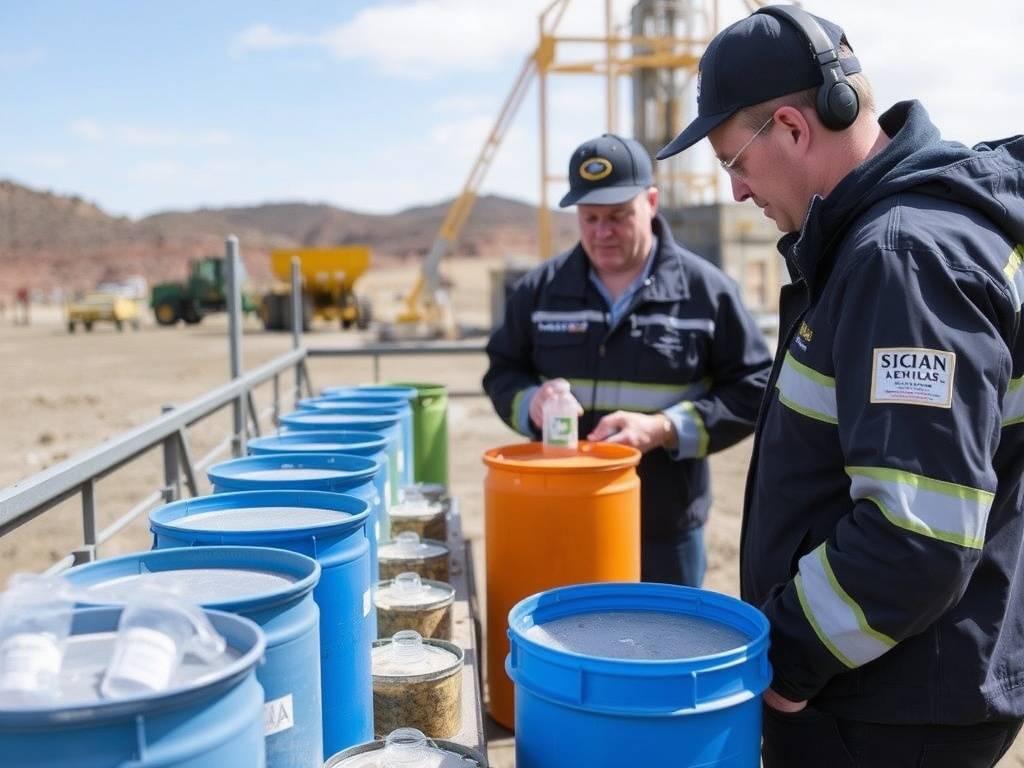
Stage 1 — Xanthate Collector Formulation Analysis
The client first supplied multiple batches of their imported collector for detailed analysis.
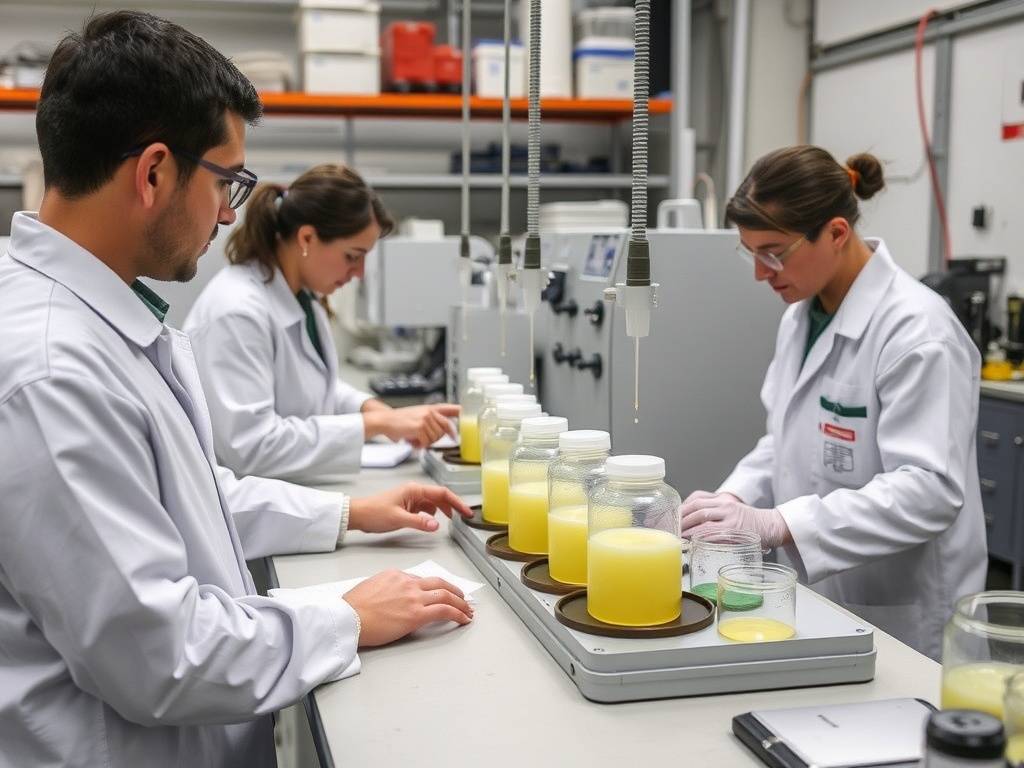
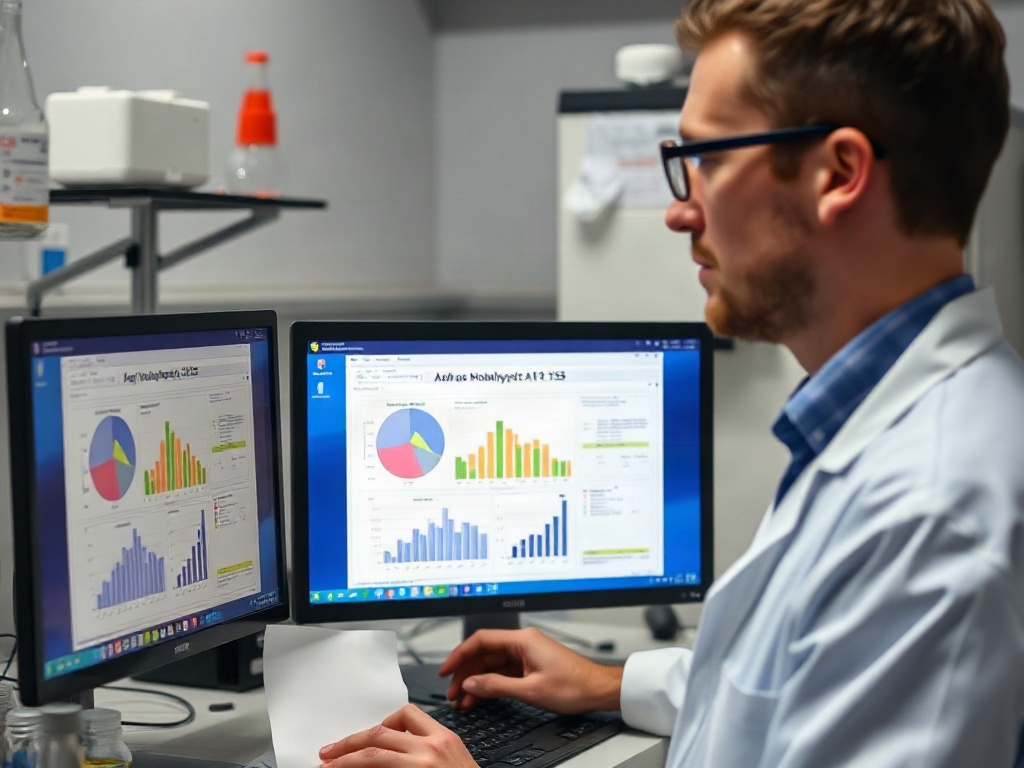
Using advanced analytical methods including GC-MS, FTIR, compositional profiling and impurity mapping, Labsure performed a complete flotation reagent investigation.
The analysis focused on:
- Active xanthate composition
- Chain-length distribution
- Residual alcohol system
- Sulfur-containing side products
- Stabiliser chemistry
- Moisture and degradation profile
- Solubility and handling characteristics
Unlike basic laboratory testing, the objective was not simply identifying ingredients.
The goal was understanding why the collector behaved the way it did inside real flotation systems.
This is a major difference between generic chemical testing and true formulation reverse engineering services.
Labsure’s team then reconstructed a commercially practical formulation pathway suitable for Australian raw material sourcing and local manufacturing conditions.
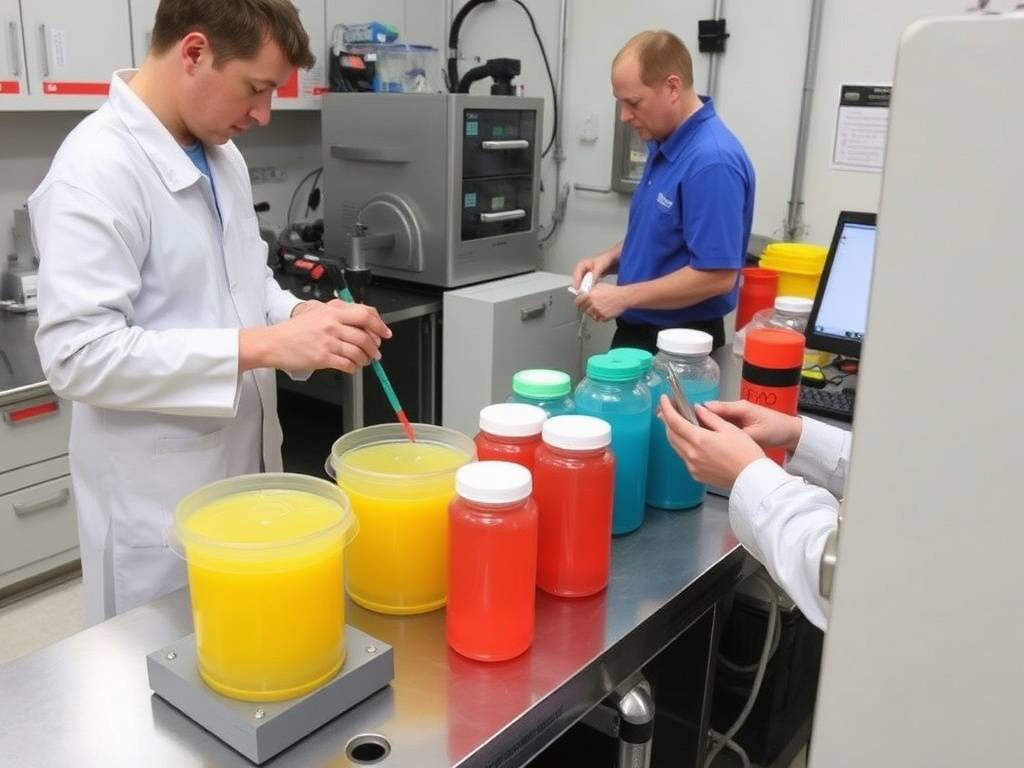
Why Reverse Engineering Was Faster Than Traditional Mining Chemical R&D
The Perth supplier originally considered hiring an internal chemist to develop a flotation collector independently.
However, after reviewing the likely timeline, they realised the challenges:
- High R&D cost
- Multiple failed pilot batches
- Long flotation validation cycles
- Difficulty sourcing equivalent additives
- Significant production scale-up risk
- Potential customer loss during testing
Traditional reagent development could easily take 12–24 months.
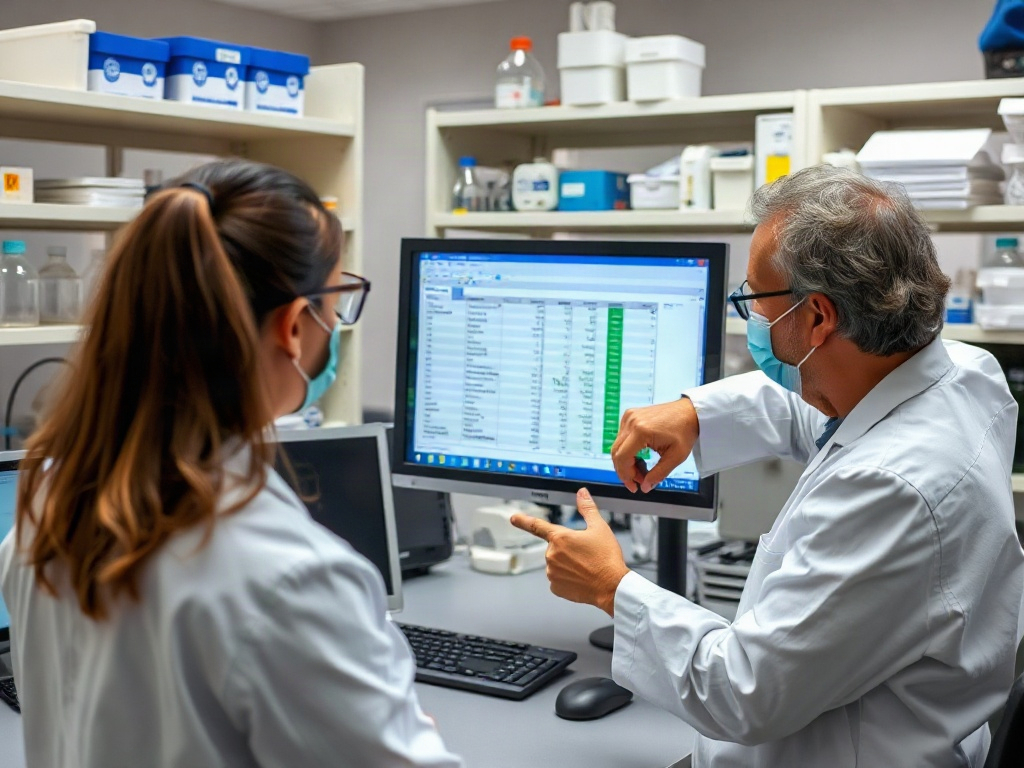
By using competitor benchmarking and formulation analysis, the company shortened development dramatically.
Instead of starting from zero, they started from an already validated market product.
This approach allowed them to:
- Skip years of exploratory chemistry work
- Reduce failed formulation iterations
- Benchmark directly against a proven collector
- Focus only on optimisation and localisation
- Transition customers more smoothly
For mining chemical suppliers, this strategy can reduce both technical uncertainty and commercial exposure.
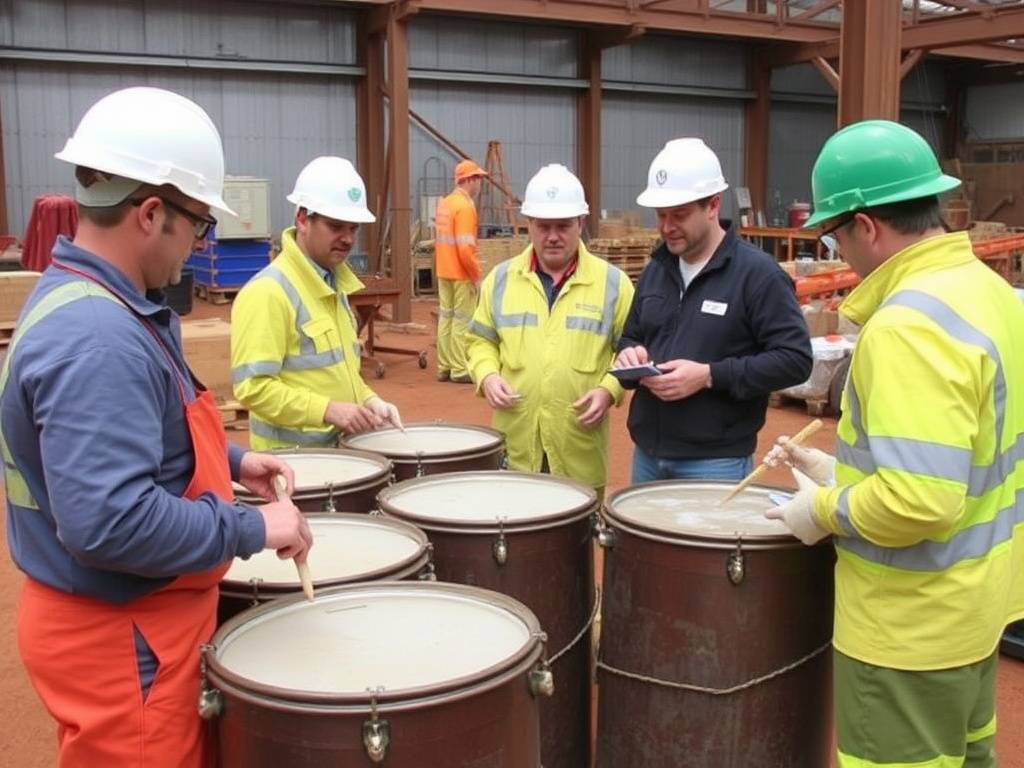
Stage 2 — Pilot Production and Flotation Benchmarking
After the formulation reconstruction phase, the client produced small pilot batches through a contract chemical manufacturer in Australia.
Initial testing focused on:
- Sulphide ore recovery
- Froth stability
- Collector dosage response
- Selectivity against gangue minerals
- Storage stability in WA climate conditions
The reconstructed collector showed highly comparable flotation behaviour to the imported product.
That result was critical.
Because the chemistry was already benchmarked against a proven commercial reagent, only fine-tuning adjustments were needed rather than complete reformulation.
Labsure then assisted with additional optimisation recommendations to improve:
- Raw material sourcing flexibility
- Cost efficiency
- Shelf-life stability
- Local production consistency
This type of practical optimisation is a core part of Labsure’s formulation analysis and product development services.
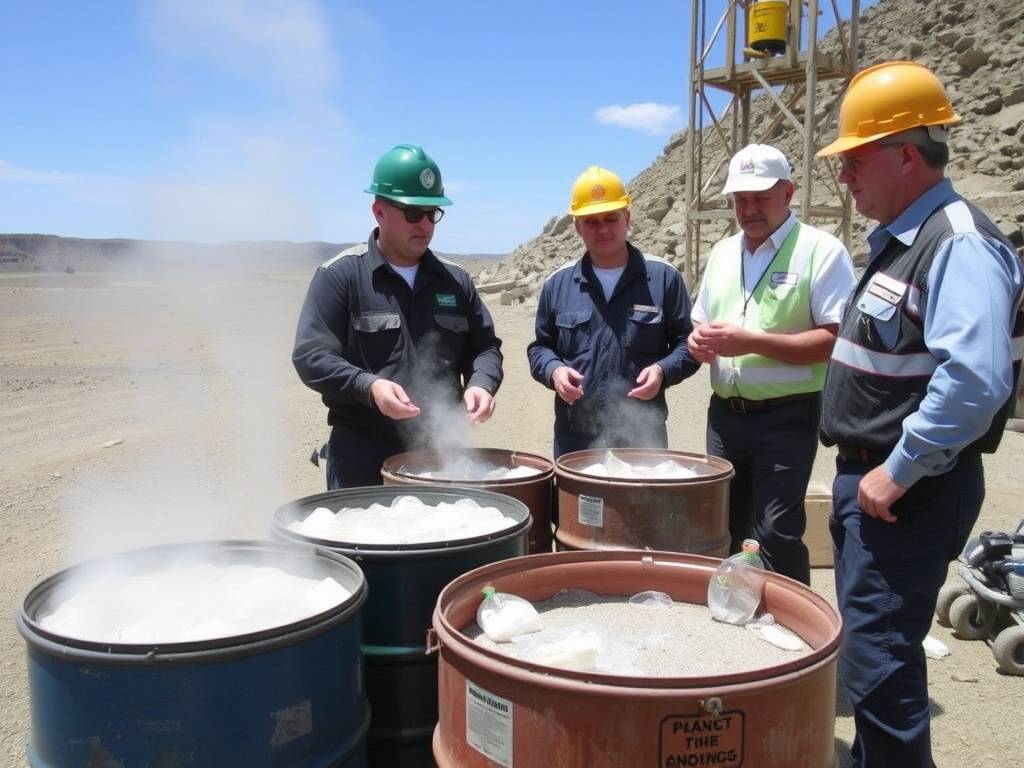
Stage 3 — Launching a Private-Label Mining Collector Brand
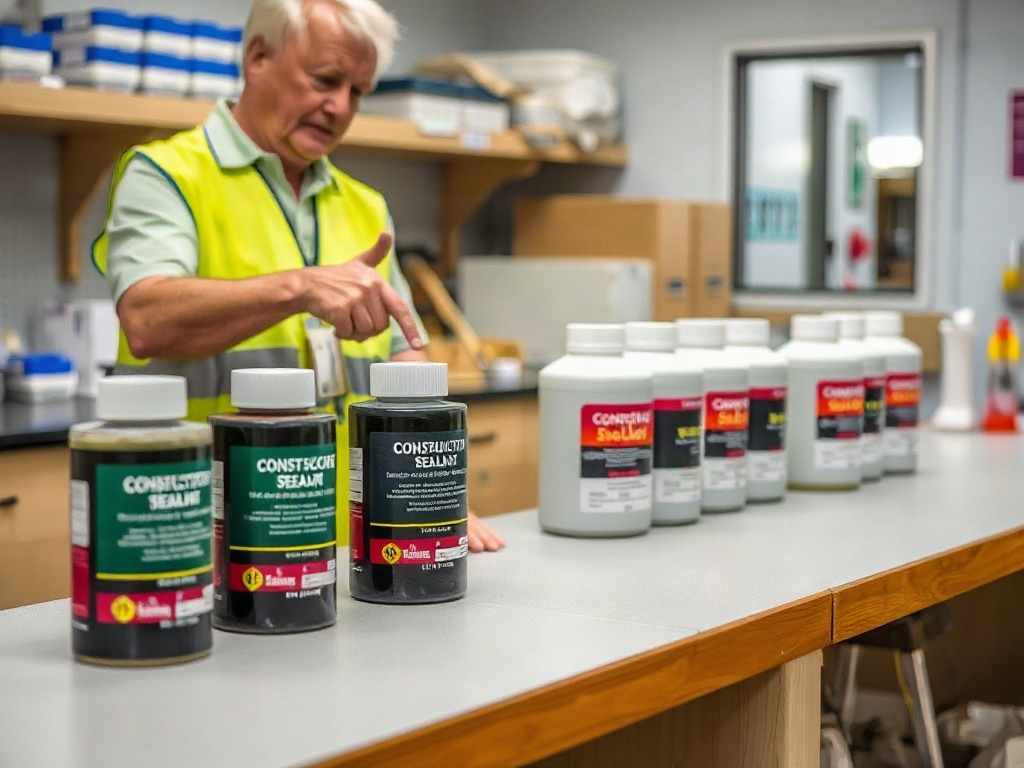
Within months, the Perth supplier began introducing its own flotation collector under a private-label mining chemical brand.
Importantly, they did not abruptly replace the imported product.
Instead, they adopted a gradual transition strategy:
- Existing customers tested the new collector alongside the imported version
- Recovery performance was benchmarked onsite
- Operational staff were trained on dosage equivalence
- Supply reliability improved due to local inventory control
- Customers slowly transitioned to the new product line
Because flotation performance remained stable, the changeover was smooth.
The company achieved several major commercial advantages:
- Better profit margins
- Brand ownership
- Reduced overseas dependency
- Faster customer delivery
- More stable pricing
- Greater control over supply chain risk
Most importantly, they retained their major mining customers throughout the transition.
Why More Australian Mining Suppliers Are Moving Toward Local Reagent Development
Across Australia, many mining chemical distributors face the same issue:
They sell imported products but have little technical ownership.
That creates vulnerability.
If an overseas supplier changes pricing, appoints another distributor, or experiences manufacturing issues, the local business can lose market position quickly.
This is why more Australian companies are now investing in:
- Flotation reagent reverse engineering
- Mining chemical benchmarking
- Private-label collector development
- Local manufacturing partnerships
- Formula optimisation and cost reduction
The goal is not simply “copying” products.
The goal is building commercially viable alternatives faster and with lower risk.
That is exactly where Labsure’s mining flotation reagent analysis services provide value.
Reverse Engineering Is Often the Lowest-Risk Path to Market
For many SMEs in Australia’s mining supply sector, building a full internal chemical R&D department is simply unrealistic.
Reverse engineering and formulation analysis provide a far more practical pathway.
Instead of spending years developing uncertain chemistry from scratch, companies can:
- Benchmark proven products
- Understand composition and performance drivers
- Reconstruct manufacturable formulations
- Optimise for local production
- Reduce development failures
- Launch faster with greater confidence
This significantly lowers:
- R&D cost
- Time-to-market
- Commercial risk
- Production uncertainty
- Customer transition risk
For flotation collectors, frothers, depressants and other mining reagents, this strategy can create a major competitive advantage in the Australian market.
Need Help Developing Your Own Mining Chemical Brand?
If you are distributing imported flotation reagents, collectors, frothers, water treatment chemicals, lubricants or specialty mining chemicals — but want to develop your own product line — Labsure can help.
Our Australian-based team provides:
- Xanthate collector formulation analysis
- Mining flotation reagent reverse engineering
- Competitor product benchmarking
- Ingredient profiling and impurity analysis
- Formula optimisation
- Production-oriented formulation guidance
- Scale-up support for Australian manufacturers
Explore our services:
- Chemical Reverse Engineering Services
- Reverse Engineering & Formula Reconstruction
- About Labsure Technical Capabilities
Contact Labsure
🌐 www.labsure.com.au
📧 info@labsure.com.au
Whether you want to benchmark a flotation collector, localise imported chemistry, or develop a private-label mining reagent range, Labsure helps Australian suppliers move from dependency to ownership — with less risk, lower development cost, and faster commercialisation.