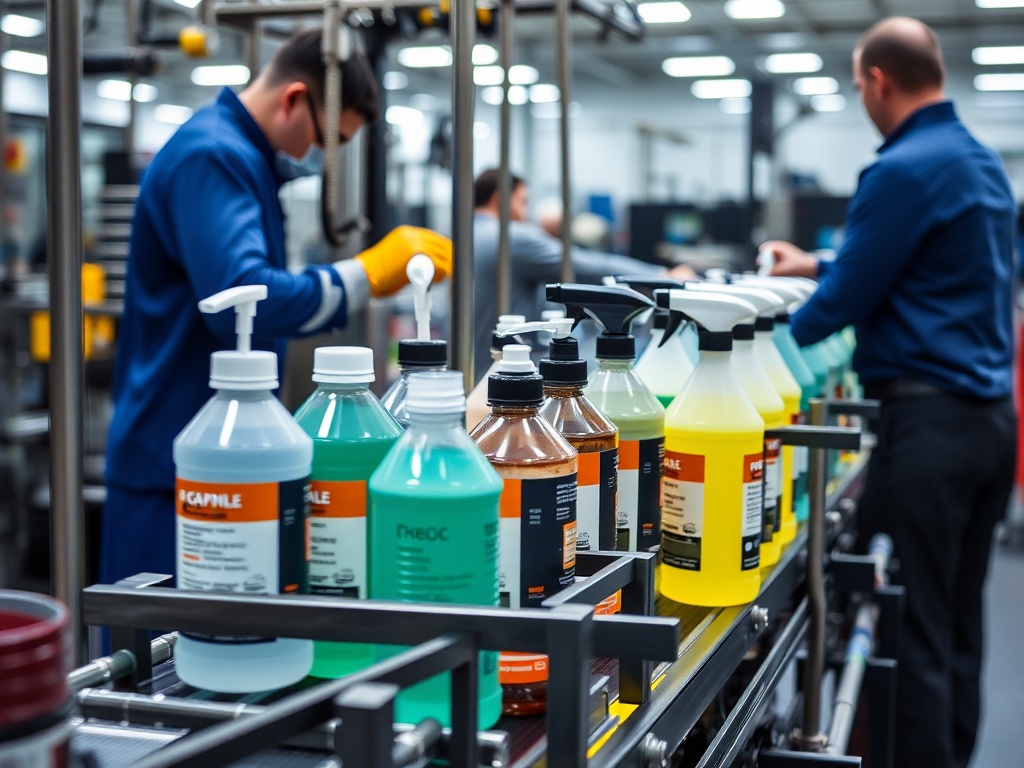
In Australia’s food manufacturing sector, cleaning performance is directly tied to production uptime, compliance, and product safety. Even minor issues with Clean-in-Place (CIP) chemicals can lead to residue buildup, failed hygiene audits, equipment corrosion, or costly shutdowns.
A small industrial cleaning chemical company based in Sydney recently faced a challenge that many Australian suppliers are quietly dealing with.
Their customers — several local food and beverage processors — were increasingly requesting a premium imported CIP alkaline and acid cleaning system that had developed a strong reputation for:
- Fast protein and fat removal
- Low-foam circulation cleaning
- Excellent scale removal
- Reliable rinse performance
- Stable results across different water conditions
The imported product worked extremely well inside:
- Dairy processing lines
- Beverage plants
- Stainless steel pipe systems
- Mixing tanks
- Heat exchangers
- Automated CIP circulation systems
But there was a major problem.
The overseas supplier controlled the pricing, supply chain, and formulation. Freight delays and rising import costs were hurting local distributors, while customers were demanding faster delivery and better pricing.
The Sydney company realised that continuing to rely on imported chemistry would eventually limit growth.
Instead of trying to build a completely new formulation from scratch — a process that could take years of trial and error — the company approached Labsure Australia to reverse engineer and benchmark the imported product.
Their goal was practical and commercially focused:
Develop an Australian-manufactured alternative with comparable cleaning performance, lower production cost, and scalable local manufacturing potential.
The Original Problem: Strong Cleaning Performance, But No Technical Visibility
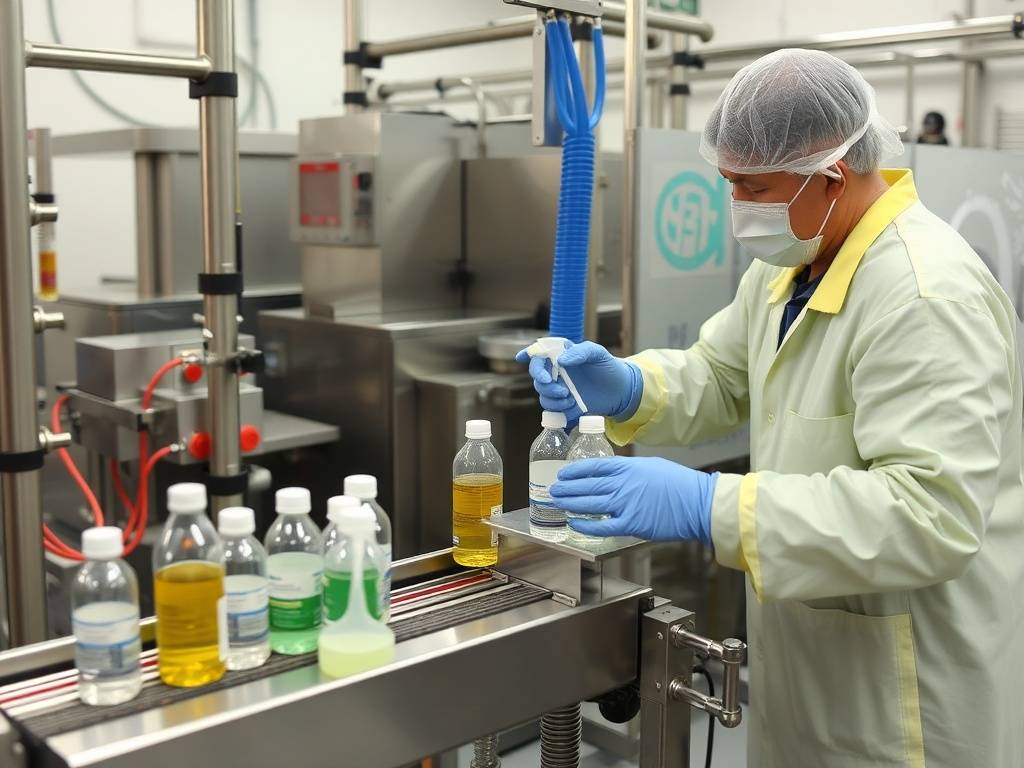
Like many premium food processing cleaners, the imported CIP system disclosed very little technical information.
The SDS only identified broad chemical categories such as:
- Sodium hydroxide
- Nitric acid
- Surfactants
- Chelating agents
But this did not explain why the product consistently outperformed many competing local cleaners.
The Sydney company had already experimented with several locally blended alternatives, but encountered repeated operational issues:
- Excessive foaming during CIP circulation
- Poor milkstone removal
- Inconsistent caustic cleaning strength
- Mineral redeposition
- Unstable performance under hard water conditions
- Corrosion concerns on stainless steel systems
Some products cleaned well initially but failed during repeated production cycles.
Others caused foam instability that disrupted high-speed automated cleaning systems.
The client needed more than basic ingredient identification.
They needed to understand:
- The surfactant balance
- Foam suppression strategy
- Chelation system
- Dispersant chemistry
- Acid stability
- Water hardness tolerance
- Compatibility with Australian food processing conditions
That is where Labsure’s Reverse Engineering & Formulation Analysis Services became critical.
Reverse Engineering the Imported CIP Cleaning System
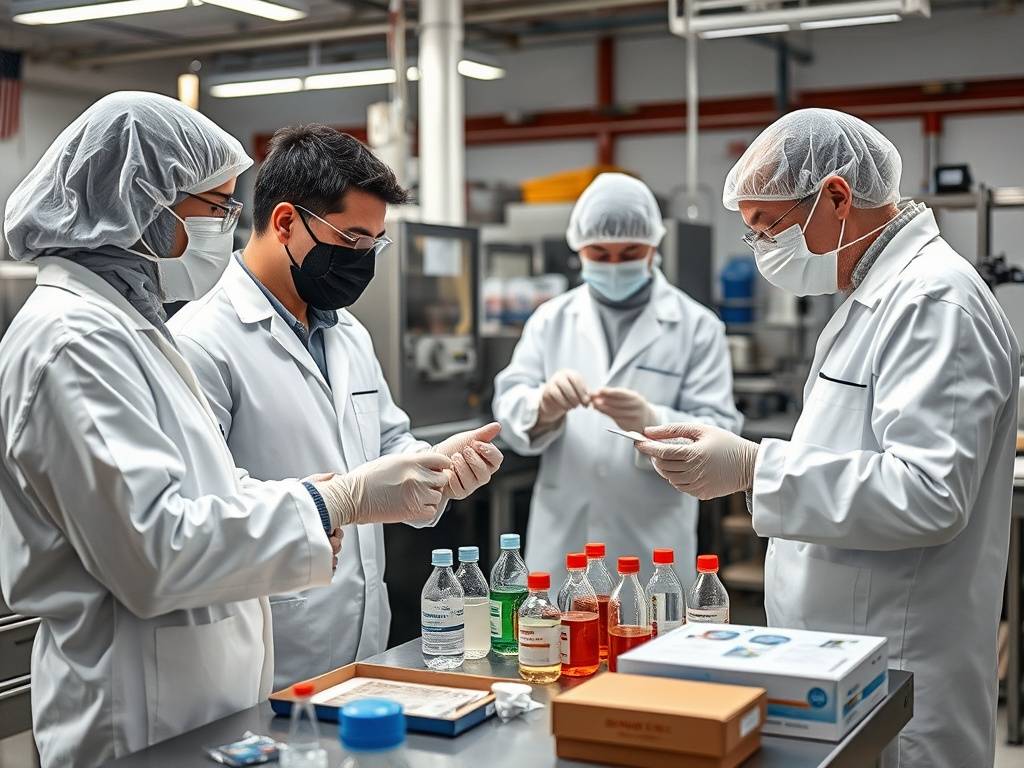
After receiving benchmark samples of both the alkaline cleaner and acid descaler, Labsure’s analytical team conducted a multi-stage technical investigation.
The project combined:
- Ingredient identification
- Quantitative formulation analysis
- Functional benchmarking
- Cleaning performance evaluation
- Stability assessment
Using advanced laboratory instrumentation including:
- GC-MS
- FTIR
- ICP analysis
- HPLC
- Surfactant profiling
- Foam analysis
- pH and conductivity mapping
our team identified the major functional components driving the imported cleaner’s performance.
The analysis revealed that the product’s effectiveness did not come solely from high caustic concentration.
Instead, the imported formulation relied heavily on a carefully optimised balance between:
- Low-foam wetting agents
- Chelating chemistry
- Scale dispersants
- Caustic stabilisers
- Rinse-assisting surfactants
- Corrosion-control additives
This explained why many cheaper cleaners failed in practical food plant conditions.
The imported product maintained stable circulation performance even under:
- High temperature cleaning cycles
- Hard water environments
- Fat-heavy production systems
- Long recirculation periods
This type of formulation understanding is exactly why many Australian chemical businesses now use Labsure’s Industrial Chemical Analysis Services before launching new products.
Why Starting From Scratch Would Have Been More Expensive
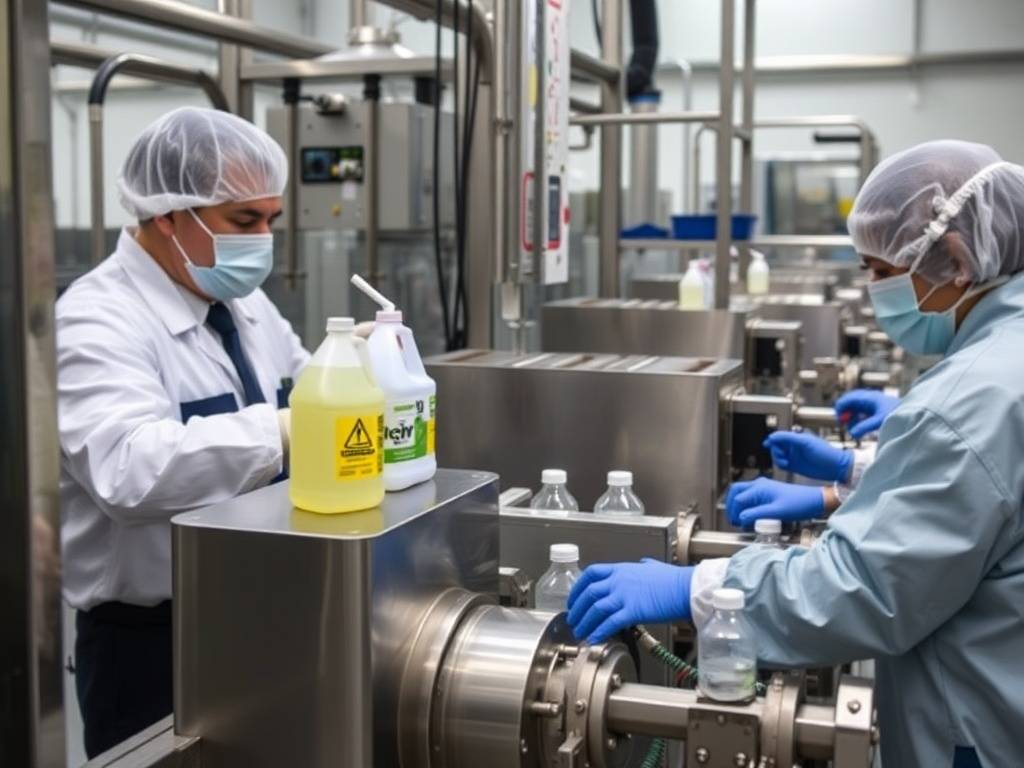
One important point the client quickly realised was that conventional R&D would likely have cost significantly more time and money.
Without a benchmark formulation, development would have involved:
- Repeated raw material screening
- Dozens of failed pilot batches
- Customer-side testing delays
- Foam-control troubleshooting
- Compatibility failures
- Multiple reformulation cycles
For small and medium-sized chemical businesses, this can become extremely expensive.
Reverse engineering allowed the company to shortcut years of uncertainty.
Instead of guessing, they were benchmarking a product already validated in the real market.
This reduced:
- Technical risk
- Development cost
- Time-to-market
- Manufacturing uncertainty
The Sydney company later described the project as “far more commercially practical than blind formulation development.”
Reformulating for Australian Manufacturing Conditions
After identifying the imported chemistry system, Labsure’s formulation team began developing a locally manufacturable version using Australian-accessible raw materials wherever possible.
The formulation optimisation process focused heavily on:
For the Alkaline CIP Cleaner
- Protein and fat removal efficiency
- Low foam circulation
- Hard water tolerance
- Soil suspension stability
- Stainless steel compatibility
For the Acid Cleaner
- Milkstone removal
- Mineral scale dissolution
- Controlled acidity
- Surface protection
- Faster rinse performance
Our team also adjusted the formulations to better suit Australian manufacturing economics and local supply chain availability.
This stage was completed through Labsure’s Formulation Research & Development Services.
The Results Achieved
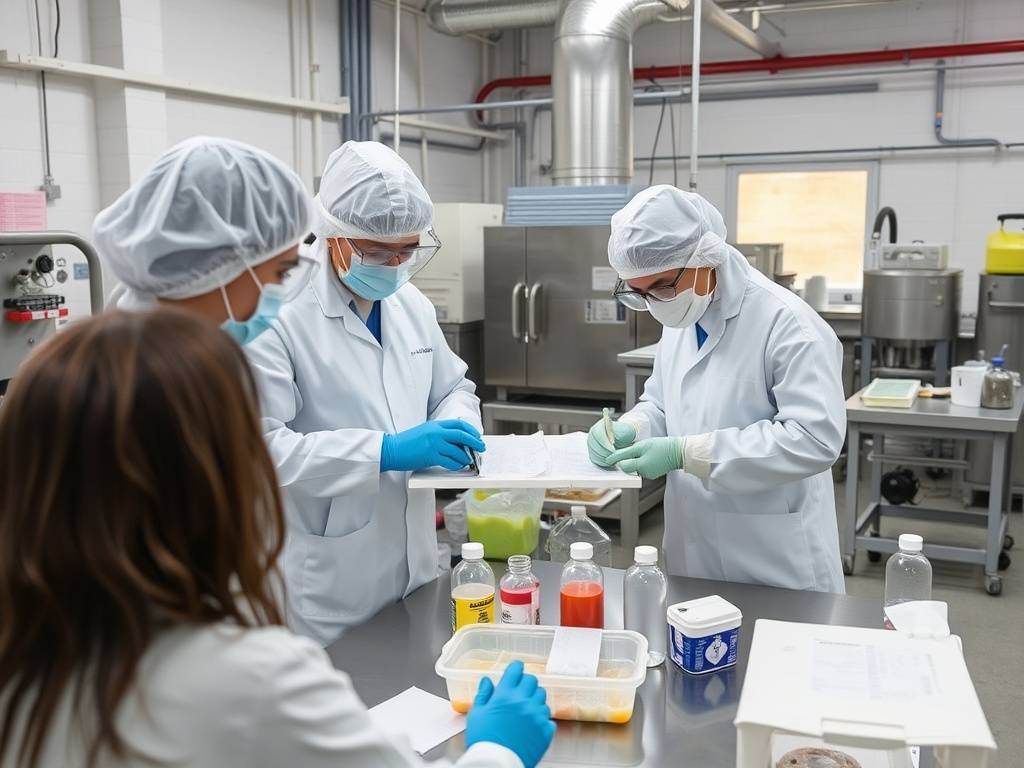
Following multiple optimisation and validation rounds, the client successfully developed a commercially viable Australian CIP cleaning system.
The final products achieved:
Operational Improvements
- Stable low-foam circulation
- Improved scale removal
- Faster rinse cycles
- Better cleaning consistency
- Reduced residue buildup
Commercial Outcomes
- Lower production cost compared to importing
- Improved gross margins
- Faster local supply capability
- Private-label ownership
- Reduced freight dependency
Manufacturing Benefits
- Scalable batch production
- Stable raw material sourcing
- Better quality consistency
- Simplified production procedures
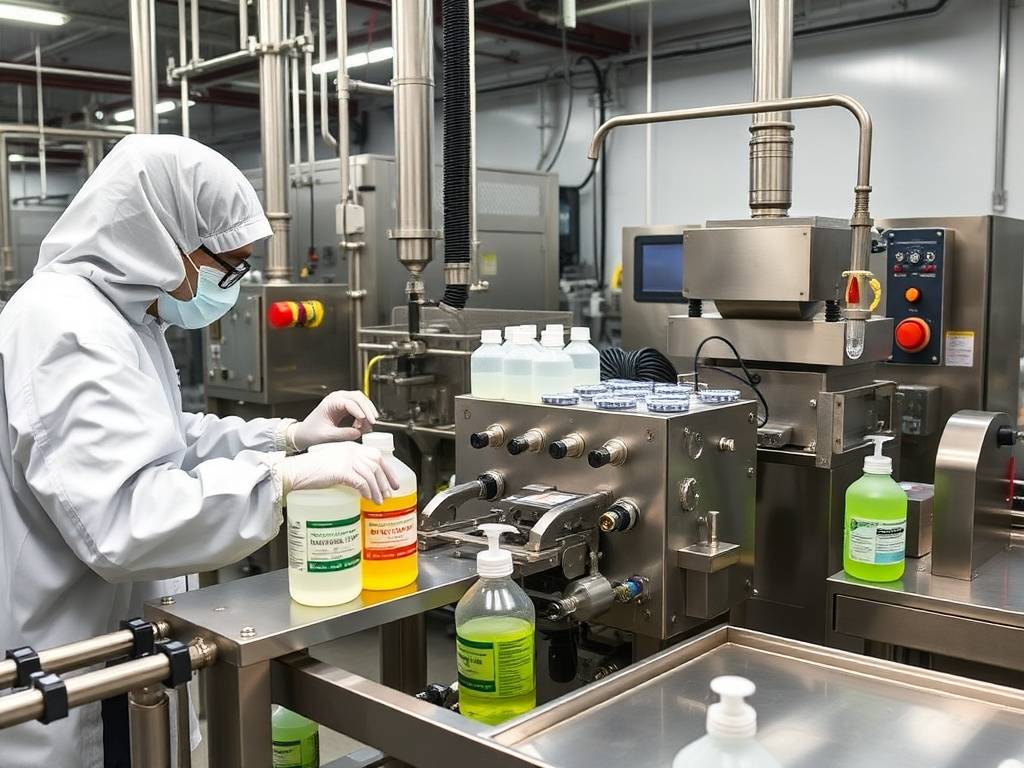
Most importantly, the client was able to begin supplying its own branded CIP cleaning products to food manufacturing customers across New South Wales within a relatively short timeframe.
Faster Product Commercialisation With Lower Risk
Many Australian chemical companies underestimate how risky traditional formulation development can be.
Trying to “invent” a cleaning product from zero often leads to:
- Excessive development cost
- Delayed product launch
- Unstable field performance
- Customer rejection
- Manufacturing problems
Benchmark-based reverse engineering offers a far more efficient commercial pathway.
When combined with formulation optimisation, it allows businesses to:
- Learn from proven market products
- Reduce technical uncertainty
- Improve manufacturing scalability
- Launch products faster
- Minimise costly formulation mistakes
This is particularly valuable in industries such as:
- Food processing chemicals
- Industrial cleaners
- Agricultural chemicals
- Construction additives
- Water treatment products
- Personal care formulations
At Labsure Australia, we regularly help Australian companies transform imported benchmark products into commercially manufacturable local alternatives.
Why Australian Chemical Companies Work With Labsure
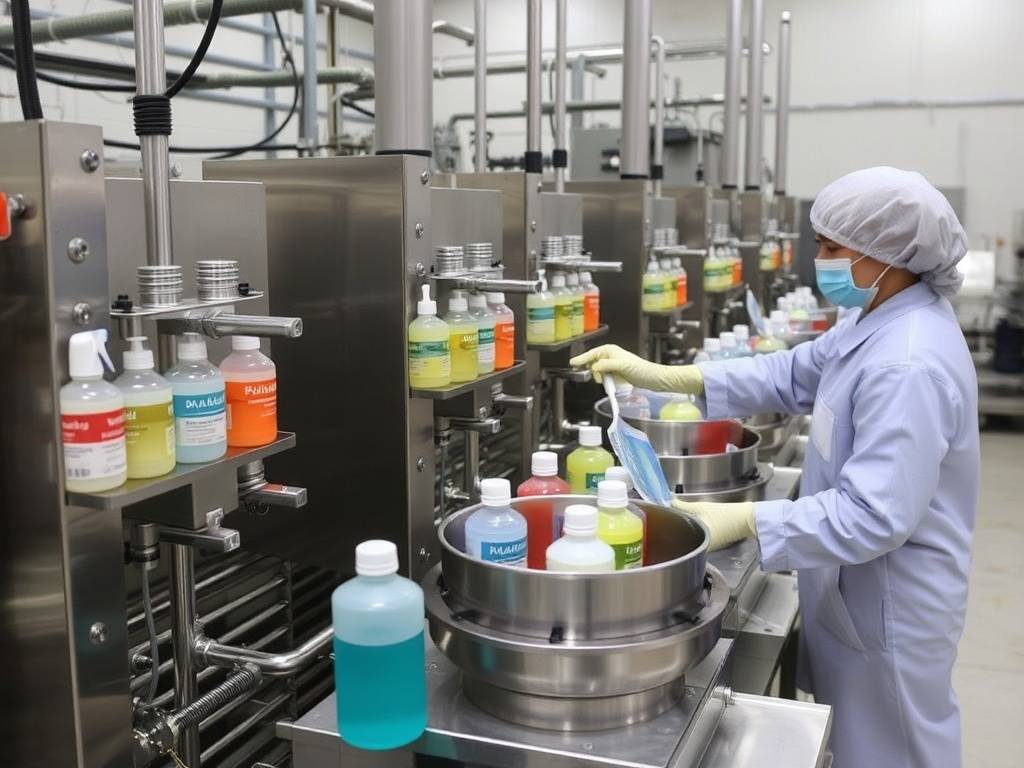
Our projects are not limited to laboratory testing.
We support businesses through:
- Reverse engineering
- Ingredient identification
- Quantitative analysis
- Formulation optimisation
- Product benchmarking
- Manufacturing-oriented R&D
- Scale-up support
Explore more services:
- Reverse Engineering & Formula Analysis
- Industrial Cleaning Chemical Analysis
- Research & Development Services
- Chemical Formulation Optimisation
- Food Processing & Industrial Chemical Support
Planning to Launch Your Own Food Processing Cleaning Products?
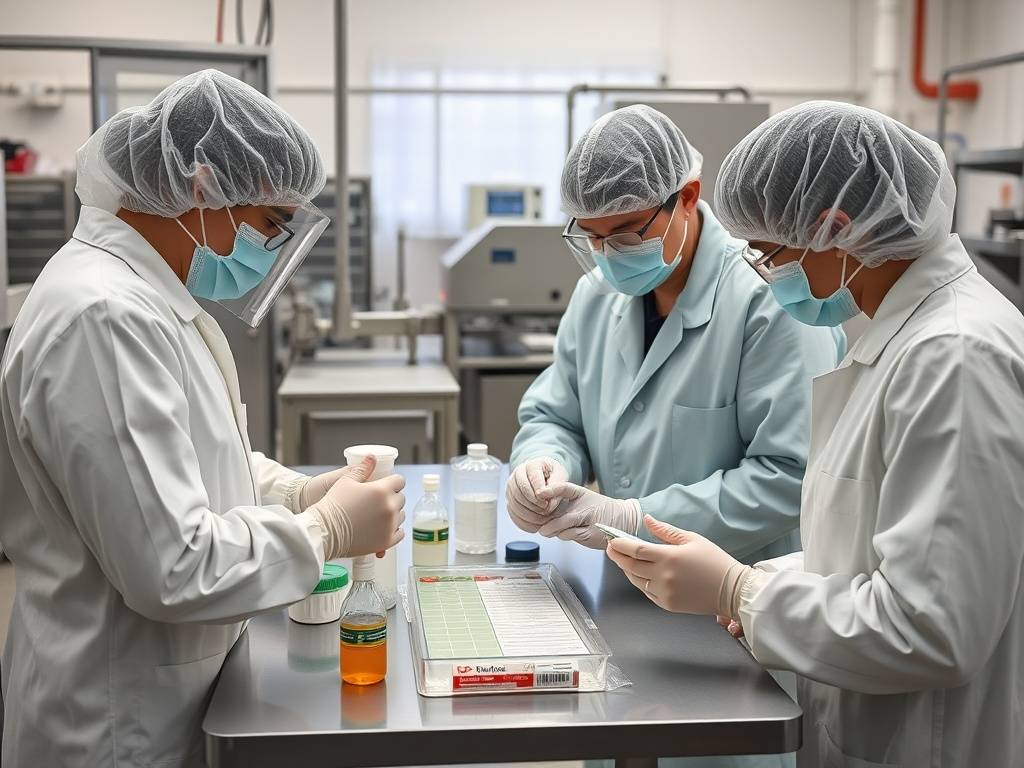
If you are currently importing industrial cleaning chemicals or struggling with unstable formulations, reverse engineering and formulation benchmarking may help you reduce development time, lower technical risk, and bring products to market faster.
Whether you are developing:
- CIP alkaline cleaners
- Acid descalers
- Foam-control detergents
- Food plant sanitisers
- Industrial degreasers
- Custom private-label cleaning products
Labsure can assist with analytical chemistry, formulation development, and manufacturing-focused optimisation.
Contact Labsure Australia for confidential project discussions.
Website: www.labsure.com.au
Email: info@labsure.com.au
Services: Reverse Engineering, Quantitative Formula Analysis, Product Development & Manufacturing Support