
Want to create your own product instead of relying on suppliers?
We analyse and break down existing products, so you can develop your own formula with confidence.
Don’t know what’s inside your competitor’s product?
We identify ingredients, percentages, and formulation logic —so you can replicate, improve, and reduce cost.
Actionable Compositional Intelligence — Not Just Lab Data.
Real Product Insights That Drive Reformulation, Cost Optimisation, and Competitive Success.
Reverse Engineering & Product Formulation Analysis for Australian Manufacturers
Labsure provides independent chemical analysis services to help you understand what is inside a product — and how to recreate or improve it.
We break down complex formulations into clear, actionable data, including ingredient identification, approximate percentages, and functional roles within the formula.
This enables you to:
- Develop your own product formulations with confidence
- Reduce production costs through smarter material selection
- Improve product performance and consistency
- Benchmark and analyse competitor products
Our goal is simple: give you the technical clarity needed to make faster, lower-risk product decisions.
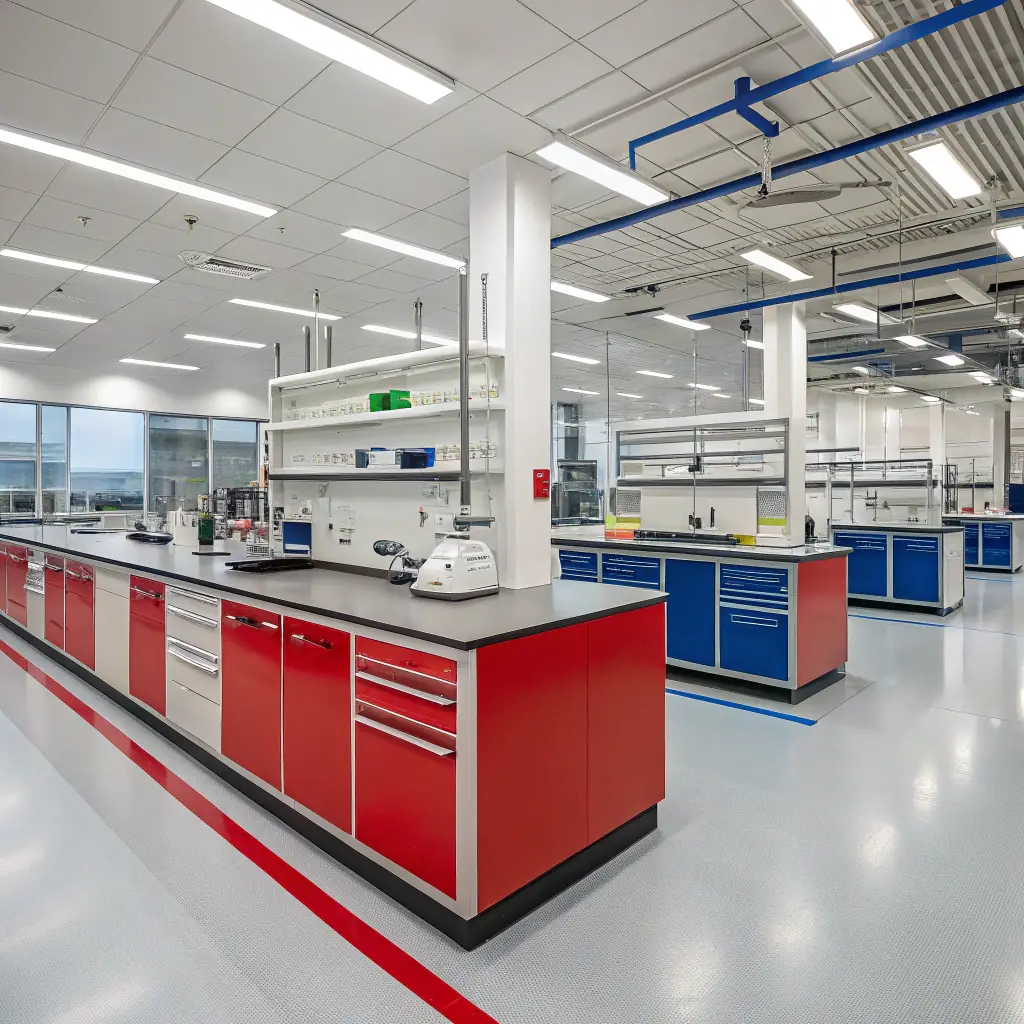
We work with Australian businesses that need to take control of their product formulations:
When formulation details are unknown, every decision becomes a risk.
Labsure delivers precise, laboratory-verified compositional analysis — so you can move forward with confidence, reduce uncertainty, and make commerci
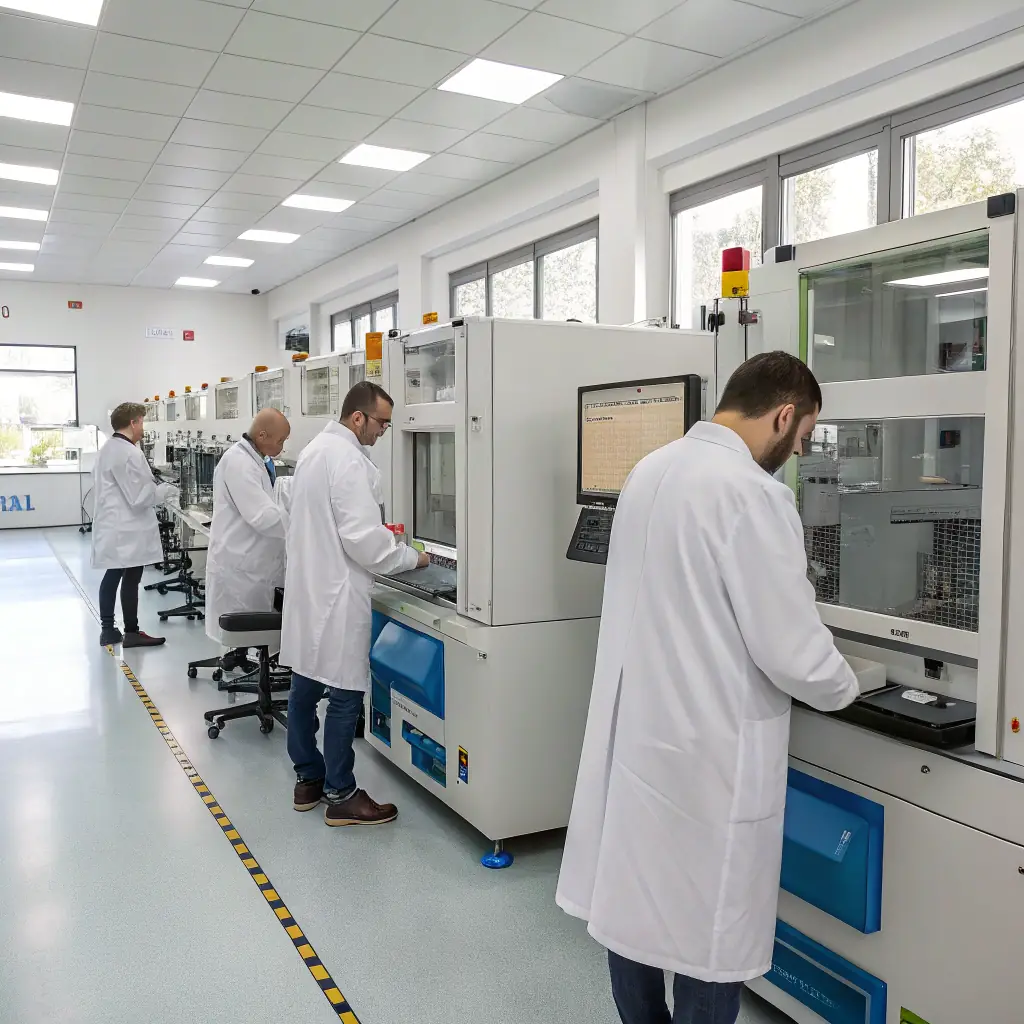
Traditional formulation development can take months of experimentation with uncertain outcomes. Reverse engineering allows you to start from proven products already validated by the market — giving you immediate insight into composition and structure. This significantly shortens development cycles and helps you bring products to market faster.
Developing formulations without clear data often leads to unnecessary material costs and repeated testing. By analysing existing products and optimising their composition, you can identify cost drivers, evaluate alternative ingredients, and build more efficient formulations — reducing overall development and production costs.
Launching a product without full formulation understanding introduces technical and commercial risks. With reverse engineering and formulation analysis, you gain reliable data on ingredients and functionality, allowing you to validate your product before scaling. This reduces uncertainty and ensures a more controlled, lower-risk path to market.
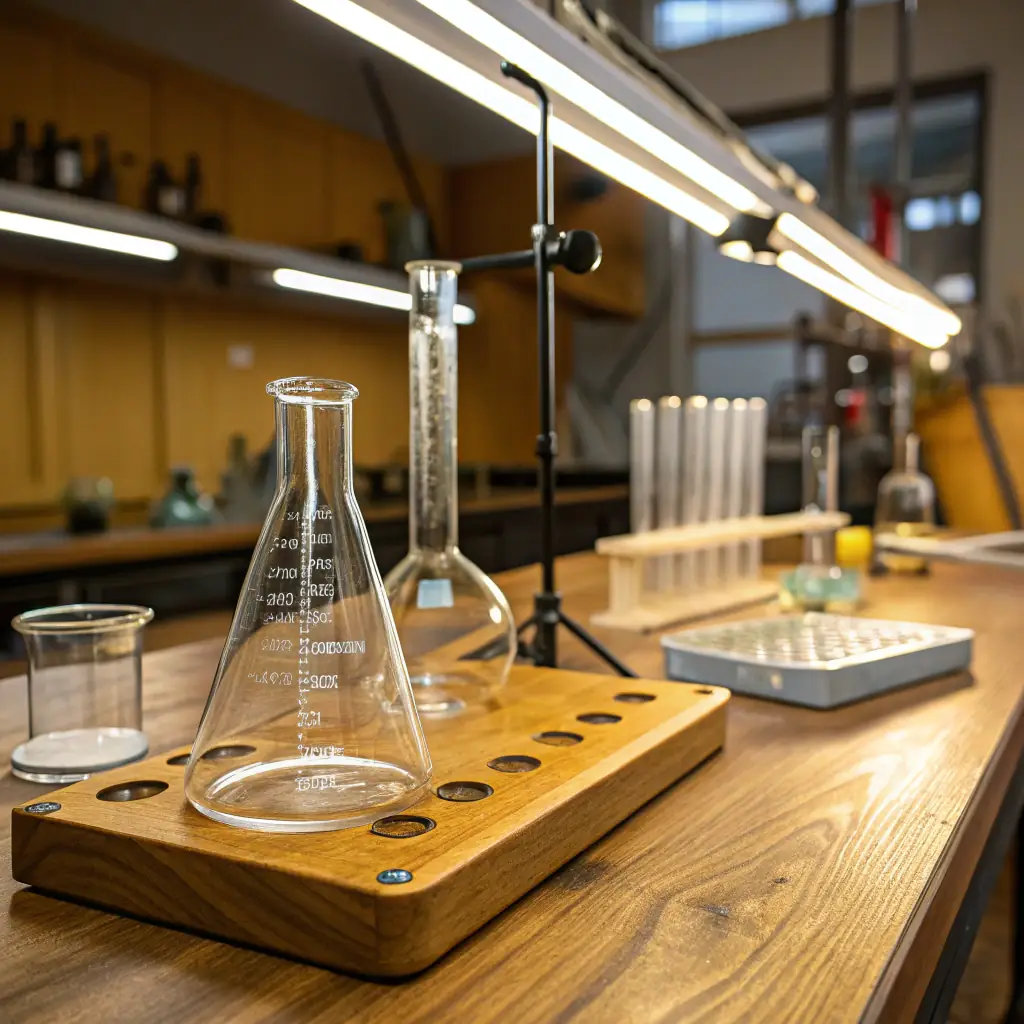
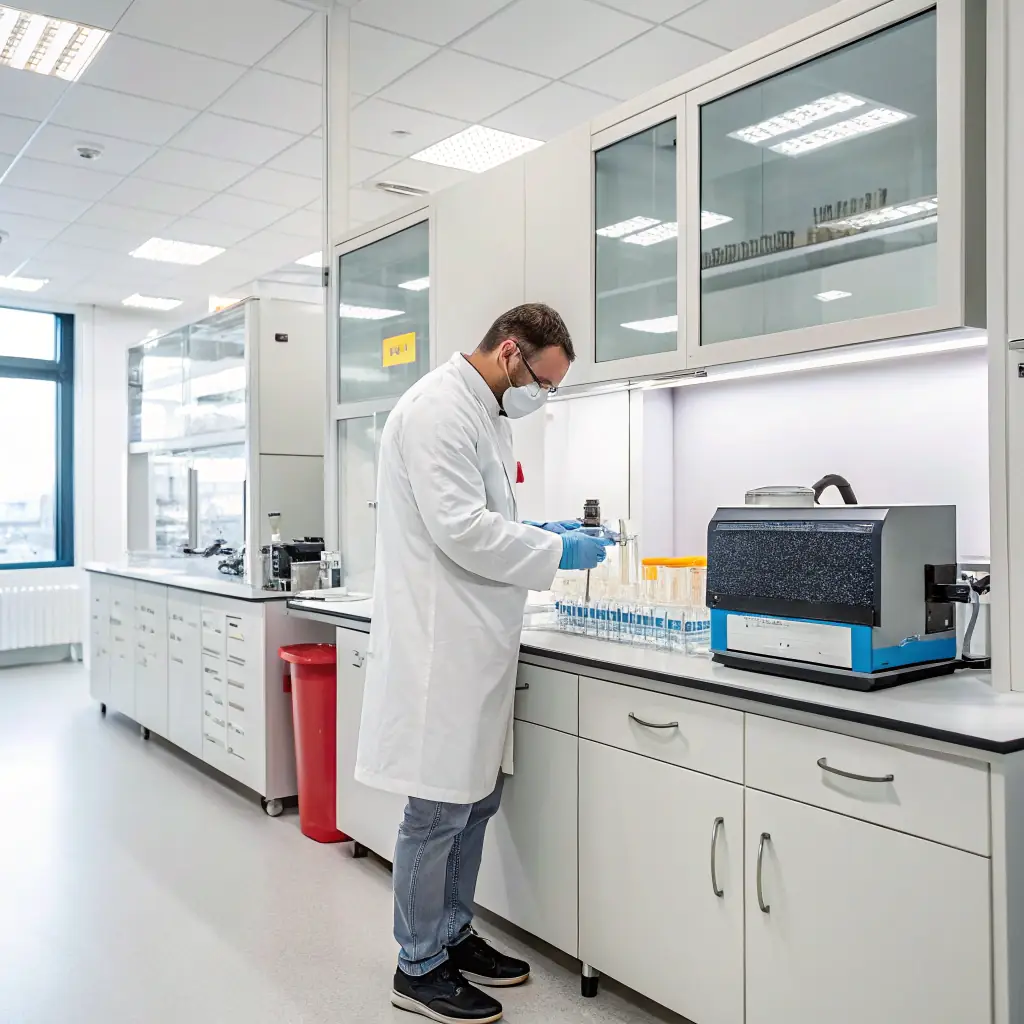
Our laboratory uses advanced GC-MS and HPLC technology to break down complex chemical products into their base components. We identify active ingredients and their ratios, providing you with a clear benchmark for competitive analysis.
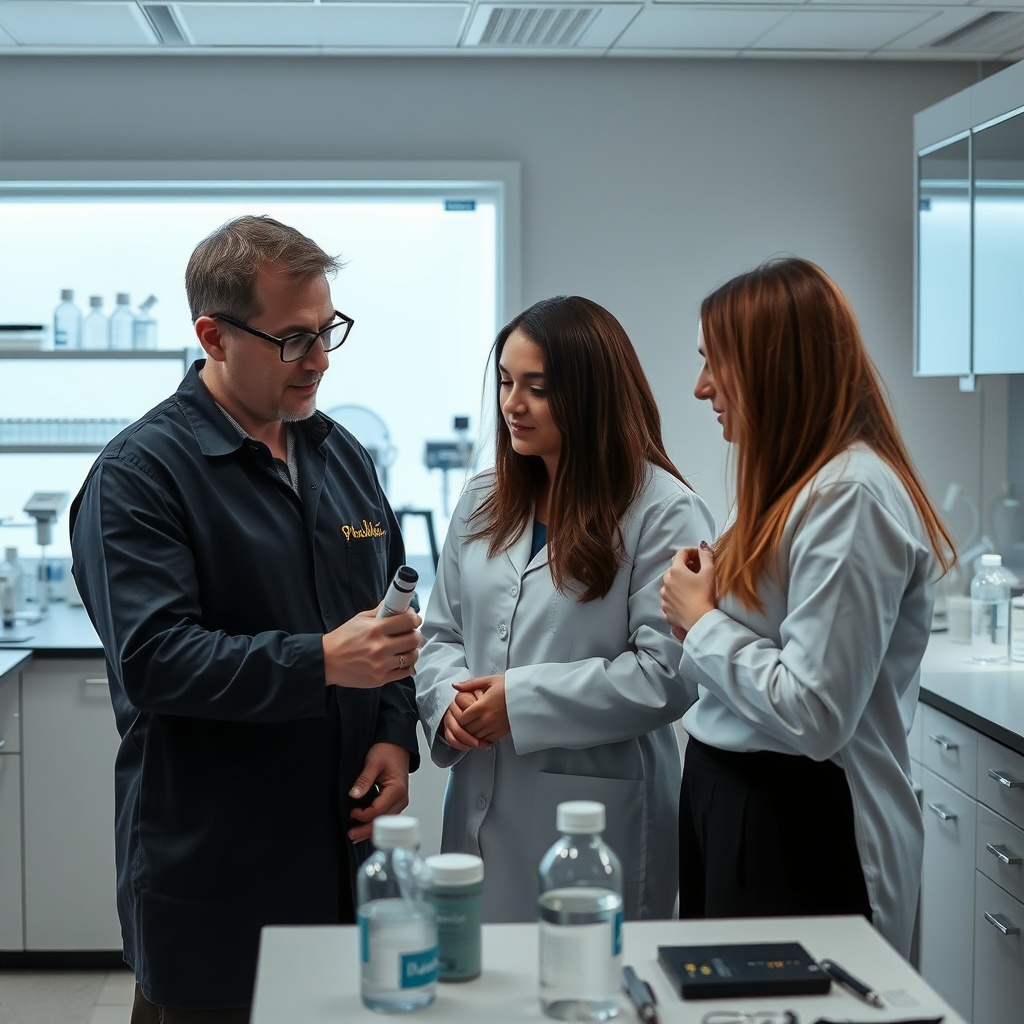
Reverse Engineering & Formulation Analysis Across Key Industries in Australia
Labsure supports businesses across a wide range of industries with independent chemical analysis, reverse engineering, and formulation insight. Whether you are developing new products, improving existing formulations, or analysing competitors, our services are tailored to the technical and commercial needs of your industry.
- Cosmetics & Personal Care: Skincare, haircare, fragrances, and personal hygiene products
- Cleaning Products & Household: Chemicals Surface cleaners, detergents, disinfectants, and specialty cleaning solutions
- Coatings, Paints & Adhesives: Decorative coatings, industrial paints, sealants, and bonding systems
- Agricultural Chemicals & Fertilisers: Crop protection products, soil additives, and nutrient formulations
- Pet Care Products: Pet shampoos, grooming products, and specialty care formulations
- Environmental & Water Treatment: Chemicals Water purification agents, treatment chemicals, and environmental solutions
- Industrial Cleaning Agents & Lubricants: Heavy-duty cleaners, degreasers, maintenance chemicals, and industrial lubricants
- Automotive Care & Detailing: Products Car wash solutions, polishes, coatings, and surface protection systems
- Construction Chemicals (e.g. Water Reducers & Additives) :Concrete admixtures, water-reducing agents, and performance-enhancing additives
- Mining Chemicals (e.g. Flotation Reagents) :Flotation agents, collectors, frothers, and mineral processing chemicals
Submit your enquiry to explore how independent product composition analysis can support benchmarking, optimisation, and smarter formulation decisions.