For many Australian supplement businesses, the biggest challenge is not finding a product idea.
The real challenge is turning that idea into a commercially viable product without spending hundreds of thousands of dollars on formulation development, failed trials, manufacturing mistakes and regulatory setbacks.
A sports nutrition company based in New South Wales recently approached Labsure with exactly this problem.
They had identified a growing opportunity in the performance recovery market. Their customers were already buying imported liquid supplements and recovery drinks, but feedback from athletes, gym owners and distributors revealed several recurring complaints:
- Active ingredients were underdosed
- Shelf life was inconsistent
- Taste deteriorated over time
- Products were expensive due to overseas manufacturing
- Supply chain disruptions frequently caused stock shortages
The company wanted to launch its own Australian-made product but faced a difficult question:
How do you develop a competitive formulation without spending years and a large R&D budget?
The solution was a structured reverse engineering and formulation optimisation program.
The result was a locally manufactured sports supplement that met customer requirements, reduced supply chain risk and gave the company complete control over its intellectual property and manufacturing.
The Market Opportunity Was Clear, But Product Development Was Not
The NSW company had already validated market demand.
They were selling sports supplements through:
- Independent gyms
- Fitness coaches
- Sports clubs
- Online channels
- Health retailers
Their customers repeatedly requested improvements over existing products.
Athletes wanted:
- Better recovery support
- Improved ingredient transparency
- Reduced sugar content
- Higher active concentrations
- Better flavour stability
- Australian-made alternatives
The business considered hiring a formulation chemist and starting development from scratch.
However, after discussions with multiple manufacturers, they quickly discovered the challenges.
Developing a new sports nutrition formulation from the ground up often requires:
- Multiple development cycles
- Ingredient compatibility testing
- Stability studies
- Preservative efficacy assessments
- Manufacturing trials
- Packaging compatibility evaluations
Even before commercial production begins, development costs can easily exceed tens of thousands of dollars.
For small and medium-sized supplement businesses, this approach often carries significant financial risk.
Why Reverse Engineering Was the Fastest Path to Market
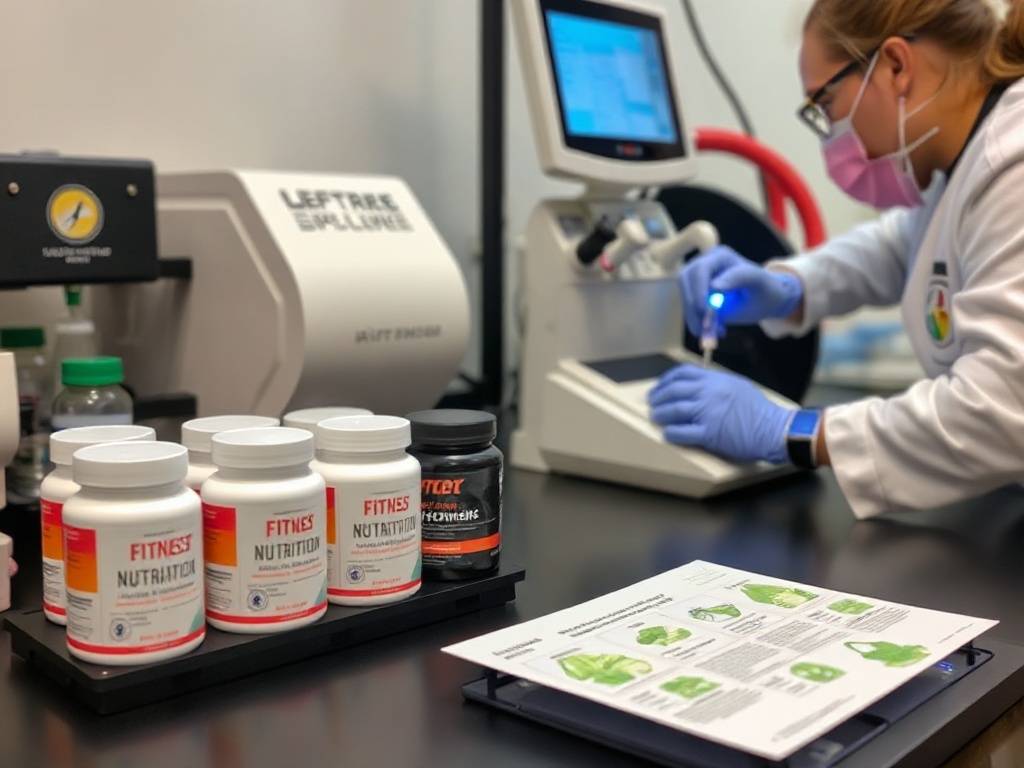
Rather than beginning with a blank page, the company selected several leading competitor products already performing well in the market.
These products had already demonstrated:
- Consumer acceptance
- Proven demand
- Commercial viability
- Established distribution success
Instead of guessing what worked, the company wanted factual data.
This led them to Labsure’s reverse engineering program.
Recommended internal link:
Reverse Engineering Services
https://www.labsure.com.au/reverse-engineering/
The objective was simple:
Identify the key formulation components responsible for performance and then improve the formulation based on customer requirements.
This significantly reduced development uncertainty.
Understanding What Was Really Inside the Product
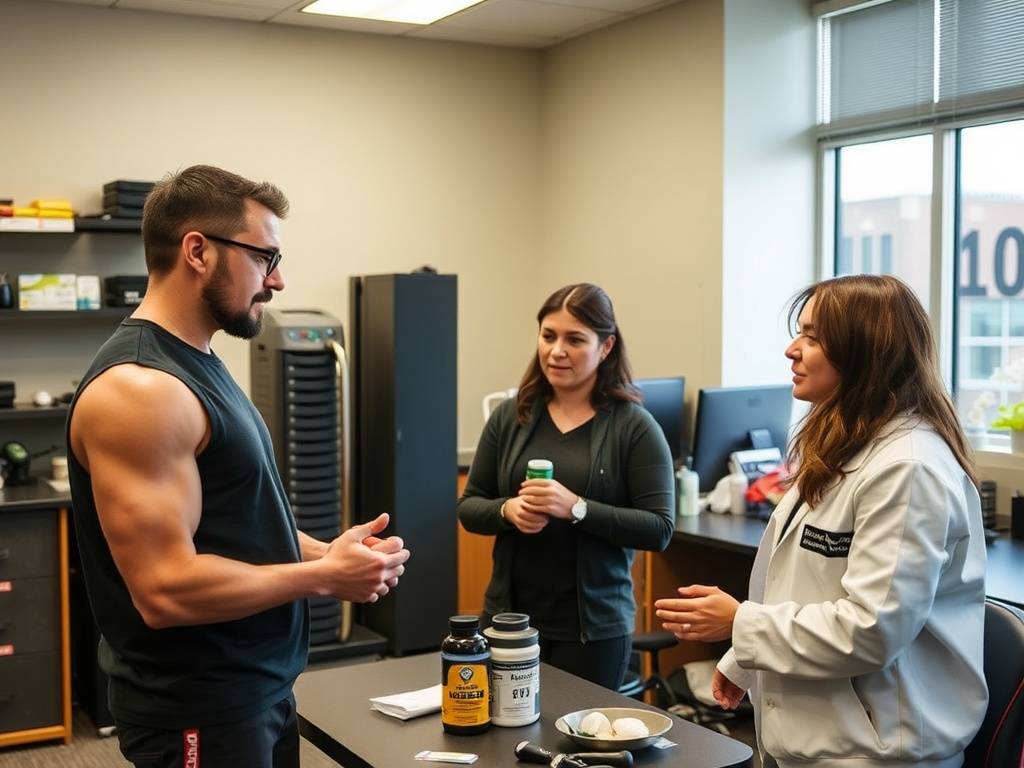
One of the first stages involved comprehensive analytical testing.
Using advanced laboratory instrumentation, Labsure evaluated:
- Active ingredients
- Preservatives
- Sweeteners
- Acids
- Functional additives
- Solubilising agents
- Stability enhancers
For liquid nutritional supplements, understanding ingredient interactions is particularly important.
Many ingredients may remain stable individually but degrade when combined in aqueous systems.
This can affect:
- Product potency
- Shelf life
- Taste
- Appearance
- Regulatory compliance
The company initially assumed the product’s label represented the complete formulation.
The analysis revealed that several important formulation aids were not obvious from public information.
These included:
- Solubilisation systems
- Preservation strategies
- Flavour stabilisation components
- pH adjustment systems
Without analytical testing, replicating product performance would have involved considerable guesswork.
Recommended internal link:
Chemical Analysis Services
https://www.labsure.com.au/chemical-analysis/
Identifying Why Customers Were Not Fully Satisfied
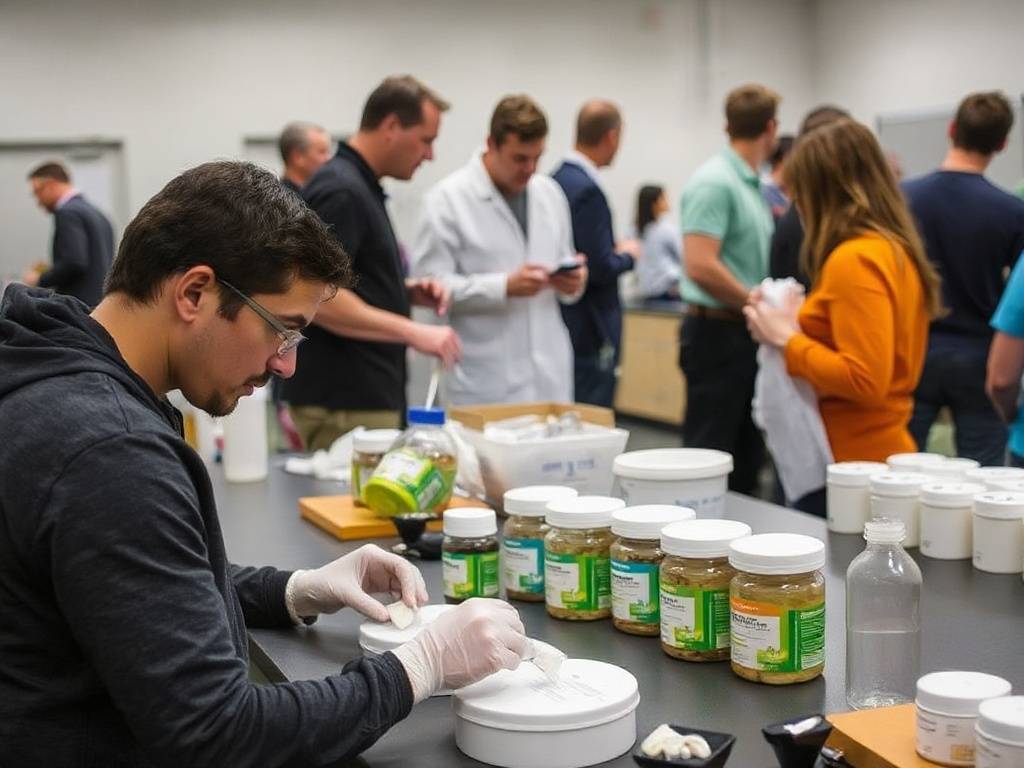
After profiling the competitor products, Labsure worked with the client to map customer feedback against the formulation data.
Several important gaps became clear.
Recovery Performance
Many customers wanted stronger post-exercise recovery support.
Analysis suggested that active ingredient concentrations could be improved without negatively impacting product stability.
Sugar Reduction
Health-conscious consumers increasingly preferred lower sugar formulations.
The company wanted to reduce sugar while maintaining taste and mouthfeel.
Improved Shelf Stability
Some existing products showed flavour changes over time.
By reviewing preservative systems and stabilisation strategies, opportunities for improvement were identified.
Australian Manufacturing Requirements
Several ingredients used in imported products created sourcing challenges.
The client preferred locally available raw materials to simplify supply chain management.
This would help improve production consistency and reduce lead times.
How Formulation Optimisation Reduced Commercial Risk
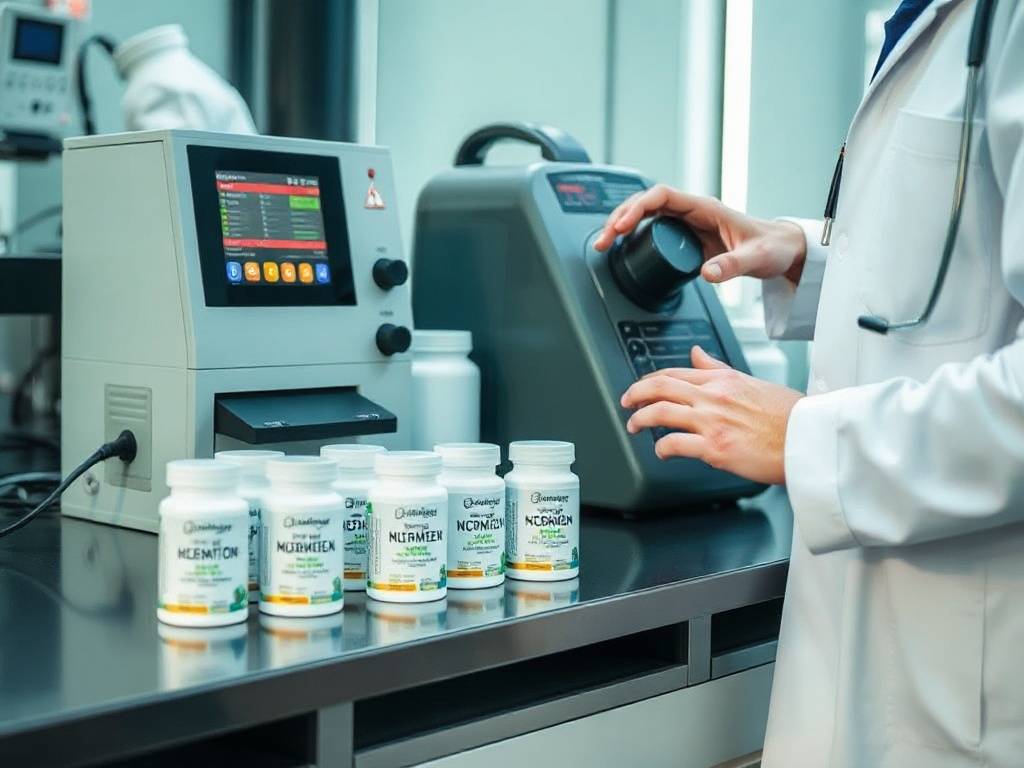
Rather than attempting radical changes, Labsure recommended a structured optimisation process.
Recommended internal link:
Formulation Development Services
https://www.labsure.com.au/formulation-development/
The strategy focused on preserving proven performance characteristics while addressing customer complaints.
Key optimisation areas included:
Active Ingredient Enhancement
Target ingredients were adjusted to improve product positioning within the sports nutrition market.
Stability Improvements
Additional testing helped identify formulation modifications that could improve storage stability.
Manufacturing Compatibility
The formulation was adjusted to align with Australian manufacturing capabilities.
Cost Efficiency
Ingredient substitutions were evaluated to reduce production costs without compromising performance.
This process is often significantly more cost-effective than starting formulation development from zero.

The Importance of Stability Testing Before Commercialisation
One of the most common mistakes made by supplement startups is assuming that a product works simply because it looks acceptable immediately after mixing.
Real-world stability is much more complex.
Recommended internal link:
Product Testing Services
https://www.labsure.com.au/product-testing/
Factors that must be evaluated include:
- Temperature exposure
- Ingredient degradation
- pH drift
- Colour changes
- Sedimentation
- Flavour deterioration
- Preservative effectiveness
For liquid supplements, stability testing often determines whether a product succeeds or fails commercially.
The NSW company invested in pre-commercialisation testing before moving to larger manufacturing runs.
This significantly reduced launch risk.
Moving from Laboratory Formulation to Commercial Production
Once the optimised formulation was finalised, the company progressed to pilot-scale manufacturing.
Unlike many startups, they were not entering production blindly.
They already understood:
- Ingredient composition
- Active levels
- Functional roles
- Manufacturing considerations
- Stability requirements
This dramatically reduced development uncertainty.
The company was then able to engage Australian manufacturing partners with clear technical specifications.
Recommended internal link:
Contract Manufacturing Support
https://www.labsure.com.au/private-label/
Because the formulation had already been technically evaluated, discussions with manufacturers became far more productive.
Instead of asking manufacturers to invent a product, they were providing a defined formulation pathway.
Why Local Manufacturing Became a Competitive Advantage
The original imported products relied heavily on overseas supply chains.
The company experienced:
- Long lead times
- Freight delays
- Inventory shortages
- Rising shipping costs
Local production changed the equation.
Benefits included:
Faster Replenishment
Inventory could be replenished significantly faster.
Better Quality Control
Production oversight improved substantially.
Reduced Supply Chain Risk
Dependence on international suppliers was reduced.
Greater Flexibility
Formulations could be adjusted based on customer feedback.
Stronger Brand Positioning
Australian-made products often resonate strongly with local consumers.
For this business, manufacturing locally became a strategic advantage rather than simply an operational decision.
The Commercial Outcome
Within a relatively short timeframe, the company transitioned from being a reseller of imported products to controlling its own brand and supply chain.
The final product delivered:
- Improved active ingredient profile
- Better alignment with customer expectations
- More stable supply
- Australian manufacturing capability
- Greater product differentiation
- Improved margins
Most importantly, the company owned the formulation pathway.
This created long-term strategic value that would not have been possible by simply continuing to resell third-party products.
Why Many Australian Supplement Businesses Are Adopting This Development Model
Traditionally, businesses assumed product development required years of research and large budgets.
Today, reverse engineering and formulation optimisation provide a faster alternative.
The process allows businesses to:
- Understand existing market-leading products
- Identify performance drivers
- Reduce development uncertainty
- Improve product differentiation
- Accelerate commercialisation
- Minimise R&D expenditure
For small and medium-sized supplement companies, this approach often represents the most practical pathway to launching a competitive product.
Rather than reinventing the wheel, businesses can learn from proven formulations and focus resources on meaningful improvements.
Looking to Develop Your Own Supplement Product?
Whether you are planning a sports nutrition drink, collagen beverage, functional tonic, recovery supplement or nutritional liquid, Labsure can help you understand existing formulations and develop a commercially viable product faster.
Our services include:
- Reverse Engineering
- Deformulation Analysis
- Active Ingredient Profiling
- Stability Testing
- Formulation Optimisation
- Product Development Support
- Manufacturing Support
Explore:
- Reverse Engineering: https://www.labsure.com.au/reverse-engineering/
- Formulation Development: https://www.labsure.com.au/formulation-development/
- Chemical Analysis: https://www.labsure.com.au/chemical-analysis/
- Product Testing: https://www.labsure.com.au/product-testing/
- Private Label & Manufacturing Support: https://www.labsure.com.au/private-label/
Contact Labsure
If you are considering launching a new supplement product or improving an existing formulation, contact Labsure for a confidential discussion.
Phone: 1300 508 536
Email: info@labsure.com.au
Website: www.labsure.com.au
The fastest route to market is not always starting from scratch. Sometimes the smartest approach is understanding what already works, improving it strategically, and bringing it to market with confidence.