Australia’s road infrastructure sector is changing rapidly.
Road authorities, civil contractors and infrastructure developers are demanding longer pavement life, better rutting resistance, improved fatigue performance, and more stable asphalt systems capable of surviving extreme Australian temperatures.
For many road construction material suppliers, this creates both a challenge and a major commercial opportunity.
A New South Wales-based road materials supplier recently found itself in exactly this position.
The company had spent years supplying conventional asphalt additives and road construction materials across NSW. Through long-term relationships with contractors and paving companies, they understood something important:
Many customers preferred a specific imported polymer-modified asphalt (PMB) system because it performed well under heavy traffic and high summer temperatures.
But customers also complained about several recurring issues:
- Inconsistent supply availability
- High imported material costs
- Long lead times
- Limited technical support locally
- Poor flexibility for customised project requirements
- Some cracking and handling concerns in regional conditions
The NSW supplier saw an opportunity to develop its own PMB product tailored specifically for Australian road conditions.
The problem?
They understood the market — but they did not have the internal polymer asphalt formulation expertise to develop a high-performance PMB system from scratch.
That’s when they approached Labsure.
The Real Challenge with Polymer-Modified Asphalt Isn’t Manufacturing — It’s Formulation Knowledge
Many people assume polymer-modified asphalt is simply “bitumen mixed with polymer.”
In reality, PMB systems are highly engineered materials.
Performance depends heavily on:
- Polymer selection
- Polymer concentration
- Compatibiliser systems
- Crosslinking chemistry
- Base bitumen compatibility
- Storage stability
- Mixing temperature behaviour
- Elastic recovery characteristics
- Rutting resistance performance
- Fatigue cracking resistance
A formulation that performs well in one climate may fail in another.
Australian roads create particularly difficult conditions because pavement systems must tolerate:
- Extreme UV exposure
- Heavy freight traffic
- Large temperature fluctuations
- Long transport distances
- Regional application variability
The NSW supplier’s concern was not simply producing PMB.
They needed to create a commercially reliable product capable of competing against already trusted market brands.
And they needed to do it without spending years building a dedicated asphalt R&D division.
Instead of starting from zero, they pursued a faster commercial strategy:
reverse engineering and formulation analysis.
Understanding What the Market Already Trusted
The client already knew which imported PMB product their contractors preferred.
That gave them an enormous advantage.
Rather than guessing what the market wanted, they already had a validated benchmark product with proven field performance.
The next step was understanding why that product performed well.
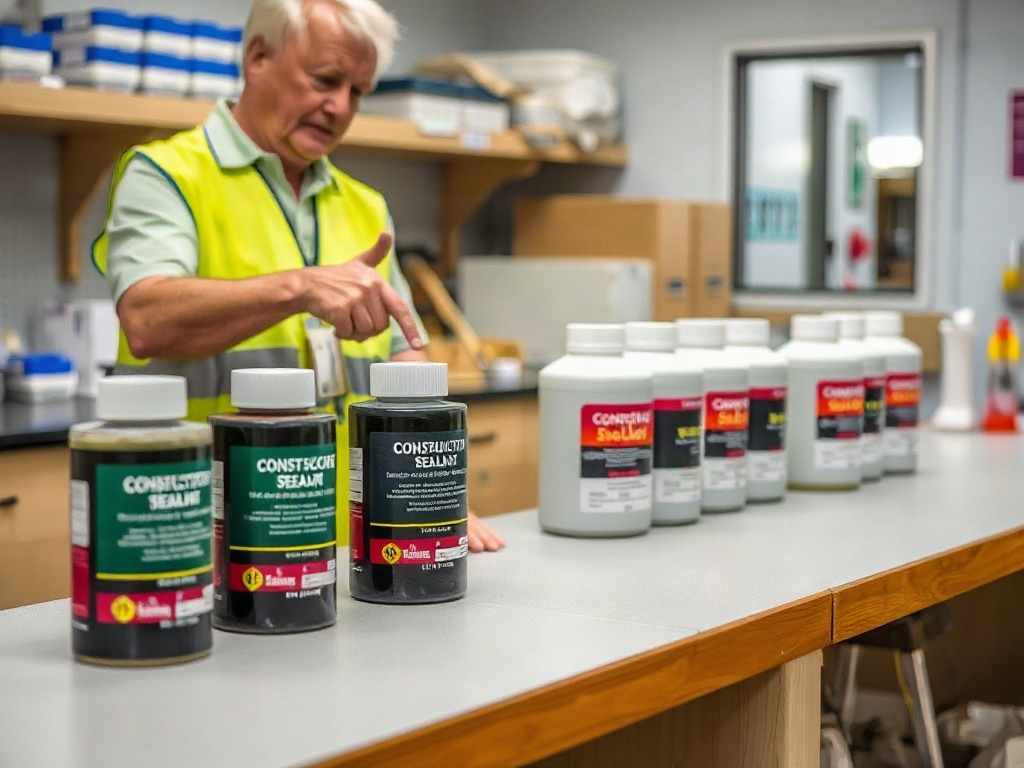
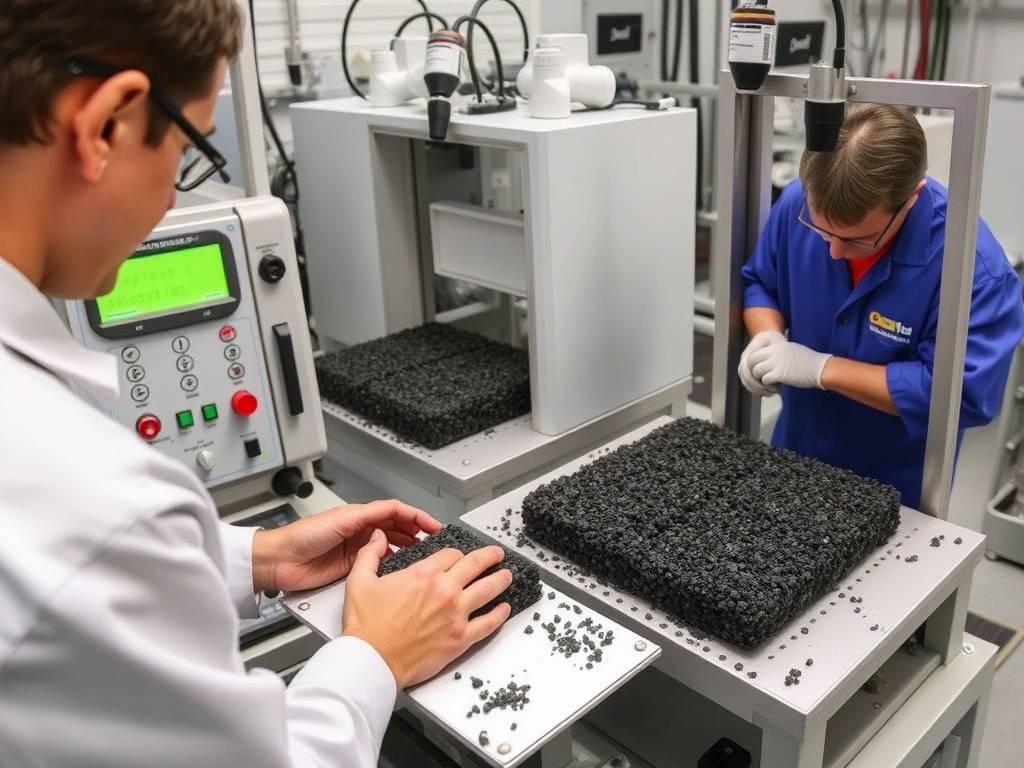
The client supplied samples of the imported polymer-modified asphalt for detailed analysis by Labsure.
The project focused on identifying:
- Polymer system structure
- Modifier concentration
- Elastomeric components
- Compatibiliser chemistry
- Performance-enhancing additives
- Stability systems
- Rheological behaviour
- High-temperature deformation resistance
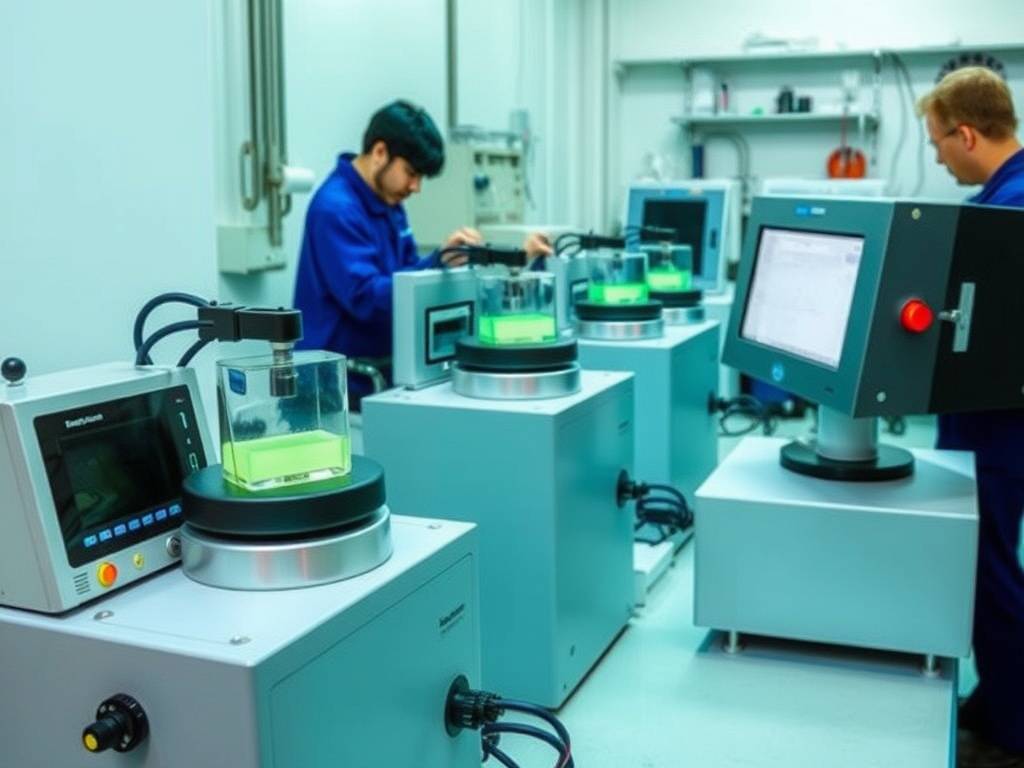
Using advanced analytical techniques and formulation investigation methods, Labsure helped map the composition and functional design of the PMB system.
This process went far beyond basic laboratory testing.
The objective was not merely identifying ingredients.
The real value was understanding how the formulation achieved its field performance under Australian road conditions.
That is the foundation of Labsure’s formulation reverse engineering services.
Why Starting from a Proven Product Dramatically Reduced Risk
The NSW supplier originally considered building an internal development program to formulate PMB independently.
However, after reviewing the likely development costs and technical challenges, they realised several major risks:
- Long development timelines
- Expensive pilot production trials
- High polymer experimentation costs
- Difficulty sourcing compatible materials
- Scale-up instability risks
- Potential field failures during early adoption
- Loss of contractor confidence if performance varied
Traditional asphalt modifier development can take years.
Reverse engineering significantly shortened the path.
Instead of beginning with uncertain chemistry, the client started with a commercially validated market benchmark.
This changed the entire development process.
Rather than exploring endless formulation possibilities, the project focused only on:
- Understanding the existing performance system
- Identifying improvement opportunities
- Adapting the product for Australian supply conditions
- Optimising manufacturing practicality
- Improving cost efficiency where possible
This dramatically reduced technical uncertainty and commercial risk.
The Goal Wasn’t to “Copy” the Product — It Was to Build a Better Local Version
One of the biggest misconceptions about reverse engineering is that companies simply want exact replicas.
That was not the strategy here.
The NSW supplier wanted to create a product better suited to local contractor needs.
After analysing the imported PMB system, Labsure assisted the client in exploring targeted improvements.
These included:
Improved High-Temperature Stability
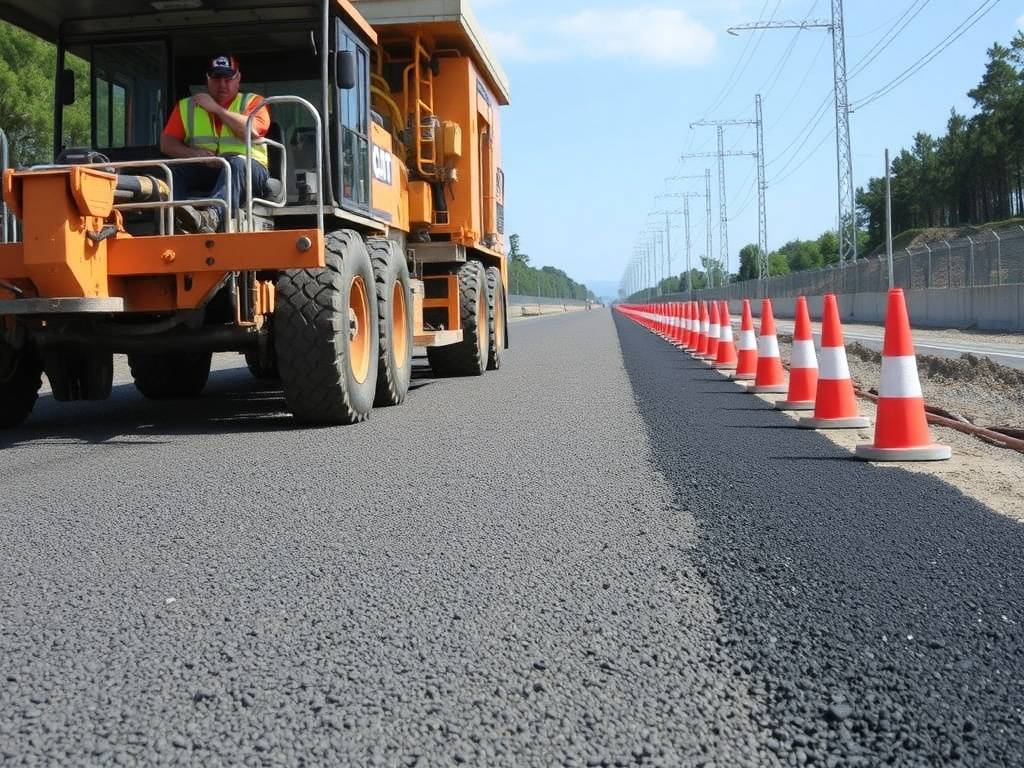
Australian summer pavement temperatures can become extremely severe, particularly in western NSW and heavy freight corridors.
The formulation optimisation focused on improving rutting resistance and maintaining stability under high thermal loading.
Better Storage Stability
One challenge with some PMB systems is polymer separation during storage and transport.
Labsure helped investigate stabilisation approaches to improve storage behaviour and reduce handling issues during distribution.
More Flexible Local Manufacturing Options
The imported product relied on overseas supply chains and limited production flexibility.
The client wanted a formulation that could be produced through Australian contract manufacturing partnerships.
This created greater supply reliability and commercial control.
Cost Optimisation Without Sacrificing Performance
Road construction margins can be highly competitive.
The project also explored opportunities to reduce unnecessary formulation cost while maintaining core pavement performance characteristics.
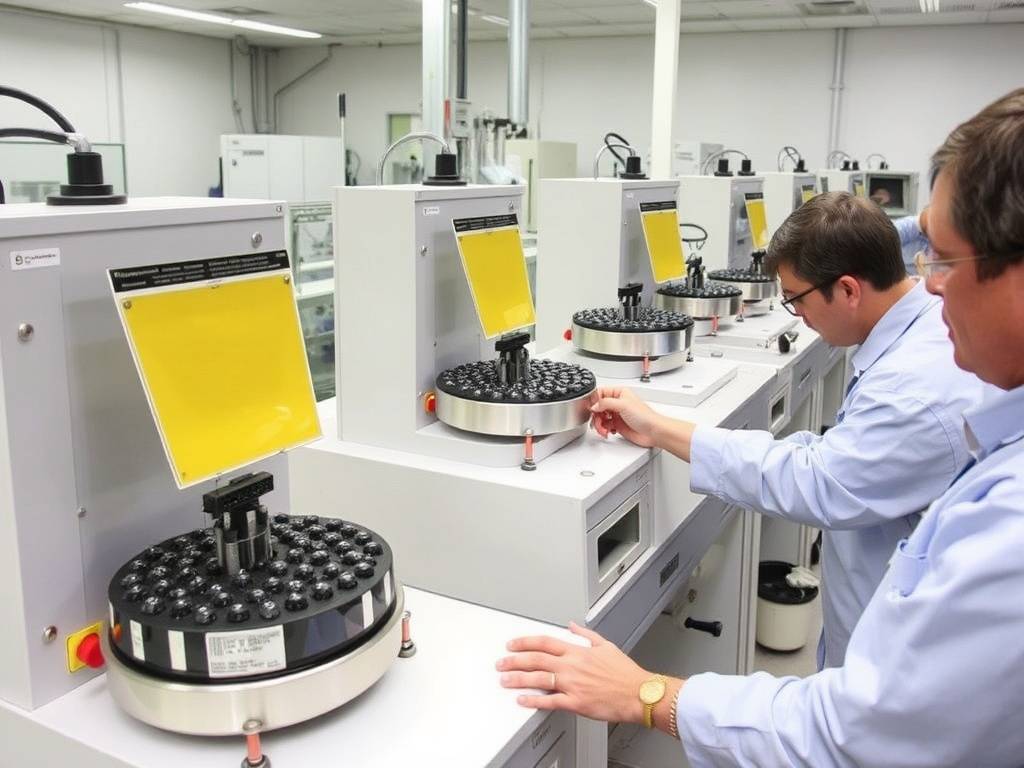
This type of practical optimisation is a major part of Labsure’s chemical formulation analysis services.
Contract Manufacturing Allowed Faster Commercialisation
Once the optimised PMB formulation pathway was established, the NSW supplier did not immediately invest in its own production plant.
Instead, they adopted a far lower-risk commercial model:
Contract manufacturing.
By partnering with an existing asphalt production facility, they were able to:
- Avoid major capital expenditure
- Launch faster
- Reduce scale-up risk
- Maintain production flexibility
- Focus on sales and market development
- Test market demand before infrastructure investment
This is becoming increasingly common across Australia’s specialty chemical and construction materials industries.
For many SMEs, combining reverse engineering with contract manufacturing creates the fastest route to market.
The Product Transition Was Smooth Because Customers Already Trusted the Benchmark
One of the biggest reasons the launch succeeded was customer familiarity.
Contractors had already been using the benchmark imported PMB product for years.
The new locally branded product was introduced gradually through:
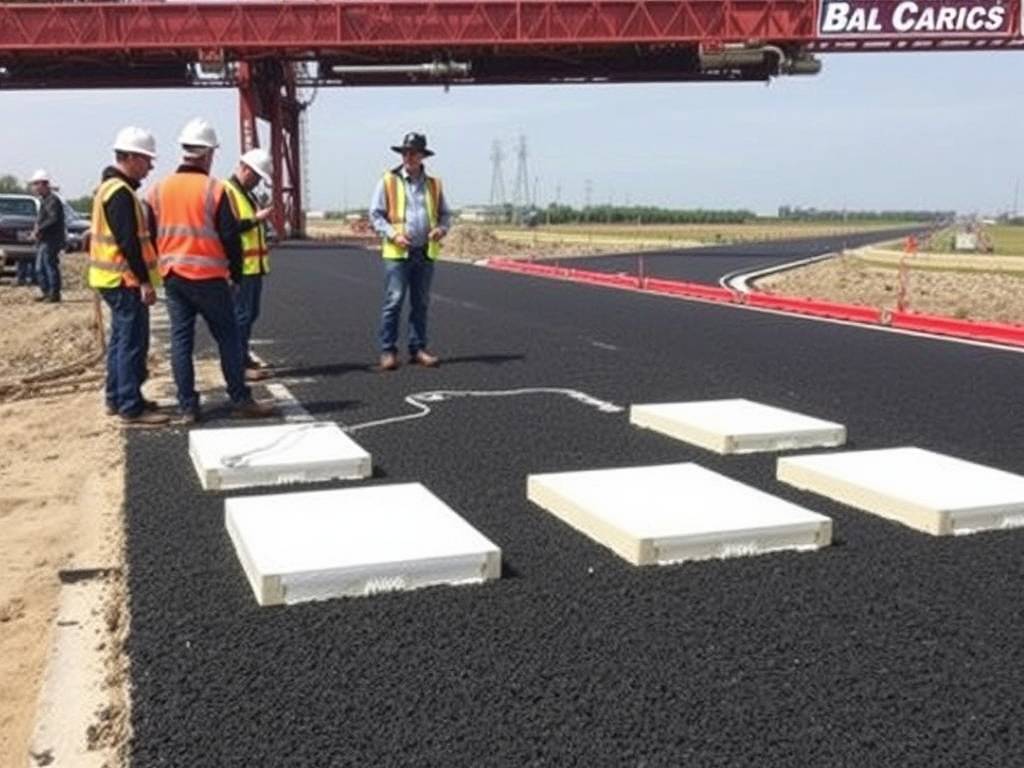
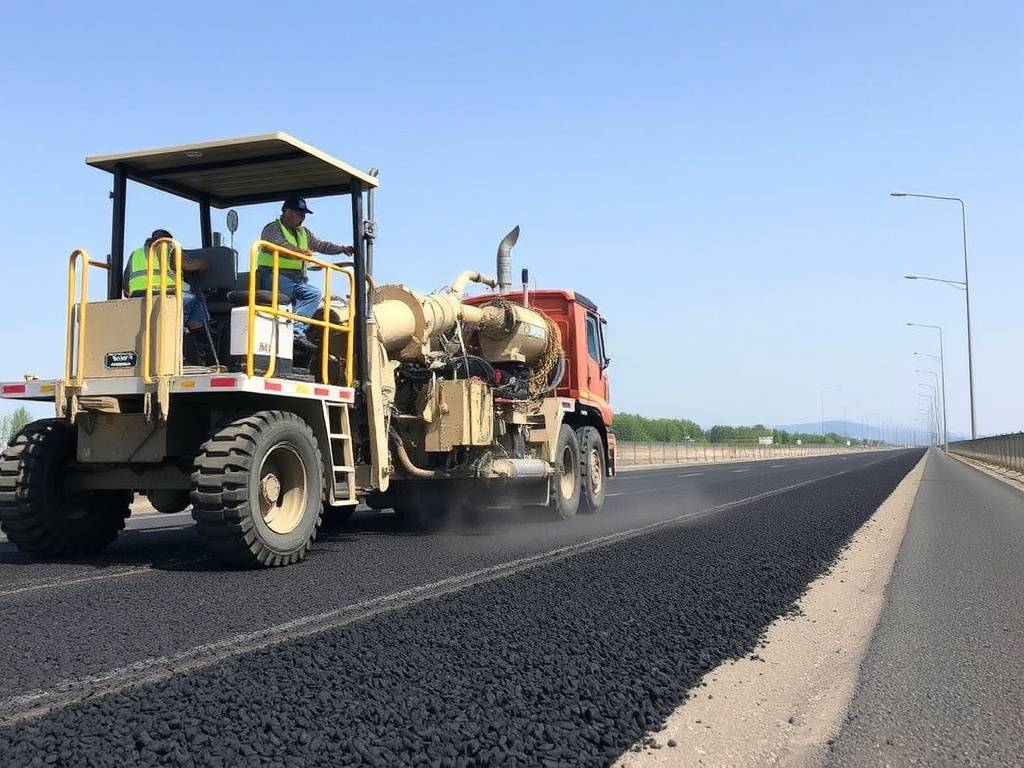
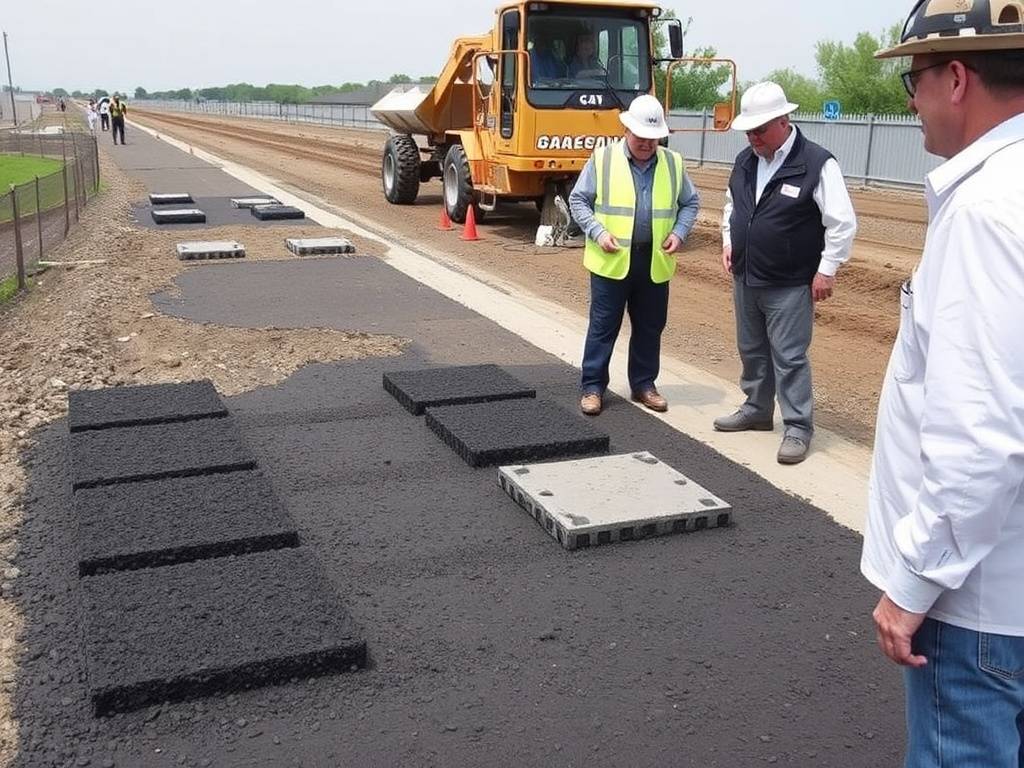
- Trial road sections
- Comparative field performance testing
- Controlled contractor evaluations
- Existing customer relationships
Because the formulation was benchmarked against a known-performing system, adoption barriers were much lower.
The NSW supplier was able to establish its own PMB product line while maintaining customer confidence.
That would have been far more difficult using completely experimental formulations developed from scratch.
More Australian Road Material Suppliers Are Moving Toward Local Product Ownership
Across Australia, many suppliers are recognising the risks of relying entirely on imported specialty construction materials.
If overseas suppliers increase prices, restrict distribution, or face manufacturing disruptions, local businesses lose control of their market position.
That’s why more Australian companies are now investing in:
- Polymer-modified asphalt reverse engineering
- Asphalt additive formulation analysis
- Local PMB development
- Product benchmarking
- Private-label infrastructure materials
- Contract manufacturing partnerships
The goal is not merely copying overseas products.
The goal is accelerating product commercialisation with lower risk, lower development cost, and stronger local market control.
That is where Labsure’s reverse engineering and formulation analysis services provide major commercial value.
Need Help Developing Your Own Polymer-Modified Asphalt Product?
If you are supplying road construction chemicals, asphalt modifiers, bitumen additives or infrastructure materials — but want to launch your own branded products — Labsure can help.
We provide:
- Polymer-modified asphalt analysis
- PMB reverse engineering
- Asphalt additive formulation investigation
- Ingredient identification
- Performance benchmarking
- Product optimisation
- Contract manufacturing guidance
- Commercial formulation support
Explore our services:
- Chemical Reverse Engineering Services
- Reverse Engineering & Formula Reconstruction
- Labsure Technical Capabilities
Contact Labsure
🌐 www.labsure.com.au
📧 info@labsure.com.au
Whether you want to benchmark an imported PMB system, improve asphalt modifier performance, or launch your own road construction materials brand, Labsure helps Australian suppliers move from dependency to product ownership — faster, safer, and with significantly lower development risk.