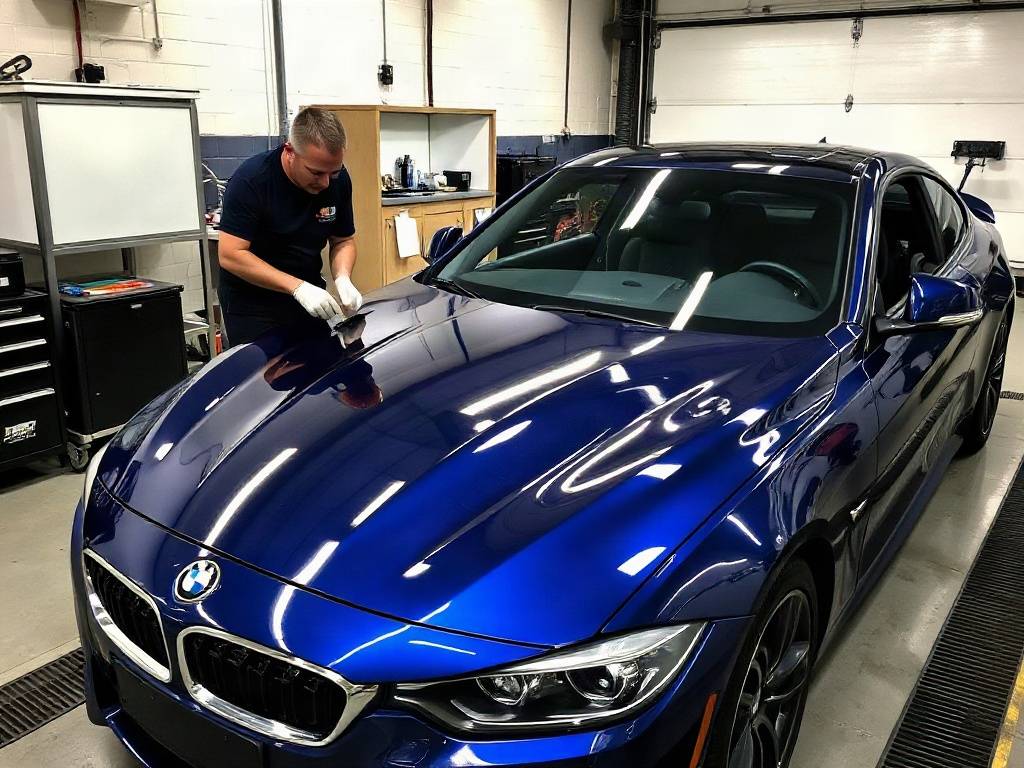
If you’re running a factory in Melbourne, Sydney, or anywhere across Australia, you’ve probably had this exact thought sometime in the past year:
“Why am I still waiting 10 weeks for glue… and paying more for it every time?”
I’ve had this conversation with multiple business owners—timber processors, panel manufacturers, construction suppliers—and the pattern is always the same.
You’re not just buying an adhesive.
You’re buying uncertainty.

The Real Pain Points (You’re Not Imagining This)
Let’s call it out clearly—because this is what I hear on calls almost every week:
1. Supply chain delays are killing timelines
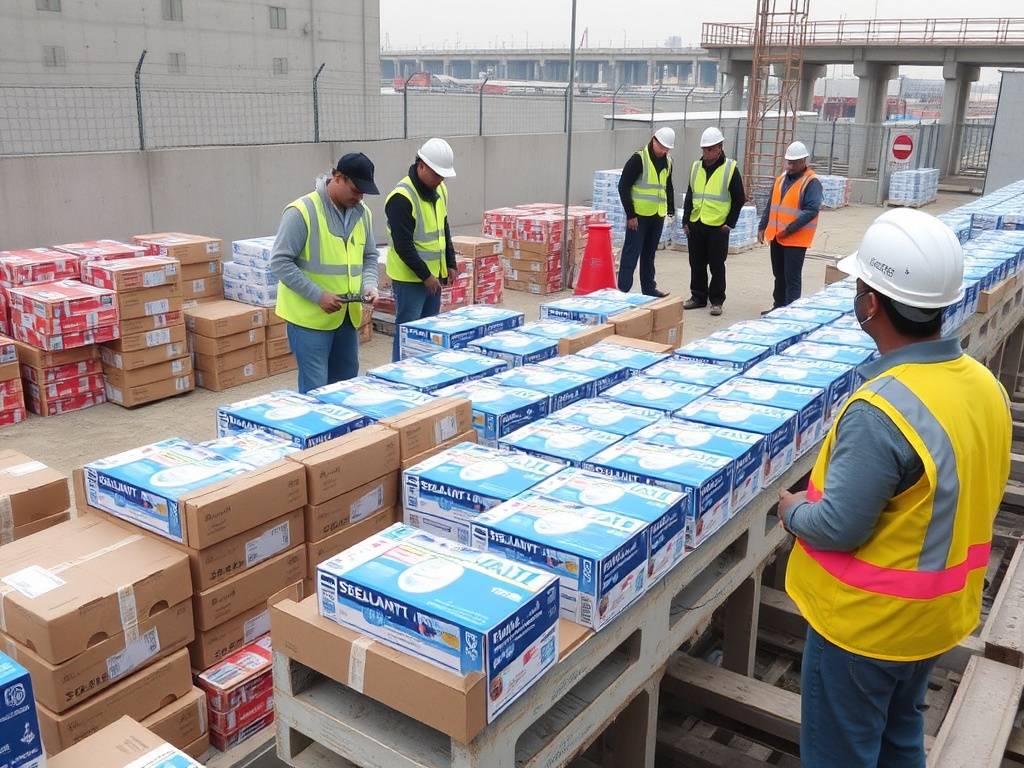
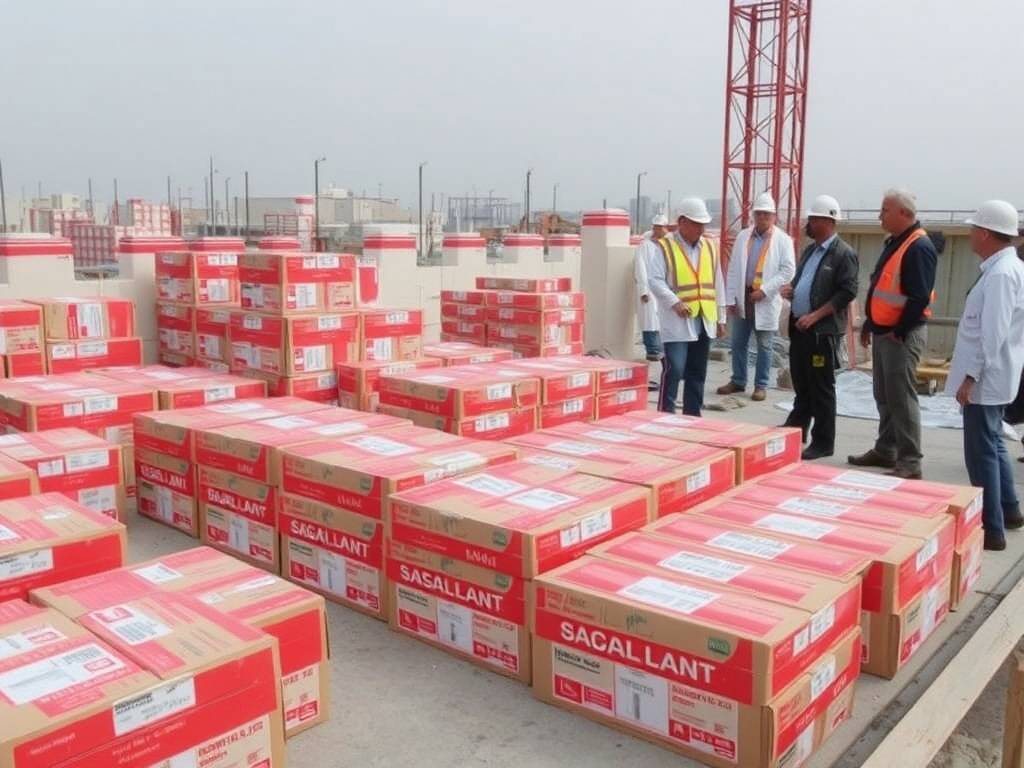
Imported industrial adhesives are now regularly sitting at 8–12 weeks lead time.
That’s not just inconvenient—it directly impacts:
- Project delivery schedules
- Contractor commitments
- Cash flow cycles
And in construction, delays compound quickly.
2. Prices are volatile and unpredictable
Raw materials (resins, solvents, additives) are fluctuating globally.
By the time your shipment lands in Australia:
- Currency shifts
- Freight costs spike
- Suppliers adjust pricing
You’re left absorbing the cost—again.
3. VOC compliance is getting stricter
Australia is tightening environmental expectations, especially for:
- Low-VOC construction adhesives
- Indoor air quality compliance
- Worker safety requirements
You might have a product that works, but suddenly:
“It doesn’t meet local expectations anymore.”
4. Local production sounds good… until you try it
Many companies tell me:
“We thought about making it locally, but it’s too hard.”
And they’re not wrong.
Challenges include:
- High energy costs
- Limited formulation knowledge
- Lack of R&D capability
- Difficulty sourcing the right raw materials
So most businesses stay stuck importing—even when it’s hurting margins.
The Big Question: Why Not Just Develop Your Own Formula?
This is usually the next logical step.
But here’s the reality most people don’t see until they try:
Traditional R&D is slow and expensive
If you start from scratch:
- Development timeline: 12–18 months
- Trial-and-error cycles: dozens
- Cost: easily tens of thousands (or more)
- Risk: very real
And the biggest issue?
You don’t actually know what “good” looks like at a formulation level.
So you’re guessing.
This Is Why More Australian Businesses Are Turning to Reverse Engineering
Instead of starting from zero, we flip the approach.
We start from something that already works.
What we do (in simple terms):
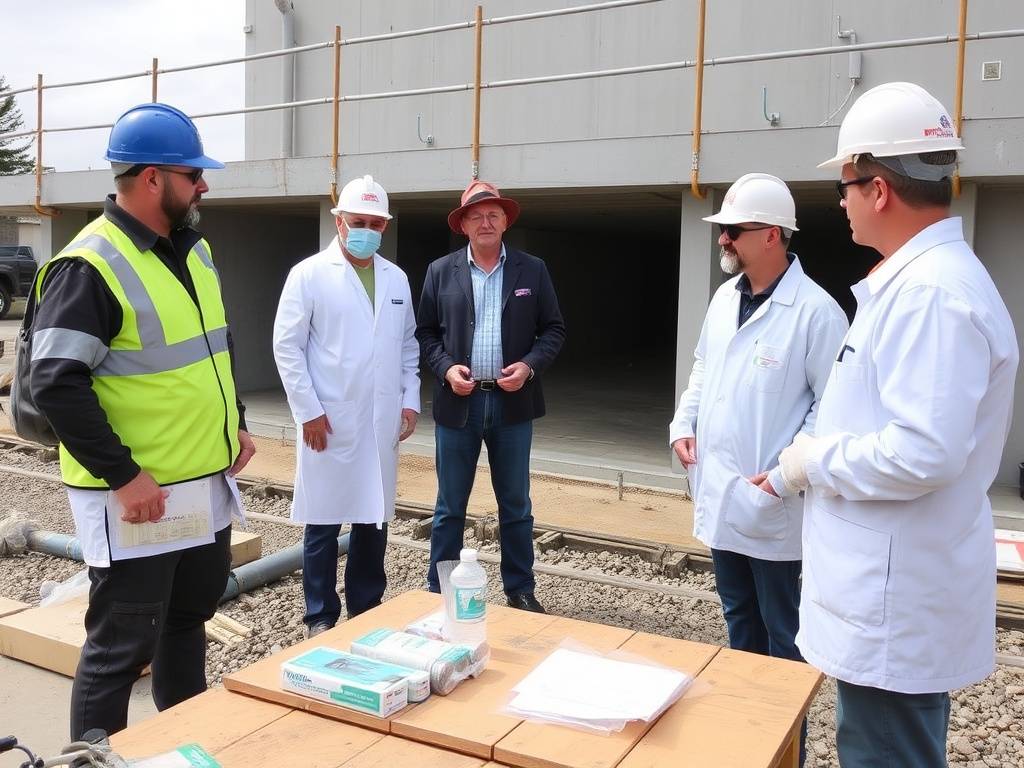
We take a benchmark product—usually the one you’re already importing—and break it down scientifically:
- Identify resin systems
- Quantify component percentages (often to ~0.1%)
- Analyse additives and functional roles
- Understand curing mechanisms and performance drivers
Then we help you build a locally manufacturable version that:
- Matches performance
- Reduces cost
- Meets Australian compliance requirements
This isn’t copying.
This is performance benchmarking and optimisation.
Real Case: Victoria-Based Timber Processing Company
Let me walk you through a real scenario (details adjusted slightly for confidentiality, but technically accurate).
The Situation
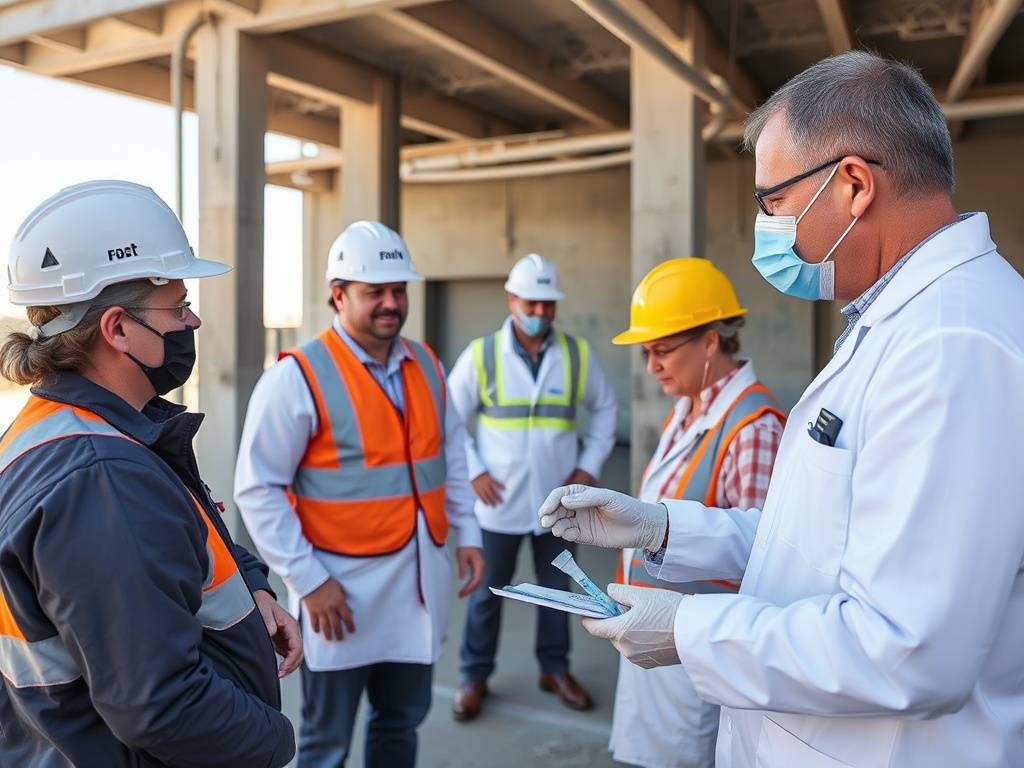
A timber processing business in regional Victoria came to us with a very specific problem:
- They were importing a structural wood adhesive from Europe
- Lead time: ~10 weeks
- Price had increased by ~18% over 12 months
- Increasing pressure from clients to meet low-VOC requirements
Their internal team had tried minor adjustments—but no real success.
What They Needed
They weren’t looking to reinvent anything.
They wanted:
- Same bonding strength
- Similar curing behaviour
- Compliance with Australian VOC expectations
- Lower cost
- Faster supply
In other words:
“Give us something that works just as well, but that we control.”
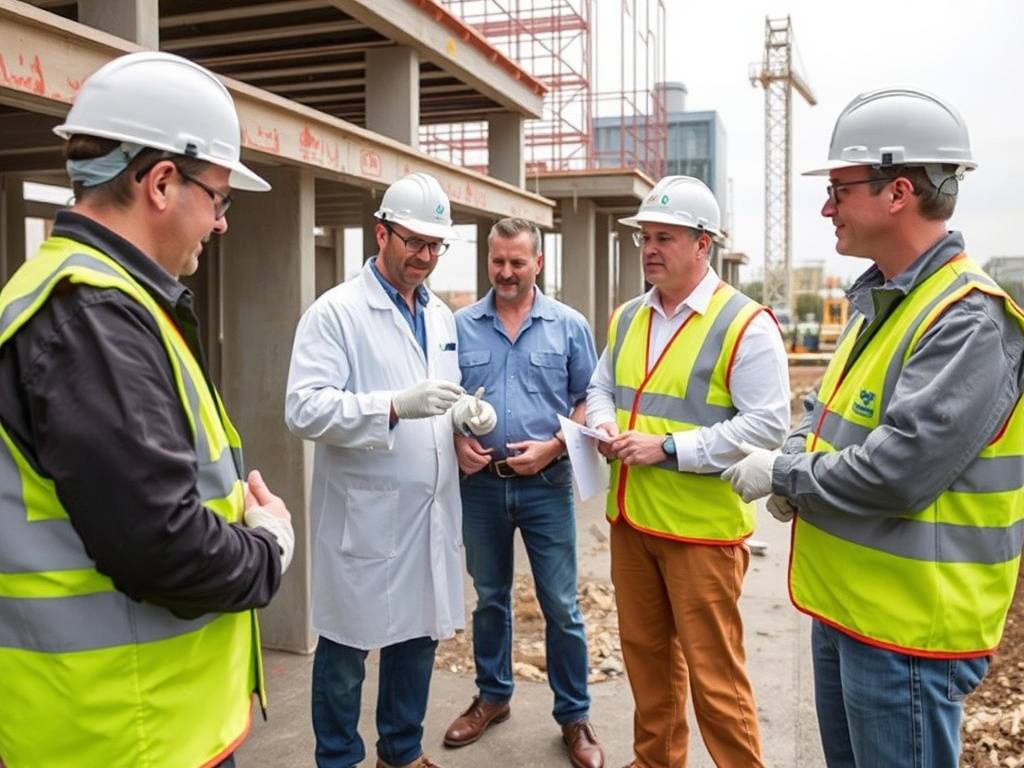
Step 1: Deep-Dive Reverse Engineering Analysis
We started with their imported adhesive sample.
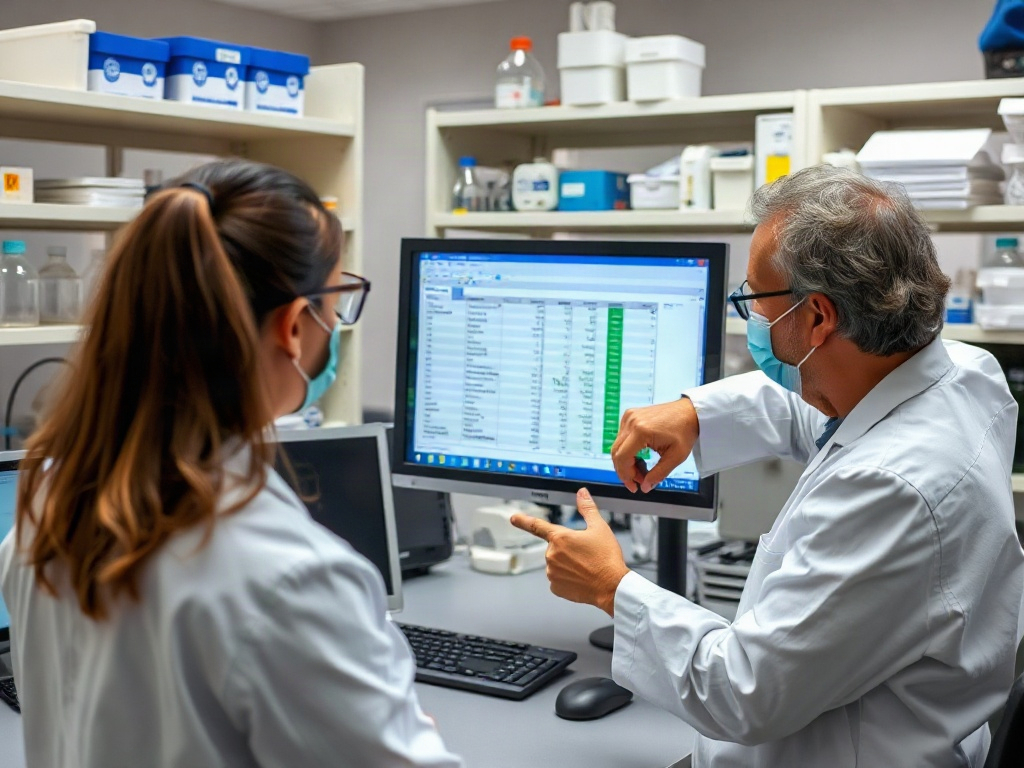
Our lab conducted:
- Qualitative analysis (what’s inside)
- Quantitative analysis (how much of each component)
- Functional mapping:
- Which component contributes to adhesion?
- Which controls viscosity?
- Which affects curing time?
We also evaluated:
- Thermal behaviour
- Film formation
- Mechanical strength indicators
At the end of this phase, the client had something they never had before:
A clear, structured breakdown of the product—not a black box anymore.
Step 2: Localised Formulation Strategy
This is where most reverse engineering projects fail—if done poorly.
Because knowing what’s inside is only half the job.
We then worked with them to:
Adjust for Australian raw material availability
Some original components weren’t practical locally.
So we:
- Identified equivalent or alternative materials
- Maintained functional performance
- Reduced dependency on imported specialty chemicals
Optimise for cost
We rebalanced the formulation:
- Reduced over-engineered components
- Maintained critical performance drivers
- Simplified where possible
Address VOC compliance
We modified the solvent/additive system to:
- Lower VOC content
- Improve environmental profile
- Align with Australian expectations
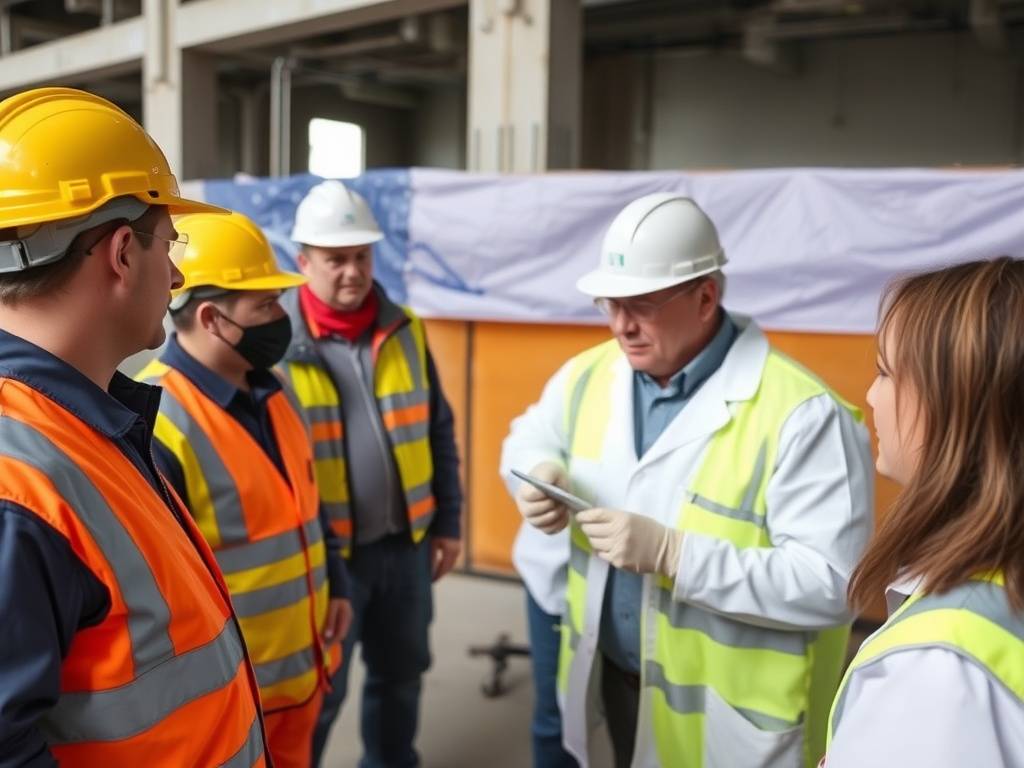
Step 3: Performance Benchmarking (Critical Step)
We don’t just say “this should work.”
We validate against the original.
Testing included:
- Bond strength comparison
- Open time and curing time
- Application behaviour
- Stability under different conditions
The goal is simple:
Match—or exceed—the original product where it matters.
The Result (In ~3 Months)
Here’s what the client achieved:
- ~20% reduction in adhesive cost
- Lead time reduced from 10 weeks → local availability
- Improved control over supply chain
- Achieved low-VOC compliant formulation
- Successfully transitioned into local production
And importantly:
Their customers didn’t notice a drop in performance.
That’s the benchmark.
What This Means for Your Business
If you’re currently importing industrial adhesives, you’re likely sitting on:
- Hidden cost inefficiencies
- Supply chain risk
- Missed opportunities for localisation
Reverse engineering gives you:
1. Speed
Skip 12–18 months of blind R&D
→ Move in weeks to months
2. Cost control
Understand exactly where your money goes
→ Optimise intelligently
3. Technical clarity
No more “supplier dependency black box”
4. Market opportunity
You’re not just replacing a product—you can:
- Launch your own branded version
- Enter new market segments
- Offer better pricing to your clients
Important: This Is About Performance Benchmarking, Not Guesswork
A lot of people worry:
“Will the product actually perform the same?”
That’s the entire point of doing this properly.
We don’t aim for “similar”.
We aim for:
- Performance equivalence
- Or even targeted improvement
Because now we understand:
- What matters
- What doesn’t
- Where optimisation is possible
If You’re Thinking About It, You’re Probably Already Late
I’ll be blunt.
The businesses that are moving fastest right now in Australia are:
- Taking control of their formulations
- Reducing dependency on imports
- Building internal or partnered R&D capability
The ones waiting?
They’re still dealing with:
- Price increases
- Delays
- Supplier constraints
Where to Start (Low Risk)
You don’t need to commit to a full development project immediately.
A practical first step:
→ Get a preliminary formulation analysis
From just a sample, we can tell you:
- Whether reverse engineering is viable
- Expected cost reduction potential
- Complexity level
- Key formulation insights
Want to See If This Works for Your Product?
If you’re currently dealing with:
- Rising adhesive costs
- Unreliable supply
- VOC compliance pressure
- Or plans to localise production
Then it’s worth having a quick discussion.
👉 Next Step (CTA)
Send us:
- Your current product (or details)
- Any technical documents (e.g. SDS if available)
We’ll arrange a free initial assessment and tell you:
- What’s inside your product (high-level)
- What can be improved
- How fast you can realistically localise it
Contact
Labsure – Formulation Reverse Engineering & Optimisation
📩 Email: info@labsure.com.au
🌐 Website: www.labsure.com.au