A Real Case Study from Melbourne, Australia
In recent years, sulfate-free shampoo has become one of the fastest-growing segments in the Australian personal care market. From boutique salons in Melbourne to independent eCommerce brands, more businesses are looking to launch their own sulfate-free haircare products.
However, one key challenge consistently emerges:
How do you develop a competitive sulfate-free shampoo without years of formulation experience?
This case study demonstrates how reverse engineering (formulation analysis) helped an Australian SME uncover the full ingredient composition of a market-leading sulfate-free shampoo — and successfully launch their own product with lower cost, faster speed, and reduced risk.
Client Background: Local Brand with Strong Sales Channels
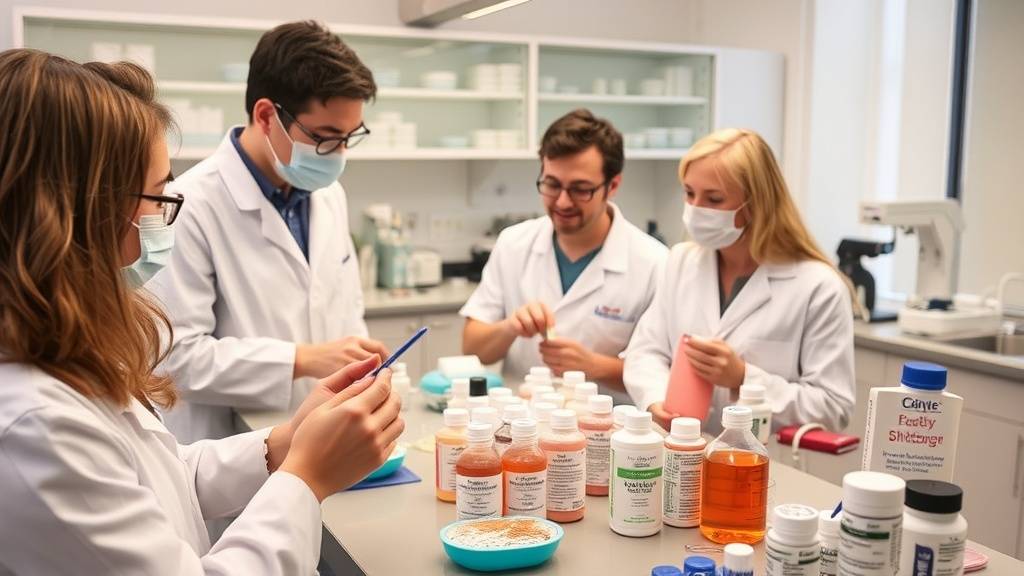
Our client is a Melbourne-based eCommerce brand selling haircare products through Shopify and Amazon Australia. They had:
- Strong online marketing capability
- Established customer base
- Clear product positioning (natural, sulfate-free, scalp-friendly)
But they faced a major bottleneck:
They did not have in-house chemists or formulation expertise.
They initially considered hiring a cosmetic chemist, but quickly realised:
- Development timelines could take 6–12 months
- Multiple failed trials would increase cost
- Final product performance was uncertain
Instead, they approached us to analyse a top-selling sulfate-free shampoo already proven in the market.
The Objective: Replicate and Improve a Proven Product
The client provided a commercial shampoo sample and requested:
- Full ingredient identification
- Approximate percentage composition
- Functional breakdown of each component
- Suggestions for cost optimisation
- Guidance for local manufacturing in Australia
Their goal was clear:
“We don’t want to reinvent the wheel — we want to build on something that already works.”
Step 1: Reverse Engineering the Shampoo Formulation
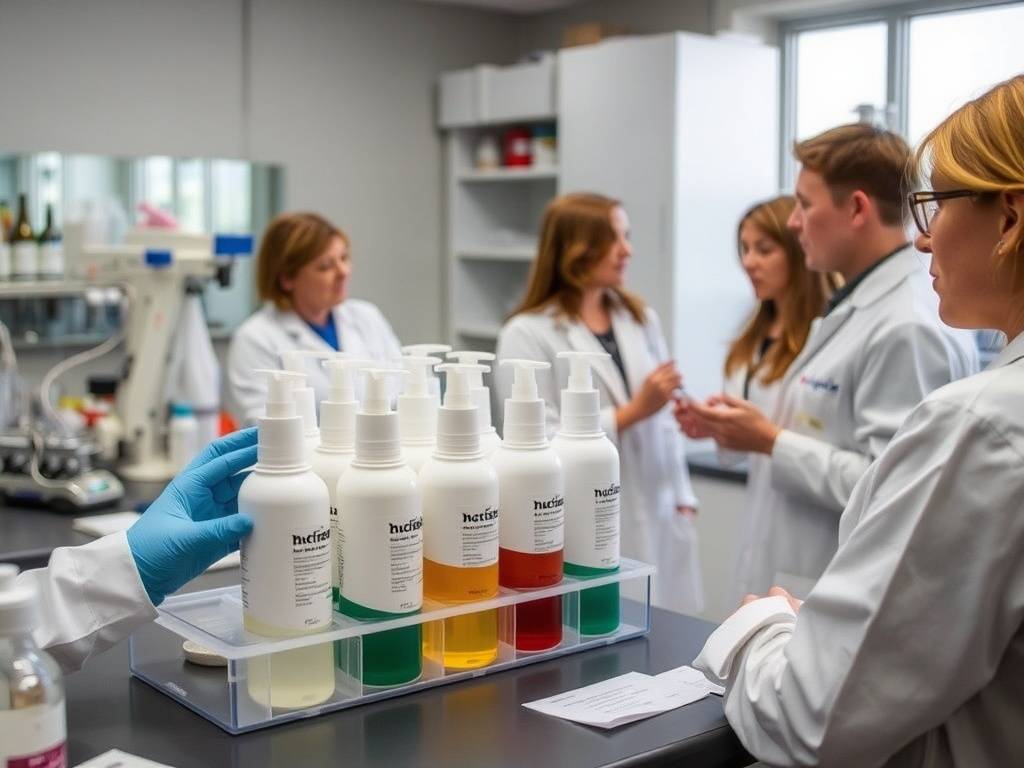
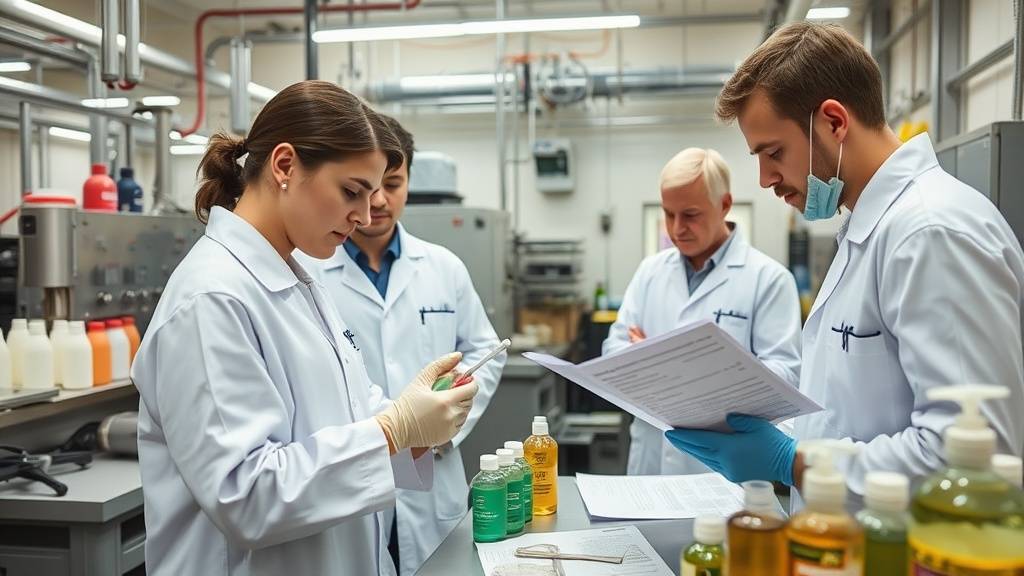
Using advanced analytical techniques, we performed a complete shampoo formulation analysis, including:
1. Identification of Surfactants (Key Cleaning Agents)
We confirmed the shampoo was sulfate-free and identified a blend of mild surfactants such as:
- Sodium Cocoyl Isethionate
- Cocamidopropyl Betaine
- Decyl Glucoside
These ingredients explained the product’s:
- Gentle cleansing performance
- Low irritation profile
- Premium positioning
2. Conditioning and Functional Additives
We identified conditioning agents and performance enhancers, including:
- Polyquaternium polymers
- Silicone alternatives
- Natural oils and extracts
These contributed to:
- Smooth hair feel
- Reduced frizz
- Improved combability
3. Thickening and Stability System
The formulation used a combination of:
- Salt-based viscosity control
- Natural gums and polymers
This ensured:
- Stable viscosity
- Shelf-life consistency
- Consumer-friendly texture
4. Fragrance, Preservatives, and Minor Components
We also analysed:
- Fragrance composition (qualitative profile)
- Preservative system
- pH adjusters and stabilisers
Step 2: Delivering Actionable Results (Not Just a Lab Report)
Unlike purely academic analysis, our report focused on commercial usability.
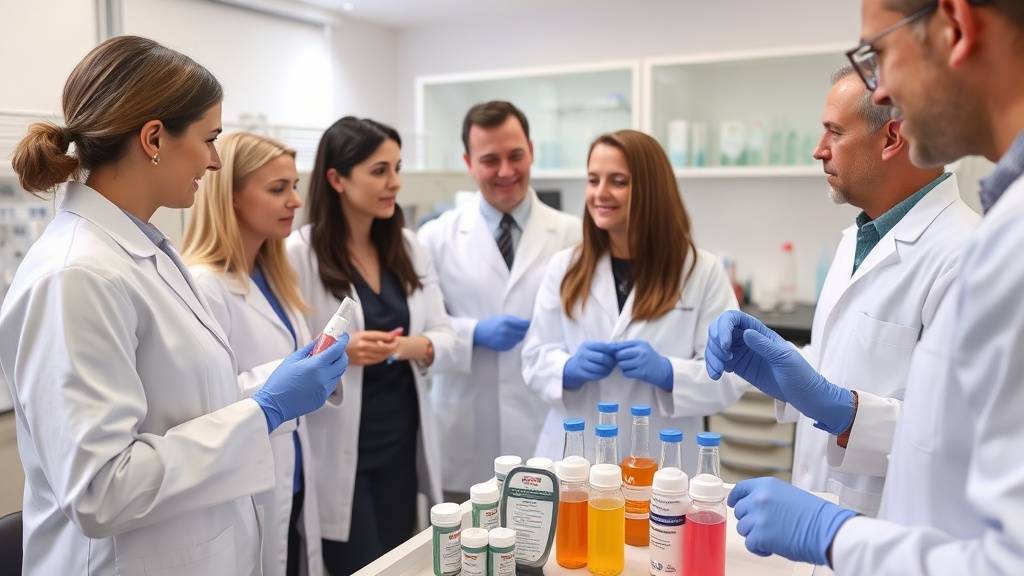
The client received:
- Full ingredient list (INCI names)
- Estimated percentage ranges (accuracy up to ~0.1% for key components)
- Functional explanation of each ingredient
- Formulation structure breakdown (how the product is built)
Most importantly:
The client now had a working blueprint — not just data.
Step 3: Cost Optimisation for the Australian Market
One of the biggest advantages of reverse engineering is cost transparency.
We helped the client:
- Identify high-cost ingredients in the original formula
- Recommend locally available alternatives in Australia
- Adjust formulation without compromising performance
Result:
- Estimated raw material cost reduced by 18–25%
- Improved supplier flexibility within Australia
Step 4: From Lab Data to Actual Product
After analysis, we supported the client in:
- Converting the formulation into a manufacturable recipe
- Adjusting for available equipment
- Ensuring compatibility with contract manufacturers
We also advised:
- When to produce in-house vs outsource
- How to approach Australian cosmetic manufacturers
- Basic compliance considerations (label structure, ingredient declaration)
Final Outcome: Faster Launch, Lower Risk
Within 8–10 weeks, the client:
- Developed their own sulfate-free shampoo
- Conducted small batch production
- Began selling under their own brand
Compared to traditional R&D:
| Approach | Time | Cost | Risk |
|---|---|---|---|
| Traditional formulation | 6–12 months | High | Uncertain |
| Reverse engineering | 4–8 weeks | Controlled | Proven |
Why Reverse Engineering Works for Australian SMEs
For many Australian businesses, especially SMEs, the challenge is not ideas — it’s execution.
Reverse engineering solves three critical problems:
1. Fastest Way to Launch a Product
Instead of starting from scratch:
- You begin with a proven market product
- You skip trial-and-error formulation cycles
- You move directly into refinement and production
2. Lowest Development Cost
Without reverse engineering:
- Multiple failed prototypes
- Expensive chemist time
- High uncertainty
With reverse engineering:
- Clear formulation structure
- Targeted adjustments only
- Reduced development waste
3. Lowest Risk Strategy
You are not guessing what works.
You are:
- Analysing a product already validated by the market
- Understanding exactly why it works
- Replicating and improving it with confidence
Who This Is For
This service is ideal for:
- eCommerce brands wanting to launch own-label products
- Salon owners creating private label ranges
- Distributors moving into manufacturing
- SMEs entering personal care or cosmetic markets
Especially if you:
- Already have a product idea
- Have competitors you want to match or beat
- Want to control your supply chain and margins
What You Can Get from Shampoo Reverse Engineering
When we analyse a sulfate-free shampoo, you can expect:
- Full ingredient breakdown (INCI + function)
- Approximate percentage composition
- Formulation structure insight
- Cost optimisation strategy
- Optional production guidance
This allows you to:
- Develop your own product
- Improve an existing formulation
- Negotiate better with manufacturers
- Build your own brand with confidence
Ready to Develop Your Own Sulfate-Free Shampoo?
If you already have a sample product — or even just a product idea — we can help you turn it into a manufacturable, scalable formulation.
Contact Us
- Website: https://www.labsure.com.au
- Email: info@labsure.com.au
- Location: Brisbane, Australia
Or simply send us:
- A product sample
- Or the product name you want analysed
We will provide a clear, practical, and commercially usable formulation analysis — not just lab data.
Final Thought
In today’s competitive Australian market, speed and certainty matter.
Reverse engineering is not copying — it is understanding, optimising, and building smarter.
If you want to launch faster, reduce cost, and minimise risk:
Start with what already works — and make it better.