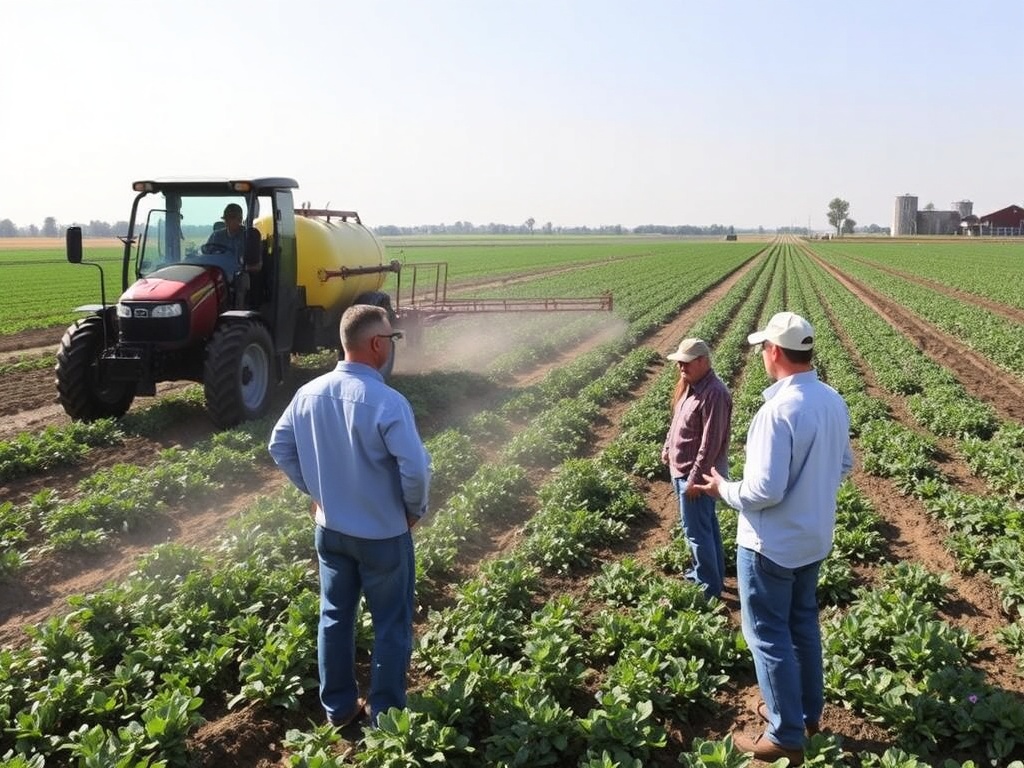
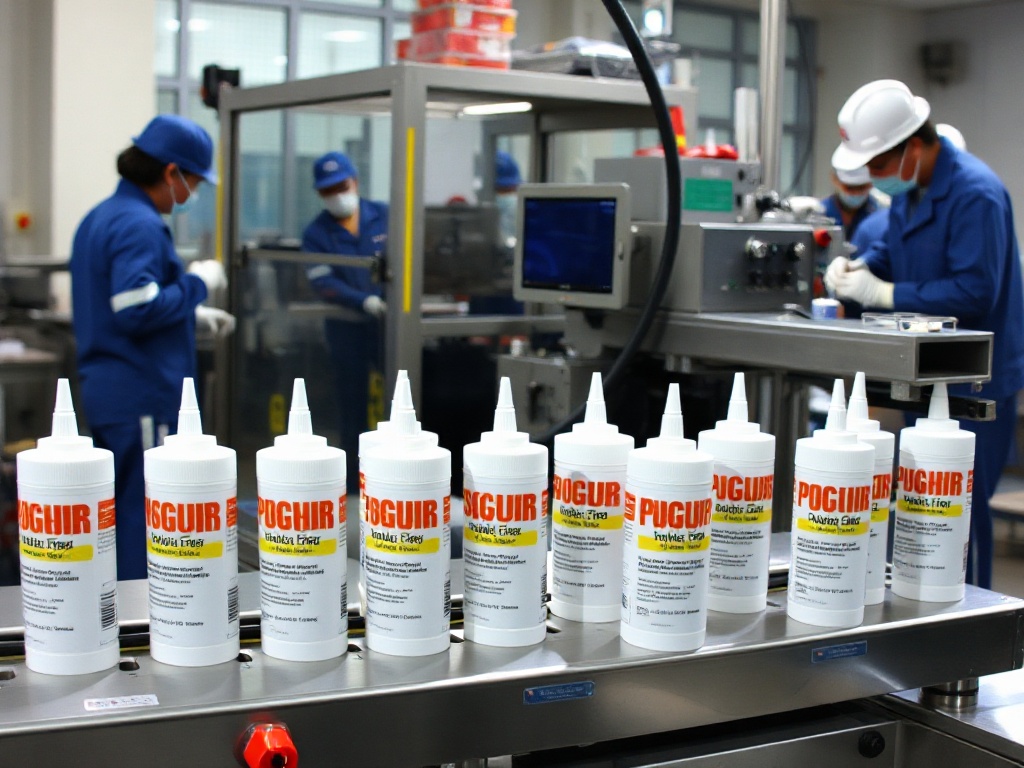
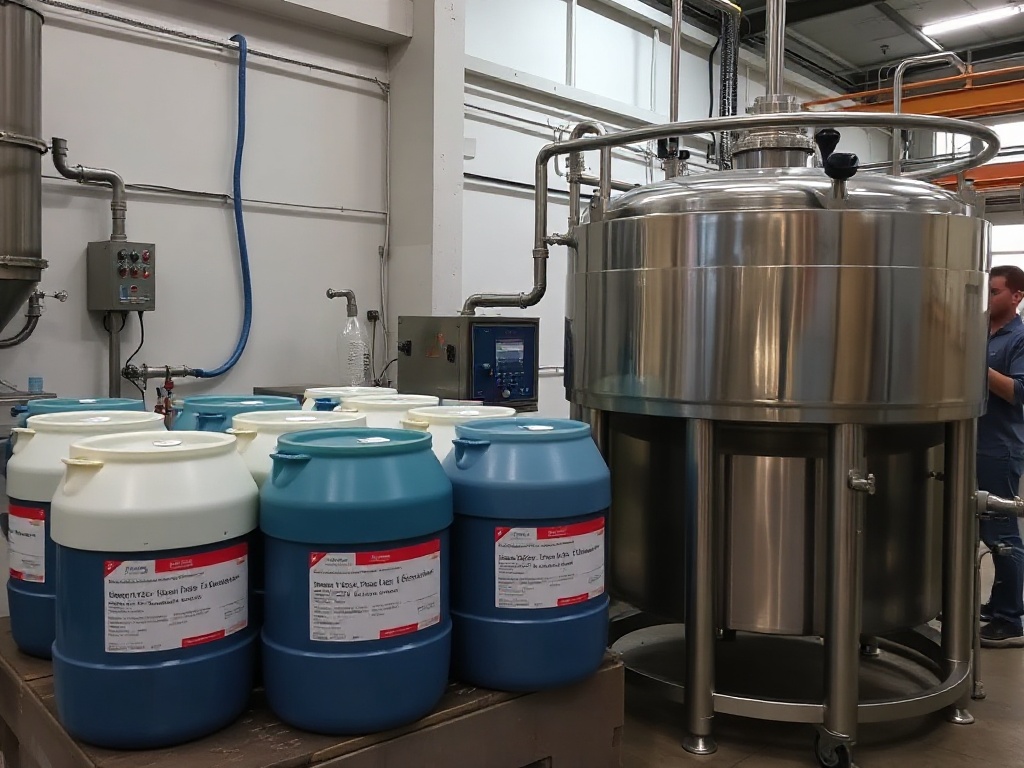
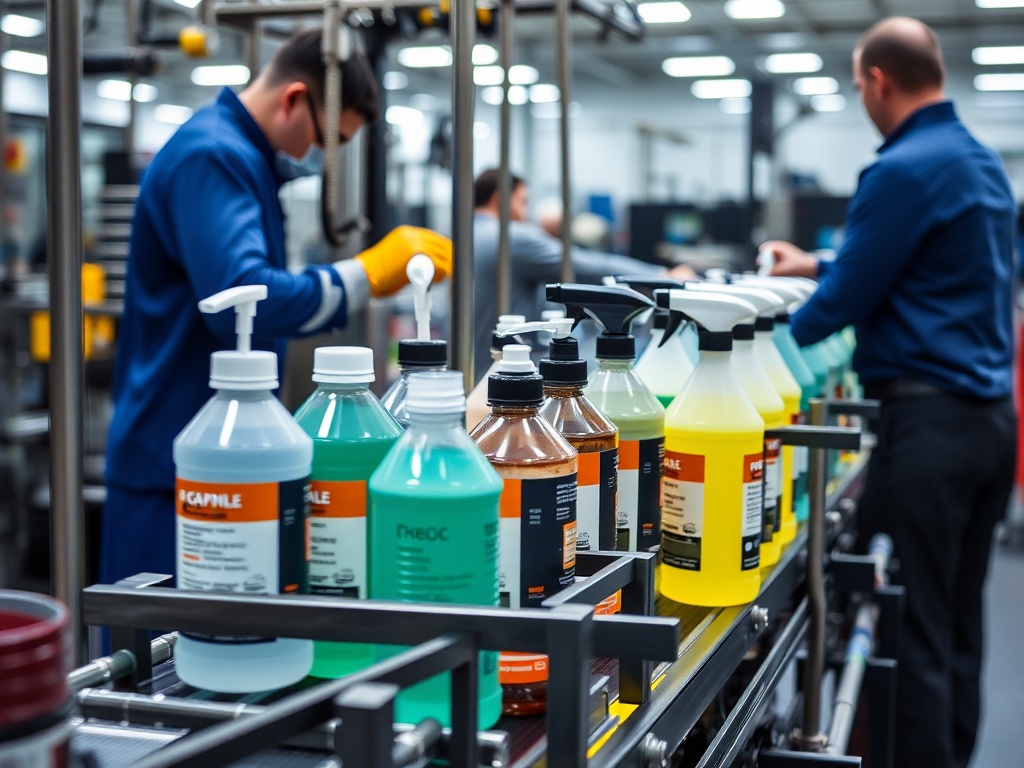
In Western Australia, trucks do not stay clean for long.
Mining haul roads, red dust, diesel residue, hydraulic oil leaks, road film, salt exposure near coastal freight routes, and long-distance transport conditions create one of the harshest cleaning environments in the country. Fleet operators are constantly fighting a combination of grease, oxidised soil, carbon deposits, and mineral contamination — often across hundreds of vehicles operating under tight maintenance schedules.
For industrial cleaning chemical suppliers, this creates a major commercial opportunity.
But it also creates a difficult technical problem.
Many Australian cleaning companies can source generic alkaline detergents or low-cost imported truck wash concentrates relatively easily. What they struggle with is producing a genuinely high-performance fleet wash product that delivers:
- Stable foam performance
- Fast soil penetration
- Low streaking
- Strong dilution economics
- Safe rinsing behaviour
- Reduced corrosion risk
- Compatibility with hard water
- Consistent performance across varying weather conditions
Several years ago, a Perth-based industrial cleaning supplier found itself in exactly this position.
The company had built a solid regional business supplying industrial degreasers, workshop cleaners, and transport maintenance chemicals throughout Western Australia. They already serviced transport operators, mobile equipment contractors, and regional wash bays.
However, they faced a growing commercial problem.
Their customers increasingly wanted a premium truck wash concentrate that could compete with higher-end imported products used by large fleet operators and mining contractors.
The company had attempted to source products from overseas manufacturers and local toll blenders, but none of the available formulations delivered the balance of:
- Cleaning power
- Foam quality
- Cost efficiency
- Rinse performance
- Surface safety
- Long-term stability
that serious fleet customers expected.
At the same time, importing finished products created additional challenges:
- Long lead times
- Poor margin control
- Limited formulation flexibility
- Rising freight costs
- Inconsistent inventory availability
- No ability to customise products for local conditions
Eventually, the business owners decided they needed to create their own locally manufactured truck wash product line.
But they faced a major issue:
They did not have an internal formulation chemistry team, nor years to spend developing a detergent system from scratch.
That is when they approached Labsure to investigate whether reverse engineering could accelerate product development while reducing commercial risk.
The outcome ultimately allowed the company to launch its own fleet cleaning concentrate range under its own brand, tailored specifically for Western Australian transport and industrial cleaning conditions.
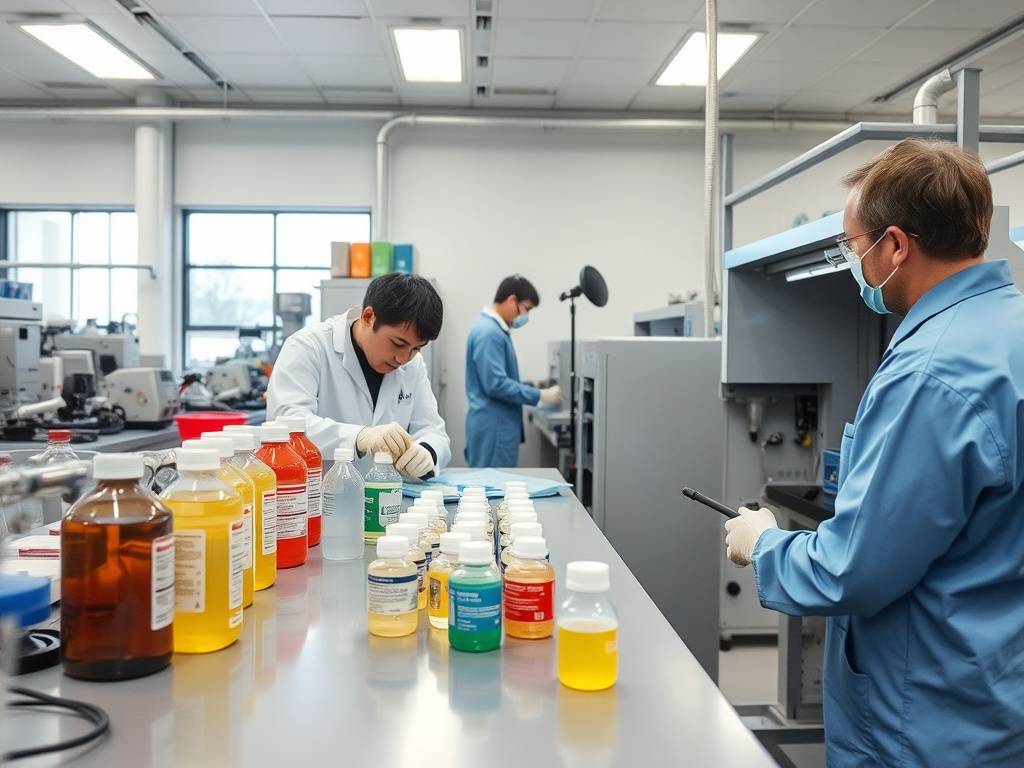
The Company Did Not Want to “Copy” a Product — They Wanted to Understand Why It Worked
One of the biggest misconceptions about reverse engineering is that businesses are simply trying to duplicate another product.
That was not the case here.
The Perth company’s management already understood that direct duplication rarely creates long-term competitive advantage.
What they actually wanted was:
- Technical visibility into a successful detergent system
- Understanding of surfactant architecture
- Insight into foam stabilisation
- Better dilution economics
- Stronger compatibility with Australian water conditions
- Improved grease removal under mining and freight conditions
- Lower manufacturing costs
- Ability to modify performance for different customer sectors
They had identified a premium imported truck wash concentrate that consistently performed well with large fleet operators.
Customers repeatedly praised it for:
- Thick, stable foam
- Fast removal of road film
- Low brush effort
- Minimal residue
- Reduced water spotting
- Strong cleaning at high dilution rates
The Perth company wanted to understand why the product behaved differently from most generic truck washes on the Australian market.
That meant looking far deeper than the label.
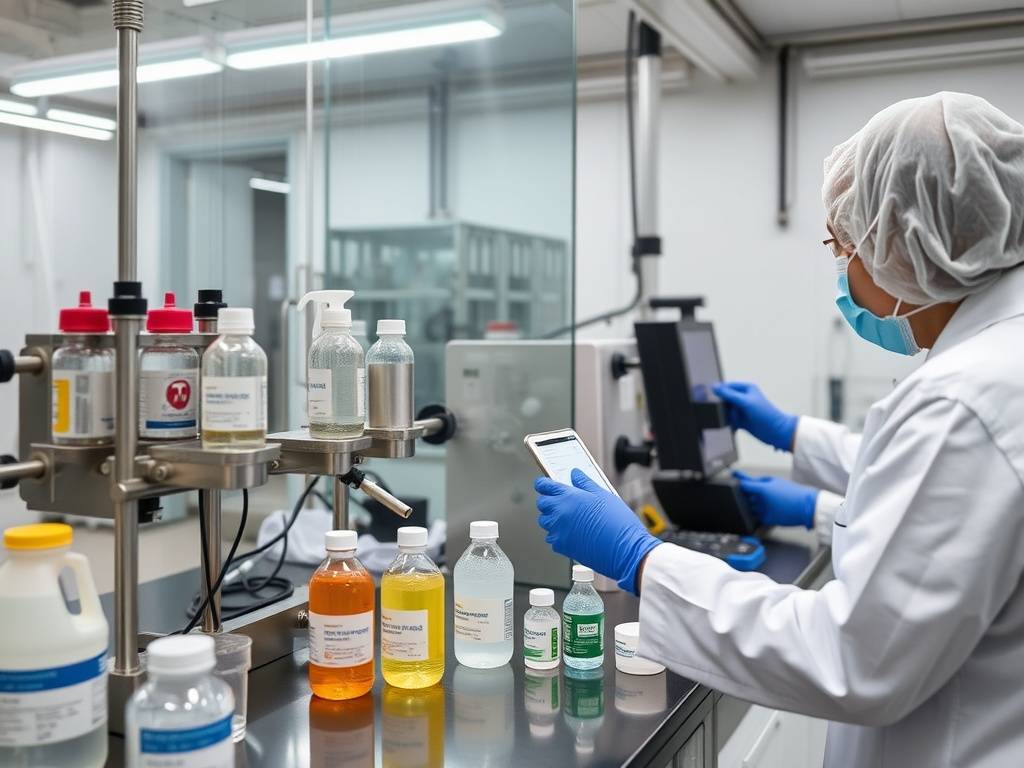
So they submitted multiple samples to Labsure for a full Chemical Reverse Engineering project.
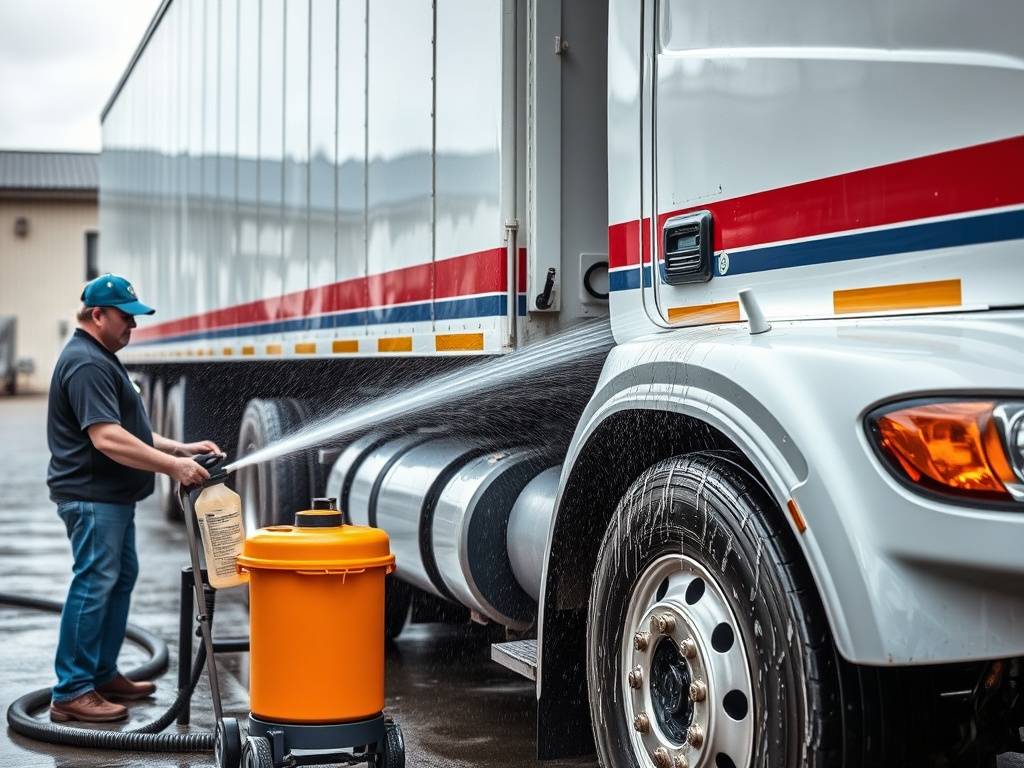
Why Truck Wash Formulation Is More Complex Than Most People Think
To many buyers, truck wash detergent appears relatively simple.
In reality, high-performance fleet cleaning chemistry is surprisingly complex.
A commercial truck wash concentrate must balance several competing requirements simultaneously:
Strong Cleaning Power
The product must remove:
- Diesel soot
- Carbon residue
- Road grime
- Grease
- Hydraulic oil
- Salt deposits
- Clay and dust contamination
without excessive mechanical brushing.
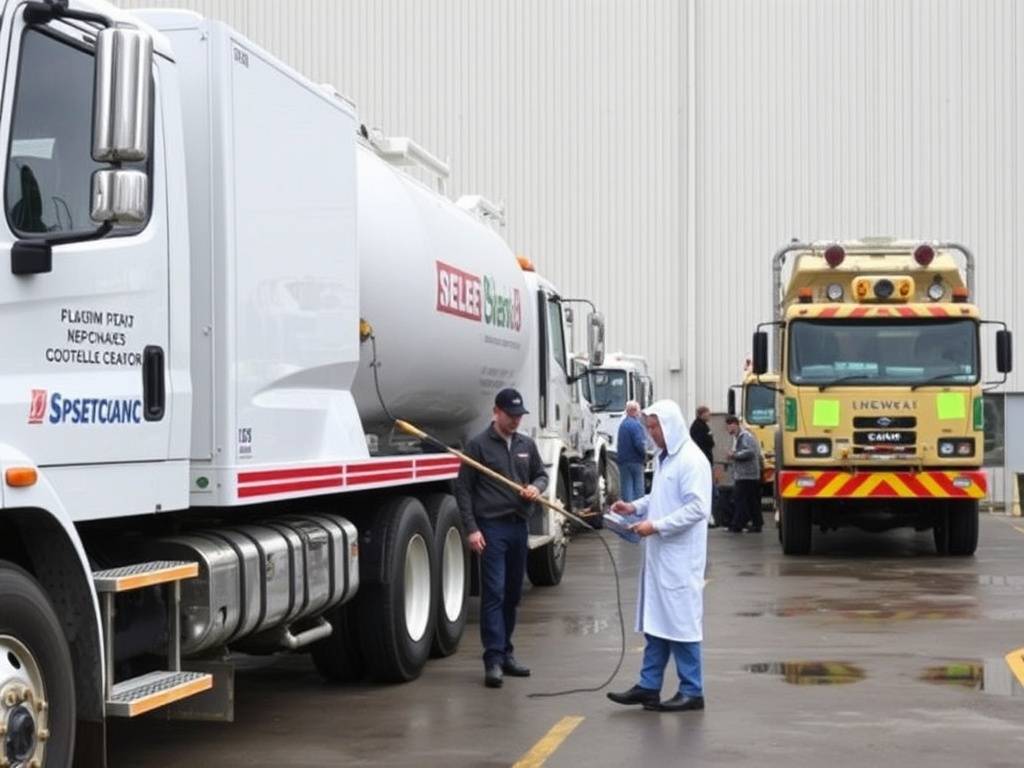
Controlled Alkalinity
High alkalinity improves soil removal but can also create:
- Aluminium staining
- Paint dulling
- Surface etching
- Increased corrosion risk
- Environmental compliance issues
especially when used repeatedly on fleet vehicles.
Foam Stability
Foam performance matters commercially because operators visually associate foam with cleaning strength.
But excessive foam can create problems in:
- Automatic wash systems
- Reclaim systems
- Wastewater management
- Rinse efficiency
Balancing foam quality is therefore critical.
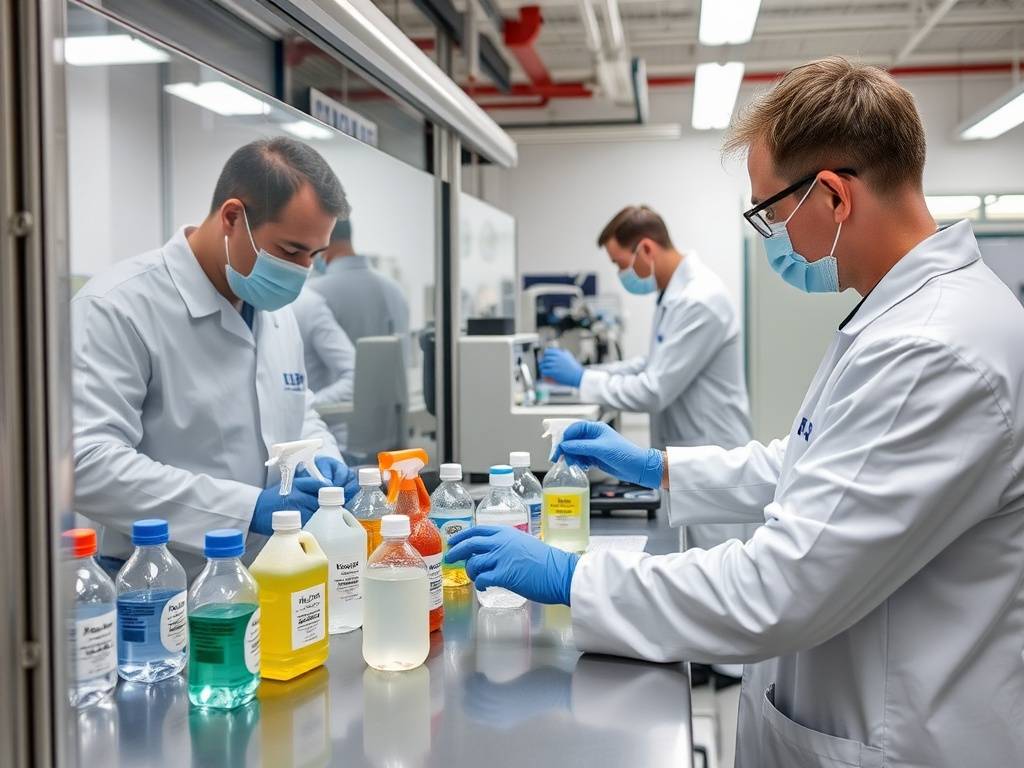
Dilution Efficiency
Fleet operators are extremely sensitive to operating costs.
A concentrate that performs at 1:100 dilution instead of 1:40 can dramatically reduce chemical consumption across large vehicle fleets.
That means formulation economics are often just as important as cleaning power itself.
Water Compatibility
Western Australian water conditions vary significantly.
Hardness, mineral content, and bore-water usage can dramatically affect:
- Foam generation
- Rinsing
- surfactant efficiency
- Streaking behaviour
- Residue formation
Products designed for overseas conditions often perform poorly under Australian wash-bay environments.
Surface Safety
Modern fleet vehicles use:
- Powder-coated components
- Polished aluminium
- Painted surfaces
- Vinyl graphics
- Sensitive plastics
- Stainless steel fittings
Aggressive detergents may clean well initially but damage surfaces over time.
The Perth company wanted to avoid this problem completely.
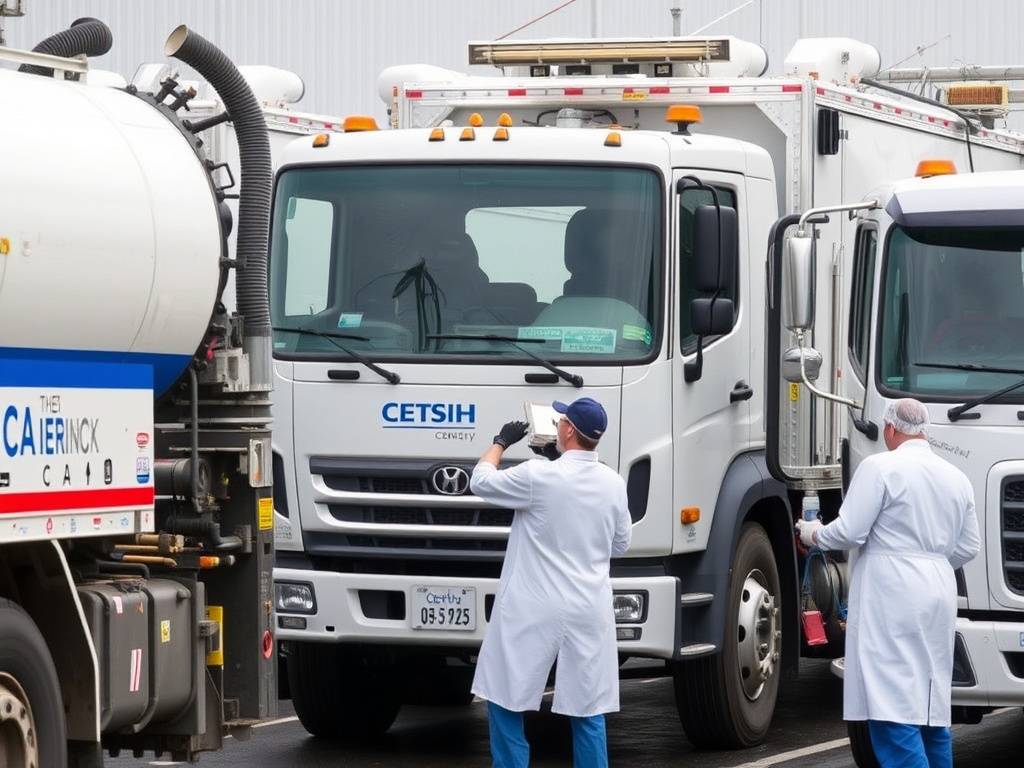
The Real Cost of Traditional Detergent Development
Before contacting Labsure, the company had already spent considerable money attempting conventional formulation development.
Like many industrial chemical businesses, they initially relied on:
- Raw material supplier recommendations
- Generic surfactant packages
- Contract blender suggestions
- Basic trial-and-error batching
But the process quickly became frustrating.
Every modification created new problems:
- More foam but poorer rinsing
- Better grease cutting but higher residue
- Lower cost but weaker cleaning
- Strong alkalinity but paint sensitivity
- Better dilution but unstable storage behaviour
Worse still, every failed batch consumed:
- Raw materials
- Labour
- Packaging
- Freight
- Testing time
- Customer trial opportunities
Months passed without achieving a commercially competitive product.
That is when management realised they needed actual analytical insight rather than formulation guesswork.
Why Reverse Engineering Reduced Risk So Dramatically
The advantage of reverse engineering is not simply “copying chemistry.”
The real value is eliminating unknowns.
Instead of asking:
“What ingredients should we try?”
the Perth company could begin asking:
“What performance mechanisms are already proven in successful commercial products?”
This completely changed the development process.
Rather than spending years experimenting blindly, they could analyse a product already validated by the market.
This approach dramatically shortened development timelines while reducing wasted R&D expenditure.
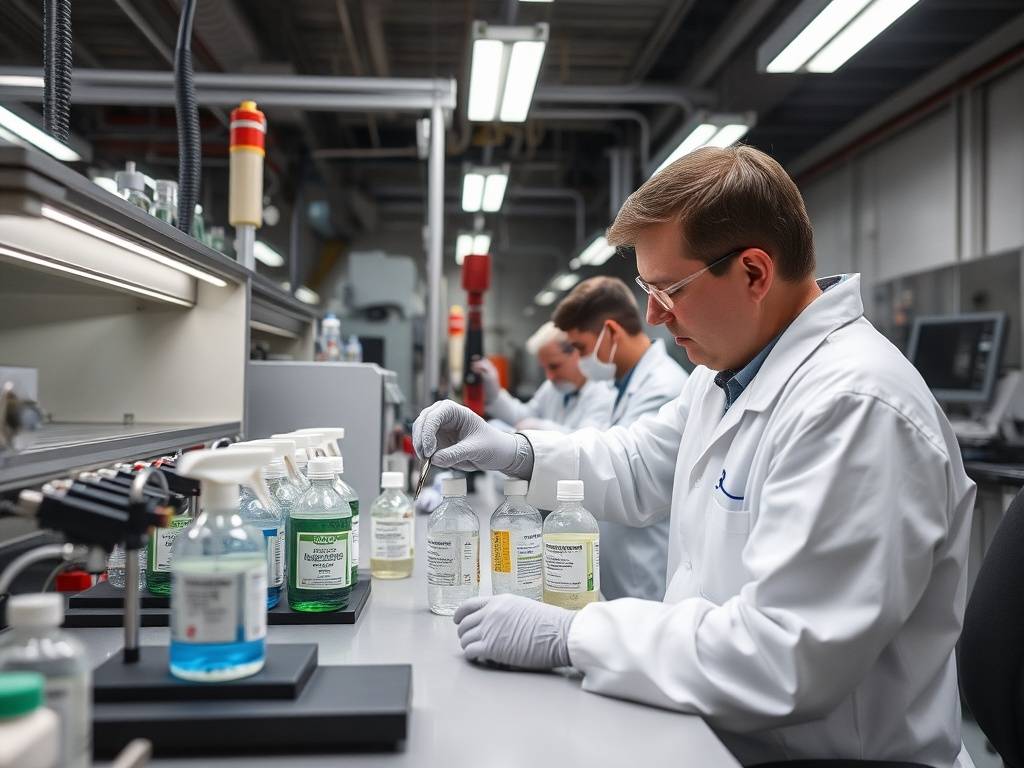
Through Analytical Testing Services, Labsure investigated:
- Surfactant systems
- Foam boosters
- Solvent balance
- pH architecture
- Corrosion inhibitors
- Chelating systems
- Hydrotropes
- Stability modifiers
- Dilution behaviour
- Active concentration relationships
The objective was not merely identifying ingredients.
It was understanding the performance logic behind the formulation.
What Labsure Discovered During Analysis
Several important findings emerged during the project.
The Imported Product Was Not Using “Exotic” Chemistry
Interestingly, the benchmark fleet wash product did not rely on highly unusual raw materials.
In fact, many core components were commercially available within Australia.
The real advantage came from:
- Surfactant balance
- Ingredient ratios
- Foam control strategy
- Chelation optimisation
- Solvent selection
- Hydrotrope management
In other words, formulation architecture mattered far more than individual ingredients.
This was an important commercial insight for the client.
It meant they could potentially produce competitive products locally without relying on expensive imported specialty chemicals.
Foam Stability Was Carefully Controlled — Not Maximised
One surprising finding involved foam behaviour.
The Perth company originally assumed the imported product simply used very high foam surfactant loading.
The analysis revealed something more sophisticated.
The formulation used a balanced foam system that generated:
- Dense visual foam
- Stable cling time
- Controlled drainage
- Fast rinse release
without excessive persistence.
This distinction mattered because excessive foam can actually reduce operational efficiency in industrial wash bays.
The imported product had clearly been optimised for real-world fleet cleaning operations rather than purely visual marketing.
Corrosion Management Was More Important Than Expected
The analysis also identified a carefully balanced corrosion inhibitor system.
This proved particularly relevant for:
- Mining fleets
- Coastal freight vehicles
- Aluminium trailers
- Steel chassis systems
The Perth company later explained that several of their previous trial products caused long-term concerns regarding aluminium dulling and metal sensitivity.
Understanding the inhibitor strategy behind the benchmark product significantly improved confidence during redevelopment.
Adapting the Product for Western Australian Conditions
One of the biggest advantages of local product development is customisation.
Rather than simply replicating the imported detergent exactly, the company used analytical findings to optimise performance for WA conditions.
Several important adjustments were made.
Hard Water Compatibility
Certain regions where customers operated used relatively hard bore water.
This created issues with:
- Foam collapse
- Residue formation
- Poor rinsing
- Water spotting
Labsure helped guide modifications to improve mineral tolerance under these conditions.
Dust and Red Soil Cleaning
Mining and regional transport environments in WA create extremely fine dust contamination.
The company adjusted surfactant behaviour and wetting performance to improve penetration of:
- Red clay soil
- Fine dust deposits
- Carbon-heavy road grime
This became a major selling point for transport contractors servicing mining regions.
Dilution Optimisation
Fleet operators closely monitor chemical usage costs.
The Perth company wanted stronger dilution economics than many imported competitors.
Through targeted formulation optimisation, they improved usable dilution ratios without significantly sacrificing cleaning performance.
This gave sales representatives a much stronger commercial argument when competing against established brands.
The Shift From Distributor to Manufacturer
One of the most interesting parts of the project was the company’s internal transition.
Originally, they saw themselves primarily as chemical distributors.
But once they gained technical insight into detergent formulation, their mindset changed completely.
They realised they could:
- Control product direction
- Improve margins
- Respond faster to customers
- Modify formulations regionally
- Develop private-label opportunities
- Expand into adjacent cleaning sectors
The company eventually began planning additional formulations including:
- Aluminium-safe fleet cleaners
- Heavy-duty mining wash concentrates
- Workshop degreasers
- Two-step touchless wash systems
- Food-grade transport cleaning products
Reverse engineering had effectively accelerated their entry into industrial chemical manufacturing.
Faster Toll Manufacturing and Easier Supplier Discussions
Before the analytical project, conversations with toll blenders had been vague and inefficient.
The company struggled to communicate performance requirements clearly.
After receiving Labsure’s findings, discussions became far more technical and productive.
The company now understood:
- Approximate surfactant architecture
- Active loading strategy
- Functional ingredient relationships
- Performance trade-offs
- pH targets
- Stability requirements
This dramatically improved pilot batching efficiency.
Instead of endless trial-and-error reformulation, manufacturers could work from defined technical
objectives.
Commercial Results Achieved
Within months, the Perth company successfully launched its own branded truck wash concentrate line.
Several commercial outcomes followed.
Improved Profit Margins
Local manufacturing reduced dependency on imported finished goods and improved pricing flexibility.
Better Customer Retention
Fleet operators appreciated the ability to request modifications for specific operational environments.
Faster Supply Chain Response
Lead times became significantly shorter compared with overseas imports.
Stronger Brand Positioning
The company transitioned from “chemical reseller” to proprietary product manufacturer.
This substantially improved perceived market value.
Expansion Into New Industrial Accounts
The new truck wash line helped open discussions with:
- Mining contractors
- Fleet maintenance companies
- Heavy transport operators
- Equipment rental businesses
- Industrial service contractors
Several customers specifically preferred dealing with a local supplier capable of adapting products quickly.
Why Australian Industrial Chemical Companies Are Increasingly Using Reverse Engineering
Across Australia, industrial chemical businesses are facing growing pressure from:
- Imported products
- Margin compression
- Rising freight costs
- Customer-specific performance demands
- Supply chain instability
At the same time, many companies lack large internal R&D departments.
This is why reverse engineering has become increasingly valuable.
Rather than spending years developing formulations blindly, businesses can use:
- Chemical Reverse Engineering Services
- Analytical Testing Services
- Chemical Composition Analysis
- Formula Optimisation Support
to accelerate product development using real analytical data.
For industrial cleaning companies, this approach often reduces:
- Development time
- Failed batching
- Raw material waste
- Supplier uncertainty
- Manufacturing risk
while improving commercial confidence before launch.
The Broader Industry Shift Happening in Australia
Historically, many Australian industrial chemical suppliers relied heavily on imported formulations.
That model is changing rapidly.
Today, more companies want:
- Local manufacturing capability
- Faster product adaptation
- Better supply chain control
- Higher margins
- Proprietary formulations
- Customer-specific solutions
Reverse engineering helps bridge the gap between distribution and manufacturing.
For many businesses, it becomes the fastest pathway toward owning their own intellectual property position in the market.
Final Thoughts
The Perth company did not succeed because they magically discovered a secret ingredient.
They succeeded because they replaced formulation guesswork with analytical understanding.
By investigating the chemistry behind a proven fleet cleaning product first, they dramatically reduced development uncertainty and accelerated commercialisation.
Instead of spending years on experimental detergent development, they:
- Understood proven performance systems
- Adapted chemistry for Australian conditions
- Reduced technical risk
- Improved manufacturing efficiency
- Launched products faster
- Strengthened customer relationships
Most importantly, they transformed from a regional chemical supplier into a company with its own scalable industrial cleaning product line.
That transition created significantly more long-term commercial control than relying solely on imported brands.
Need Help Developing a Truck Wash or Industrial Cleaning Formula?
Labsure supports Australian businesses with confidential:
- Truck wash reverse engineering
- Fleet cleaner analysis
- Surfactant system investigation
- Foam optimisation
- Degreaser formulation analysis
- Corrosion inhibitor testing
- Chemical composition analysis
- Industrial detergent optimisation
- Toll manufacturing support
Whether you are benchmarking a competitor product, developing a private-label cleaner, or optimising an existing industrial detergent, our team can help reduce formulation risk and accelerate development.
Contact Labsure to discuss your industrial cleaning formulation project.
Email: info@labsure.com.au
Website: https://labsure.com.au