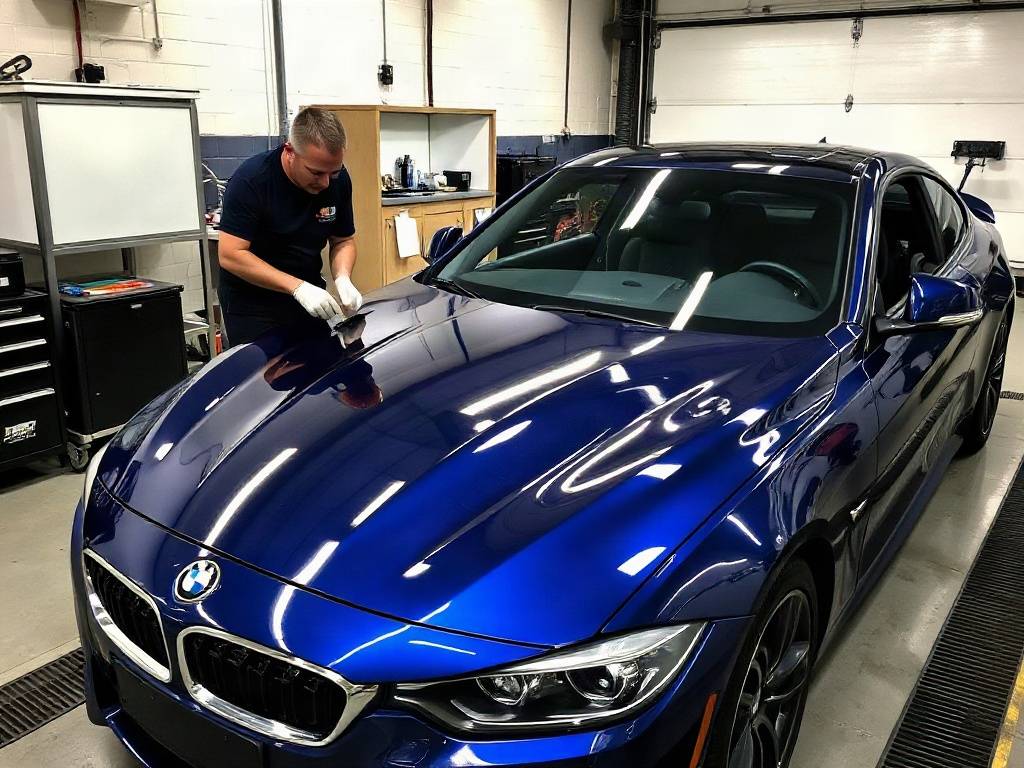
In the competitive world of Australian automotive detailing, wheel cleaners and iron removers are essential products. Brake dust, iron fallout, and road grime relentlessly attack alloy wheels, especially in Queensland’s humid, coastal climate. For many businesses, relying on imported premium brands works—until supply chain issues, rising costs, and the desire for differentiation push them to take control.
This is the story of AutoShield Solutions, a growing car care distributor and retailer based in Brisbane, Queensland. They transitioned from importing and reselling a popular European wheel cleaner to developing, manufacturing, and successfully launching their own high-performance product line. They did it through smart chemical reverse engineering and formulation analysis with Labsure.
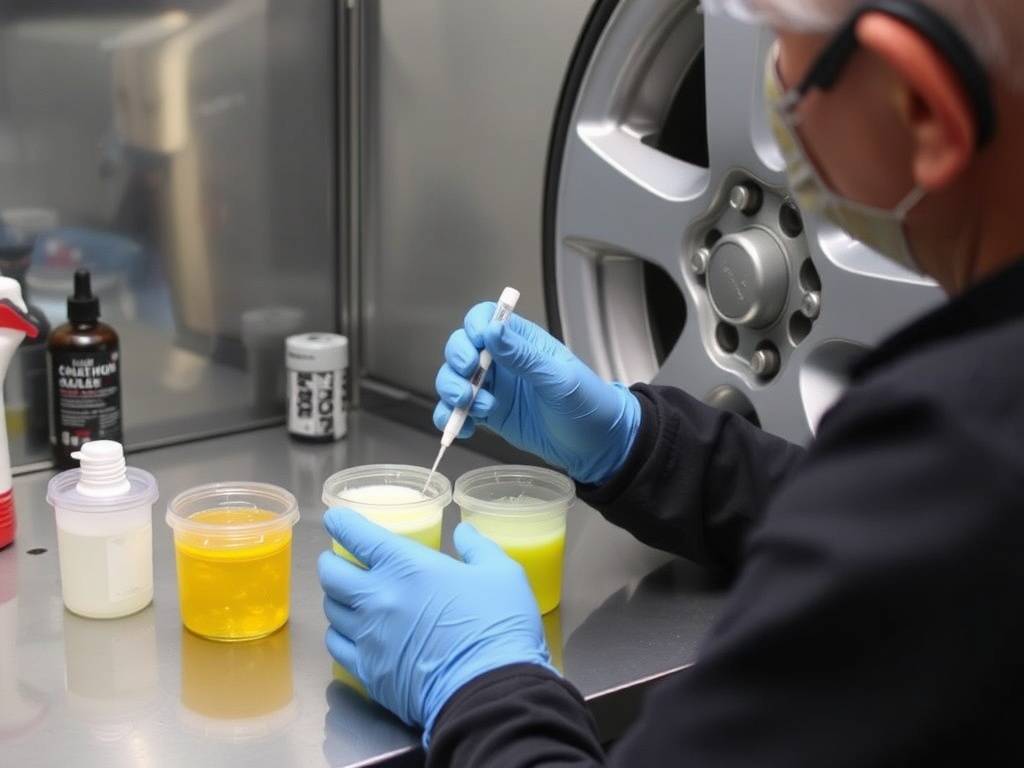
The Challenge: Dependency on a Foreign Brand in a Volatile Market
AutoShield Solutions started in 2018 as a specialist in premium detailing supplies. They built a loyal customer base among professional detailers and enthusiasts across Southeast Queensland by stocking high-end imported wheel cleaners and iron removers. Their flagship imported product was known for its reactive purple colour change when dissolving iron particles—a visual selling point that customers loved.
By late 2023, cracks appeared. Shipping delays from Europe, fluctuating exchange rates, and minimum order quantities inflated costs. Customers increasingly asked for a more affordable “local” alternative that performed just as well—or better—in Australian conditions: high UV exposure, salty coastal air, and heavy brake dust from city driving and track days.
The owner, Mark Thompson, explained: “We were making good margins reselling the imported brand, but we had zero control. If their formula changed or supply stopped, our business took the hit. We wanted our own product that we could tweak for local needs—like better performance on hot Queensland wheels and safer ingredients for workshop use.”
They considered developing a formula from scratch but quickly realised the risks. Traditional R&D for a complex reactive wheel cleaner—balancing chelators, pH, corrosion inhibitors, surfactants, and colour-changing iron reactants—could take 12–18 months and cost tens of thousands in failed batches, stability testing, and compliance work.
That’s when they reached out to Labsure for reverse engineering services.
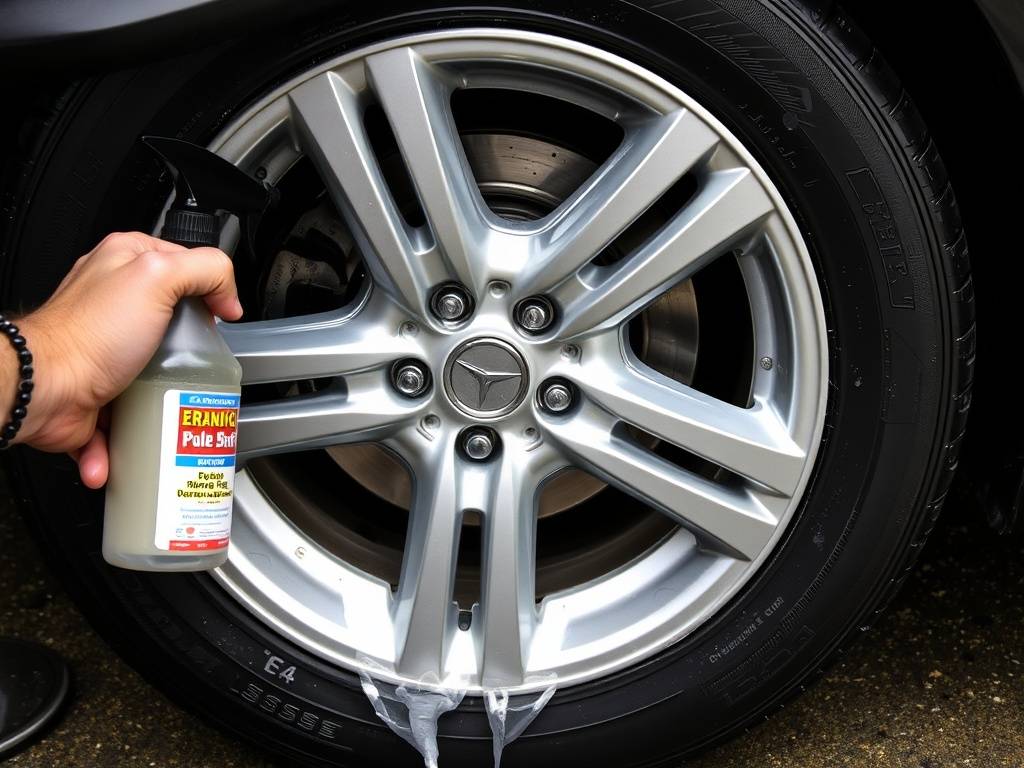
Why Reverse Engineering Made Sense for Wheel Cleaner Development
Wheel cleaners, especially those with iron-removing capability, are sophisticated formulations. They typically combine:
- Chelating agents (like EDTA or specialized phosphonates) to bind iron ions.
- pH control systems (often acidic but buffered to protect aluminium and clear coats).
- Surfactants and wetting agents for penetration and rinsing.
- Corrosion inhibitors to safeguard wheel finishes.
- Colour-change indicators (thiocyanate or similar reactive compounds) for the dramatic purple effect.
- Thickeners or gels for dwell time on vertical surfaces.
Getting these components balanced wrong leads to poor cleaning, wheel damage, instability, or regulatory issues under Australian standards.
Labsure’s approach provided a proven shortcut. Instead of guessing ingredient ratios through trial and error, they analysed the benchmark imported product to deliver precise compositional data.
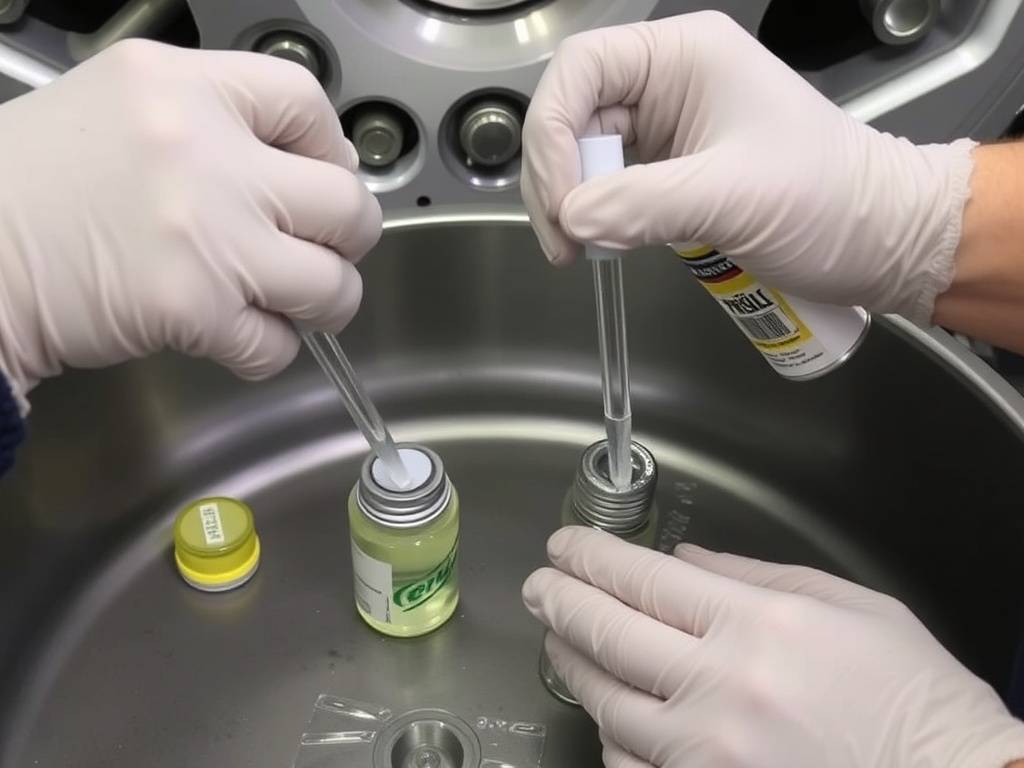
The Reverse Engineering Process: From Sample to Actionable Formula
AutoShield sent sealed samples of the imported wheel cleaner (and a couple of competitors) to Labsure’s lab in Oxley, Queensland. The process unfolded efficiently:
- Initial Qualitative Screening – Identification of main functional ingredients using GC-MS, HPLC, and other techniques.
- Quantitative Analysis – Approximate percentages of key actives, including chelators and reactive iron agents.
- Functional Role Mapping – Understanding how each component contributed to performance, stability, and user experience.
- Local Adaptation Recommendations – Suggestions for cost-effective Australian-sourced alternatives, pH tweaks for hotter climates, and enhanced corrosion protection for coastal use.
The full analysis report arrived in under three weeks. It included a clear breakdown of the formulation structure without infringing intellectual property—just enough technical intelligence to replicate and improve.
Mark noted the report’s practicality: “It wasn’t just a list of chemicals. Labsure explained the why behind the ratios and flagged opportunities to make it safer and stronger for Australian workshops.”
Key Modifications for the Australian Market
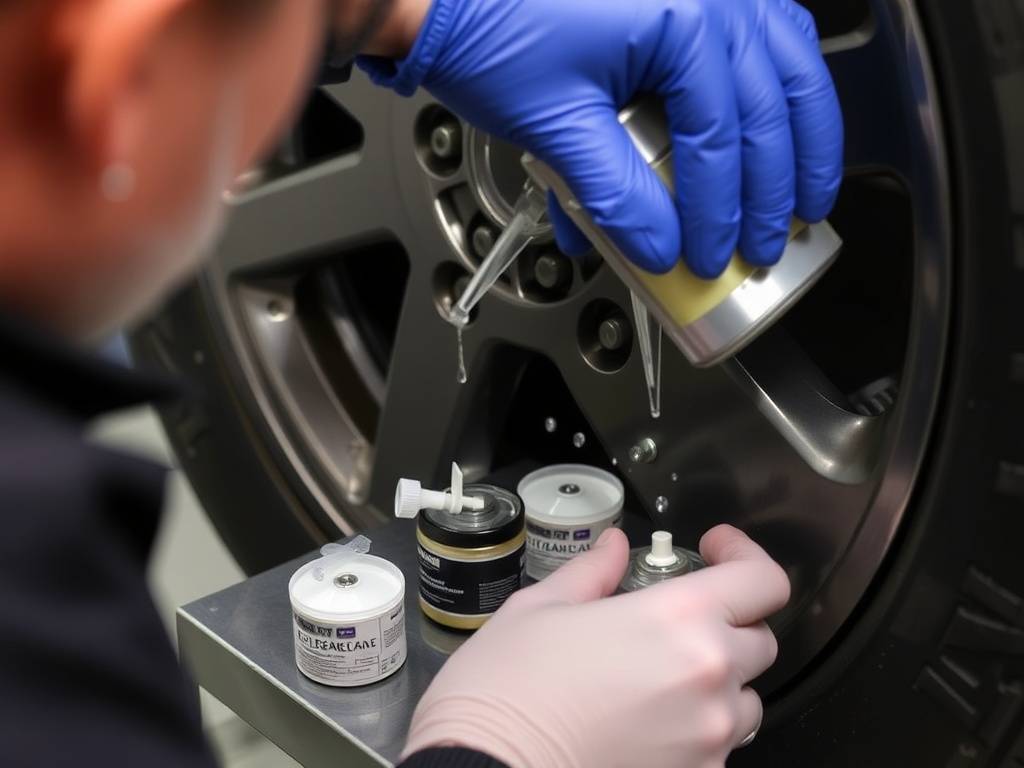
Using the reverse-engineered baseline, AutoShield worked with Labsure on targeted improvements:
- Enhanced Heat Stability: Queensland summers push wheel temperatures high. They adjusted the surfactant and thickener system for better performance on hot surfaces.
- Improved Safety Profile: Reduced reliance on harsher acids while maintaining iron dissolution power—important for detailers concerned about PPE and environmental impact.
- Local Sourcing: Swapped some imported raw materials for equivalent Australian or regionally available options, cutting costs by an estimated 25-30%.
- Performance Boost: Added minor tweaks to the chelating package for faster reaction with heavy brake dust common on performance vehicles around Brisbane.
- Packaging and Branding: Developed a distinctive bottle with clear usage instructions tailored to local conditions.
Labsure also supported stability testing protocols and helped identify compliant manufacturing partners in Queensland for scale-up.
This iterative refinement phase took only a couple of months—dramatically shorter than starting from zero.
Results: Successful Product Launch and Business Growth
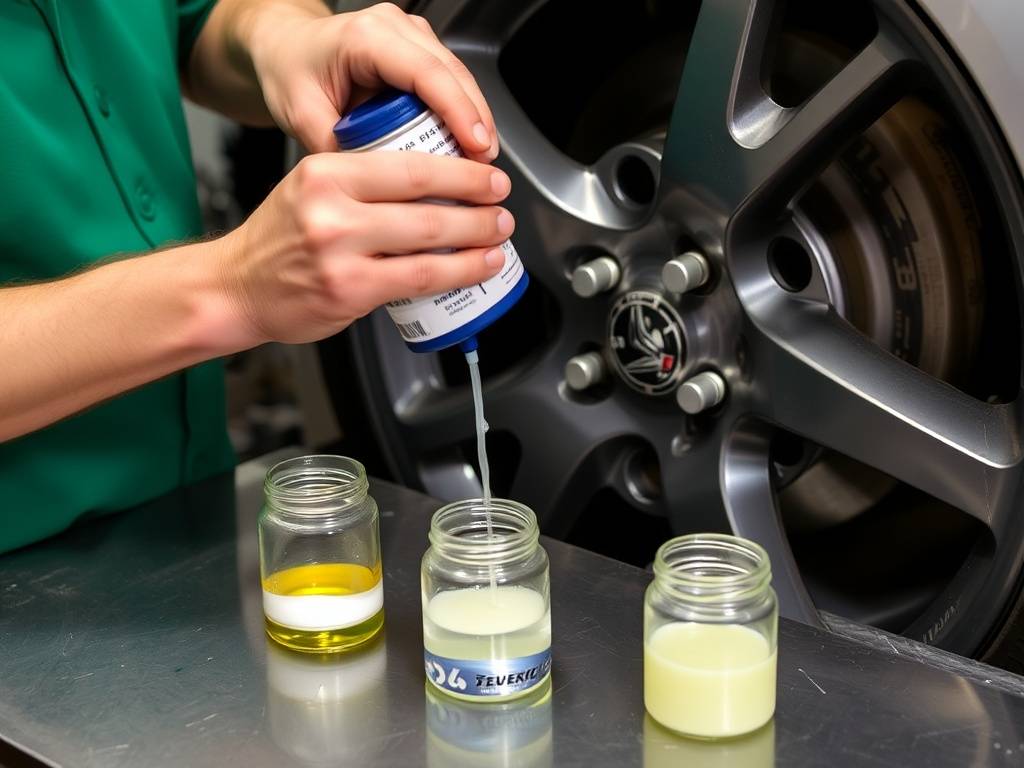
By mid-2024, AutoShield Solutions launched ShieldIron Pro Wheel Cleaner & Iron Remover. The product featured the signature colour-changing reaction but with improved cling, faster action on local contaminants, and a more eco-conscious profile.
Key Outcomes:
- Faster Time to Market: From initial contact with Labsure to first production batch: under 5 months. Traditional development often exceeds 12 months.
- Significant Cost Savings: R&D expenditure was a fraction of building a formula blindly. Raw material optimisation delivered ongoing production savings.
- Lower Risk: The reverse-engineered foundation was already market-proven. Stability and performance issues were minimised through data-driven adjustments.
- Strong Market Reception: Early feedback from Brisbane detailers praised its performance on hot wheels and value for money. Sales exceeded projections in the first quarter.
- Brand Differentiation: Positioned as “Queensland-engineered for Australian conditions,” it built customer loyalty and opened wholesale opportunities.
- Supply Chain Independence: No more reliance on overseas stock—better inventory control and pricing flexibility.
Mark shared: “The reverse engineering route let us leapfrog years of experimentation. We now control our destiny and can iterate quickly based on customer feedback.”
The product line has since expanded to include complementary items like pH-neutral maintenance cleaners, leveraging the same formulation intelligence.
The Broader Benefits of This Approach for Australian Businesses
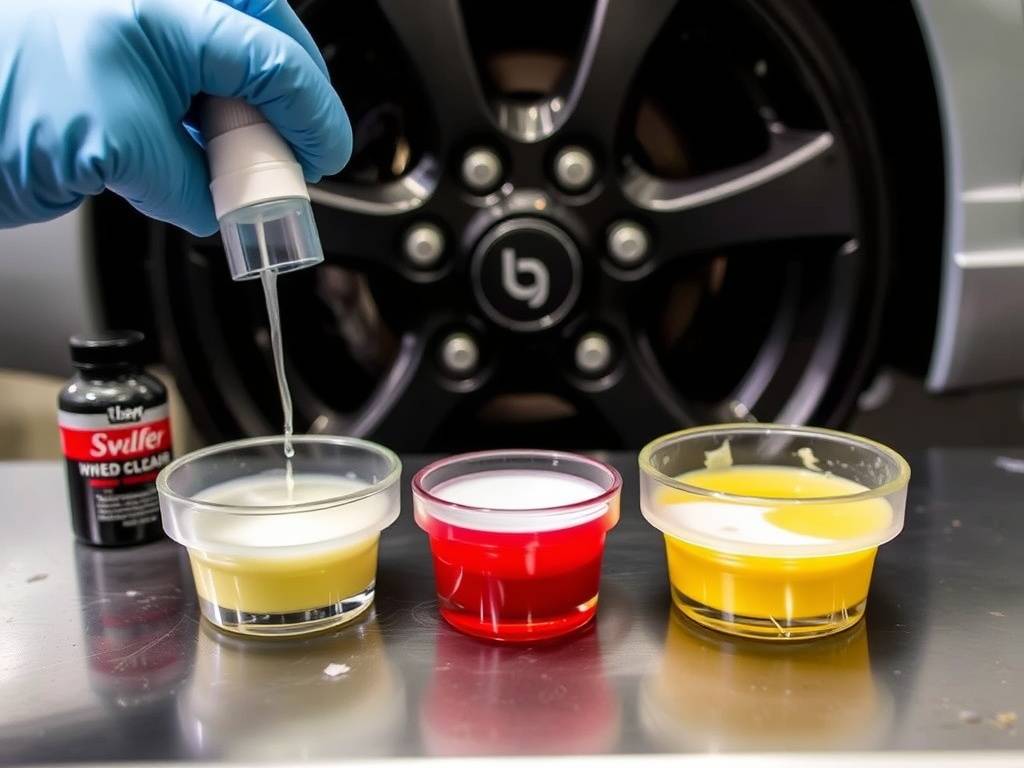
AutoShield’s success highlights why many SMEs are turning to chemical reverse engineering and formulation analysis:
- Shortest Development Timeline: Start with a proven structure rather than inventing from scratch.
- Lowest Financial Risk: Dramatically reduced wasted batches and failed tests.
- Cost Optimisation: Identify expensive components and find smarter alternatives.
- Competitive Edge: Customise for local conditions, regulations, and customer preferences.
- Sovereign Capability: Build Australian manufacturing resilience against global disruptions.
This strategy works particularly well in the car care and auto detailing sector, where sensory performance (colour change, scent, texture) and real-world efficacy drive purchasing decisions.
Labsure supports clients across cleaning products, including heavy-duty industrial cleaners and detergents, making them a natural partner for automotive businesses.
Lessons Learned for Other Queensland and Australian Companies
- Don’t Fear Reverse Engineering – It’s a legitimate, ethical way to gain technical insight and accelerate innovation.
- Choose the Right Partner – Independent labs like Labsure provide objective, actionable data without conflicts of interest.
- Focus on Local Adaptation – Market success comes from tweaking proven formulas for Australian realities.
- Plan for Scale – Involve manufacturing and compliance experts early.
- Iterate Continuously – Use the initial analysis as a foundation for ongoing product improvement.
For businesses still importing specialty cleaners, the message is clear: localising production through intelligent analysis is now more accessible and profitable than ever.
Ready to Develop Your Own Wheel Cleaner or Car Care Product?
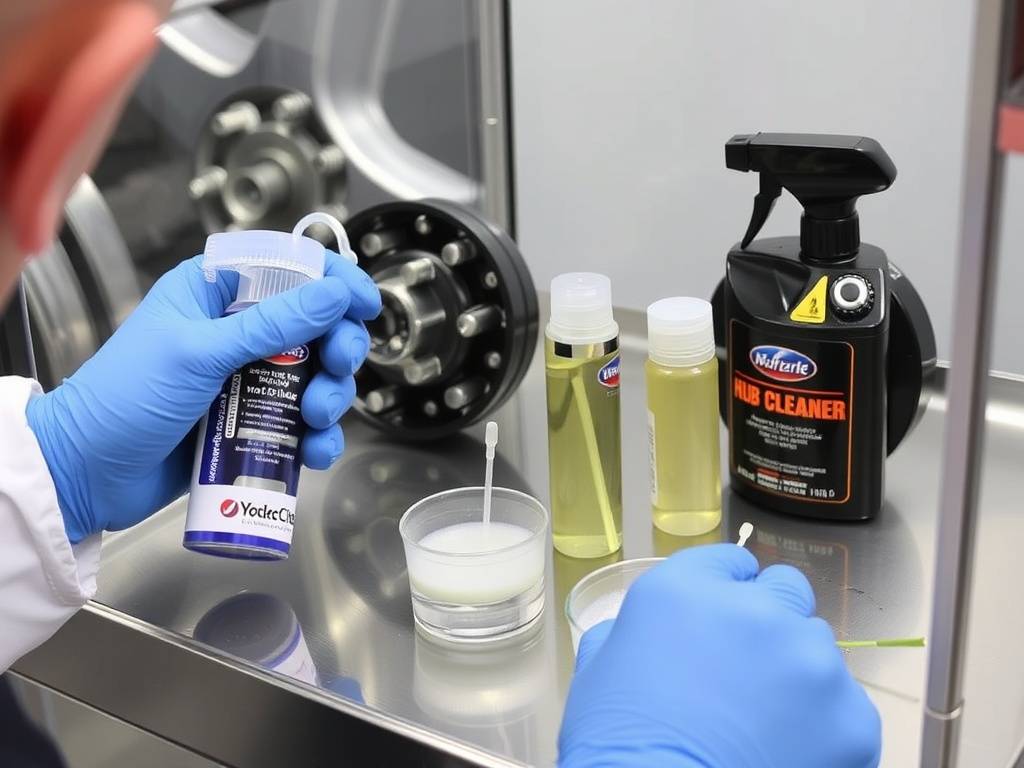
If you’re a detailing shop owner, distributor, or manufacturer in Brisbane, Queensland, or anywhere across Australia looking to reduce dependency on imports, Labsure offers the expertise to make it happen efficiently.
Explore their specialised services:
- Chemical Reverse Engineering Services
- Car Care and Auto Detailing Formulation Analysis
- Wheel Cleaner & Iron Remover Reactive Formula Breakdown Insights
- Formulation Analysis for Manufacturers
- How Reverse Engineering Reduces R&D Costs
- Automotive Detailing Case Studies and Success Stories
Contact Labsure today for a confidential discussion about your project:
- Email: info@labsure.com.au
- Phone: 1300 508 536
- Postal Address (for samples): PO Box 1128, Oxley QLD 4075
Whether you want to benchmark competitors, optimise an existing formula, or launch a new wheel cleaner line, their team delivers the compositional clarity needed to move forward with confidence.
Don’t let supply chain uncertainty hold your business back. Take control of your formulations, delight your customers with locally optimised products, and build a stronger, more resilient brand—just like AutoShield Solutions did.