In the tough world of Australian construction, concrete producers face constant pressure to deliver consistent workability, strength, and setting times while keeping costs under control. For many ready-mix operators across New South Wales, water reducers and plasticisers are the unsung heroes that make this possible. But when you’re relying on imported admixtures or proprietary blends from big suppliers, you’re often left in the dark about exactly what’s inside — and at the mercy of price hikes, supply disruptions, and formulations that don’t always suit local cements and aggregate.
This is the story of Riverstone Concrete, a family-owned ready-mix and precast business based in Western Sydney, NSW. Over 18 months, they moved from being dependent on a well-known European mid-range plasticiser to launching their own optimised water-reducing admixture. They did it smarter, faster, and with far less risk than starting from scratch — thanks to targeted reverse engineering and formulation analysis with Labsure.
If you’re a concrete plant manager, masonry supplier, or civil contractor in Australia tired of guessing about admixture performance, this case will show you a practical path forward.
The Real-World Pressures Facing NSW Concrete Businesses
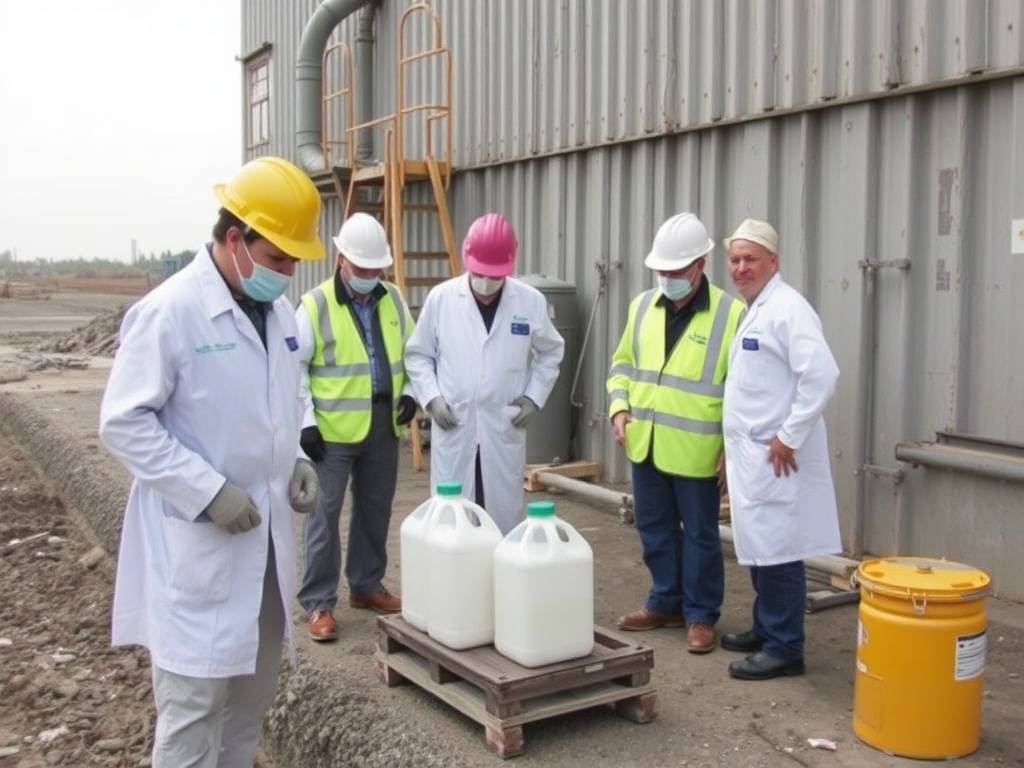
Riverstone Concrete has been supplying ready-mix to residential, commercial, and infrastructure projects across Greater Sydney and the Central Coast since the early 2000s. Like many operators, they used a reliable imported mid-range water reducer that improved slump retention and allowed decent water reduction (typically 8-12%) without retarding setting too much.
By 2024, the cracks were showing. Shipping costs from Europe had climbed sharply. Local cement variations — especially blends with higher slag or fly ash content common in NSW — sometimes caused inconsistent performance. On hot summer days or with certain quarry aggregates, the product didn’t deliver the workability retention their batchers needed for longer hauls.
Owner and managing director Paul Harrington put it bluntly: “We were spending hundreds of thousands a year on this stuff, but we had no idea about the exact polymer chemistry or how to tweak it when our cement supplier changed specs. We wanted our own product we could control, optimise for Sydney conditions, and potentially private-label for other smaller operators.”
Developing a new concrete admixture in-house sounded intimidating. Traditional R&D for polycarboxylate ether (PCE) or lignosulfonate-based plasticisers involves polymer synthesis knowledge, extensive compatibility testing with local materials, and months of trial batches. The risk of failed loads on site was too high for a mid-sized player.
That’s when Paul reached out to Labsure after hearing about their work on construction chemicals.
Why Reverse Engineering a Water Reducer Makes Perfect Sense for Australian Producers
Mid-range water reducers and plasticisers are complex. They typically rely on:
- Polycarboxylate ethers (PCE) or modified lignosulfonates as the primary dispersing agents.
- Retarding or accelerating components to balance setting behaviour.
- Stabilisers and viscosity modifiers for consistency.
- Air-entraining or defoaming additives depending on the application.
Getting the molecular weight distribution, side-chain density, and carboxylate ratios wrong can lead to flash setting, excessive air, poor strength gain, or segregation. In Australia, compatibility with local GP cements, fly ash, and slag is critical — something many overseas formulas aren’t optimised for.
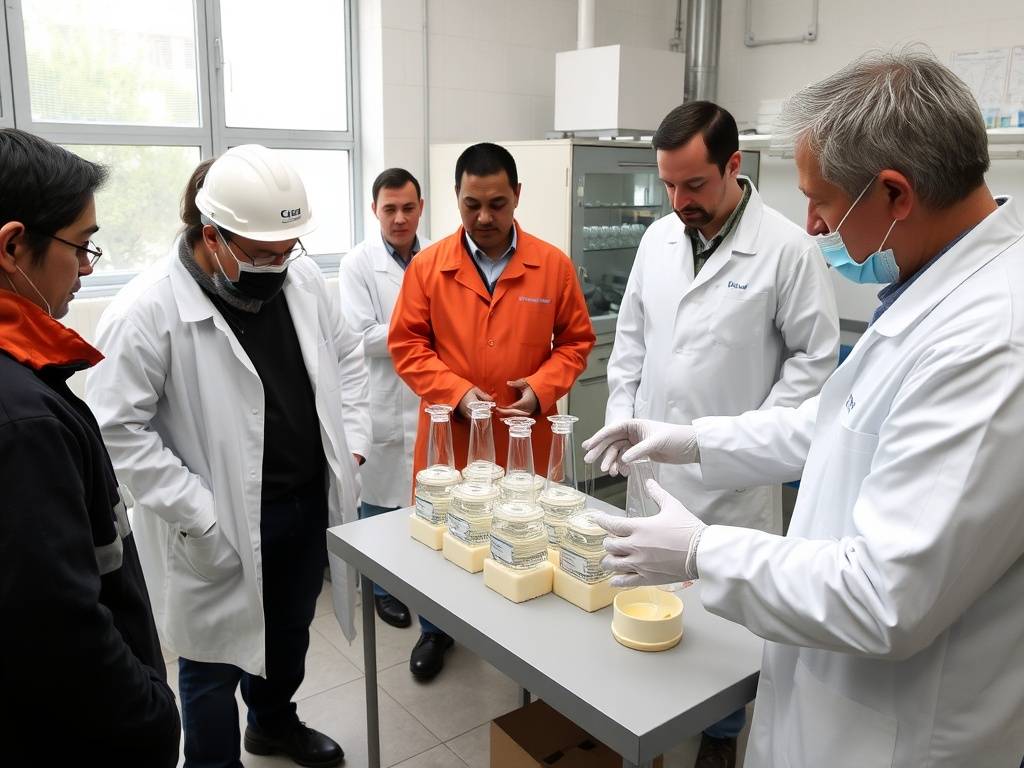
Labsure’s concrete admixture reverse engineering service provided Riverstone with the compositional roadmap they needed without reinventing the wheel.
The Reverse Engineering Journey: From Sample to Local Formula
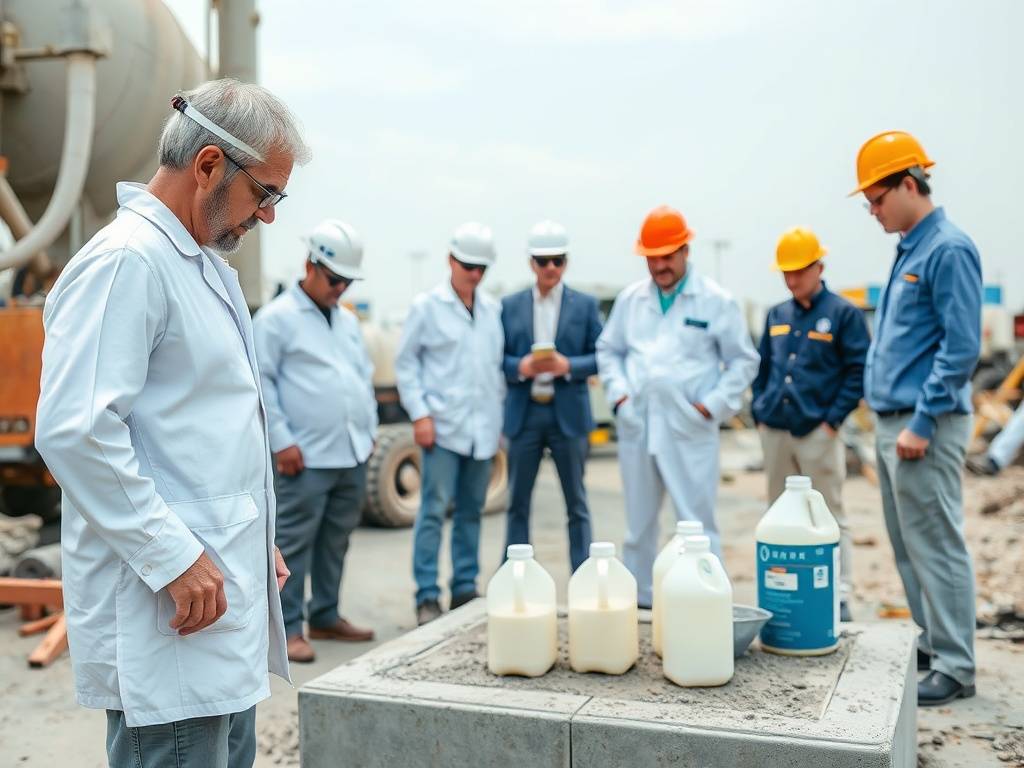
Riverstone sent blind samples of their current imported plasticiser, plus two competitor products used by other NSW plants, to Labsure’s facility in Queensland. The process was straightforward and professional:
Labsure started with qualitative screening to identify the main active polymer system and supporting additives. Then came quantitative work to estimate percentages and understand the formulation logic. They paid special attention to how the chemistry interacted with typical Australian cementitious materials.
The detailed report that came back included:
- Approximate breakdown of the PCE backbone, side chains, and functional groups.
- Insights into retardation chemistry and its impact on setting times.
- Recommendations for cost-effective local raw material substitutions.
- Performance predictions for different slag/fly ash blends common in NSW projects.
Paul appreciated the practical tone: “It wasn’t academic jargon. They explained how certain monomer ratios affected slump retention in hot weather and flagged where we could reduce dosage rates without losing performance.”
This analysis formed the foundation. Instead of 12-18 months of blind experimentation, Riverstone had a proven starting point.
Tailoring the Formula for New South Wales Conditions
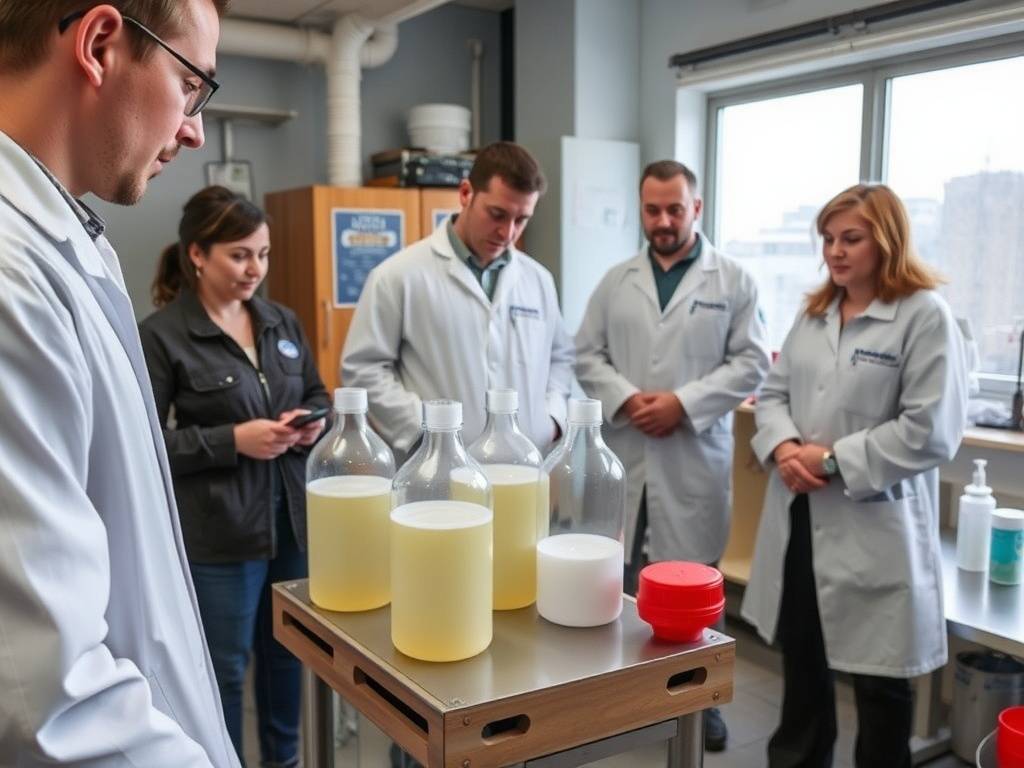
Using the reverse-engineered baseline, the team at Riverstone worked closely with Labsure on refinements suited to local realities:
- Improved compatibility with NSW cements: Adjustments to the polymer structure for better performance with higher supplementary cementitious materials (SCMs) used in Sydney Metro and infrastructure projects.
- Enhanced slump retention: Tweaks for longer transport times in traffic-heavy Greater Sydney.
- Cost optimisation: Identified opportunities to use more readily available Australian-sourced components, targeting a 20-28% reduction in raw material costs.
- Stability and shelf life: Modifications to prevent separation in storage tanks during temperature swings common in regional NSW.
- Environmental profile: Minor changes to reduce overall carbon footprint and improve compliance with green star and sustainability requirements increasingly demanded by clients.
Labsure also guided them on quality control testing protocols, dosage optimisation trials, and scale-up considerations for their existing mixing equipment. This collaborative phase moved quickly because the core chemistry was already validated.
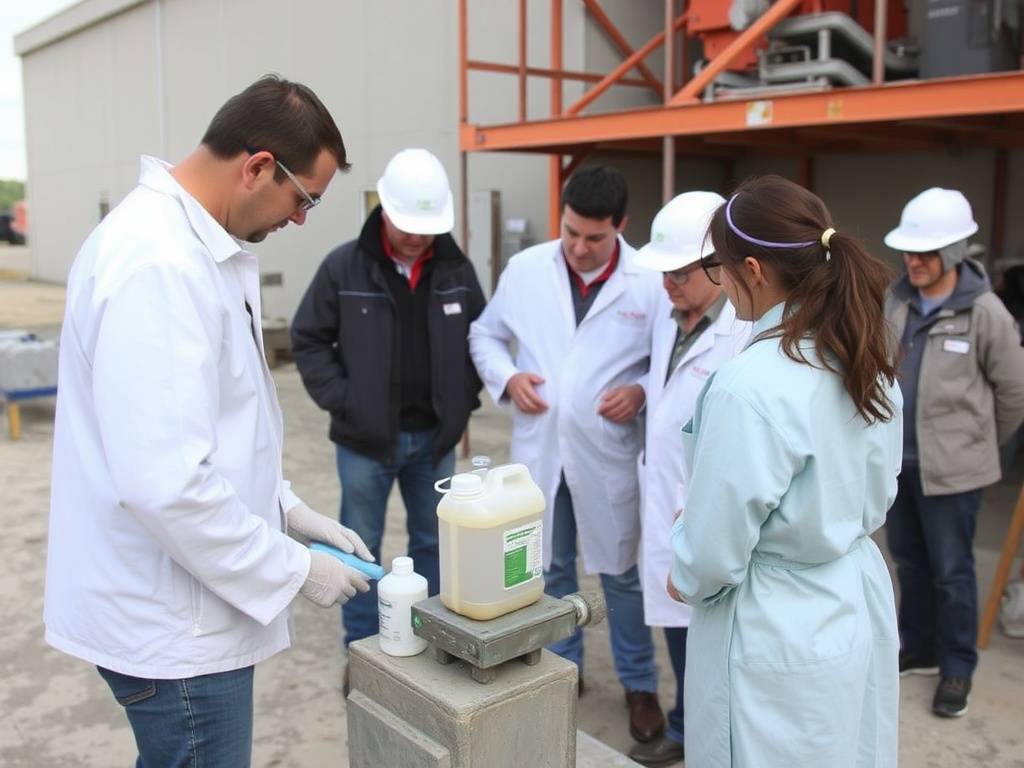
From Lab Insights to Full Production and Market Launch
By late 2024, Riverstone Concrete was ready. They branded their new product FlowCore MR Plasticiser — a mid-range water reducer designed specifically for Australian conditions.
The launch went smoother than anyone expected:
- Time savings: From initial sample submission to first commercial batches — just over four months. Compare that to the typical 12+ months for full custom development.
- Cost reduction: Not only on the formulation side but also through better dosage efficiency on site. Some customers reported 5-8% lower water use and improved early strength.
- Risk mitigation: Because the formula was built on a market-proven base, performance issues were minimal. Initial field trials on local projects confirmed expectations.
- Business impact: Riverstone reduced their admixture spend significantly while creating a new revenue stream by supplying other independent concrete plants and precast yards across NSW.
Paul noted the operational freedom: “We can now adjust the formula quickly if a new cement type comes onto the market or a client needs something for high-performance pumped concrete. That flexibility is huge.”
Feedback from batch plant operators and site engineers has been strong — particularly around consistent workability on hot days and reliable strength development for formwork stripping.
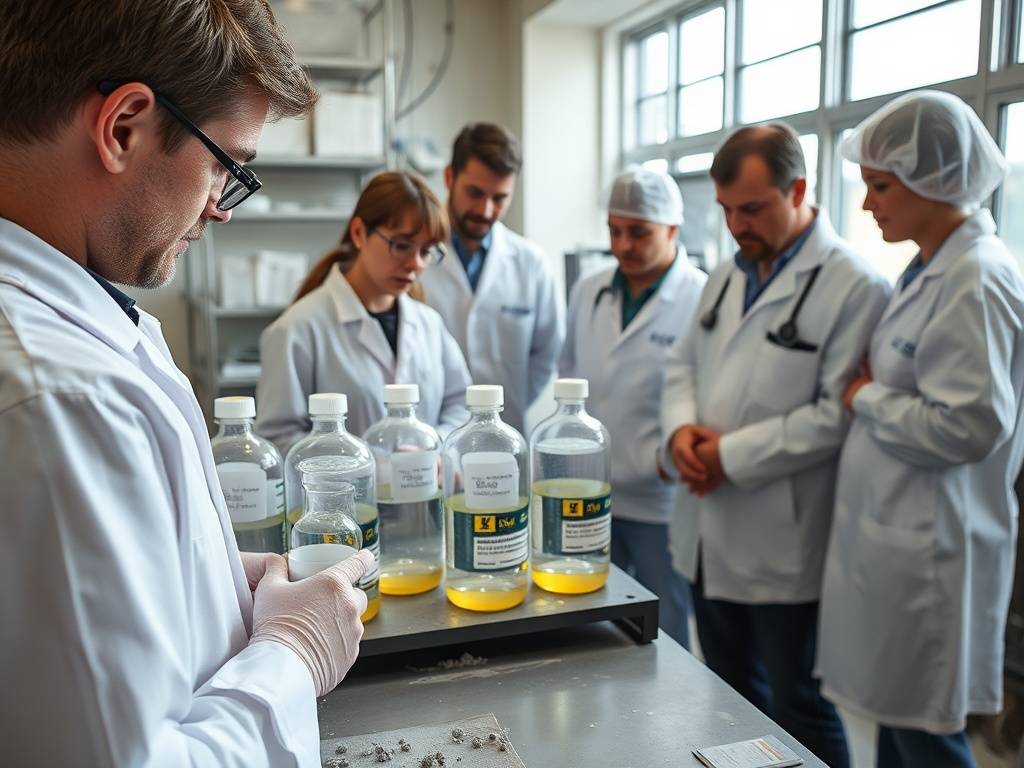
The Technical Depth Behind Mid-Range Plasticiser Performance
For those deeper in the concrete game, it’s worth understanding what makes these admixtures tick. Mid-range plasticisers sit between standard water reducers and high-range superplasticisers. They typically achieve 8-15% water reduction while providing good workability retention for 60-90 minutes.
Key formulation challenges include:
- Balancing dispersion and retardation to avoid cold joints in large pours.
- Maintaining stability across varying water qualities (Sydney’s sometimes variable supply).
- Ensuring low air entrainment for structural applications while allowing controlled air for freeze-thaw resistance where needed.
Labsure’s analysis helped Riverstone decode exactly how the original product achieved this balance and where improvements could be made using local materials. This level of insight is rare when you’re simply buying off the shelf.
Many NSW masonry and block manufacturers have similar needs. Plasticisers for mortar and render benefit from the same principles — better workability, reduced efflorescence, and improved bond strength.
Why This Approach Beats Traditional R&D for Australian SMEs
Riverstone’s experience highlights the advantages for concrete businesses considering localisation:
- Shortest timeline to production: Start with proven chemistry rather than months of trial formulations.
- Lowest development cost: Dramatically reduced failed batches and consultant fees.
- Minimum commercial risk: Benchmark against established products while customising for local performance.
- Ongoing control: Ability to iterate based on real feedback from your own plants and customers.
- Supply chain resilience: Less exposure to international shipping delays and currency fluctuations.
In an industry where margins are tight and project specifications unforgiving, this kind of data-driven decision making is a game changer.
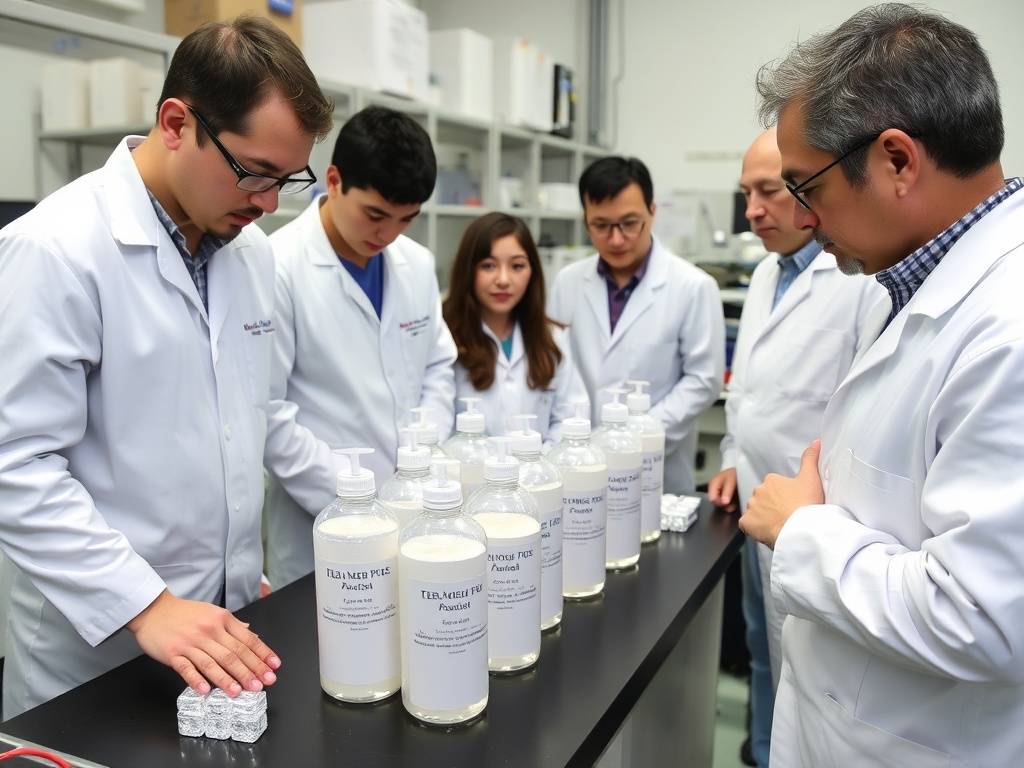
Lessons for Other Concrete and Masonry Businesses in Australia
If you run a ready-mix operation, precast facility, or supply mortar mixes in NSW, Victoria, Queensland or beyond, here are the key takeaways:
- Understand what you’re actually buying — Reverse engineering removes the black box.
- Local optimisation wins — Overseas formulas rarely account for Australian cement chemistry and climate.
- Scale matters less than knowledge — Even mid-sized players can develop competitive products with the right lab support.
- Compliance and consistency — Detailed formulation data makes AS 1478.1 and other standards easier to meet.
- New opportunities — Your own admixture can become a profitable product line for other operators.
Riverstone has already expanded the range with a high-range version and a specialised pumping aid, all built on the same foundation of solid analytical intelligence.
Broader Implications for the Australian Construction Chemicals Sector
As Australia pushes for more sovereign manufacturing capability, stories like this are becoming more common. Whether it’s water reducers, air entrainers, curing compounds, or release agents, having control over your chemistry delivers real competitive advantage.
Labsure continues to support construction chemical producers with everything from full deformulation to targeted failure analysis when things go wrong on site. Their independent position means unbiased recommendations focused purely on performance and cost.
Ready to Take Control of Your Concrete Admixtures?
If you’re a concrete producer, masonry manufacturer, or civil contractor looking to reduce costs, improve performance, or develop your own range of water reducers and plasticisers, Labsure offers a practical, low-risk starting point.
Explore their proven services tailored for the construction sector:
- PCE & Concrete Admixture Formula Reverse Engineering
- Chemical Reverse Engineering Services Australia
- Formulation Analysis for Manufacturers
- Concrete Admixture Reverse Engineering & Optimisation
- Reducing R&D Costs Through Smart Analysis
- Construction Chemicals & Water Reducers Insights
Contact Labsure today to discuss your specific needs and get a custom analysis plan:
- Phone: 1300 508 536
- Email: info@labsure.com.au
- Website: labsure.com.au/contact-us/