Executive Summary: The Strategic Shift
In the Australian agricultural sector, the reliance on imported adjuvant technology is increasingly becoming a strategic liability. As climate volatility intensifies and regulatory scrutiny on chemical usage tightens, growers are demanding more than just “standard” products; they require bespoke solutions tailored to local water quality, crop physiology, and application machinery. This article examines how a Queensland-based distribution firm successfully transitioned from an agent of a foreign brand to a proprietary manufacturer by leveraging reverse engineering and formulation optimization. By focusing on the siloxane system and localizing the manufacturing process, this firm achieved faster market entry, higher margins, and superior product performance.
1. The Anatomy of an Organosilicone Super Spreader
To understand why reverse engineering is the most efficient path to innovation, one must first understand the complexity of the “Super Spreader.”
The Siloxane System Breakdown
Organosilicone surfactants are not mere “wetting agents.” They are complex molecules composed of a hydrophobic siloxane backbone and hydrophilic polyether chains.
- The Siloxane Backbone: Responsible for the unique surface tension reduction capabilities (often dropping below 22 mN/m).
- The Polyether Chains: These dictate the solubility and the temperature-dependent performance of the adjuvant.
The Problem with “Universal” Formulations
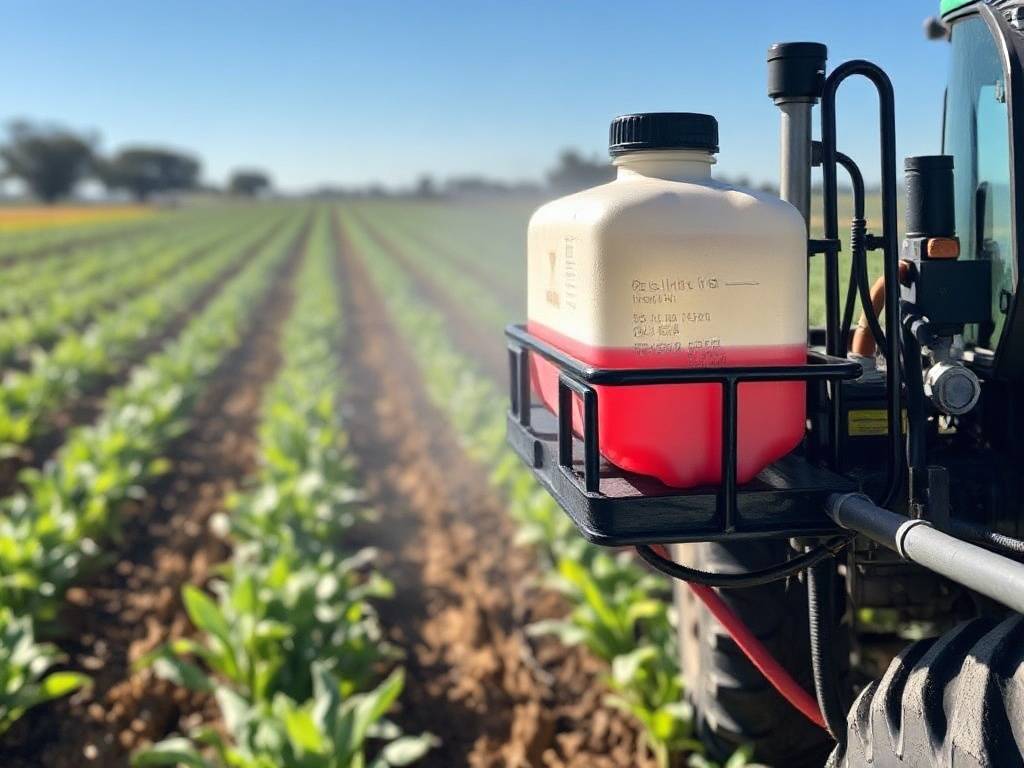
International brands design their products for a “mean” environmental condition. In Europe or North America, water hardness levels differ drastically from those found in the Lockyer Valley or the Darling Downs. When an adjuvant is formulated for soft water, its efficacy plummets in the hard-water conditions common to Queensland bore water. This is where formulation development becomes a competitive advantage.
2. The Strategic Rationale: Why Reverse Engineer?
Many distributors fear that reverse engineering is an attempt to “copy” the competition. In reality, it is a process of technical benchmarking.
A. Reducing the R&D Lifecycle
Traditional R&D—starting from a theoretical molecular design—can take 3–5 years. By using analytical chemistry to deconstruct an existing, market-proven product, we identify the functional components that drive success. This shortens the development cycle to months, not years.
B. Mitigating Risk Through Data
When you possess the chemical fingerprint of your market’s current leader, you have a baseline. Our analytical services ensure that the new product doesn’t just mimic the original—it identifies the flaws in the original (e.g., instability in specific pH ranges) and corrects them for the local market.
3. The Deep Dive: The Six-Phase Transformation
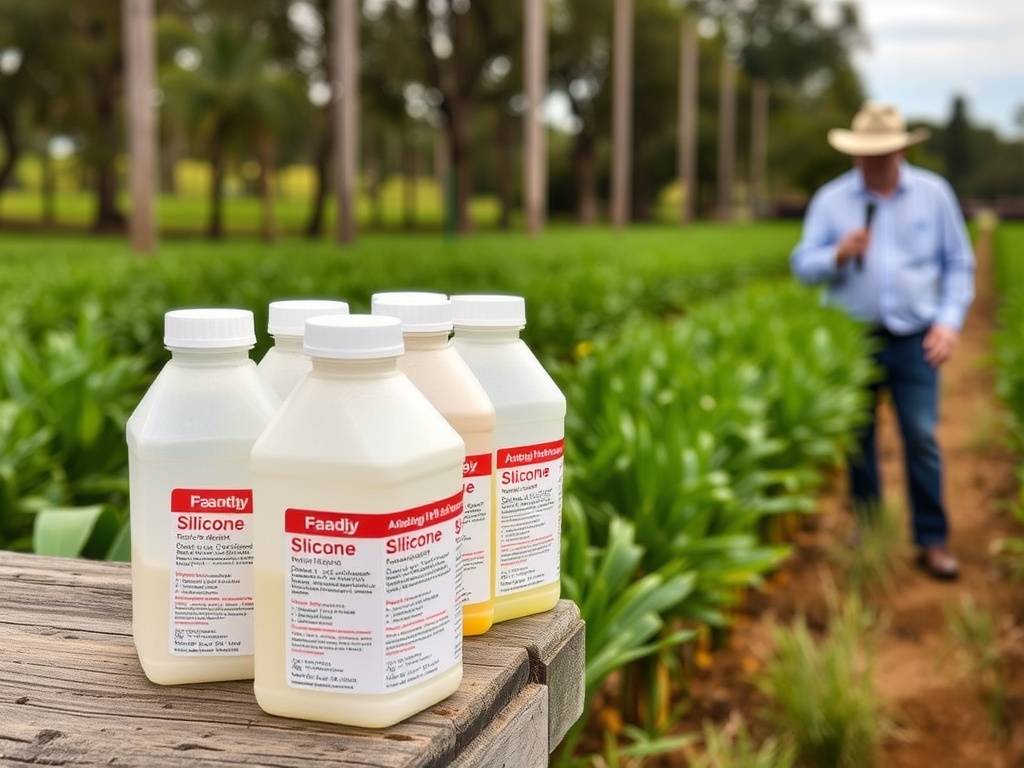
To move from distribution to production, we follow a rigorous, stage-gated process.
Phase I: The Forensic Breakdown
Using advanced chromatography and mass spectrometry, we isolate every component in the imported product. We don’t just identify the active ingredient; we analyze the surfactants, the co-solvents, and the stabilizing agents that keep the formulation homogeneous during long-term storage in high-heat environments.
Phase II: The Localization Strategy
Queensland’s agriculture presents unique challenges:
- Water Hardness: Modifying the sequestering agents within the adjuvant to prevent precipitation.
- UV Exposure: Ensuring the siloxane bonds remain stable under the harsh Australian sun.
- Crop-Specific Penetration: Adjusting the “spread” vs. “penetration” ratio to optimize for different leaf waxes (e.g., canola vs. citrus).
Phase III: Enhancing Performance Metrics
We don’t just aim for parity; we aim for superiority. By adjusting the HLB (Hydrophilic-Lipophilic Balance), we can offer the client a product with better rainfastness—an essential feature for the Queensland storm season.
Phase IV: Regulatory Compliance & Safety
Bringing a chemical product to market requires navigating the APVMA (Australian Pesticides and Veterinary Medicines Authority) requirements. Our manufacturing support includes guidance on safety data sheets (SDS), label requirements, and hazardous materials handling.
Phase V: Pilot Scale-Up
The leap from a 500ml lab beaker to a 1,000L IBC (Intermediate Bulk Container) is the graveyard of many startups. We stress-test the formulation for shear stability, temperature fluctuations during transport, and potential container-interaction risks.
Phase VI: Launch and Feedback Loop
The product goes to market. Because the formulation is now local, we can adapt the chemistry in real-time based on grower feedback—a level of agility the international conglomerate can never match.
4. The Business Case: Financials and Scalability
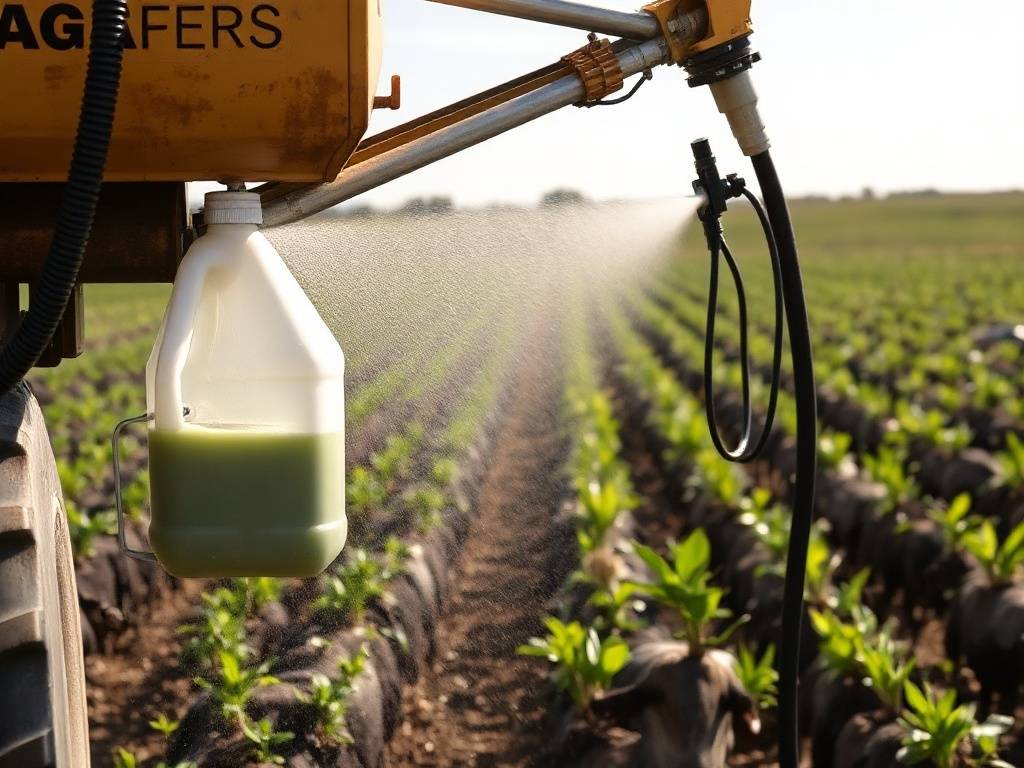
Moving to local production changes the financial profile of an agricultural firm.
| Cost Driver | Imported Product Model | Local Manufacturing Model |
| Logistics | High (International Shipping) | Low (Domestic Freight) |
| Inventory Risk | High (Long lead times) | Low (On-demand production) |
| Margin Control | Subject to exchange rates | Controlled production costs |
| Customization | Zero | High (Bespoke batches) |
By capturing the manufacturing value-add, the client transforms from a logistics provider into an intellectual property owner.
5. Overcoming Common Myths in Adjuvant Chemistry
- Myth 1: “It’s all just silicone.” False. The purity of the siloxane, the molecular weight distribution, and the secondary surfactant blend are what separate a premium adjuvant from a commodity surfactant.
- Myth 2: “Reverse engineering is just copying.” It is actually a validation of performance standards. We use it to ensure the product meets the specific requirements of Australian growers.
- Myth 3: “Local production is too expensive.” In reality, the reduction in logistics, warehousing, and reliance on international agents makes local manufacturing more profitable at scale.
6. Case Study: The “Queensland Advantage”
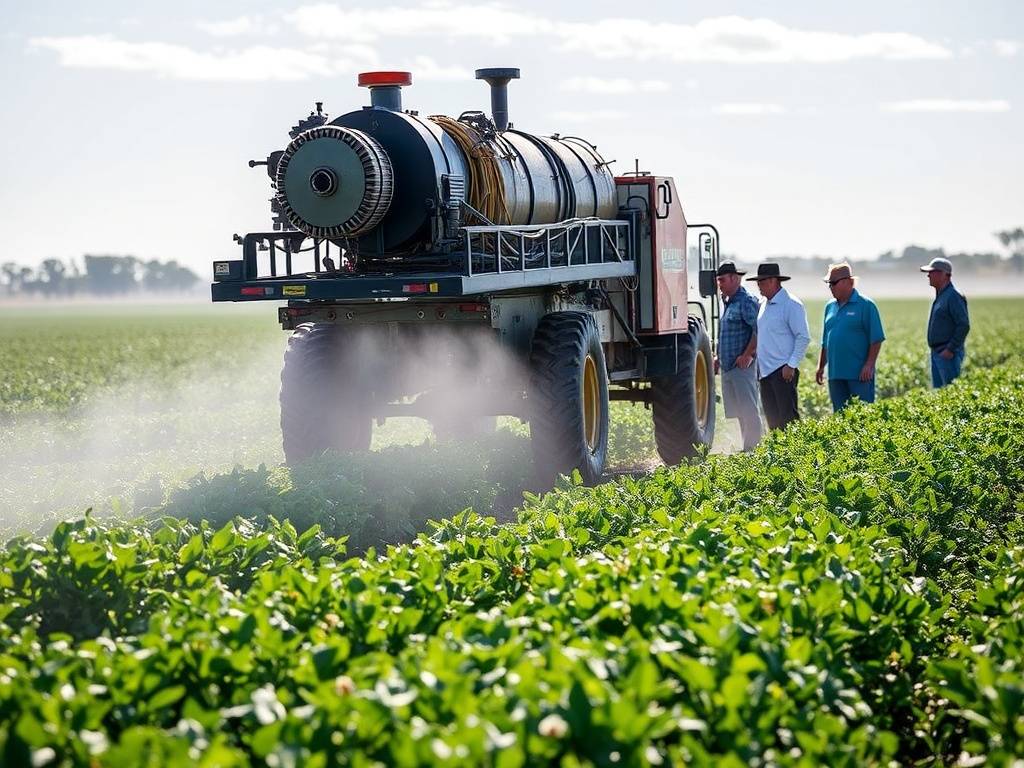
Our client, a mid-sized distributor in regional Queensland, was losing market share to larger players. By partnering with LabSure, they were able to:
- Identify the “Secret Sauce”: The international product used a proprietary stabilization system. We reverse-engineered this and improved its stability by 25% in high-temperature testing.
- Reduce Costs: By sourcing raw materials through domestic supply chains where possible, they reduced the Cost of Goods Sold (COGS) by 18%.
- Gain Market Share: They launched a “Queensland-Special” adjuvant that performed better in hard water than any international brand. Their sales force used the technical superiority of the local product to win contracts with the state’s largest corporate farms.
7. The Future of Agricultural Adjuvants
As we look toward 2030, the demand for precision chemistry will grow. Biological pesticides, drone-based application, and variable-rate technology (VRT) require surfactants that are highly specialized. A company that has already mastered the art of “reverse engineering and optimization” is perfectly positioned to pivot toward these next-generation technologies.
8. Technical Deep Dive: Stability and Shelf-Life
A frequently overlooked aspect of adjuvant chemistry is accelerated aging. Agricultural chemicals often sit in sheds through Australian summers. Our lab utilizes climate-controlled chambers to simulate two years of storage in six weeks. We look for:
- Phase separation: Ensuring the emulsion remains stable.
- Viscosity shifts: Monitoring if the product thickens or thins over time.
- Bio-degradation risks: Ensuring the preservative system is robust.
Conclusion: Building for the Long Term
The transition from an importer to a manufacturer is not just a technical challenge; it is a strategic evolution. By leveraging LabSure’s expertise, companies can bypass the bottlenecks of international dependency and take control of their product’s destiny.
If you are ready to stop selling someone else’s product and start building your own brand, the process is simpler than you think. With the right technical partner, you can ensure that your products are not only compliant and stable but are the highest-performing tools in the grower’s shed.
Get in Touch
Your path to proprietary agricultural innovation begins with a conversation. Let us help you break down the chemistry and build up your brand.
- Website: labsure.com.au
- Our Expertise: View our services
- Direct Contact: Get a Consultation
- Email: info@labsure.com.au