If you’re running a factory, workshop, or mining operation in Australia, you’ve probably experienced this firsthand:
- The same cleaning product works fine one month… then suddenly struggles
- Imported formulations get weaker (or more expensive) over time
- Compliance requirements keep tightening — especially around VOCs and environmental discharge
- And worst of all: cleaning inefficiency starts affecting production uptime
This isn’t just frustrating — it’s expensive.
In many cases, the problem isn’t your process. It’s the formulation behind your cleaning chemicals.
And if you don’t control the formulation, you don’t control performance, cost, or compliance.
The Real Pain Points in Australian Industrial Cleaning
Let’s break down what’s actually happening on the ground.
1. Strict Chemical Compliance (IChEMS, VOC Limits)
Australia is tightening regulations around industrial chemicals — especially under IChEMS and VOC frameworks.
What this means for you:
- Certain solvents and surfactants are being phased out or restricted
- SDS compliance is under more scrutiny
- Environmental discharge standards are stricter (especially for mining and manufacturing runoff)
So even if your current cleaner works — it might not be compliant tomorrow.
2. Heavy Soiling + Limited Water (Mining Reality)
In mining environments:
- Grease, oil, and mineral residues are extreme
- Water availability is limited
- Foam control becomes critical
A generic cleaning product won’t survive in this environment.
You need:
- Low-foam systems
- Strong emulsification under hard water
- Fast rinsing with minimal water
Most off-the-shelf imports are not optimized for this.
3. Raw Material Cost Pressure = Performance Drop
Here’s something most suppliers won’t tell you:
When raw material prices increase, many manufacturers quietly adjust formulations.
That means:
- Lower active content
- Cheaper surfactants
- Reduced chelation systems
Result?
You’re paying the same — or more — for a weaker product.
4. Downtime Is the Real Cost
If your cleaning process fails:
- Equipment efficiency drops
- Maintenance frequency increases
- Production may need to stop
A “cheap” cleaning chemical can easily cost tens of thousands in downtime.
Why DIY Formulation Without Data Is a Risky Bet
Some companies try to “figure it out themselves” — especially when costs rise.
But without a clear formulation baseline, this becomes a high-risk experiment.
Typical problems include:
- Overuse of aggressive acids → equipment corrosion
- Poor surfactant selection → ineffective cleaning
- Incompatible components → instability or phase separation
- Residue issues → downstream processing problems
And most importantly:
- Testing cycles are slow and expensive
You could spend 6–12 months and still not reach a stable, compliant formulation.
So What’s the Alternative?
This is where reverse engineering becomes a practical, business-focused solution.
Not theoretical R&D — but targeted, data-driven formulation reconstruction.
How Reverse Engineering Actually Works (In Practical Terms)
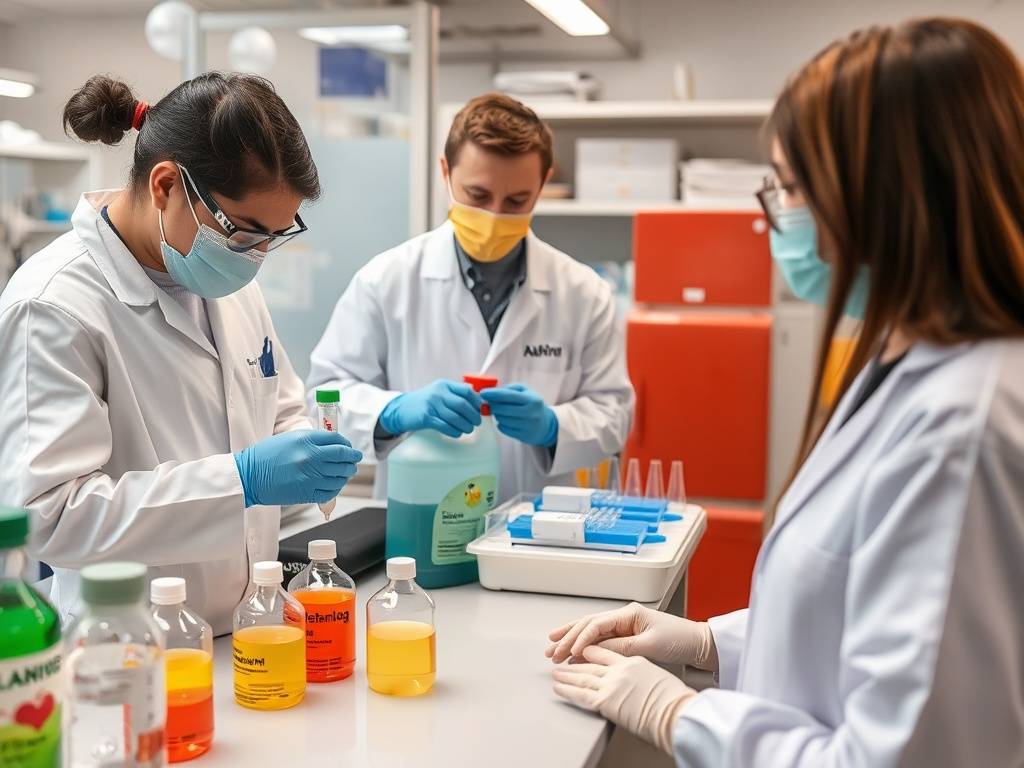
At Labsure, we don’t guess formulations — we analyze them.
Here’s the typical workflow:
Step 1: Benchmark a Target Product
You provide:
- A high-performing imported cleaner
- Or a product you used previously that worked well
This becomes the performance benchmark.
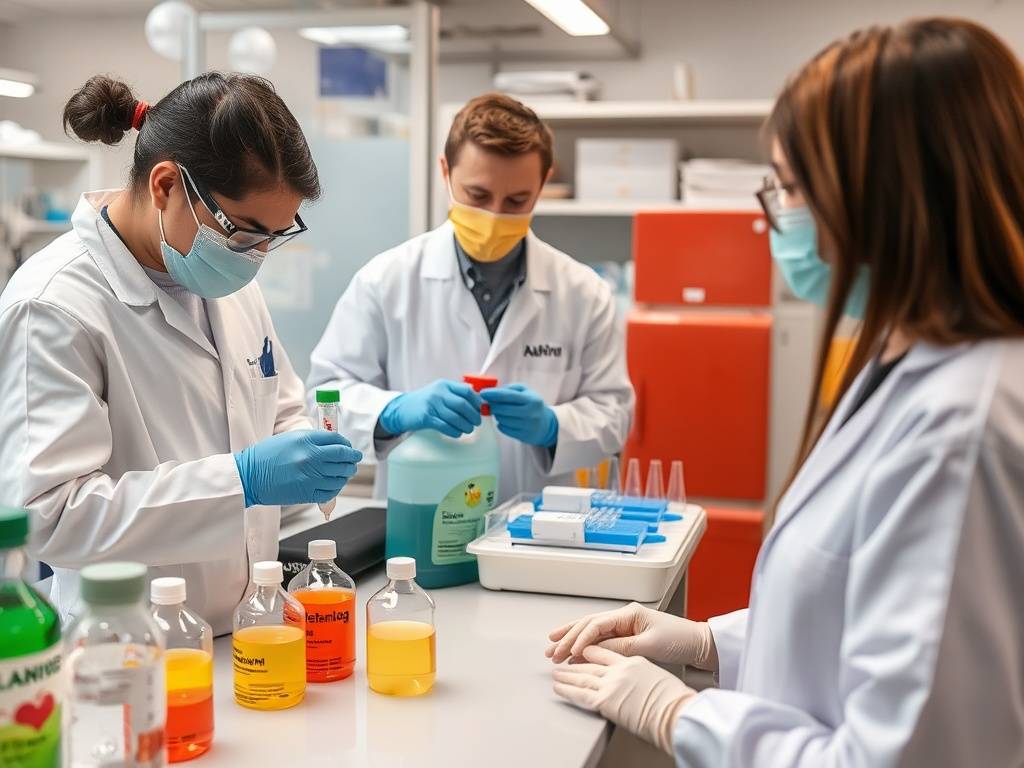
Step 2: Laboratory Deformulation
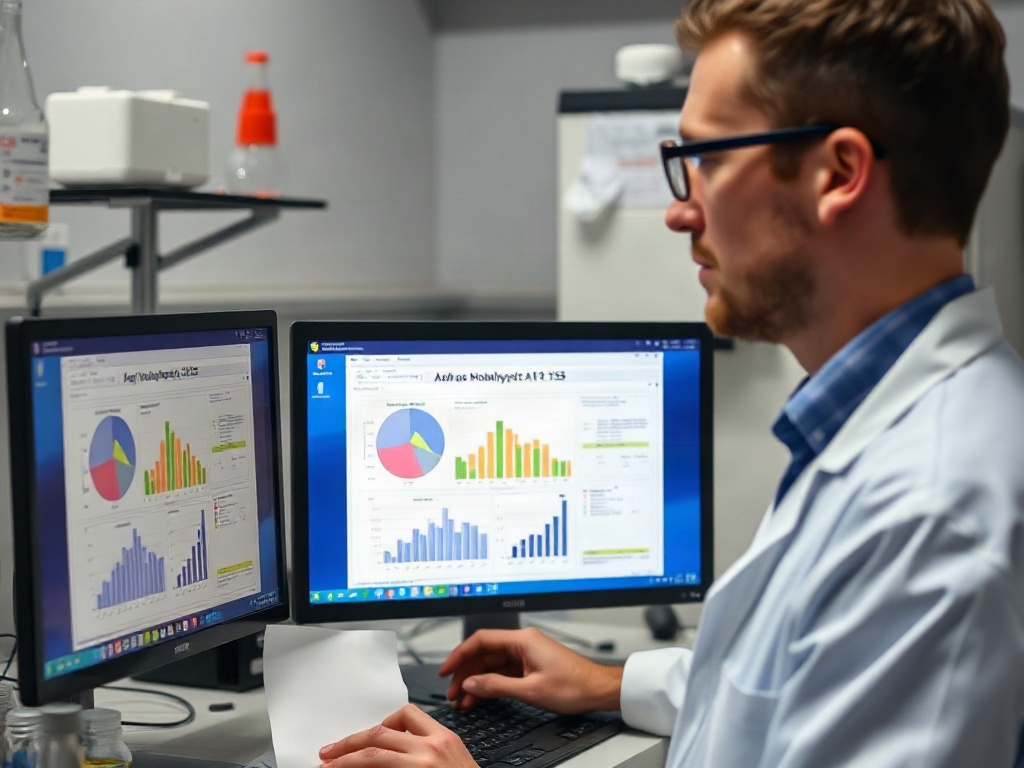
We break down the product using analytical techniques to identify:
- Surfactant system (types + ratios)
- Chelating agents (e.g., EDTA alternatives, biodegradable options)
- pH system (acidic / alkaline buffers)
- Solvent composition (including VOC profile)
- Functional additives (anti-foam, corrosion inhibitors, stabilizers)
We typically achieve:
- Component identification
- Quantitative composition (often to ~0.1% accuracy)
You can learn more about this process here:
👉 www.labsure.com.au/reverse-engineering
👉 www.labsure.com.au/formulation-analysis
Step 3: Functional Interpretation
This is where many labs stop — but it’s where real value begins.
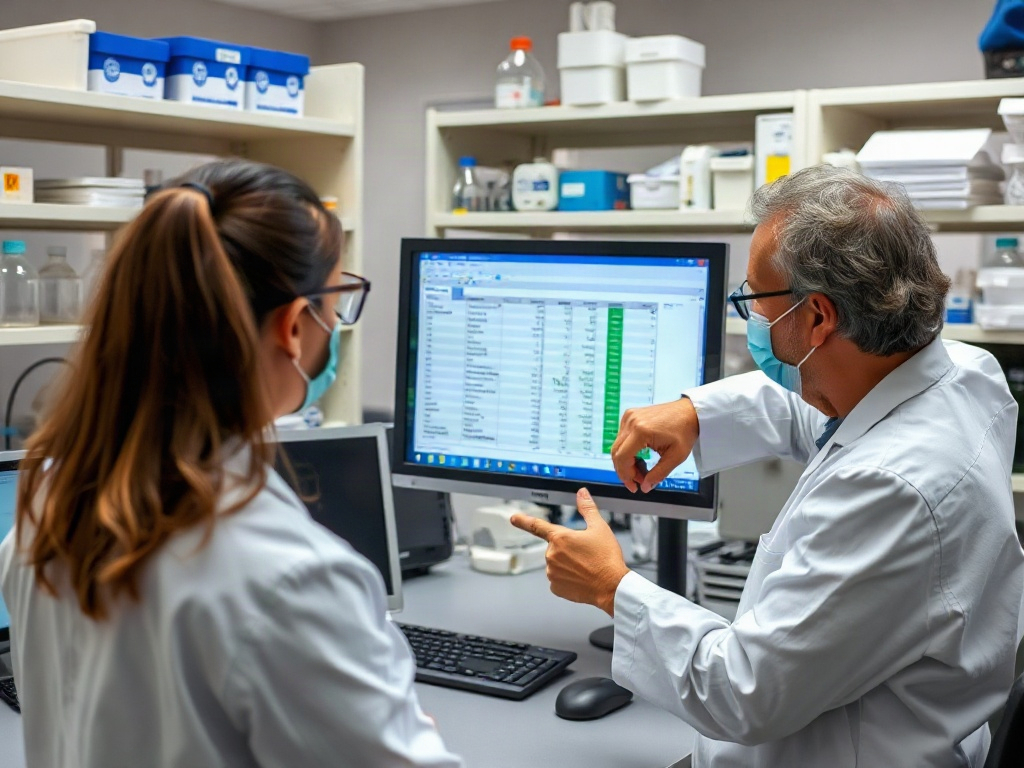
We explain:
- What each component does
- Why it’s used
- How it interacts with other ingredients
For example:
- Why a specific non-ionic surfactant improves performance in hard water
- How chelating agents prevent mineral redeposition
- Why foam suppression is critical in mining environments
Step 4: Rebuild + Optimize for Australia
We don’t just copy — we adapt.
We modify the formulation to:
- Meet Australian compliance requirements (IChEMS, VOC limits)
- Perform under hard water conditions
- Remain stable at high ambient temperatures
- Reduce cost using locally available raw materials
This is where performance matching (or exceeding) happens.
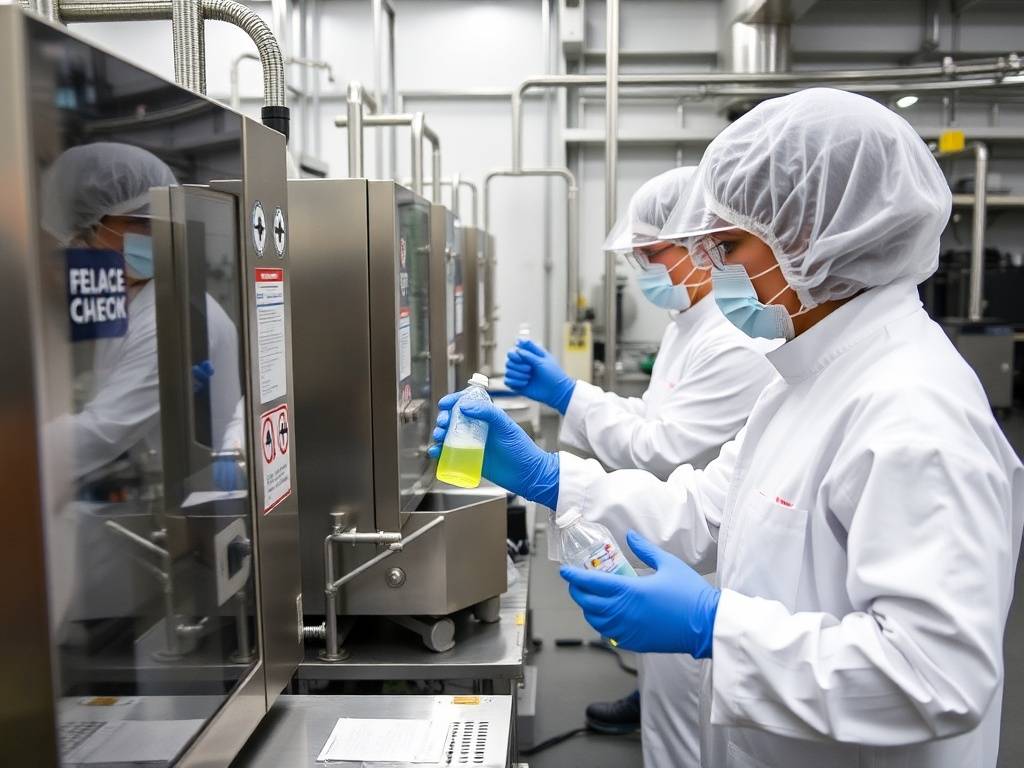
Case Study: Perth Manufacturing Plant
Let’s look at a real-world scenario.
The Problem
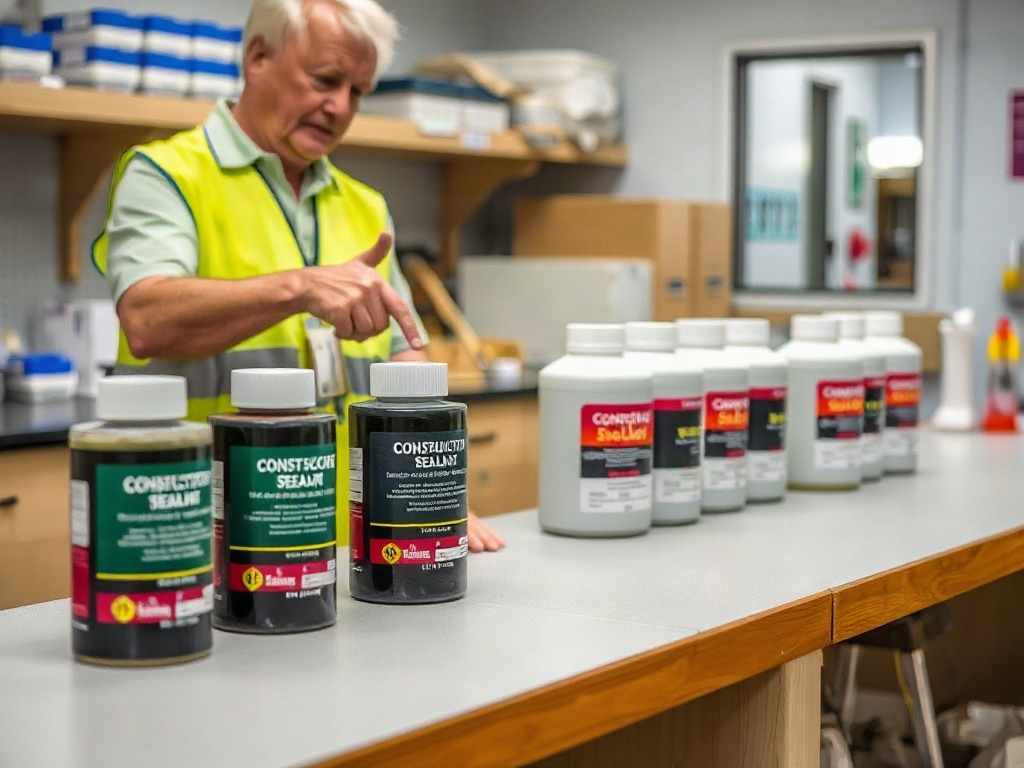
A manufacturing client in Perth was using an imported industrial degreaser.
Issues:
- Cost increasing every quarter
- Supply delays affecting operations
- Inconsistent cleaning performance
- Concerns about compliance under new environmental audits
They needed a local alternative — but didn’t have the formulation.
What We Did
- Conducted full reverse engineering of the imported product
- Identified:
- Surfactant blend optimized for oil emulsification
- Specific chelation system compensating for hard water
- Low-VOC solvent system
- Rebuilt the formulation using locally available raw materials
- Optimized:
- Foam control for their cleaning process
- Stability under higher temperature conditions
The Result
- 15% cost reduction
- Consistent performance across batches
- Passed environmental compliance audit without issues
- Eliminated supply chain dependency
Most importantly:
- They now own the formulation
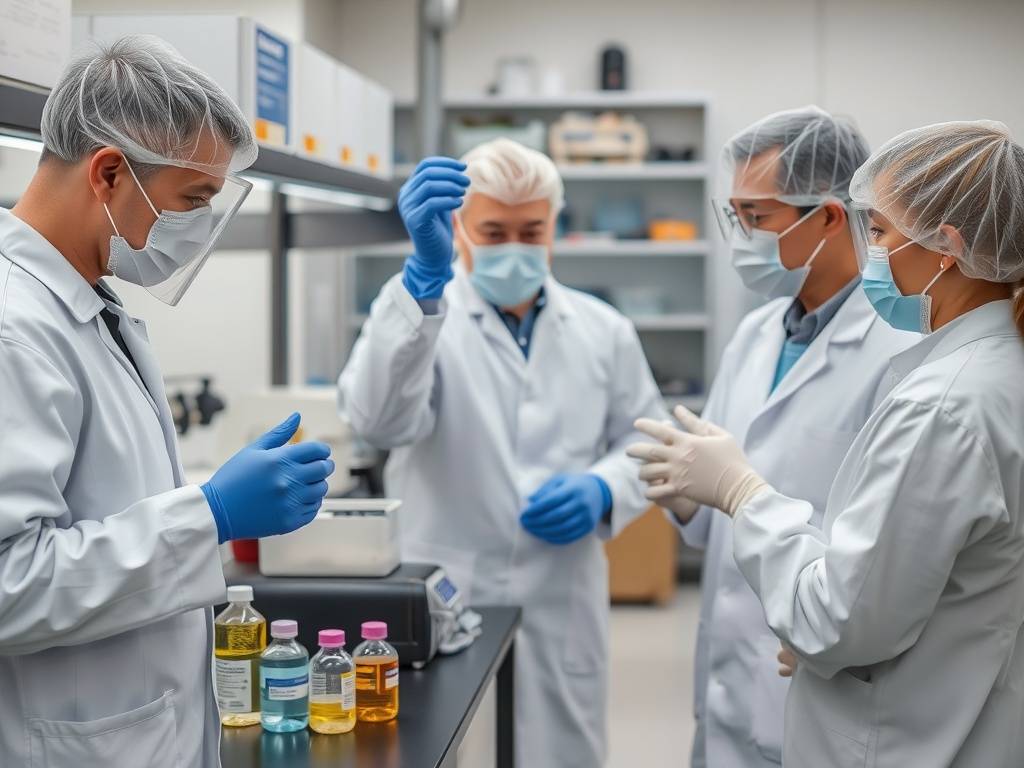
Why “Performance Matching” Matters More Than Copying
A common misconception is that reverse engineering is just copying.
It’s not.
The goal is:
Match the performance — not blindly replicate the formula
Because:
- Raw materials differ by supplier
- Environmental conditions differ
- Regulatory requirements differ
Through proper analysis, you can:
- Match cleaning efficiency
- Improve stability
- Reduce cost
- Ensure compliance
In many cases, clients actually outperform the original product.
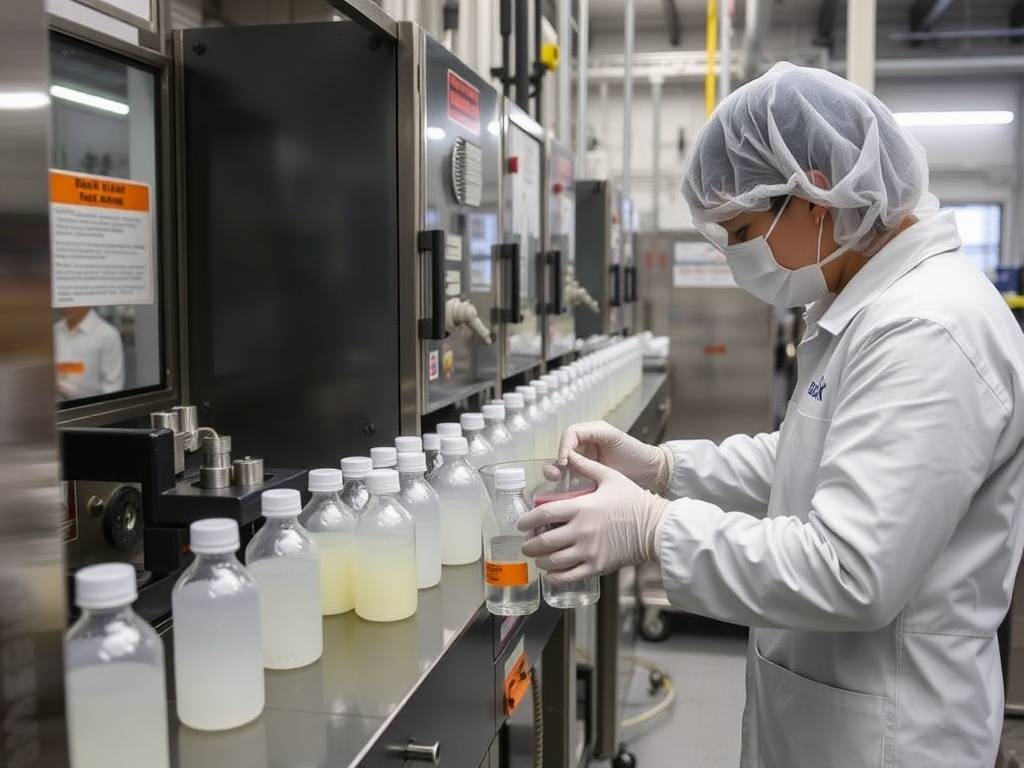
From Analysis to Market Advantage
This doesn’t just solve internal problems.
It can also become a commercial opportunity.
Many of our clients:
- Start by replacing their own cleaning chemicals
- Then begin supplying to others in their industry
Because once you have:
- A proven formulation
- Verified performance
- Compliance-ready documentation
You’re no longer just a buyer — you’re a supplier.
Explore how this works:
👉 www.labsure.com.au/industrial-formulation
👉 www.labsure.com.au/custom-development
The Business Case Is Simple
Without reverse engineering:
- Long R&D cycles
- High testing costs
- Uncertain outcomes
With reverse engineering:
- Faster development (3–6 months typical)
- Lower risk
- Clear technical understanding
- Immediate path to production
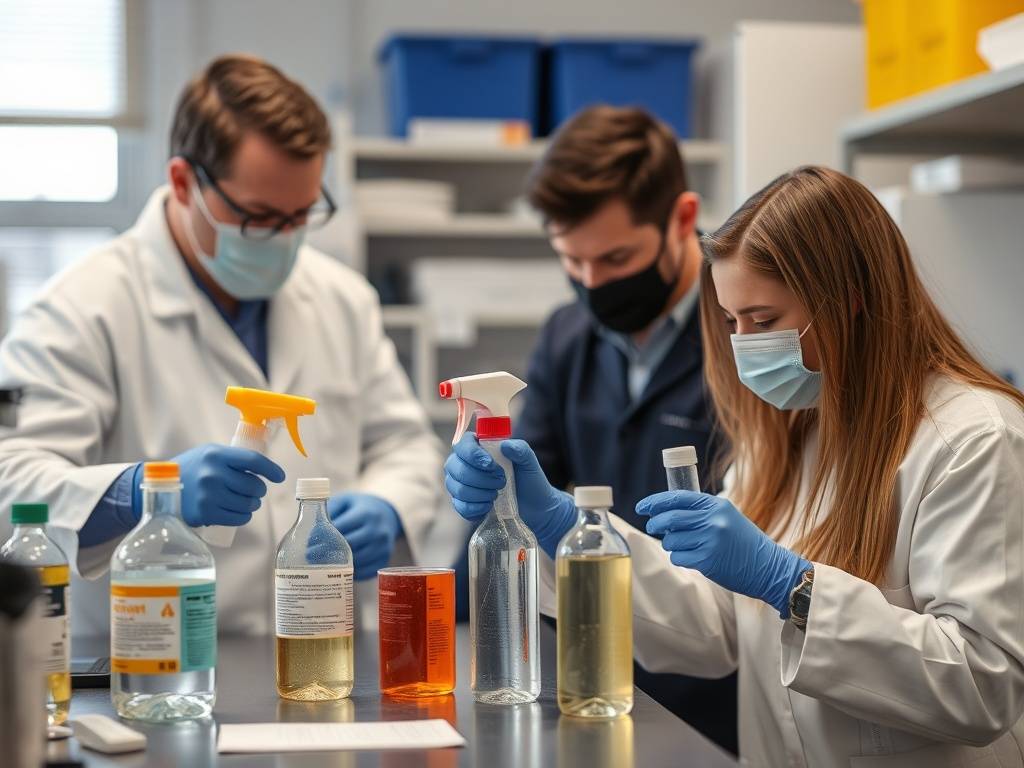
Don’t Let Cleaning Chemicals Become Your Bottleneck
If your cleaning process is:
- Inconsistent
- Too expensive
- Non-compliant
- Or dependent on imports
Then the problem isn’t just supply.
It’s lack of control over your formulation.
Talk to Us — Get a Clear Path Forward
At Labsure, we help Australian manufacturers and mining operators:
- Analyze existing products
- Rebuild optimized formulations
- Achieve performance matching (or better)
- Reduce cost and compliance risk
Start here:
👉 www.labsure.com.au/contact
👉 www.labsure.com.au
Or email:
📩 info@labsure.com.au
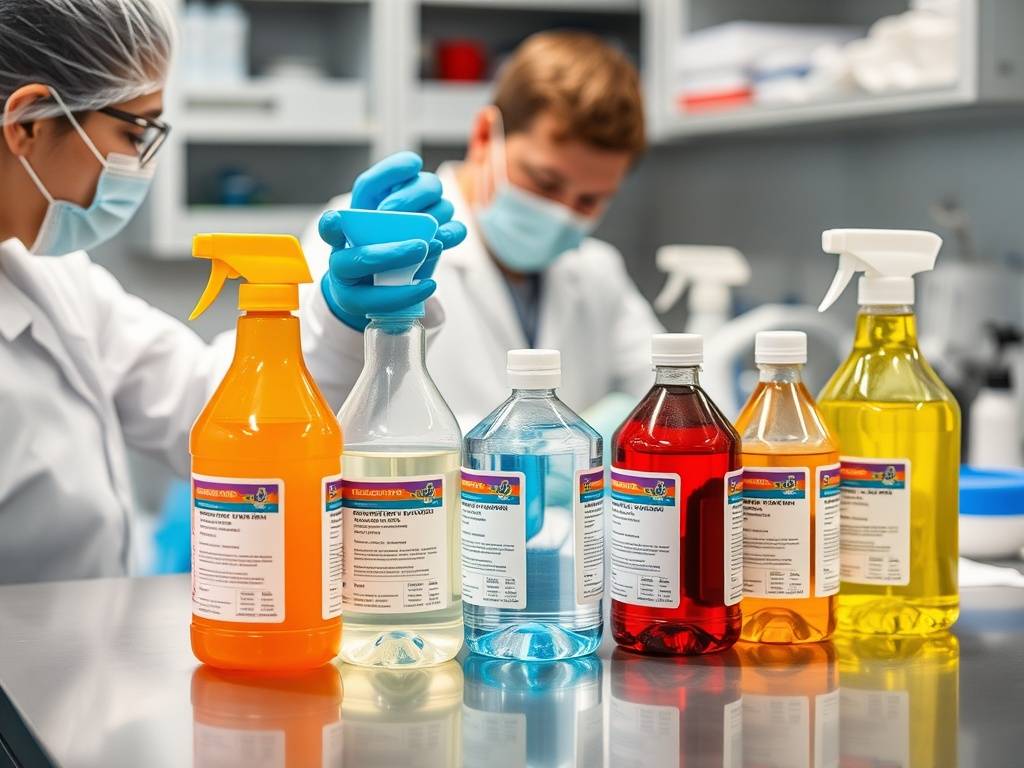
Don’t wait until your cleaning process causes downtime or compliance issues.
Get a clear, data-driven formulation strategy — and take control of your production again.