Keywords: Silica dispersion, Sports grip formulation, Chemical de-formulation
Why High-Performance Grip Products Are Hard to Replicate
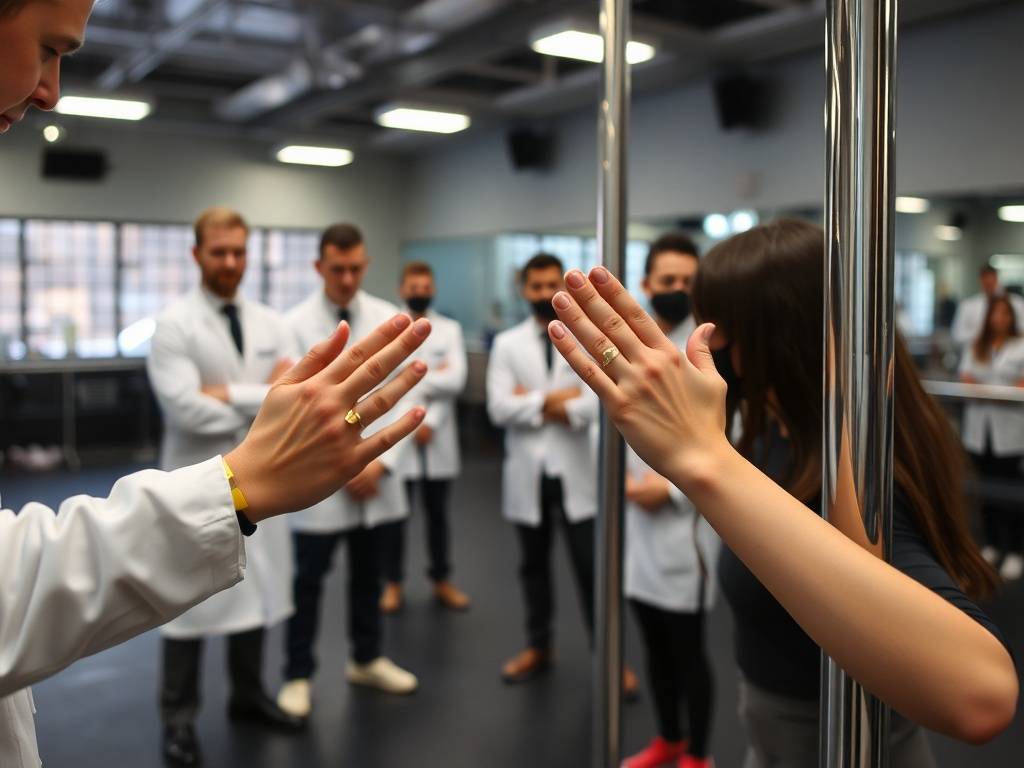
In sports where control determines performance—gymnastics, weightlifting, rock climbing, pole fitness, CrossFit—grip is not just a feature, it’s a competitive advantage. Many of the best-performing grip creams, liquids, and powders on the market are imported, often sold at premium prices, and protected not by patents, but by formulation complexity.
At the core of many of these products lies one deceptively simple material: silica.
But not all silica-based formulations behave the same.
Some dry instantly.
Some leave a smooth, invisible film.
Others clump, dust, or fail under sweat.
The difference comes down to dispersion quality, solvent system design, and film-forming behavior—and this is exactly where reverse engineering (de-formulation) becomes a powerful tool.
The Real Problem: You Can Buy It, But You Can’t Reproduce It
Many Australian brands and distributors face the same bottleneck:
- You find a high-performing imported grip product
- You test it—it works exceptionally well
- You want your own version (private label or improved version)
- But… formulation is unknown, and trial-and-error is too slow and expensive
Without a clear formulation baseline, development becomes:
- Time-consuming (3–6 months minimum)
- Expensive (raw materials + failed batches)
- High risk (instability, poor performance, compliance issues)
This is where Labsure’s reverse engineering approach fundamentally changes the equation.
Step 1: De-Formulation — Understanding What’s Really Inside
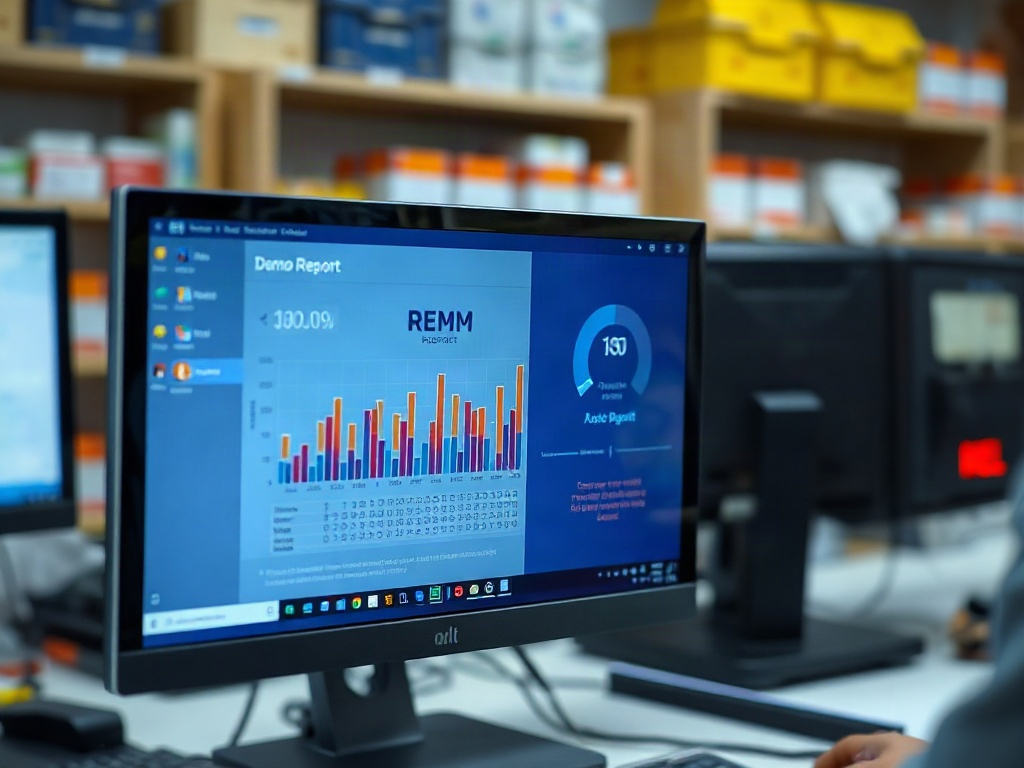
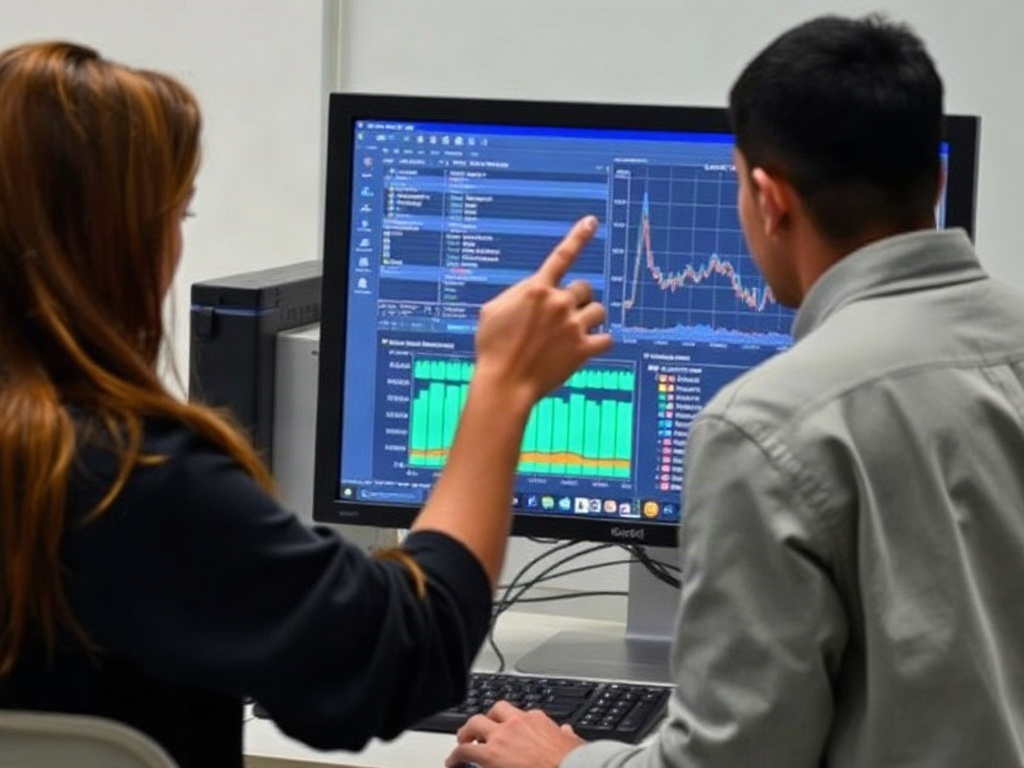
At Labsure, we start with chemical de-formulation of the target product.
This involves both:
- Qualitative analysis – identifying all components
- Quantitative analysis – determining precise percentage composition (typically down to 0.1% accuracy)
For silica-based grip products, we typically identify:
- Type of silica (fumed silica vs precipitated silica)
- Particle size distribution
- Surface treatment (hydrophobic vs hydrophilic)
- Solvent system (alcohols, water, glycols)
- Film-forming agents (polymers, resins)
- Additives (thickeners, anti-caking agents, preservatives)
This transforms a “black box” product into a fully transparent formulation framework.
Step 2: Silica Dispersion — The Hidden Performance Driver
One of the most misunderstood aspects of grip formulations is silica dispersion.
Two products can contain the same percentage of silica but perform completely differently.
Why?
Because performance depends on:
- Dispersion uniformity
- Agglomeration control
- Interaction with solvent system
Poor dispersion leads to:
- Uneven grip
- Dusting or residue
- Poor adhesion to skin
Through reverse engineering, we analyse:
- Whether silica is pre-dispersed or added during mixing
- The shear conditions used in production
- The presence of dispersing aids or rheology modifiers
This allows us not just to replicate—but to improve dispersion stability.
Step 3: Drying Speed — Engineering Evaporation Profiles
For sports grip products, drying speed is critical.
Too fast:
- Product dries before application is complete
Too slow:
- Sticky feel, poor usability
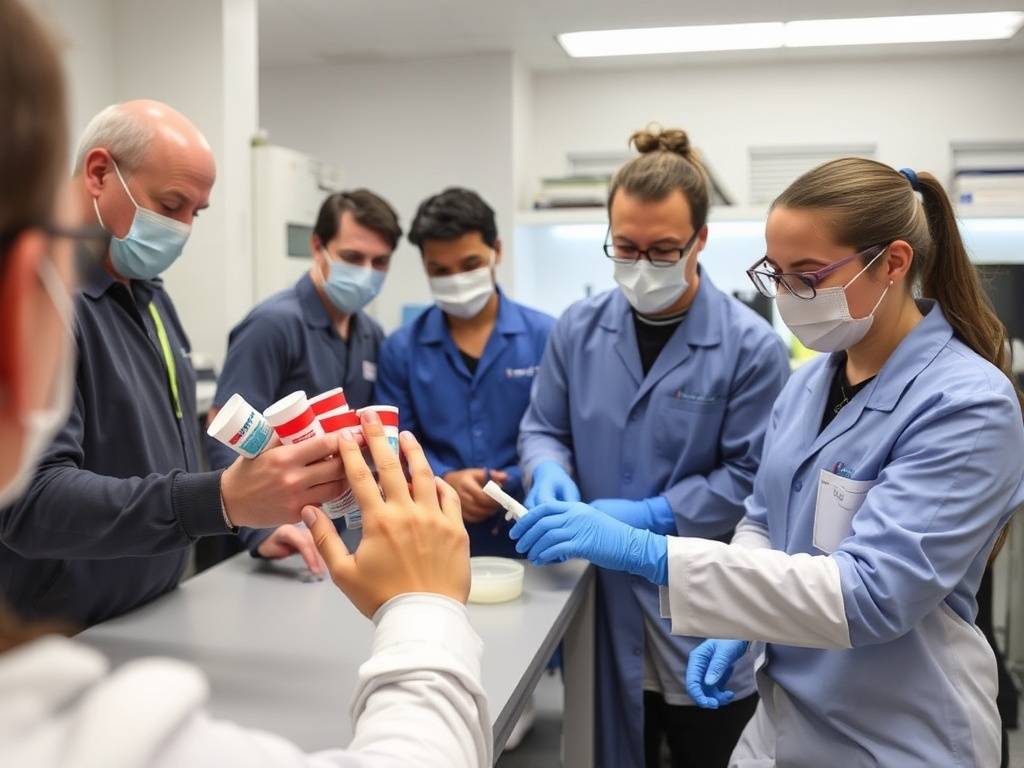
We analyse drying behavior by studying:
- Solvent volatility profiles
- Alcohol types (e.g. ethanol vs isopropanol)
- Water content
- Additives that modify evaporation rate
Through this, we can reconstruct:
- Exact drying curve
- Optimal solvent ratios
This ensures your product performs consistently under Australian conditions, including:
- High summer temperatures (30°C+)
- Variable humidity
Step 4: Film Formation — The Real Source of Grip
Grip is not just about dryness—it’s about film formation on the skin.
High-performance products create:
- A thin, uniform, semi-flexible film
- Strong friction without cracking
- Resistance to sweat breakdown
Through de-formulation, we identify:
- Film-forming polymers
- Binder systems
- Crosslinking behavior (if present)
Then we evaluate:
- Film integrity under stress
- Sweat resistance
- Reapplication behavior
This is where many low-cost copies fail—and where Labsure helps clients differentiate their product, not just copy it.
Step 5: From Replication to Optimization
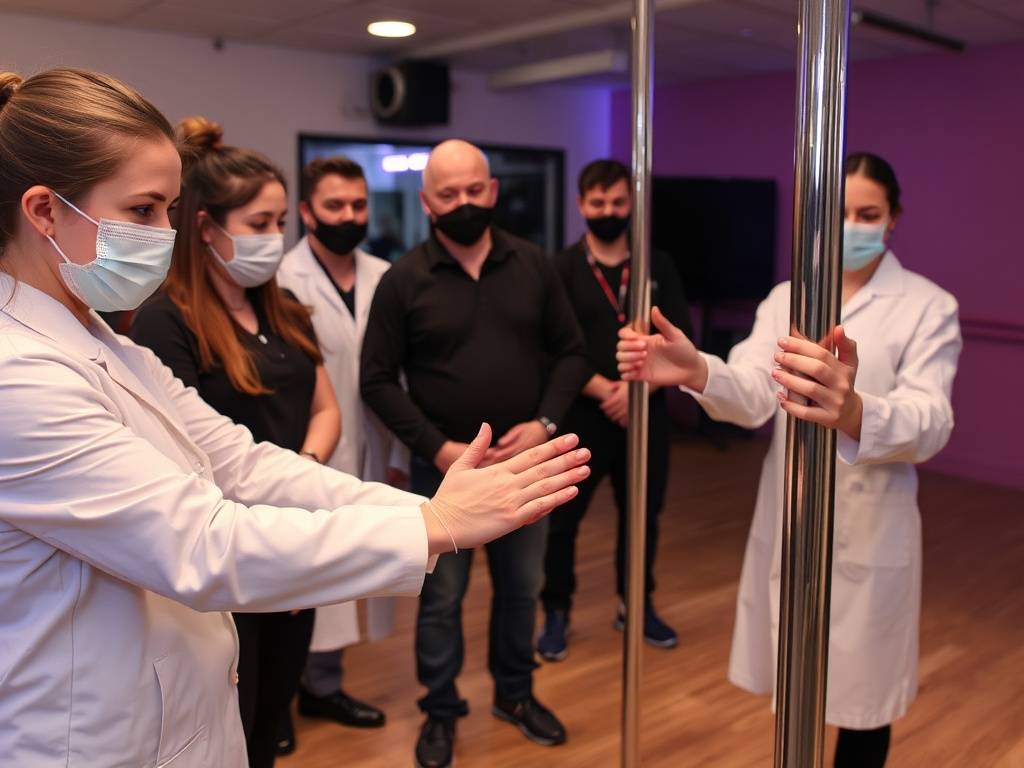
Reverse engineering is not about copying—it’s about building a smarter starting point.
Once the base formulation is understood, we help clients modify it to:
- Reduce cost (replace expensive imported materials)
- Improve performance (better grip, less residue)
- Adapt to brand positioning (natural, premium, industrial, etc.)
- Ensure compliance with Australian regulations
For example:
- Replace imported silica grades with locally available equivalents
- Adjust solvent systems for safer transport and storage
- Improve stability for longer shelf life
Step 6: Local Raw Material Sourcing in Australia
One of the biggest commercial advantages comes from localising the supply chain.
Imported products often carry:
- High logistics costs
- Supply uncertainty
- Regulatory complications
Labsure supports:
- Identification of equivalent Australian raw materials
- Supplier matching
- Cost benchmarking
This allows you to produce:
- More cost-effective products
- Faster turnaround times
- Scalable manufacturing
Step 7: From Lab to Production — Minimising Risk
A formulation is only valuable if it can be manufactured consistently.
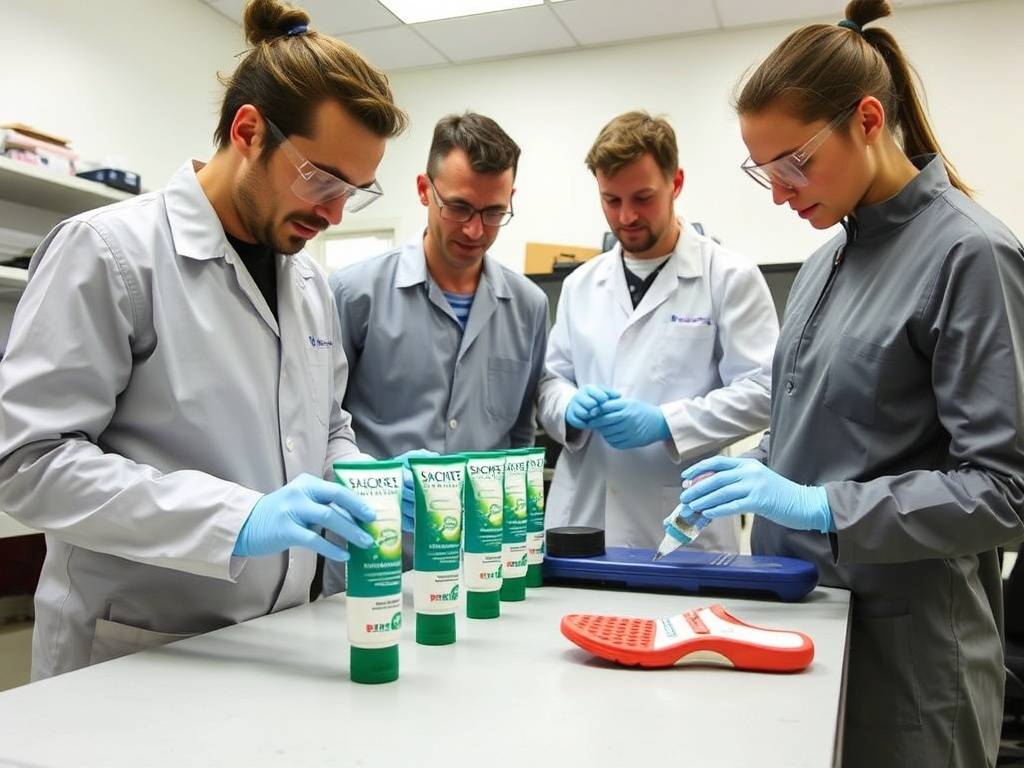
Labsure provides full support beyond analysis:
- Pilot batch guidance
- Process parameter recommendations (mixing, shear, order of addition)
- Scale-up support
- Quality control benchmarks
If required, we also assist with:
- Contract manufacturing connections
- Production troubleshooting
This ensures your product moves from concept to market with:
- Minimal trial-and-error
- Controlled costs
- Predictable performance
Who This Is For
This approach is ideal for:
- Startups wanting to launch a sports grip product quickly
- Established brands benchmarking competitors
- Importers looking to localise production
- Distributors wanting private label alternatives
If you’ve ever thought:
“This product works perfectly—why can’t I just make my own version?”
Now you can—with the right technical approach.
Why Reverse Engineering Is the Fastest Route to Market
Compared to traditional R&D, reverse engineering offers:
- Speed – skip months of blind formulation
- Cost efficiency – reduce failed experiments
- Clarity – full visibility of formulation
- Lower risk – proven performance baseline
Instead of guessing, you are working from real market data embedded in the product itself.
Work With Labsure
At Labsure, we specialise in:
- Chemical reverse engineering (de-formulation)
- Formulation optimisation
- Raw material sourcing (Australia-focused)
- Production and scale-up support
- Contract manufacturing guidance
Whether you want to replicate a high-performing imported grip product or develop your own differentiated formulation, we provide a clear, technical pathway from sample to scalable product.
Start Your Project
If you have a target product in mind, the process is simple:
- Send us your product (or multiple samples)
- Our engineers conduct an initial feasibility review
- We provide a detailed quote based on complexity
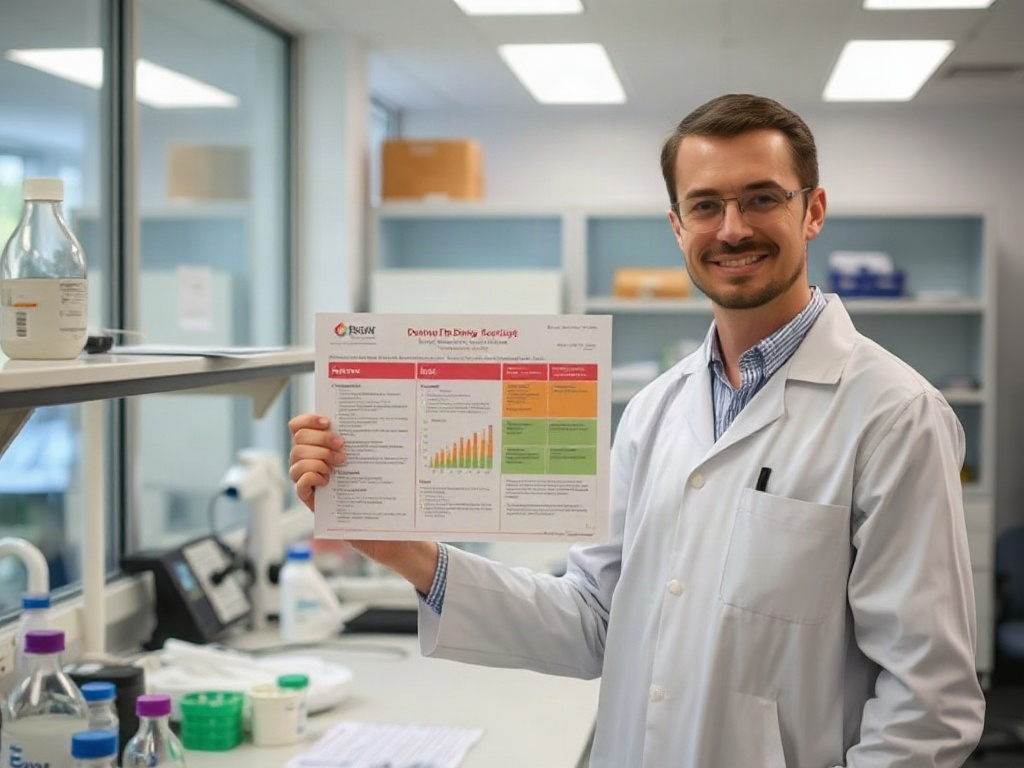
- Full analysis and reporting
- Optional optimisation and production support
Contact Labsure
Website: https://www.labsure.com.au
Email: info@labsure.com.au
Or submit your enquiry through our website to get a fast technical assessment of your product.
If you’re serious about entering the sports grip market, the fastest way forward isn’t guessing—it’s understanding what already works, and making it better.