Keywords: Retinol encapsulation, Anti-aging formulation, Chemical stability testing
Retinol remains one of the most scientifically validated active ingredients in anti-aging skincare. However, it is also one of the most unstable and formulation-sensitive compounds in cosmetic chemistry. For brands aiming to develop high-performance serums that compete with global luxury products, stability is not a detail—it is the foundation of efficacy.
In Australia’s climate, especially where summer temperatures frequently exceed 30°C, retinol degradation becomes even more aggressive. Many imported luxury serums perform well in controlled laboratory environments, but fail to maintain potency under real retail storage and consumer usage conditions in Australia.
This is where formulation reverse engineering becomes a strategic advantage—not just to replicate a product, but to rebuild it for local environmental performance, cost efficiency, and brand differentiation.
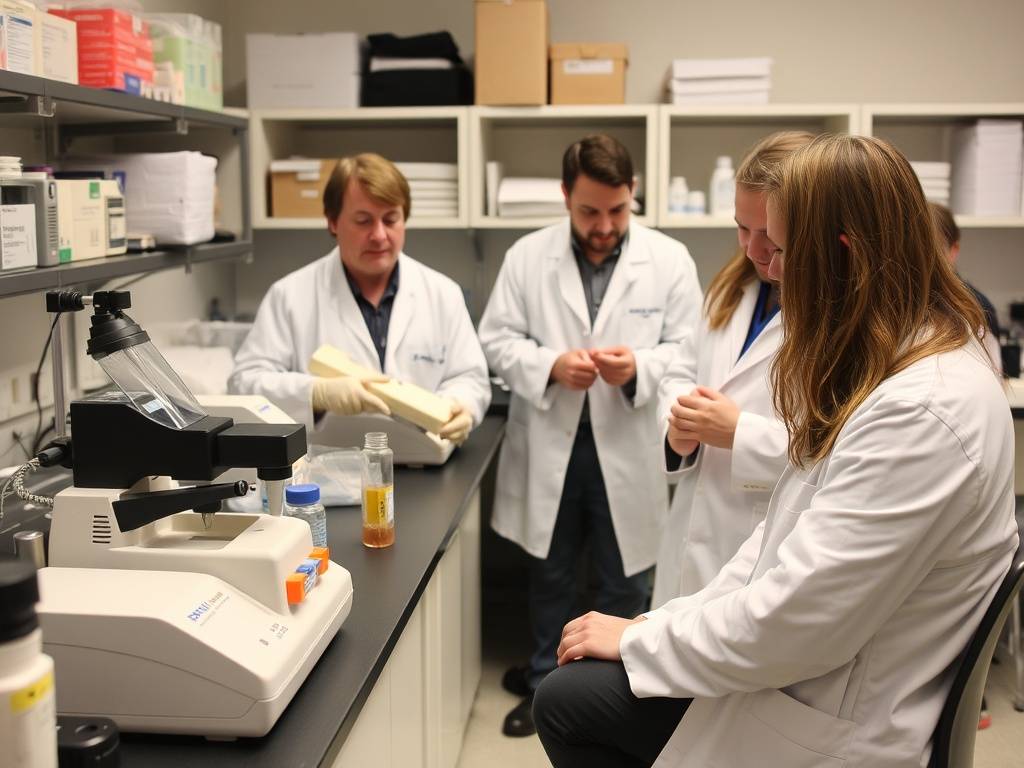
Why Retinol Is One of the Hardest Actives to Stabilize
Retinol (Vitamin A alcohol) is highly sensitive to:
- Oxygen exposure (oxidation)
- UV light degradation
- Elevated temperature
- Metal ion contamination
- Improper emulsification systems
Once degraded, retinol not only loses efficacy but can also generate unwanted by-products that reduce formulation safety and shelf performance.
Most high-end brands solve this using proprietary stabilization systems such as:
- Microencapsulation technology
- Liposomal delivery systems
- Oxygen-barrier packaging
- Antioxidant stabilizer networks (BHT, tocopherols, ferulic acid systems)
However, these systems are rarely transparent on ingredient labels. This is where reverse engineering becomes critical.
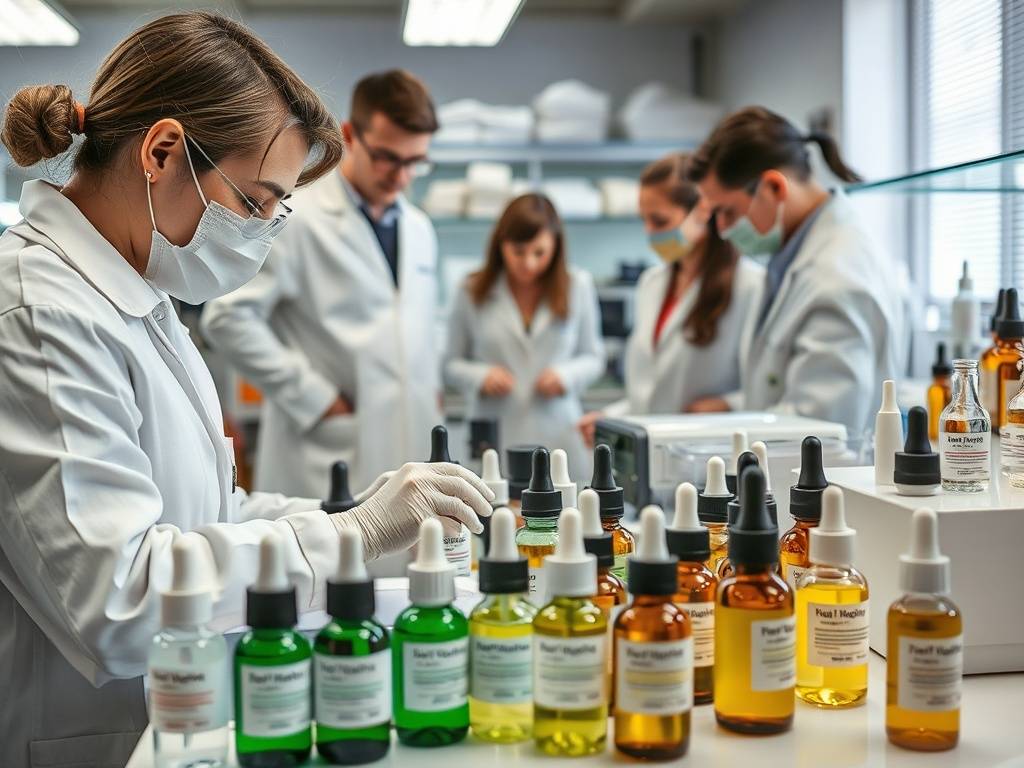
Decoding Luxury Retinol Serums Through Reverse Engineering
High-end anti-aging serums often appear simple on the INCI list, but their real performance comes from hidden structural design.
Through advanced formulation analysis, we break down:
1. Active Protection Systems
We identify whether retinol is:
- Free form (unstabilized)
- Encapsulated in polymer/lipid carriers
- Converted to ester derivatives (retinyl palmitate, retinyl acetate)
- Protected via oxygen scavenger systems
This determines how the ingredient behaves under heat stress conditions typical of Australian distribution chains.
2. Emulsion Architecture
We analyze whether the serum is:
- Oil-in-water (O/W)
- Water-in-oil (W/O)
- Gel-based system
- Anhydrous oil serum
Each system dramatically impacts retinol stability and skin absorption efficiency.
3. Stabilizer and Antioxidant Network
Luxury formulations rarely rely on a single stabilizer. Instead, they use synergistic systems such as:
- Tocopherol + Ascorbyl palmitate combinations
- Chelating agents (EDTA derivatives)
- Oxygen-scavenging excipients
- UV protective packaging interactions
These systems are decoded to understand real-world performance, not just ingredient listing.
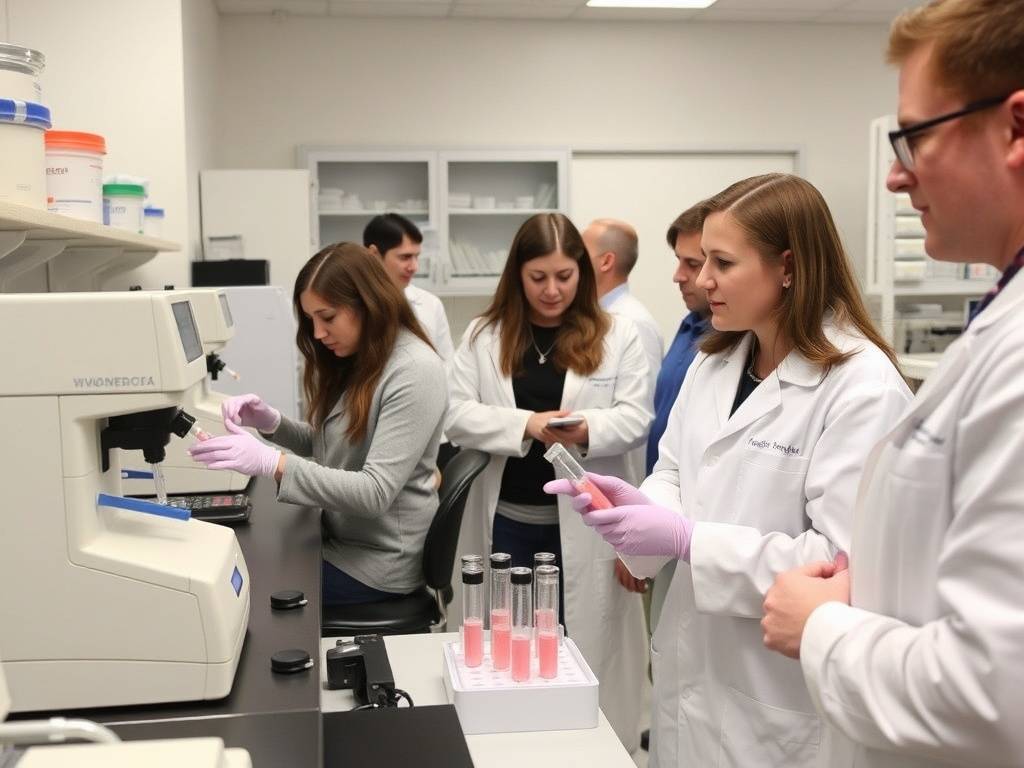
The Australian Challenge: 30°C Stability Reality
Formulating for Australia is fundamentally different from formulating for European or US markets.
Key environmental stress factors include:
- High summer temperatures (often exceeding 30°C)
- Long transport chains in non-refrigerated conditions
- Retail shelf exposure under variable climate control
- High UV index exposure
A retinol serum that degrades in 60 days at elevated temperature is commercially unacceptable, regardless of lab efficacy.
Through stability modeling and comparative testing, we simulate real Australian conditions to ensure:
- Active potency retention
- Minimal oxidation over time
- Consistent viscosity and sensory profile
- Packaging compatibility under heat stress
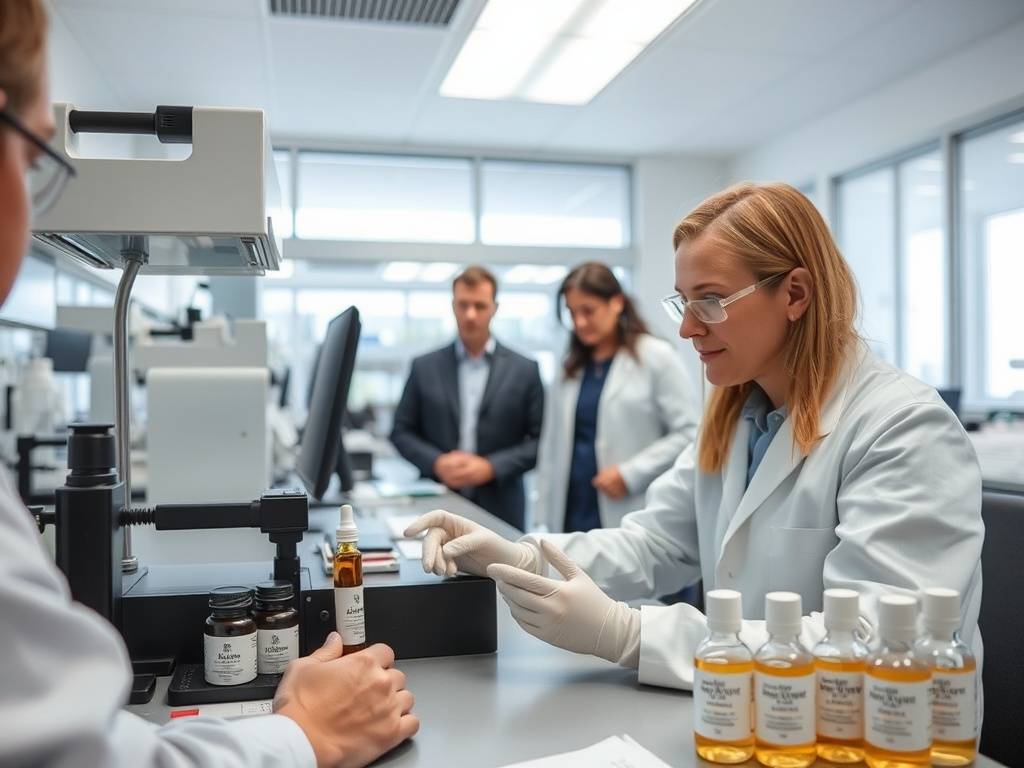
From Reverse Engineering to Formulation Redesign
Reverse engineering is not copying—it is reconstruction with improvement.
Once a benchmark luxury serum is analyzed, we translate it into:
1. Local Raw Material Substitution
We replace imported or proprietary ingredients with:
- Australian-approved cosmetic raw materials
- Locally available emollients and carriers
- Cost-efficient stabilizer systems
This reduces supply chain dependency and improves scalability.
2. Stability-Driven Reformulation
We redesign the formula specifically for:
- Heat resistance (30°C+ stability)
- Oxidation control over extended shelf life
- Packaging compatibility with airless systems or amber UV-block bottles
This ensures the product is not only effective but commercially reliable.
3. Skin Feel Localization (Australian Consumer Preference)
Australian skincare consumers generally prefer:
- Lightweight, non-greasy textures
- Fast absorption
- Low residue finish
We adjust:
- Silicone alternatives
- Ester balance systems
- Emulsifier selection
to ensure the final product feels locally adapted rather than imported.
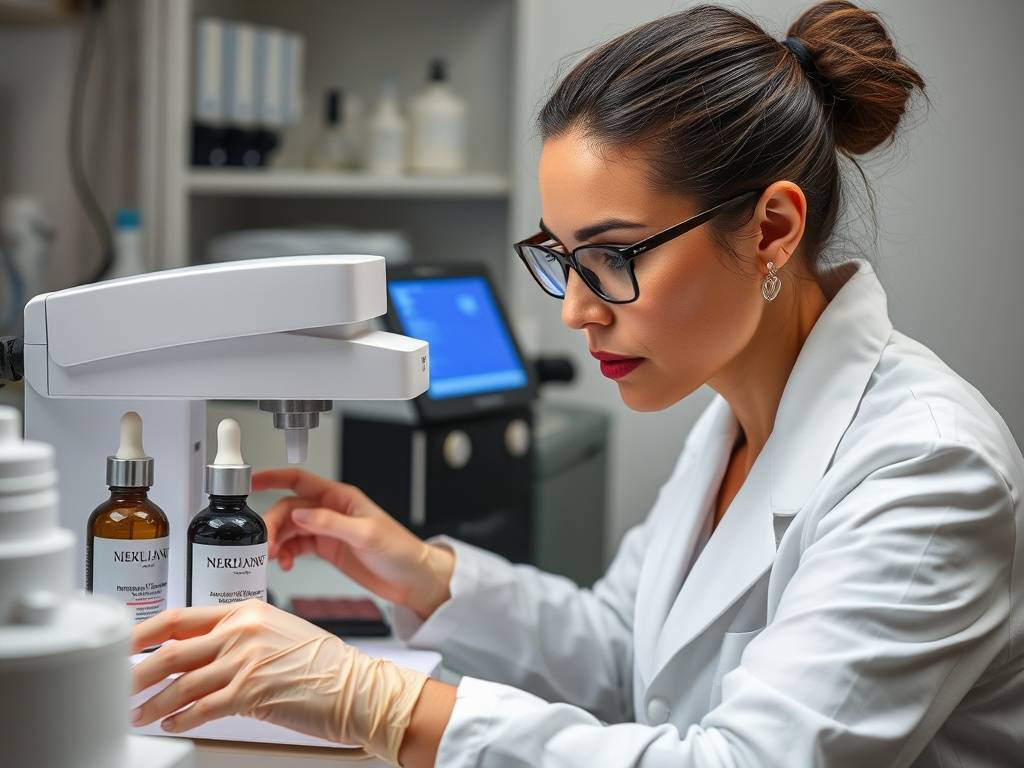
Encapsulation Technology: The Key to Retinol Success
One of the most important findings in luxury serum analysis is that many high-end brands rely on encapsulation systems.
Common technologies include:
- Liposomal delivery systems
- Cyclodextrin inclusion complexes
- Polymeric microcapsules
- Solid lipid nanoparticles (SLN)
These systems control:
- Release rate on skin
- Stability in formulation
- Irritation reduction
- Long-term potency preservation
Through reverse engineering, we identify which encapsulation strategy is used and design equivalent or improved systems using accessible materials suitable for Australian manufacturing.
Faster Time-to-Market with Lower R&D Risk
Traditional cosmetic R&D can take 12–24 months with uncertain outcomes.
Reverse engineering changes the model by providing:
- Immediate formulation direction
- Reduced trial-and-error cycles
- Faster prototype development
- Lower raw material waste
- Predictable stability outcomes
For brands entering the anti-aging market, this means:
launch readiness in months, not years
Manufacturing Support: From Lab to Production
Beyond formulation design, successful commercialization requires production alignment.
We provide guidance on:
- Scale-up process adjustments
- Mixing sequence optimization
- Temperature-controlled manufacturing steps
- Packaging compatibility validation
- Quality control specification setting
This ensures the transition from lab sample to factory batch is smooth and repeatable.
Why Reverse Engineering Gives You a Competitive Advantage
Brands that rely solely on traditional formulation development often face:
- Long R&D cycles
- High failure rates in stability testing
- Expensive ingredient sourcing mistakes
- Delayed product launches
Reverse engineering provides a strategic shortcut:
- You start with proven market winners
- You understand what actually works in real consumer conditions
- You rebuild with localized improvements
- You reduce technical and financial risk
This is especially powerful in competitive categories like anti-aging serums, where differentiation is difficult and consumer expectations are high.
Build Your Own High-Performance Retinol Serum
If your goal is to launch an anti-aging product that competes with international luxury brands—but performs reliably under Australian conditions—then formulation intelligence is your biggest advantage.
Through reverse engineering, stability analysis, and local formulation redesign, you can achieve:
- Premium-level performance
- Australian climate stability
- Cost-optimized raw material strategy
- Faster market entry
- Reduced R&D uncertainty
Contact Us
If you are developing or improving a retinol-based anti-aging serum and want to accelerate your formulation process with professional reverse engineering and formulation optimization support, our team can assist from analysis through to production readiness.
Labsure Pty Ltd
Chemical Reverse Engineering | Formulation Optimization | Manufacturing Support (Australia)
📩 Contact us to discuss your project and receive technical guidance for your formulation development.