In Western Australia’s mining and heavy equipment sector, hydraulic oil failure is not a minor inconvenience.
It can shut down excavators, damage pumps, overheat hydraulic systems, interrupt production schedules, and create massive maintenance costs.
That’s why contractors, mining operators and machinery fleets are extremely cautious about changing hydraulic fluid suppliers.
For one Western Australian industrial lubricant company, this created both a challenge and a major commercial opportunity.
The company had spent years distributing industrial oils and servicing mining contractors across WA. Through long-term relationships with equipment operators and maintenance managers, they noticed something important:
Many customers consistently preferred a particular imported hydraulic oil brand because it delivered strong field performance in harsh Australian operating conditions.
The imported fluid had a reputation for:
- Stable viscosity under high temperatures
- Good oxidation resistance
- Low foaming behaviour
- Reliable pump protection
- Long drain intervals
- Strong equipment compatibility
But customers also complained about several issues:
- Rising imported product costs
- Supply delays
- Limited flexibility for custom formulations
- Poor local technical support
- Long lead times during mining demand spikes
The WA lubricant supplier saw a clear market gap.
Instead of simply reselling imported oils forever, they wanted to develop their own hydraulic fluid product line under their own brand.
The problem?
Developing industrial lubricants from scratch is technically difficult and extremely expensive.
That’s when they contacted Labsure.

Why Hydraulic Fluid Development Is More Complex Than Most People Realise
To many buyers, hydraulic oil looks simple.
But modern industrial hydraulic fluids are highly engineered chemical systems.
Performance depends on a carefully balanced interaction between:
- Base oil selection
- Anti-wear additives
- Anti-foam systems
- Corrosion inhibitors
- Oxidation stabilisers
- Demulsifiers
- Viscosity modifiers
- Friction behaviour
- Thermal stability chemistry
- Seal compatibility additives
Even small formulation changes can dramatically affect:
- Pump wear
- Oil lifespan
- Oxidation resistance
- Foam stability
- Cold-start performance
- Hydraulic efficiency
Western Australian mining environments are especially demanding because hydraulic systems often operate under:
- High ambient temperatures
- Heavy equipment loads
- Dust contamination exposure
- Long operating hours
- Remote maintenance schedules
The WA supplier understood customer requirements very well.
But they also knew traditional lubricant R&D could become a financial black hole.
Developing a hydraulic oil platform independently often requires:
- Expensive additive package development
- Long-term oxidation testing
- Repeated viscosity optimisation
- Pilot blending trials
- Field validation programs
- Significant formulation iteration cycles
Instead of starting from zero, they chose a lower-risk commercial strategy:
reverse engineering and additive system reconstruction.
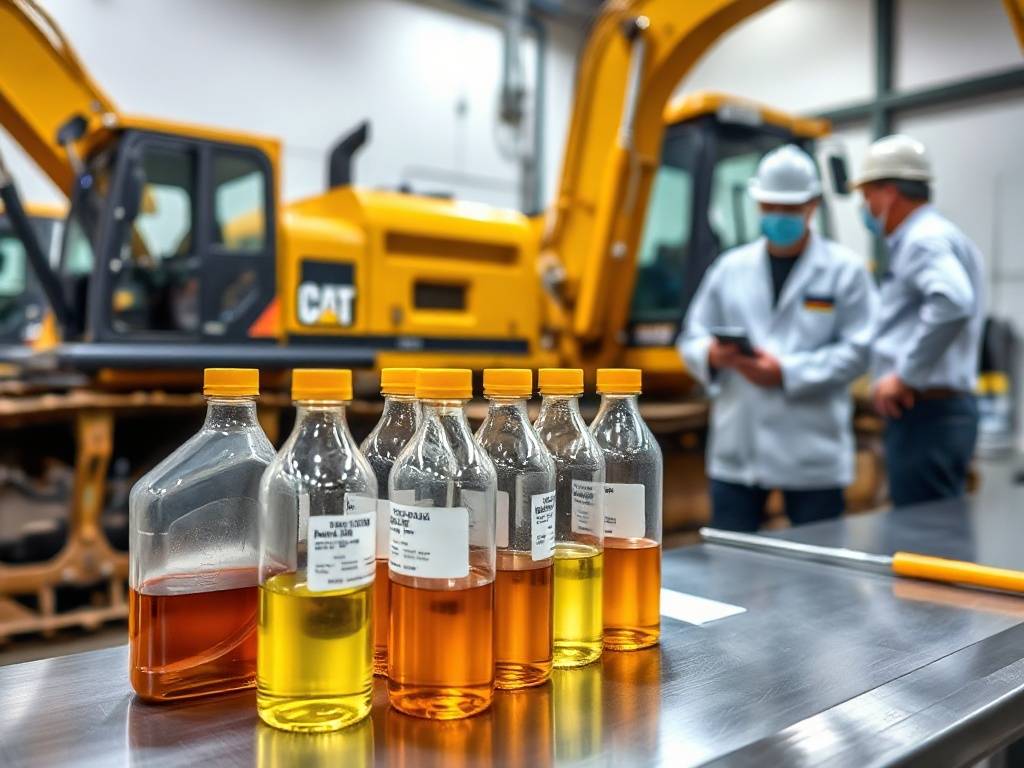
Starting with a Proven Hydraulic Oil Changed the Entire Development Process
The company already knew which imported hydraulic fluid their mining customers trusted.
That was extremely valuable.
Instead of guessing what performance characteristics the market wanted, they already had a commercially validated benchmark product.
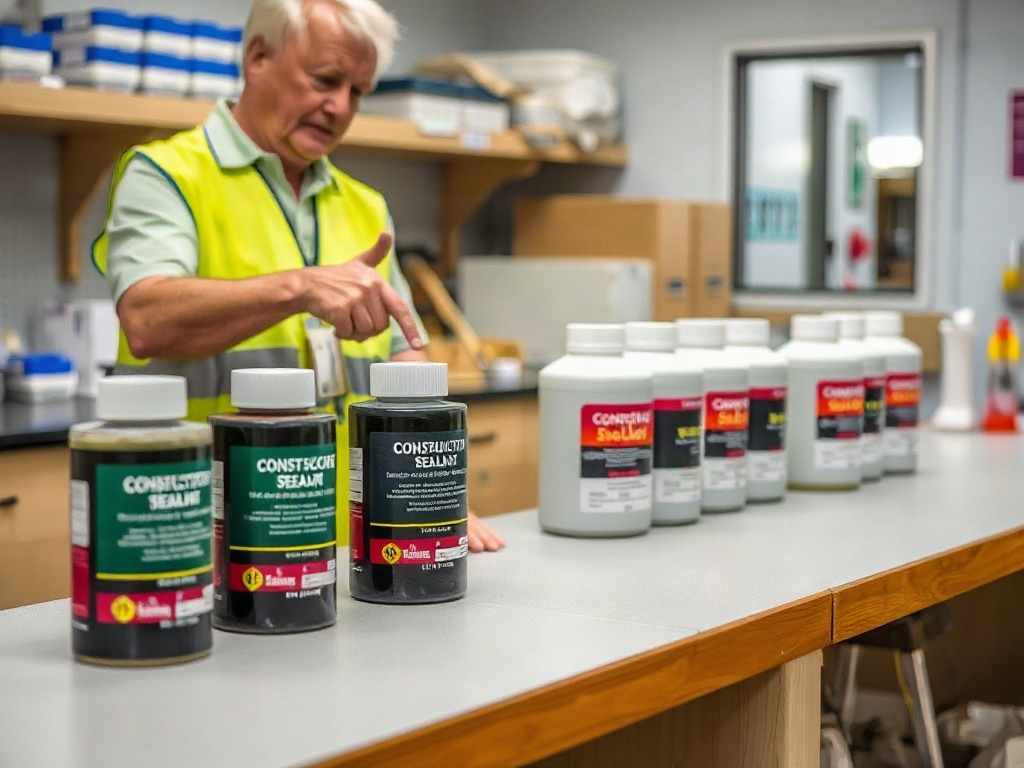
The client supplied the hydraulic oil to Labsure for detailed formulation analysis.
The project focused on understanding:
- Base oil composition
- Additive package structure
- Anti-foam chemistry
- Oxidation inhibitor systems
- Corrosion protection additives
- Viscosity behaviour
- Thermal stability profile
- Long-term fluid stability characteristics
Using advanced analytical methods including compositional profiling and lubricant chemistry investigation, Labsure reconstructed the functional architecture of the oil formulation.
This process was not simply about identifying ingredients.
The real objective was understanding how the additive system worked together under severe industrial conditions.
That is the foundation of Labsure’s reverse engineering services.
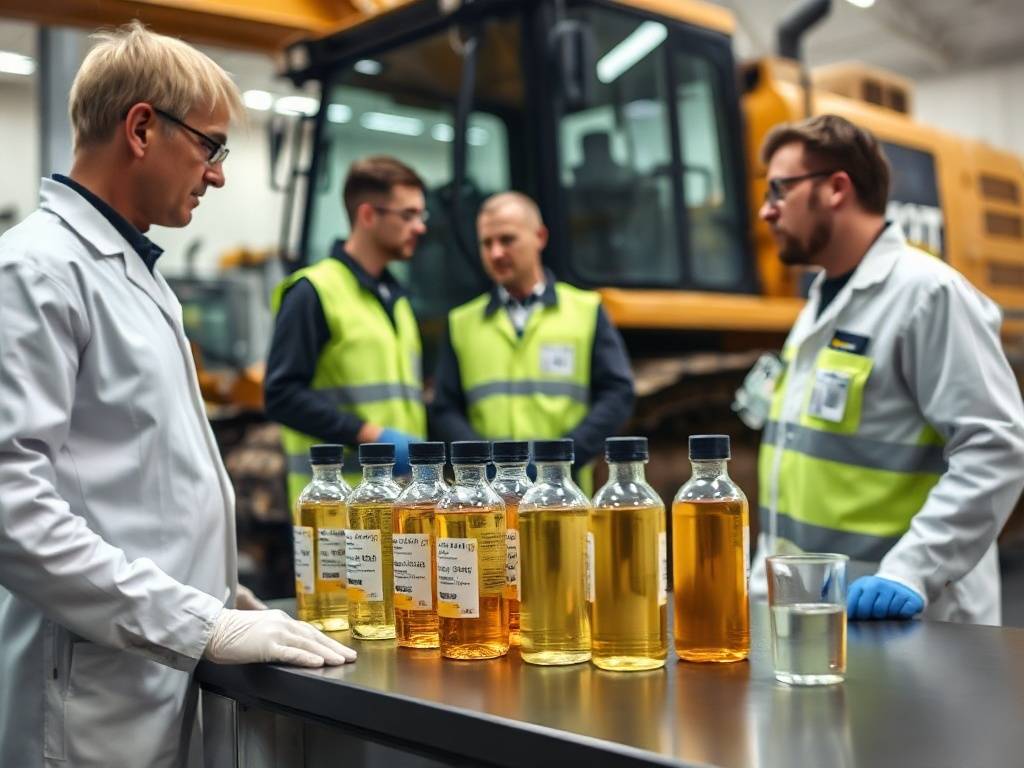
Why Reverse Engineering Reduced Development Risk So Dramatically
The WA lubricant company initially considered building an internal lubricant R&D program.
However, after reviewing the likely cost and technical complexity, they identified several major problems:
- Long product development timelines
- High additive experimentation costs
- Difficulty benchmarking against established products
- Expensive field testing requirements
- Risk of poor oxidation performance
- Potential equipment damage during failed trials
- Delayed market entry
Traditional industrial lubricant development can easily take years.
Reverse engineering shortened the process dramatically.
Instead of beginning with uncertain chemistry, the company started with a product already validated in the field by mining operators.
That fundamentally changed the development pathway.
Rather than testing endless possibilities, they focused on:
- Understanding the successful additive system
- Replicating core performance characteristics
- Improving manufacturing practicality
- Optimising cost-performance balance
- Adapting the formulation for Australian production conditions
This significantly reduced both technical and commercial uncertainty.
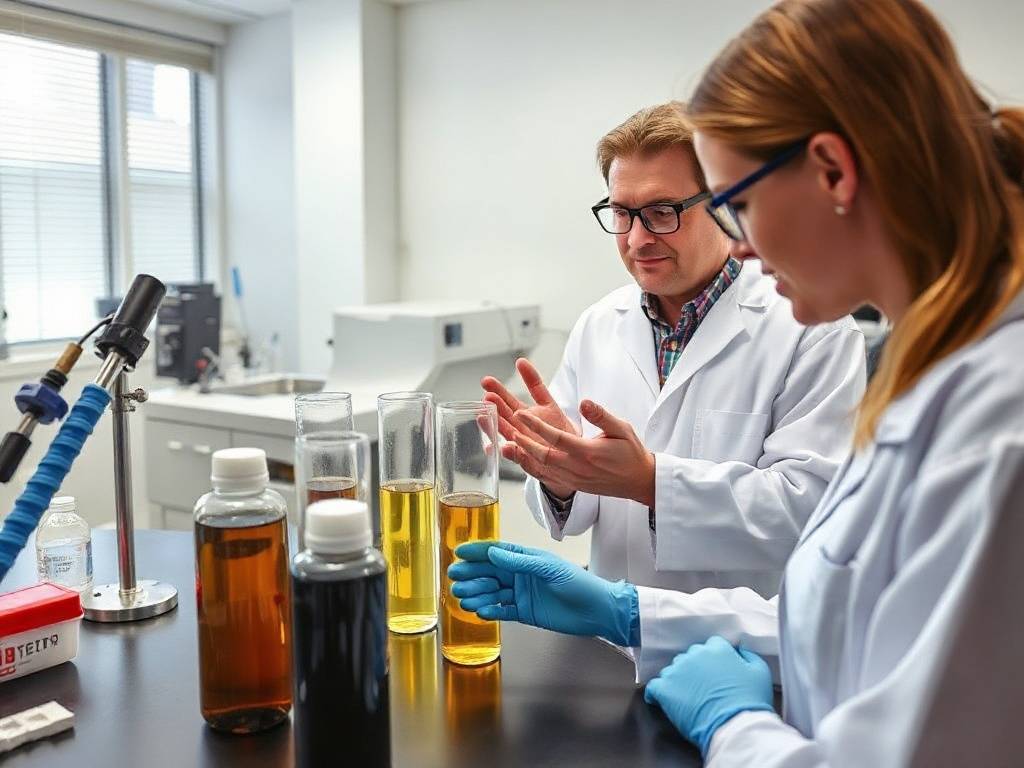
The Goal Wasn’t to Create a Cheap Copy — It Was to Build a Competitive Local Product
One of the biggest misunderstandings about reverse engineering is that companies simply want identical duplicates.
That was not the strategy here.
The WA supplier wanted to create a commercially competitive hydraulic oil tailored for Australian heavy equipment operators.
After analysing the benchmark fluid, Labsure assisted the client in identifying areas for improvement.
Improving Cost Efficiency Without Sacrificing Protection
Imported lubricant systems often contain expensive additive structures designed for multiple global markets.
The client wanted a formulation optimised specifically for Australian industrial conditions.
Labsure helped evaluate opportunities to improve formulation cost efficiency while maintaining critical performance characteristics.
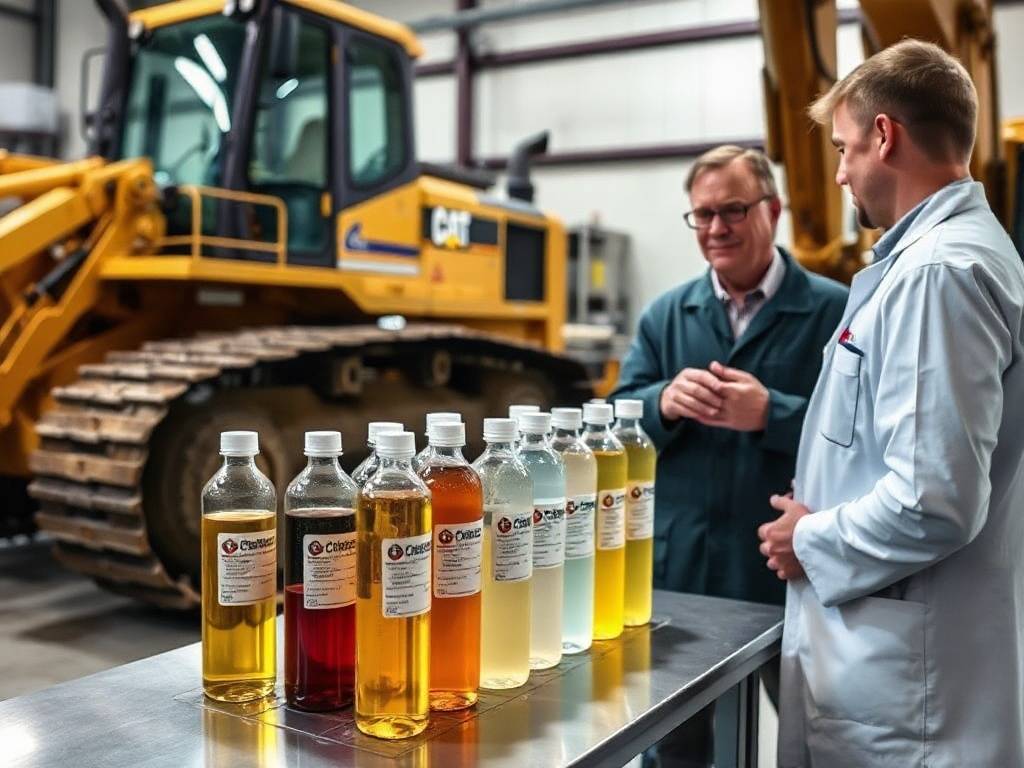
Better Local Supply Chain Flexibility
The imported product depended heavily on overseas manufacturing and logistics.
The WA supplier wanted more control over blending and inventory management within Australia.
This became increasingly important during mining sector supply disruptions.
Optimising Thermal Stability for Australian Conditions
High-temperature performance was critical for hydraulic systems operating in WA mining regions.
The project focused heavily on maintaining viscosity stability and oxidation resistance under severe operating temperatures.
Improving Long-Term Production Consistency
Industrial lubricant customers care deeply about consistency between batches.
Labsure assisted the client in understanding how additive interactions influenced long-term blending stability and production repeatability.
This practical commercial optimisation is a major reason many Australian manufacturers now use Labsure’s formulation analysis and product development services.
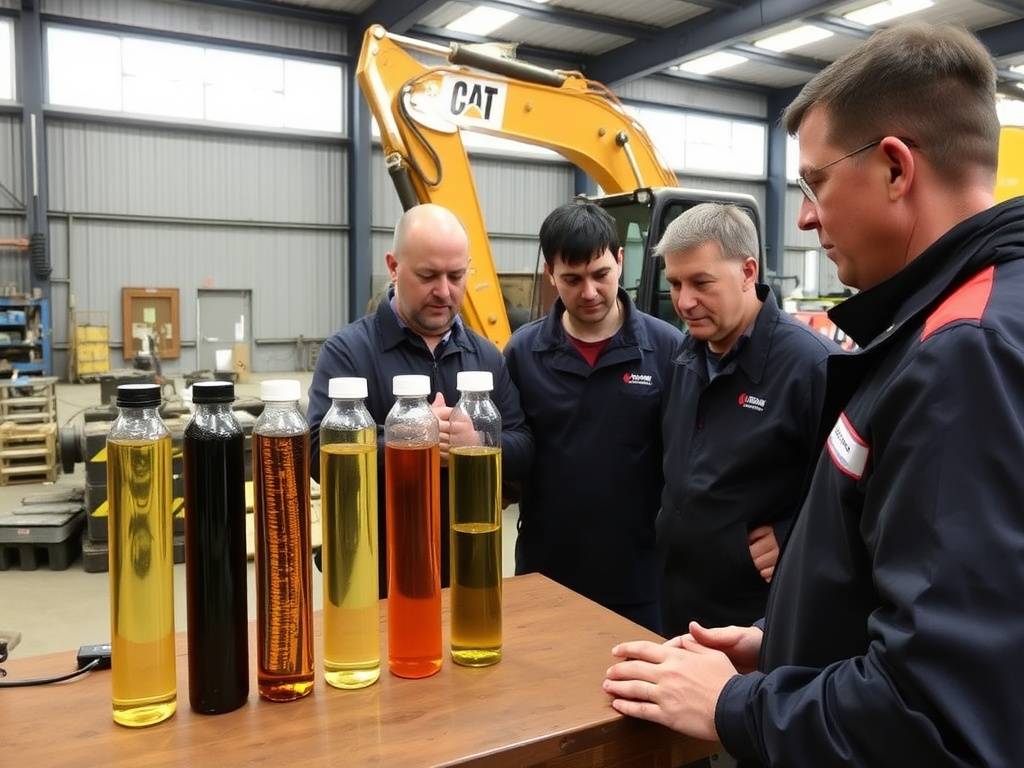
Repeated Prototype Testing Allowed Faster Product Refinement
Once the additive system reconstruction phase was completed, the client began blending internal prototype batches.
This stage involved repeated testing and optimisation of:
- Viscosity behaviour
- Foam suppression
- Oxidation resistance
- Corrosion protection
- Thermal stability
- Shear performance
- Equipment compatibility
Because the project started from a mature commercial benchmark, testing became far more targeted and efficient.
Instead of wasting time on random experimental pathways, the company focused only on refining a proven performance framework.
That dramatically accelerated development.
Faster Development Allowed Faster Commercial Launch
The mining and heavy equipment lubricant market moves quickly.
If product development takes too long, competitors secure contracts first.
By using reverse engineering strategically, the WA company accelerated:
- Product development
- Additive selection
- Blending optimisation
- Internal testing
- Customer field evaluations
- Manufacturing readiness
Instead of spending years building a hydraulic oil platform independently, they moved toward commercial production significantly faster and with far lower R&D expenditure.
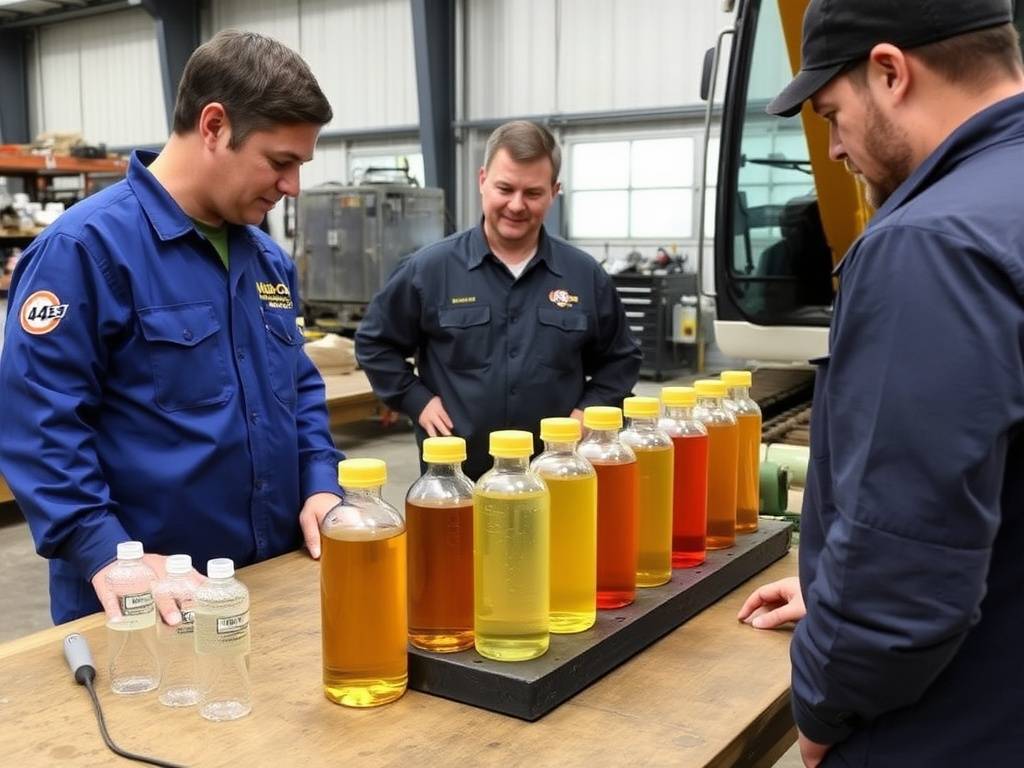
More Australian Industrial Oil Companies Are Using Reverse Engineering Strategically
Across Australia, many lubricant suppliers are recognising the risks of relying entirely on imported formulations.
If overseas manufacturers increase pricing, restrict distribution, or face supply chain disruptions, local businesses lose control.
That’s why more Australian industrial chemical companies are now investing in:
- Hydraulic oil reverse engineering
- Industrial lubricant additive reconstruction
- Lubricant formulation analysis
- Product benchmarking
- Local blending optimisation
- Private-label lubricant manufacturing
- Cost-performance reformulation
The goal is not merely imitation.
The goal is reducing development risk while accelerating commercial product ownership.
That is where Labsure’s reverse engineering and formulation analysis services provide major value.
Need Help Developing Your Own Hydraulic Fluid or Industrial Oil?
If you are distributing industrial lubricants or servicing mining and heavy equipment customers — but want to develop your own hydraulic oil products — Labsure can help.
We provide:
- Hydraulic fluid formulation analysis
- Industrial oil additive reconstruction
- Lubricant reverse engineering
- Additive package identification
- Viscosity behaviour analysis
- Oxidation and stability evaluation
- Product benchmarking
- Manufacturing-focused formulation guidance
Explore our services:
- Chemical Reverse Engineering Services
- Reverse Engineering & Formula Reconstruction
- Labsure Technical Capabilities
Contact Labsure
🌐 www.labsure.com.au
📧 info@labsure.com.au
Whether you want to benchmark a market-leading hydraulic oil, optimise additive performance, or develop your own industrial lubricant brand, Labsure helps Australian suppliers reduce R&D risk, accelerate product development, and move from reseller to manufacturer with significantly lower cost and faster time-to-market.