Australia’s nutraceutical market is becoming increasingly competitive.
Consumers no longer buy supplements based only on ingredient labels. They are paying attention to absorption, sustained energy release, gastrointestinal comfort, dosing convenience, and overall product quality.
For supplement manufacturers, that creates enormous pressure to launch more advanced dosage systems — especially slow-release and controlled-release tablets.
But developing those formulations internally is expensive.
One Victorian-based dietary supplement manufacturer recently faced exactly this problem.
The company already produced standard capsules and tablets for several Australian wellness brands. Through discussions with retailers and distributors, they identified growing demand for a slow-release nutritional supplement designed to provide sustained ingredient delivery throughout the day.
The market opportunity was obvious.
Customers increasingly preferred products that:
- Reduced dosing frequency
- Improved absorption consistency
- Avoided energy “spikes and crashes”
- Reduced stomach irritation
- Offered premium positioning in retail channels
The company also knew a particular overseas supplement brand that performed extremely well in the Australian market.
Retailers frequently mentioned it.
Customers repurchased it consistently.
The release profile appeared highly stable.
The Victorian manufacturer wanted to develop a similar product under its own brand.
The problem?
They had manufacturing capability — but not the advanced formulation expertise required to engineer a reliable slow-release tablet system from scratch.
That’s when they approached Labsure.
The Real Difficulty with Slow-Release Supplements Isn’t the Active Ingredient — It’s the Delivery System
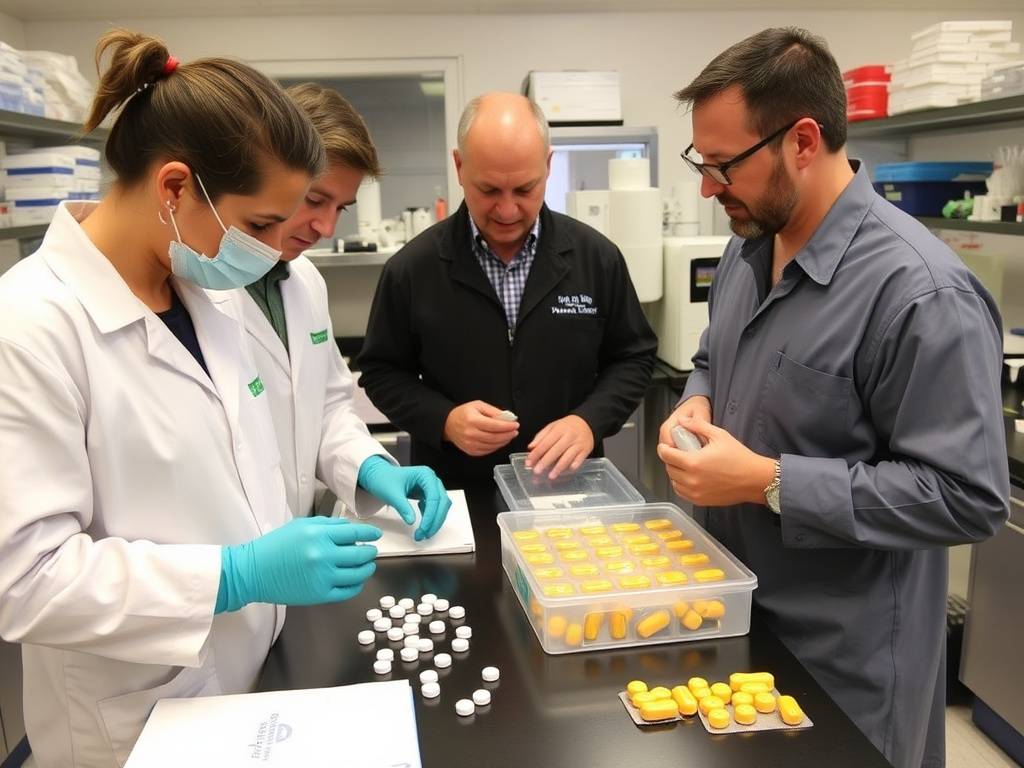
Many supplement companies underestimate how technically difficult controlled-release formulations can be.
From the outside, a tablet may look simple.
But release behaviour depends heavily on formulation architecture.
A slow-release supplement typically requires careful balancing of:
- Active ingredient concentration
- Polymer matrix systems
- Binders and fillers
- Tablet hardness
- Disintegrants
- Coating systems
- Lubricants
- Moisture stability
- Compression behaviour
- Dissolution characteristics
Even small formulation changes can dramatically affect release performance.
A tablet that releases too quickly may lose its “extended release” function entirely.
A tablet that releases too slowly may fail dissolution requirements or reduce bioavailability.
The Victorian manufacturer knew the market demand existed.
But they also understood the risks of traditional formulation development:
- Long R&D timelines
- Expensive pilot trials
- Failed compression batches
- Unstable release profiles
- Costly reformulation cycles
- Delayed product launch
Instead of starting from zero, they chose a more commercially practical strategy:
reverse engineering and supplement formulation analysis.
Starting with a Proven Market Product Changed Everything
The company already had something extremely valuable:
A commercially successful benchmark product.
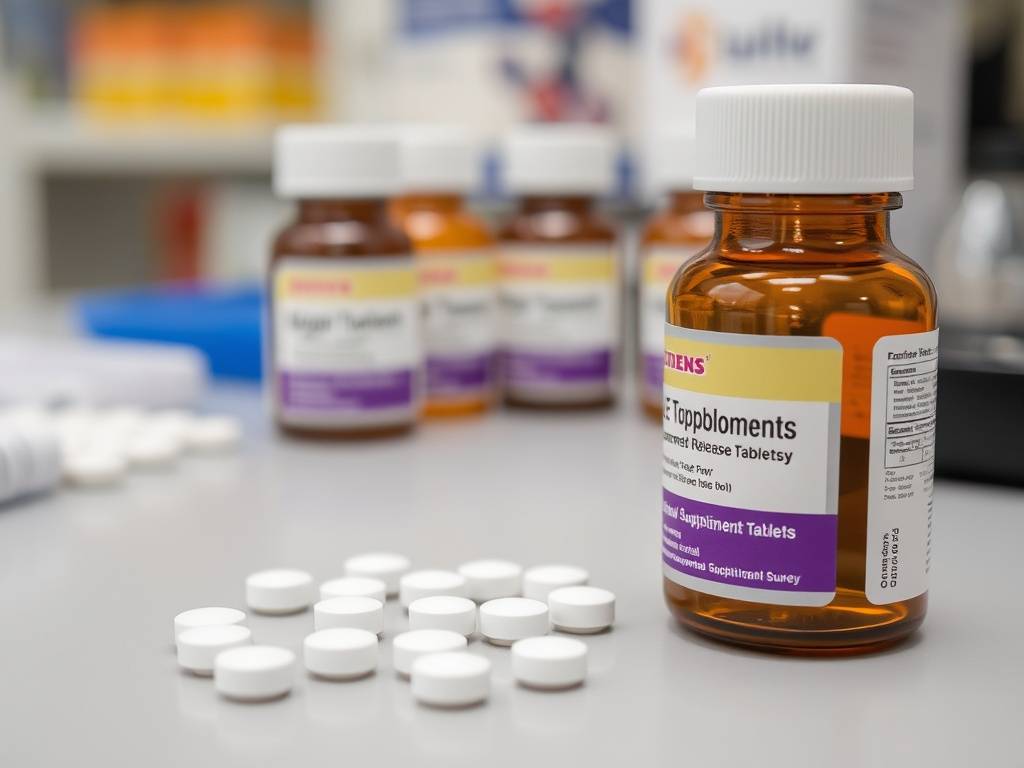
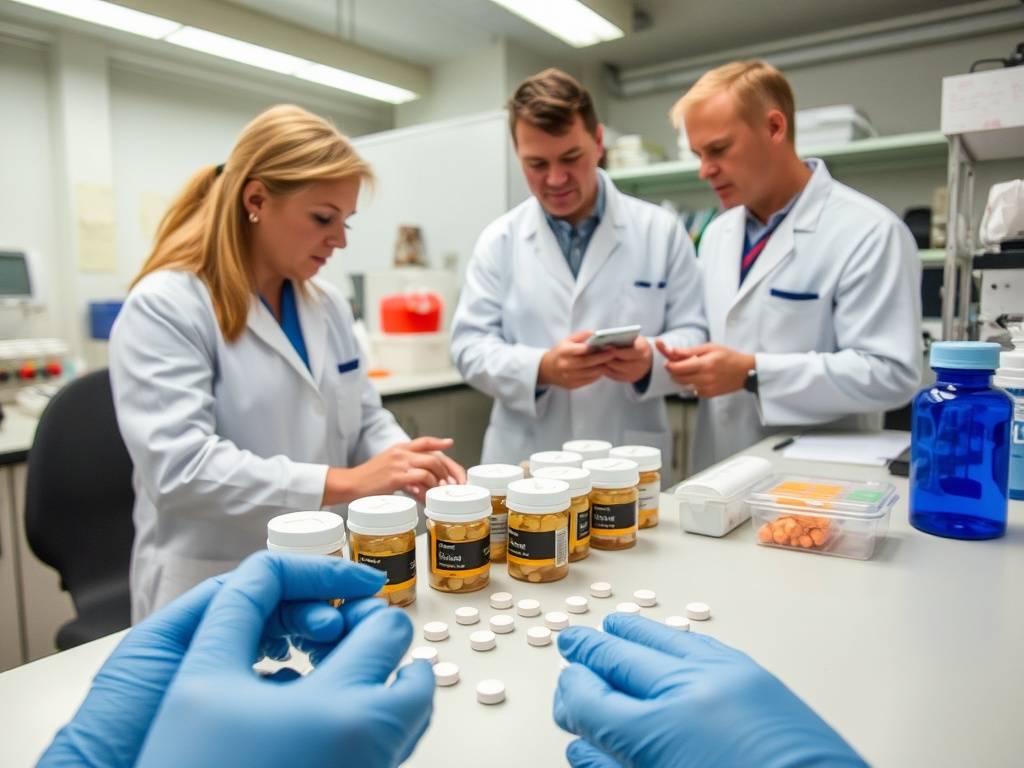
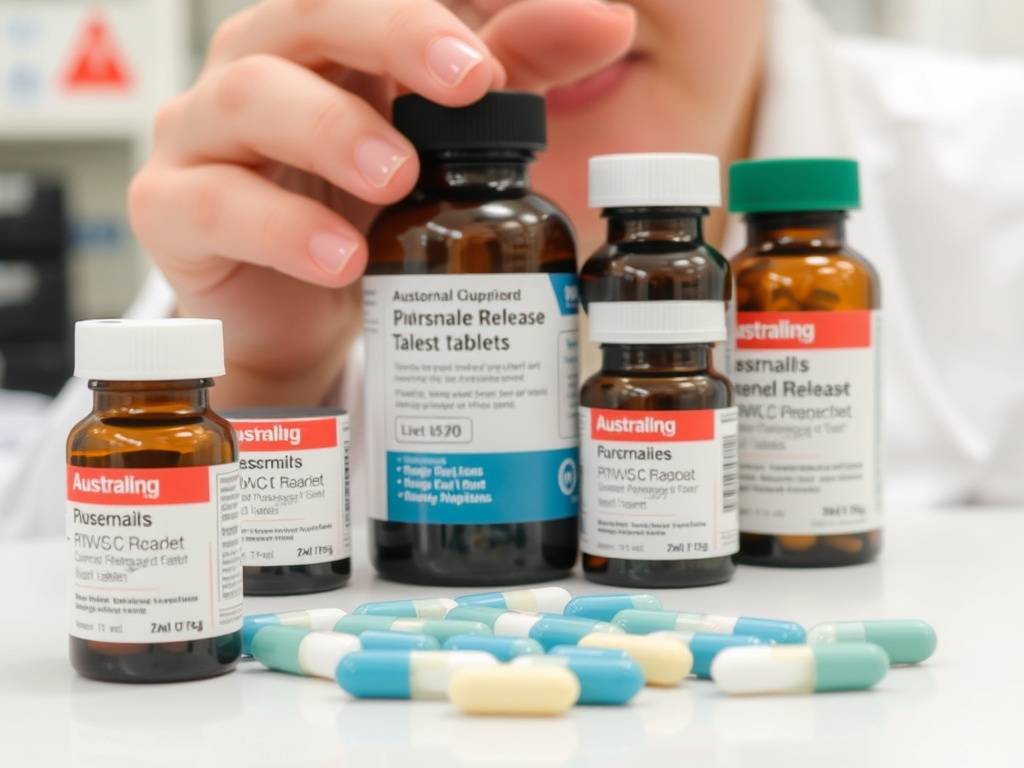
Rather than spending years experimenting blindly, they supplied the market-leading slow-release supplement to Labsure for detailed analysis.
The project focused on understanding:
- Active ingredient concentration
- Excipient composition
- Controlled-release matrix structure
- Binder systems
- Tablet coating chemistry
- Compression characteristics
- Dissolution behaviour
- Stability-supporting additives
- Release-control mechanisms
Using advanced analytical methods and compositional profiling techniques, Labsure investigated how the tablet achieved its sustained-release performance.
This was not basic ingredient identification.
The objective was understanding the functional design of the formulation.
That is the core purpose of Labsure’s reverse engineering services.
Why Reverse Engineering Reduced Development Risk Dramatically
The Victorian company initially considered hiring external formulation consultants to build a slow-release system from scratch.
However, after reviewing projected development costs, they realised several problems:
- Controlled-release systems require extensive trial-and-error testing
- Polymer selection can become extremely expensive
- Release testing cycles are time-consuming
- Compression failures often require complete reformulation
- Manufacturing scale-up introduces additional variability
- Delayed launch timing could mean losing market opportunities
Traditional supplement R&D for modified-release tablets can take years.
Reverse engineering dramatically shortened the process.
Instead of starting with unknown chemistry, the client started with a product already validated by the market.
That fundamentally changed the commercial equation.
Rather than experimenting endlessly, they focused on:
- Understanding the successful formulation architecture
- Replicating core release mechanisms
- Improving manufacturability
- Optimising cost-performance balance
- Adapting the formulation for local production
This significantly reduced both technical uncertainty and commercial risk.
The Goal Wasn’t to Copy the Product — It Was to Build a Commercially Smarter Version
One of the biggest misconceptions about reverse engineering is that companies simply want identical duplicates.
In reality, most Australian manufacturers want something more useful:
A mature technical foundation they can adapt and improve.
That was exactly the strategy here.
The imported supplement performed well, but the Victorian manufacturer believed there were opportunities to improve:
- Production efficiency
- Tablet compressibility
- Ingredient sourcing flexibility
- Batch consistency
- Manufacturing cost control
After analysing the benchmark product, Labsure helped identify areas where the formulation could be adjusted for more stable Australian manufacturing conditions.
Improving Compression Stability
One issue during initial internal trials was inconsistent tablet hardness and compression behaviour.
Labsure assisted the client in understanding the relationship between excipient selection and tablet mechanical performance.
This helped reduce batch variability during pilot production.
Optimising Release Consistency
Slow-release systems depend heavily on controlled dissolution behaviour.
The formulation optimisation process focused on improving release consistency between batches while maintaining the desired sustained-delivery profile.
This became critical for long-term manufacturing scalability.
Improving Manufacturing Practicality
Some imported formulations use specialised ingredients that are expensive or difficult to source consistently in Australia.
Labsure helped the client evaluate more commercially practical formulation pathways without compromising overall performance.
This significantly improved long-term production feasibility.
Repeated Prototype Testing Allowed Faster Commercial Refinement
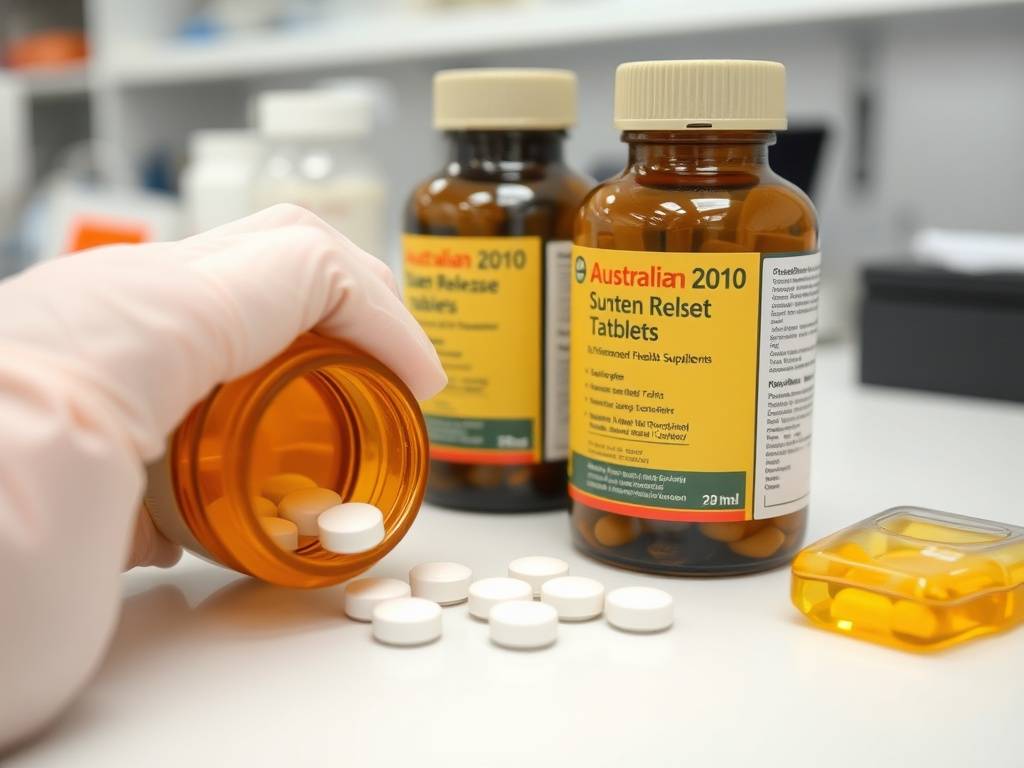
Once the initial formulation framework was established, the Victorian manufacturer began producing small internal sample batches.
This stage involved repeated testing and adjustment of:
- Compression pressure
- Dissolution timing
- Tablet hardness
- Coating behaviour
- Stability performance
- Flow characteristics during manufacturing
Because the project began with a mature market benchmark, the optimisation process was far more targeted than conventional supplement R&D.
Instead of testing hundreds of random possibilities, the company focused on refining an already validated release system.
That dramatically reduced wasted development time.
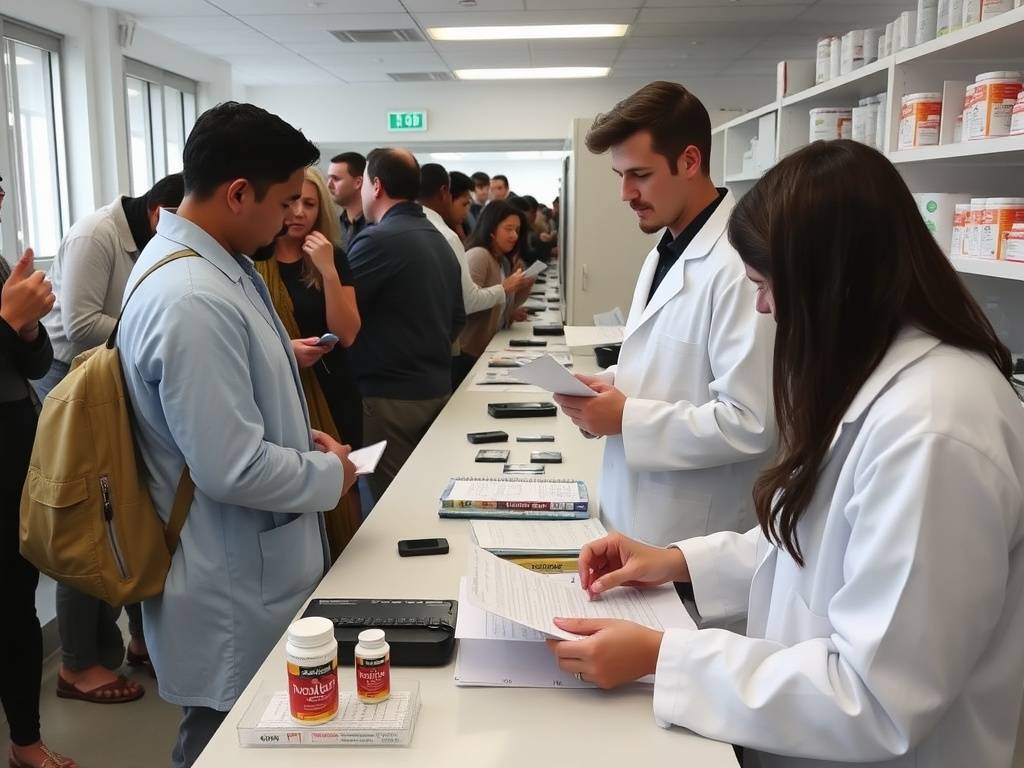
This practical commercial approach is a major reason many Australian manufacturers now use Labsure’s formulation analysis and product development services.
Faster Development Meant Faster Market Entry
One of the most important commercial advantages was speed.
The Australian supplement market moves quickly.
By the time some companies complete traditional formulation development, competitors have already captured retail shelf space.
Reverse engineering helped the Victorian manufacturer accelerate:
- Prototype development
- Stability testing
- Manufacturing preparation
- Retail presentation planning
- Product launch timing
Instead of spending years building a controlled-release platform independently, the company moved toward commercial production much faster and with substantially lower R&D expenditure.
More Australian Supplement Companies Are Using Reverse Engineering Strategically
Across Australia, many nutraceutical businesses are recognising a major industry reality:
Consumers often validate products before manufacturers fully understand them.
If a supplement is already succeeding commercially, it provides valuable technical and market intelligence.
That’s why more Australian supplement manufacturers are now investing in:
- Capsule and tablet reverse engineering
- Controlled-release formulation analysis
- Supplement composition profiling
- Excipient and coating investigation
- Product benchmarking
- Manufacturing optimisation
- Cost-down reformulation
The objective is not merely imitation.
The goal is reducing development risk while accelerating commercial product innovation.
That is where Labsure’s reverse engineering and formulation analysis services provide significant value.
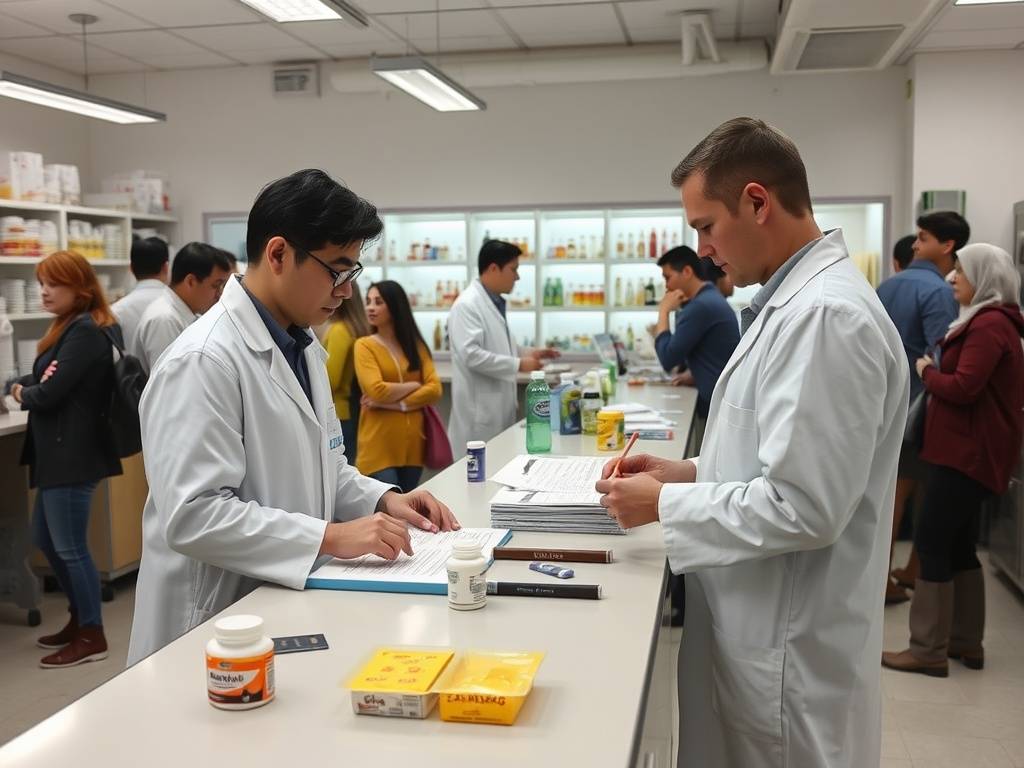
Need Help Developing a Slow-Release Supplement or Tablet Formula?
If you are manufacturing or distributing dietary supplements and want to develop your own advanced capsule or tablet formulations, Labsure can help.
We provide:
- Supplement formulation analysis
- Capsule and tablet reverse engineering
- Controlled-release composition investigation
- Active ingredient profiling
- Excipient identification
- Dissolution and release analysis
- Compression optimisation support
- Manufacturing-focused formulation guidance
Explore our services:
- Chemical Reverse Engineering Services
- Reverse Engineering & Formula Reconstruction
- Labsure Technical Capabilities
Contact Labsure
🌐 www.labsure.com.au
📧 info@labsure.com.au
Whether you want to benchmark a market-leading supplement, improve release performance, or develop your own slow-release tablet system, Labsure helps Australian supplement manufacturers reduce R&D uncertainty, accelerate commercialisation, and move from product ideas to scalable manufacturing with lower risk and lower development cost.