In Australia’s industrial cleaning market, customer expectations are changing fast.
Mining workshops, transport fleets, fabrication plants, heavy equipment operators and food processing facilities are no longer satisfied with “average” degreasers. They want products that clean faster, remove heavier oil contamination, reduce labour time, and meet increasingly strict safety and environmental requirements.
A Melbourne-based industrial cleaning chemical supplier recently faced exactly this situation.
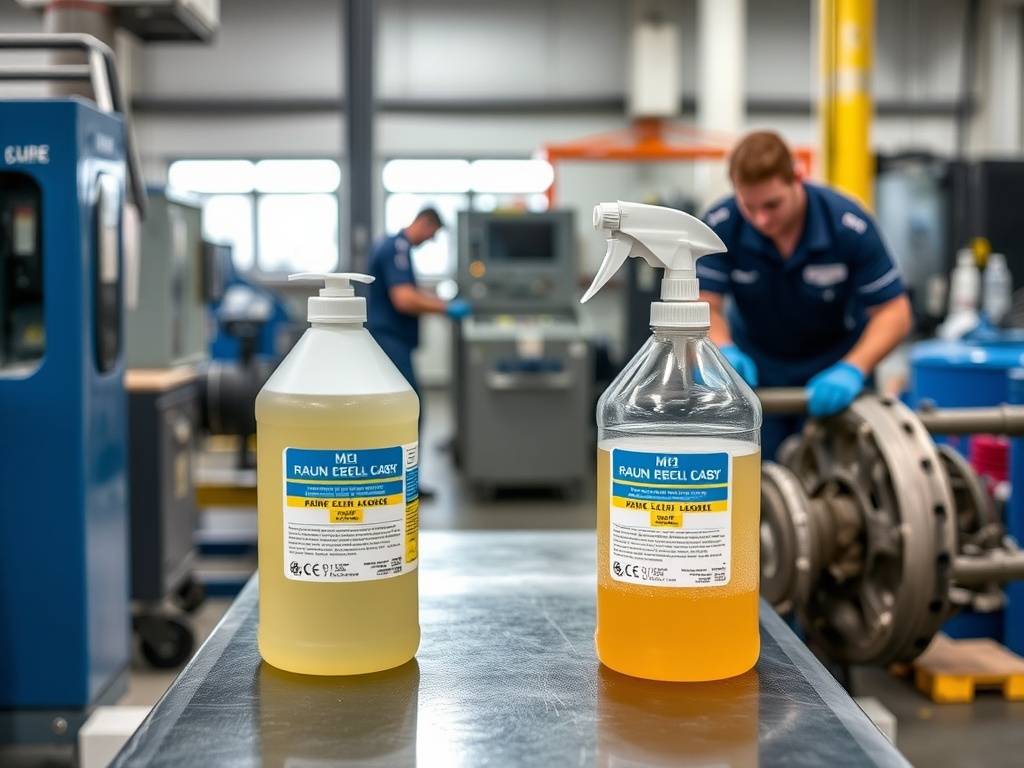
One of their long-term commercial clients — a machinery maintenance contractor servicing heavy diesel equipment — requested a stronger heavy-duty degreaser capable of removing baked-on grease, hydraulic oil residue, carbon deposits and workshop grime more efficiently than the products they were currently using.
The customer already had a preferred imported degreaser brand they liked.
But they believed it still had limitations:
- Strong smell in enclosed workshop areas
- Slight aluminium staining after repeated use
- High usage rate during heavy cleaning jobs
- Expensive imported pricing
- Long supply lead times
- Inconsistent availability
The Melbourne supplier saw a major opportunity.
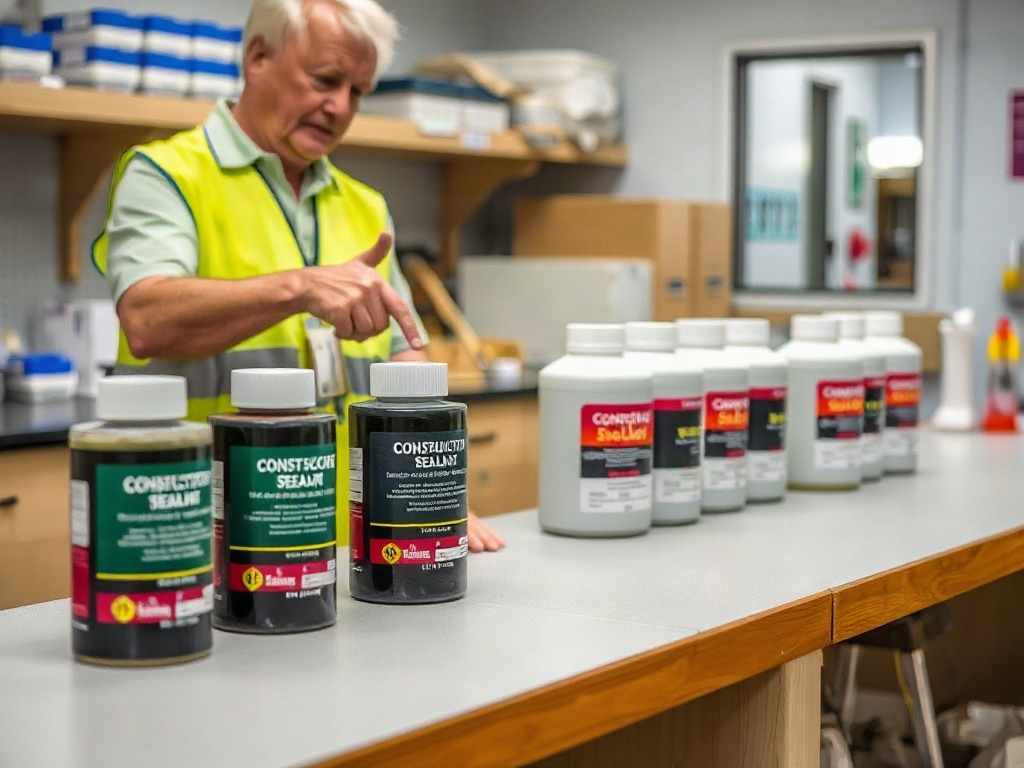
Instead of simply reselling imported cleaning chemicals forever, they wanted to develop their own industrial degreaser under their own brand.
The problem was: they had no internal formulation chemist, no detergent R&D capability, and no practical way to develop a complex heavy-duty cleaner from scratch.
That’s when they contacted Labsure.
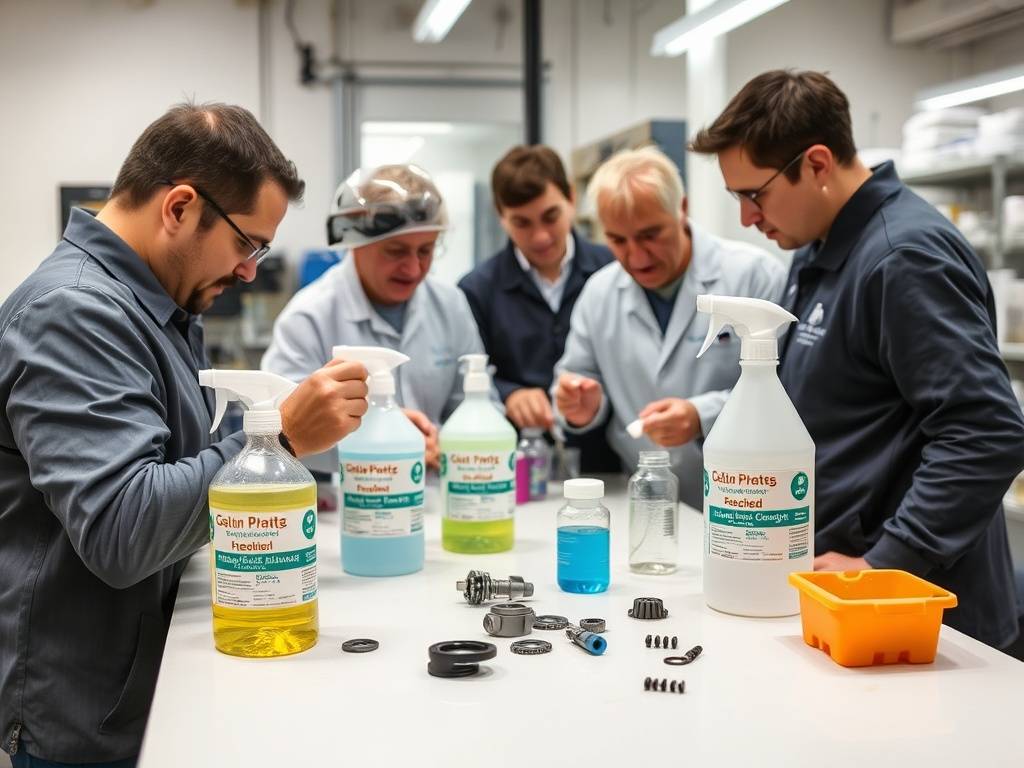
Why Heavy-Duty Degreasers Are More Complex Than Most Buyers Realise
To many industrial buyers, a degreaser is “just a cleaner.”
In reality, modern heavy-duty degreasers are carefully balanced chemical systems.
Performance depends on the interaction between:
- Solvent systems
- Surfactant blends
- Alkaline builders
- Chelating agents
- Emulsifiers
- Foam control additives
- Corrosion inhibitors
- Fragrance masking systems
- Stability modifiers
A degreaser that removes grease aggressively may also:
- Damage painted surfaces
- Attack aluminium
- Leave residues
- Separate during storage
- Create excessive foam in pressure washers
- Cause OH&S complaints from workers
The Melbourne client’s challenge was not simply copying an existing product.
They needed to create something commercially safer and operationally better.
They wanted:
- Similar cleaning performance to the imported benchmark product
- Lower odour
- Better material compatibility
- Improved dilution efficiency
- Local manufacturing capability
- Better margins under their own brand
Most importantly, they needed a low-risk development pathway.
Building an internal detergent R&D program from scratch could easily cost tens of thousands of dollars before reaching a commercially viable formulation.
Instead, they chose a faster route: chemical reverse engineering and formulation analysis.
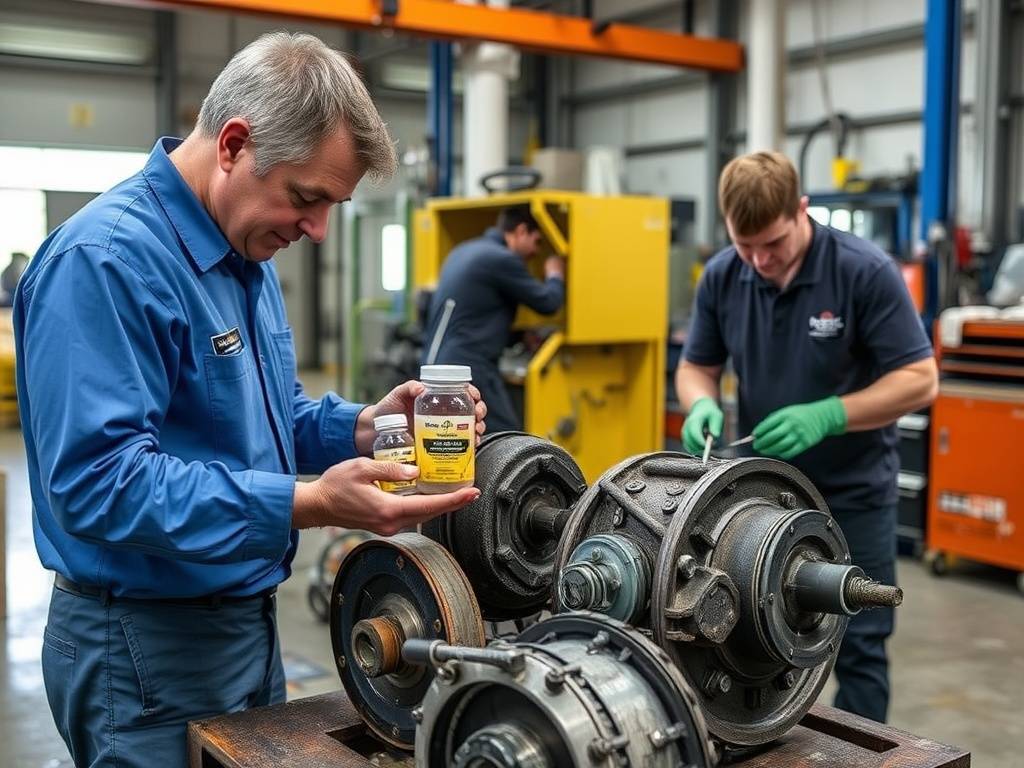
Stage 1 — Reverse Engineering the Benchmark Degreaser
The client supplied the imported heavy-duty degreaser that their end customer preferred.
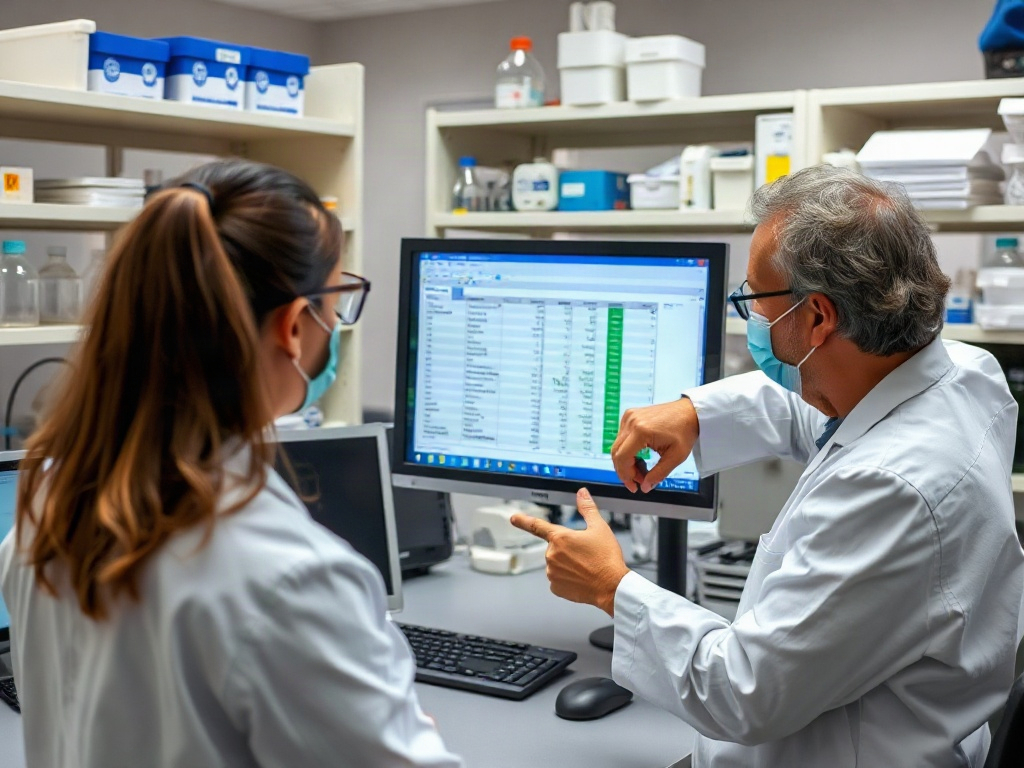
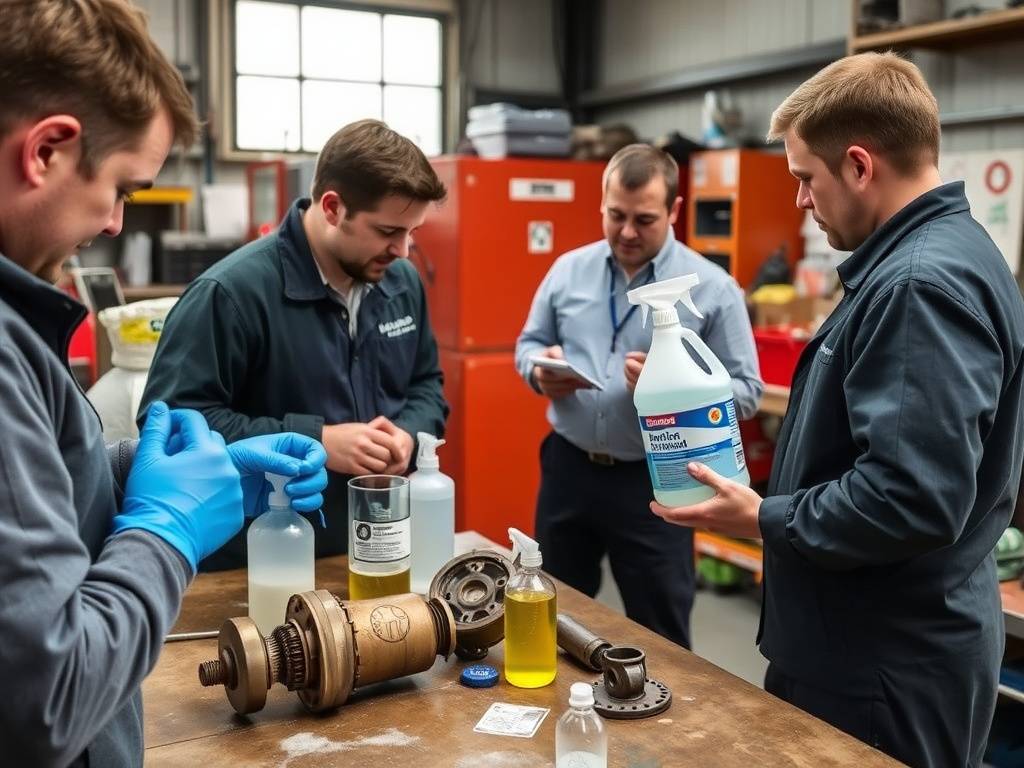
Labsure’s technical team then carried out detailed formulation analysis to understand the product’s functional chemistry and performance structure.
The investigation focused on:
- Solvent composition
- Surfactant system architecture
- Alkalinity profile
- Emulsification behaviour
- Grease-cutting mechanisms
- Wetting performance
- Corrosion protection additives
- Dilution stability
- Foam characteristics
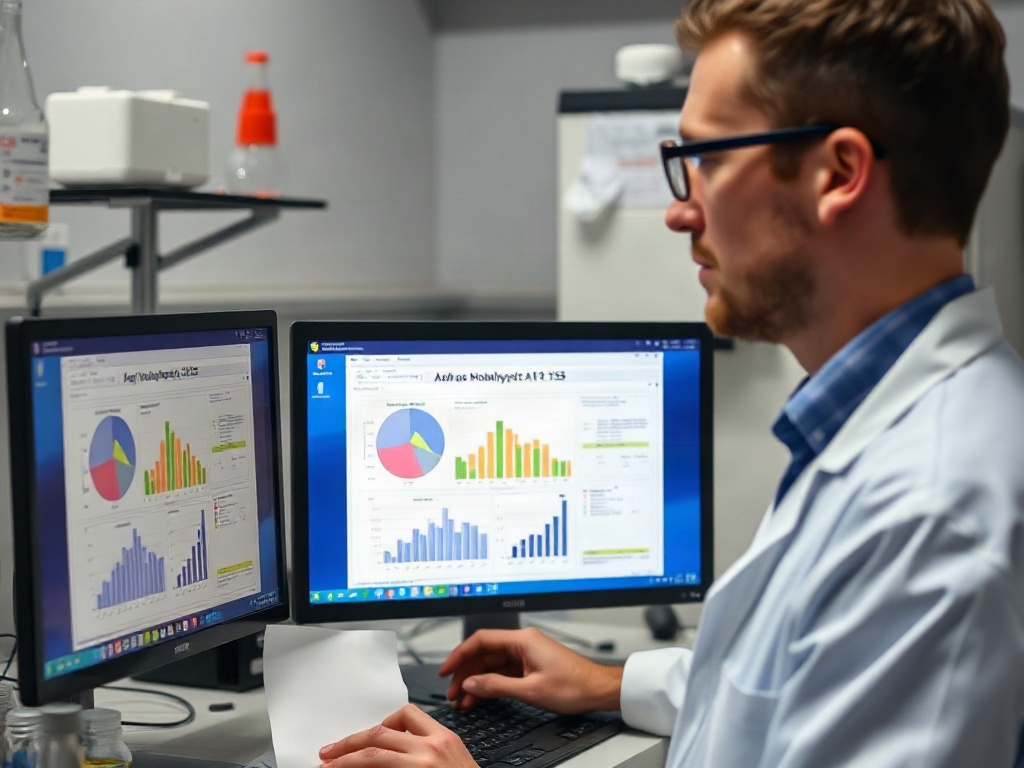
Advanced analytical techniques including GC-MS, FTIR and compositional profiling were used to identify both major actives and supporting additives.
This process is very different from simple ingredient screening.
The objective is understanding how the entire formulation works together under real industrial cleaning conditions.
That is the core purpose of Labsure’s reverse engineering services.
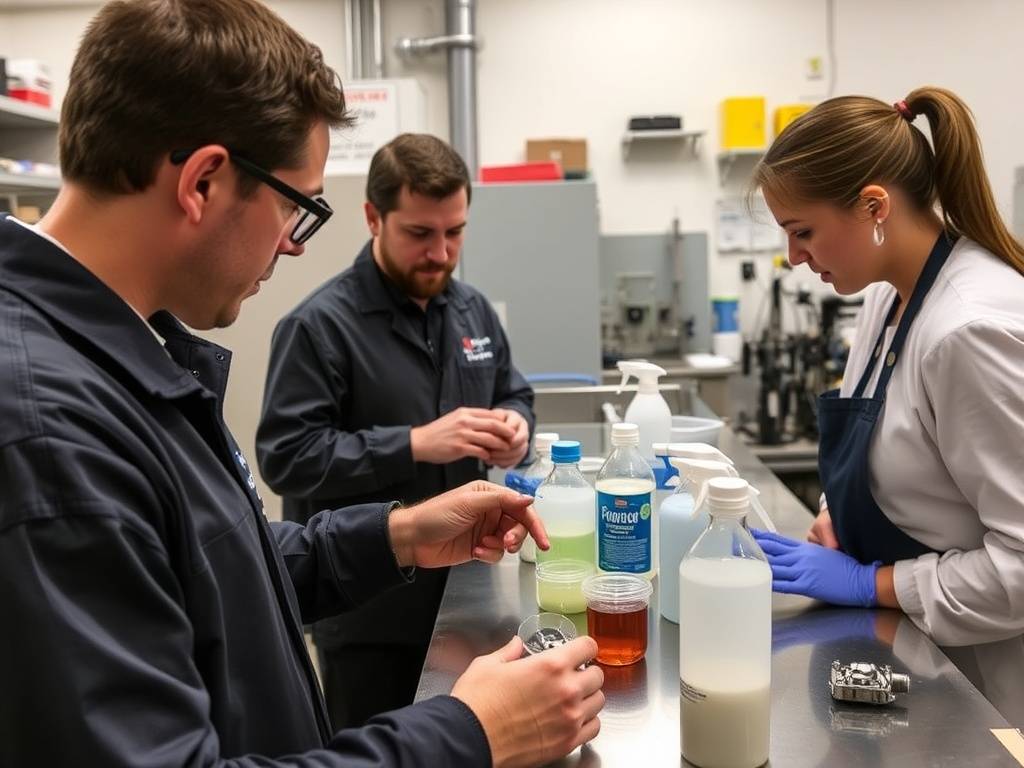
The Client Didn’t Want an Exact Copy — They Wanted a Better Product
One of the biggest misconceptions about reverse engineering is that customers simply want to “duplicate” a product.
In practice, many Australian manufacturers want something more commercially valuable:
A proven starting point.
That was exactly the Melbourne company’s strategy.
The imported degreaser already had market validation. Their industrial customer trusted its cleaning performance.
Instead of beginning with random formulation experiments, the client used reverse engineering to understand:
- Which ingredients were actually driving performance
- Which components were increasing cost unnecessarily
- Which additives contributed to odour issues
- Which chemistry caused aluminium sensitivity
- Which parts of the formulation could be improved for Australian conditions
This dramatically reduced technical uncertainty.
Rather than spending 12–18 months testing countless detergent combinations, the client started from an already successful commercial benchmark.
That approach reduced:
- R&D cost
- Failed trial batches
- Production risk
- Customer rejection risk
- Time-to-market
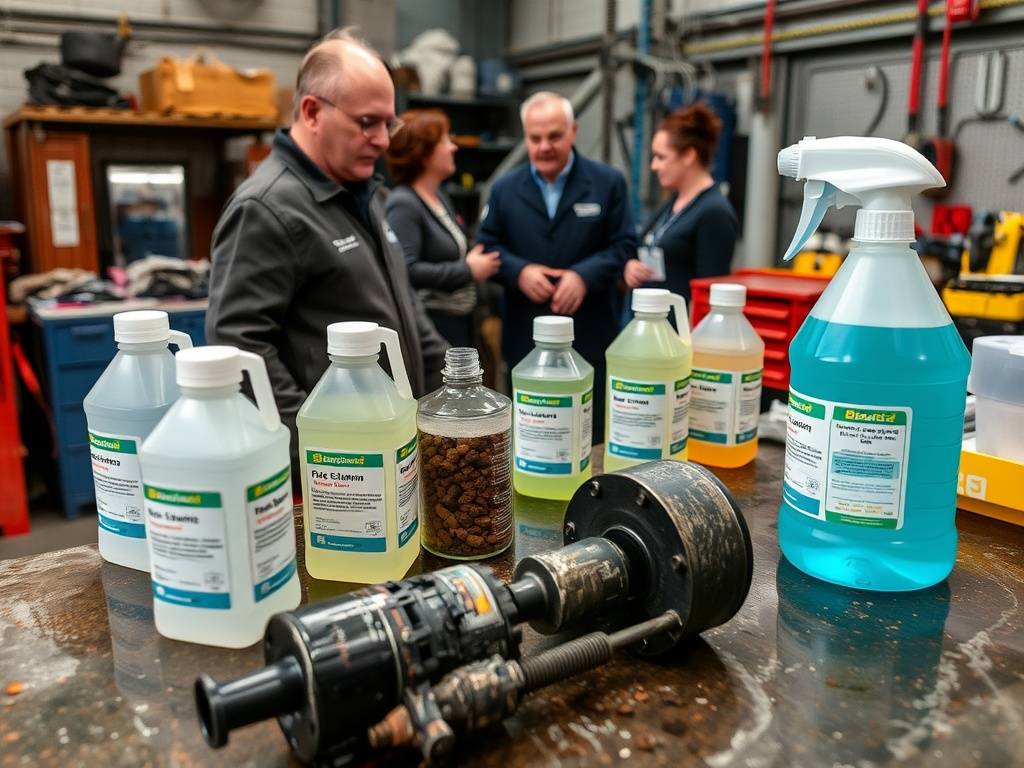
Stage 2 — Reformulating for Australian Industrial Conditions
After analysing the imported product, Labsure worked with the client to optimise the formulation for local manufacturing and customer requirements.
Several key modifications were explored:
Reduced Odour Solvent System
The original imported product contained aggressive solvent components that created strong workshop odours.
Labsure assisted the client in identifying lower-odour alternatives while maintaining grease-cutting capability.
This significantly improved usability for enclosed maintenance environments.
Improved Aluminium Compatibility
The customer specifically complained about aluminium staining on some machinery parts.
Labsure helped rebalance the alkaline system and corrosion inhibitor package to improve surface compatibility without sacrificing cleaning strength.
This became a major selling point during customer trials.
Better Cost Efficiency at Dilution
The imported product required relatively heavy usage rates during large machinery cleaning operations.
Through surfactant and solvent optimisation, the Melbourne supplier improved dilution efficiency and reduced overall chemical consumption per cleaning job.
That improvement directly lowered operating costs for their customer.
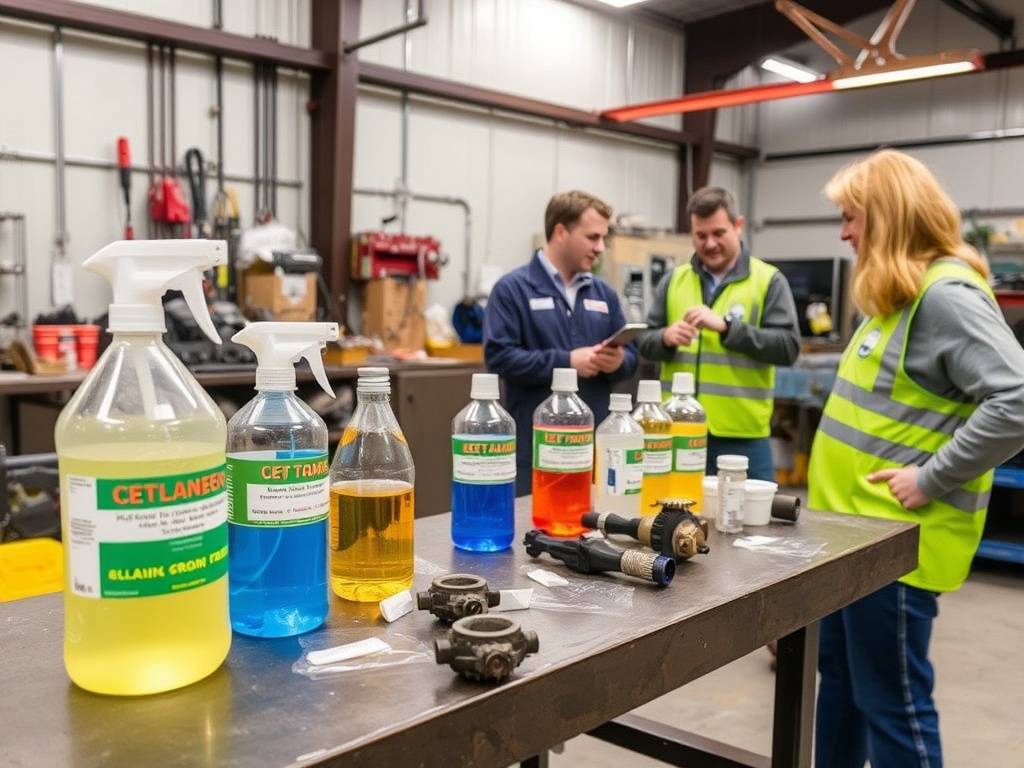
Why Reverse Engineering Was the Lowest-Risk Commercial Strategy
The client originally considered hiring an in-house chemist to develop a degreaser independently.
But after reviewing the likely development timeline, they realised several risks:
- Long formulation development cycles
- High raw material experimentation costs
- Difficulty sourcing suitable surfactants
- Scale-up inconsistencies
- Potential customer dissatisfaction during testing
- Delayed market launch
Using Labsure’s formulation analysis services, the company avoided most of those problems.
Instead of starting from zero, they began with a proven commercial framework and focused only on targeted optimisation.
For SMEs in Australia’s industrial chemical sector, this is often the most practical path to launching private-label products.
Stage 3 — Pilot Production and Customer Transition
Once the optimised formulation was finalised, the client arranged local pilot production through an Australian contract manufacturer.
The new degreaser was then tested directly with the existing industrial customer.
Importantly, the transition was gradual.
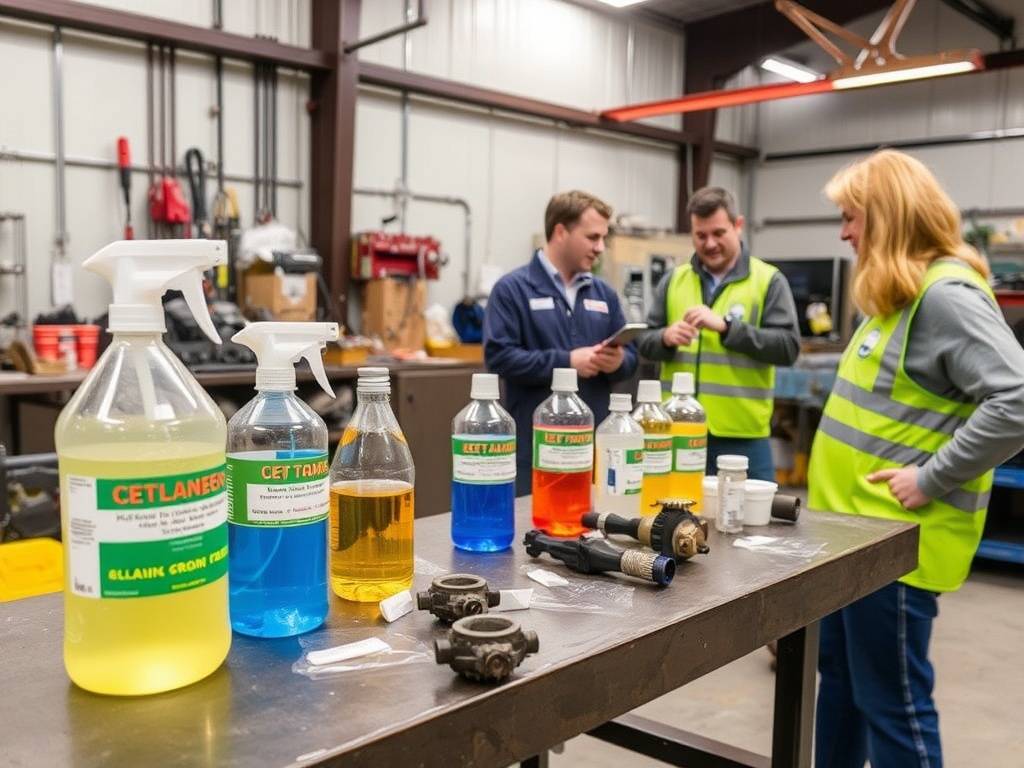
The customer trialled the new product alongside the imported benchmark cleaner during real workshop operations.
The results were highly positive:
- Comparable grease removal performance
- Lower odour complaints from workers
- Better surface compatibility
- Reduced product consumption
- More reliable local supply availability
Because the product behaviour was already benchmarked against a familiar cleaner, adoption was smooth.
The Melbourne company successfully introduced its own branded industrial degreaser while retaining the customer relationship.
That transition would have been far riskier using traditional trial-and-error formulation development.
More Australian Chemical Suppliers Are Building Their Own Brands
Across Australia, many industrial chemical distributors are facing the same commercial reality:
Selling imported products creates long-term dependency.
If overseas suppliers raise prices, restrict distribution, or face supply chain disruptions, local businesses lose control.
That’s why more Australian companies are now investing in:
- Degreaser reverse engineering
- Industrial detergent formulation analysis
- Cost-down reformulation
- Private-label cleaning chemical development
- Local manufacturing partnerships
- Product performance benchmarking
The goal is not merely replication.
The goal is accelerating commercial product development with lower risk and lower cost.
That is where Labsure’s chemical reverse engineering team provides significant value.
Need Help Developing Your Own Industrial Degreaser or Cleaning Product?
If you are currently importing or distributing industrial cleaners, degreasers, workshop detergents or maintenance chemicals — but want to develop your own product line — Labsure can help.
We provide:
- Heavy-duty degreaser reverse engineering
- Industrial cleaner formulation analysis
- Ingredient identification and active ratio analysis
- Cost-down reformulation
- Performance benchmarking
- Safer reformulation support
- Private-label manufacturing guidance
- Local production optimisation
Explore our services:
- Chemical Reverse Engineering Services
- Reverse Engineering & Formula Reconstruction
- Labsure Technical Capabilities
Contact Labsure
🌐 www.labsure.com.au
📧 info@labsure.com.au
Whether you want to benchmark a competitor degreaser, improve an existing industrial cleaner, or launch a private-label heavy-duty cleaning product, Labsure helps Australian chemical suppliers move from reselling to ownership — faster, safer, and with significantly lower development risk.