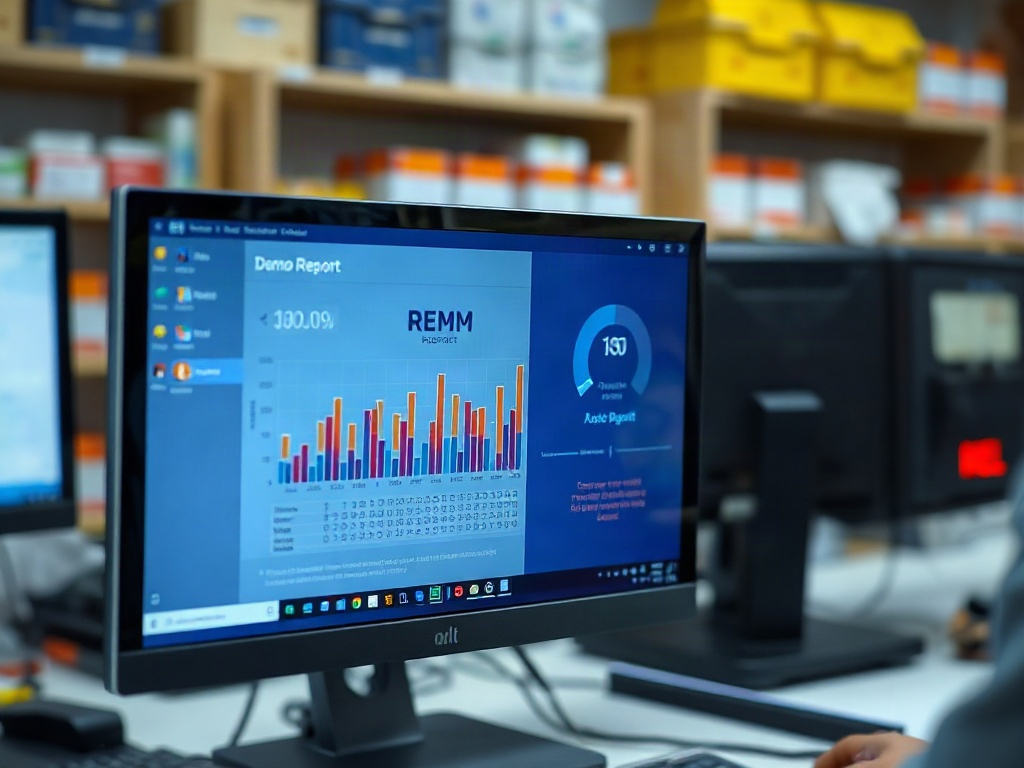
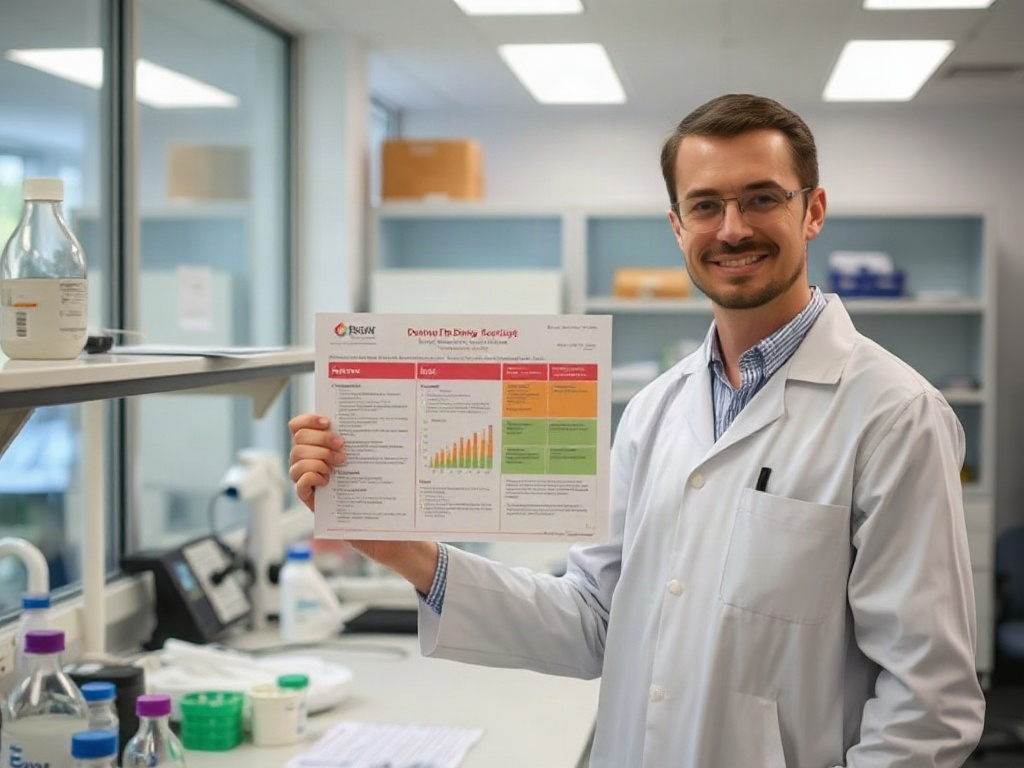
For many small and medium-sized manufacturers, research and development (R&D) is both an opportunity and a challenge. Developing or improving products in industries such as coatings, cleaning agents, cosmetics, and agricultural formulations often requires technical knowledge, specialised testing, and access to laboratory equipment. However, setting up a full in-house lab can be expensive and time-consuming.
The good news is that innovation doesn’t always require a large investment. With the right strategies and partnerships, SMEs can reduce R&D costs while maintaining — or even improving — product quality.

1. Focus on Targeted Innovation
Instead of developing entirely new formulations from scratch, start by focusing on specific performance issues that need improvement.
For example:
- A coating with uneven drying
- A detergent with low foaming stability
- A cosmetic cream with inconsistent texture
By analysing the root cause of these issues, you can refine existing formulations rather than rebuild them. This targeted approach not only saves time but also reduces the number of trials and raw materials used.
Tip: Use data from past production runs and customer feedback to identify where innovation brings the most benefit.
2. Leverage Analytical and Technical Support
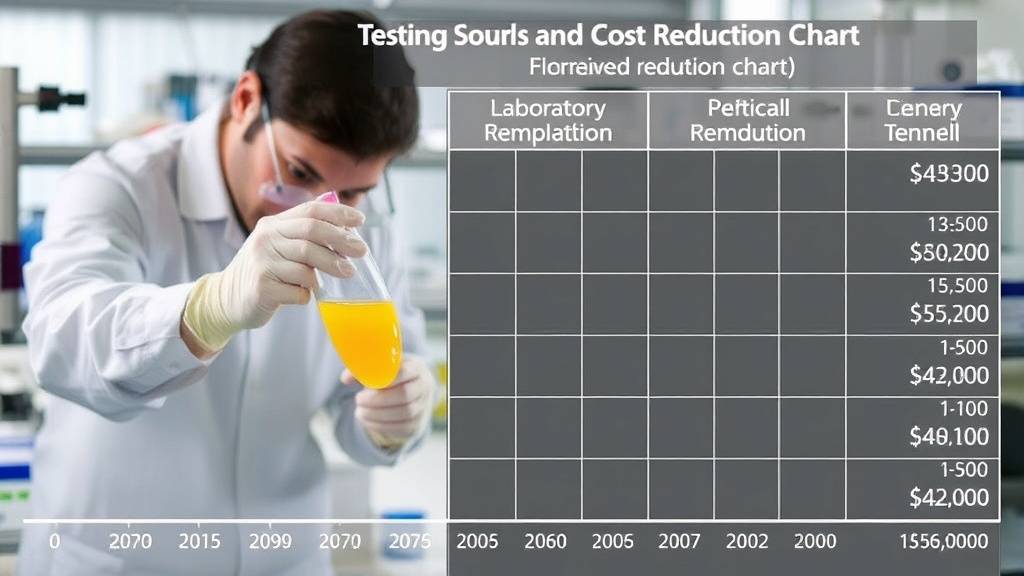
Many SMEs now collaborate with independent laboratories or technical consultants for formulation review, product benchmarking, and component analysis.
This collaboration provides access to professional testing equipment and experienced chemists — without the cost of maintaining an in-house R&D facility.
Such services may include:
- Ingredient profiling and performance testing
- Process evaluation and improvement guidance
- SDS drafting and GHS classification advice
- Compliance support aligned with AICIS or other local standards
By outsourcing specific analytical tasks, companies can gain valuable insights to improve performance and quality, while keeping project budgets predictable.
Note: Always ensure your service providers respect confidentiality agreements (NDAs) and ethical standards regarding proprietary information.

3. Optimise Your Formulation Step-by-Step
Incremental reformulation is often more effective and lower risk than a complete redesign. Start by testing one or two key variables — such as solvent balance, surfactant ratio, or pH adjustment — and observe the impact.
This practical approach allows for controlled improvements without major production interruptions or cost spikes.
Many SMEs also find value in side-by-side comparative testing, where existing products are evaluated against new variants under the same conditions. The goal is to optimise stability, usability, and appearance — not just reduce cost.
4. Source Materials Strategically
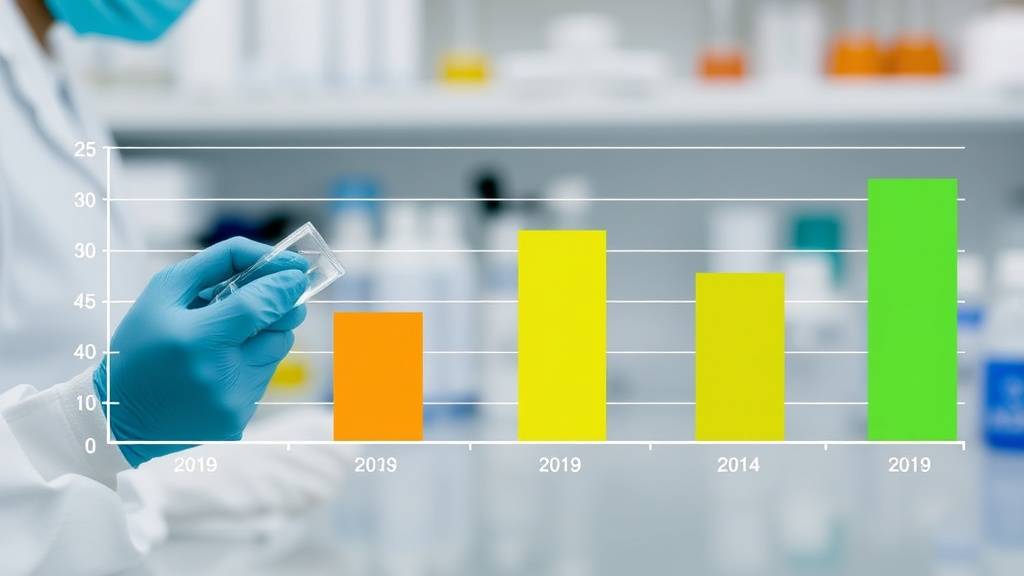
Raw materials often make up the largest portion of R&D and production budgets. Building long-term relationships with suppliers can unlock better pricing, smaller minimum order quantities, and technical advice on ingredient substitutions.
When changing suppliers or raw materials, always perform compatibility testing to ensure the final formulation maintains its intended performance and safety profile. Saving on cost is only worthwhile if the product remains reliable and compliant.

5. Build a Knowledge-Sharing Culture
For SMEs, innovation isn’t just about chemistry — it’s about people. Encourage your team to document test results, share learnings, and stay updated on industry trends.
Even simple practices like maintaining a “formulation change log” or regular technical review meetings can significantly improve consistency and efficiency over time.
Partnering with external technical specialists can also provide ongoing mentoring and upskilling opportunities for your in-house team.
6. Make Compliance Part of the R&D Process
Regulatory compliance should not be an afterthought. Addressing it early helps avoid rework and potential delays later. For example, ensuring your cosmetic product aligns with AICIS requirements or your cleaning agent meets GHS labelling standards can be integrated into the R&D stage.
Rather than aiming for legal guarantees, SMEs can adopt a compliance-aware approach — designing formulations with consideration for safety, documentation, and market regulations.

7. Partner with Reliable Technical Experts
For many small manufacturers, partnering with a trusted technical service provider can make innovation faster, safer, and more cost-effective.
Labsure, for instance, supports SMEs in Australia with:
- Ingredient and performance analysis
- Product improvement recommendations
- Compliance and documentation assistance
By combining external expertise with your internal product knowledge, you can innovate confidently — without needing to build a full-scale lab.
Final Thoughts
Reducing R&D costs doesn’t mean compromising quality. For SMEs, success often lies in working smarter, not bigger — using a combination of targeted innovation, analytical insight, and compliance awareness.
By taking a structured, collaborative approach, small manufacturers can compete effectively in the market, deliver consistent quality, and maintain control over their budgets — all while staying within safe and ethical boundaries.