
Melbourne Haircare Brand Uses Reverse Engineering to Develop a Benchmark Shampoo
A Melbourne-based haircare entrepreneur planned to launch a conditioning shampoo targeting the salon-quality haircare market. The client had identified a successful international shampoo brand with strong customer demand and wanted to develop a comparable product for the Australian market.
However, the exact formulation of the benchmark product was unknown, and the client did not have internal laboratory capabilities to develop a formulation through conventional trial-and-error research.
To accelerate the development process and reduce uncertainty, the client provided a reference shampoo purchased from the market and requested haircare formulation analysis and cosmetic reverse engineering.
The goal of the project was not simply to replicate the product but to understand the functional ingredient system behind the formulation, including the surfactant blend, conditioning agents, viscosity modifiers, and preservative system.
Through reverse engineering, the client aimed to quickly obtain a practical formulation structure that could be manufactured while maintaining flexibility in ingredient sourcing and cost control.
After the formulation was reconstructed, the client chose a semi-contract manufacturing model: the brand would source key raw materials and packaging directly, while a professional filling facility would handle production and bottling.
This approach allowed the startup to maintain control over product costs and supply chain decisions while still benefiting from experienced manufacturing infrastructure.
Labsure’s Approach
With the reconstructed shampoo formulation and production strategy in place, the Melbourne brand was able to move quickly from concept to production.
The semi-contract manufacturing model enabled the client to maintain flexibility in ingredient sourcing and packaging while relying on experienced manufacturers for production and filling.
By starting with cosmetic reverse engineering and formulation analysis, the client avoided months of laboratory trial-and-error work and gained a clear formulation structure that could be manufactured and optimised.
The resulting product allowed the brand to enter the competitive haircare market with a professionally structured formulation while maintaining control over cost and supply chain decisions.
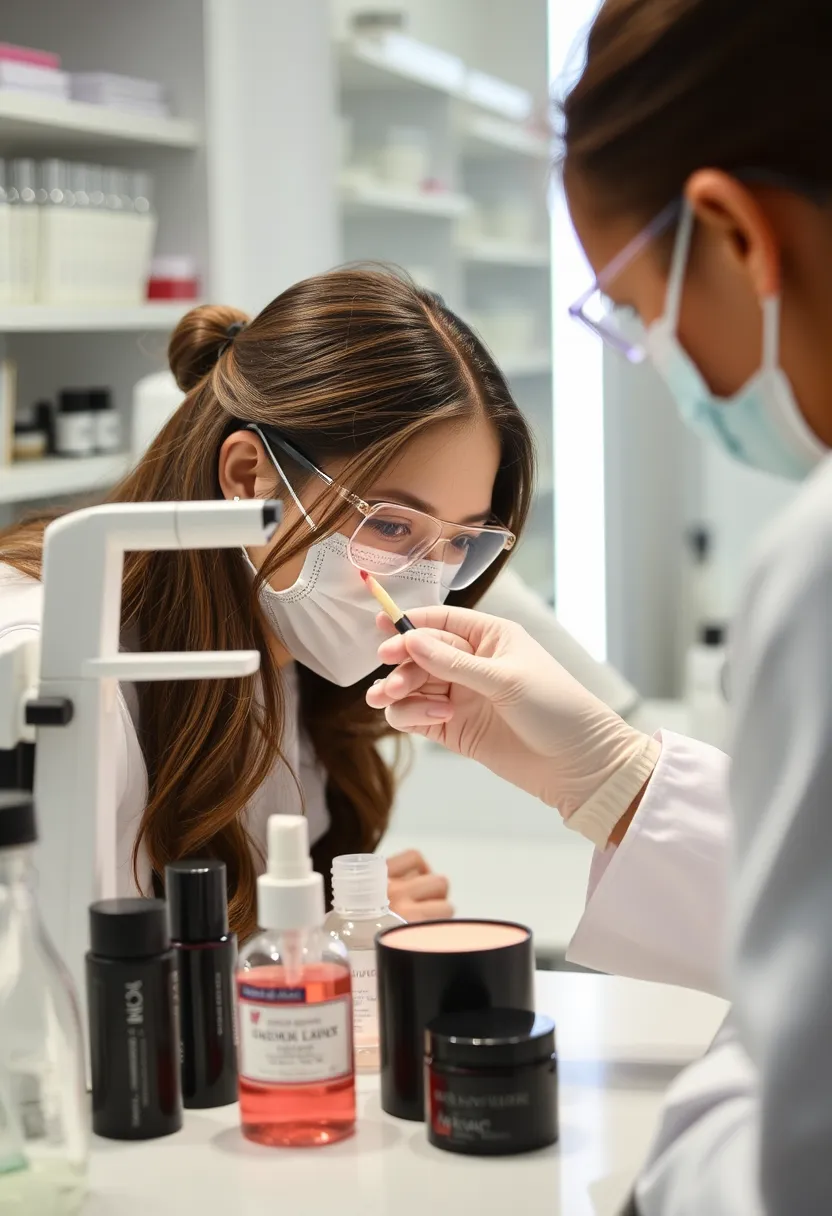
The reference shampoo was analysed using advanced laboratory techniques to identify the key formulation components, including primary surfactants, secondary surfactants, conditioning polymers, and viscosity modifiers.
Analytical methods such as GC-MS and LC-MS were used to detect fragrance carriers, preservatives, and functional additives within the formulation.
Rather than only identifying ingredients individually, Labsure focused on reconstructing the functional architecture of the shampoo formulation, including:
cleansing surfactant system
conditioning agents for hair softness
viscosity and texture modifiers
preservative and stabilisation system
Understanding how these components interacted allowed the development of a stable and manufacturable reference formulation.
Based on the analytical data, Labsure developed a reconstructed formulation that reflected the functional performance of the benchmark product while ensuring that ingredients could be sourced through reliable suppliers.
The formulation was adjusted where necessary to maintain stability, manufacturability, and regulatory compliance for cosmetic products in Australia.
Because the client wanted to maintain control over supply costs, we recommended a semi-contract manufacturing pathway.
Under this model:
the brand sourced raw materials and packaging independently
a professional manufacturing partner performed mixing, filling, and bottling
This strategy allowed the brand to balance cost control, product quality, and production efficiency while preparing for future scale-up.