Formula Analysis, Ingredient Profiling & Optimisation
Unlock formulation clarity to compete in Australia’s fast-growing beauty market. Labsure helps skincare, cosmetics, and personal care brands decode complex formulas, benchmark performance against market leaders, and solve product issues through advanced ingredient profiling, cosmetic analysis, and reverse engineering insights. Whether you’re launching a new product, troubleshooting performance, or validating raw material quality, we provide actionable data and practical recommendations designed for SME brands and manufacturers.
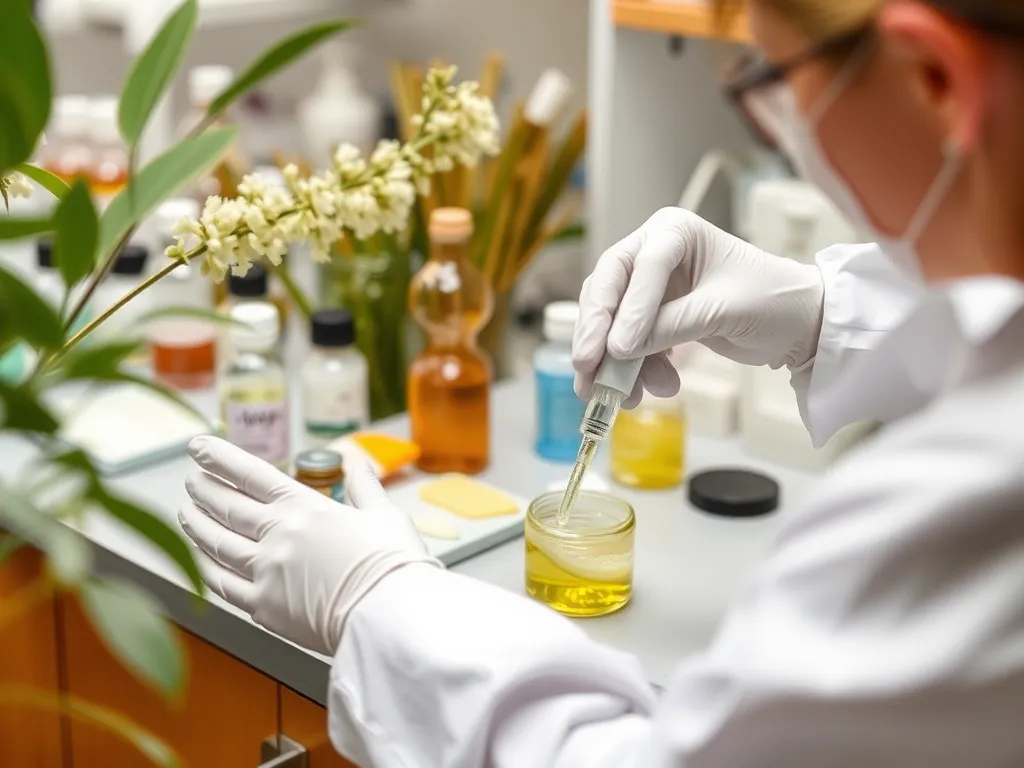
Formulation Design & Cosmetic Composition Analysis
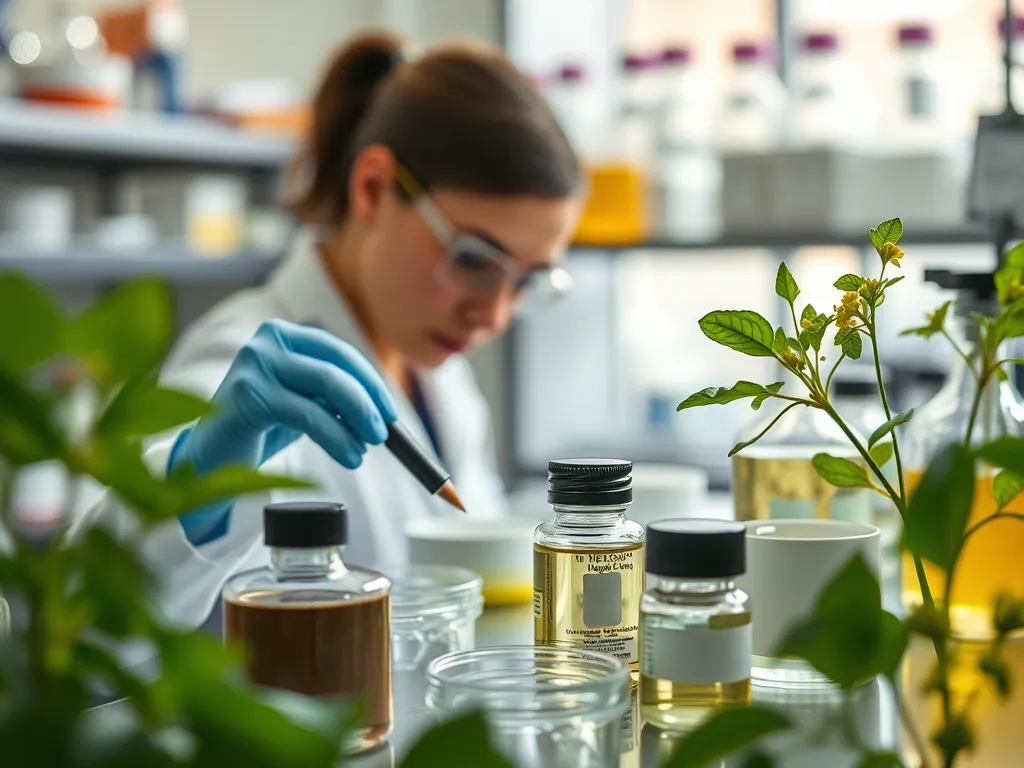
Ingredient Analysis & Advanced Cosmetic Testing
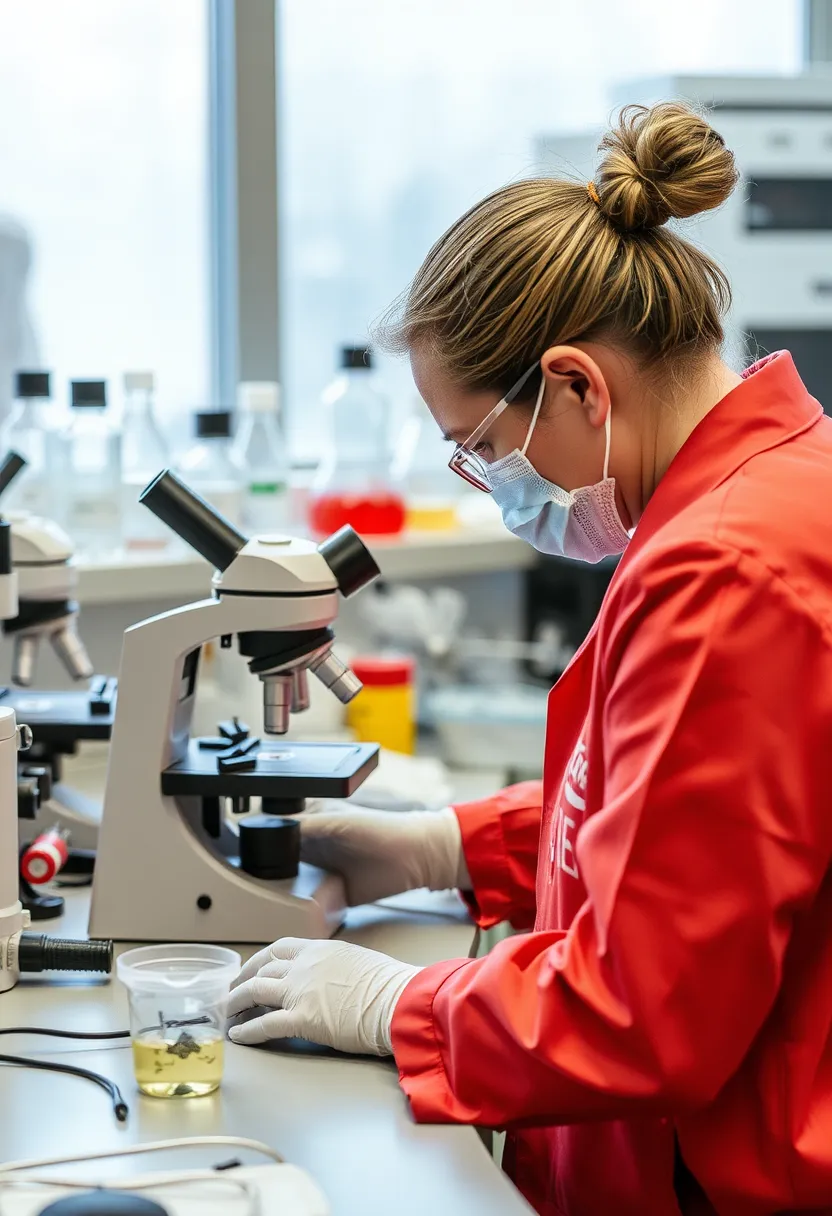
Stability Testing & Safety Evaluation for Australian Cosmetics
AICIS Compliance & Cosmetic Labelling Support
Decode the Formula. Outperform the Market.
If you don’t understand your formula at molecular level, you’re competing blind.
In Australia’s highly competitive cosmetic market, brands lose margin and market share every day due to hidden formulation flaws, under-dosed actives, unstable emulsions, and OEM inconsistencies. Labsure specialises in cosmetic formulation reverse engineering and compositional analysis — revealing exactly what’s inside your product or your competitor’s.
We help you verify active concentrations, identify performance gaps, optimise stability, and eliminate costly guesswork. Whether you need to benchmark a market leader or fix a failing batch, we give you precise data to make confident, commercially smart decisions.
Detailed Analysis
Cosmetic Formula Reverse Engineering & Optimisation Case Studies
Many cosmetic brands and startups want to launch a product similar to a successful product already on the market — but the exact formulation is unknown.
Through cosmetic formulation analysis and reverse engineering, Labsure helps businesses identify the functional ingredient system behind benchmark products and reconstruct practical formulations that can be manufactured and optimised.
This approach allows companies to reduce R&D cost, shorten development timelines, and minimise formulation risk, especially when entering a competitive market.
Depending on business strategy, budget, and market testing needs, clients may choose different manufacturing pathways after formulation reconstruction — including small-batch testing, semi-contract manufacturing, or full contract manufacturing.
The following case studies illustrate how cosmetic reverse engineering supports different product development strategies.
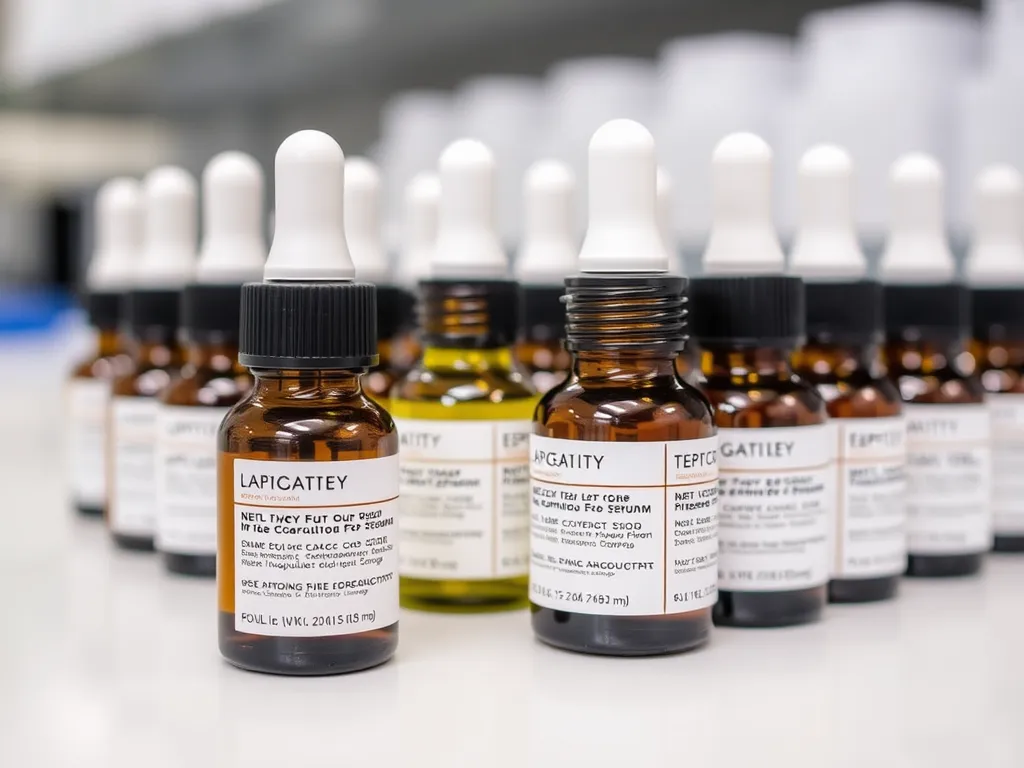
Know What’s Inside: Verifying Ingredient Content in OEM-Formulated Serums
A Sydney-based skincare startup wanted to launch a hydrating facial serum similar to a well-known premium brand, but they had no access to the formulation and limited R&D resources.
Instead of developing a formulation from scratch, the client provided a benchmark product from the market for cosmetic reverse engineering and formulation analysis.
Labsure analysed the ingredient system, including:
humectants and hydration boosters
emulsion stabilisers
preservative system
sensory modifiers
Based on the analysis results, a practical formulation reconstruction was developed that could be manufactured in small batches for initial market testing.
The client produced a small pilot batch to test customer feedback and sales performance before investing in large-scale production.
- Cosmetic formulation reverse engineering of a benchmark serum
- Low-cost pilot batch manufacturing strategy
- Fast market entry for product validation
- Reduced R&D investment and formulation risk
Melbourne Haircare Brand — Semi-Contract Manufacturing Strategy
A Melbourne-based haircare entrepreneur wanted to develop a conditioning shampoo inspired by a popular salon brand, but preferred to maintain control over ingredient sourcing and packaging.
Labsure performed haircare formulation analysis and reverse engineering on the target product to identify the surfactant system, conditioning polymers, and fragrance carrier system.
After reconstructing the formulation, the client adopted a semi-contract manufacturing model:
raw materials and packaging were sourced directly by the brand
a professional filling facility handled production and bottling
This approach allowed the brand to maintain cost control and supply chain flexibility while benefiting from professional manufacturing capability.
- Reverse engineering of a salon-grade haircare product
- Ingredient system identification and formulation reconstruction
- Flexible manufacturing model
- Optimised cost structure for growing brands
Brisbane Personal Care Brand — Full Contract Manufacturing from Concept to Product
A Brisbane-based entrepreneur planned to launch a natural body lotion line inspired by a successful international product, but had no in-house formulation or manufacturing capability.
Labsure first conducted cosmetic formulation analysis and reverse engineering on the benchmark lotion to identify its emulsifier system, emollients, and stability components.
After reconstructing the formulation, Labsure assisted the client with a complete product development pathway, including:
formulation optimisation
ingredient sourcing guidance
packaging selection
coordination with contract manufacturers
The final product was produced through full contract manufacturing, enabling the client to launch a finished product without building internal production infrastructure.
- Cosmetic reverse engineering of a benchmark body lotion
- Full formulation development and optimisation
- End-to-end support from concept to finished product
- Scalable contract manufacturing solution
Not Sure What’s Really in Your Formula? Let’s Find Out.
Send us your product or formulation concern and our team will assess the most effective testing or reverse engineering pathway for your situation. Whether you need to verify active levels, investigate instability, benchmark a competitor, or resolve an OEM dispute, we provide clear, commercially actionable answers — not generic lab reports.