In Australia’s competitive chemical landscape, innovation is often equated with massive R&D budgets and sprawling laboratory complexes. For a local small-to-medium enterprise (SME) in Sydney, Melbourne, or Perth, spending years in “trial-and-error” laboratory cycles isn’t just expensive—it’s a risk to business survival.
How can a local boutique manufacturer compete with a multi-national brand? The answer lies in Strategic Deformulation—the professional process of chemical reverse engineering. By leveraging advanced analytical science, Australian businesses can bypass the traditional “guessing game” of product development. This path allows companies to analyse market-leading formulations, understand the molecular blueprint of success, and optimise those products to meet specific market demands—all without the need for an expensive in-house laboratory.
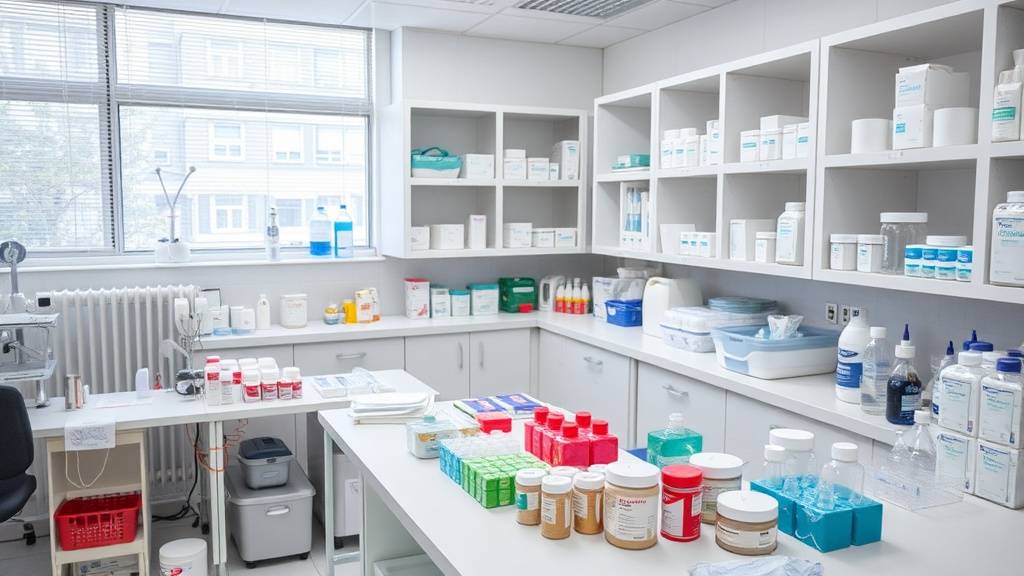
1. What is Chemical Deformulation? The Science of “Information-First” R&D
Chemical de-formulation is the process of breaking down a complex chemical product to identify and quantify its constituent components. Whether it is high-performance coatings, industrial degreasers, or specialised eco-friendly cleaners, every product has a “chemical DNA.”
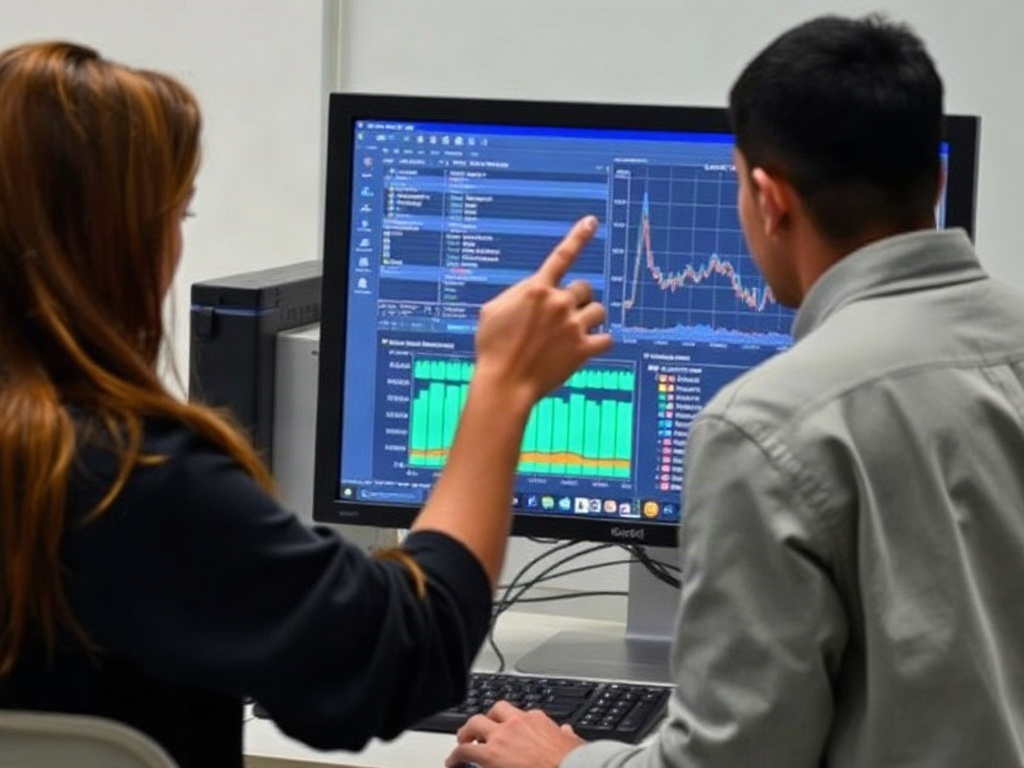
For an Australian SME, the goal isn’t to reinvent the wheel. It is to understand why a market-leading product performs the way it does. By partnering with a specialised analysis firm like Labsure, you gain access to high-end instrumentation like GC-MS (Gas Chromatography-Mass Spectrometry) and NMR (Nuclear Magnetic Resonance). This converts a competitor’s “secret formula” into a transparent list of ingredients and precise concentrations.
2. Why “Information-First” is the Fastest Path to the AU Market
The traditional R&D cycle in the chemical industry is notoriously slow. You start with a hypothesis, mix ingredients, test the results, fail, and repeat. This cycle can take 12 to 24 months before a stable product is developed.
Strategic Deformulation flips this model. By selecting a mature, successful product already accepted by the Australian market, you begin your journey at the finish line of a competitor’s decade-long R&D effort.
- Speed: Reduce development timelines from years to weeks.
- Reliability: Work with a base formula that is already shelf-stable and consumer-approved.
- Efficiency: Your blending trials become targeted rather than random, saving thousands in wasted raw materials.
3. Competing Without an In-House Laboratory
A common misconception among Australian chemical entrepreneurs is that you must own a multi-million dollar lab to be a manufacturer. In the modern “Asset-Light” business model, this is no longer the case.
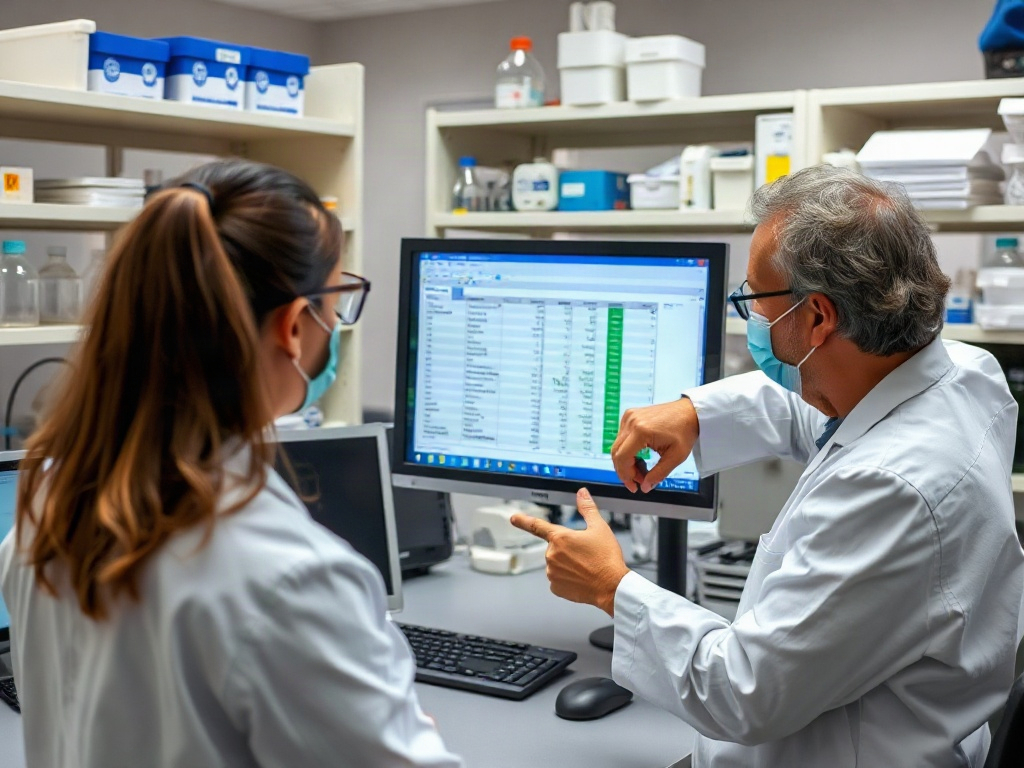
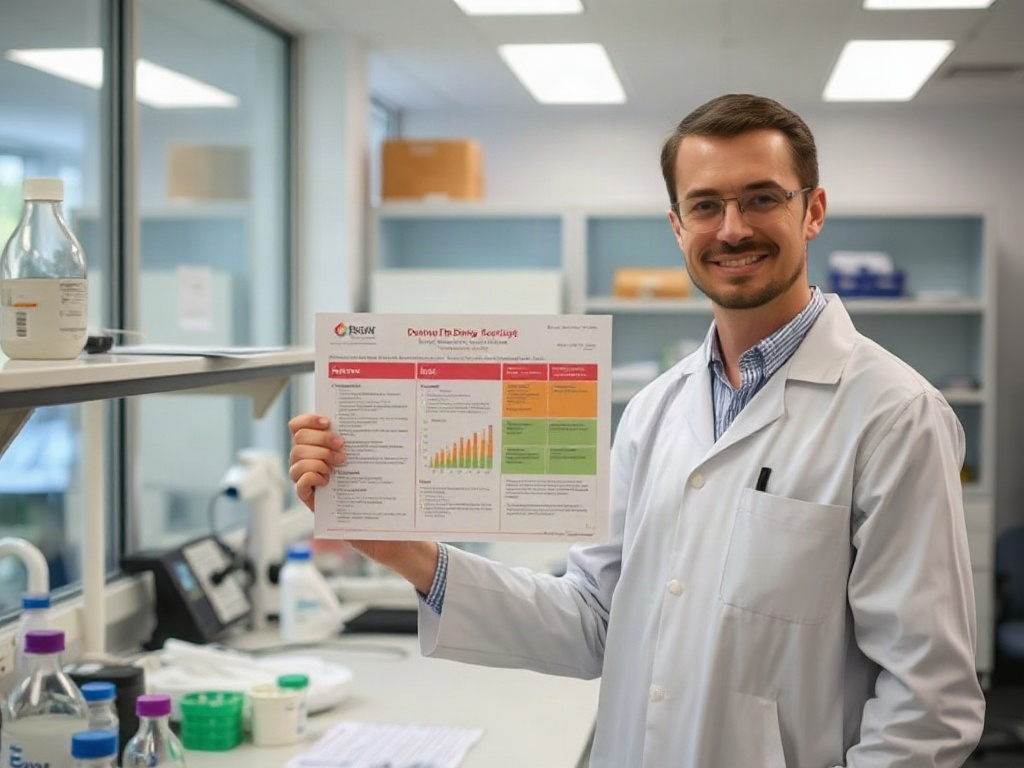
By outsourcing the Formulation Analysis phase, you eliminate the massive overhead of equipment maintenance, chemical waste disposal, and highly-paid lab staff. You receive a comprehensive “Technical Blueprint.” With this blueprint, your role shifts from researcher to optimiser. You can take this data directly to a contract manufacturer or set up a simple blending facility, focusing your capital on marketing and local distribution.
4. Beyond Replication: The Power of Optimisation for Local Conditions
The most successful Australian companies don’t stop at understanding a competitor’s formula; they use it as a foundation for innovation. This is where you gain a true competitive edge in the local market.
Australia has unique environmental conditions and regulatory requirements (such as AICIS). Once you have the precise components of a top-tier product, you can optimise it:
- Climate Adaptation: Adjust UV stabilisers for the harsh Australian sun or modify anti-corrosive properties for high-humidity coastal regions.
- Eco-Friendly Transitions: Swap out harsh solvents for sustainable, locally-sourced bio-based alternatives to meet “Green Chemistry” standards.
- Cost Reduction: Identify expensive additives in global products that can be replaced with more efficient, locally available surfactants.
5. Minimising Financial and Technical Risk
Innovation is risky. According to industry statistics, over 70% of new chemical formulations fail to reach the commercialisation stage due to stability issues or poor performance.
Deformulation-driven R&D is the ultimate risk-mitigation tool. Since you are basing your product on a “market-validated” benchmark, you essentially eliminate the risk of total product failure. You know the ingredients work. You know the product is stable. You are simply applying specialised science to ensure your version meets or exceeds those same high standards.
6. The “Benchmarking” Strategy: Selecting the Right Target
To win in the Australian marketplace, you must choose your benchmarks wisely. Local businesses should look for:
- Mature Products: Favourites that have been top-sellers for 5+ years. These usually have very stable, “perfected” formulas.
- High-Margin Niches: Specialty chemicals, professional-grade cleaners, or high-performance coatings where quality is more important than the lowest price.
- Regulatory Gaps: Many global formulas are slow to adapt to new Australian environmental standards. You can launch a “New & Improved” compliant version faster than a large multi-national can.
7. Navigating the Legal and Regulatory Landscape
It is crucial to understand that in Australia, chemical reverse engineering for the purpose of competitive benchmarking is a standard and legal industry practice. Once a product is sold on the open market, it is legal for a third party to analyse its composition. By focusing on “Optimisation” and “Product Improvement,” you stay firmly within the realm of fair competition. Furthermore, using these insights helps ensure your new introduction complies with the Australian Industrial Chemicals Introduction Scheme (AICIS).
8. Conclusion: The New Era of Australian Chemical Manufacturing
The era of the “Mega-Brand” monopoly is ending. With the democratisation of high-end chemical analysis, any ambitious Australian SME can now produce professional-grade products that rival industry leaders.
By utilising Strategic Formulation Analysis, you save money, minimise risk, and accelerate your growth. You don’t need a lab; you need data. You don’t need a decade; you need a blueprint.
At Labsure.com.au, we provide the molecular clarity you need to transform a market observation into a commercial success. The fastest way to the top of the Australian market is to stand on the shoulders of the giants who came before you.