Bringing a new product to market is an exciting journey — but it’s also one filled with risks. Many small and medium-sized businesses (SMEs) invest heavily in manufacturing only to find out that their product doesn’t perform as expected, fails regulatory requirements, or doesn’t meet customer demand.
Before you commit to large-scale production, validating your product concept through scientific, technical, and market testing is one of the smartest investments you can make. This step helps you minimize financial losses, avoid legal complications, and build a stronger foundation for success.

Why Product Validation Matters
Product validation is not just about proving that your idea works — it’s about confirming that your idea is viable, safe, compliant, and scalable.
Skipping validation can lead to:
- Costly manufacturing mistakes — scaling a product that still needs technical refinement.
- Regulatory issues — products that fail to meet chemical, safety, or labeling standards.
- Market rejection — products that don’t solve the intended problem or miss customer expectations.
Validation allows you to catch these risks early, when corrections are still affordable and manageable.

Step 1: Define Your Value Proposition and Target Market
Before you test a formula or prototype, clearly identify:
- Who your target users are.
- What problem your product solves for them.
- Why your solution is better than existing alternatives.
For example, if you are developing a cleaning formulation, personal care product, or agricultural additive, start with a defined market segment — such as eco-conscious consumers or small industrial users — and verify that there’s genuine demand for your type of product.
You can validate your assumptions through interviews, surveys, and small focus groups, or by analyzing online search behavior.
This step not only guides your technical direction but also helps ensure your eventual product design meets real-world needs.

Step 2: Conduct Technical Feasibility Testing
Once your concept is clear, evaluate whether it is technically achievable within your available resources and compliance limits.
Common technical validation activities include:
- Formula screening — verifying that the chemical or material composition performs as intended.
- Compatibility testing — ensuring stability with packaging materials, pH levels, or temperature variations.
- Performance benchmarking — comparing your sample against competitor or industry standards.
- Reverse engineering or formulation analysis — understanding the composition of successful market products to guide improvement or differentiation.
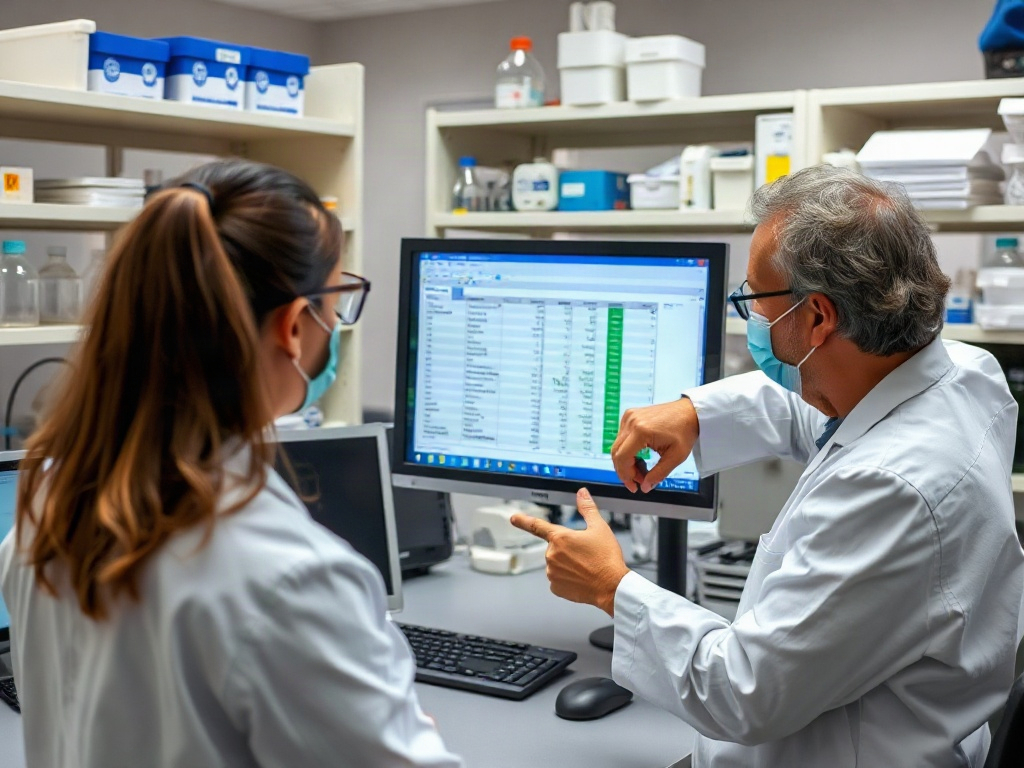
At this stage, it’s important to work with professional testing or R&D service providers who can analyze formulations safely and confidentially, especially when intellectual property (IP) or safety regulations are involved.
Step 3: Check Legal and Regulatory Requirements
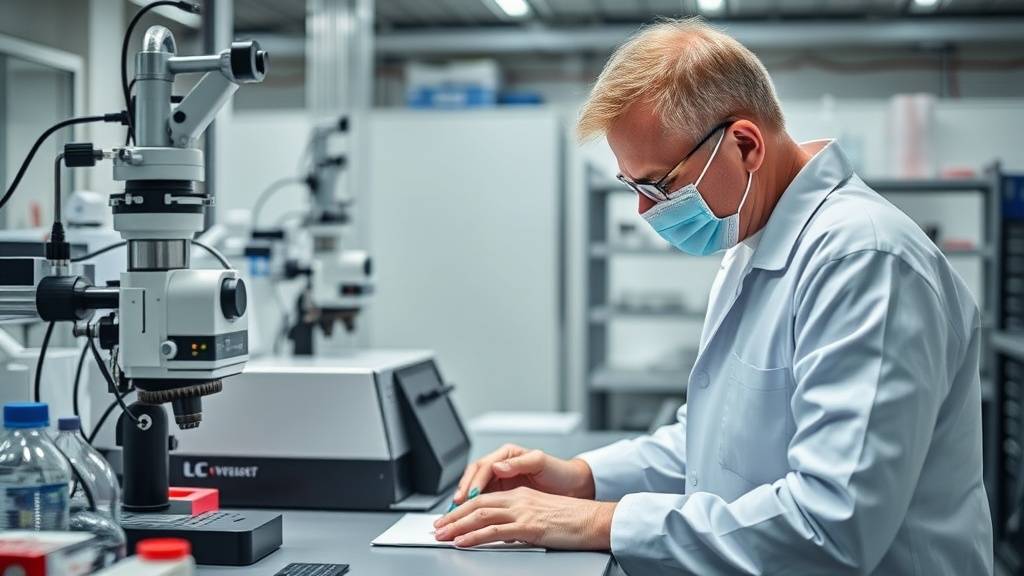
Every market has specific regulations for chemical, cosmetic, or consumer products. Failing to comply can lead to product recalls, fines, or brand damage.
Before manufacturing, confirm whether your product is subject to specific local or international standards, such as:
- Australian Industrial Chemicals Introduction Scheme (AICIS) for chemical introductions.
- Therapeutic Goods Administration (TGA) guidelines for therapeutic or cosmetic claims.
- Labelling and packaging standards for consumer products.
Avoid making unverified claims (e.g. “non-toxic”, “environmentally safe”, or “clinically proven”) unless supported by proper data and regulatory approval.
Engaging professional consultants or compliance testing labs early can help you avoid legal risks and speed up market readiness.

Step 4: Prototype Development and Small-Batch Testing
Instead of jumping straight to mass production, start with a small pilot batch or prototype.
Prototyping allows you to:
- Evaluate performance under real conditions.
- Collect user feedback.
- Adjust formula, packaging, or usability.
For example, a manufacturer developing a new surface cleaner might produce a few liters of the formula, distribute samples to potential users, and record feedback on cleaning efficiency, odor, or residue.
These insights often lead to minor adjustments that significantly improve the final product — without the heavy cost of reworking full production batches later.
Step 5: Validate Product Safety and Stability
Before selling or exporting any chemical or formulated product, safety validation is essential. Even non-hazardous materials can cause compliance or performance issues if improperly handled or labeled.
Key areas to test include:
- Physical and chemical stability under various storage conditions.
- Microbial safety (for cosmetics, personal care, or water-based products).
- Material interactions between your formula and container.
- Safety Data Sheet (SDS) preparation, aligned with GHS standards.
Reliable test data ensures your product remains safe throughout its shelf life and meets customer and regulatory expectations.
This step not only protects your company legally but also strengthens your reputation for professionalism and quality.

Step 6: Conduct Limited Market Trials
With technical validation complete, test your product in the market with a controlled launch.
Offer the product to a small group of target users, distributors, or business partners. Gather their feedback on performance, price, and usability.
Use measurable indicators like:
- Repeat purchase rate.
- Customer satisfaction score.
- Number of positive vs. negative comments.
The purpose is not to generate profit yet — but to confirm that real users appreciate your product enough to pay for it.
If the response is positive, you can scale with confidence. If not, you can make informed adjustments before investing further.

Step 7: Assess Financial Viability
Even the best product concept can fail if the economics don’t work. Evaluate:
- Raw material and packaging costs.
- Manufacturing scalability and yield.
- Distribution and logistics expenses.
- Market price tolerance.
A simplified break-even analysis can help you estimate how many units must be sold to recover your investment.
At this point, it’s also worth checking potential IP protection options — such as trademarks, design registration, or patents — with a qualified professional, to ensure your innovation remains protected as you grow.
Step 8: Prepare for Scale-Up — Responsibly
Once you’ve validated your concept technically, legally, and commercially, you can plan your transition to full-scale manufacturing.
Make sure to:
- Finalize raw material suppliers with consistent quality.
- Document standard operating procedures (SOPs).
- Ensure your SDS, product label, and documentation are fully compliant.
- Maintain records of all testing and validation results.
If you plan to outsource manufacturing, review contracts carefully to protect confidentiality and intellectual property, and ensure compliance responsibilities are clearly defined.
Common Mistakes to Avoid
Many start-ups and small manufacturers make avoidable mistakes at the validation stage, such as:
- Skipping testing to save money — small savings early can cause major losses later.
- Relying solely on supplier data — always verify performance in your own context.
- Ignoring compliance documentation — missing SDS or incorrect labeling can delay or block sales.
- Overpromising in marketing — claims without evidence can invite legal and reputational risks.
Validation isn’t about slowing your progress — it’s about building a foundation strong enough to support growth.
Conclusion: Validation Is the Smartest Investment You Can Make
Before you pour money into large-scale manufacturing, take time to scientifically validate your product concept.
Through clear market definition, laboratory testing, regulatory review, and small-scale trials, you can dramatically reduce technical, financial, and legal risks.
This process helps ensure that every dollar you invest in production goes toward a product that is proven, compliant, and ready for long-term success.
If you need professional support in formulation analysis, reverse engineering, performance testing, or product optimization, Labsure offers tailored R&D and analytical services to help Australian SMEs validate and refine their product concepts before full-scale production.