The Australian supplement market has changed dramatically over the last few years. Consumers are no longer buying generic protein powders or basic vitamin blends just because they are cheap. They expect smooth texture, clean flavour, fast dissolving performance, scientifically positioned ingredients, and premium branding — exactly like the top-performing American wellness brands dominating social media and Amazon reviews.
For many Australian startups, this creates a major problem.
They can see what products are winning internationally, but they have no practical way to understand what is actually inside those formulations, why those products perform so well, or how to manufacture something comparable locally without wasting hundreds of thousands of dollars on failed development.
That was exactly the situation faced by a Sydney-based startup that contacted Labsure.
The company planned to launch a premium nutritional powder targeting:
- High-protein wellness consumers
- Fitness-focused women
- Busy professionals
- Meal replacement users
- Daily greens and functional supplement buyers
The founder had already validated market demand through social media advertising and competitor analysis. The issue was formulation.
After months of dealing with overseas manufacturers, they still could not achieve the same drinking experience, flavour stability, or powder performance as the benchmark US product they wanted to compete against.
Instead of continuing with expensive trial-and-error formulation work, they decided to use Formula Reverse Engineering Services to analyse the leading American product first.
That decision ultimately allowed them to launch faster, reduce development costs, minimise manufacturing risk, and move into commercial production far earlier than expected.
The Real Problem Was Not Branding — It Was Formulation Performance
Like many startups, the client initially believed that branding and marketing would be the hardest part of launching a supplement business.
In reality, the biggest challenge became technical formulation consistency.
The US benchmark product they wanted to compete with had several characteristics that customers consistently praised online:
- Smooth mouthfeel
- No gritty texture
- Fast dissolution in cold water
- Stable flavour after opening
- Minimal powder separation
- Good satiety performance
- Clean ingredient positioning
- Strong repeat purchase rates
The startup had already tested multiple “similar” formulations from different contract manufacturers, but every prototype had obvious issues:
- Excessive foaming during shaking
- Clumping after storage
- Poor solubility
- Sediment settling at the bottom of the shaker
- Artificial aftertaste
- Inconsistent sweetness
- Manufacturing variability between batches
The founder explained that every failed prototype delayed the project by weeks and added additional costs for:
- Reformulation
- New flavour trials
- Ingredient sourcing
- Manufacturing setup
- Packaging adjustments
- Stability testing
More importantly, they still had no visibility into why the benchmark US product performed significantly better than local alternatives.
This is where Analytical Testing Services became commercially valuable.
Why the Startup Chose Reverse Engineering Instead of Traditional Supplement Development
Traditional supplement R&D is often slow because formulators work with incomplete information.
Most startups rely on:
- Generic supplier recommendations
- Trial-and-error batching
- Blind flavour optimisation
- Public ingredient label claims
- OEM assumptions
- Guesswork around excipients and carriers
The problem is that nutritional powder performance depends heavily on hidden formulation variables that do not appear on the product label.
These include:
- Functional excipients
- Flow agents
- Sweetener balancing systems
- Anti-caking technologies
- Particle size distribution
- Protein source ratios
- Flavour masking additives
- Emulsifier systems
- Moisture management ingredients
Without identifying these variables, startups can spend years attempting to replicate premium product performance.
The Sydney client realised they needed actual compositional data before continuing development.
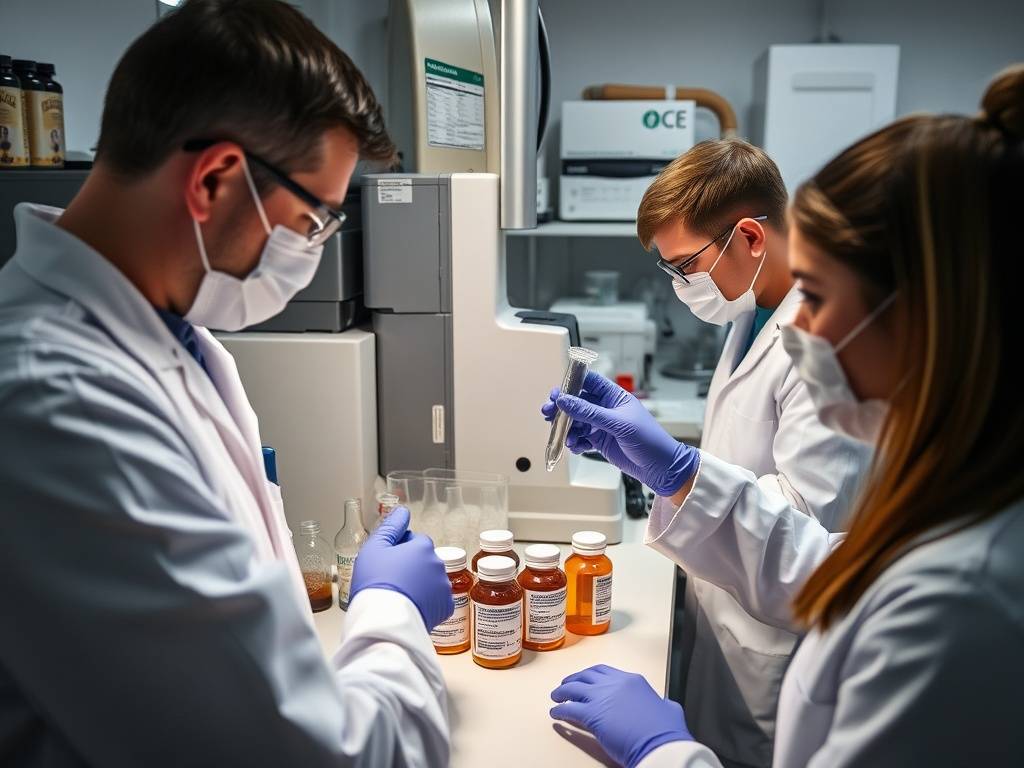
So they submitted the competitor product to Labsure’s Reverse Engineering Laboratory.
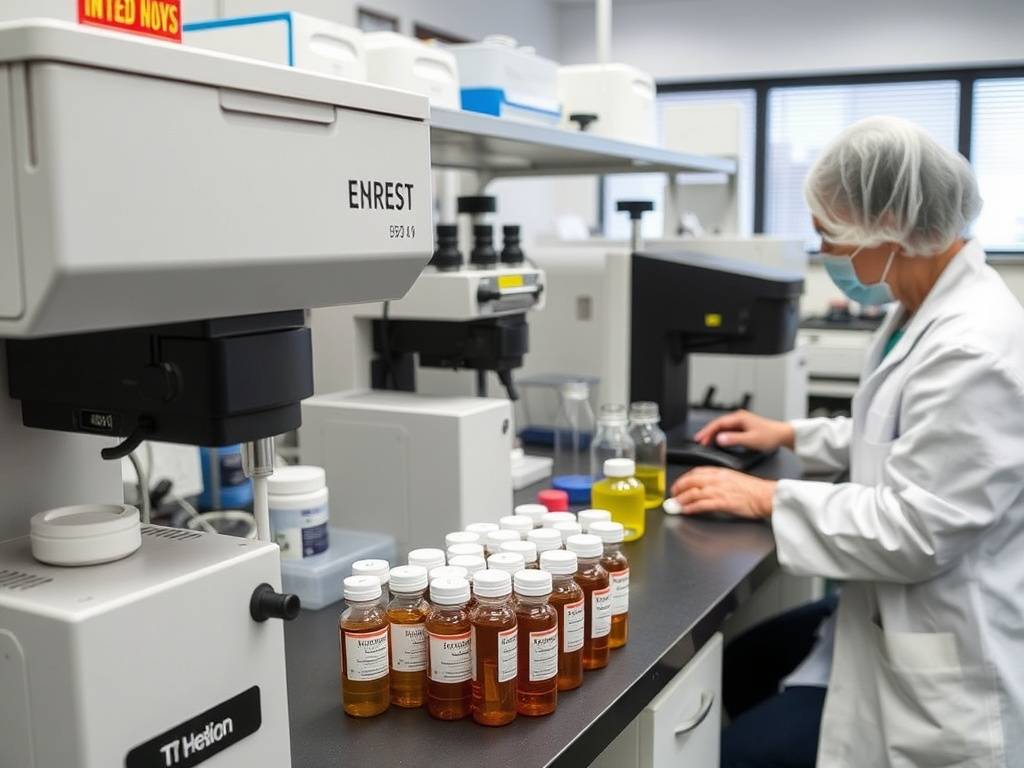
What Labsure Analysed
The client supplied several tubs of the US supplement product for laboratory evaluation.
The project involved:
Ingredient Identification
Our analytical team investigated:
- Protein sources
- Vitamin systems
- Functional actives
- Sweeteners
- Carriers
- Anti-caking additives
- Flavour support systems
- Emulsifiers
Using advanced compositional analysis, we identified not only the major active ingredients but also several minor supporting materials responsible for powder stability and sensory performance.
Quantitative Composition Analysis
The client did not just need a list of ingredients.
They needed estimated concentration ranges and blending relationships.
Labsure provided:
- Active ingredient quantification
- Relative component ratios
- Estimated functional loading ranges
- Excipient concentration estimates
- Solubility-related additive analysis
This significantly reduced formulation uncertainty before pilot manufacturing began.
Our Chemical Composition Analysis Services helped the client understand which ingredients were commercially critical and which were primarily marketing-driven.
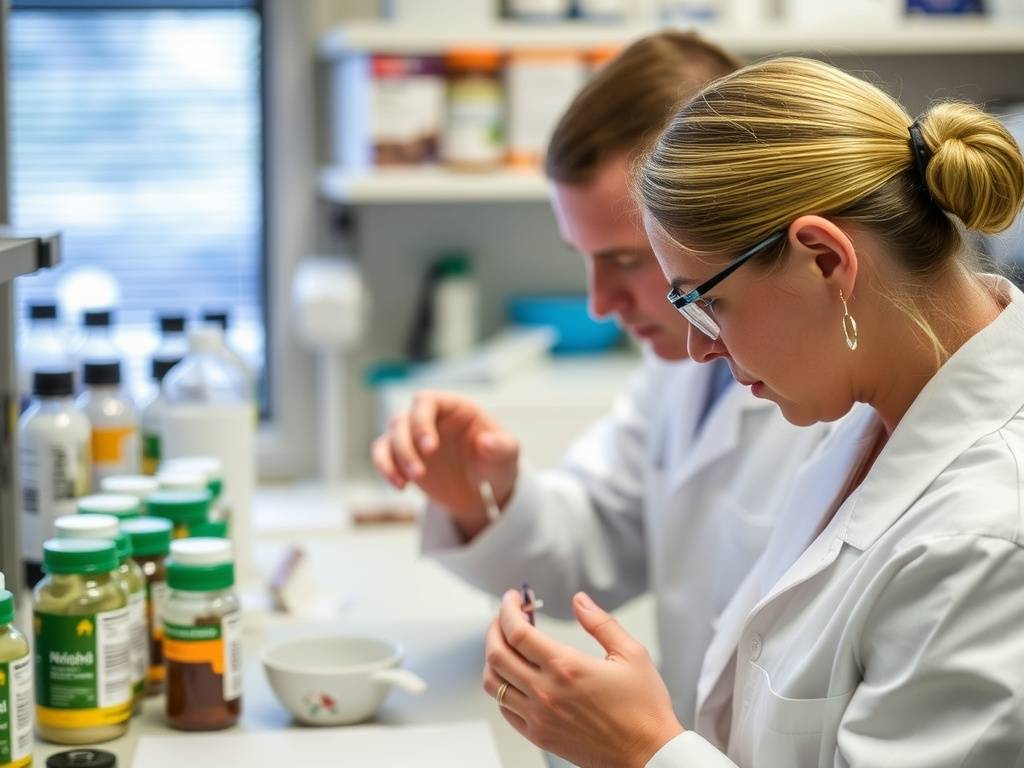
Solubility and Stability Investigation
One of the startup’s biggest complaints with earlier prototypes was poor mixing performance.
The benchmark US product dissolved rapidly and remained stable after shaking.
Our team therefore examined:
- Powder particle behaviour
- Hydration characteristics
- Dispersibility performance
- Moisture sensitivity
- Clumping risk
- Flowability performance
This stage proved especially important because several hidden excipients were contributing more to drinking performance than the protein itself.
The client later explained that this insight alone probably saved months of failed development work.
The Biggest Discovery: The Formula Was Simpler Than Expected
Interestingly, the American product was not using “secret” ingredients.
Instead, its performance advantage came from:
- Better ratio optimisation
- Smarter excipient selection
- Improved powder engineering
- Better flavour balancing
- Functional processing aids
This is common in premium supplements.
Many brands market exotic ingredients, but the real commercial advantage often comes from formulation architecture rather than expensive raw materials.
Once the startup understood this, they stopped wasting money chasing unnecessary specialty ingredients and focused instead on replicating the performance drivers identified during analysis.
Faster Manufacturer Communication and Lower Production Risk
After receiving the analytical report, the startup approached an Australian contract manufacturer again.
This time the process was dramatically different.
Instead of vague discussions about “something similar,” they now had:
- Technical composition guidance
- Functional ingredient direction
- Estimated concentration ranges
- Performance targets
- Solubility benchmarks
- Stability considerations
This allowed the manufacturer to produce commercially viable pilot batches much faster.
According to the founder, communication with the OEM improved immediately because discussions became technical and data-driven instead of speculative.
Results Achieved Before Commercial Launch
Within several months, the company achieved:
- Stable pilot production batches
- Improved flavour consistency
- Strong cold-water solubility
- Reduced sedimentation
- Better powder flowability
- Lower ingredient waste
- Faster manufacturing setup
- Reduced reformulation cycles
Most importantly, they successfully launched their first commercial production run into the Australian market.
The founder later stated that reverse engineering likely reduced total development time by more than half compared with their original approach.
Why More Australian Supplement Brands Are Using Reverse Engineering
The nutraceutical market is becoming more competitive every year.
Consumers now compare products globally, not locally.
Australian startups are no longer competing only against domestic brands — they are competing against highly optimised US and European supplement companies with enormous formulation experience.
That is why more businesses are now using:
- Reverse Engineering Services
- Product Benchmarking Analysis
- Ingredient Verification Testing
- Chemical Composition Analysis
to reduce technical uncertainty before large-scale manufacturing investment.
Instead of spending years guessing, companies can analyse successful market products first and make development decisions based on measurable data.
This approach offers three major commercial advantages:
Faster Time to Market
By understanding competitor formulations early, startups avoid endless reformulation cycles.
Lower Development Cost
Fewer failed prototypes means lower R&D expenditure.
Reduced Commercial Risk
Manufacturing decisions become data-driven instead of assumption-based.
For startups with limited capital, this can be the difference between successful launch and complete project failure.
Final Thoughts
Supplement formulation is no longer just about adding trendy ingredients to a label.
Consumers expect:
- Excellent sensory experience
- Stable product performance
- Consistent quality
- Fast dissolution
- Professional formulation engineering
Without technical insight, matching premium international supplement products can become extremely expensive and time-consuming.
This Sydney startup succeeded because they approached development strategically.
Rather than guessing, they used analytical reverse engineering to understand exactly what made a successful product work before committing to large-scale manufacturing.
The result was a faster launch timeline, lower development cost, reduced formulation risk, and a commercially competitive product positioned for long-term growth in the Australian market.
Need Help Analysing a Supplement Formula?
Labsure provides confidential analytical services for:
- Protein powders
- Greens powders
- Functional drink mixes
- Vitamin blends
- Nutritional supplements
- Wellness powders
- Performance nutrition products
Our laboratory supports Australian businesses with:
- Reverse engineering
- Ingredient identification
- Quantitative composition analysis
- Competitor benchmarking
- Product optimisation
- Stability investigation
- Manufacturing support
Contact Labsure to discuss your supplement analysis project.
Email: info@labsure.com.au
Website: https://labsure.com.au
Location: Sydney, Australia