Case Study: Reverse Engineering Imported Polycarboxylate Superplasticisers (PCE) for the Australian Construction Market
In 2024, a small cement and construction materials supplier based in Melbourne approached Labsure with a common but difficult problem.
The company had spent nearly two years trying to improve the performance of its concrete admixture range. Several local contractors had repeatedly compared their products to a well-known imported Polycarboxylate Superplasticiser (PCE) brand from Asia that offered better slump retention, improved workability during hot weather, and more stable batch consistency.
Although the imported product was expensive and had inconsistent shipping lead times, contractors continued requesting it because it performed reliably across different cement blends commonly used in Victoria.
The Melbourne company understood the market opportunity clearly:
- Demand for high-performance concrete admixtures in Australia was increasing
- Infrastructure and commercial projects required better slump retention and pumping performance
- Contractors wanted products that could tolerate variable cement quality
- Imported admixtures carried high freight costs and long delivery delays
However, developing a competitive PCE formulation internally proved extremely difficult.
Their technical team had attempted multiple reformulations using standard polycarboxylate ether polymers sourced from China, but the results were inconsistent:
- Slump loss occurred within 45–60 minutes
- Early strength development varied significantly
- Cement compatibility issues appeared with certain local cement blends
- Summer temperature conditions worsened workability problems
- Production batches showed viscosity fluctuations
The company eventually decided that continuing trial-and-error development would consume too much time and money.
Instead, they chose a faster commercial strategy.
Benchmarking an Imported PCE Product Through Reverse Engineering
After searching for admixture reverse engineering and concrete additive analysis services in Australia, the company contacted Labsure through several technical service pages, including:
- https://labsure.com.au/reverse-engineering/
- https://labsure.com.au/formulation-analysis/
- https://labsure.com.au/polymer-analysis/
- https://labsure.com.au/construction-chemical-analysis/
The client supplied:
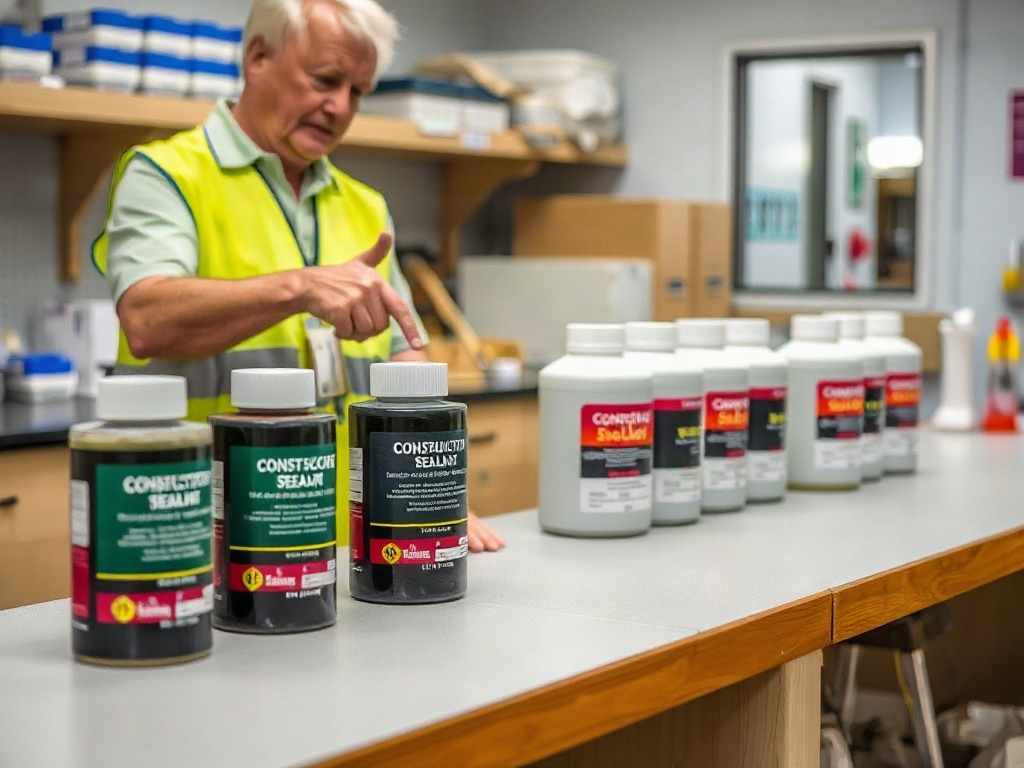
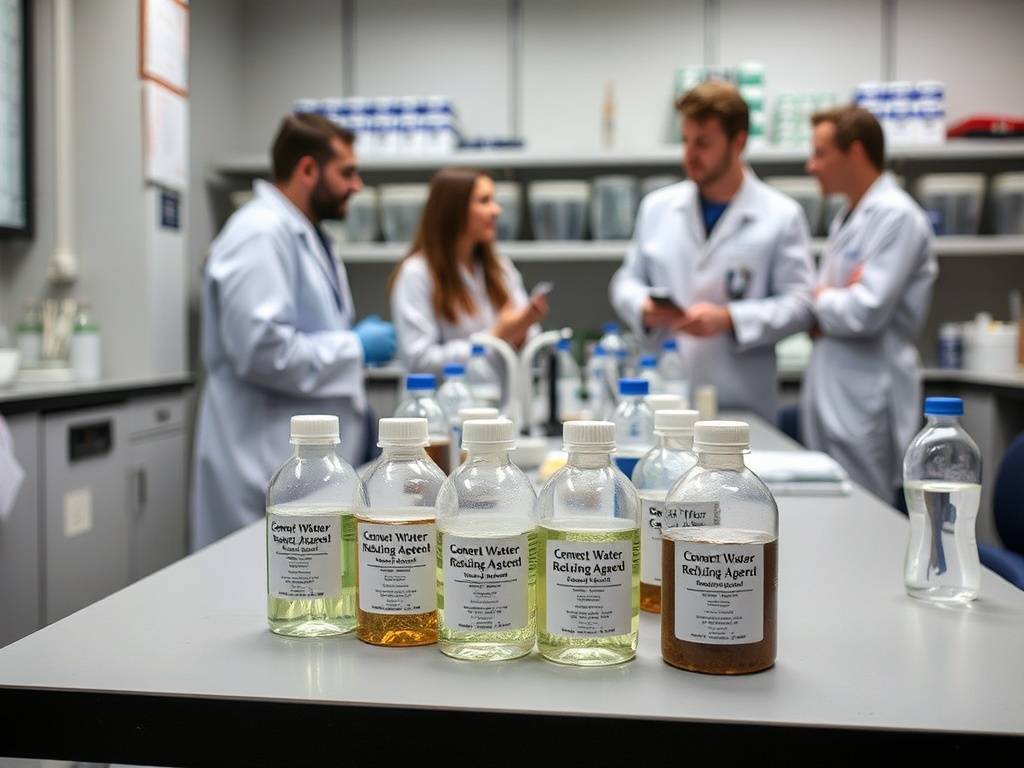
- Two imported PCE superplasticiser samples
- Performance feedback from contractors
- Cement compatibility observations
- Several failed internal prototype formulations
- Target production cost requirements
Their objective was not simply to copy the imported product.
Instead, they wanted to:
- Understand why the imported product performed better
- Identify the critical polymer characteristics driving performance
- Develop an Australian-manufacturable equivalent
- Reduce dependency on overseas suppliers
- Optimise raw material cost structure
- Launch a commercial product quickly with lower technical risk
Initial Technical Assessment
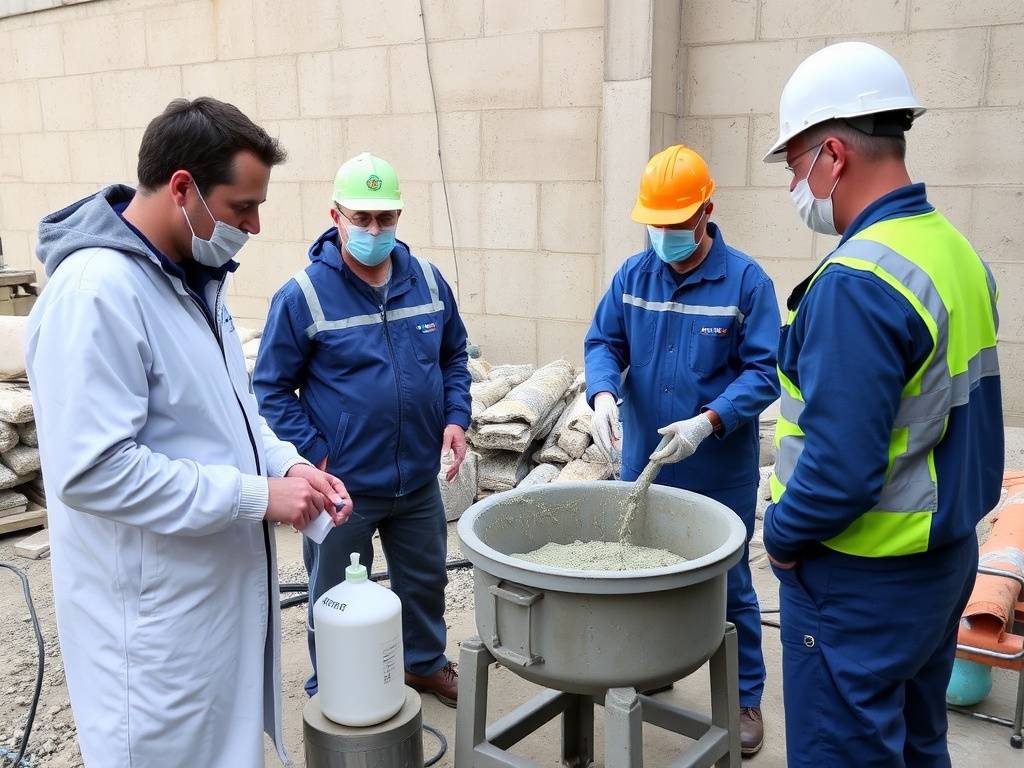
Labsure first conducted a preliminary feasibility assessment to determine whether the imported product could realistically be benchmarked and optimised.
Our analysis indicated the product was a relatively advanced PCE system containing:
- Modified polycarboxylate ether copolymers
- Tailored side-chain density
- Functional retardation components
- Defoaming additives
- Stabilisation agents
- Cement compatibility modifiers
The imported formulation had clearly been optimised specifically for:
- Extended slump retention
- Low water-cement ratios
- Pumpable concrete systems
- Australian-style blended cement behaviour
This explained why generic off-the-shelf PCE polymers failed to achieve comparable performance.
The client proceeded with a full reverse engineering and optimisation project through Labsure’s:
- https://labsure.com.au/reformulation-services/
- https://labsure.com.au/industrial-chemical-testing/
- https://labsure.com.au/research-and-development/
Analytical Investigation of the Imported PCE Superplasticiser
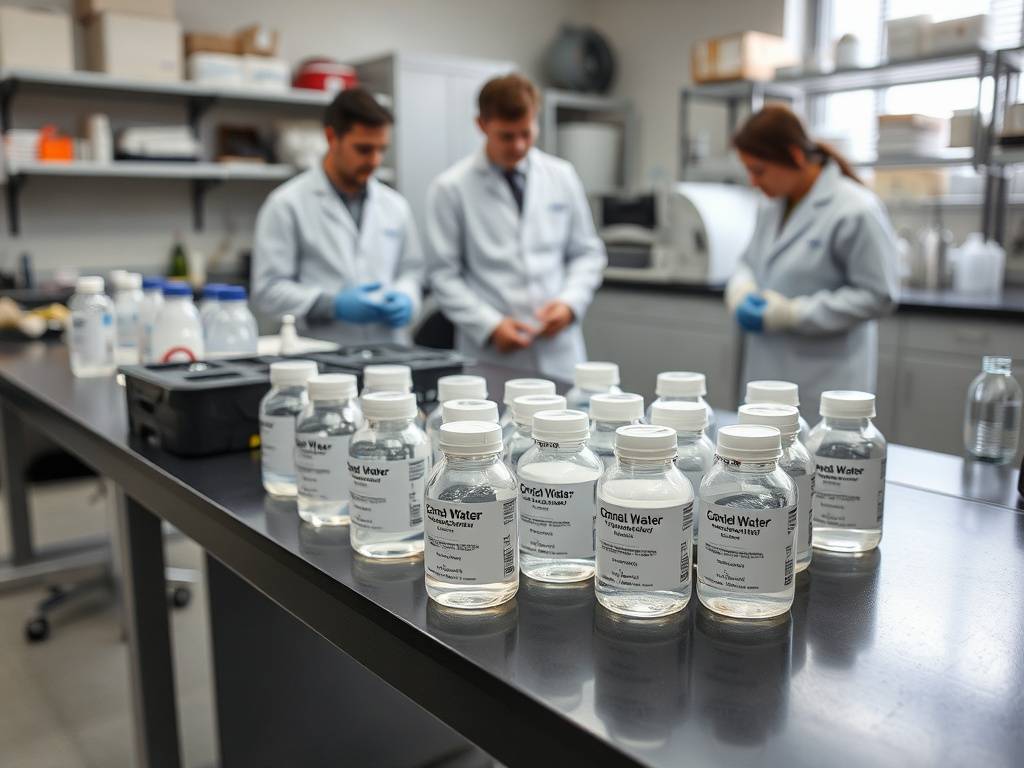
The project involved multiple stages of analytical and performance evaluation.
Polymer Structure Identification
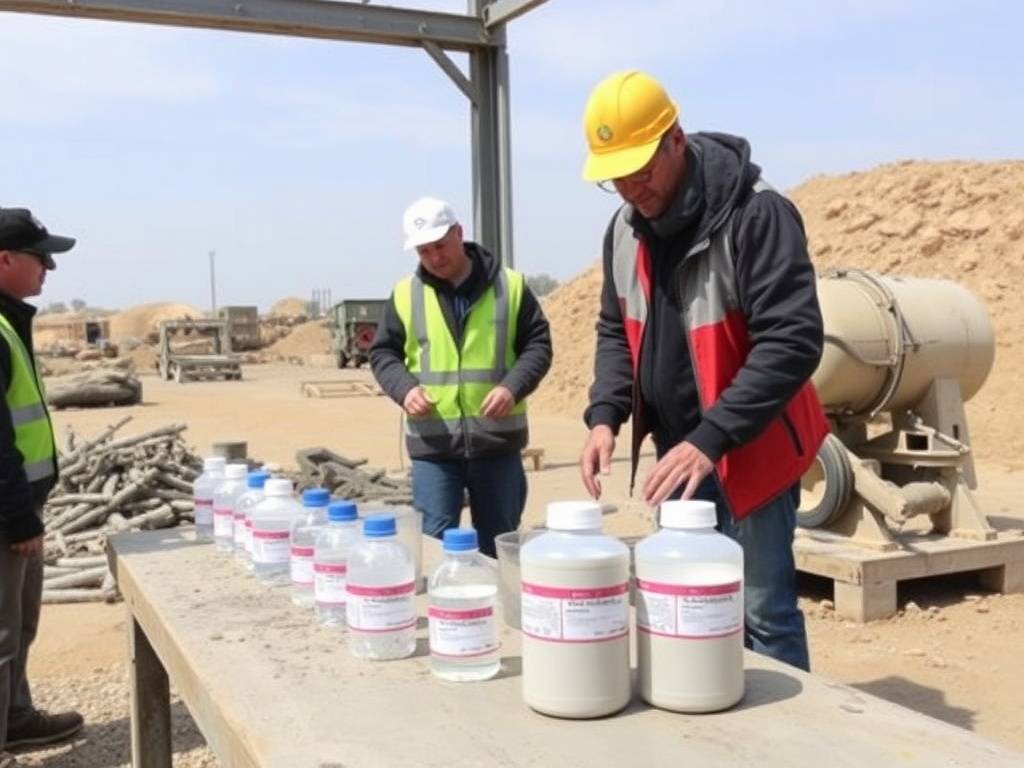
One of the most important objectives was understanding the molecular architecture of the PCE polymer.
Labsure conducted advanced analytical work to identify:
- Approximate polymer backbone composition
- Side-chain density characteristics
- Functional group distribution
- Molecular weight behaviour
- Polymer dispersion characteristics
This stage was critical because PCE performance is highly dependent on polymer architecture.
Even small changes in side-chain length or grafting density can dramatically affect:
- Cement particle dispersion
- Slump retention
- Setting behaviour
- Water reduction efficiency
- Air entrainment tendencies
The Melbourne client previously assumed their performance issues were caused mainly by raw material quality.
However, the investigation revealed the larger problem was polymer design mismatch relative to Australian cement systems.
Additive System Identification
The imported product also contained several supporting functional additives that improved field performance.
Labsure identified:
- Defoaming components
- Retention modifiers
- Stabilisation additives
- Minor rheology control agents
- Performance-enhancing auxiliary ingredients
Without these supporting components, the client’s earlier formulations experienced unstable concrete behaviour during batching and pumping.
This finding significantly changed the client’s formulation strategy.
Cement Compatibility Testing
A major issue in Australian concrete admixture development is cement variability.
Different cement suppliers across Victoria and New South Wales often produce noticeable performance differences when interacting with PCE systems.
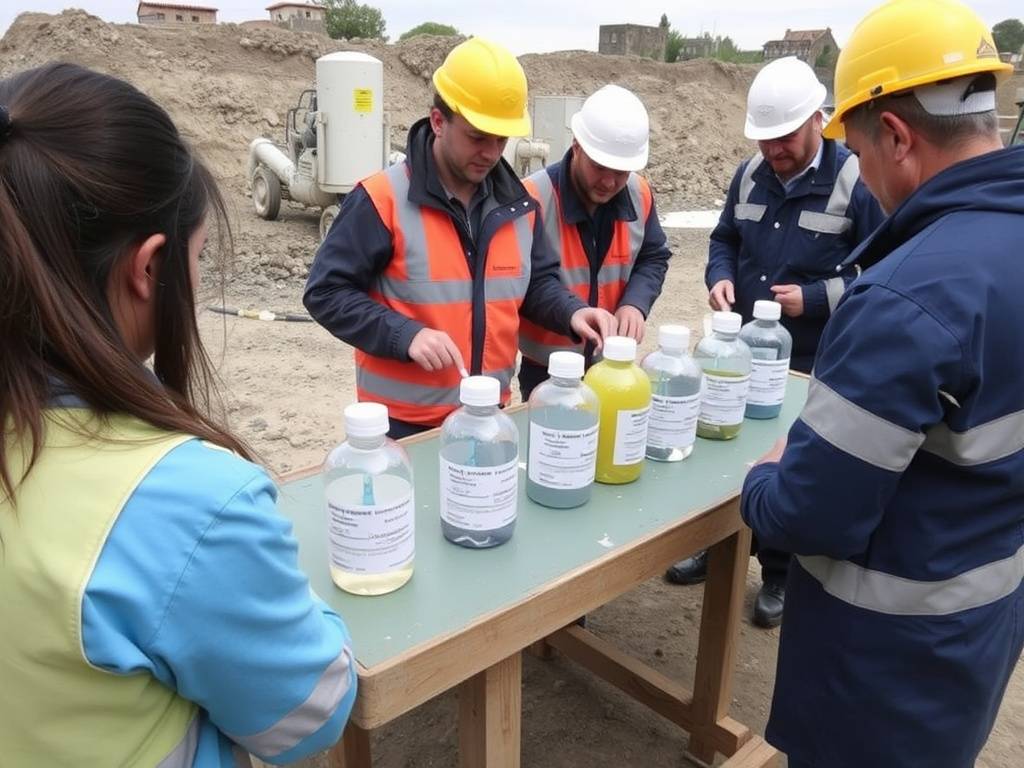
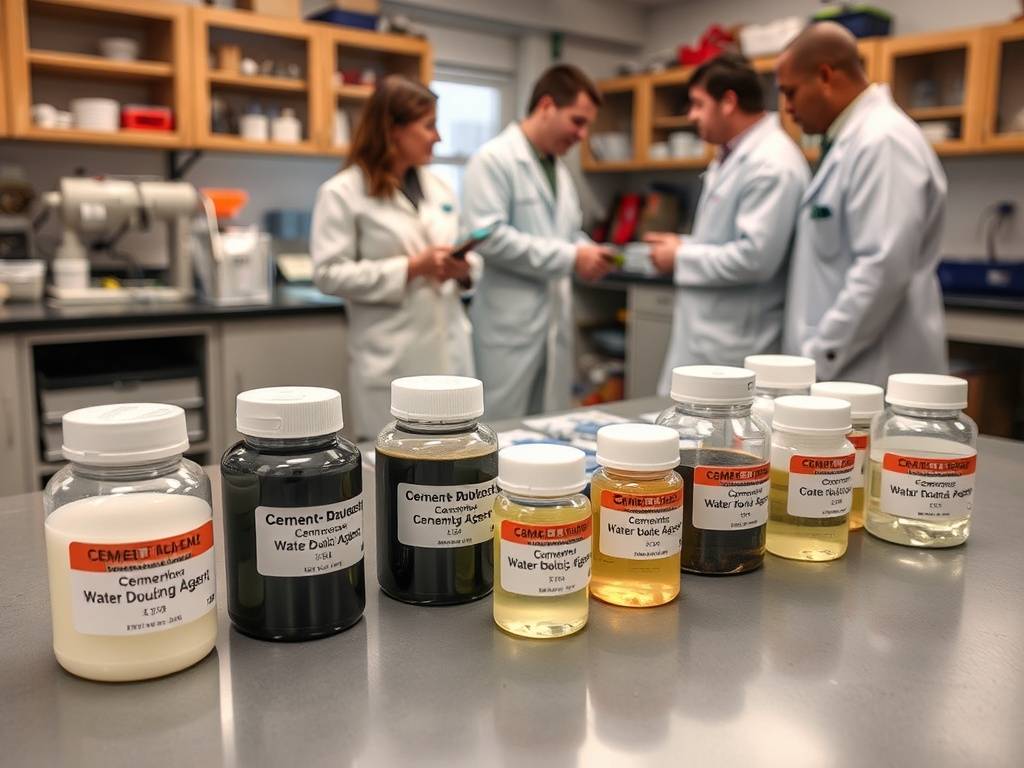
Labsure conducted comparative compatibility testing using:
- GP cement blends
- Fly ash blended systems
- Slag-containing cement systems
- High-fineness cement samples
The imported product showed unusually stable behaviour across multiple cement systems.
Our analysis identified why.
The imported formulation balanced adsorption speed and dispersion efficiency in a way that prevented rapid slump collapse.
The client’s earlier formulations adsorbed too aggressively onto cement particles, resulting in rapid loss of workability.
This insight alone saved the client months of additional formulation trial work.
Reformulation and Optimisation Phase
After the analytical stage, Labsure worked with the client to develop a commercially practical reformulated product.
The objective was not a laboratory-only imitation.
The final formulation needed to:
- Be manufacturable in Australia
- Use commercially available raw materials
- Maintain acceptable production cost
- Perform reliably in local climate conditions
- Scale into commercial production
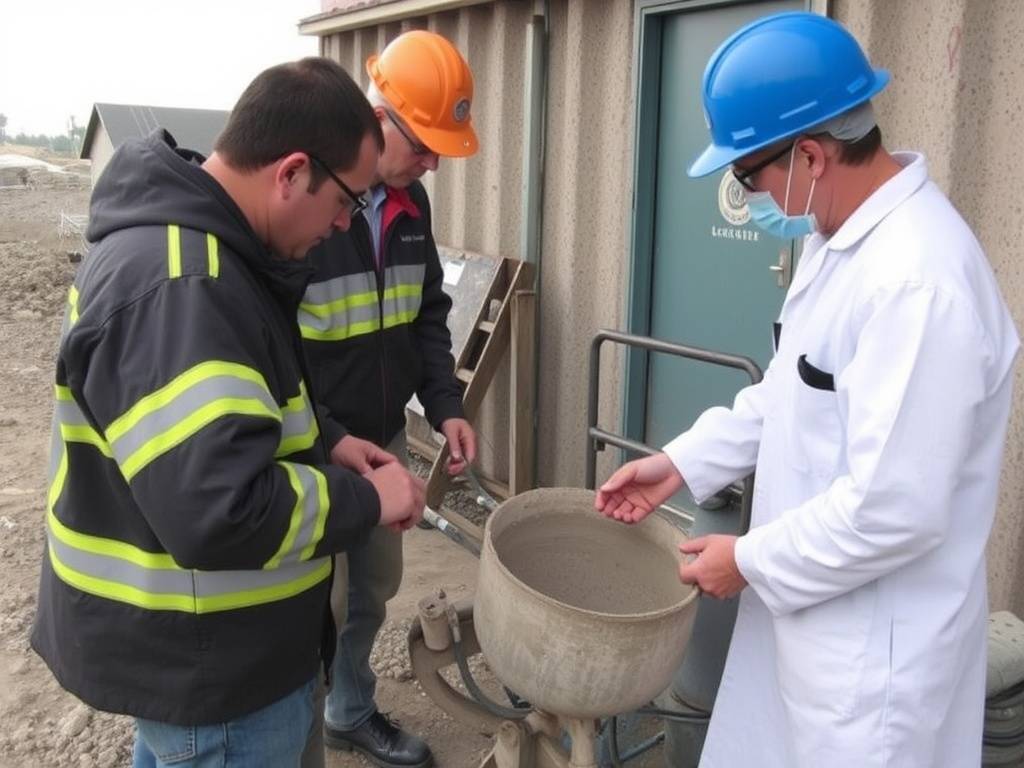
Several pilot formulations were prepared and evaluated.
The optimisation process focused heavily on the following areas.
Slump Retention Improvement
The original imported product maintained workable slump for over two hours in moderate conditions.
The client’s previous prototypes failed after approximately one hour.
Following reformulation adjustments, the optimised product achieved:
- Significantly improved slump retention
- Better hot-weather workability
- Reduced slump collapse during transport
- More stable pumping behaviour
Early Strength Development
Contractors using precast and commercial concrete systems required acceptable early strength performance.
Labsure adjusted the balance between retardation and dispersion behaviour to avoid excessive set delay.
The final formulation achieved:
- Improved early compressive strength consistency
- Better curing behaviour
- Reduced batch variability
Production Stability
One of the client’s biggest manufacturing concerns was batch consistency.
The earlier internal formulations produced inconsistent viscosity and occasional separation during storage.
Labsure helped optimise:
- Raw material sequencing
- Mixing parameters
- Stabilisation approach
- Preservative compatibility
- Production repeatability
This allowed the client to move from unstable pilot batches toward scalable manufacturing.
Commercial Results Achieved
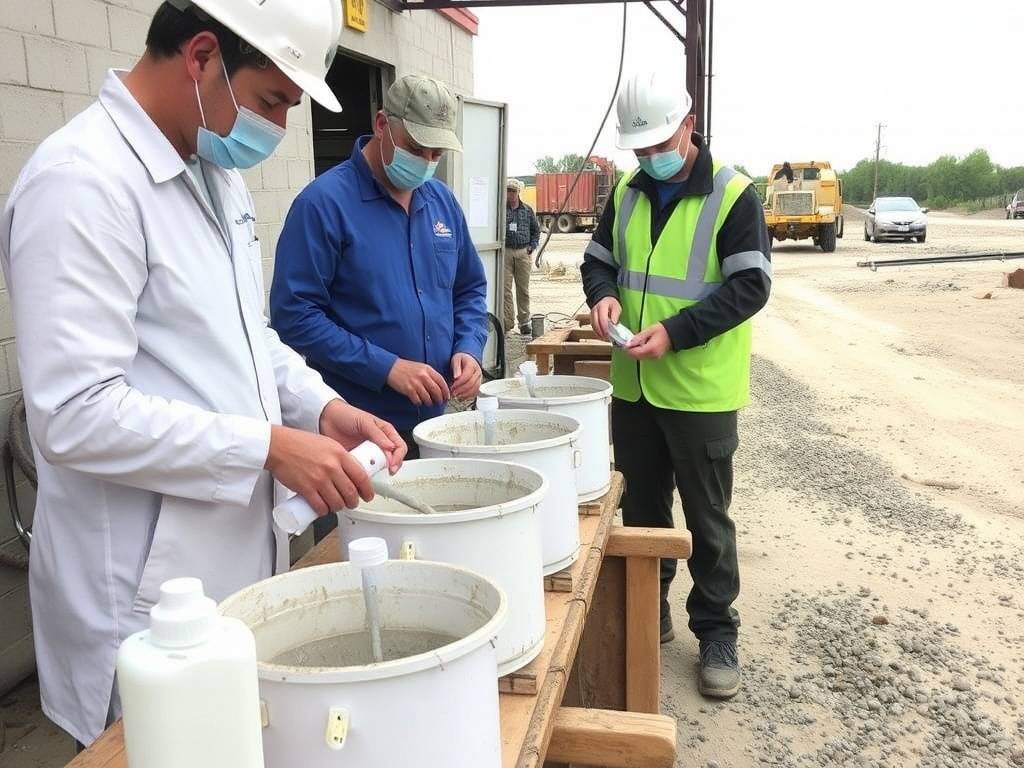
Within approximately six months from the start of the project, the Melbourne company launched its own locally branded PCE-based high-range water reducer.
The product was initially supplied to:
- Local concrete batching plants
- Commercial concrete contractors
- Small precast manufacturers
- Regional construction suppliers
The client reported several measurable commercial improvements.
Reduced Product Development Time
Without reverse engineering support, the company estimated internal development may have taken another 18–24 months.
Using Labsure’s technical services, the company accelerated commercialisation dramatically.
Relevant services included:
- https://labsure.com.au/reverse-engineering/
- https://labsure.com.au/formulation-analysis/
- https://labsure.com.au/research-and-development/
Lower Technical Risk
Instead of developing a completely unproven formulation from scratch, the client benchmarked a product already validated by the market.
This significantly reduced:
- Performance uncertainty
- Customer rejection risk
- Technical troubleshooting time
- Reformulation costs
Reduced Raw Material Cost
Labsure also identified several opportunities to reduce unnecessary formulation costs.
The imported product contained components that were expensive primarily due to overseas sourcing.
By adjusting raw material selection while maintaining performance targets, the client improved overall cost efficiency.
Improved Market Positioning
The client was finally able to compete against imported admixtures using a locally manufactured product with:
- Faster delivery
- Better technical support
- More stable supply chain access
- Lower landed cost
Several contractors who had previously insisted on imported products began trialling the new formulation successfully.
Why Reverse Engineering Works for Construction Chemicals
Many Australian construction chemical companies face the same problem.
Developing advanced admixtures entirely from first principles is expensive, slow, and technically risky.
Concrete admixture systems involve highly complex interactions between:
- Cement chemistry
- Polymer behaviour
- Temperature conditions
- Aggregates
- Supplementary cementitious materials
- Water quality
Small and medium-sized companies often cannot justify years of internal R&D before commercial release.
Reverse engineering provides a more commercially practical pathway.
Instead of guessing which polymer structure or additive package may work, companies can:
- Benchmark products already validated by customers
- Understand the technical reasons behind performance
- Identify critical functional components
- Optimise formulations for local manufacturing
- Reduce development cycles dramatically
This approach is increasingly common across:
- Concrete admixtures
- Industrial cleaning chemicals
- Coatings and paints
- Agricultural chemicals
- Water treatment products
- Polymer formulations
Labsure’s Approach to PCE Superplasticiser Analysis
At Labsure, our projects are commercially focused.
Clients typically approach us when they need to:
- Benchmark imported chemical products
- Improve an underperforming formulation
- Reduce raw material costs
- Resolve product inconsistency
- Develop a locally manufacturable equivalent
- Accelerate commercialisation timelines
Our services commonly include:
- https://labsure.com.au/formulation-analysis/
- https://labsure.com.au/unknown-substance-analysis/
- https://labsure.com.au/polymer-analysis/
- https://labsure.com.au/reformulation-services/
- https://labsure.com.au/construction-chemical-analysis/
- https://labsure.com.au/reverse-engineering/
We work with:
- Small manufacturers
- Import replacement projects
- Private label product developers
- Industrial chemical suppliers
- Construction material companies
- Startups entering technical chemical markets
Final Outcome
For the Melbourne cement company, the project ultimately delivered more than just a competitive admixture formulation.
It allowed the business to:
- Launch a commercially viable product faster
- Reduce dependency on imported brands
- Improve customer retention
- Enter higher-margin product categories
- Build internal manufacturing capability
- Scale sales with lower technical uncertainty
Most importantly, the company avoided years of expensive trial-and-error development.
By combining reverse engineering, analytical chemistry, and practical formulation optimisation, the client moved from an underperforming prototype stage to commercial market supply within months.
For many Australian chemical manufacturers, that speed advantage can determine whether a product succeeds commercially.
Need Help Benchmarking a PCE Superplasticiser or Construction Chemical?
If you are developing:
- Polycarboxylate Superplasticisers (PCE)
- Water reducers
- Concrete admixtures
- Cement additives
- Construction chemicals
- Polymer dispersants
Labsure can help analyse, benchmark, optimise, and reformulate your product for Australian manufacturing and commercialisation.
Contact Labsure
Website: https://labsure.com.au
Services:
- https://labsure.com.au/reverse-engineering/
- https://labsure.com.au/formulation-analysis/
- https://labsure.com.au/reformulation-services/
- https://labsure.com.au/polymer-analysis/
- https://labsure.com.au/construction-chemical-analysis/
Email: info@labsure.com.au
Location: Australia