In Australia’s agricultural chemicals market, many smaller suppliers and distributors face the same long-term problem:
They rely heavily on imported agricultural adjuvants.
At first, this works well. A distributor imports a successful wetter & spreader product from overseas, builds local customers, and grows sales through relationships with rural retailers, agronomists, and growers.
But eventually the risks start appearing.
- Import pricing increases
- Supply becomes inconsistent
- Shipping delays disrupt seasonal demand
- Overseas manufacturers increase MOQs
- Margins become thinner every year
- Competitors begin selling similar imported products
For many Australian agricultural chemical suppliers, the next logical step becomes obvious:
Build a private-label or fully owned Australian brand instead of relying entirely on imported products.
That is exactly what one Victorian agricultural adjuvant supplier decided to do.
However, they quickly discovered that creating a high-performance agricultural wetter & spreader is far more difficult than most people expect.
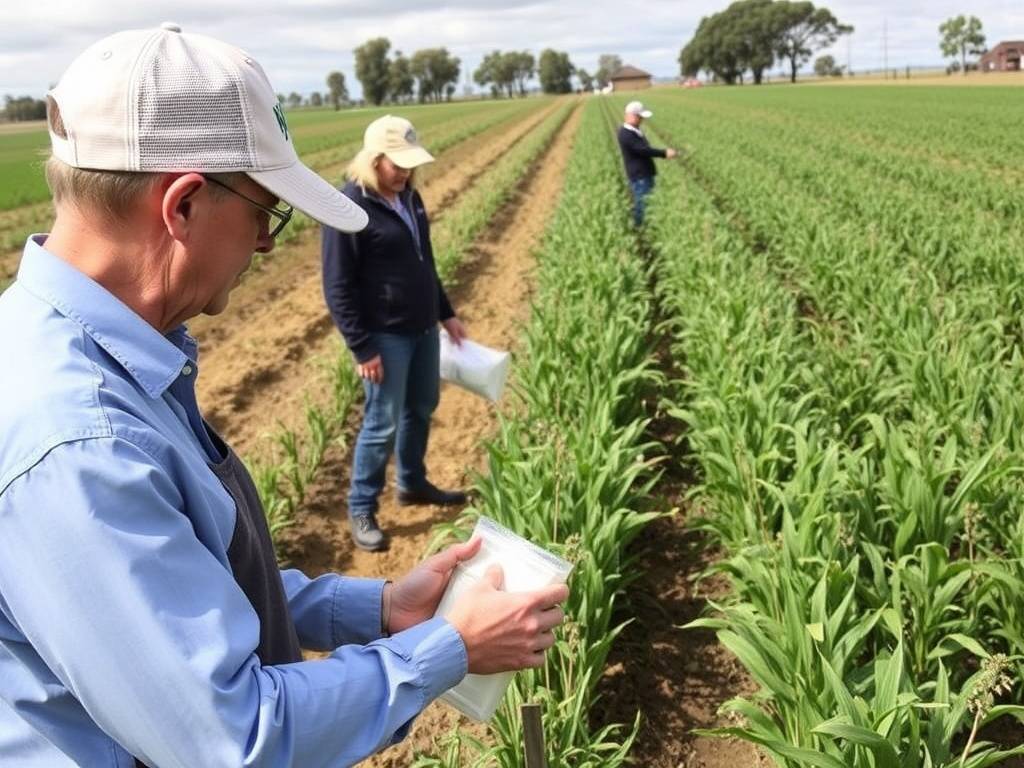
The Challenge: “We Had Customers, But We Didn’t Own the Product”
The Victorian company had spent years distributing imported spray adjuvants throughout Victoria and South Australia.
Their customer base included:
- Broadacre farming suppliers
- Independent rural retailers
- Spray contractors
- Agronomists
- Farmers using glyphosate and fungicide tank mixes
The imported non-ionic surfactant product performed extremely well under Australian field conditions, especially during hot summer spraying seasons.
Growers liked the product because it improved:
- Spray coverage
- Herbicide uptake
- Droplet spreading
- Leaf wetting
- Rainfastness performance
The distributor already had strong customer demand.
But they faced a serious commercial problem.
They did not control the formulation, manufacturing, pricing, or supply chain.
Every year, the overseas manufacturer increased prices. Shipping delays started damaging customer relationships during critical spray windows, and inventory became increasingly difficult to secure.
The company realised they needed to transition from being “just a distributor” into owning their own agricultural chemical brand.
That was when they started exploring agricultural formulation reverse engineering through Labsure.
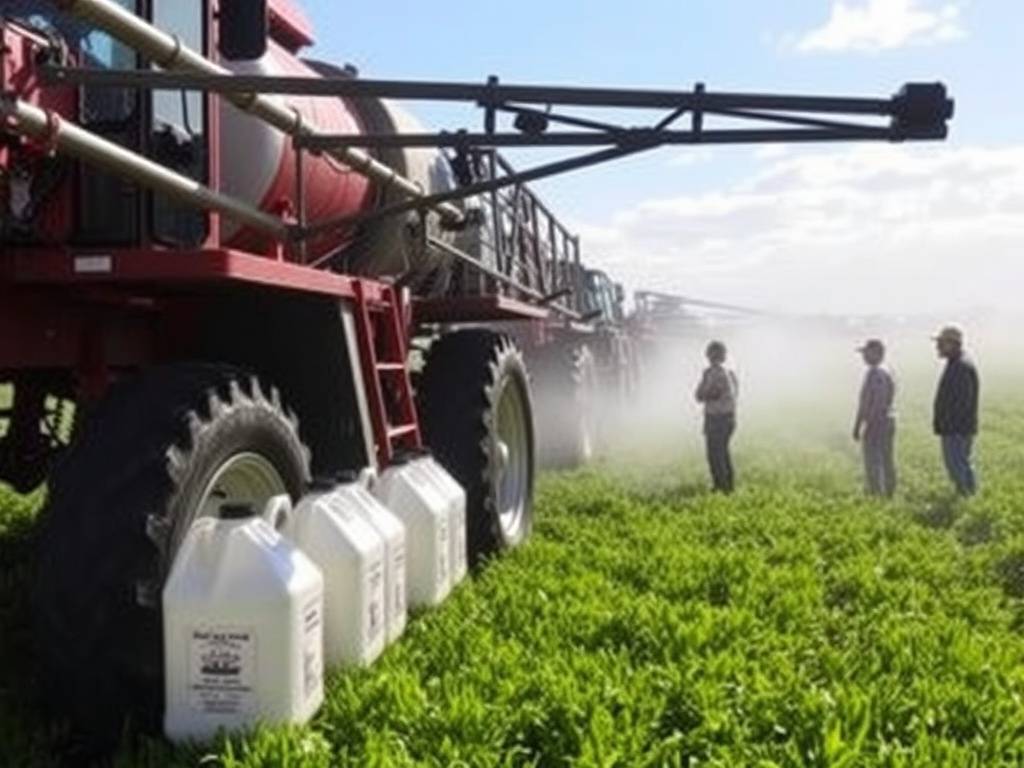
Why Agricultural Wetter & Spreader Formulations Are Harder Than Most People Think
Many agricultural distributors assume non-ionic surfactants are relatively simple products.
They believe they can source a few surfactants locally, blend them together, and produce something comparable.
In reality, commercial agricultural adjuvants are highly engineered formulations designed specifically for real-world field performance.
Australian agricultural conditions are particularly demanding.
Products must tolerate:
- Hard water conditions
- High summer temperatures
- Large boom spray agitation
- Foam control requirements
- Herbicide compatibility
- Long warehouse storage cycles
- Dusty and low-humidity spraying environments
The Victorian distributor initially attempted to develop the formulation internally using locally sourced surfactants and solvents.
At first, the product looked acceptable inside the warehouse.
But once growers started testing it in real spray conditions, the weaknesses became obvious.
The Problems Started Immediately
The internally developed prototype experienced multiple performance problems.
Excessive Foam Generation
Large spray rigs generated significant foam during tank mixing, slowing operations and frustrating users.
Poor Droplet Spreading
The formulation struggled to spread consistently across waxy leaf surfaces.
Hard Water Sensitivity
Performance dropped noticeably in regions with higher mineral water content.
Inconsistent Tank Mix Behaviour
Some herbicide combinations produced unstable or inconsistent spray performance.
Heat Stability Issues
During storage in Australian summer conditions, the product developed haze and partial separation.
Most importantly:
Farmers immediately noticed the difference compared with the imported benchmark product.
The company realised they did not simply need “a surfactant blend.”
They needed a properly engineered agricultural adjuvant formulation optimised for Australian conditions.
That was when they engaged Labsure Agricultural Adjuvant Reverse Engineering Services.
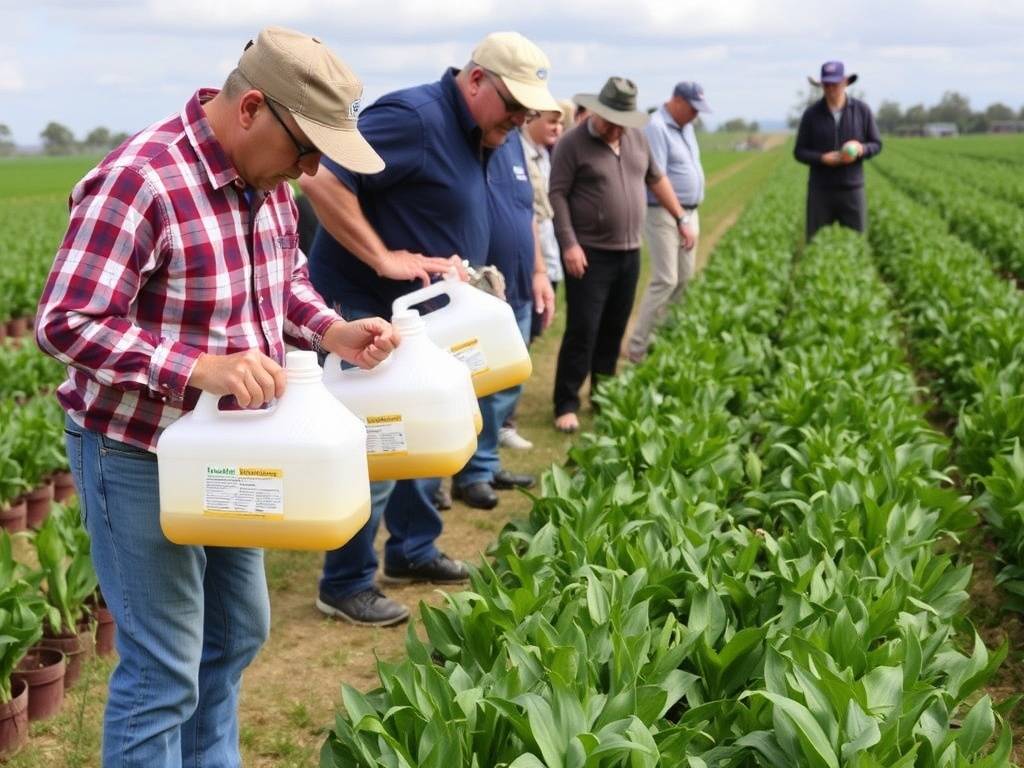
Reverse Engineering the Benchmark Agricultural Adjuvant
The company submitted the imported wetter & spreader product for detailed formulation analysis.
The objective was not simply to copy the product.
Instead, the goal was to understand:
- Which non-ionic surfactants were used
- Approximate concentration levels
- Functional co-formulants
- Foam control mechanisms
- Solvent balancing systems
- Thermal stability strategies
- Why the product performed effectively under Australian spraying conditions
This approach allowed the distributor to dramatically reduce trial-and-error formulation development.
Through Labsure’s formulation analysis services, the company gained technical insight that would have otherwise taken years of internal experimentation.
The Reverse Engineering Process
The imported agricultural adjuvant underwent several layers of analytical chemistry and performance benchmarking.
FTIR Analysis
FTIR screening identified the major surfactant chemistry families used in the formulation.
This quickly narrowed down the likely non-ionic surfactant systems.
GC-MS Testing
GC-MS analysis identified solvents and smaller performance-enhancing additives contributing to wetting and spreading behaviour.
Quantitative Composition Assessment
Further testing estimated the approximate concentration ranges of key components.
Agricultural Performance Benchmarking
The formulation was also tested for:
- Surface tension reduction
- Foam generation
- Wetting speed
- Droplet spreading
- Hard water tolerance
- Thermal stability
- Emulsion behaviour
This stage was critical because successful agricultural adjuvants are defined not only by ingredients, but by real-world performance.
More information about these services can be found at Labsure Reverse Engineering Solutions.
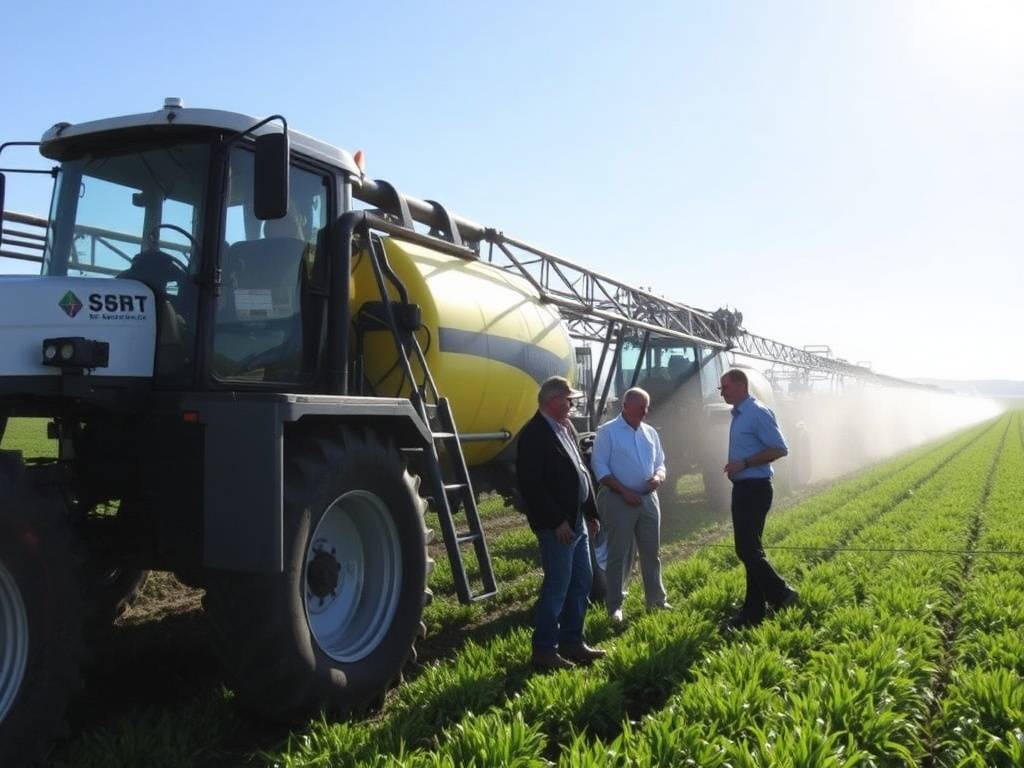
What the Supplier Discovered
The analysis revealed that the imported product was far more sophisticated than expected.
The formulation contained:
- Multiple non-ionic surfactants working synergistically
- Carefully balanced hydrotrope systems
- Low-foam optimisation additives
- Solvent combinations designed for rapid spreading
- Stability modifiers improving high-temperature storage performance
The distributor’s original internal prototype lacked most of these balancing mechanisms.
That explained why their earlier formulations failed despite using “similar” raw materials.
The company finally understood why some imported agricultural adjuvants consistently outperform generic surfactant blends in Australian conditions.
Optimising the Formula for Australian Manufacturing
Once the formulation breakdown was completed, the next stage focused on optimisation for local production.
This created the biggest commercial advantage.
Rather than producing a direct copy, the formulation was adjusted to better suit:
- Australian raw material availability
- Local manufacturing conditions
- Regional hard water challenges
- Lower-foam spray systems
- Scalable batch production
Working with Labsure’s formulation optimisation team, several improvements were made.
Reduced Foam Generation
Foam behaviour was significantly improved for large-scale Australian boom spraying operations.
Improved Hard Water Compatibility
The formulation maintained strong spreading performance even under higher calcium and magnesium conditions.
Better High-Temperature Stability
The revised formulation achieved stronger storage stability under elevated warehouse temperatures common across Australia.
Manufacturing Scalability
The formula was optimised for more reliable batch-to-batch consistency during commercial production.
The Commercial Outcome
Within months, the Victorian distributor successfully launched its own branded agricultural wetter & spreader product.
The company was now able to:
- Control pricing
- Improve gross margins
- Reduce reliance on imported supply chains
- Build long-term brand value
- Expand its agricultural product portfolio
- Secure more reliable inventory supply
Most importantly, customers accepted the new product because field performance remained highly competitive.
The business effectively transitioned from being a reseller of imported chemistry into owning its own agricultural adjuvant brand.
For many Australian agricultural suppliers, this creates significantly higher long-term enterprise value compared with remaining only a distributor.
Why More Australian Agricultural Suppliers Are Using Reverse Engineering
Across Australia, more agricultural distributors and chemical suppliers are now exploring:
- Private-label agricultural formulations
- Australian-made alternatives
- Reverse engineering of benchmark products
- Formulation optimisation
- Manufacturing localisation
- Agricultural surfactant performance benchmarking
This trend is especially strong among suppliers already selling:
- Wetters & spreaders
- Spray adjuvants
- Penetrants
- Drift control agents
- Silicone surfactants
- Tank cleaners
- Herbicide compatibility additives
Most already understand their customers extremely well.
What they often lack is technical formulation intelligence.
That is where advanced formulation analysis from Labsure Australia can dramatically reduce technical risk, development time, and costly formulation mistakes.
Reverse Engineering Is Not Just About “Copying”
The most successful agricultural suppliers do not use reverse engineering simply to duplicate products.
They use it to:
- Understand why benchmark products perform well
- Improve formulations for Australian conditions
- Reduce trial-and-error R&D
- Accelerate product development
- Benchmark against market leaders
- Build proprietary improved formulations
- Strengthen manufacturing scalability
For smaller agricultural chemical suppliers, this creates a realistic pathway to building higher-margin branded products without requiring a large internal R&D department.
Looking to Develop Your Own Agricultural Wetter & Spreader Brand?
If your business currently distributes imported agricultural adjuvants — or you want to launch your own agricultural surfactant brand — reverse engineering can help you:
- Analyse benchmark products
- Identify active surfactant systems
- Improve foam control
- Optimise hard water performance
- Improve manufacturing stability
- Develop Australian-made alternatives
- Accelerate commercial product development
At Labsure, we work with Australian agricultural chemical suppliers, distributors, and manufacturers to analyse and optimise agricultural formulations using advanced analytical techniques including FTIR, GC-MS, HPLC, and performance benchmarking.
You can learn more here:
Contact Labsure
Website:
www.labsure.com.au
Email:
info@labsure.com.au
Services:
Agricultural Adjuvant Reverse Engineering, Formulation Analysis, Product Benchmarking, Formula Optimisation, Manufacturing Guidance, and Private-Label Product Development for Australian chemical suppliers and manufacturers.