
Case Study
Tailored Cleaning Agent Solutions for Australian Businesses
Struggling to match a competitor’s performance? Facing formulation instability, compliance pressure, or rising raw material costs? Labsure helps Australian cleaning product manufacturers turn these challenges into competitive advantages.
We decode and optimise cleaning formulations using advanced analytical techniques, including GC-MS, HPLC, and spectroscopy — identifying exactly what drives performance, where inefficiencies exist, and how to improve cost-effectiveness without sacrificing efficacy.
Whether you are launching a new product, improving an underperforming formula, or navigating AICIS compliance requirements, we provide clear technical direction and commercially practical solutions. From surfactant system optimisation to ingredient substitution and stability enhancement, our recommendations are designed for real-world manufacturing — not just laboratory theory.
The result? Stronger product performance, lower formulation risk, faster time-to-market, and greater confidence in every batch you produce.
The case studies below demonstrate how Australian businesses have used Labsure’s formulation intelligence to outperform competitors, stabilise production, and scale with certainty.
Melbourne Industrial Degreaser
The manufacturer aimed to develop a cost-effective, high-performance industrial degreaser comparable to leading market products. They sought to achieve strong cleaning power while ensuring full compliance with Australia’s environmental and workplace safety standards — an important factor for their growing base of eco-conscious clients.
- Precise formulation analysis
- Original Formulation Development
- Eco-Compliant Scalability
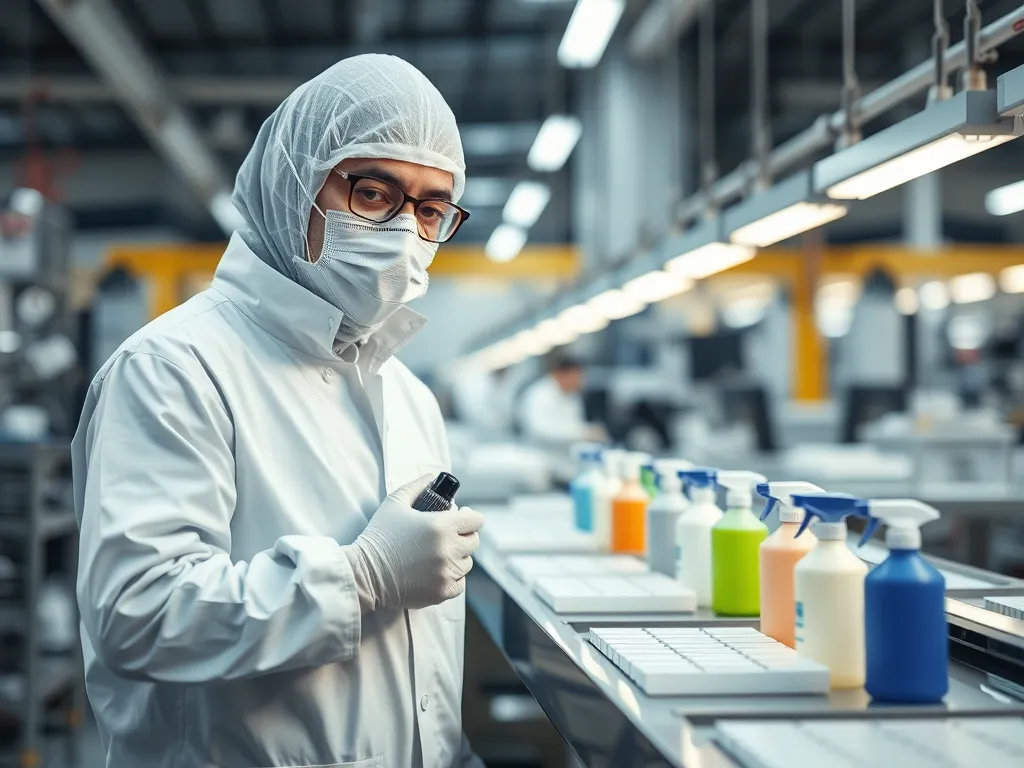
Sydney Eco-Friendly All-Purpose Cleaner
Problem: The retailer aimed to introduce an eco-friendly all-purpose cleaner but faced technical challenges in formulating a product that could meet specific efficacy targets (e.g., stain removal, stability) while ensuring full compliance with Australia’s chemical safety laws and using sustainable ingredients to meet consumer demand.
- Targeted Formula Analysis
- Eco-Friendly Innovation
- Regulatory and Cost Optimization
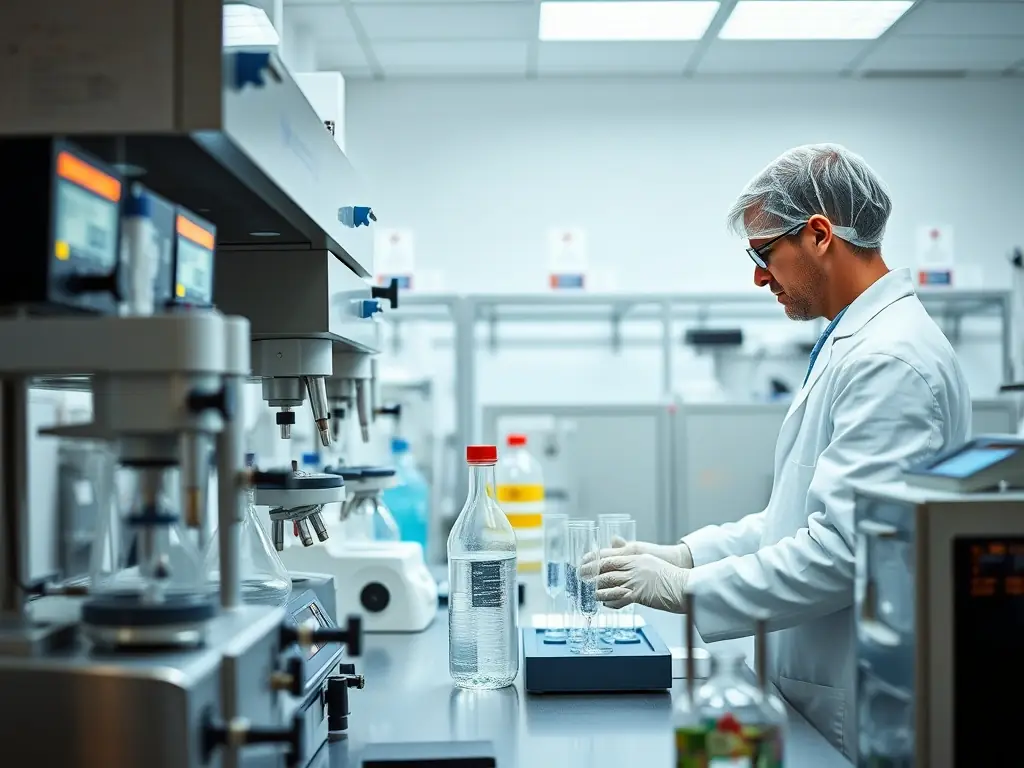
Optimizing a Glass Cleaner for a Brisbane-Based Commercial Cleaning Service
Problem: The cleaning service faced a challenge in maintaining profitability due to high operational costs. They needed a cost-effective, high-performance glass cleaner solution that could consistently deliver a streak-free result, fully comply with Australia’s chemical regulations (AICIS), and be readily produced at scale for their growing client base.
- Targeted Formula Analysis
- Innovative Anti-Static Solution
- Regulatory and Cost Optimization
Detailed Analysis
Real Solutions for Small Cosmetic Brands Take Control of Your Ingredients, Quality, and Risk
Uncertain about what’s really in your OEM formula? Experiencing batch inconsistencies or unexpected customer complaints? For small cosmetic brands, even minor formulation issues can damage reputation, margins, and customer trust.
Labsure helps you regain control.
We provide fast, practical, and cost-effective analytical testing to verify ingredient composition, detect inconsistencies, and investigate quality concerns with precision. Whether you need to confirm what your supplier is delivering, benchmark against competitors, or diagnose product instability, we give you clear, actionable answers — not vague lab data.
Our goal is simple: help you protect your brand, reduce technical risk, and scale with confidence — without needing an in-house laboratory.
The case studies below show how small cosmetic brands used formulation insight to resolve uncertainty, stabilise production, and strengthen market credibility.
Know What’s Inside: Verifying Ingredient Content in OEM-Formulated Serums
A small contract skincare maker in Adelaide Hills (Papaver Pty Ltd) produced a limited-run brightening serum but wasn’t sure whether it contained the claimed niacinamide / bakuchiol levels.
- Performed LC-MS/MS analysis to quantify niacinamide and screen for other active ingredients.
- Compared three production batches to check consistency.
- Identified one batch with only 2.1% niacinamide, raising red flags.
- Helped the brand renegotiate terms with the supplier and correct product labeling.
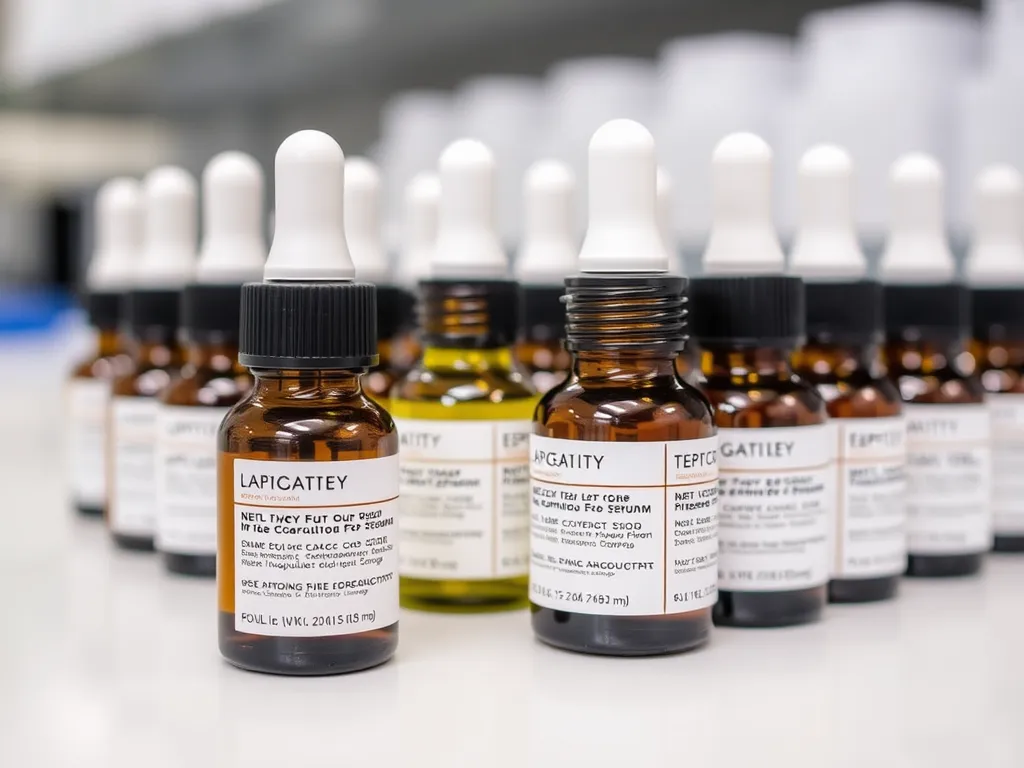
Product Smells Off? Identifying Raw Material Degradation in Natural Lotion
A Melbourne-based natural skincare brand received customer complaints about unusual odor and oiliness in one batch of lotion. They suspected raw material degradation but lacked testing capability.
- Conducted fatty acid profiling and oxidation byproducts analysis (GC-MS).
- Detected elevated free fatty acids in the jojoba oil used in that batch.
- Confirmed the raw material quality issue and recommended supplier change.
- Helped the brand establish a simple incoming material screening protocol.
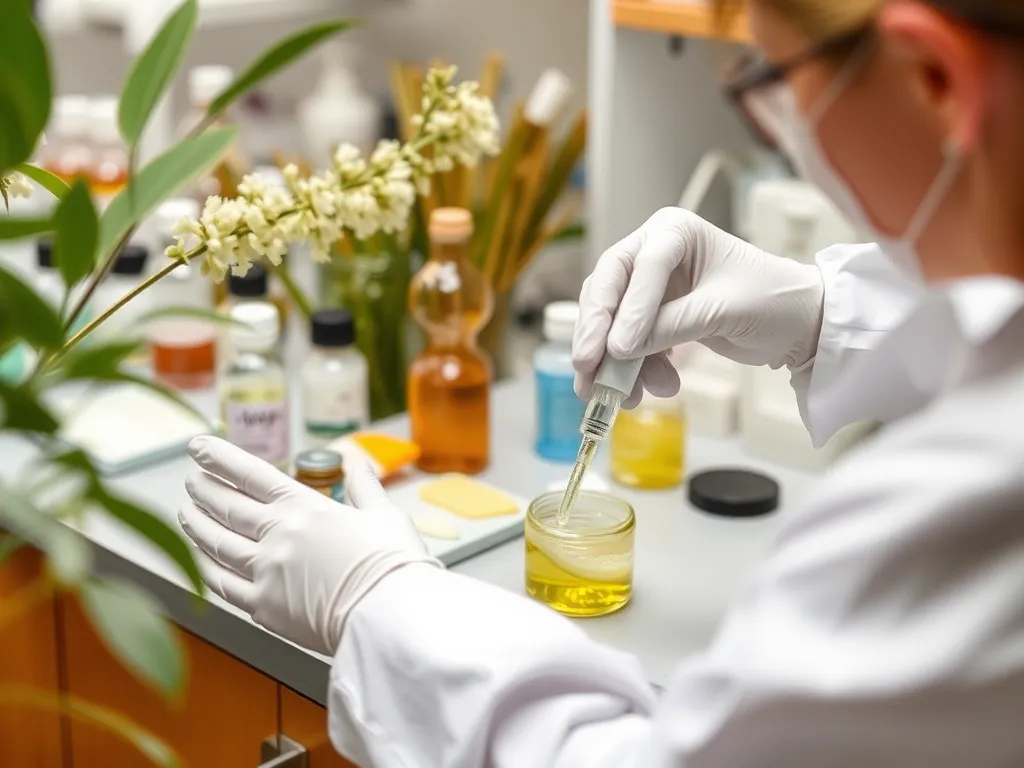
Customer Allergy Complaint? Quickly Identifying Problematic Ingredients
A Gold Coast small-batch factory’s new face cream received a few allergy reports; client needed to identify allergenic ingredients and maintain brand reputation.
- Targeted quantitative testing of known allergens (e.g. coumarin, citronellol, phenoxyethanol).
- Found geraniol concentration exceeded IFRA guidelines and was not disclosed on the label.
- Advised temporary product recall and reformulation.
- Helped update labeling and ensured future compliance with IFRA and ACCC guidelines.
Conclusion & Insights
Coating Formula Reverse Engineering & Performance Optimisation
Waterproofing failure? Pigment settling? Colour instability?
Labsure provides advanced coating formulation analysis and reverse engineering to uncover exactly what drives performance inside your product — and your competitor’s.
We identify resin systems, pigment dispersion structure, solvent balance, and functional additives through precise compositional analysis. Then we deliver targeted optimisation strategies to improve stability, meet technical specifications, and reduce formulation costs.
Whether you need troubleshooting, performance benchmarking, or full formulation decoding, we turn complex chemistry into clear competitive advantage.
Restoring Waterproofing Performance in Harsh Western Conditions
A small Perth-based waterproofing coating manufacturer faced customer complaints about peeling and poor adhesion, especially after heavy rain exposure. Internal staff suspected a formulation flaw but couldn’t pinpoint the issue.
- Identified incorrect polymer ratios using formulation analysis.
- Discovered low molecular weight additives causing film brittleness.
- Adjusted polymer binder and plasticizer composition to improve flexibility.
- Conducted water-resistance and cross-hatch adhesion testing to validate new formula.
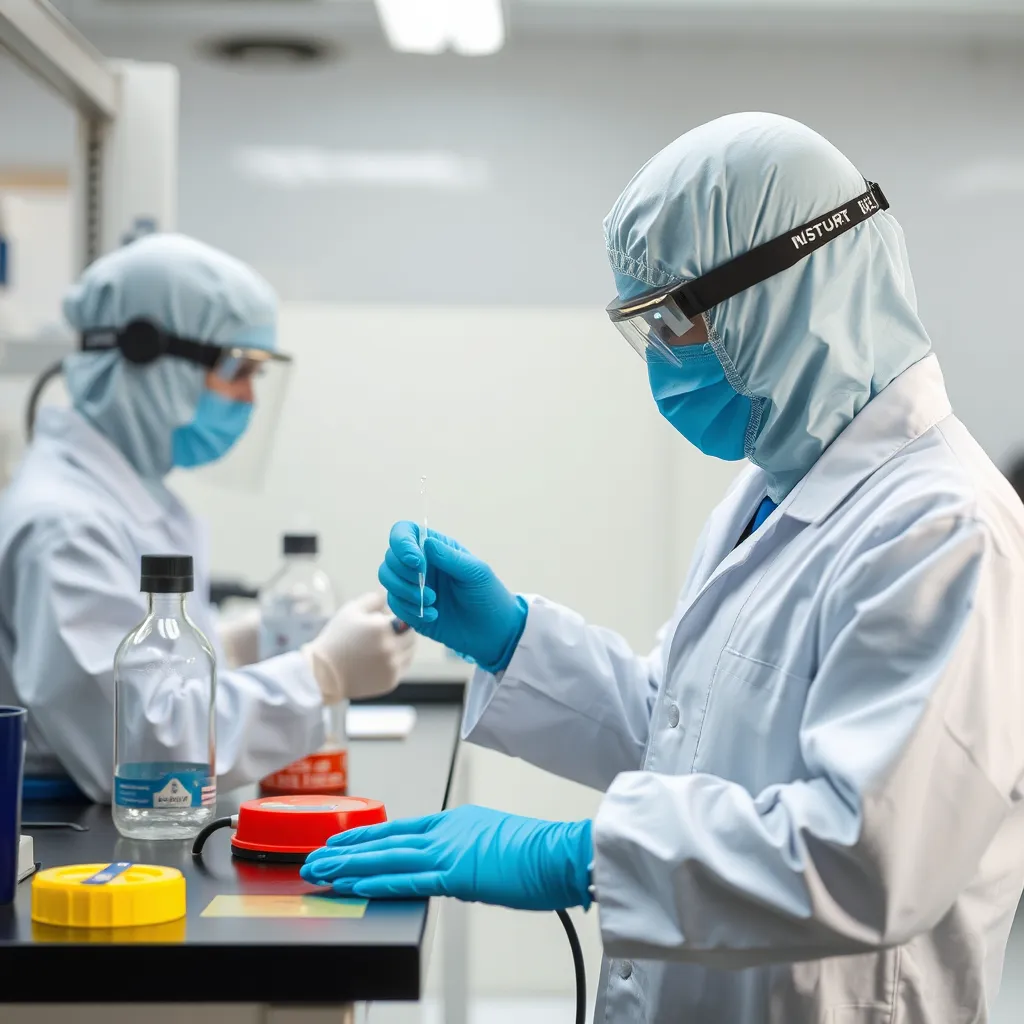
Fixing Color Inconsistency in Water-Based Interior Paints
A regional paint producer outside Melbourne struggled with shade inconsistencies across batches of interior wall paint. Even after following the same mixing process, customers noticed color mismatches after drying.
- Detected pigment flocculation during storage through accelerated stability testing.
- Recommended dispersant change to prevent pigment clustering.
- Added co-solvent and wetting agent to improve dispersion uniformity.
- Standardized mixing sequence and time with lab-to-plant transfer protocol.
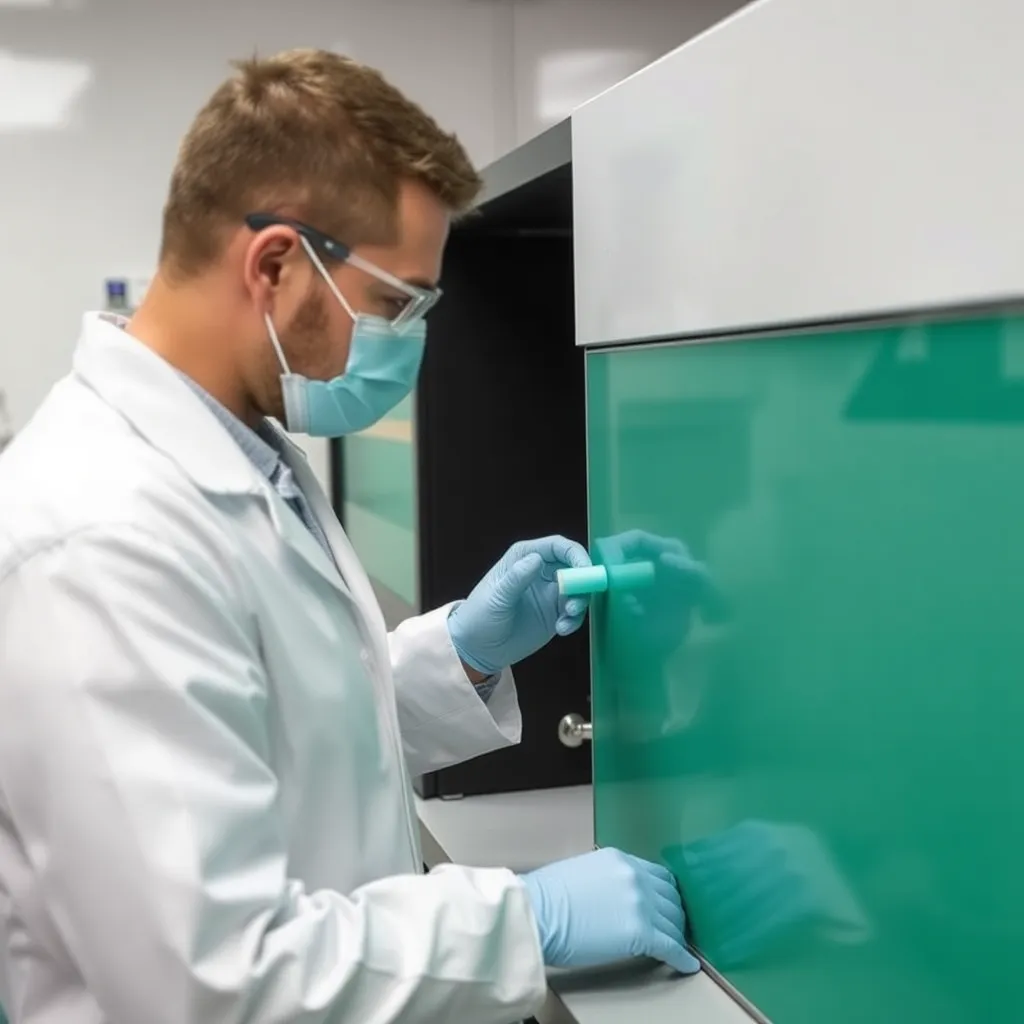
Eliminating Premature Rusting in Budget Metal Coatings
A small-scale industrial coating producer near Brisbane reported early rust development in their outdoor metal primer within just 6 months of application.
- Performed corrosion analysis and salt spray testing—found insufficient anti-corrosive additive dosage.
- Swapped generic zinc phosphate with modified zinc molybdate for stronger protection.
- Adjusted pigment volume concentration (PVC) to improve barrier effect.
- Introduced a two-layer system: primer + topcoat with balanced film thickness.
Our Expertise
Water Treatment Formula Reverse Engineering
Corrosion, scaling, or inconsistent wastewater treatment?
Labsure performs water treatment formulation analysis and reverse engineering to identify inhibitors, biocides, and additives at the molecular level. We pinpoint performance gaps, optimise dosing, and provide actionable solutions — whether benchmarking competitors or troubleshooting system failures.
Get precise formulation intelligence to improve reliability, compliance, and cost efficiency.
Hard Water, No Hard Stops — Anti-Scaling That Works Without Shutdown
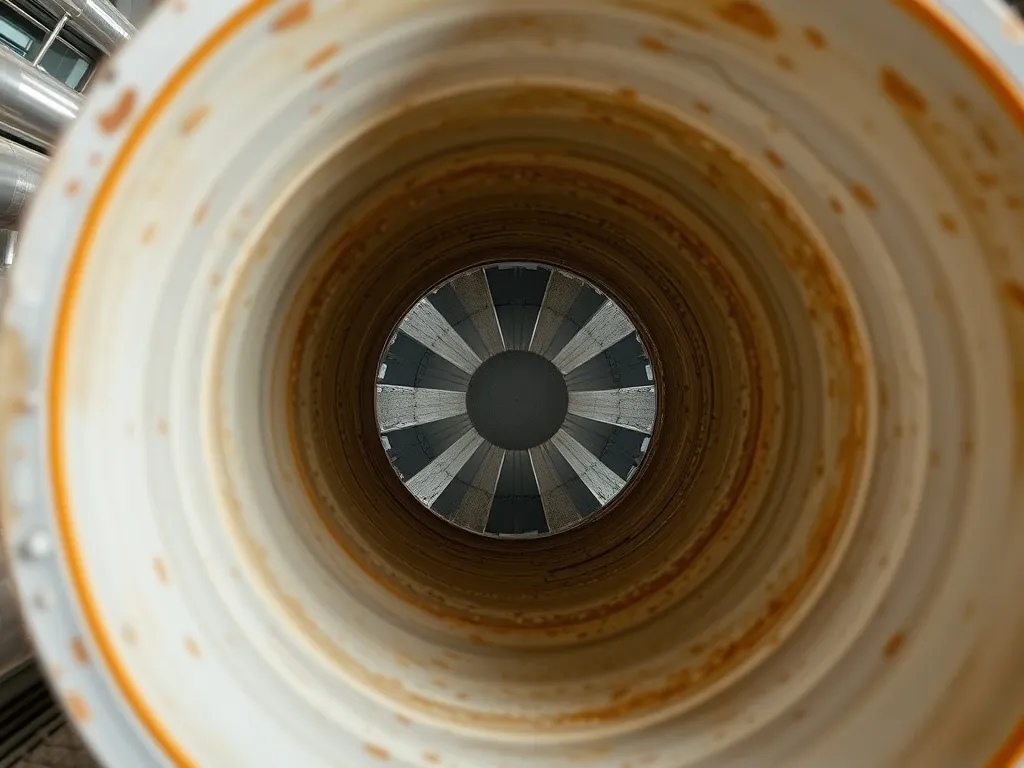
An industrial bakery in Wagga Wagga, NSW was battling severe scale buildup in its evaporative cooling tower. Scaling led to poor heat exchange, increased energy usage, and risks of biofilm development. The client had tried several off-the-shelf descalers, which either damaged metal parts or required system shutdown for application — both unacceptable for their 24/7 production.
- Water Chemistry Audit – Analyzed incoming water hardness and key ion ratios.
- Formulated Custom Chelating Agent – Non-corrosive and food-safe.
- In-Line Dosing Strategy – Continuous low-dose treatment with no downtime.
- Biofilm-Inhibiting Surfactants – Reduced microbial adhesion and improved energy efficiency.
Invisible Threats, Visible Solutions — Corrosion-Free Water Systems
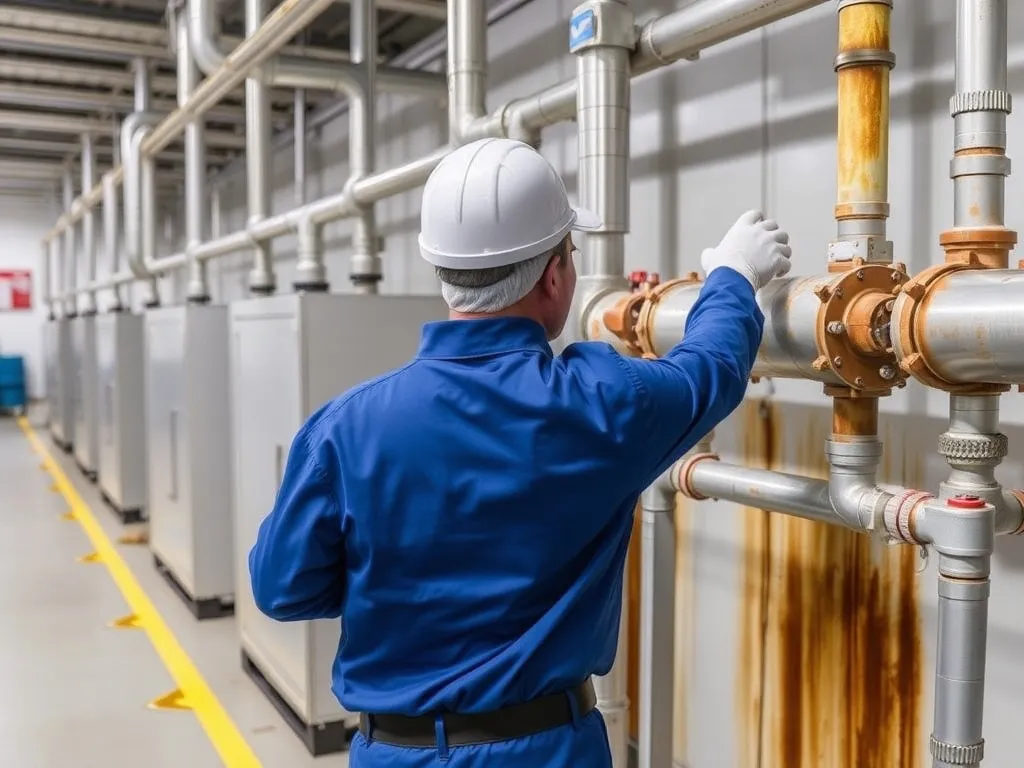
A pharmaceutical packaging facility in Dandenong South, VIC had unexplained rust formation in its closed-loop chilled water system. This threatened both HVAC efficiency and cleanroom compliance. Initial lab tests elsewhere had failed to isolate the cause.
- Ion Trace Analysis – Detected high chloride and copper ions from incompatible piping.
- Reformulated Inhibitor Blend – Targeted multi-metal system with low toxicity.
- In-Situ Leak Check Protocol – Identified and replaced two key leaking valve joints.
- Operator Training & Dosing Schedule – Prevented future imbalance and saved $40K/year in equipment costs.
From Waste to Water — Safe Irrigation Starts with Smarter Chemistry
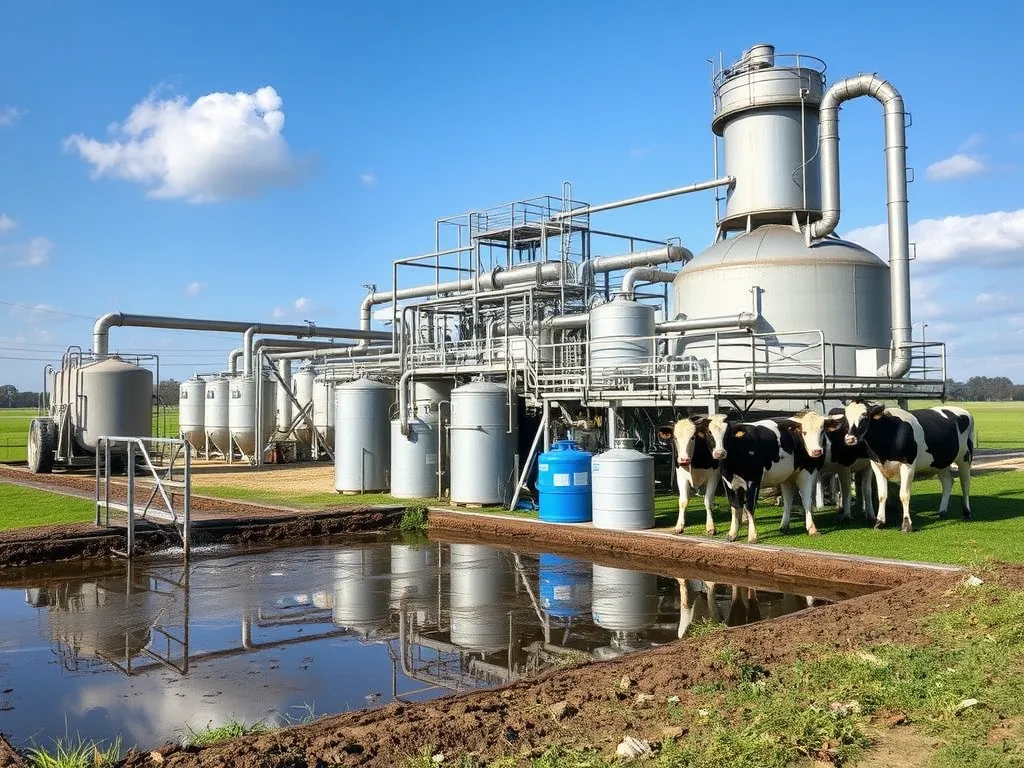
A dairy processor near Toowoomba, QLD needed to recycle greywater for nearby pasture irrigation, but failed E. coli and turbidity tests delayed approvals. They lacked the testing capability to pinpoint microbial persistence or optimize their disinfection stage.
- Biological Load Mapping – Identified biofilms as persistent microbial hotspots.
- Optimized Coagulation-Flocculation System – Improved solids removal and clarity.
- UV Dose Calibration – Matched dose curve to real-time water quality metrics.
- Regulatory Pathway Support – Delivered documentation for local EPA reuse approval within 4 weeks.
Our Expertise
Surfactant Formula Reverse Engineering
Facing formulation issues or compliance challenges with surfactants?
Labsure uses surfactant formulation analysis and reverse engineering to uncover composition, optimise performance, and improve safety and biodegradability — helping Australian companies solve problems faster and launch competitive products.
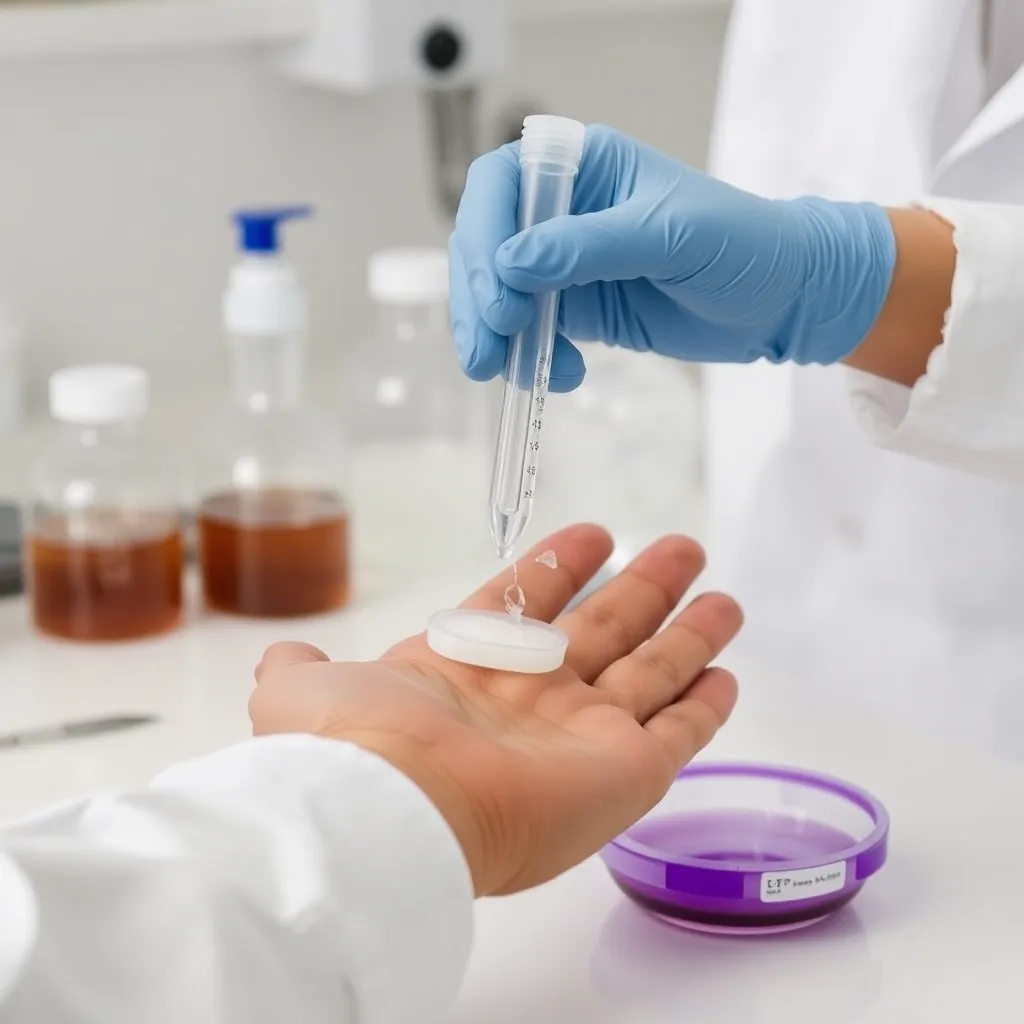
Mild Yet Mighty — Reformulating a Hand Soap for Skin-Friendliness
A private-label cosmetics manufacturer faced growing complaints about skin irritation from their flagship hand soap, sold through pharmacies and retail chains. Though the product was marketed as “mild,” the surfactant system (SLES + Cocamide DEA) was outdated and under regulatory pressure due to potential allergenicity and contamination concerns.
- Irritation Risk Assessment & Comparative Benchmarking Used HET-CAM & in-vitro dermal testing to quantify skin compatibility versus competitors.
- Reformulation with Mild, Sulfate-Free Surfactant System Replaced SLES/DEA with a mix of Sodium Lauroyl Glutamate + Decyl Glucoside + mild foaming boosters.
- Biodegradability & Clean Label Enhancements Selected naturally derived ingredients meeting COSMOS/ECOCERT standard.
- Stability & Packaging Compatibility Testing Validated shelf stability with essential oils and clear bottle formats.
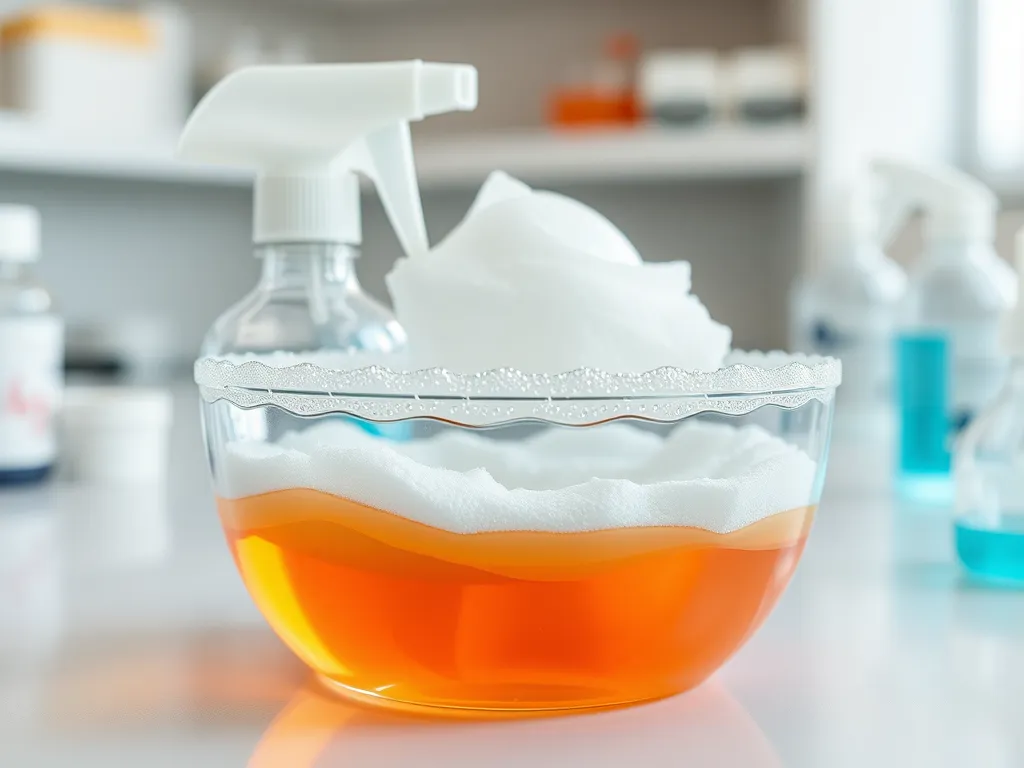
Stable in Storage, Strong in Solution — A Surfactant Success Story
A specialty chemical blender faced increasing complaints about product instability in a multipurpose cleaner concentrate. After 4–6 weeks of storage, layers formed due to surfactant incompatibility, especially in cooler climates. This led to high return rates and customer dissatisfaction.
- Conducted surfactant system compatibility mapping under thermal cycling tests.
- Replaced one of the ethoxylated surfactants with a more temperature-tolerant block copolymer.
- Added a small amount of hydrotrope to support microemulsion stability.
- Delivered shelf-stability extension from 6 weeks to 12+ months.
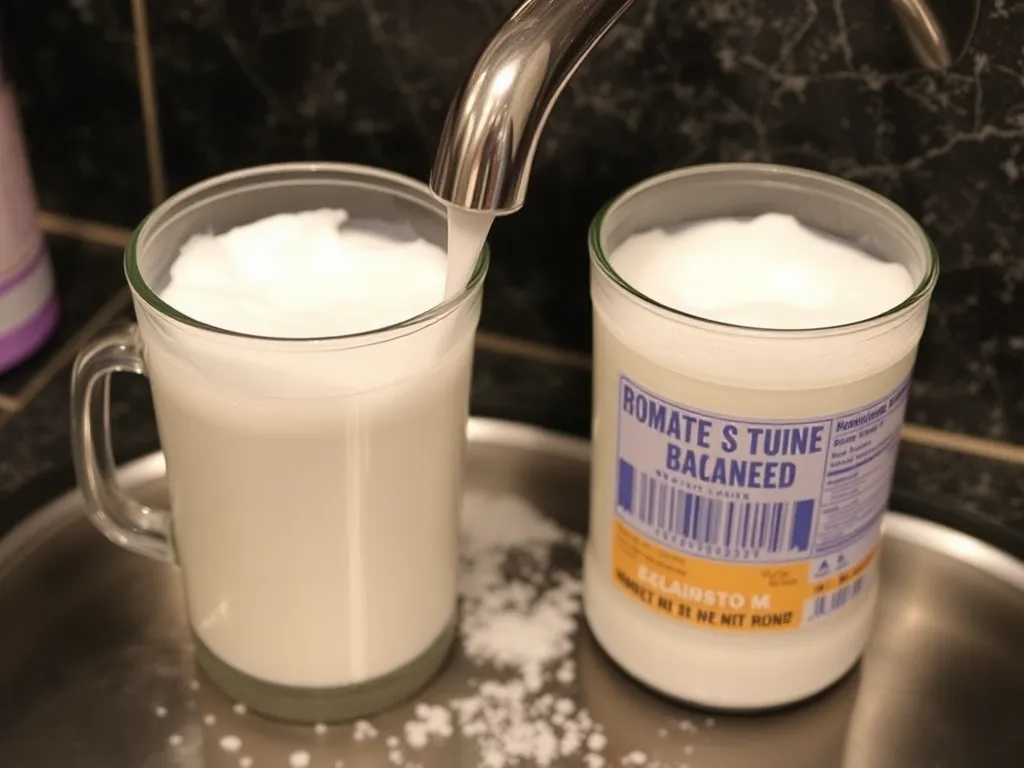
Custom surfactant blend enables low-foam performance in CIP cleaning.
A food processing plant’s cleaning chemical supplier needed a formulation suitable for Clean-in-Place (CIP) systems. Their current blend caused excessive foam, interfering with pump systems and prolonging rinse cycles. However, defoamers had limited effect, and reducing surfactants degraded cleaning power.
- Reformulated with low-foam nonionic surfactants (e.g., EO/PO block copolymers).
- Balanced with synergistic builders to maintain soil removal without raising foam.
- Optimized surfactant ratios through foam pressure profiling at 60°C.
- Validated cleaning efficiency using SS304 soil load coupon tests.
Our Expertise
Adhesive Formula Reverse Engineering
Struggling to benchmark or improve adhesive performance?
Labsure uses adhesive formulation analysis and reverse engineering to identify key components, optimise curing, and solve delamination or VOC issues — giving Australian SMEs clear, actionable insights to stay competitive.
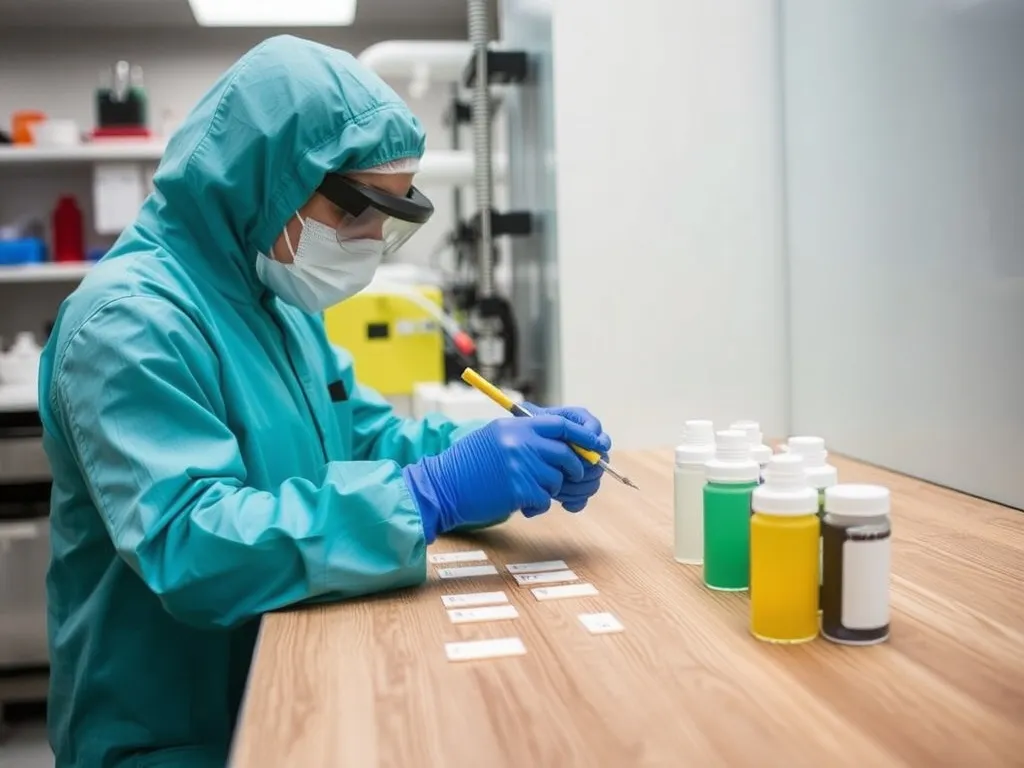
Heat-Resistant Flooring Adhesive Reformulation (WA)
A Perth-based adhesive company producing flooring glue for commercial buildings received repeated complaints of adhesive softening and joint failure in high-temperature summer months. The original supplier of their base resin had changed formulation without notice.
- Formulation analysis: Identified missing high-Tg resin component and elevated plasticizer levels.
- Reformulated Base: Replaced incompatible polymer with an alternative resin (Tg > 90°C).
- Thermal & Shear Testing: Validated improved heat stability and peel strength.
- Failure Rate Reduction: Product complaints dropped by >75% within 3 months.
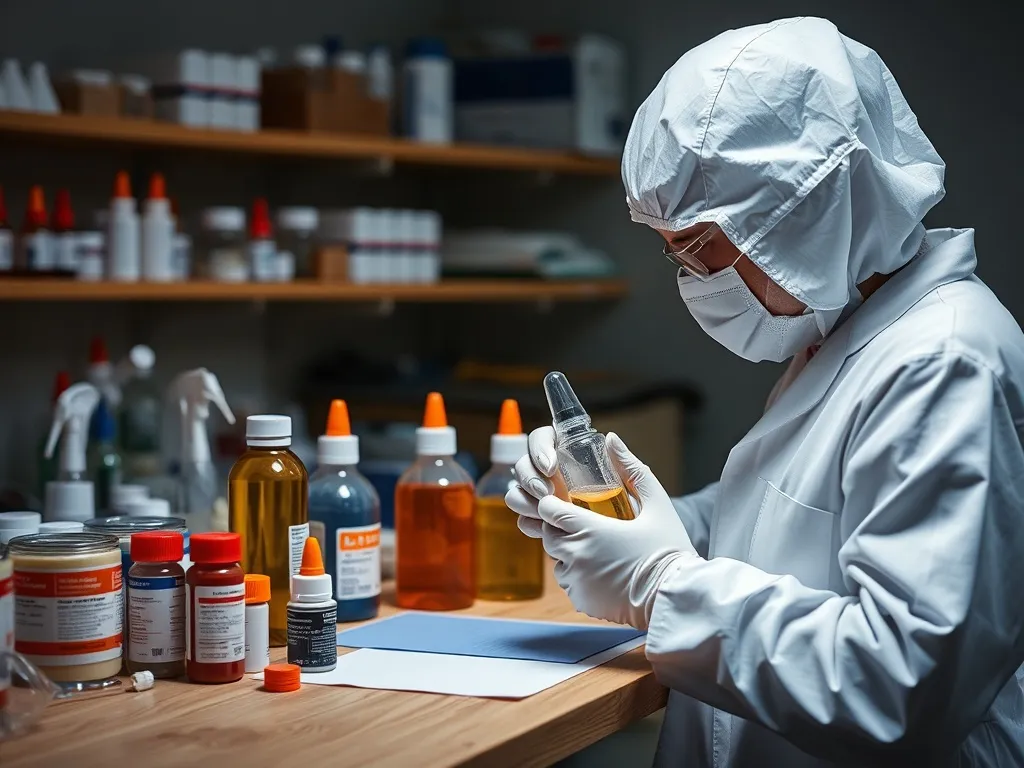
VOC-Compliant Wood Glue for Export (VIC)
A Melbourne-based workshop adhesive supplier failed VOC compliance for a new wood glue line destined for the EU. Their in-house R&D team lacked the tools to quantify volatile solvents accurately or suggest safer substitutes.
- VOC Profile Analysis: Used GC-MS to map all volatile components.
- Green Solvent Substitution: Proposed acetone-free alternatives with similar flash points.
- Viscosity Stabilization: characterise with rheology modifiers to match original handling.
- Export Approval: Product passed EU emission tests and resumed exports, saving $160K/year in lost sales.
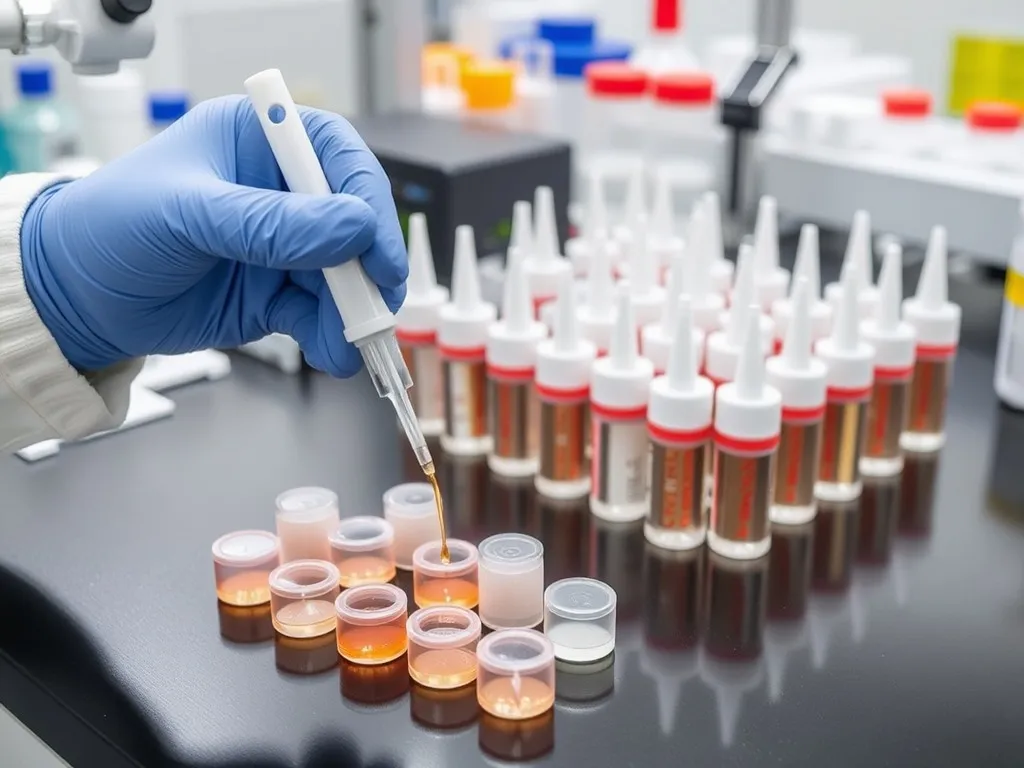
Fast-Cure Epoxy Packaging Failure (QLD)
A Brisbane-based epoxy glue manufacturer had packaging failures due to unexpected curing inside tubes, resulting in customer loss and wasted product. They suspected a raw material problem but lacked means to verify.
- Root Cause Analysis: Detected trace amine contaminant in hardener via LC-MS.
- Supplier Audit: Identified contamination source from bulk storage tank.
- Stabilizer Additive System: Introduced delayed-activation inhibitor to extend shelf life.
- Waste Reduction: Reduced returned product>60%, saving ~$30K quarterly.