
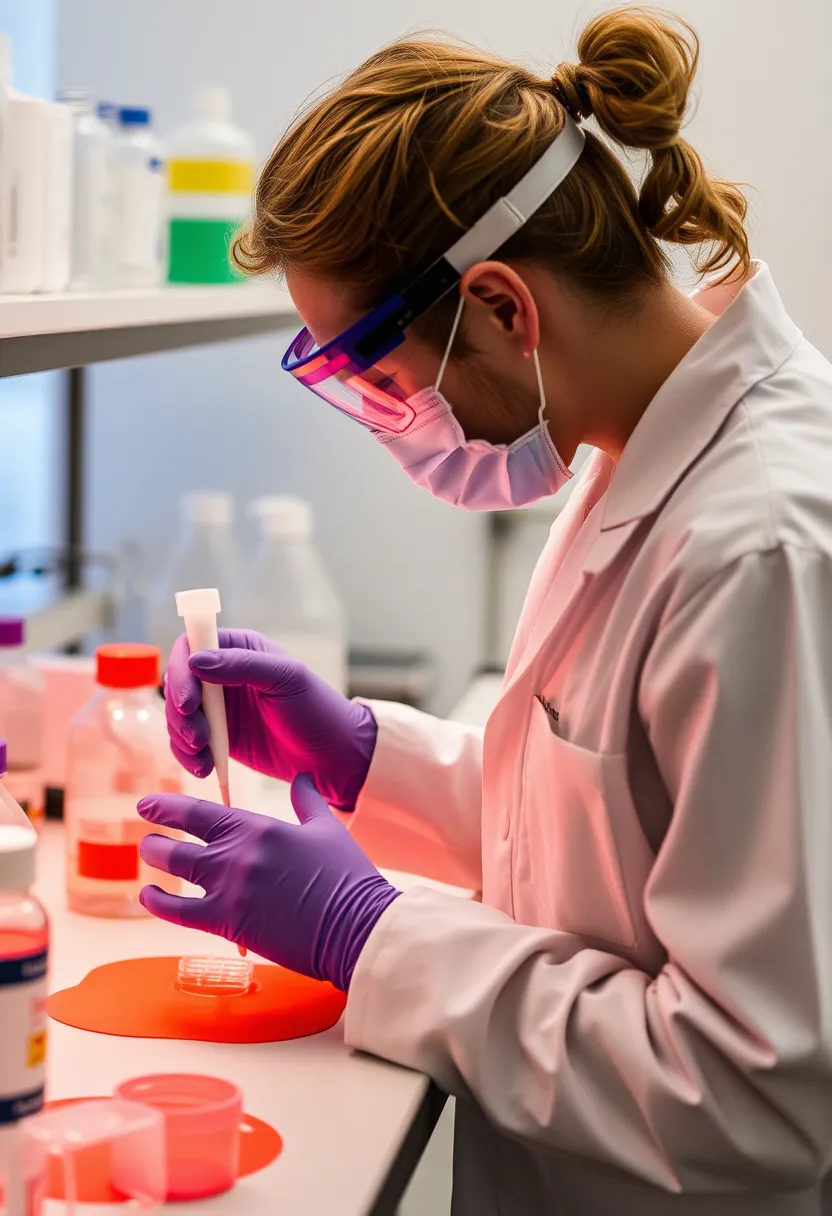
Reverse-Engineer & Perfect Coating Formulations
Labsure helps Australian manufacturers and formulators uncover the full composition of coatings and paints — from binders and pigments to solvents and additives. Our analysis supports formulation reverse engineering, performance optimisation, and compliance with VOC and safety regulations, giving you the insights needed to stay competitive and innovate with confidence.
- Full Ingredient Breakdown — Identify all binders, pigments, solvents, and additives. → Benchmark, reconstruct an equivalent formulation, or improve products with certainty.
- Formulation Analysis — Reconstruct coating formulas with precision. → Cost-effective R&D and competitive product development.
- Regulatory & VOC Compliance — Detect restricted or high-VOC components. → Ensure compliance with Australian and global standards.
- Performance-Linked Testing — Connect chemical composition to real-world performance (adhesion, gloss, hardness). → Guarantee your coatings perform as expected.
- Formulation Risk Management — Suggest safer alternatives for high-risk ingredients and structures. → Protect your business from technical and regulatory setbacks.
Decode Coating Formulations — Turn Chemistry into Competitive Advantage
Labsure helps Australian coating and paint manufacturers uncover the exact composition of their products — from resins and pigments to solvents and performance additives. Through advanced formulation analysis and reverse engineering, we reveal ingredient ratios, functional roles, and performance drivers.
Whether you need to benchmark a competitor, optimise durability, reduce VOC content, remove restricted substances, or lower formulation costs, we deliver clear, data-driven insights that accelerate product development and strengthen your market position.
We identify and quantify all key components in coatings and paints — including binders, pigments, solvents, and functional additives — while also testing key performance factors such as gloss, adhesion, and durability.
We conduct thorough analyses to identify and quantify:
Binders & Resins: Acrylics, epoxies, polyurethanes, alkyds, and more.
Pigments & Fillers: Organic/inorganic pigments, extenders, and opacifiers.
Solvents & Carriers: VOC profiling, water-based systems, and solvent blends.
Additives: Dispersants, defoamers, UV stabilizers, rheology modifiers.
Performance Metrics: Viscosity, gloss, hardness, adhesion, and curing behavior.
We deconstruct complex coating formulations to reveal every ingredient and its function. Whether you’re validating a technical benchmark, modifying your product for local compliance, or optimizing cost and performance, we deliver actionable insights backed by lab data.
Our composition analysis services enable you to:
Validate Performance Benchmarks: Deconstruct formulations to establish key technical parameters for R&D validation and market differentiation.
Optimize Existing Formulations: Enhance performance, reduce costs, or adapt to new material requirements.
Ensure Regulatory Compliance: Modify formulations to meet strict environmental and safety standards (e.g., VOC/REACH).
Support Formulation Innovation: Develop unique, superior formulations driven by analytical data and proprietary R&D goals.
From automotive and construction to consumer goods and marine applications, we support a wide range of industries where coating quality and consistency matter. Our testing helps improve product reliability, safety, and market competitiveness.
Our services cater to a wide range of industries, including:
Automotive: OEM coatings, refinishes, underbody protection.
Construction: Architectural paints, protective coatings, sealants.
Aerospace: High-performance coatings, corrosion resistance.
Marine: Anti-fouling paints, hull coatings, deck finishes.
Consumer Goods: Appliance coatings, decorative finishes.
Advanced Analytical Techniques for Coating Reverse Engineering
To accurately decode coating and paint formulations, Labsure uses a comprehensive suite of advanced laboratory technologies. We don’t just identify what’s inside — we determine how each ingredient functions, interacts, and influences performance.
Our multi-technique approach allows Australian manufacturers to reconstruct formulations, benchmark competitors, optimise durability, and reduce technical uncertainty before scaling production.
- Spectroscopy: FTIR, UV-Vis, NMR for molecular identification.
- Chromatography: GC-MS, LC-MS for component separation and quantification.
- Thermal Analysis: TGA, DSC for thermal stability and curing behavior.
- Microscopy: SEM, TEM for surface morphology and layer structure.
- Mechanical Testing: Hardness, adhesion, flexibility, and impact resistance.
Real-World Coating Challenges We Solve for Australian Manufacturers
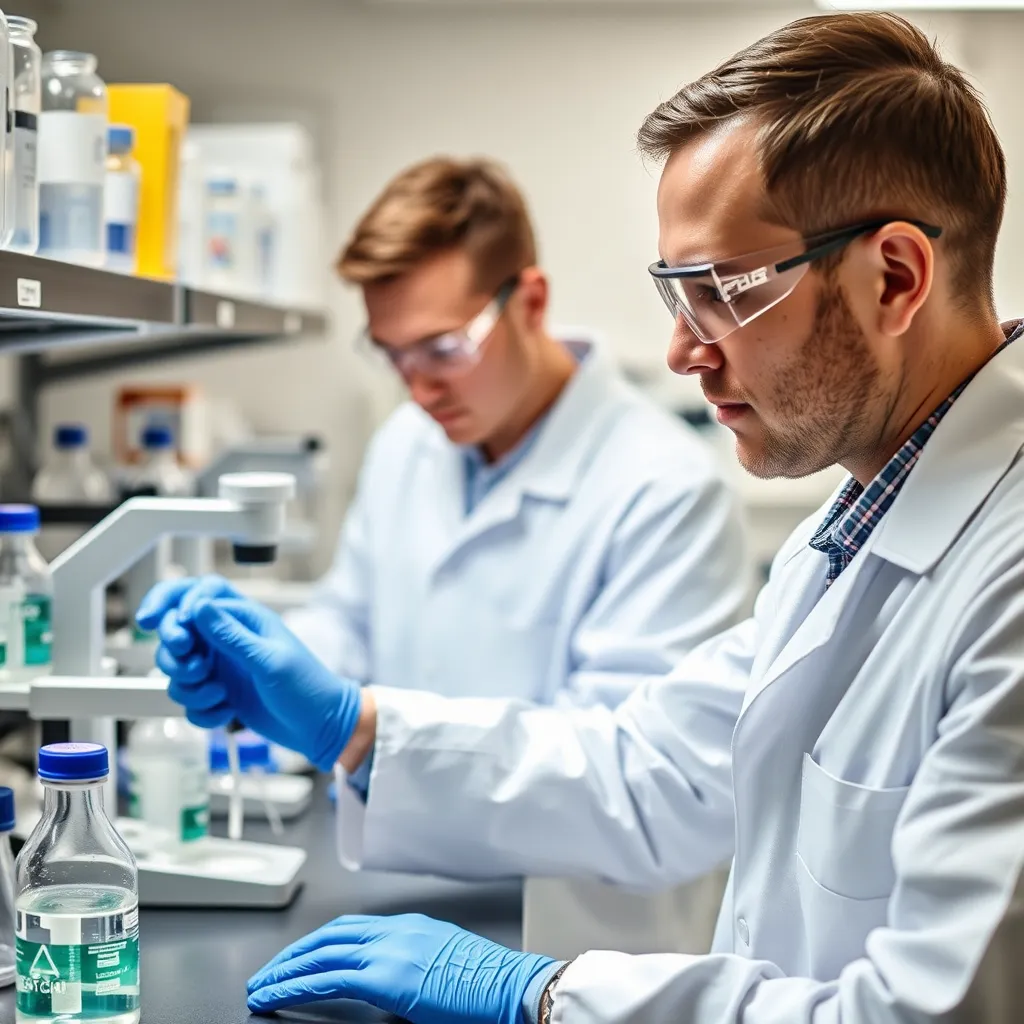
From competitor benchmarking to resolving persistent coating failures, Labsure helps Australian paint and coating brands decode formulations, identify performance drivers, and regain technical control. Our reverse-engineering and analytical services turn uncertainty into data-backed decisions — fast.
- Competitor Formula Benchmarking Reveal resin systems, pigment ratios, and additive architecture to understand why leading coatings outperform yours — and how to match or exceed them.
- Coating Failure Investigation Peeling, blistering, poor adhesion, cracking, or discoloration? We trace failures back to formulation imbalance, substrate incompatibility, or curing defects.
- Regulatory & VOC Reformulation Need to meet Australian or global environmental standards? We identify restricted components and design compliant alternatives without sacrificing performance.
- Cost-Optimised Reformulation Reduce raw material costs by identifying over-specified or unnecessary ingredients while preserving durability and finish quality.
- Raw Material & Supplier Transition Risk Control Switching resin or pigment suppliers? We verify chemical consistency and performance stability before full-scale production.
Conclusion & Insights
Decode, Fix & Outperform — Coating Formulation Solutions for Australian Manufacturers
Struggling with waterproofing failures, colour instability, poor pigment dispersion, or inconsistent batch quality? Many small and mid-sized Australian coating manufacturers lack the in-house analytical capability to fully understand what’s happening inside their formulations.
Labsure helps you decode coating formulas at a molecular and functional level — identifying resin systems, pigment ratios, additive structures, and performance drivers. Through advanced coating formulation analysis and reverse engineering, we uncover root causes, optimise performance, reduce material costs, and ensure VOC and regulatory compliance.
Stop guessing. Start making data-driven formulation decisions that strengthen durability, stability, and market competitiveness.
Restoring Waterproofing Performance in Harsh Western Conditions
A small Perth-based waterproofing coating manufacturer faced customer complaints about peeling and poor adhesion, especially after heavy rain exposure. Internal staff suspected a formulation flaw but couldn’t pinpoint the issue.
- Identified incorrect polymer ratios using formulation analysis.
- Discovered low molecular weight additives causing film brittleness.
- Adjusted polymer binder and plasticizer composition to improve flexibility.
- Conducted water-resistance and cross-hatch adhesion testing to validate new formula.
Fixing Color Inconsistency in Water-Based Interior Paints
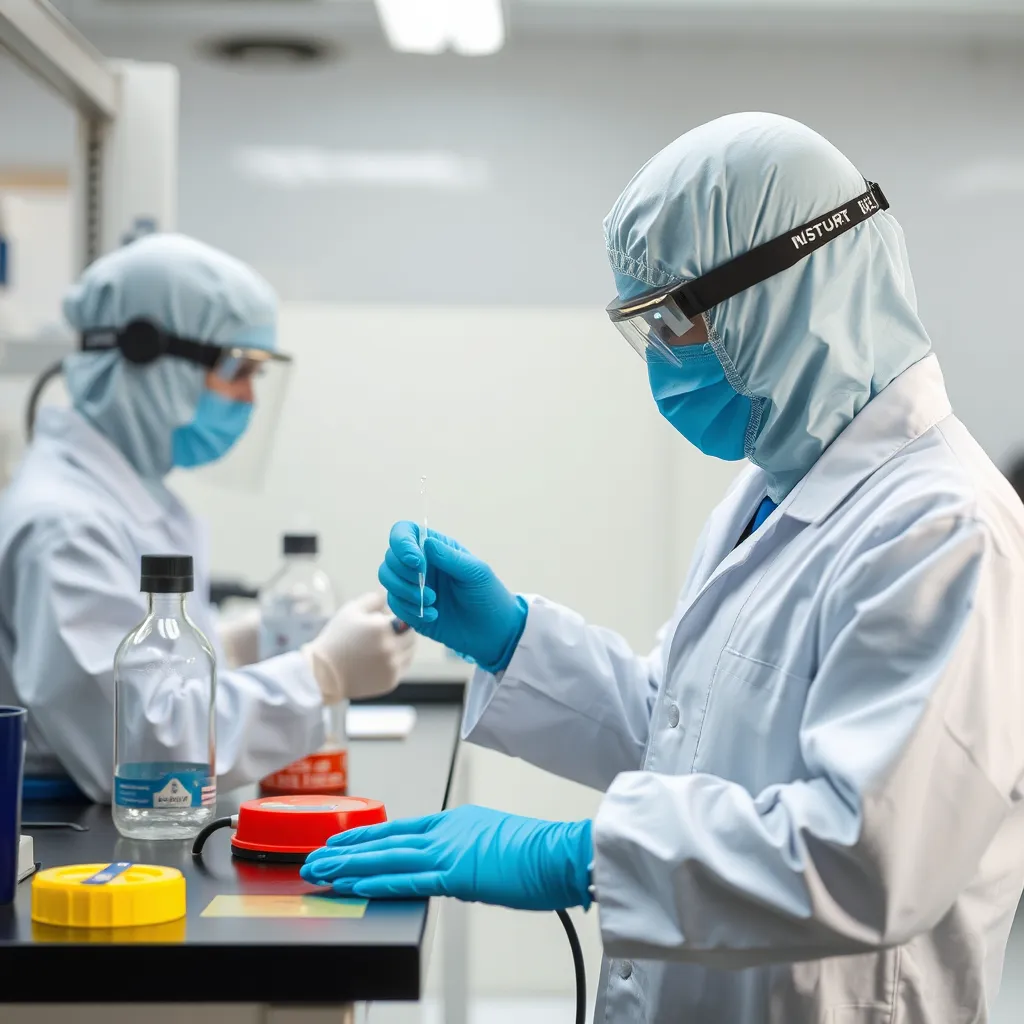
A regional paint producer outside Melbourne struggled with shade inconsistencies across batches of interior wall paint. Even after following the same mixing process, customers noticed color mismatches after drying.
- Detected pigment flocculation during storage through accelerated stability testing.
- Recommended dispersant change to prevent pigment clustering.
- Added co-solvent and wetting agent to improve dispersion uniformity.
- Standardized mixing sequence and time with lab-to-plant transfer protocol.
Eliminating Premature Rusting in Budget Metal Coatings
A small-scale industrial coating producer near Brisbane reported early rust development in their outdoor metal primer within just 6 months of application.
- Performed corrosion analysis and salt spray testing—found insufficient anti-corrosive additive dosage.
- Swapped generic zinc phosphate with modified zinc molybdate for stronger protection.
- Adjusted pigment volume concentration (PVC) to improve barrier effect.
- Introduced a two-layer system: primer + topcoat with balanced film thickness.
Stop Guessing — Get Clear Answers About Your Coating Formula
Tell us your challenge. We’ll help you identify hidden formulation issues, benchmark competitors, and unlock performance improvements with data-driven analysis.