From Greywater to Green Fields — Smart Chemistry for Safer Irrigation
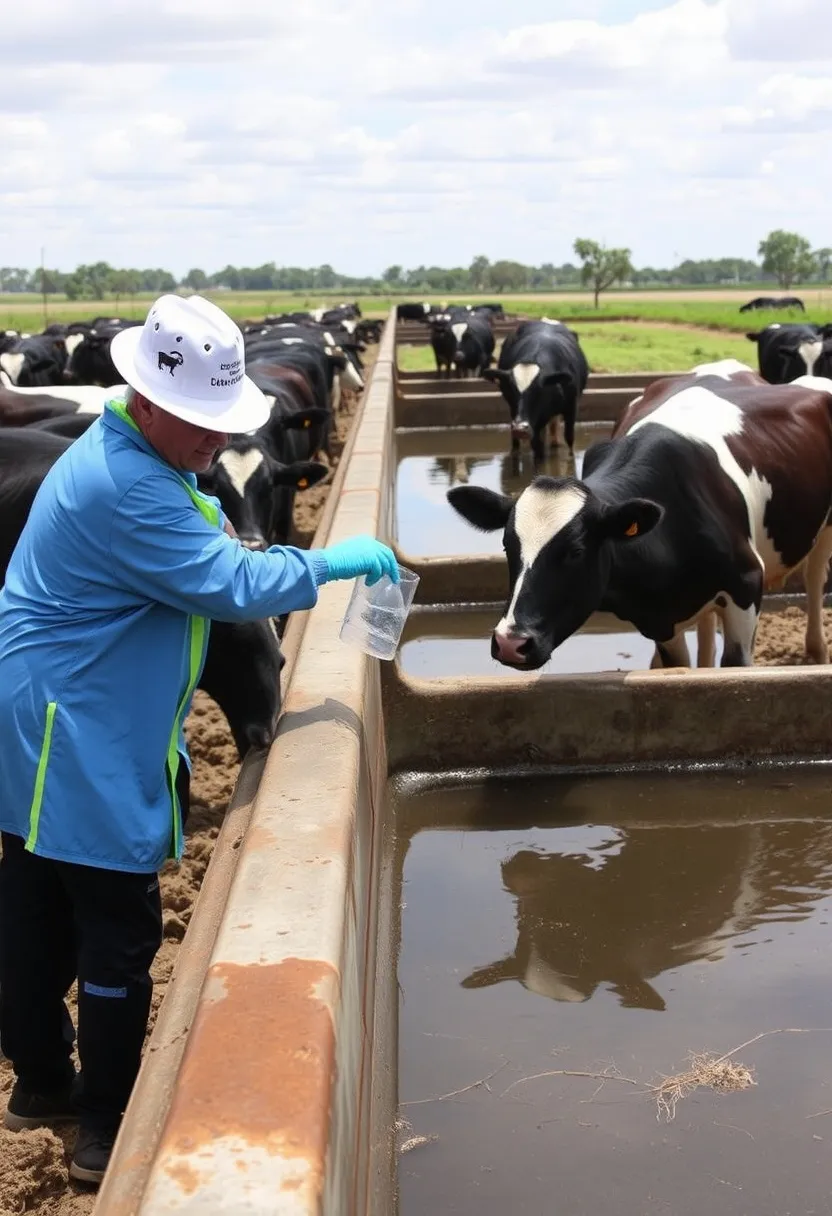
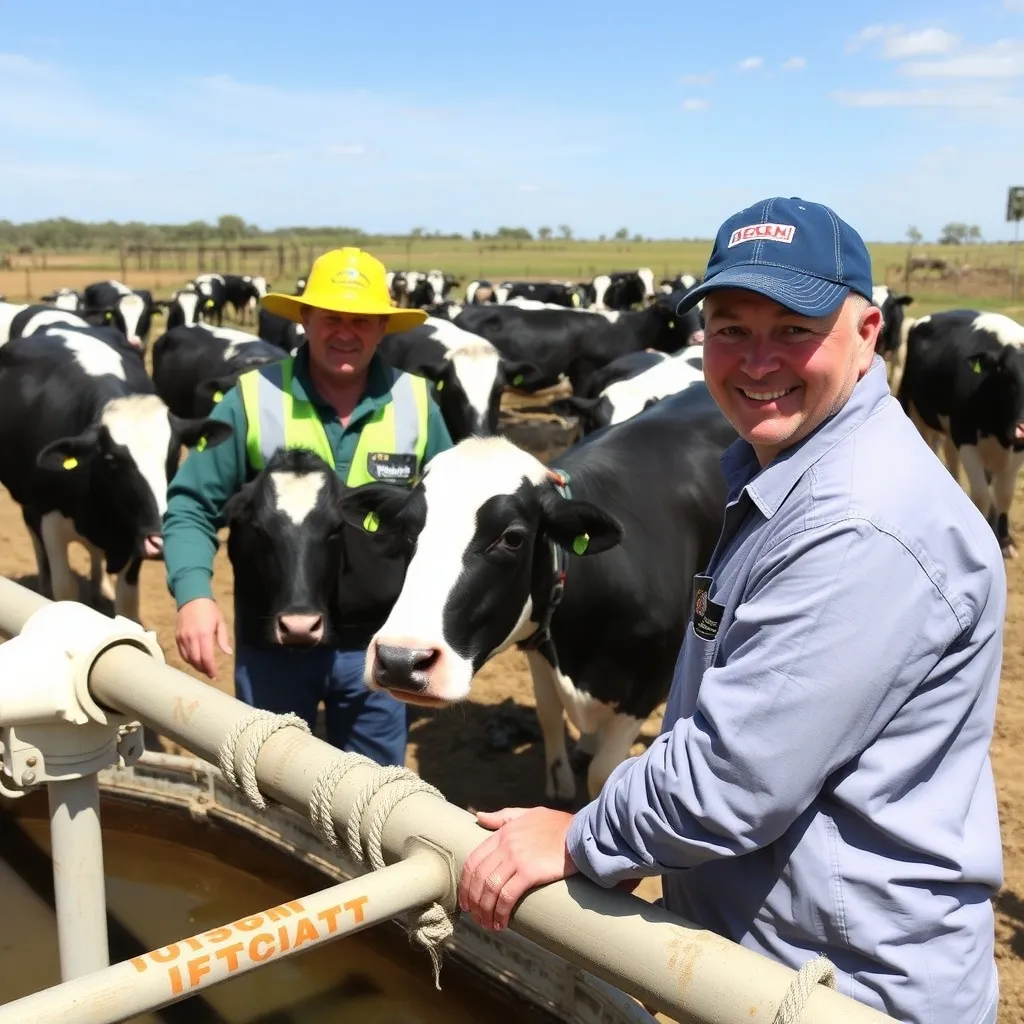
A dairy farm near Toowoomba, QLD, faced regulatory hurdles in reusing its greywater for pasture irrigation. Despite investing in mechanical filtration and basic disinfection, the water consistently failed E. coli and turbidity compliance tests. Sludge accumulation, seasonal microbial surges, and inconsistent chemical dosing made approvals nearly impossible. Without advanced lab support, the farm’s treatment chemical supplier struggled to identify the root problems.
Labsure partnered with the chemical supplier to deliver a chemistry-driven solution — reducing biological risks, stabilizing water quality, and helping the client achieve regulatory approval fast.
Challenge & Solution Narrative
Initial testing revealed high microbial persistence, despite adequate UV and chlorine disinfection — a red flag for biofilm formation. Residual proteins, fats, and fine solids in the greywater were providing nutrients for bacterial regrowth and interfering with coagulant efficiency.
Our interventions included:
Biofilm Indicator Analysis – Detected hard-to-remove microbial films in piping and holding tanks.
Custom Coag-Floc Formulation – Developed a tailored blend of coagulants, flocculants, and oxidizers to remove emulsified organics and fine colloids.
pH-Controlled Disinfection Package – Integrated peracetic acid stabilized with buffering agents, ensuring optimal kill rates at varying organic loads.
Operator Support Tools – Introduced a simple dosing calculator and test strip protocol to minimize human error on-farm.
Within 6 weeks, turbidity dropped by 72%, and E. coli counts stayed below 10 CFU/100mL across multiple sampling points. The dairy was granted a conditional reuse license and now operates sustainably — without expensive filtration retrofits.
Multi-Stage Optimization for Regulatory-Grade Reuse
We designed a treatment plan grounded in surfactant-assisted coagulation and oxidant synergy to overcome the biological complexity of dairy wastewater — without heavy capital investment. The solution is repeatable for other livestock facilities and can be scaled via distributor networks.